



Exploring Unconscious Bias with Children and Adults at KidZania Tokyo's Event
Insight into Unconscious Bias in Society
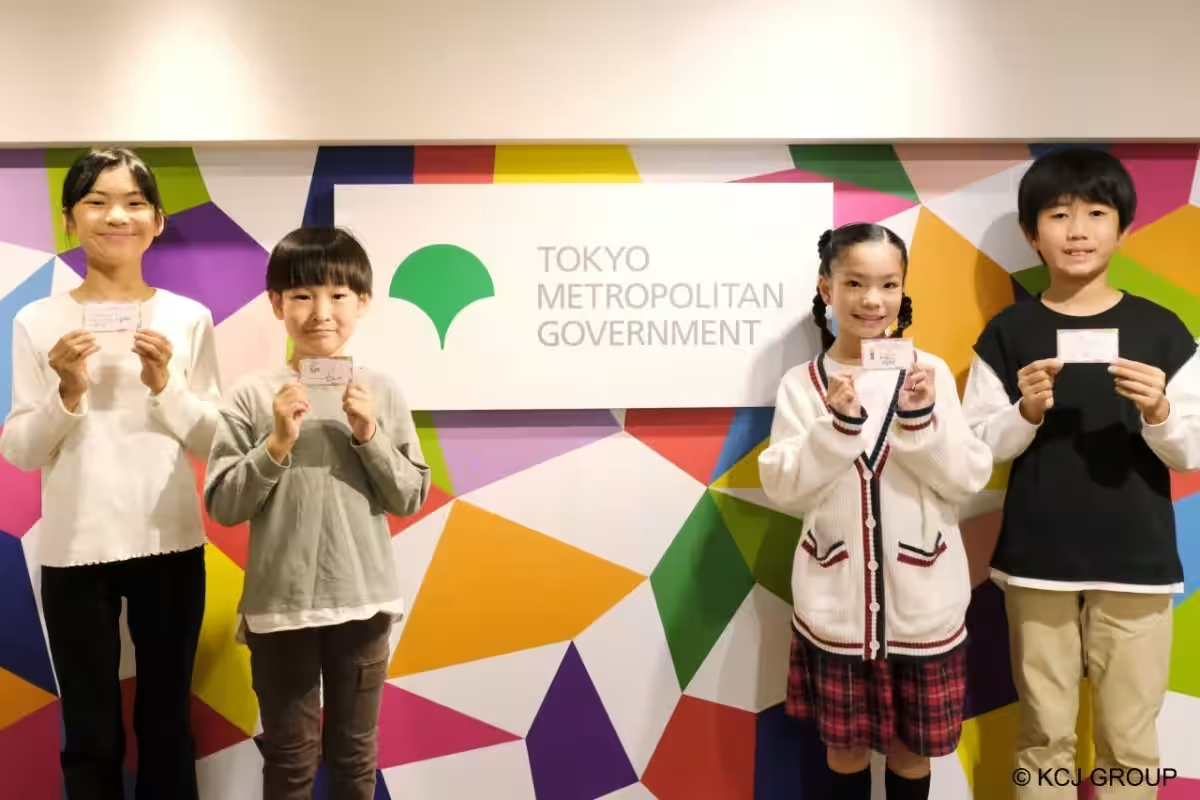
In a remarkable initiative aimed at understanding unconscious biases related to gender roles, KidZania Tokyo, in collaboration with the Tokyo Metropolitan Government's Bureau of Living Culture, has been conducting the "Unconscious Bias Week" event. Set in the child-centered environment of KidZania Tokyo, this event has been scheduled to run continuously from 2023 to 2025, encouraging children and adults alike to participate in dialogues and surveys about their perceptions of gender roles.
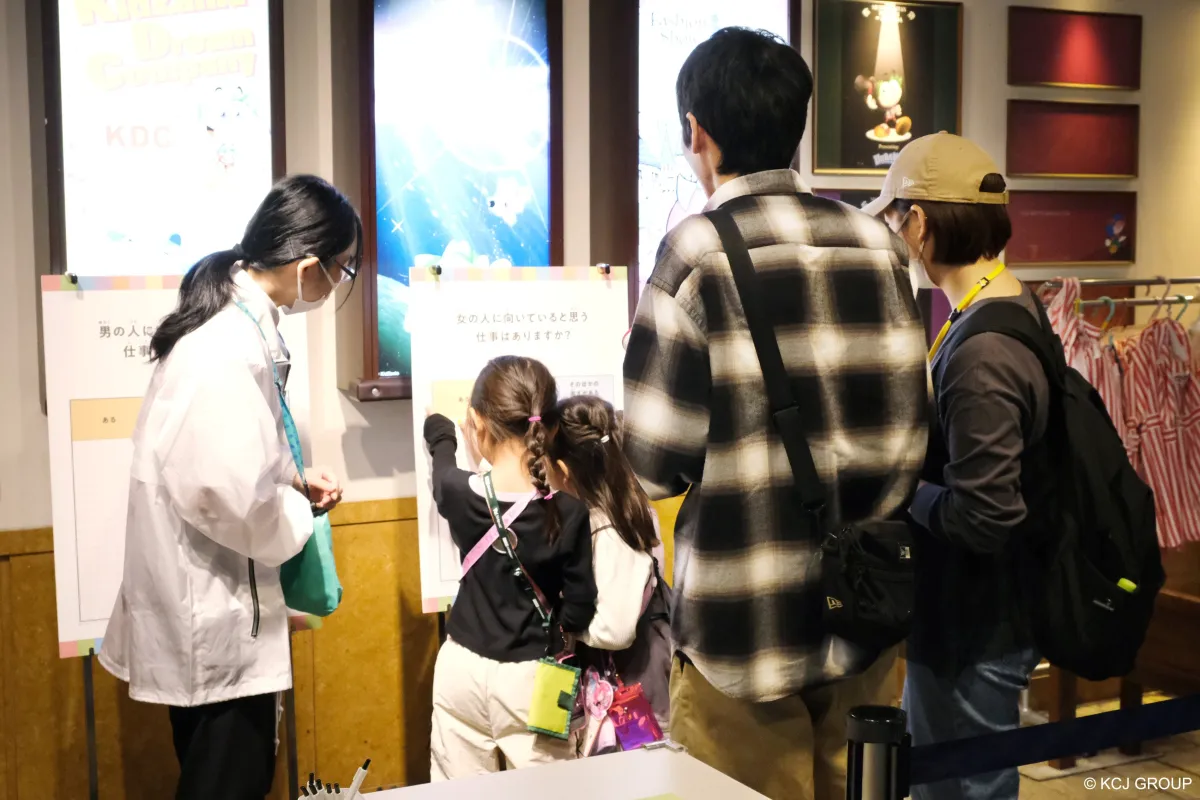
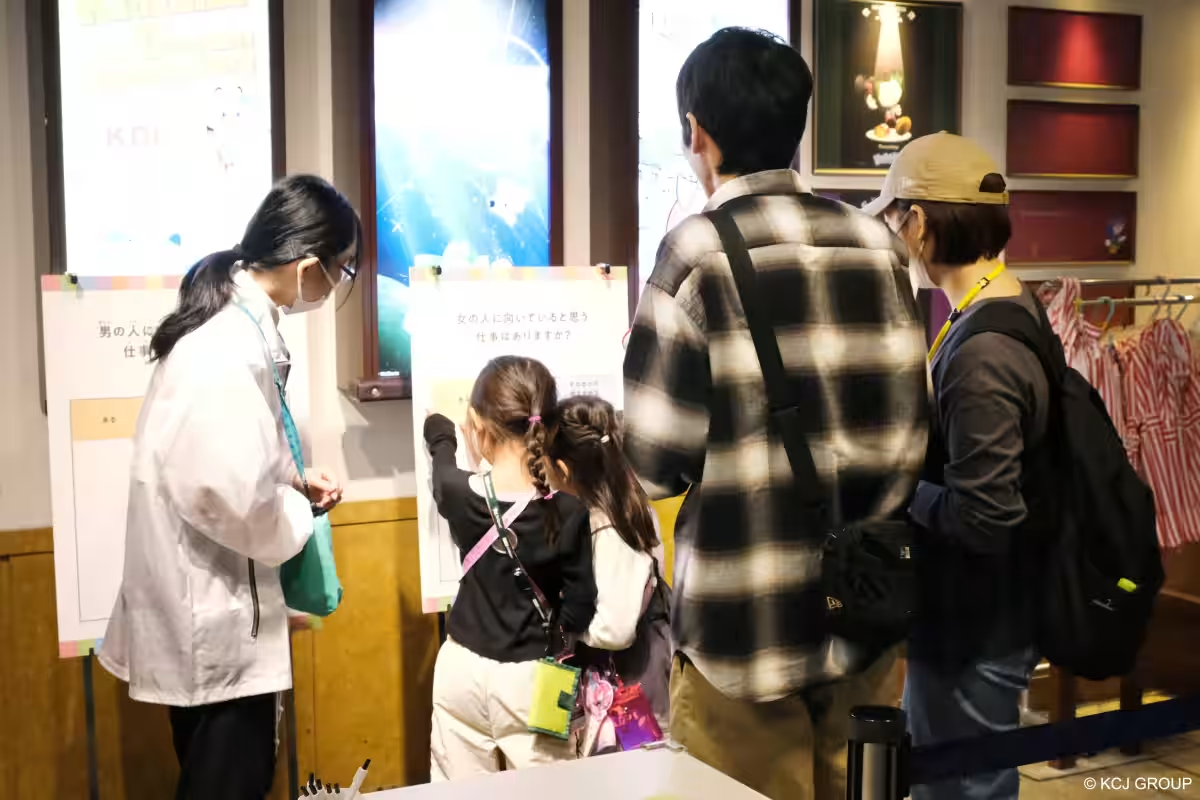
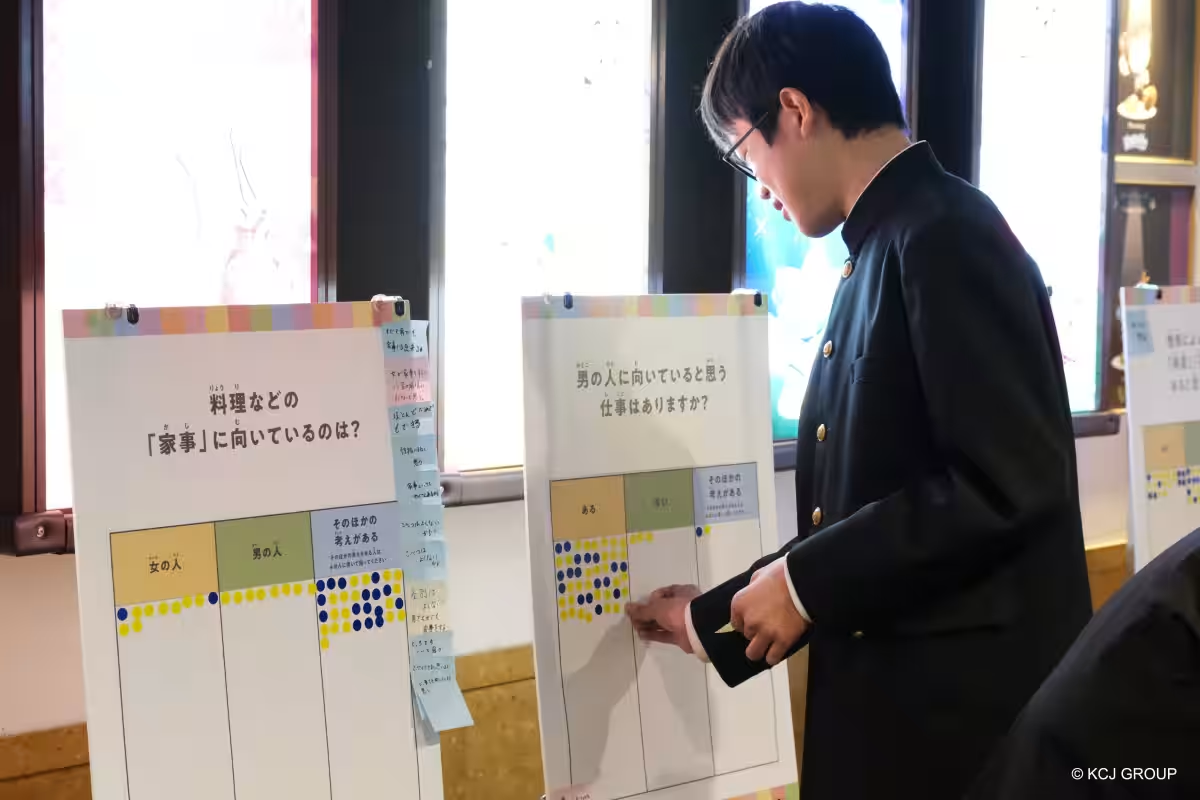
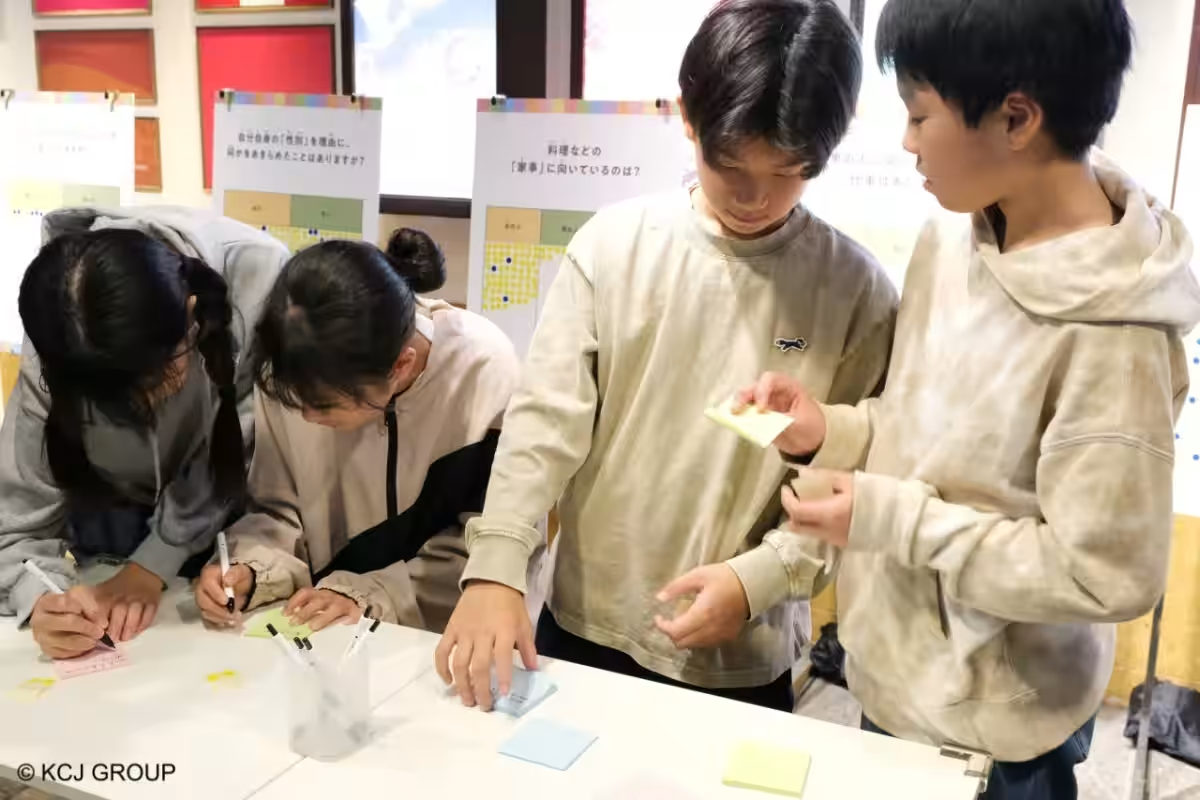
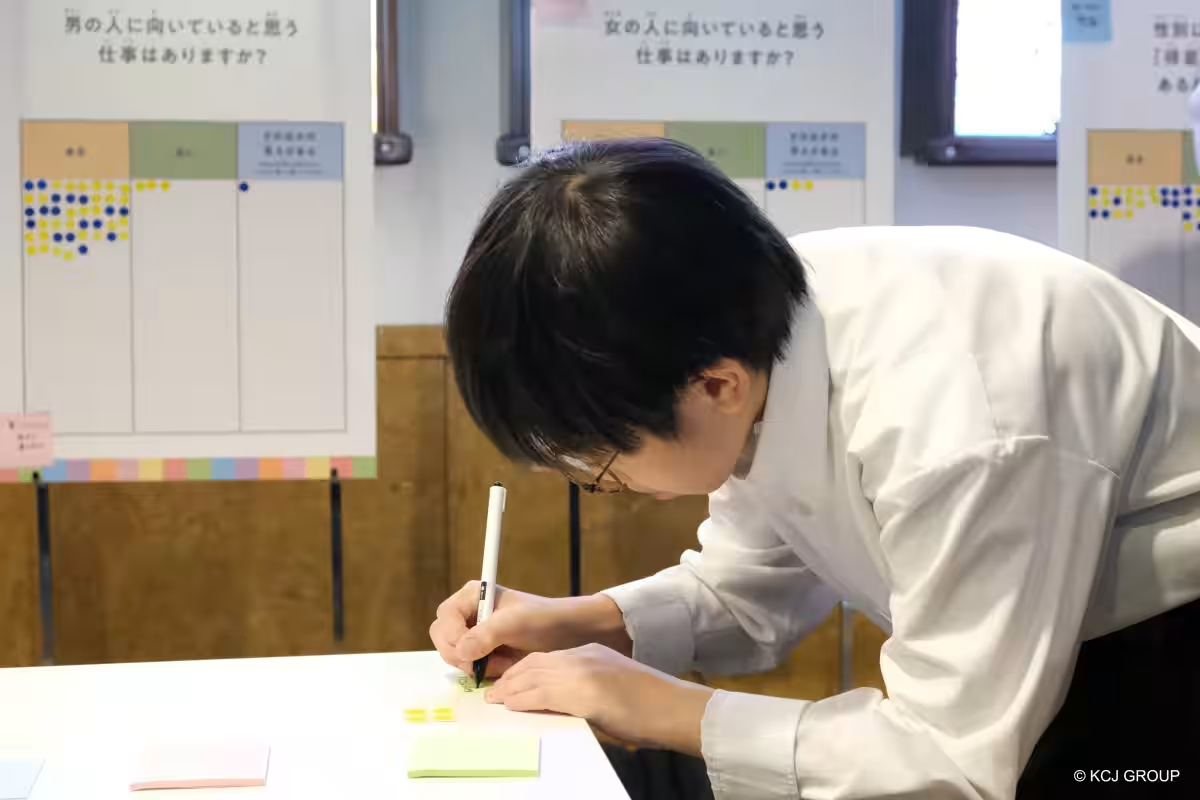
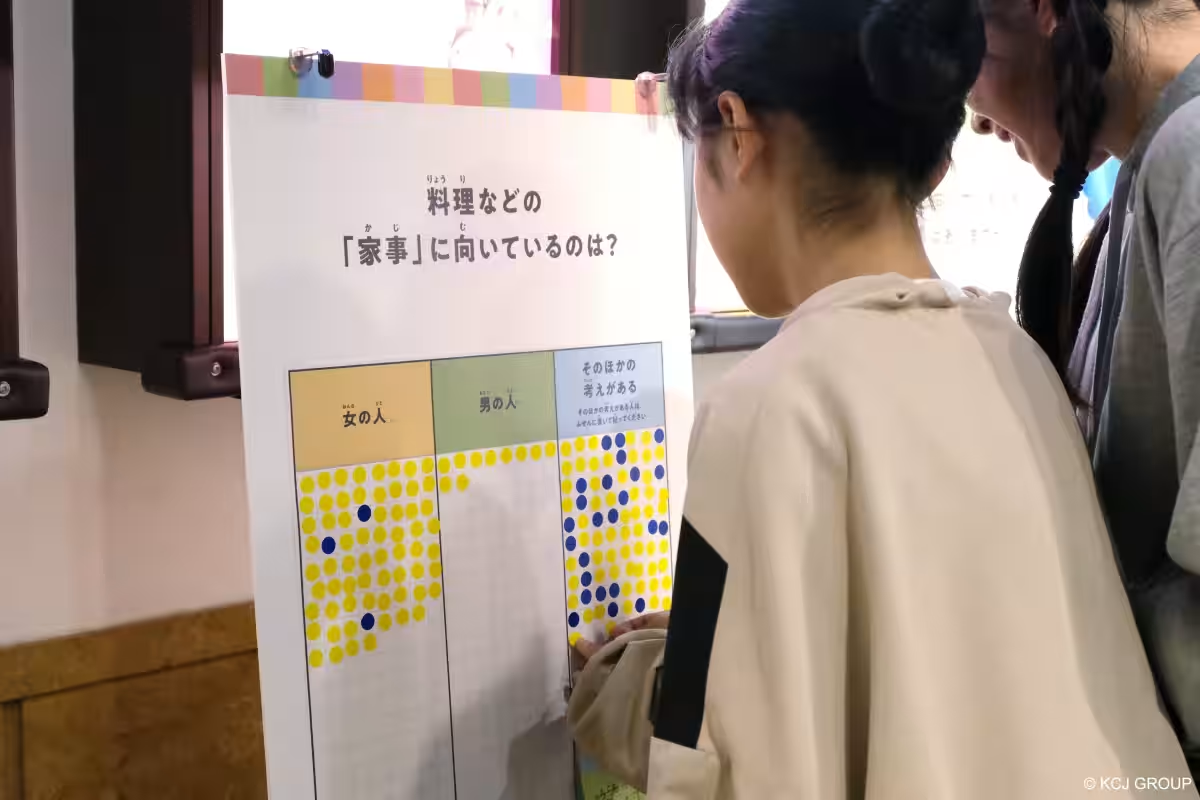
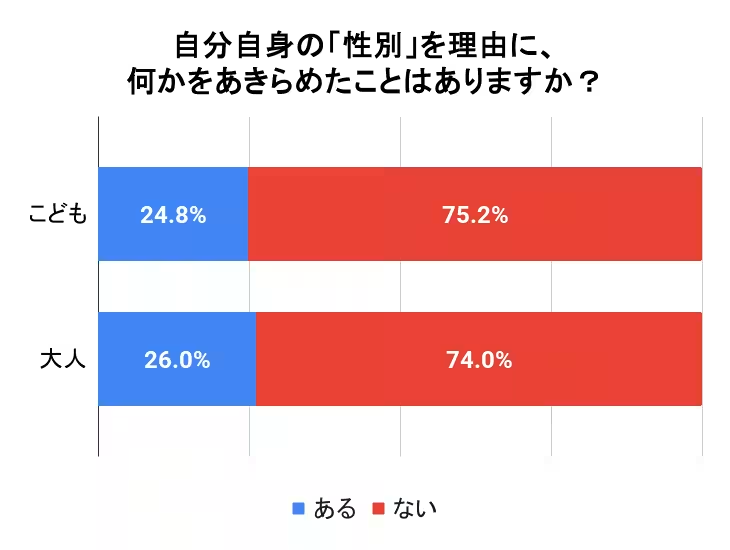
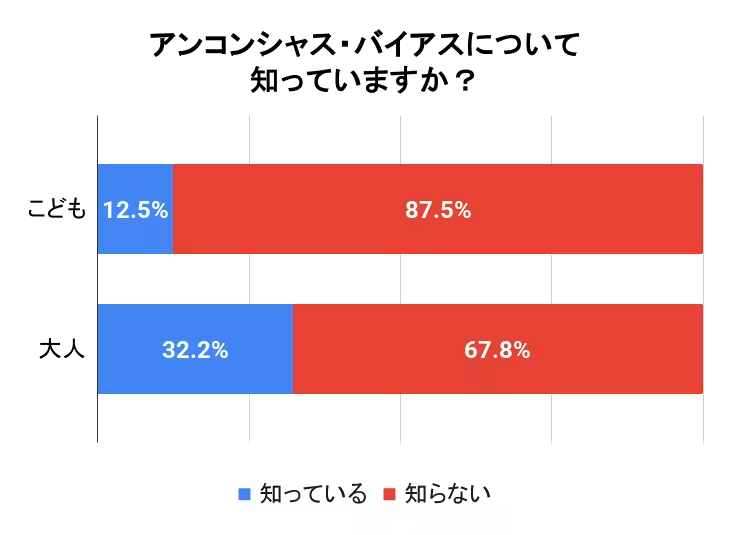
The latest event, held from October 31st to November 6th, 2025, engaged attendees in a voting survey aimed at unveiling their unconscious bias regarding gender roles in various work fields. By having participants place stickers on statements they resonated with, approximately 3,000 responses were collected, shedding light on thought patterns among different age groups.
The Survey Findings
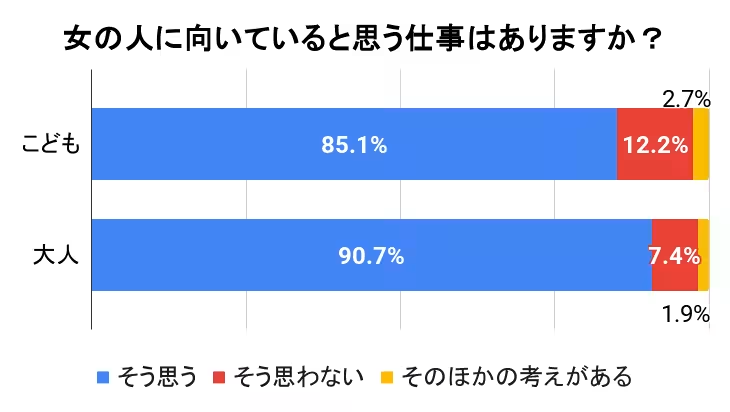
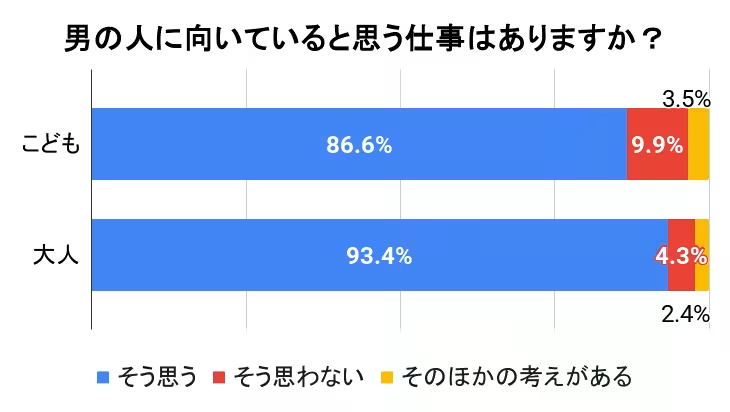
One of the pivotal questions posed was, "Do you believe there are jobs more suitable for women?" Surprisingly, only 44.4% of children responded affirmatively, marking a 5.6-point difference compared to adult respondents. In another instance, when asked about jobs that might be more suitable for men, children were found to be 6.8 points less likely to agree than adults. These insights illustrate a potentially progressive mindset among children compared to adults, suggesting that younger generations may be more aware of gender neutrality in the workplace.
A survey conducted by the Tokyo Metropolitan Government in the previous years indicated a strong belief among students and parents that gender influences job suitability. However, a notable trend revealed that as age increases, the biases seem to strengthen, particularly among high school students compared to elementary school children.
Diverging Perceptions on Academic Skills
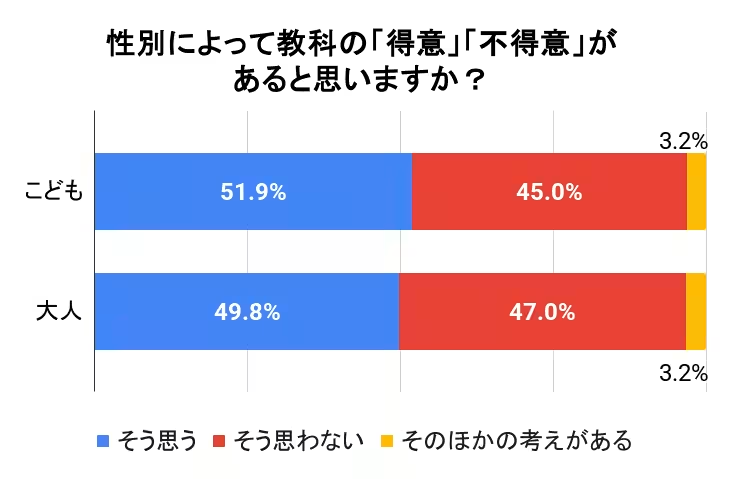
Interestingly, when participants were asked whether they believe certain academic subjects favor genders, the responses were pretty evenly split. However, a slight majority of children, at 51.9%, reported that they felt biases existed in their academic skills, which was just 2.1 points higher than the adult response. Some participants noted, "I used to feel a difference when I was younger, but as I grew, I realized the distinctions faded away," reflecting a growing self-awareness that evolves through experiences.
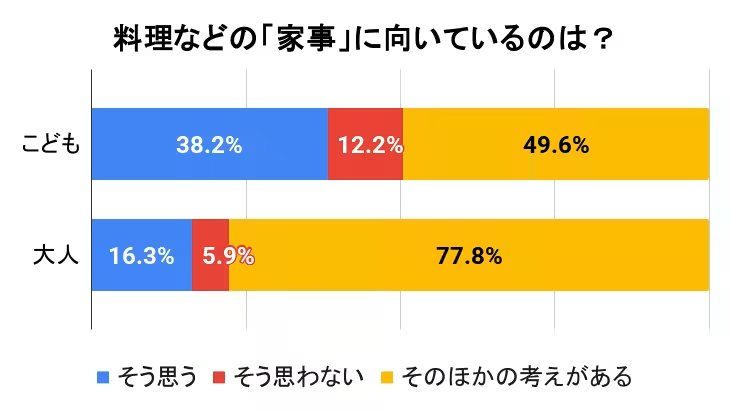
Moreover, when discussing household tasks, around 50% of children and 80% of adults expressed varied opinions on who is more suited to household duties like cooking. Many shared views advocating for gender neutrality, stating that ability varies among individuals rather than being dictated by gender. Participants voiced arguments such as, "It depends on personal differences rather than gender," and "Cooking should be a shared responsibility, and both men and women can be excellent at it."
Engaging Activities and Learning Opportunities
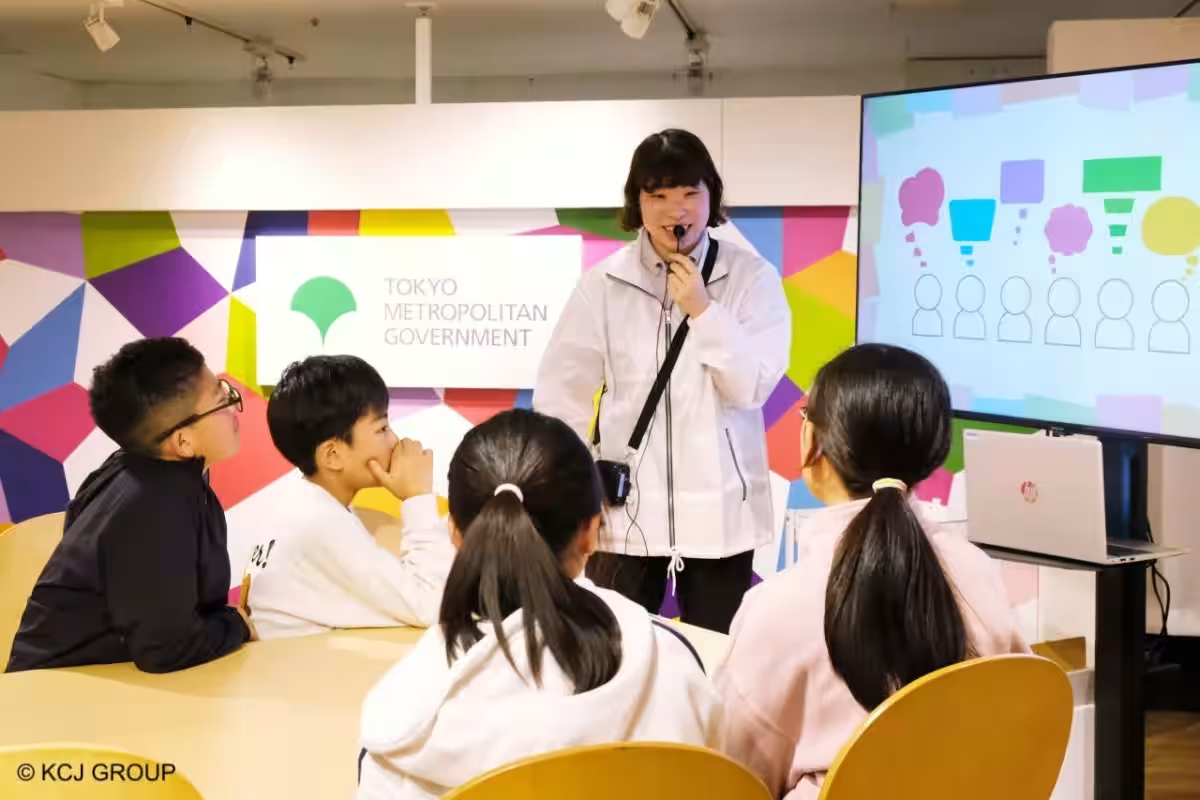
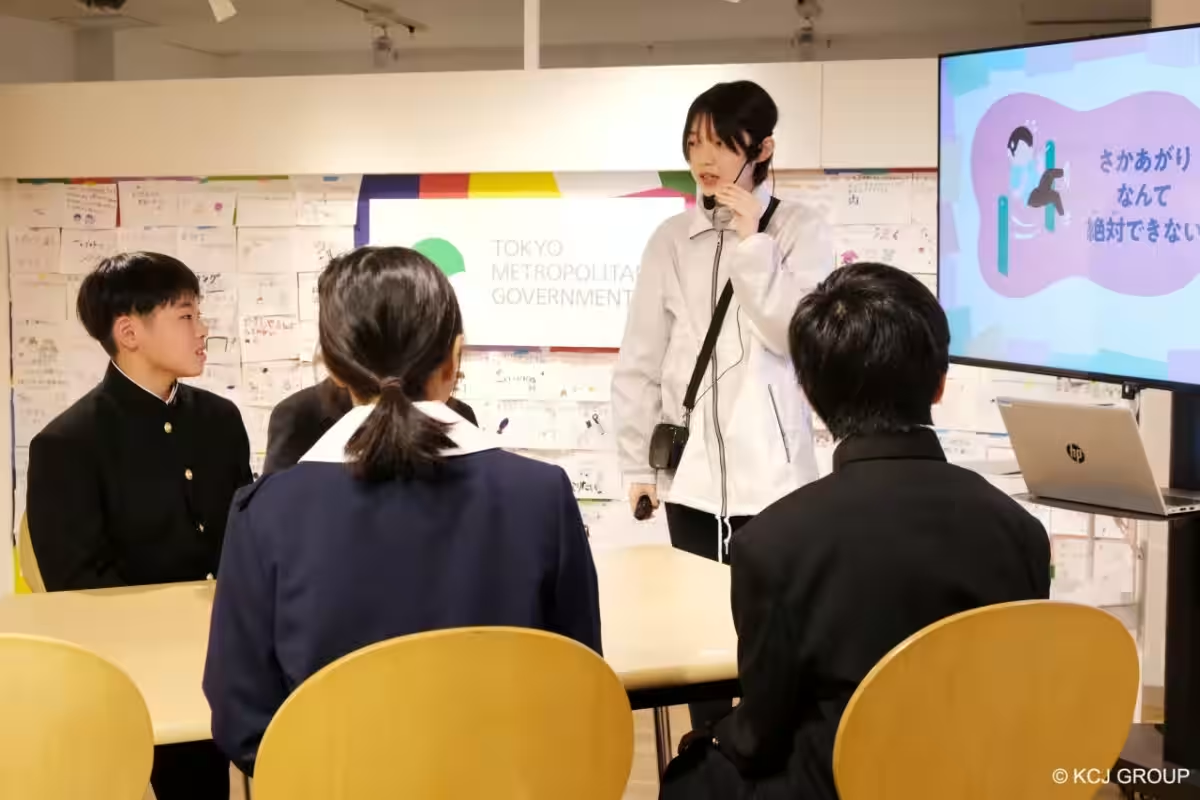
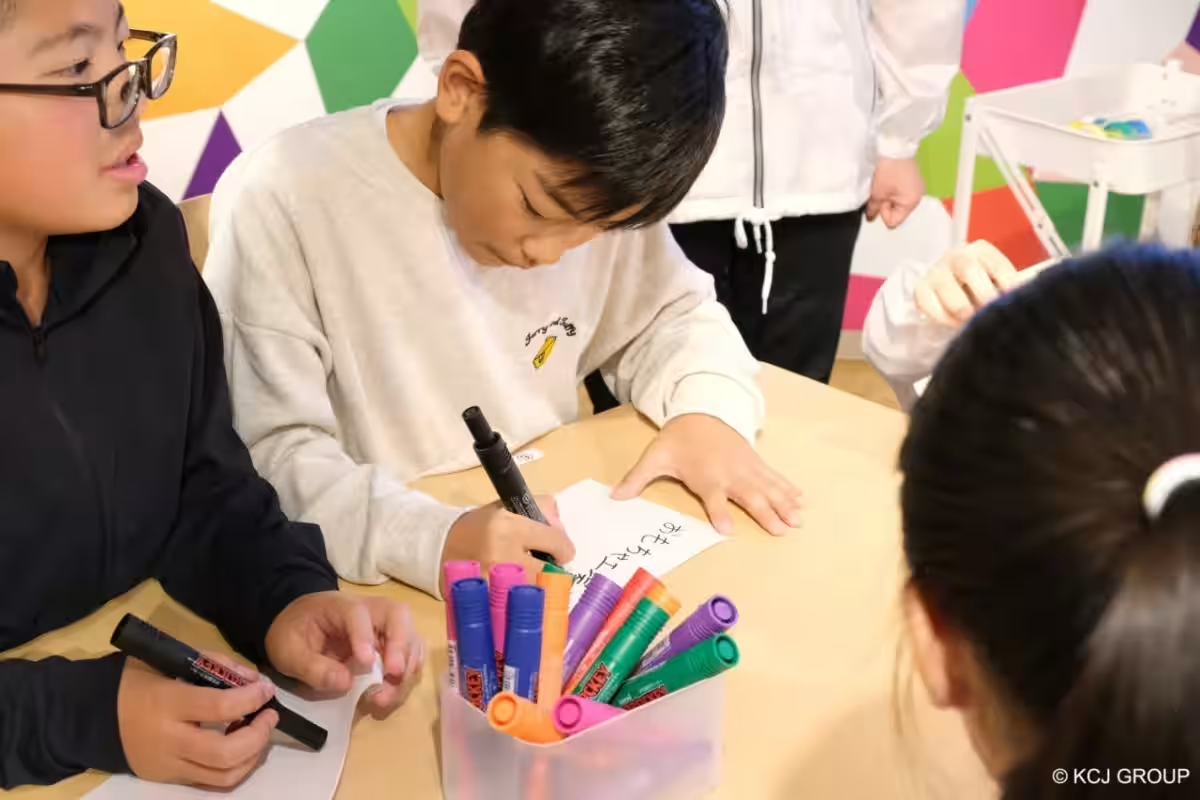
Throughout the event, several engaging activities were held, including workshops where children created "Challenge Cards." These cards served as a means for kids to think freely about their futures without being restrained by unconscious biases. Participants reflected on their experiences and discussed limiting beliefs, like feeling they couldn't pursue certain goals due to their gender or abilities.
The children actively participated in discussions, challenging statements like, "I can't be a train driver because I'm a girl." Responses ranged from encouraging affirmations about diversity in careers today, showing that these attitudes are changing, especially with examples like the rising number of female train drivers in Japan.
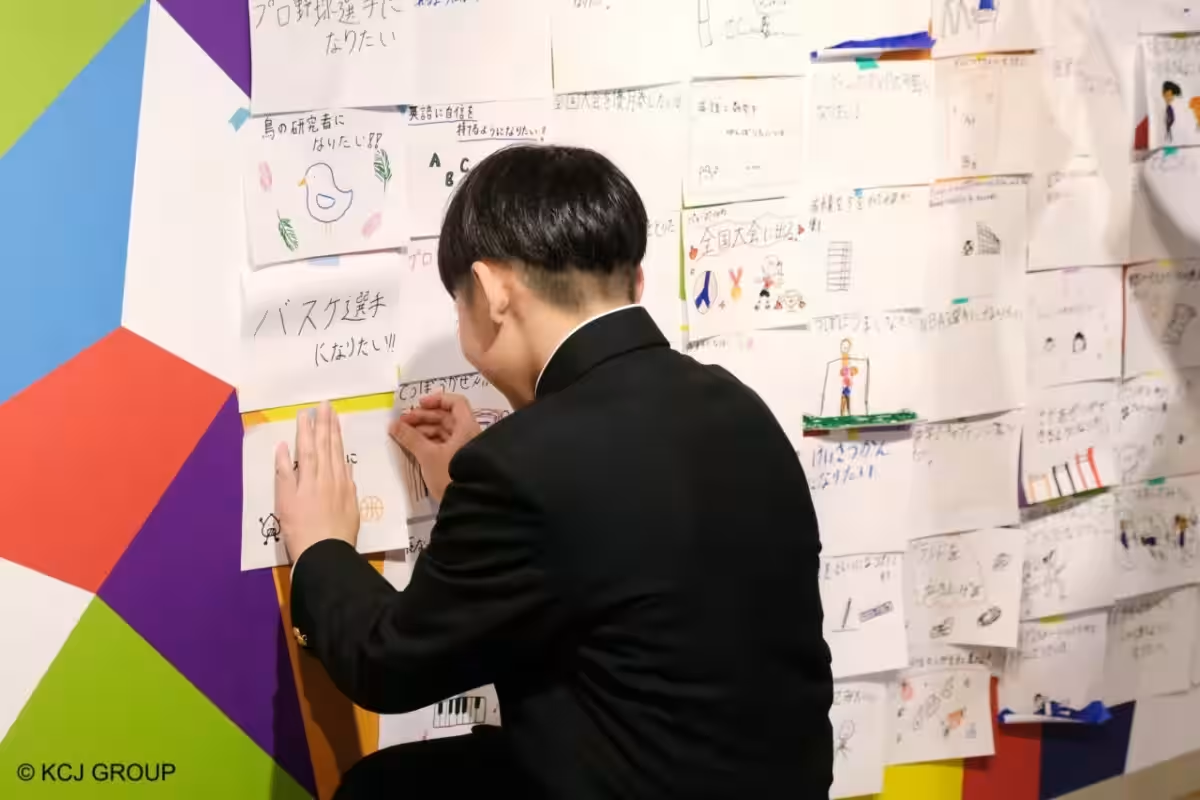
Throughout the duration of the event, children wrote their aspirations on post-it notes, sharing dreams of becoming scientists, improving their artistic skills, or making new friends. This created a vibrant atmosphere where hope and ambition flourished, inspiring a commitment to break free from the confines of preconceived notions born from societal biases.
Looking Ahead
Since its inception in 2006, KidZania Tokyo has provided children aged 3 to 15 with opportunities to engage in diverse roles within a miniature city model, promoting experiential learning in a fun environment. By instilling a sense of awareness regarding personal biases and providing a platform for open discussions about gender roles and responsibilities, KidZania continues to play a pivotal role in shaping the leaders of tomorrow. Through ongoing efforts like these, KCJ GROUP aims to enable children to explore their potential, encouraging them to envision their futures without the barriers of unconscious bias.
For more details about KidZania and its programs, visit KidZania Japan.
Topics People & Culture)


【About Using Articles】
You can freely use the title and article content by linking to the page where the article is posted.
※ Images cannot be used.
【About Links】
Links are free to use.