



Exploring Modern Happiness: What Japanese People Find Fulfilling Beyond Marriage
Exploring Modern Happiness: What Japanese People Find Fulfilling Beyond Marriage
In contemporary Japan, the traditional notion that marriage equates to happiness is undergoing significant transformation. A recent survey conducted by For-it Co., Ltd., which operates the affiliate platform "afb," gathered insights from 2,000 men and women aged 20 to 60 about their perceptions of happiness and marriage. The findings shed light on how modern Japanese individuals define happiness in an era marked by declining birth rates, rising unmarried rates, and diverse values.
The Survey Background
As society evolves, so do the factors contributing to a sense of fulfillment. The survey aimed to understand what aspects, aside from marriage, people value most when considering their happiness. Conducted on November 18, 2025, the survey reached a broad demographic across Japan.
Key Findings
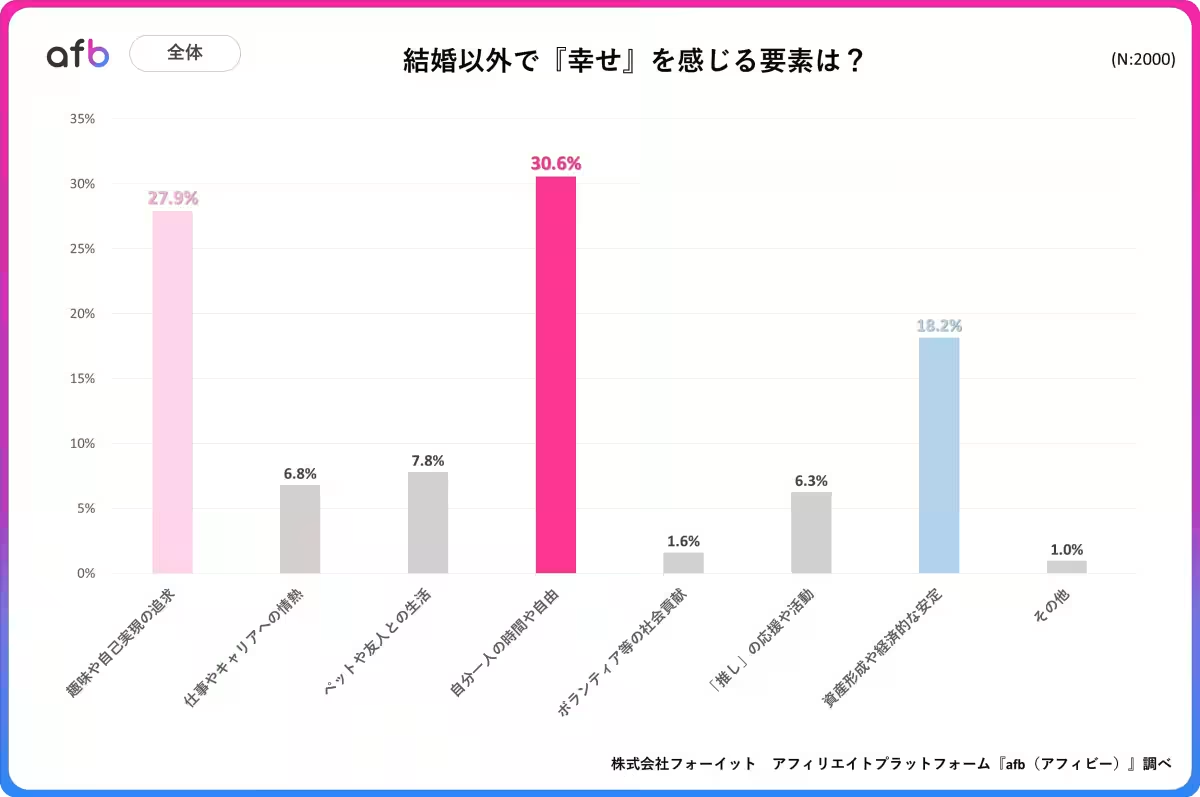
When respondents were asked about the main factor contributing to their happiness outside of marriage, 30.6% indicated that personal time and freedom were paramount. This was followed by hobbies and personal fulfillment at 27.9%, suggesting that there is a significant shift towards valuing personal interests and self-actualization over traditional relationship roles. Economic stability, while important for 18.2%, paled in comparison to personal autonomy and hobbies. Interestingly, social contributions such as volunteering garnered only 1.6%, highlighting a trend where personal satisfaction takes precedence over societal obligations.
Generational Differences in Happiness
Notably, different age groups exhibit varying priorities regarding happiness. For example:
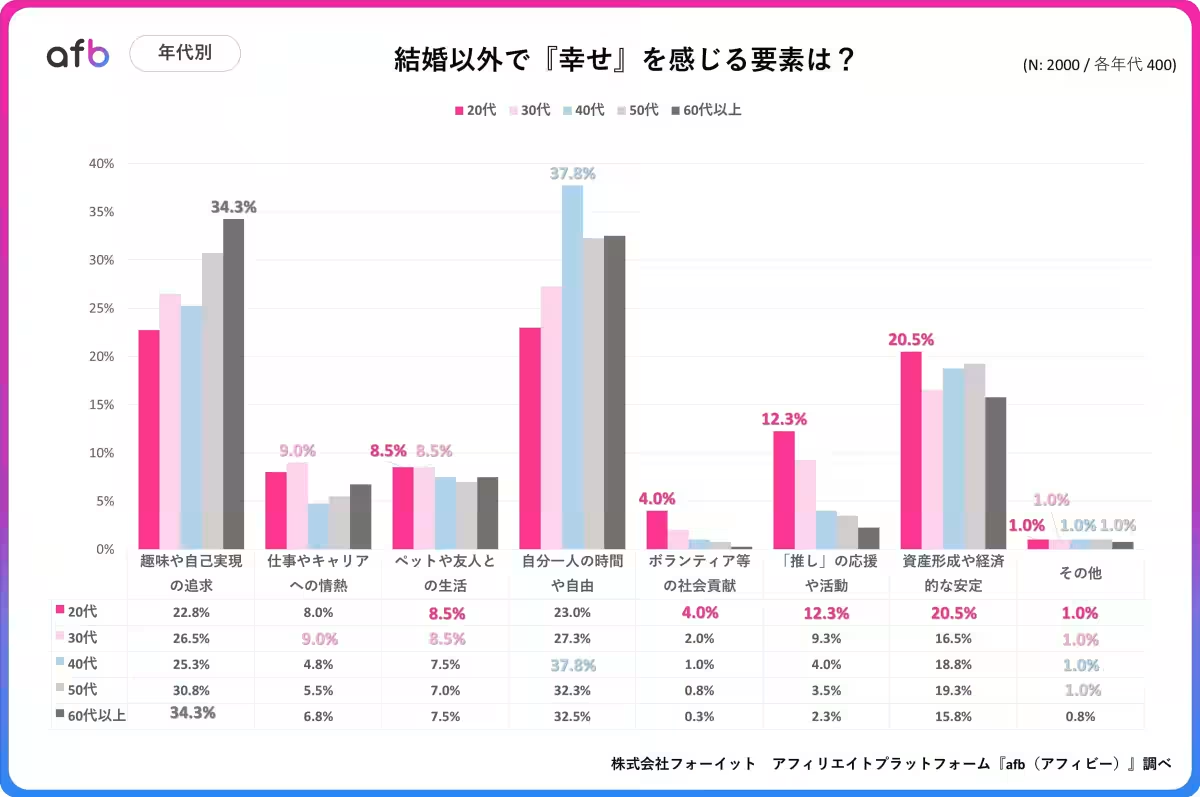
- - In their 20s, 20.5% prioritizes economic stability, while 23.0% values personal freedom. A higher percentage, 12.3%, also favors supporting their favorite entertainment or figures, indicating an emotional connection is vital.
- - In their 40s, a remarkable 37.8% prioritize personal time and freedom, suggesting that as responsibilities increase in career and family, the yearning for autonomy also intensifies.
Gender Perspectives on Happiness
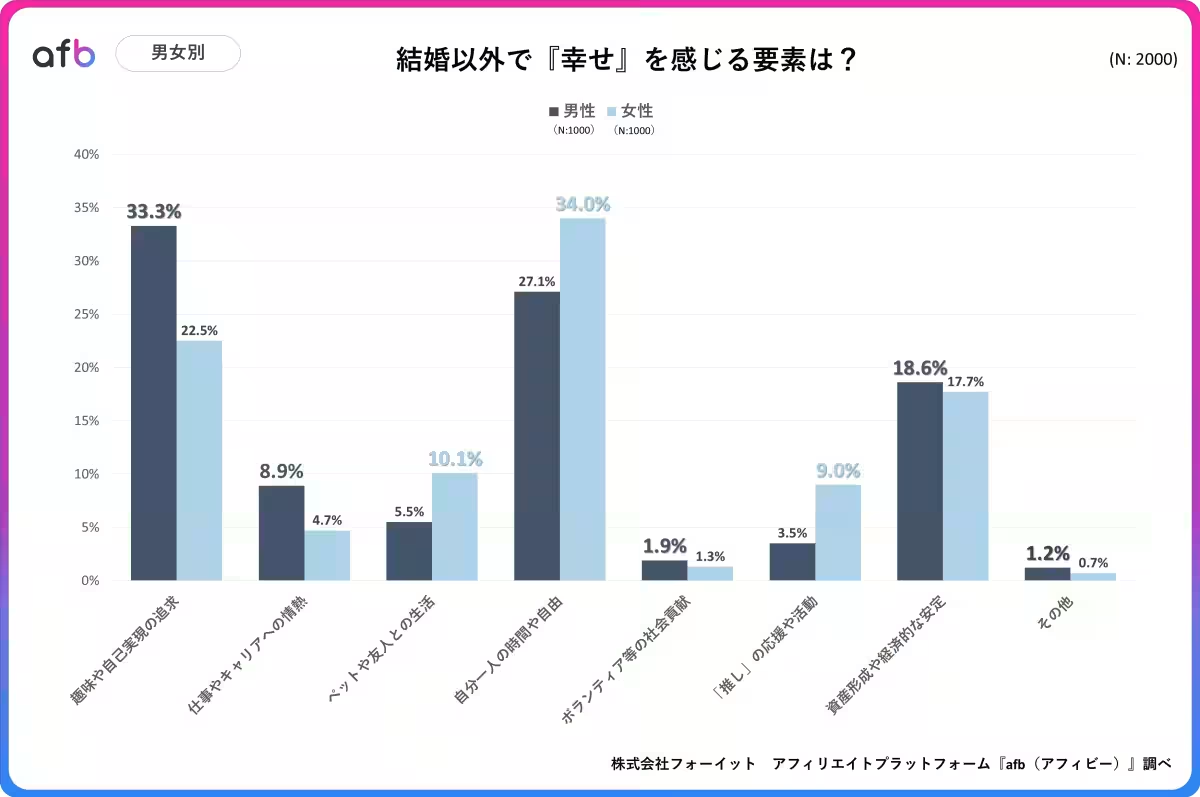
When analyzing the responses based on gender, the results show distinct priorities. Men predominantly favored hobbies and self-actualization (33.3%) and value personal time (27.1%). This implies that for many men, the ability to engage in personal interests is a crucial component of happiness. In contrast, women prioritized personal freedom (34.0%) above all else, with hobbies and self-actualization following at 22.5%. Women's responses indicate a stronger inclination towards nurturing personal relationships, as suggested by a higher emphasis on friendships and pets compared to men.
Income Correlation with Happiness
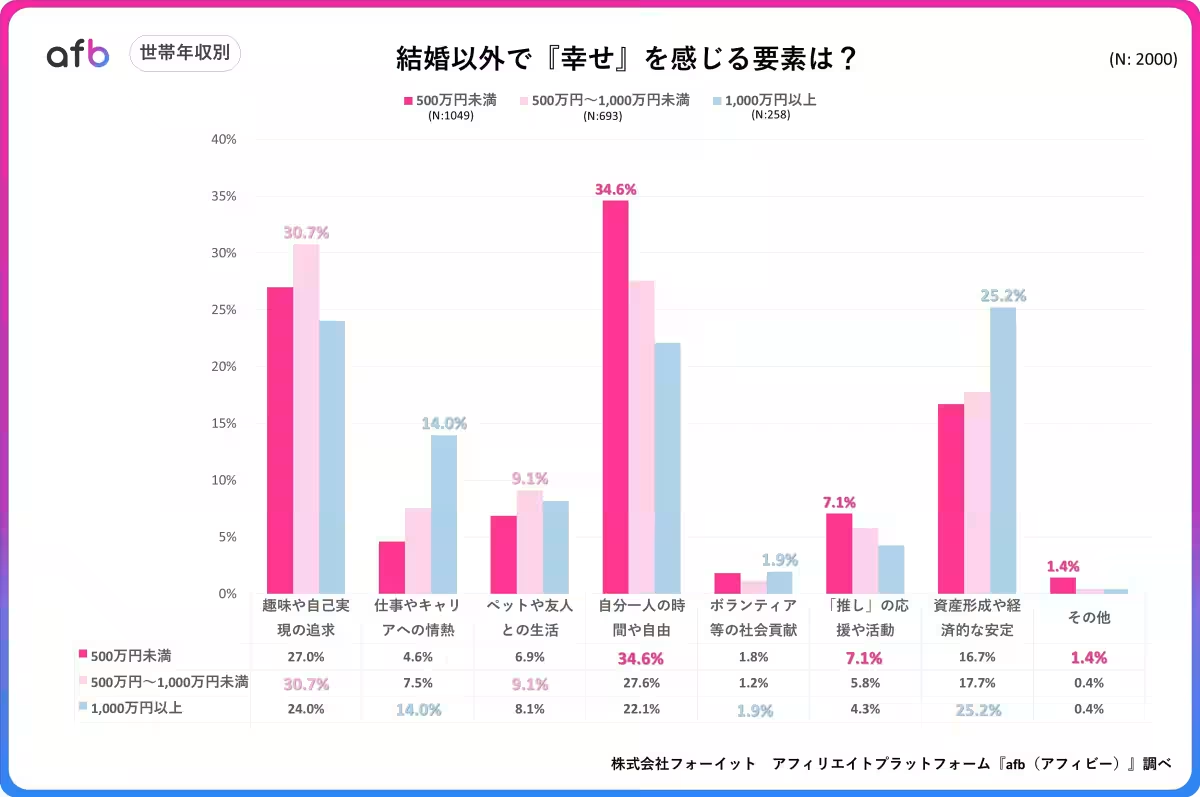
Further analysis revealed that happiness priorities also correlate with income levels. Among those earning less than 5 million yen, a significant 34.6% prioritize personal time and freedom, with only 16.7% recognizing economic stability as important. This might suggest that those facing financial limitations gravitate towards less costly sources of happiness. Conversely, individuals in the 10 million yen and above income bracket place a higher value on economic stability and passion for work, reinforcing the idea that financial security can foster happiness and personal growth.
Conclusion
As modern Japanese society evolves, so too does the concept of happiness. Today's understanding extends far beyond marriage, embracing diverse values tailored to personal circumstances and aspirations. The rising importance of individual satisfaction, autonomy, and personal growth signifies a notable cultural shift. While marriage remains a key life event for many, we may see continuing changes in the perception of its significance as happiness takes on a broader and more personalized meaning in the years to come. This evolving narrative reflects a world increasingly focused on individual fulfillment rather than conventional bonds.


Topics People & Culture)


【About Using Articles】
You can freely use the title and article content by linking to the page where the article is posted.
※ Images cannot be used.
【About Links】
Links are free to use.