



How Tempura Asakusa SAKURA Redefines Tourism Management with 'Tourism Bypass' Concept
Redefining Tourism Management
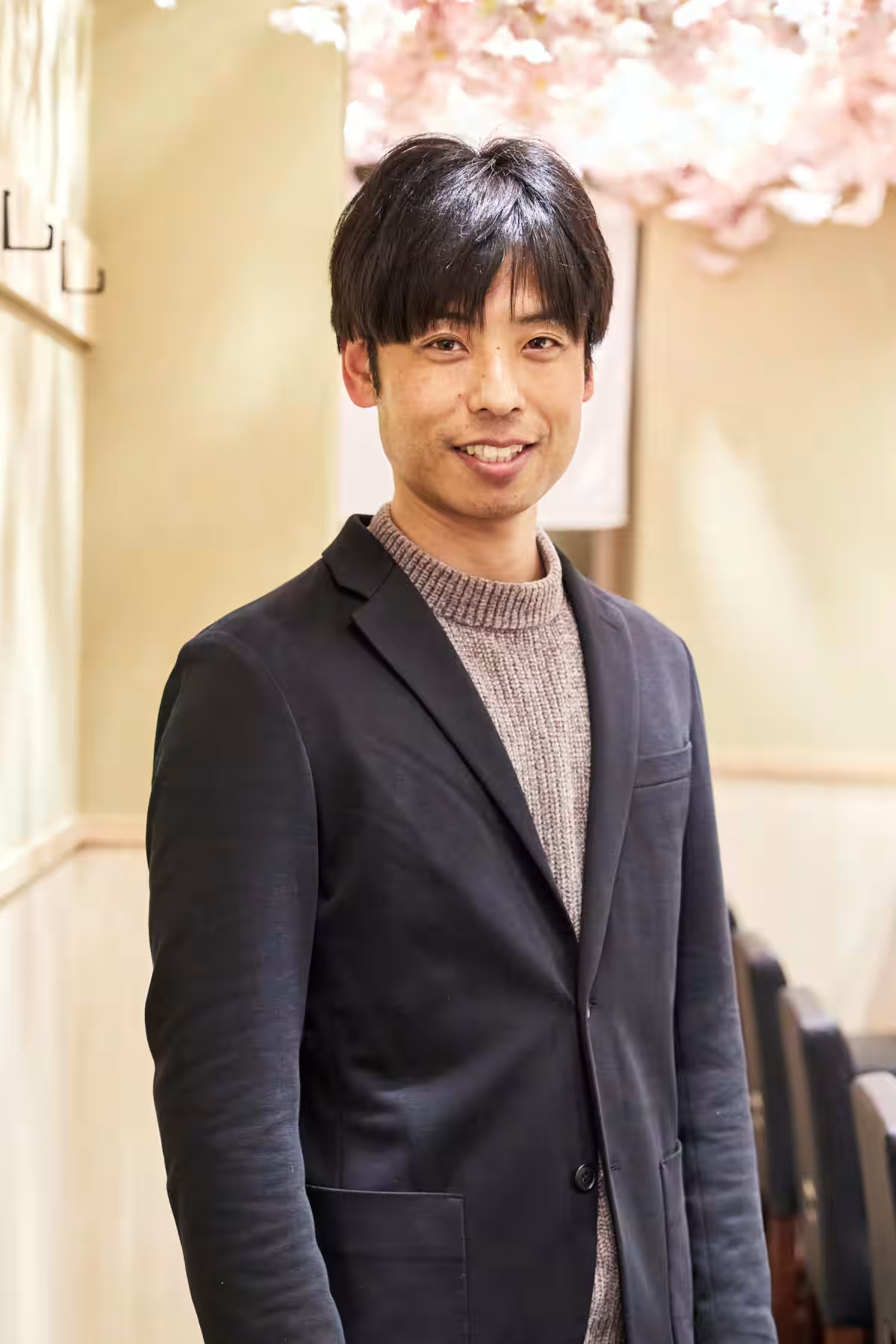
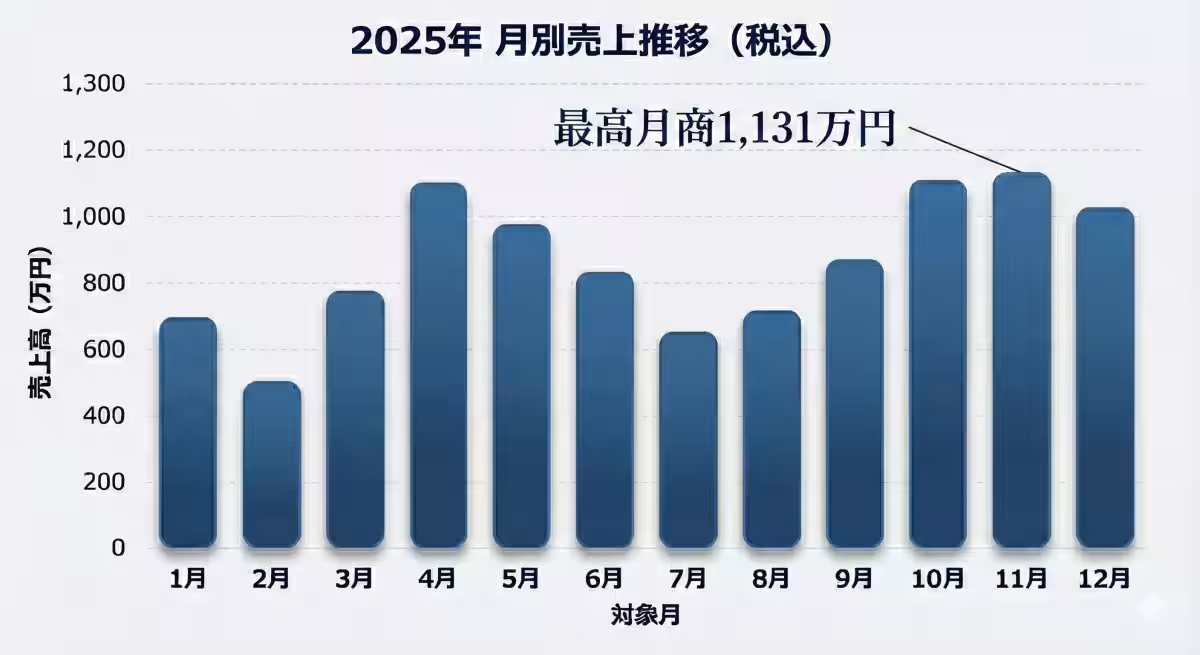
In a remarkable turn of events, Tempura Asakusa SAKURA, a specialty tempura restaurant located in the heart of Asakusa, Tokyo, has achieved annual sales of 100 million yen within just two years of operation. This astounding success stems not from a meticulously structured business model but rather from the dedicated efforts of its founder, Yuya Ichikawa, who initially embarked on this culinary journey as a newcomer from an engineering and web marketing background.
Innovative Response to Tourist Demand
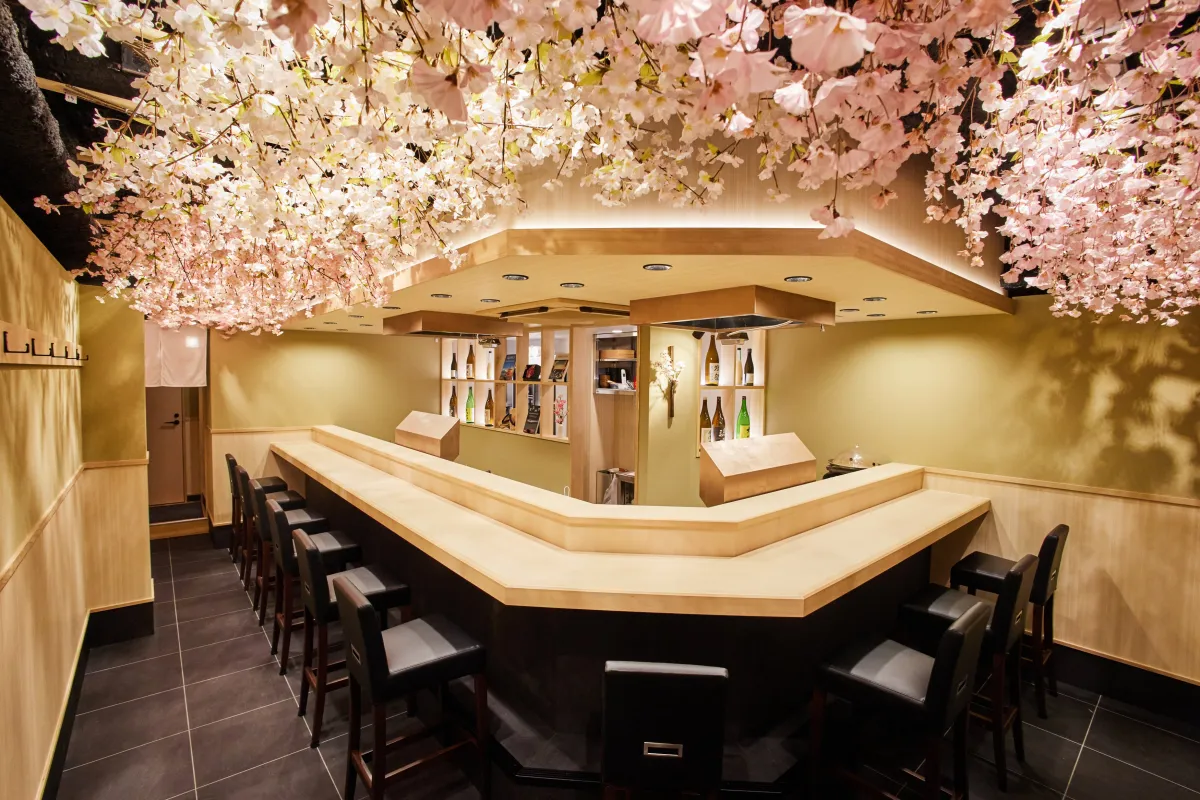
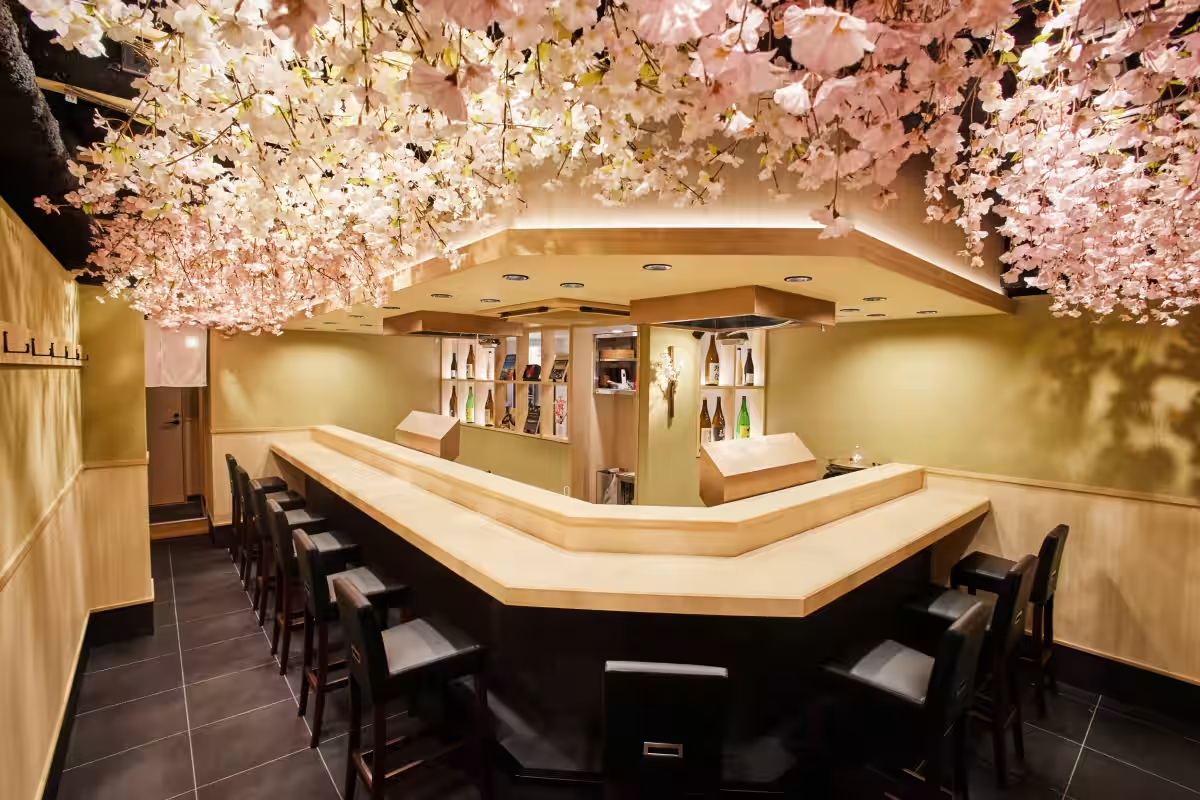
Tempura Asakusa SAKURA, branded as a go-to dining spot for tourists, caters predominantly to foreign visitors. Ichikawa, with his engineering mindset, recognized the specific anxieties and expectations of these customers. By focusing on offering an intimate dining experience with just ten counter seats, the restaurant creates a homey atmosphere where staff and patrons connect personally. As a result, it has efficiently responded to its customers' demands by providing essential services like English-speaking staff, gluten-free options, halal meals, and experiential dining that resonates with their cultural backgrounds.
The restaurant's swift ascension into the market didn’t come without contemplation. Ichikawa understood from the start that merely attracting foreign tourists would not suffice in sustaining business without considering the local implications of tourism. He reflected on the reality that if his restaurant did not exist, countless tourists would have flocked to nearby local eateries, creating congestion that could burden the community.
Therefore, he began to devise a solution that would not only serve tourists effectively but also alleviate the stress of overcrowding on the region’s beloved local businesses.
Introducing the 'Tourism Bypass' Concept
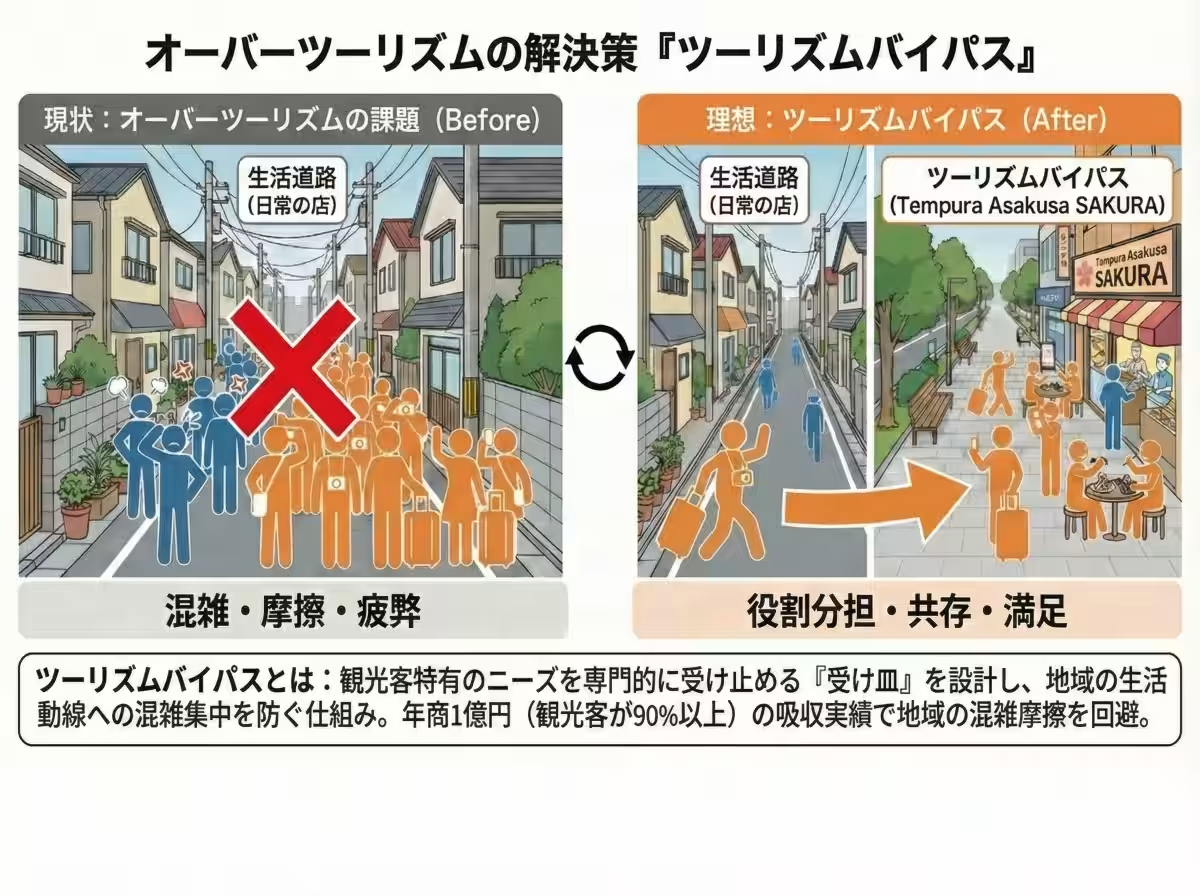
Through diligent examination and practical engagement with the needs of tourists, the notion of 'Tourism Bypass' emerged. This idea is not about restricting tourists from accessing attractions or navigating through the area but instead comprises a strategic framework for accommodating them efficiently. The concept entails creating a dedicated pathway for tourists that alleviates pressures in crowded zones where they typically congregate, thereby safeguarding the local way of life.
The 'Tourism Bypass' can be likened to a bypass road that diverts heavy traffic away from residential streets, preventing gridlock and facilitating smoother transit. By establishing a dedicated channel for tourists, specifically designed to address their needs, the tensions between tourism and everyday life can be mitigated effectively.
Validation through Performance Statistics
In achieving the impressive milestone of 100 million yen in sales in just two years, Tempura Asakusa SAKURA serves as a real-world case study that substantiates the effectiveness of the 'Tourism Bypass' concept. With over 20,000 foreign visitors welcomed since its inception, the restaurant has positioned itself as a vital part of not only the local tourism infrastructure but also the community's economic health.
Key Insights:
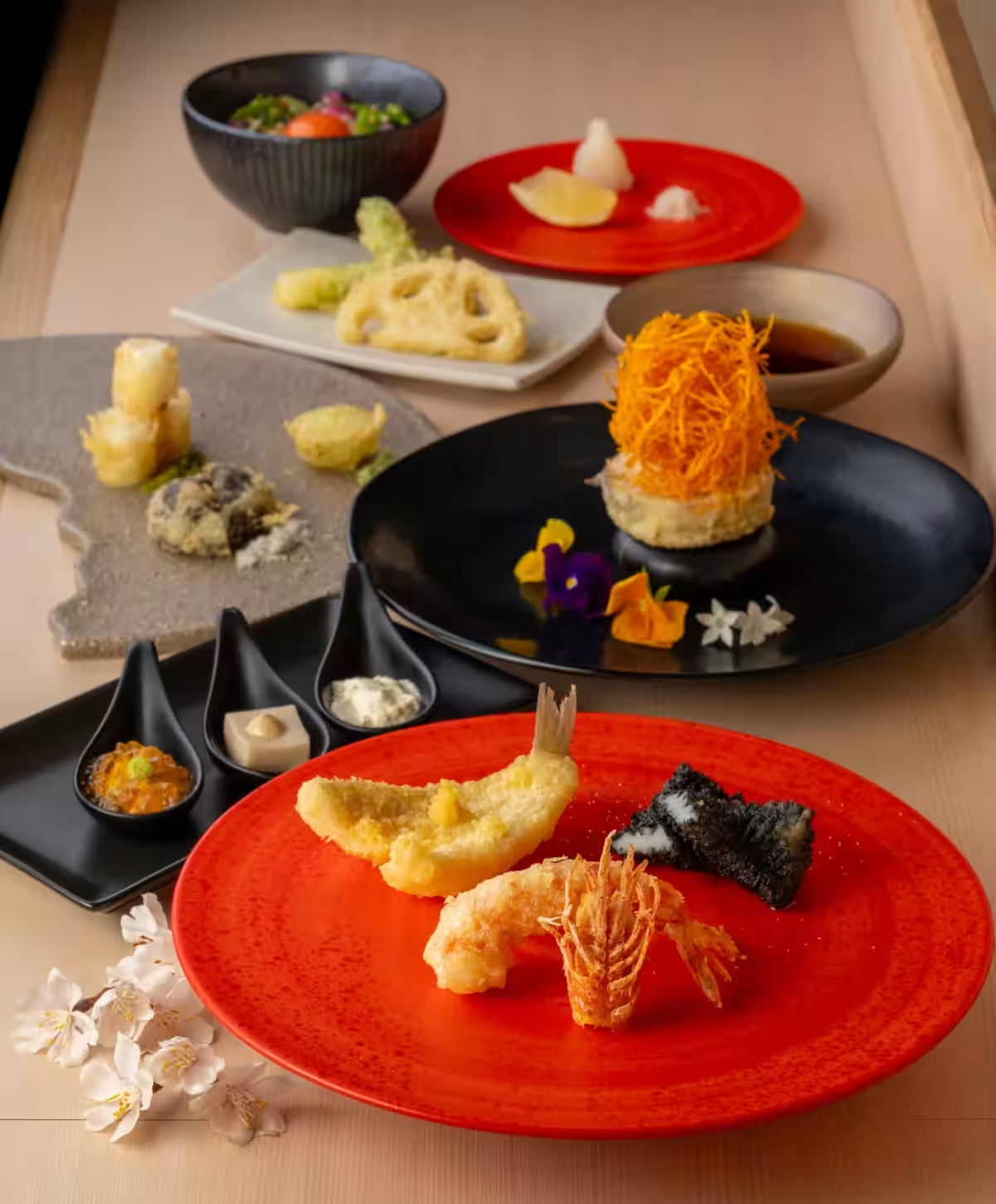
- - Quality Selection: Unlike many establishments that simply upcharge tourists, Tempura Asakusa SAKURA prioritized creating an enriching culinary experience. Offering valuable insights into Japanese culture and assuring guests with psychological comfort became paramount in fostering a pleasurable dining environment.
- - Logical Segregation of Customer Flow: By designating a specific niche for foreign guests, the operational model allows locals to frequent their usual haunts while visitors find solace at SAKURA, promoting a collaboration that circumvents exclusions.
Moving Forward: From Accidental Success to Systematic Infrastructure
As Japan positions itself to heighten inbound tourism, it becomes increasingly crucial to address over-tourism pragmatically. The insights gained from managing a small restaurant like Tempura Asakusa SAKURA offer an organic solution that other businesses can potentially replicate. Ichikawa believes that the creation of high-value tourist-specific pathways will ultimately lead to sustainable tourism practices that balance visitor satisfaction with community well-being.
In conclusion, Tempura Asakusa SAKURA’s journey exemplifies the dual benefits of ensuring foreign tourists have a safe and pleasant dining experience while safeguarding the local community from the adverse effects of overtourism. Moving forward, the goal is to expand upon the 'Tourism Bypass' concept to foster a broader societal infrastructure aimed at understanding and resolving the obstacles associated with tourism today. Tempura Asakusa SAKURA isn't just a restaurant; it's a pioneering venture reshaping how tourism can harmonize with everyday life in bustling locations.
Restaurant Details
- - Name: Tempura Asakusa SAKURA
- - Location: 2-18-16 Kaminarimon, Taito-ku, Tokyo, Japan
- - Official Website: tempura-asakusa.com
- - Hours: 12:00 - 20:30 (Last seating at 19:30)
- - Languages Supported: Japanese, English
With unique seafood courses and a commitment to quality, Tempura Asakusa SAKURA is set to establish a sustainable future for tourism in Asakusa, contributing positively to the region's narrative.
Topics Consumer Products & Retail)
【About Using Articles】
You can freely use the title and article content by linking to the page where the article is posted.
※ Images cannot be used.
【About Links】
Links are free to use.