



New Employees' Motivation Boost: The Role of Trust and Creativity
The Bright Side of New Employees’ Motivation
In the fast-paced world of corporate environments, understanding the motivations and perceptions of new employees is vital for fostering a supportive workplace. According to a recent survey conducted by Shake Co., a company based in Tokyo, about 60% of new employees who joined in April 2025 reported that their motivation has increased since they started working. This remarkable insight highlights the importance of relationships with supervisors and the sense of personal growth that employees experience during their initial months.
Survey Overview
The study, titled “Real Voices of New Employees”, engaged 1,027 newly hired individuals to uncover their honest feelings regarding their work environment, personal growth, and overall motivations. The survey was carried out between October 16 and October 18, 2025, using PRIZMA's online research method.
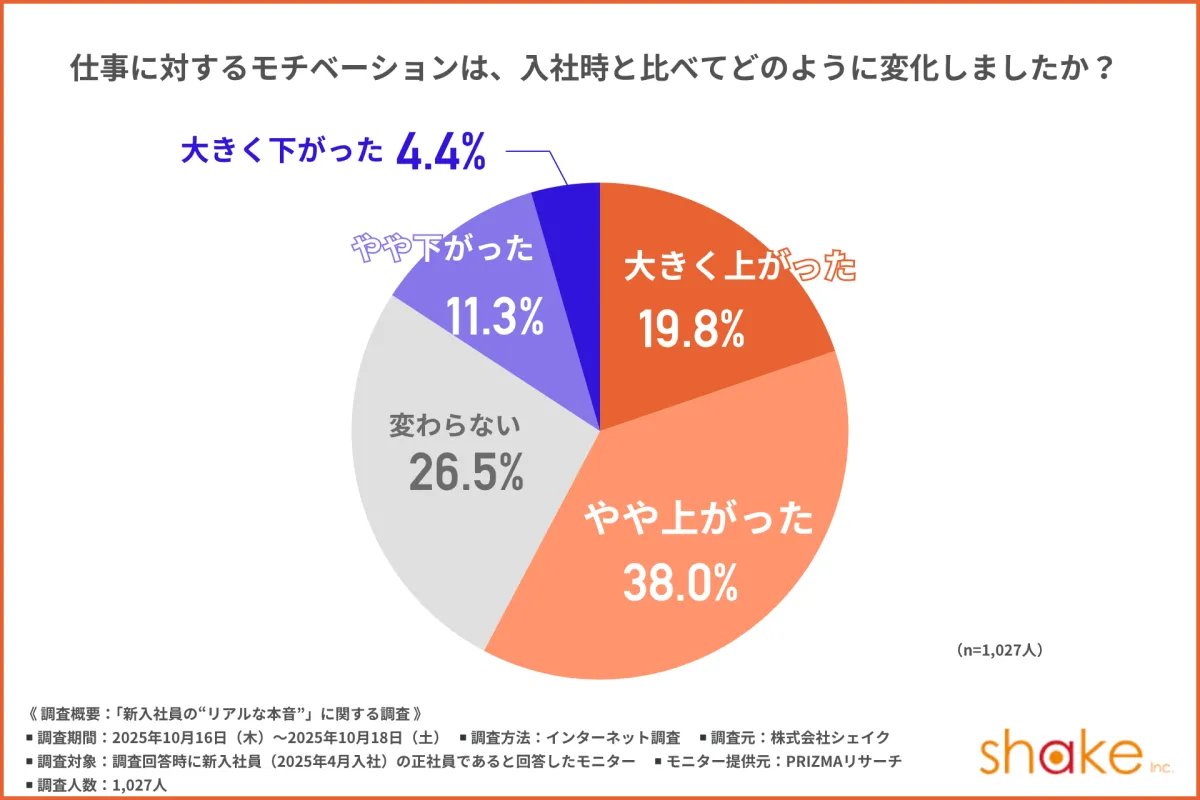
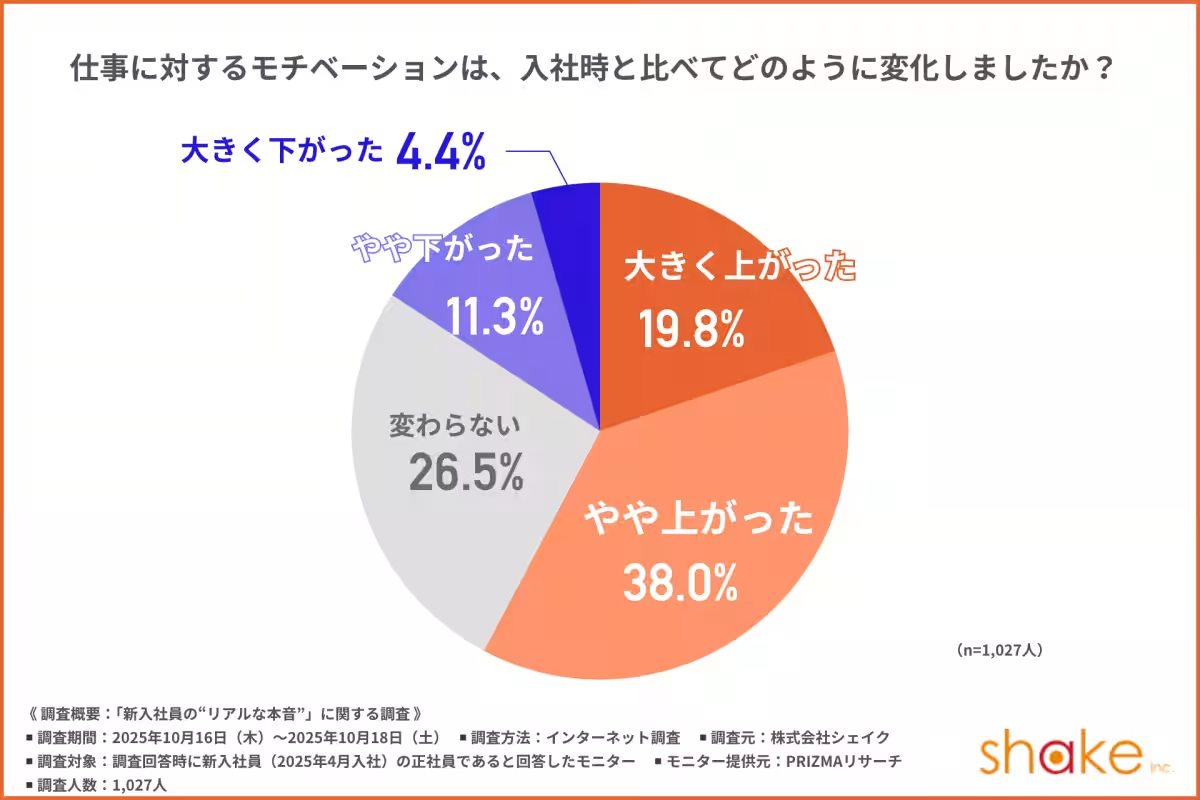
A significant finding from the survey is that around 57.8% of the respondents reported an increase in their motivation levels since joining the company, with 19.8% stating it has risen significantly and 38.0% mentioning slight increases. This trend indicates that a significant portion of new employees feels a sense of accomplishment and adaptability within their work environment.
What Inspires Motivation?
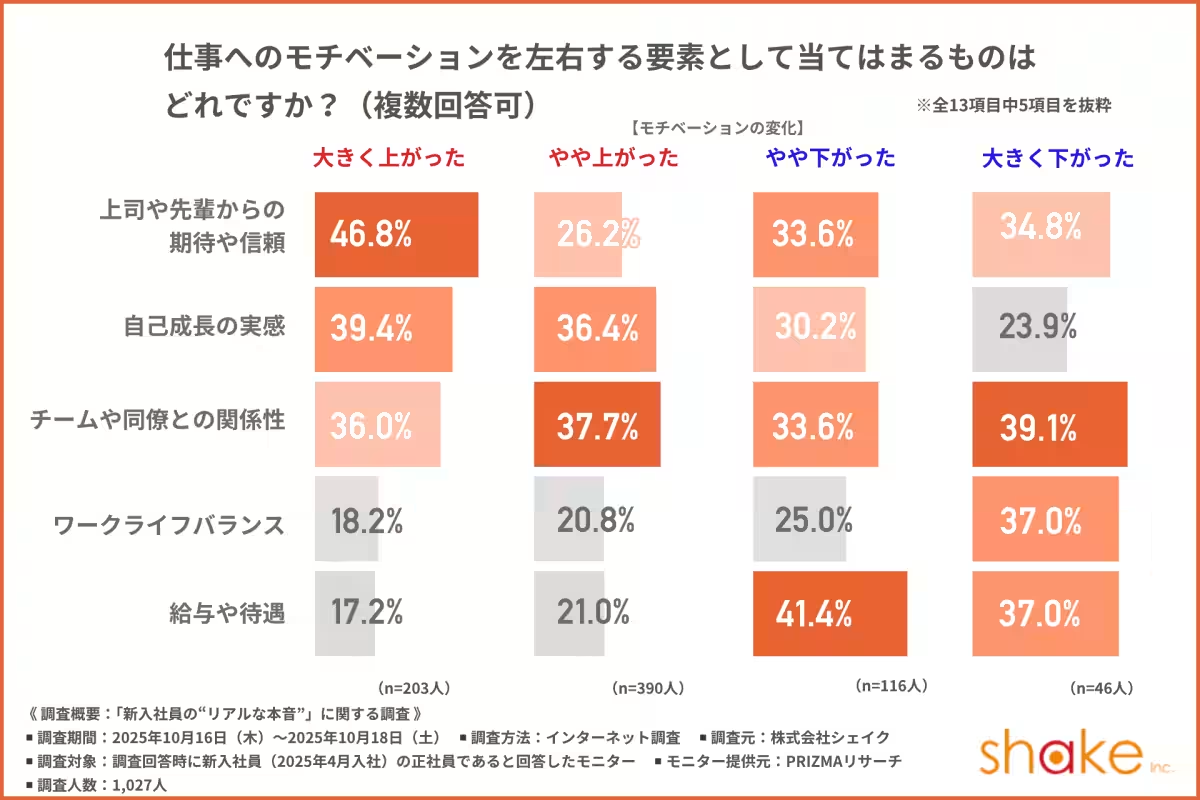
To delve deeper, the survey examined which elements were instrumental in affecting the employee's motivation levels. Key components that contributed to increased motivation included:
- - Trust and Expectation from Supervisors: Approximately 46.8% of those who reported a significant motivation boost cited support and appreciation from their managers as crucial.
- - Personal Growth Experience: With 39.4% of respondents noting this factor, the development of new skills and knowledge plays a pivotal role.
- - Team Relationships: Many attributed their rise in motivation to the positive dynamics and camaraderie established with fellow team members.
Conversely, those who experienced a decline in motivation pointed to issues such as dissatisfaction with salary and benefits (41.4%) and unfavorable work-life balance (37.0%). This stark contrast demonstrates how various factors can influence an employee's enthusiasm for their jobs.
Bridging Expectations and Reality
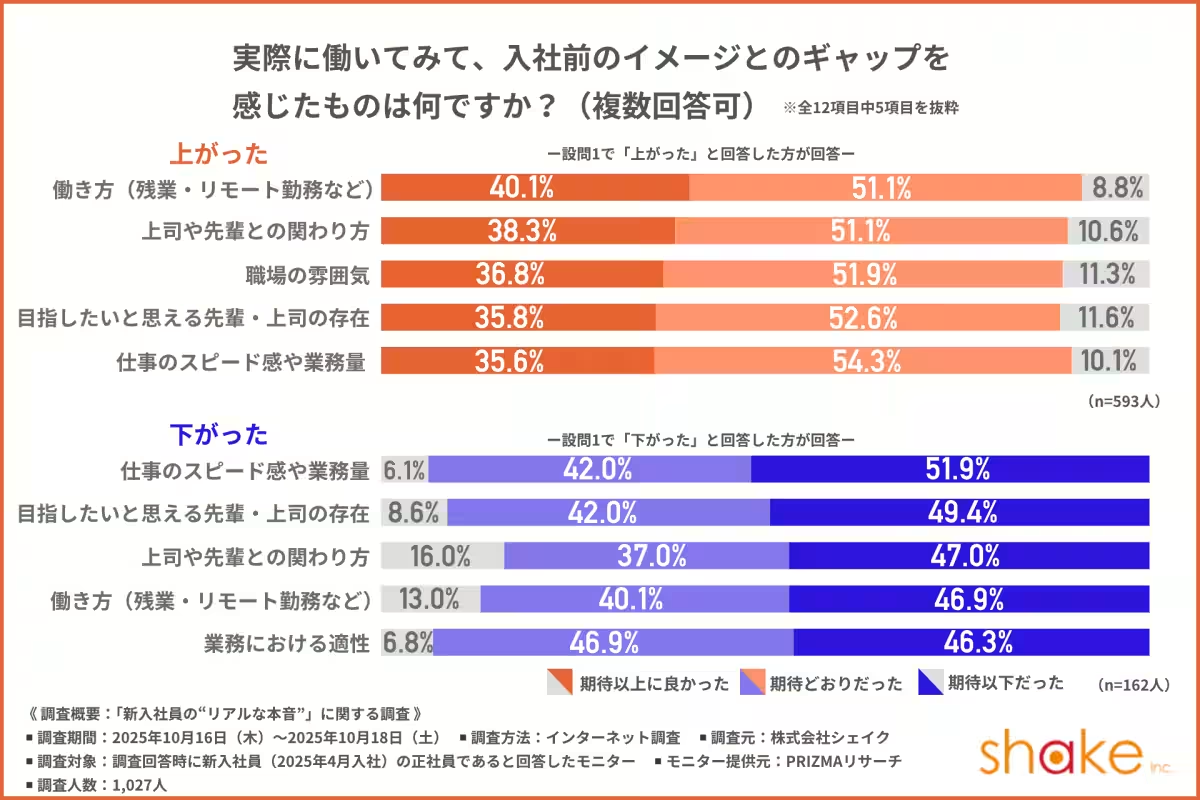
One of the key findings was the disparity between the expectations new employees held before joining the firm and their actual experiences. For those whose motivation increased, many have noted that aspects of their roles exceeded their original expectations, specifically concerning:
- - Work Environment: Many appreciated flexible working conditions, such as remote work options and an engaging atmosphere, highlighting 40.1% noting better than expected working conditions.
- - Management Interaction: Positive experiences with supervisors and senior colleagues were frequently mentioned, with 38.3% expressing satisfaction beyond their initial perceptions.
However, those whose motivation dipped cited discrepancies like raising concerns regarding communication barriers or unmet expectations, revealing a crucial gap that organizations must address. By recognizing these gaps, companies can enhance the onboarding experience and better support new employees in achieving their initial career aspirations.
Growth Perception and Daily Engagement
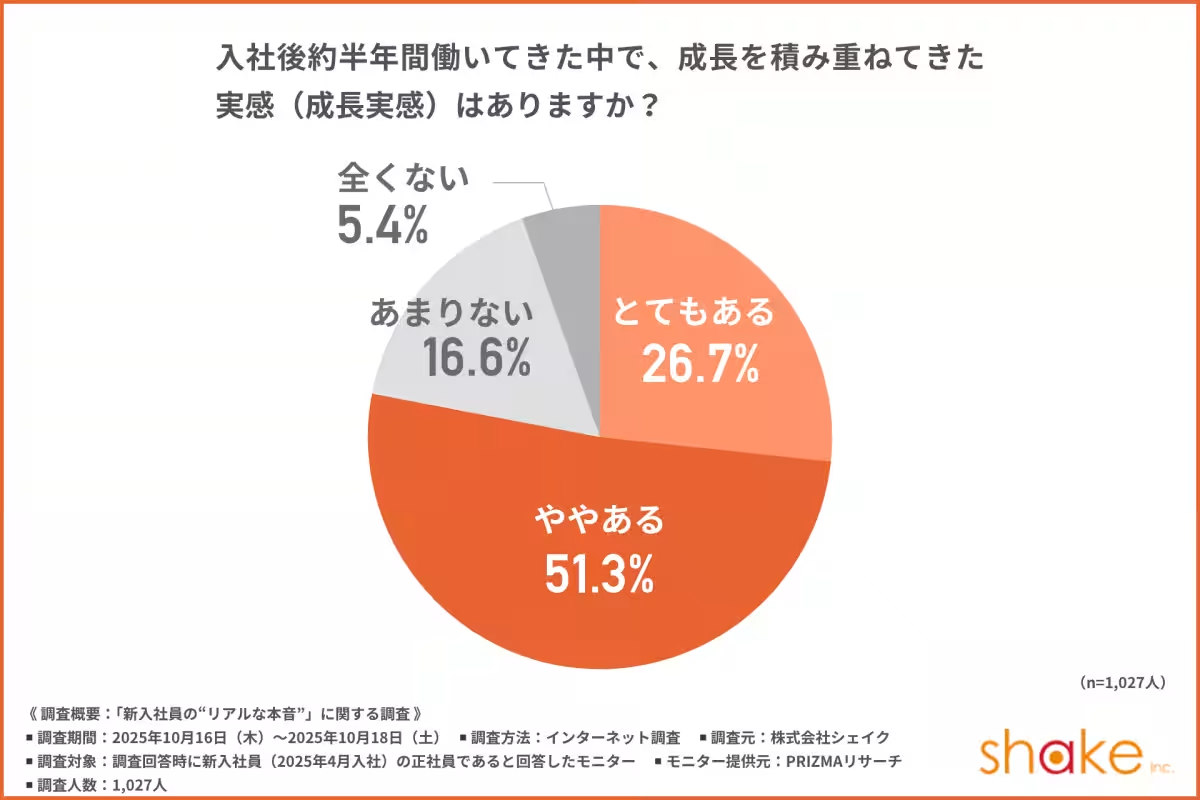
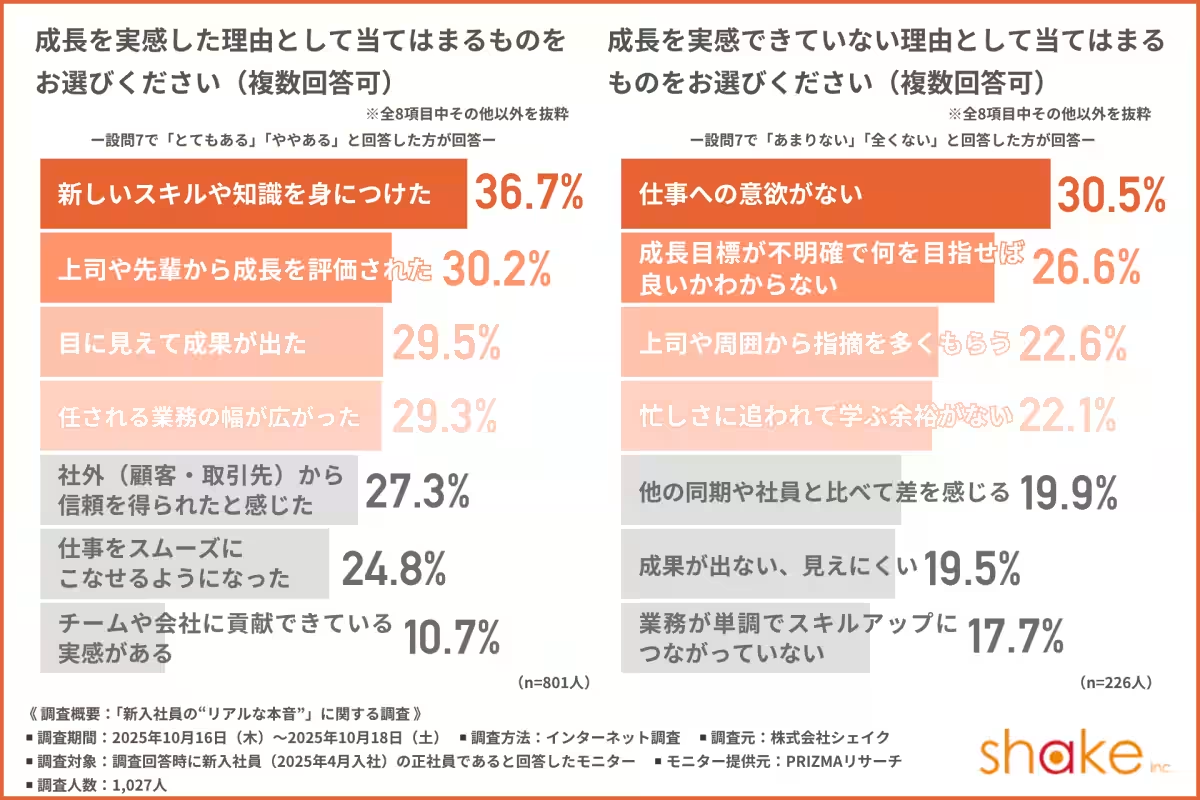
The survey also addressed the self-perceived growth of these new employees, revealing that around 78% felt they were growing both professionally and personally within the company. Most indicated they had acquired new skills, received constructive feedback, and witnessed tangible results from their contributions.
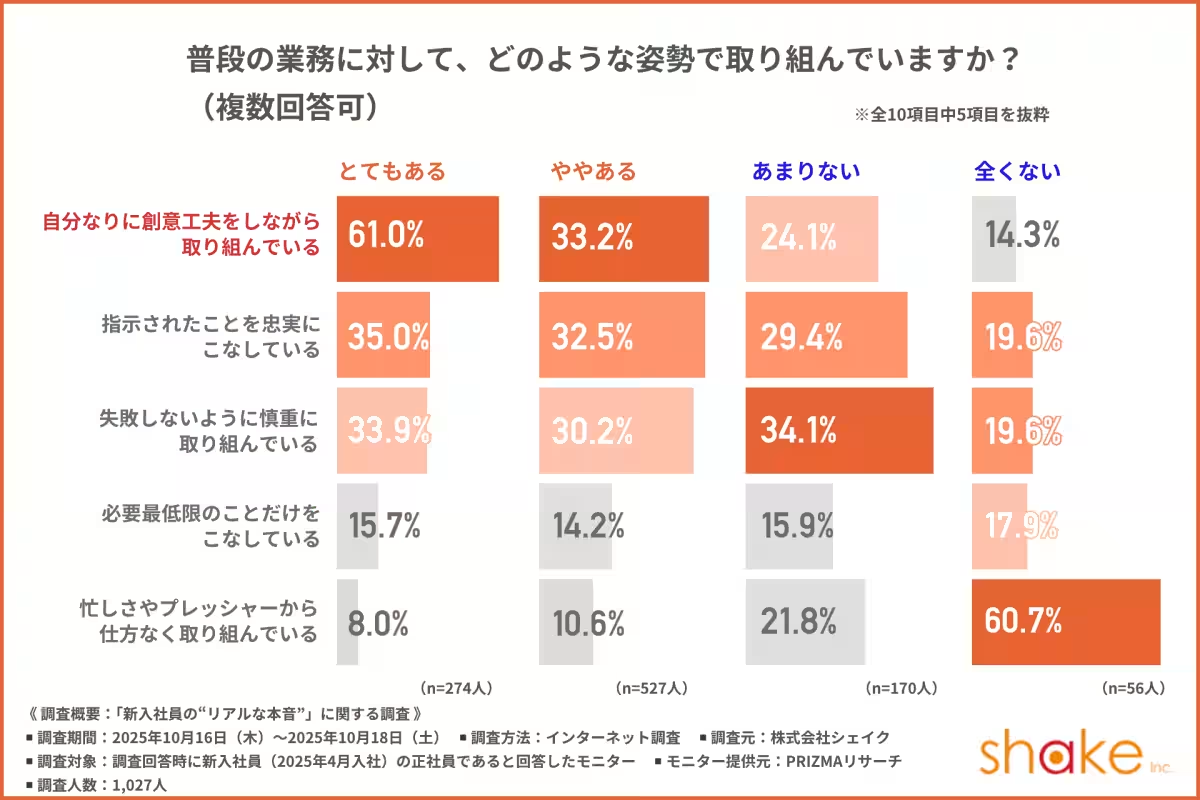
Interestingly, the levels of engagement toward work showed a clear correlation with how individuals perceived their growth. Respondents affirming a strong feeling of growth were more likely to adopt a proactive approach, pursuing creative solutions in their daily tasks rather than simply following instructions or avoiding failure. This emphasizes the need for companies to cultivate an environment that empowers employees to innovate and contribute actively.
Conversely, those with little to no growth perception reported feeling overwhelmed by workloads without clear direction or support, emphasizing the need for better-defined career trajectories and mentorship from experienced colleagues.
Future Aspirations and Company Retention
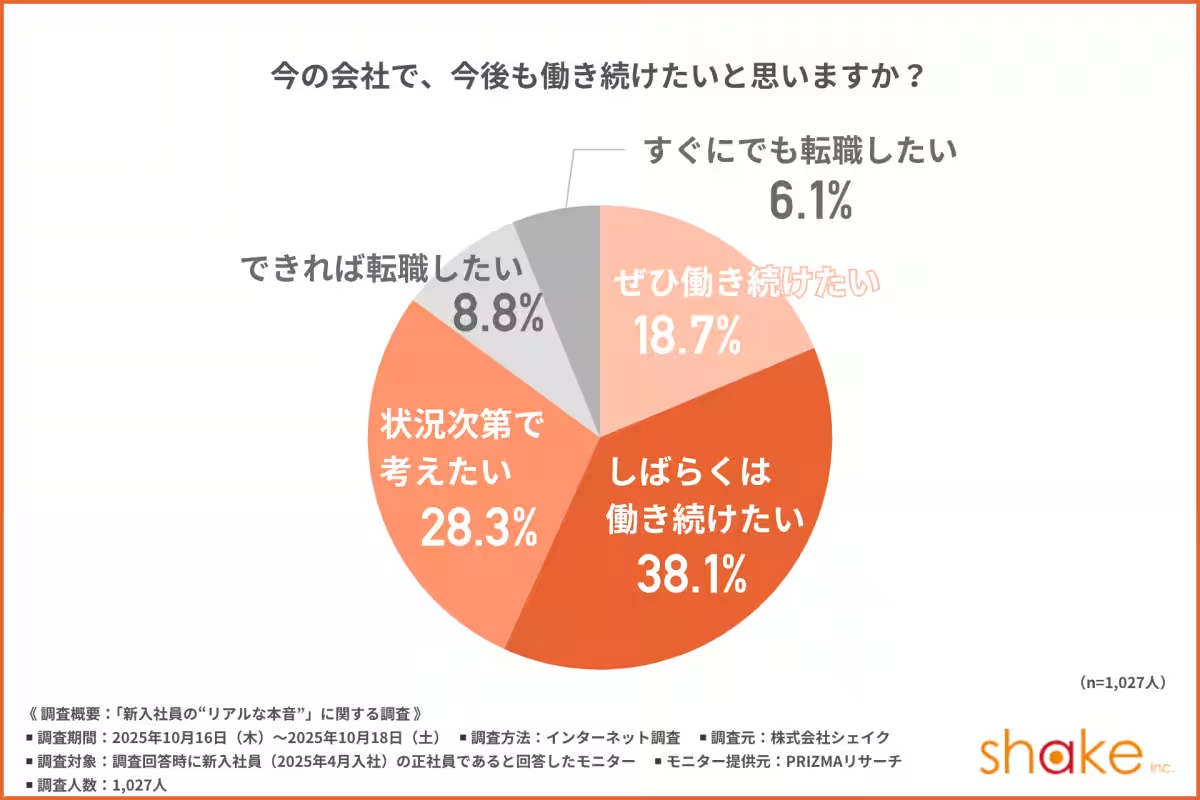
As the survey concluded, it shed light on whether new employees were inclined to continue working with their current company. About 56.8% expressed a desire to stay, while a notable fraction considered potential career shifts. This transitional period where employees begin envisioning their future careers marks an important opportunity for organizations to engage with their talent effectively.
Conclusion
The findings from Shake Co.'s survey reveal that trust from supervisors and a creative working environment significantly impact new employees' motivation. This enhances their engagement levels and provides them with a sense of purpose. However, challenges such as salary dissatisfaction and work-life balance issues present an ongoing concern. By focusing on both individual growth and interpersonal relationships within the workplace, companies can cultivate an environment where new employees feel valued, motivated, and eager to contribute.
The key takeaway is clear: for organizations to nurture highly motivated new talent, they must prioritize growth opportunities and foster a trusting atmosphere that allows for open communication and creativity.
For more information on the findings, download the complete report here.

Topics People & Culture)




【About Using Articles】
You can freely use the title and article content by linking to the page where the article is posted.
※ Images cannot be used.
【About Links】
Links are free to use.