



Analyzing Tokyo's Population Trends Amidst Declining Growth Rates
Understanding Tokyo's Demographic Shifts
As Japan faces a declining national population, the 2025 National Census revealed intriguing trends, particularly regarding Tokyo and its metropolitan area. The report, initiated by Global Link Management's research branch, uncovers the dynamics affecting the capital's populace and its surroundings, highlighting both growth and decline.
Overview of National Population Changes
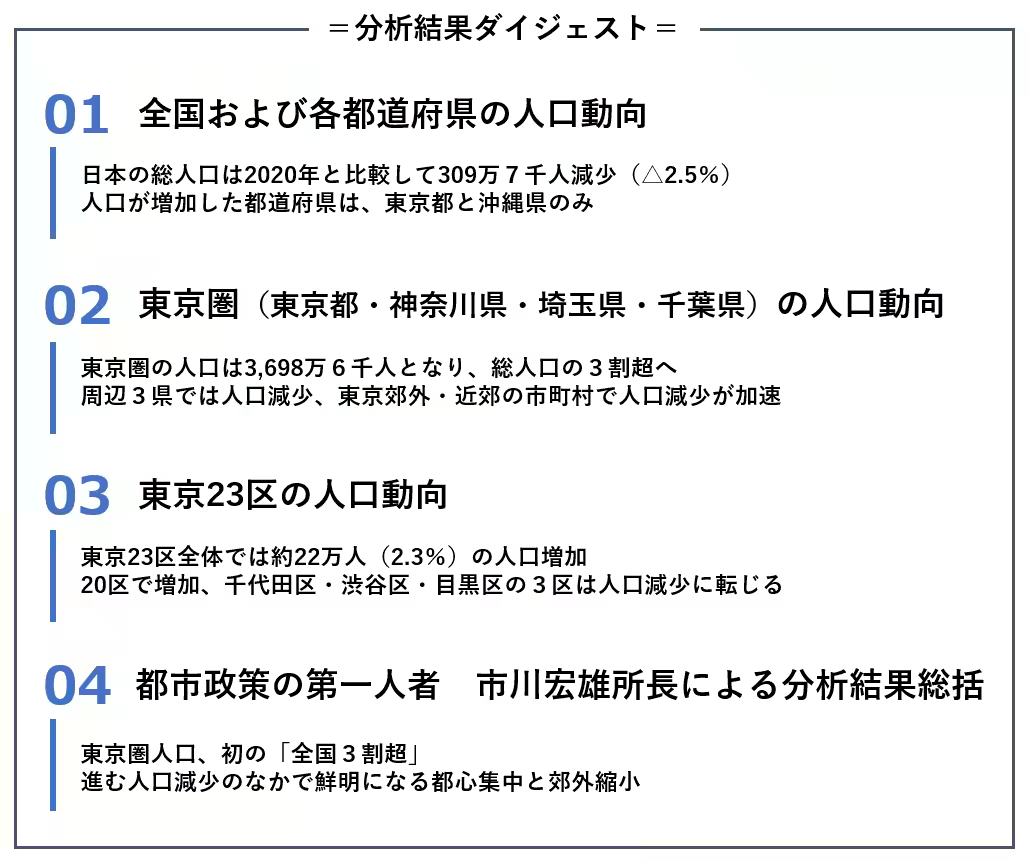
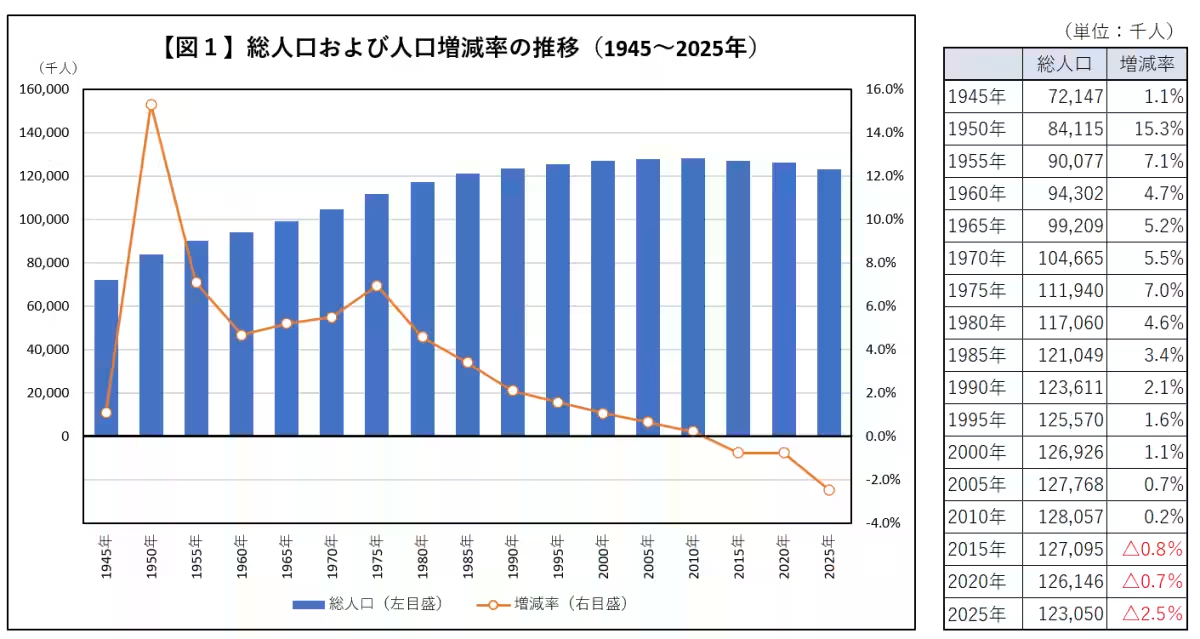
The total population of Japan has dropped by 3,097,000 (2.5%) compared to its 2020 numbers, indicating a significant demographic shift. Notably, only Tokyo and Okinawa have reported increases in their populations. This data is crucial as it denotes the complex realities of urban versus rural living, especially given the continuous rise in living costs.
Census Insights
The census, conducted every five years, revealed that as of October 1, 2025, Japan's population stands at approximately 123.05 million. Tokyo itself houses 14.246 million people, making it a staggering 11.6% of the national total. In stark contrast, most other prefectures are witnessing a downturn in their numbers.
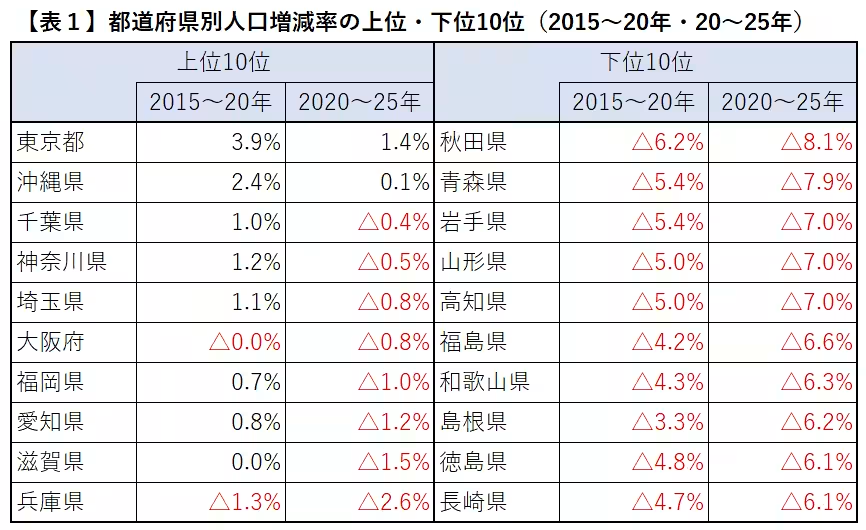
For instance, between 2020 and 2025, only Tokyo (1.4% increase) and Okinawa (0.1% increase) experienced growth; all other prefectures, specifically those previously showing growth like Chiba, Kanagawa, and Fukuoka, have begun to decline. The most significant decreases were seen in prefectures such as Akita, with an alarming 8.1% drop.
The Tokyo Metropolitan Area
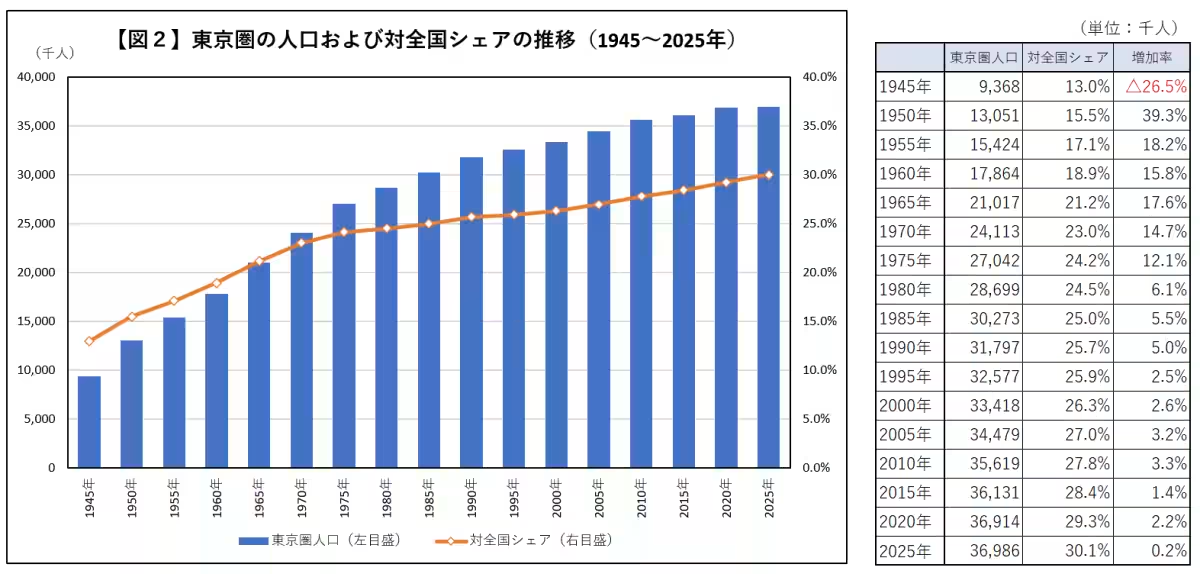
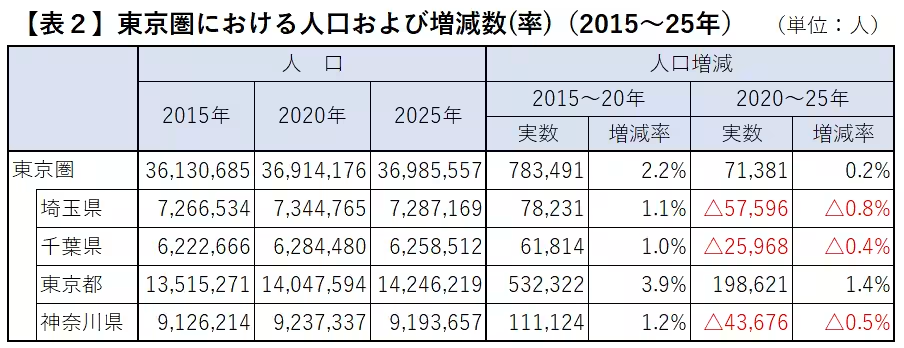
The broader Tokyo area, encompassing Tokyo, Kanagawa, Saitama, and Chiba, has crossed a critical threshold, with its population surpassing 30% of the nation for the first time. As of now, the population stands at approximately 36.986 million, marking a slight increase of 71,381 (0.2%) since 2020. However, compared to previous years, the growth has considerably slowed.
Diving deeper, the population dynamics reveal that Tokyo's growth (198,621 increase) is contrasted sharply against losses in its neighbouring prefectures: Kanagawa (decrease of 43,676), Saitama (decrease of 57,596), and Chiba (decrease of 25,968). This indicates that while Tokyo thrives, its suburbs are suffering from a combination of rising living costs and mobility issues due to the pandemic.
Population Changes Within Tokyo
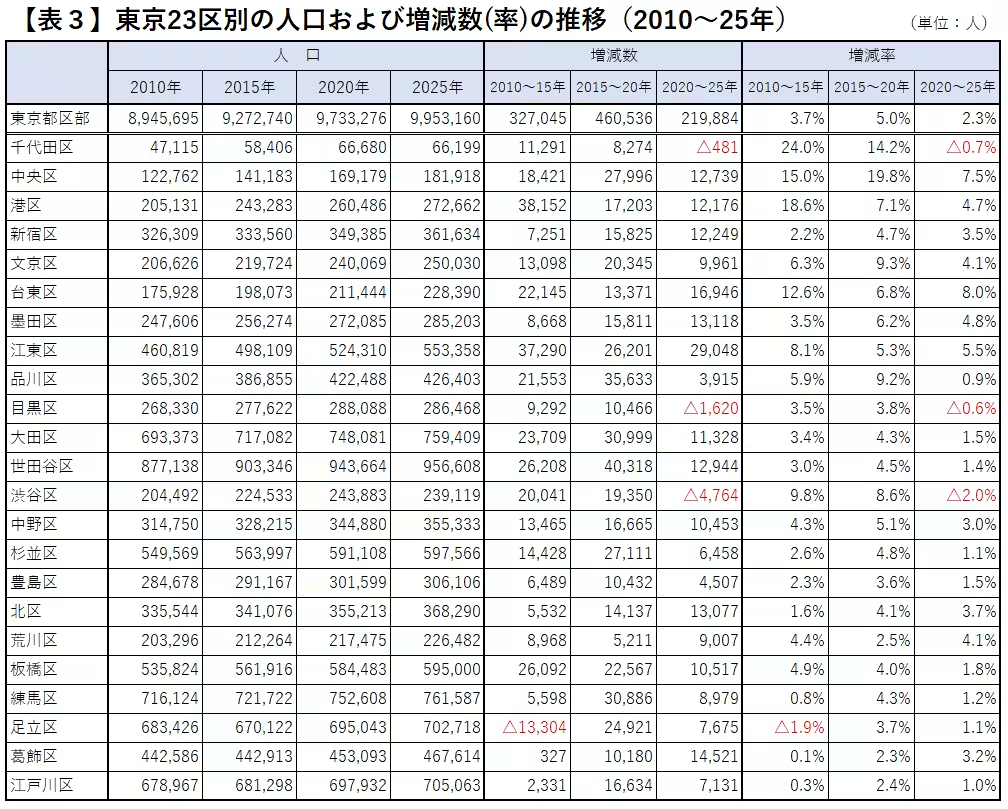
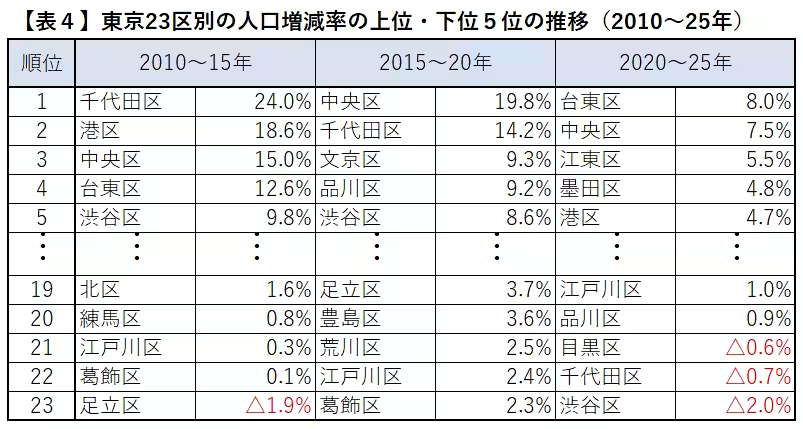
Focusing on the 23 wards of Tokyo, the overall population increased by about 219,884 (2.3%), but again, this is a significant decrease compared to the prior periods. Notably, while 20 wards saw an uptick in population, Wards like Chiyoda, Shibuya, and Meguro recorded declines, revealing troubling trends amid urban centers.
The fastest growing ward was Koto (29,048 increase), and other notable increases were seen in Taito and Katsushika wards. These areas benefited from extensive urban renewal and infrastructure projects that have improved living conditions and accessibility. Conversely, areas less accessible and plagued by high living costs, such as Shibuya and Chiyoda, have seen residents leave for more affordable suburbs or rural areas.
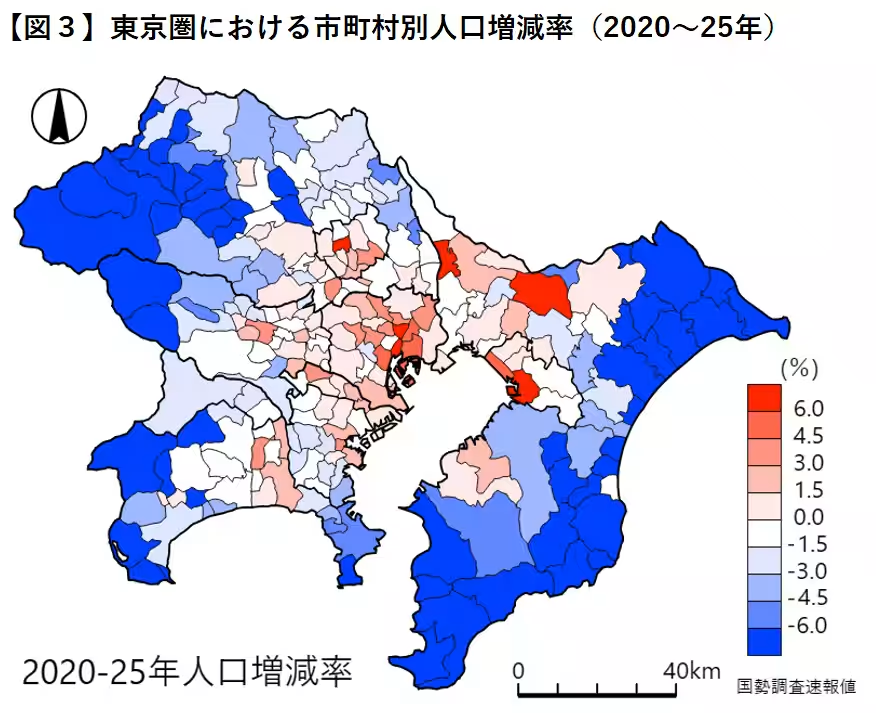
Furthermore, despite the surge in urban housing development, many suburban municipalities reported especially drastic drops in population, pointing to ongoing challenges related to aging demographics and lower birth rates. In places like Tama, the numbers have gone into negative territory, underscoring the rapid 'natural decrease' phenomenon, where deaths surpass births.
Analysis by Experts
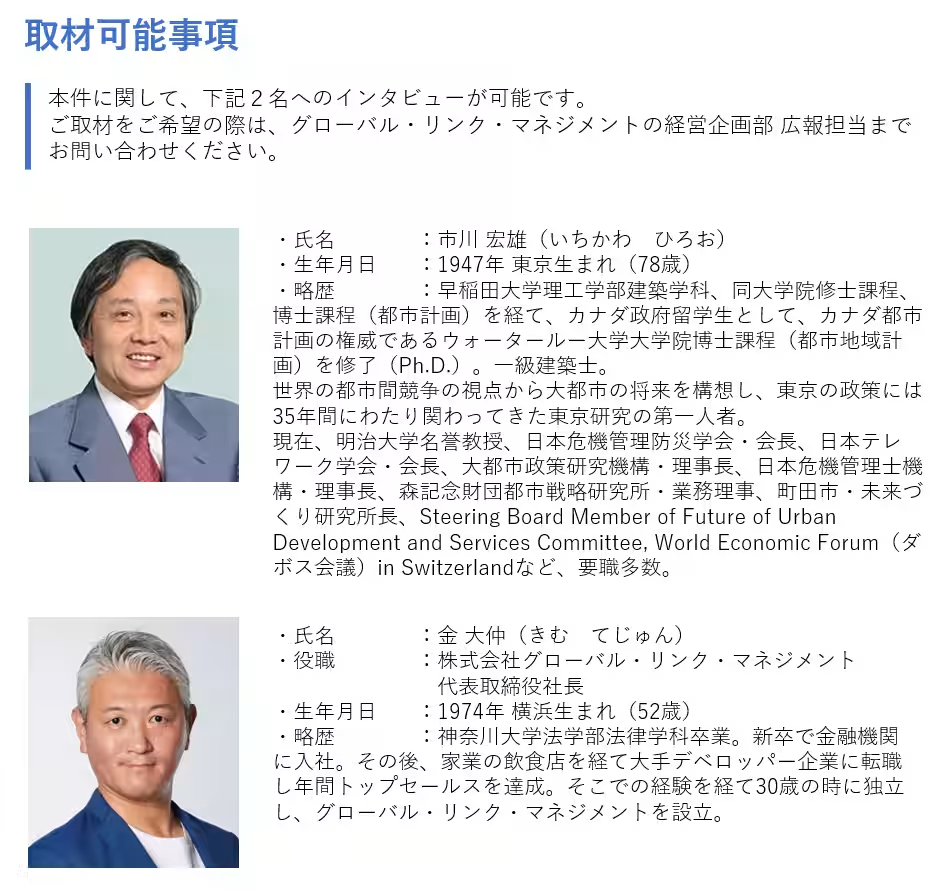
To further dissect these trends, Hiroshi Ichikawa, an esteemed professor emeritus, and head of the Global Urban Real Estate Research Institute, highlighted the implications of Tokyo’s evolving demographics and the increased concentration of its populace. He remarked, “While Tokyo remains pivotal in terms of economic and cultural weight, the lopsided nature of growth patterns also suggests a troubling future for suburban regions, which are struggling to retain residents.”
As the data illustrates, the juxtaposition of population growth in urban Tokyo against the backdrop of declines in surrounding areas raises questions about urban development, economic accessibility, and future sustainability.
Ultimately, while Tokyo's role as a dynamic urban center within a shrinking nation is undeniable, the need for strategic planning focused on more balanced growth between urban and suburban areas is increasingly paramount.

Topics General Business)
【About Using Articles】
You can freely use the title and article content by linking to the page where the article is posted.
※ Images cannot be used.
【About Links】
Links are free to use.