



Recruit Management Solutions Reveals Key Factors for Employee Salary Satisfaction in 2025
Key Findings from the 2025 Employee Reality Survey
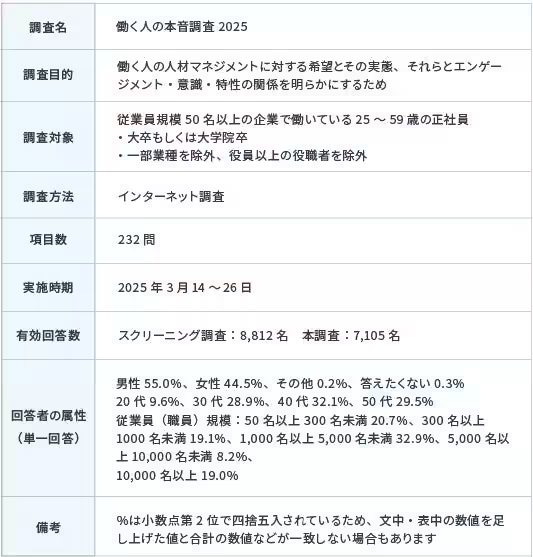
Recruit Management Solutions, headquartered in Minato-ku, Tokyo, has released the first installment of the "Working People's Reality Survey 2025." This year’s survey involved 7,105 full-time employees aged between 25 and 59 across companies with over 50 employees. The focus this time is on employees' hopes regarding management practices and their perceptions of actual management, specifically in relation to their satisfaction with their income.
Survey Context
During summer, people often reflect on their treatment and jobs, especially with reports on summer bonuses and the approach of summer holidays. Amid rising living costs due to inflation and increased mortgage rates, this survey highlights a clear connection between income satisfaction and two factors: the alignment with generational perceptions and compatibility with organizational culture. The importance of human capital management and transparency regarding human capital disclosures is also escalating, emphasizing that HR practices aligned with individual values can lead to sustainable corporate growth and increased trust.
Satisfaction with income is not merely about the figures; it significantly impacts employee engagement, retention, and performance. Therefore, any revisions to remuneration and evaluation systems must consider employees' perspectives. The survey reveals notable differences between those in their 20s and those aged 30 to 50 regarding the aspects they value in evaluations and how these relate to their salary satisfaction. Furthermore, regardless of age, compatibility with organizational culture tends to increase satisfaction with income.
Executive Summary
- - Topic 1: Key factors enhancing satisfaction with income are not solely financial but include the validity of evaluations and workplace compatibility.
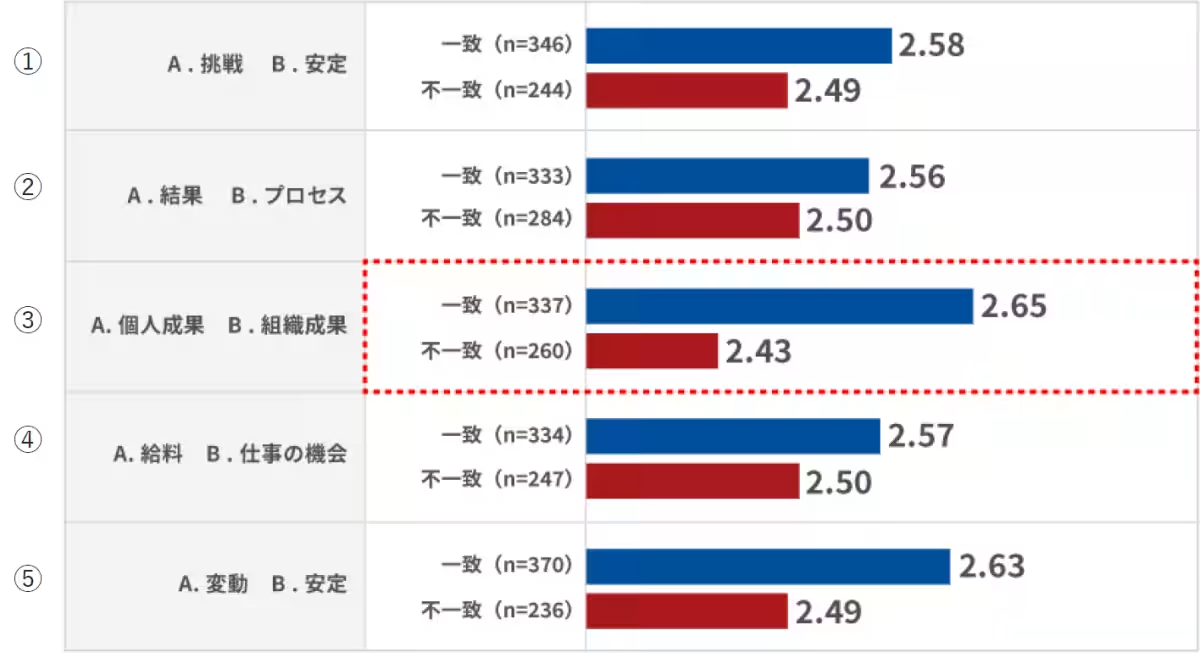
- - Topic 2: For those in their 20s, the feeling of being recognized for personal achievements plays a significant role in their satisfaction.
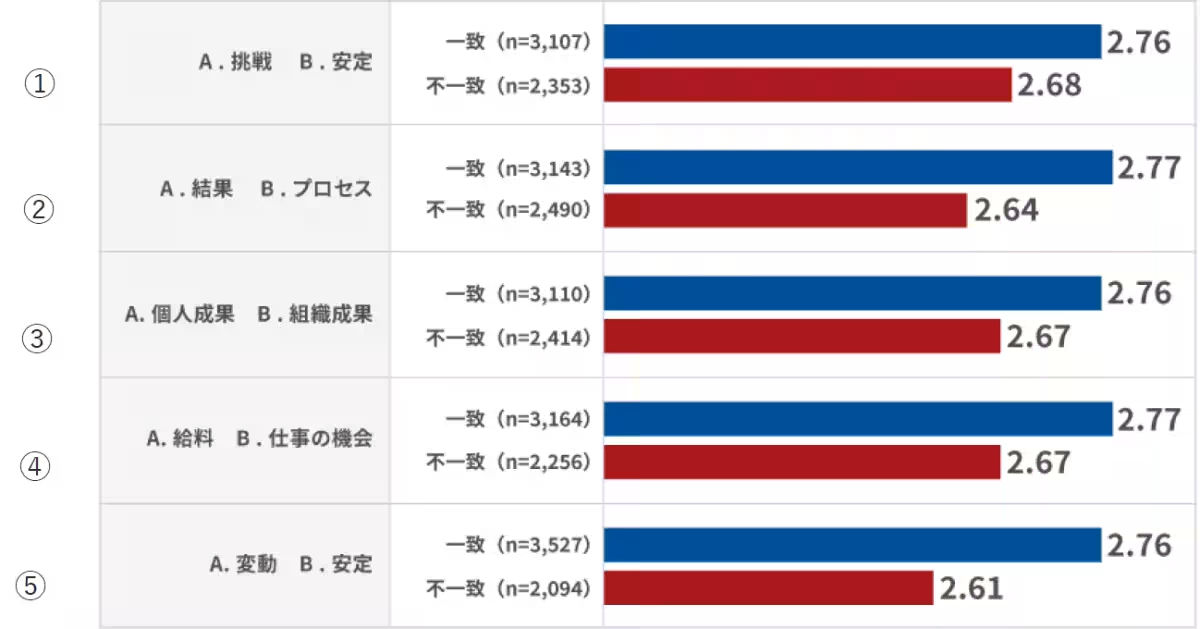
- - Topic 3: Employees in their 30s to 50s have varying concerns about gaps between their hopes and actual experiences, more so than younger employees.
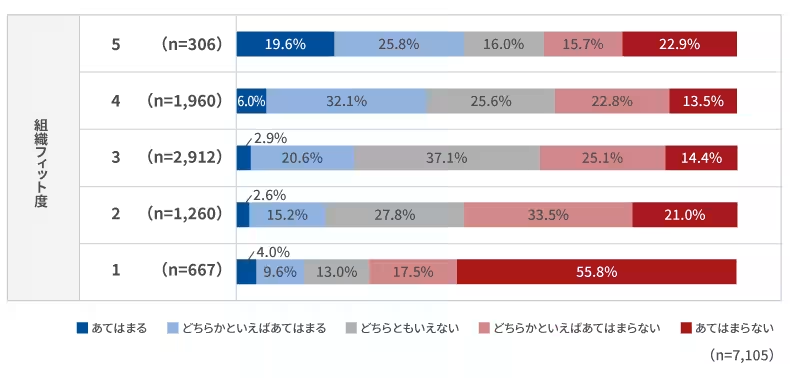
- - Topic 4: Individuals who feel a strong fit with their organizational culture tend to be more satisfied with their incomes.
Detailed Insights
Topic 1: Factors Influencing Income Satisfaction
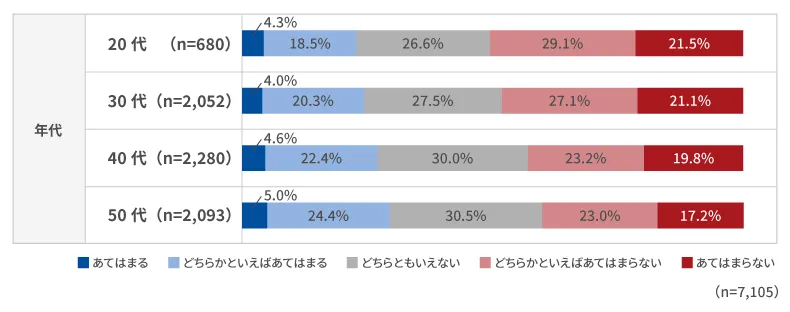
Figure 1 illustrates a comparison of income satisfaction levels across age groups. Notably, as age increases, so does the percentage of people satisfied with their income.
While it may seem that higher income correlates with increased satisfaction, the survey reveals other crucial factors at play: namely, how employees feel they are being evaluated and their perceived fit within the workplace culture.
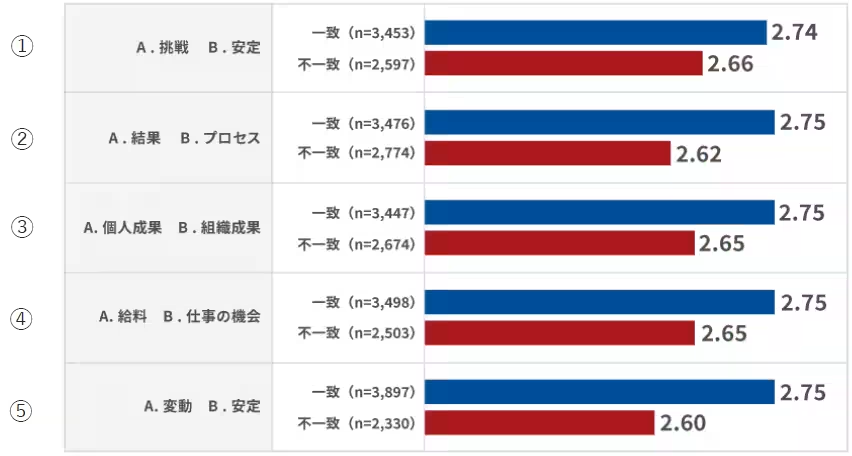
It turns out that keys to enhancing salary satisfaction include the perceived fairness of evaluations in addition to the workplace fit. The survey’s findings demonstrate that in alignment with specific evaluation criteria, higher income satisfaction correlates consistently.
Topic 2: Insights from Employees in Their 20s
The analysis indicates that for employees in their 20s, a significant factor in their satisfaction is perceiving that their individual efforts are recognized. If these young employees feel their contributions are overlooked, their satisfaction with their income tends to decrease markedly. For many in this age group, early career stages bring a strong desire for their achievements to be acknowledged and adequately rewarded.
Topic 3: Concerns Among Employees Aged 30-50
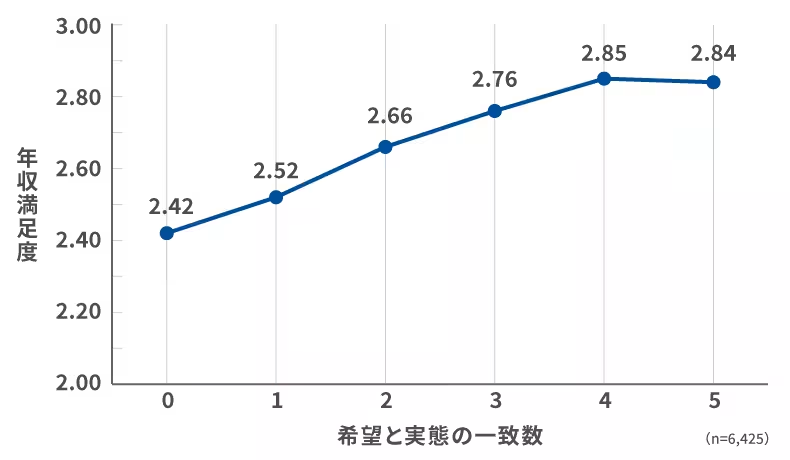
Employees in their 30s to 50s have broader concerns regarding discrepancies between their expectations and the actual evaluations they receive. The more factors in evaluations that mismatch, the lower their satisfaction with income tends to be. This suggests that a multi-faceted understanding of satisfaction is critical for mid-level employees, where consistencies across various evaluation metrics become increasingly important.
Topic 4: The Importance of Organizational Culture Fit
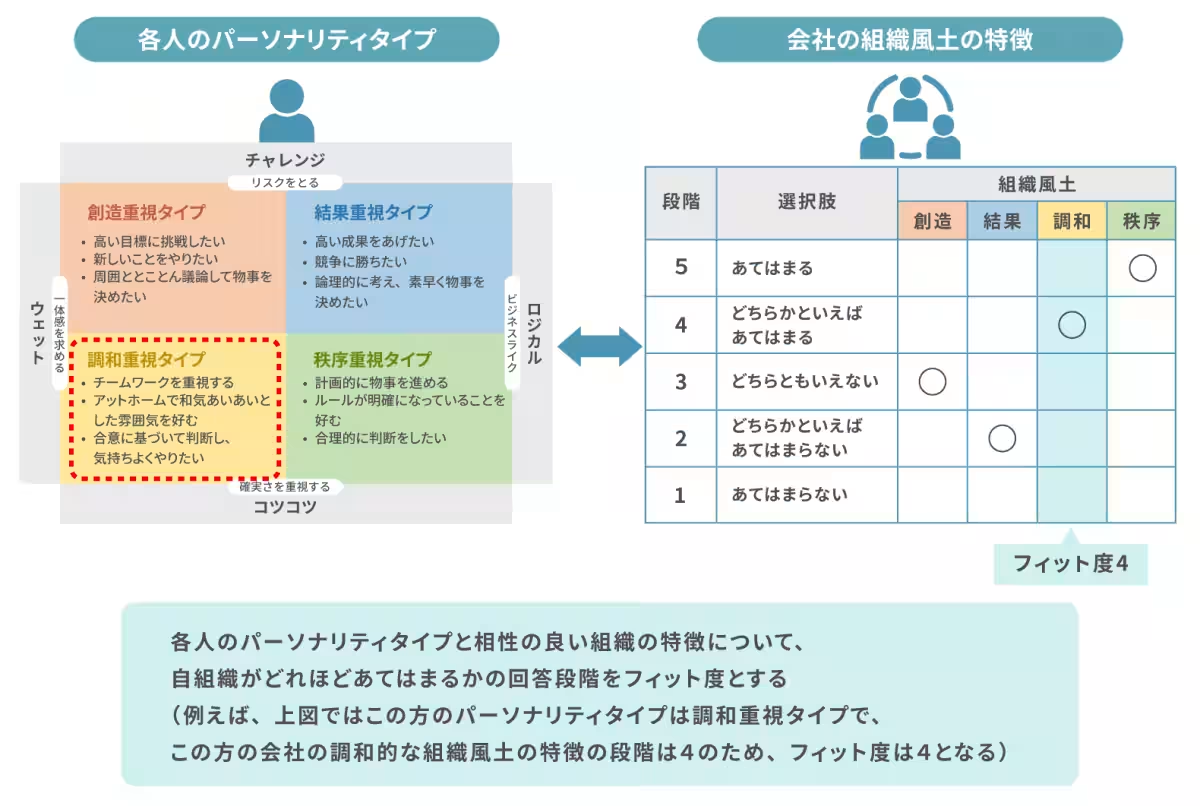
A major finding regarding salary satisfaction relates to organizational culture fit. Across all ages, employees who feel that their workplace aligns with their personal values report higher satisfaction with their incomes. This suggests that even with a comparable income level, a lack of alignment with the workplace culture can result in lower satisfaction.
Key recommendations for HR departments include not just refining evaluation and salary structures but also nurturing the appropriate workplace culture that resonates with individual employee values. By ensuring that organizational culture matches employees' beliefs and work styles, companies can foster greater satisfaction levels.
Conclusion: Enhancing Income Satisfaction
Overall, this survey underscores that salary satisfaction is affected not just by the figures but also deeply by the perception of how evaluations align with personal contributions and the suitability of the work environment. With insights from both younger and older generations, HR initiatives can benefit from recognizing what is important to employees, leading to tailored interventions that focus on high involvement and mutual recognition.
Engagement in conversations about performance evaluation processes and how the workplace culture aligns with the values of employees can create a more inclusive and satisfying work environment.

Topics People & Culture)

【About Using Articles】
You can freely use the title and article content by linking to the page where the article is posted.
※ Images cannot be used.
【About Links】
Links are free to use.