




JR East and JAL Strengthen Collaboration for Regional Revival in Eastern Japan
JR East and JAL Collaborate to Boost Regional Development in Eastern Japan
On February 6, 2026, JR East (East Japan Railway Company) and Japan Airlines (JAL) entered into a significant agreement aimed at revitalizing regional areas in Eastern Japan. The two companies, headquartered in Tokyo, set forth their goal to enhance regional growth through innovative collaboration in transportation and tourism.
Strategic Aims of the Agreement
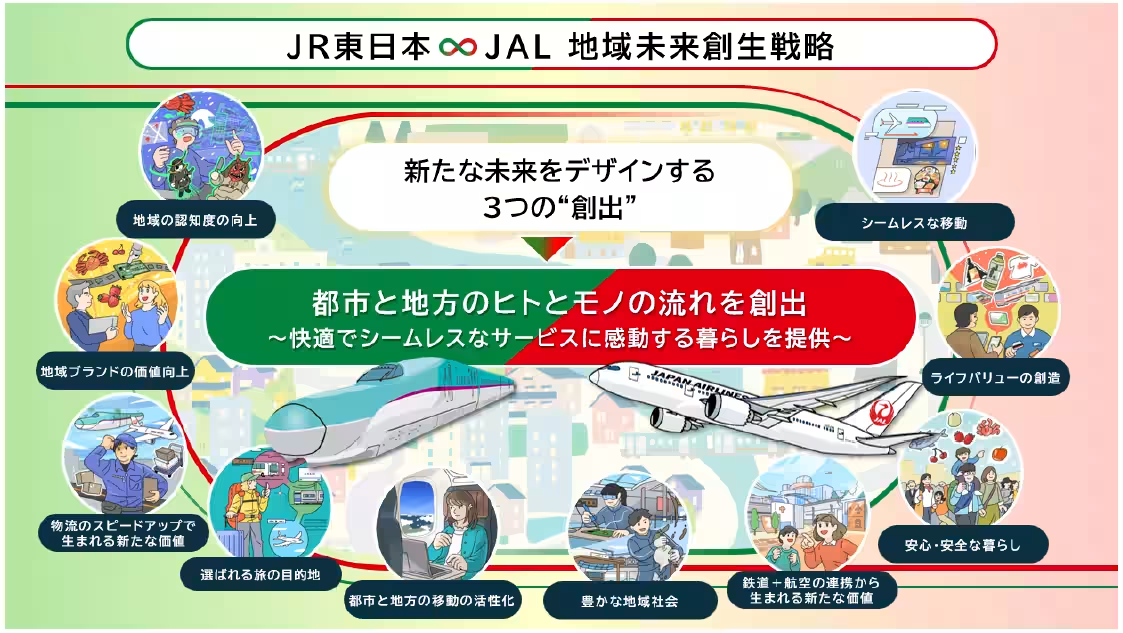
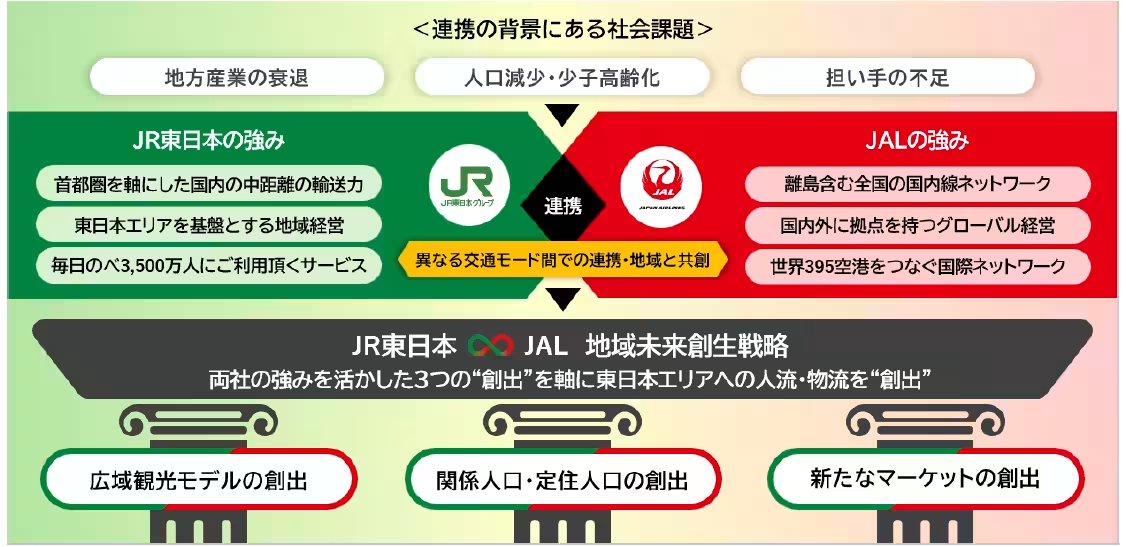
This partnership, termed the "Regional Future Creation Strategy," seeks to leverage the strengths of both JR East and JAL to generate new opportunities. By focusing on three main areas—creating a wide-ranging tourism model, cultivating resident and community populations, and developing new markets—the agreement aims to activate both passenger and freight movements while addressing local social issues.
Creating a New Tourism Model
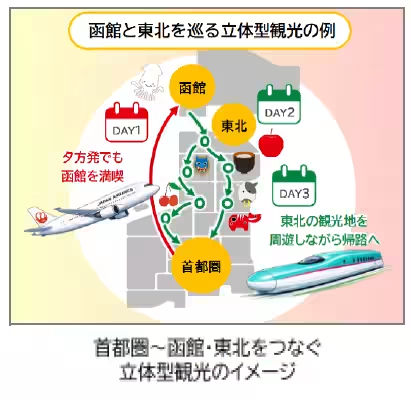
One of the primary focus areas is the creation of a wide-area tourism model that combines the advantages of both rail and air travel. By enhancing seamless connections between train and airplane services, JR East and JAL aim to offer travelers more flexible and cost-effective options. This initiative will include promotional campaigns that highlight new tourist routes connecting railway stations and airports with popular attractions.
1. Promotion of an Integrated Tourism Experience: The two companies plan to strengthen their collaborative offerings, focusing on creating products that integrate rail and air travel. This will improve travel freedom and allow visitors to explore previously inaccessible tourist sites between stations and airports. Collaboration with local stakeholders will enhance the diversity and quality of tourism content within the region.
2. Seamless Travel Experiences: The partnership will explore ways to simplify the travel experience for passengers, including streamlining reservations and connections through Mobility as a Service (MaaS). Innovative solutions such as integrating train and airline tickets into a single transaction will be evaluated.
Fostering Resident Populations
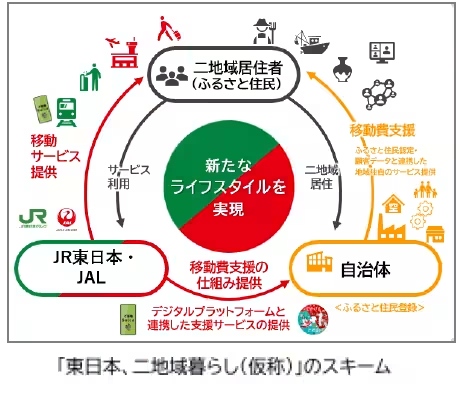
The agreement also emphasizes creating resident populations and promoting dual-region living, which refers to individuals living in more than one location. The companies will work together to reduce travel burdens and enhance the overall experience for those living between two regions.
1. Dual-Region Living Programs: In 2025, JAL will introduce initiatives aimed at easing travel costs linked to dual-region living arrangements. Future discussions will involve local governments to identify new strategies, aimed at improving residents' mobility between their two locations.
2. Expansion through MaaS: JR East plans to launch the "Local Suica" program in collaboration with municipalities starting in 2027, which will provide discounts and support services to residents navigating between urban and rural areas.
New Market Creation
Additionally, JR East and JAL will concentrate on creating new markets, particularly in the logistics sector, which will support the overall development of the region.
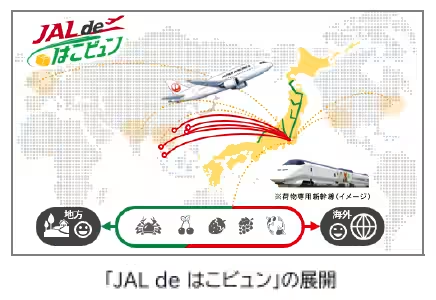
1. Enhanced Delivery Services: Through JAL's existing logistics service, "JAL de Hako Byun," they will expand targeted destinations to boost usage and reduce logistical barriers for local products. This will help facilitate faster distribution of regional goods, enhancing producers' market reach both domestically and internationally.
2. Luggage Delivery Services: To alleviate the travel burden on tourists, JR East and JAL will collaborate on luggage delivery services, allowing travelers to explore without the hassle of carrying bags. This will provide a more enjoyable travel experience, encouraging visitors to stay longer and discover more.
3. Elevating Regional Products: The two companies will work together on initiatives that highlight the cultural and historical significance of regional products, aiming to enhance their market value and contribute to economic prosperity.
In conclusion, the partnership between JR East and JAL marks a pivotal step towards not only fostering regional revival in Eastern Japan but also addressing broader social challenges. By working closely with various stakeholders, they aim to create an environment where travel and economic development can thrive together, ultimately leading to enriched lifestyles for residents and visitors alike.
Note: All images used in this release are for illustrative purposes only.


Topics Other)
【About Using Articles】
You can freely use the title and article content by linking to the page where the article is posted.
※ Images cannot be used.
【About Links】
Links are free to use.