




Understanding the Hidden Costs of SaaS Systems in Business Operations
Understanding the Hidden Costs of SaaS Systems in Business Operations
In a recent survey conducted by NTT Data Business Brains, 221 leaders and managers from various business and administrative sectors shared valuable insights regarding the costs associated with software-as-a-service (SaaS) systems in their organizations. With cloud-based systems becoming predominant, understanding the financial implications of these tools is crucial for optimizing their usage.
Background of the Study
The shift towards cloud-based business systems has led to a billing structure that often charges businesses based on the number of users or amount of consumption. While this model is beneficial for minimizing initial investments, it has resulted in a troubling phenomenon: critical business functions are being limited to only a fraction of the employees who truly need access, primarily due to financial constraints.
Moreover, organizations frequently face unexpected costs post-implementation, such as expenses related to the integration with existing systems, report customization, and the need for additional licenses as staff numbers grow. These costs, often not visible during the initial evaluations, can significantly inflate overall expenditure.
Survey Overview
To address these issues, NTT Data Business Brains gathered insights from industry leaders to examine the common practices regarding operational system costs, decision-making standards, unexpected financial burdens, and reasons behind not adopting certain systems.
Key Findings
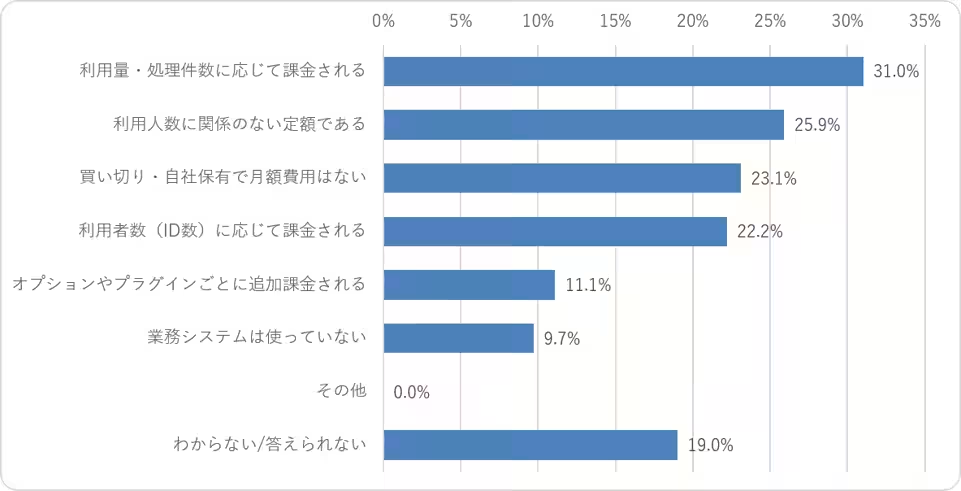
1. Cost Structures: The survey revealed that costs for business systems are primarily divided into four categories: usage-based fees (31%), fixed fees (25.9%), one-off purchase (23.1%), and fees tied to the number of users (22.2%). Alarmingly, 19% of respondents admitted they were unsure or unable to specify their company's system costs, indicating a substantial awareness gap among decision-makers.
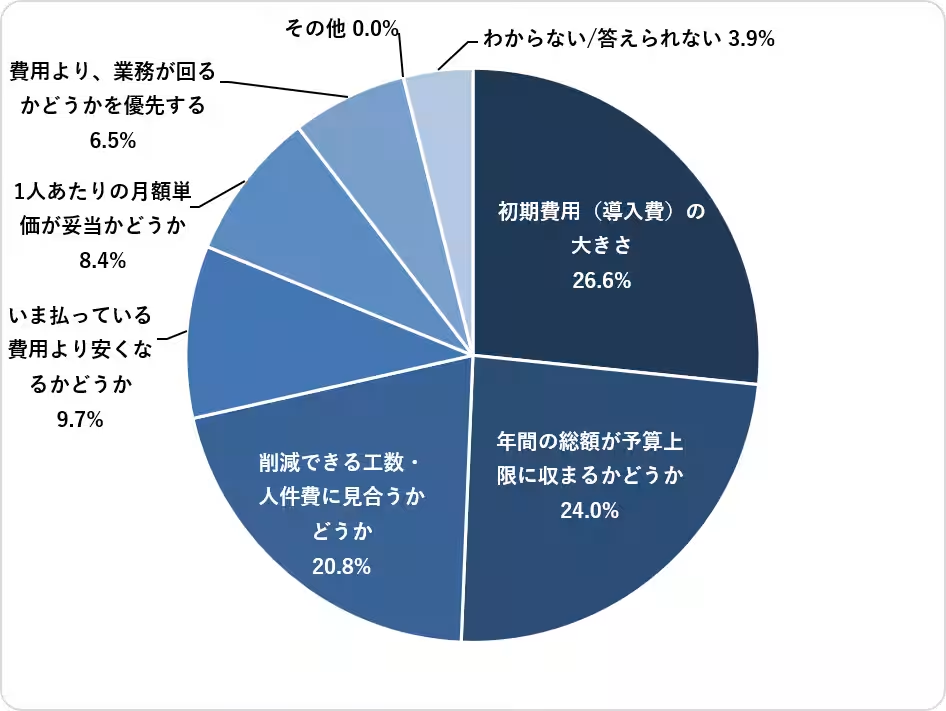
2. Financial Decision Factors: When evaluating the feasibility of introducing new systems, the most critical factor was the initial implementation cost (26.6%), followed by whether the yearly total fit within the budget (24%) and possible reductions in labor costs (20.8%). Interestingly, only 8.4% of managers prioritized user-based pricing, highlighting a disconnect between how vendors present costs (per user per month) and how buyers perceive value (total cost overview).
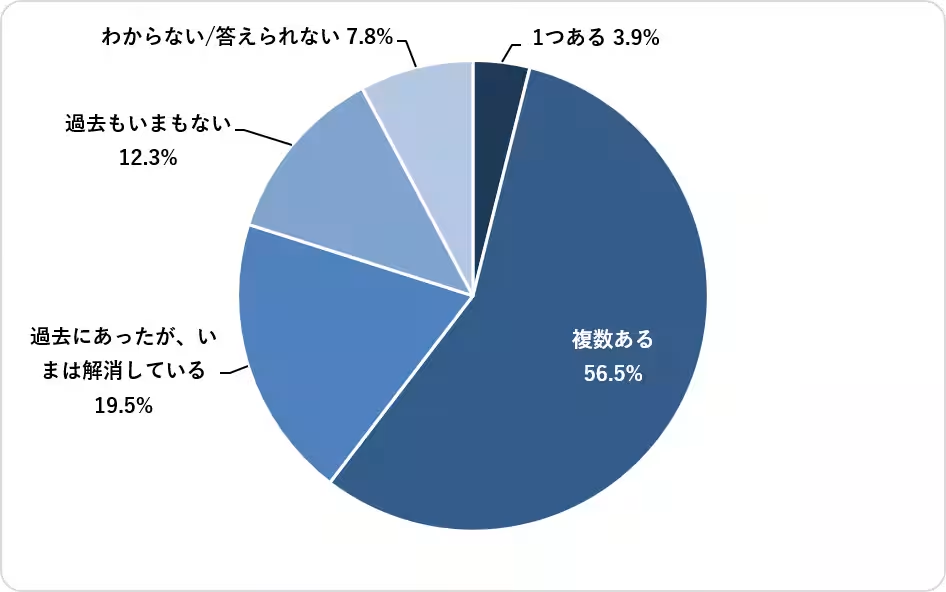
3. Limitations on Usage: The data also indicated a worrying trend where 60% of respondents reported currently limiting system access to employees who genuinely needed it due to cost considerations. 79.9% acknowledged having faced such restrictions at some point.
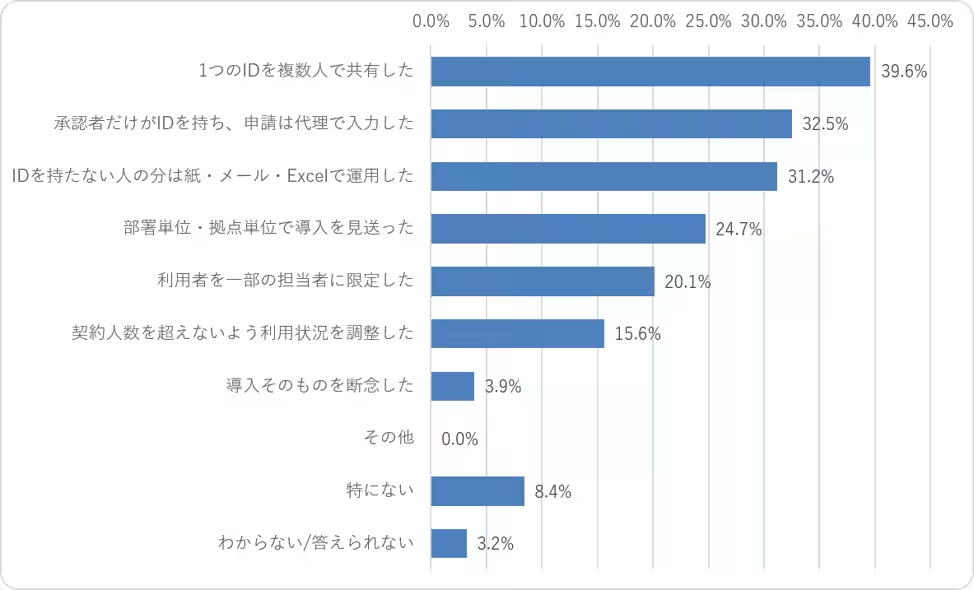
4. Experiences with User Sharing: Approximately 88.4% of leaders reported having had to adjust their operations due to user-based fees, with 39.6% sharing a single user ID among multiple users, creating both compliance and security risks.
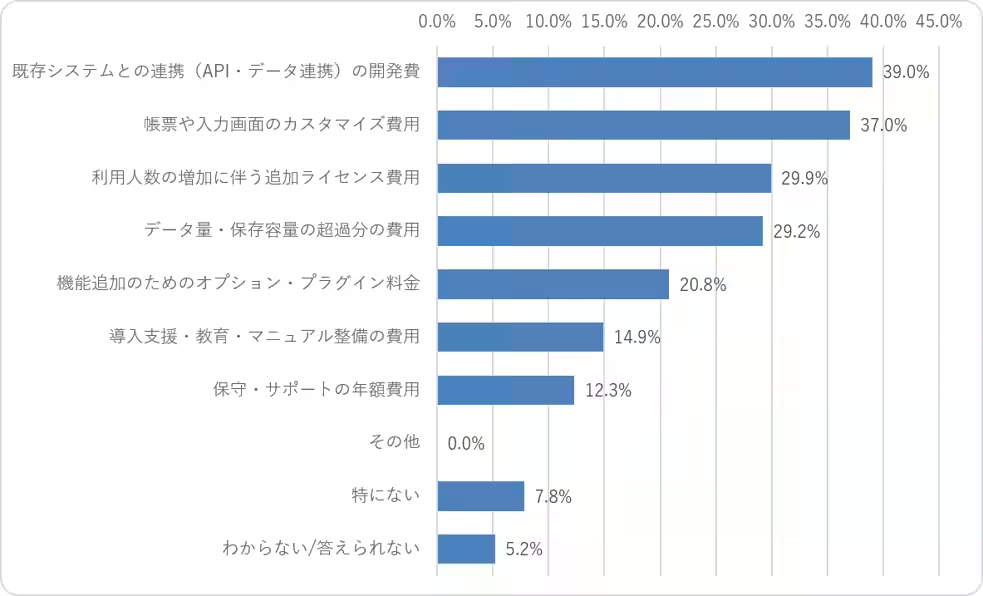
5. Additional Costs Post-Implementation: A staggering 87% of organizations encountered unforeseen costs after system deployment, commonly related to integration work (39%) and customization needs (37%). These expenses reveal gaps in initial planning and can often lead to disappointing outcomes for organizations.
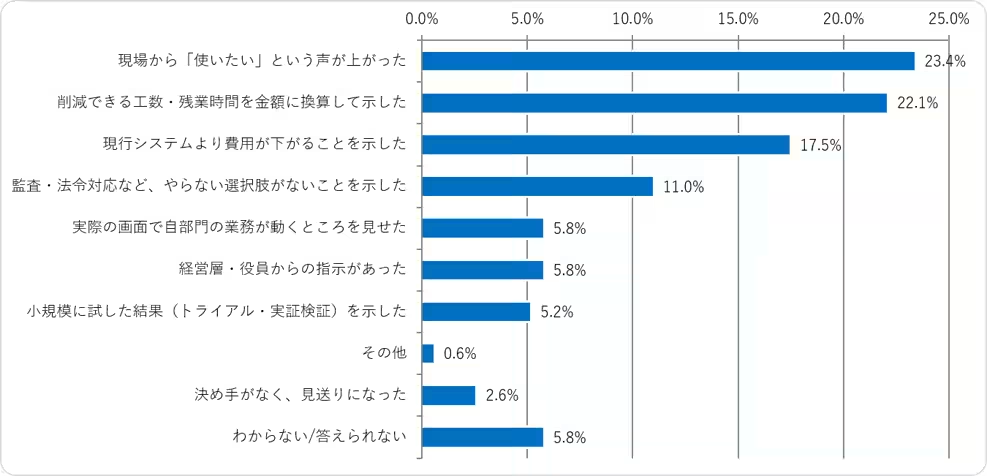
6. Decision-Making Dynamics: Surprisingly, the most significant factor for approving new system purchases was the demand from employees for access (23.4%), overshadowing financial metrics.
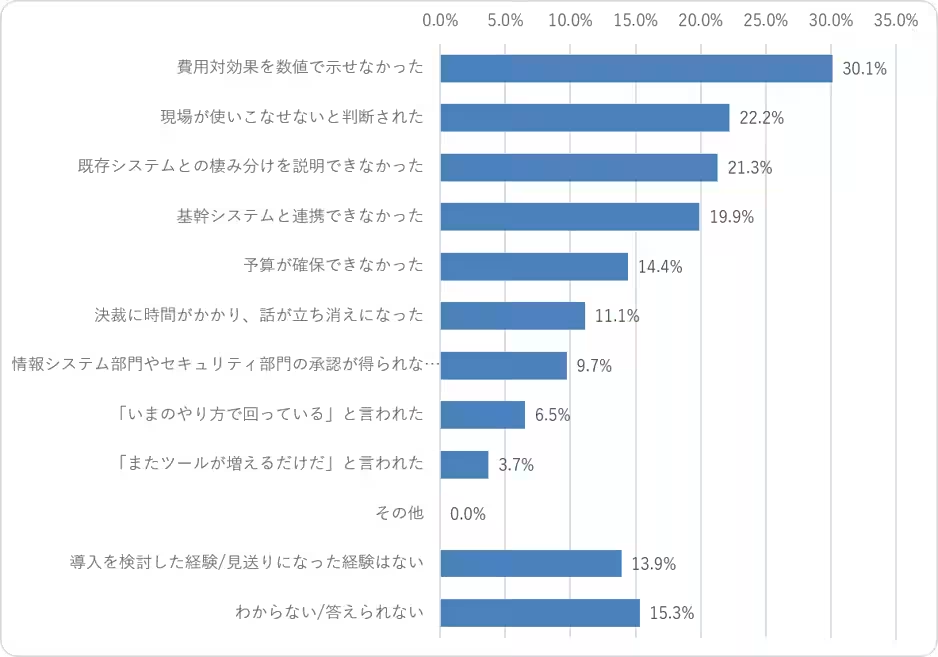
7. Reasons for Not Adopting Systems: While budget constraints are often cited as a primary reason for not purchasing systems, 30.1% indicated difficulties in demonstrating the cost-effectiveness of these systems as the leading cause of rejection. This reveals a pressing need for businesses to build a framework that effectively communicates potential benefits.
Conclusion
The collected insights suggest that organizations need to reevaluate their perceptions of SaaS costs. With a significant segment of companies restricting actionable access to crucial systems based on financial decisions, there's an urgent need to explore pricing structures that do not rely on user counts. A comprehensive evaluation of expenses across the entire operational landscape, along with trialing new systems, can potentially shift the narrative from viewing system costs as a limitation to recognizing them as strategic investments.
NTT Data Business Brains is committed to providing solutions like Slopebase, a no-code cloud database platform that addresses these concerns by allowing fluid communication across external partners without incurring excessive charges. Organizations looking to bridge functional gaps should consider adopting such innovative tools to streamline their operations effectively.
For more details on the survey and its implications, visit Slopebase's article on SaaS Pricing Structures.

Topics Consumer Products & Retail)









【About Using Articles】
You can freely use the title and article content by linking to the page where the article is posted.
※ Images cannot be used.
【About Links】
Links are free to use.