



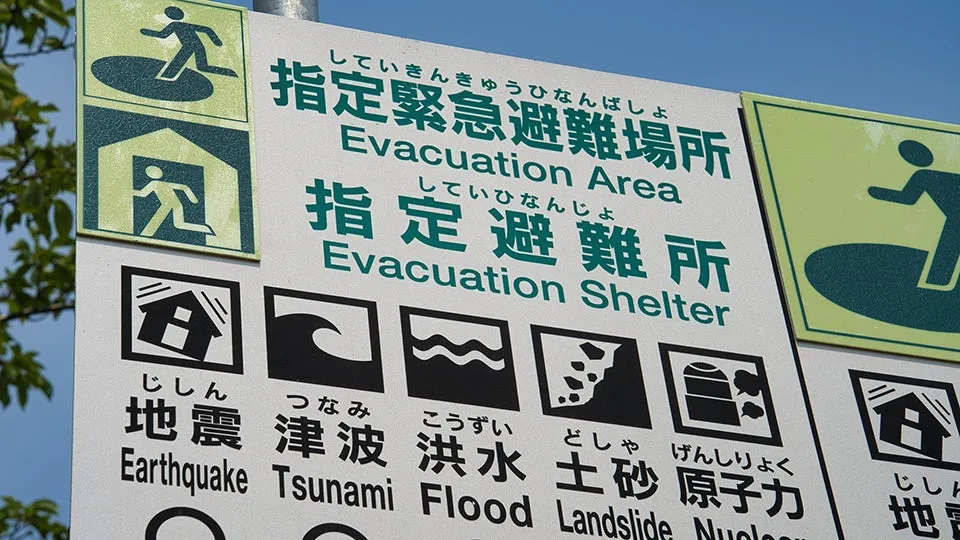
Understanding the Difference Between Evacuation Areas and Shelters Amid Rising Natural Disasters
Understanding the Difference Between Evacuation Areas and Shelters Amid Rising Natural Disasters
As natural disasters increase globally, understanding evacuation protocols has become paramount. A recent survey conducted by Cross Marketing, based in Tokyo, Japan, gathered insights from 3,000 individuals aged 20 to 79 regarding disaster preparedness and awareness in July 2025. The study focused on discerning public knowledge about evacuation areas and shelters, the reasons for evacuating or staying put during disasters, and the information sources people rely on during such crises.
Key Findings
Confusion between Evacuation Areas and Shelters
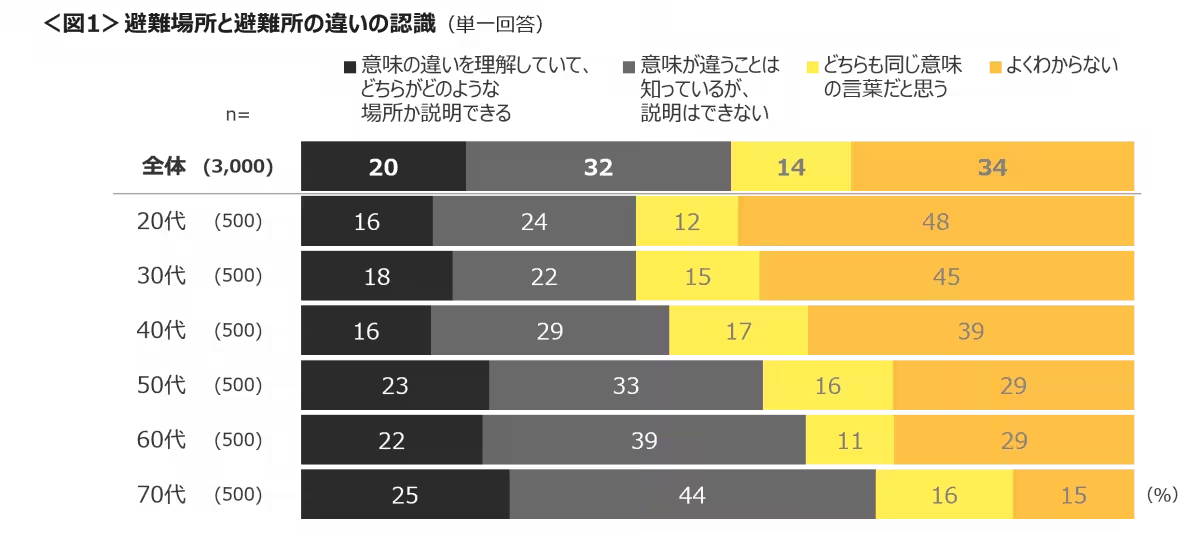
The survey's results highlight a concerning lack of clarity among respondents about the difference between evacuation areas and shelters. About 34% admitted they did not know the distinction, while another 32% understood there was a difference but couldn't explain it. Only approximately 20% of respondents could accurately define both areas. This confusion was notably prevalent among individuals in their 20s through 40s, suggesting a gap in education about disaster response protocols.
Evacuation Behavior During Disasters
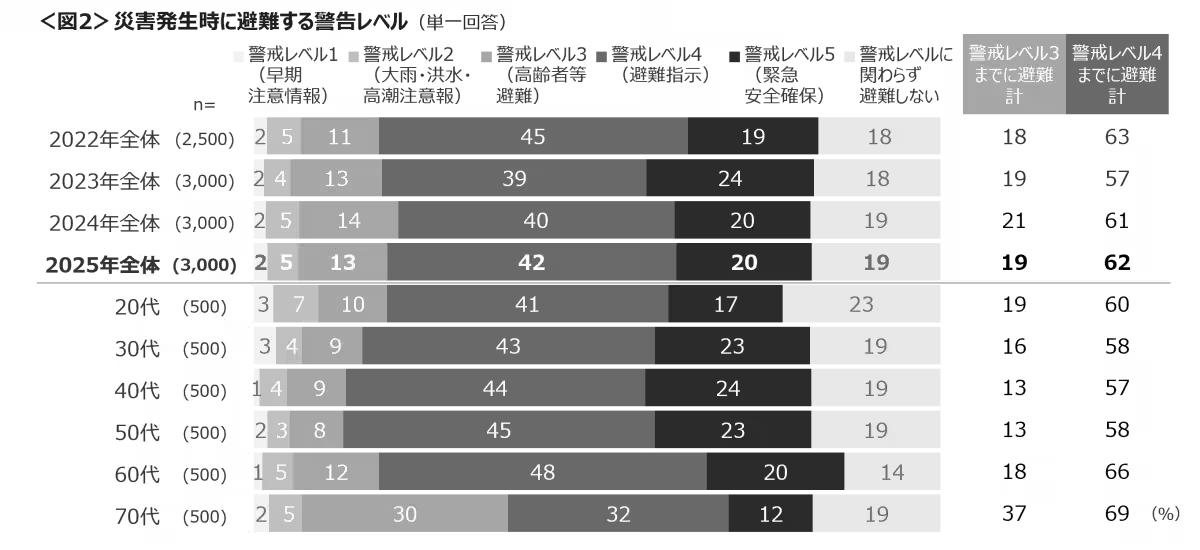
When asked at which alert level they would choose to evacuate, 42% indicated they would heed Level 4 (Evacuation Orders), while a mere 20% claimed they would evacuate at Level 5 (Emergency Safety Confirmation). Notably, individuals in their 70s often evacuated based on lower alert levels, notably Level 1 (Early Warning) to Level 3 (Elderly Evacuation), making up 37% of that demographic.
Reasons for Staying Home
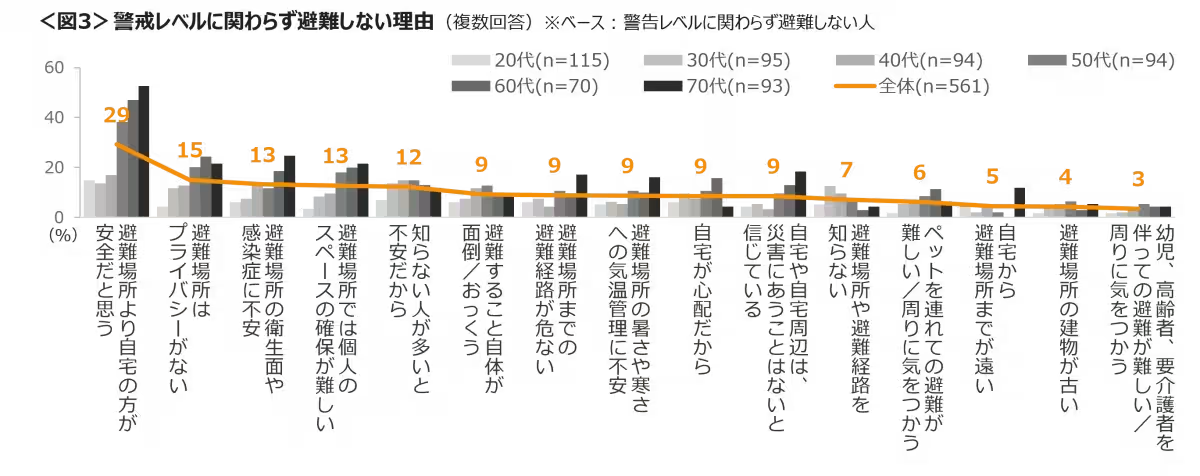
Interestingly, reasons for not evacuating despite alerts included perceptions of safety at home compared to evacuation sites, concerns about personal privacy, hygiene issues, and difficulty in securing personal space. These concerns were particularly heightened among those aged 60-70. The survey results showed that many respondents preferred to remain at home, feeling it provided a safer alternative.
Homecoming Intentions Post-Disaster
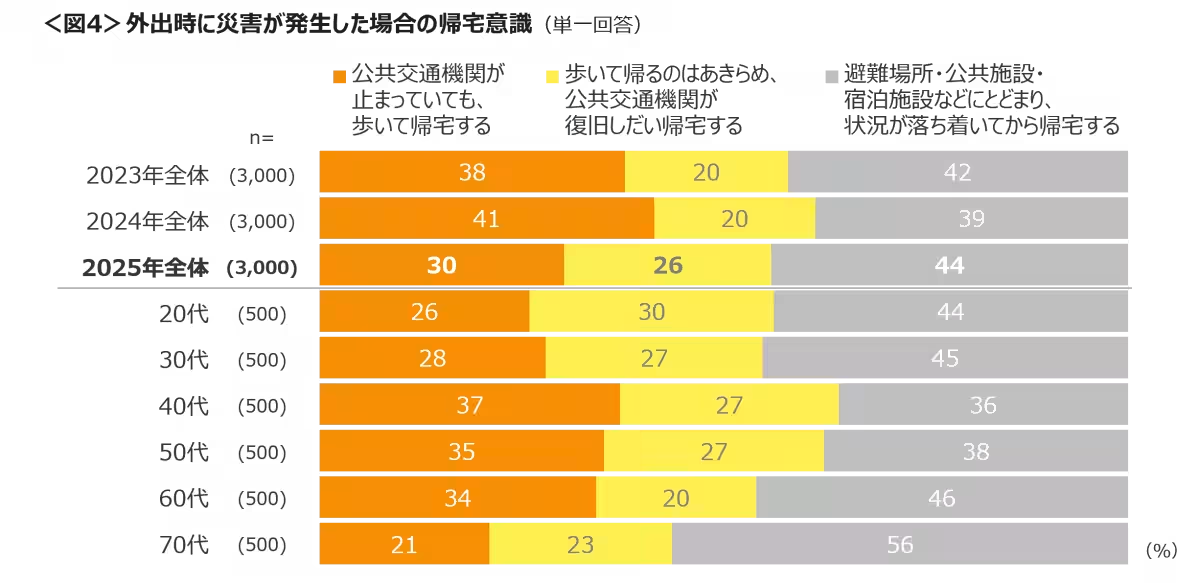
The survey also inquired about intentions to return home after a disaster. Findings revealed that 44% would stay in evacuation sites until the situation settled before returning, whereas 30% indicated they would walk home, even if public transportation was halted. This tendency to prioritize homecoming was particularly pronounced among those aged 40-60.
Concerns About Natural Disasters and Need for Preparedness
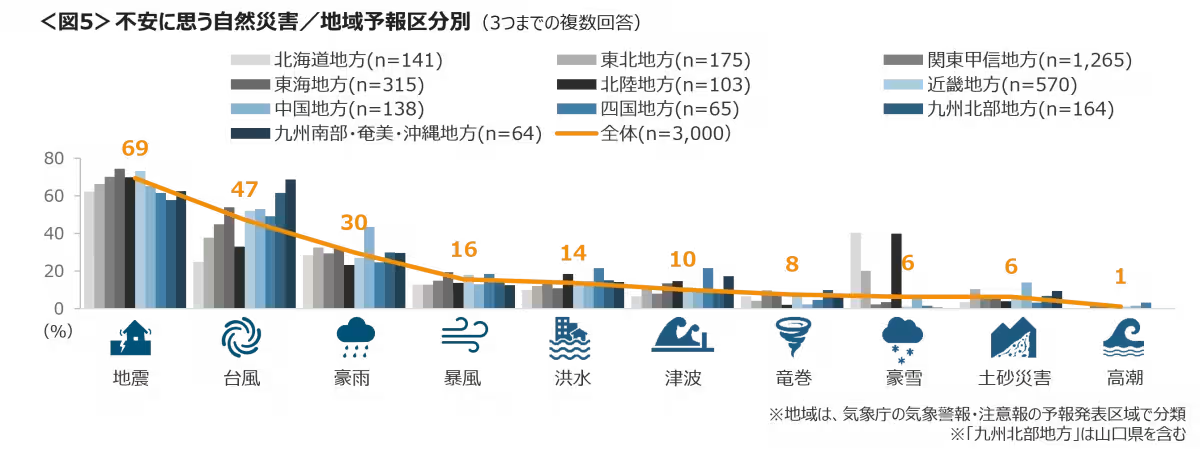
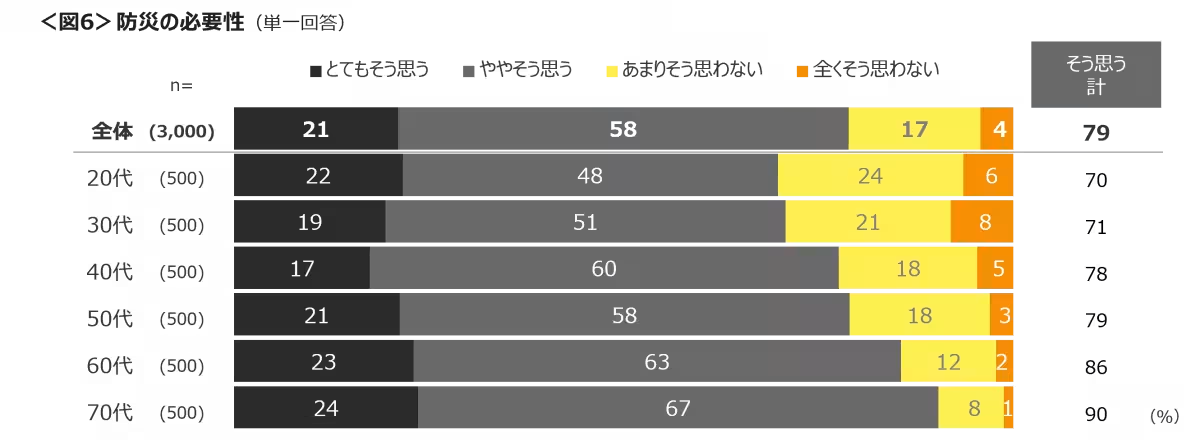
When asked to express which natural disasters they felt most anxious about, the survey revealed that earthquakes (69%), typhoons (47%), and heavy rains (30%) were top concerns. In regional analyses, the northern and southern Kyushu areas exhibited heightened anxiety towards typhoons, while a significant 44% in the Chugoku region expressed anxiety about heavy rains due to past disasters. Moreover, the perceived necessity for disaster preparedness was acknowledged by 79% of respondents, with a notable increase in urgency among older individuals, reaching 90% in those aged 70 and over.
Sources of Information During Other Regions' Disasters
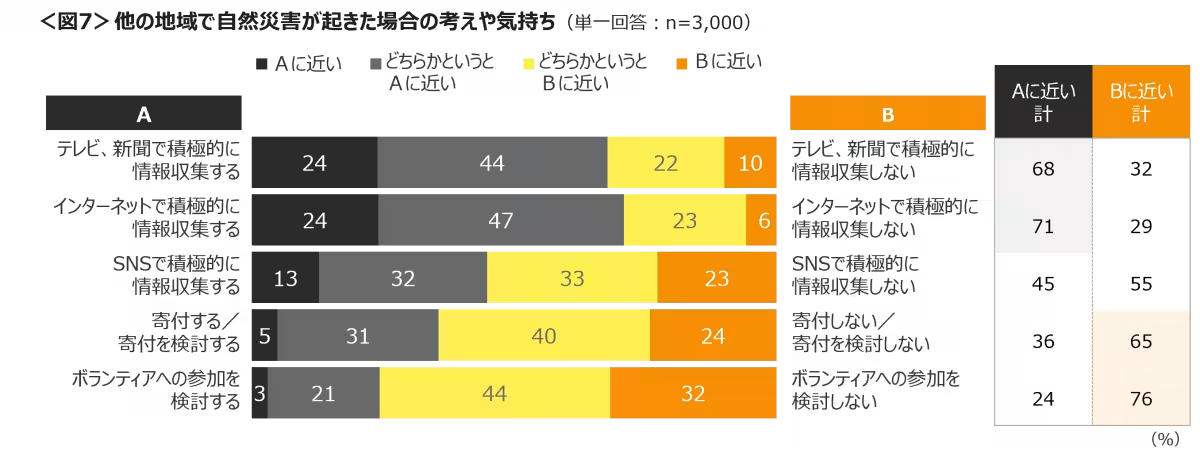
In events of disasters occurring in other areas, approximately 70% of respondents indicated they would actively seek information through television and newspapers or via the Internet. Conversely, less than half expressed interest in participating in volunteer efforts or making donations, highlighting a lower engagement with social media (SNS) compared to traditional media sources. This skepticism towards SNS could relate to the prevalence of misinformation during crises.
Conclusion
The findings from Cross Marketing provide critical insights into the current state of disaster awareness and readiness among the general population. As natural disasters become more frequent, increasing public knowledge and understanding of evacuation protocols is essential. Education campaigns must aim at clarifying the distinctions between evacuation sites and shelters while addressing the prevalent concerns that discourage evacuation. As we navigate an increasingly unpredictable climate, prioritizing disaster preparedness through informed public policies and community engagement becomes more vital than ever.
Topics Policy & Public Interest)
【About Using Articles】
You can freely use the title and article content by linking to the page where the article is posted.
※ Images cannot be used.
【About Links】
Links are free to use.