




Insights into AI Utilization: Social Media's Dominance and Purchasing Decisions of New Employees in 2026
The Impact of Social Media and AI on New Employees' Information Gathering and Buying Decisions
Introduction
A recent survey by Dashboard Inc., based in Shibuya, Tokyo, has shed light on the information-gathering habits of new professionals entering the workforce in spring 2026. This survey, conducted with a sample of 651 individuals, focused on how these new employees utilize various information sources like social media, search engines, and AI in their daily activities.
Key Findings
Social Media Leads in Information Gathering
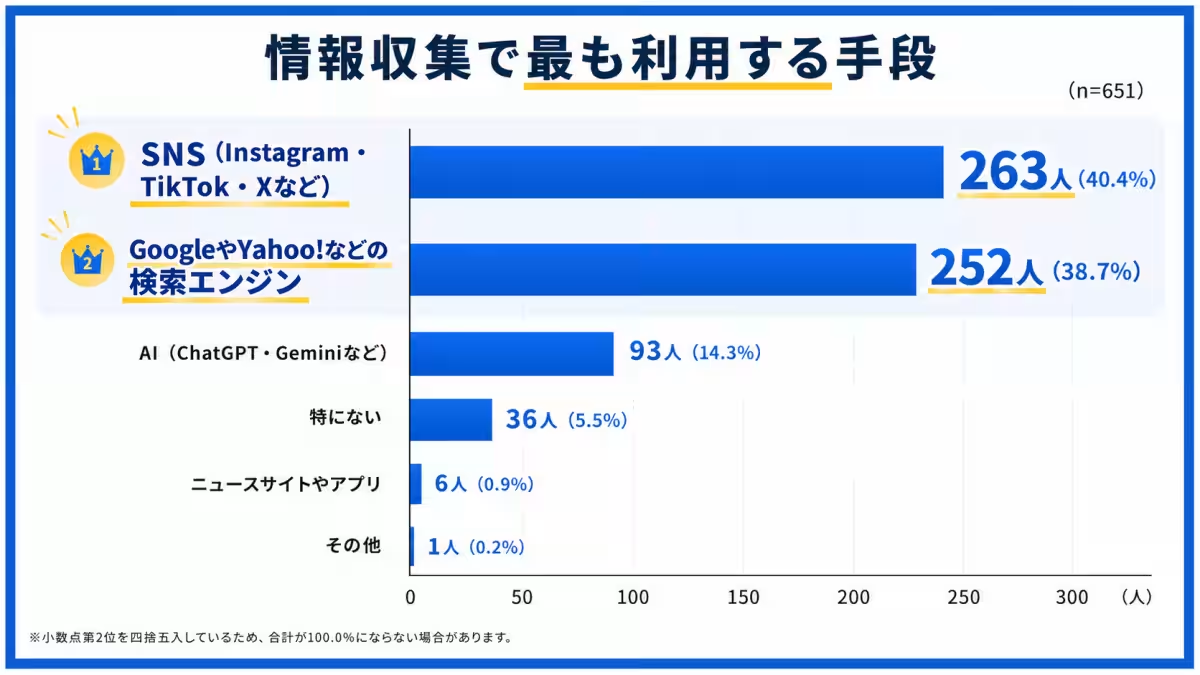
The survey revealed that social media platforms are the primary source for collecting information, with 40.4% of respondents indicating its preference. Close behind, 38.7% favored search engines. Surprisingly, AI was reported by only 14.4% as a trusted source, emphasizing its current role as a supplementary tool rather than a primary one.
Trust in Information Sources
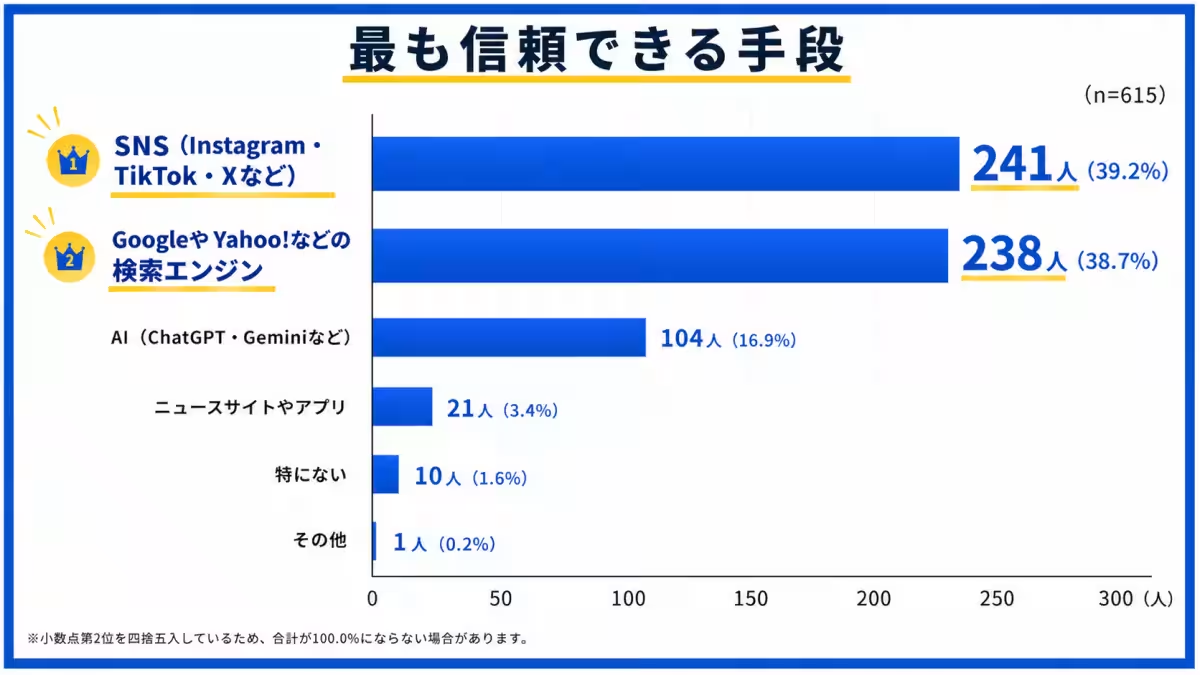
When it comes to reliability, social media and search engines scored almost equally, with 39.2% and 38.7% respectively trusting these platforms for accurate information. Users perceived social media as the go-to for real-life opinions and narratives, while search engines were relied upon for factual data and official statements.
Differentiated Roles of Information Sources
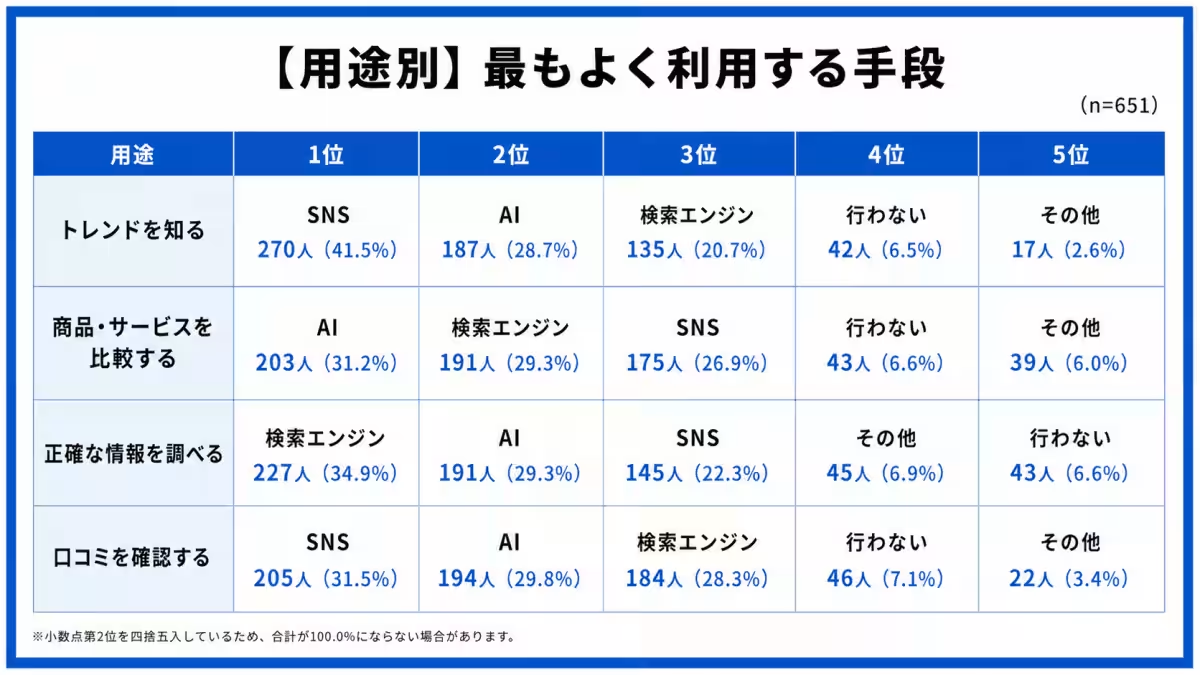
The findings also highlighted a clear distinction in the roles of various platforms based on usage. Here's a breakdown:
- - Trend Awareness: 41.5% of users prefer social media.
- - Comparison and Review: AI led with 31.2% usage.
- - Fact-checking: 34.9% of users turned to search engines.
- - Reviews and Recommendations: Close contest between social media (31.5%) and AI (29.8%).
While AI retains a secondary position in general information gathering, its value shines in specific contexts, such as product comparisons.
The Power of Social Media in Brand Recognition
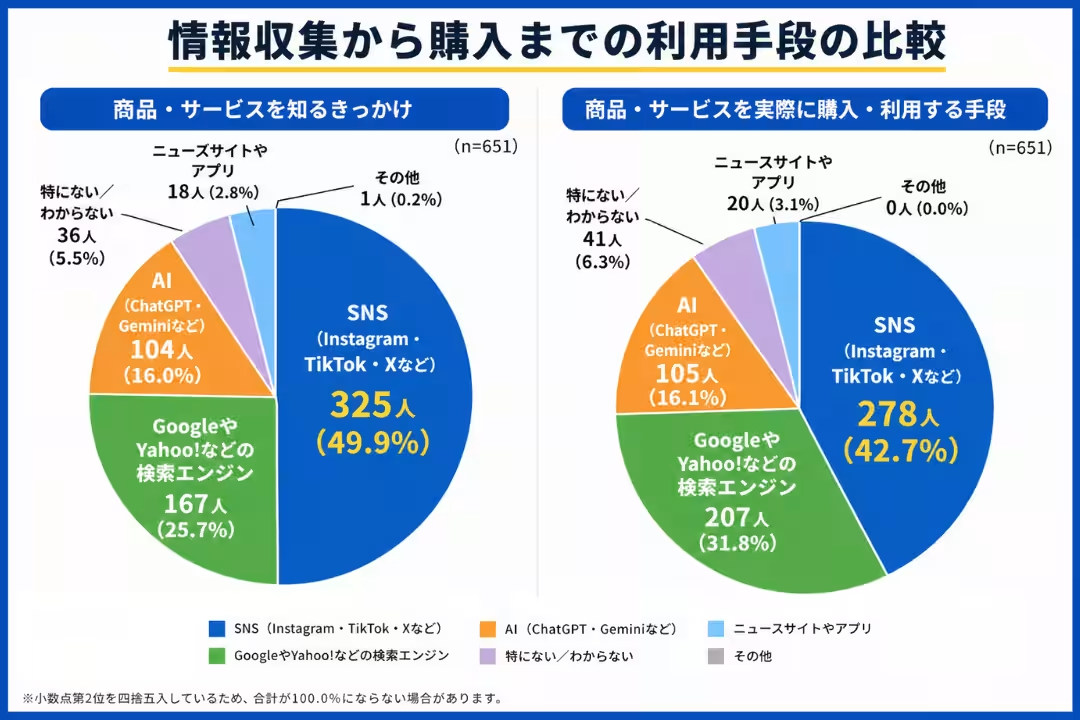
A staggering 49.9% of respondents acknowledged discovering products through social media, dwarfing the 25.6% from search engines and the 16.1% from AI. This trend remained consistent in actual purchasing behavior, where social media influenced the buying decisions of 42.7% of participants.
Decision-Making Factors
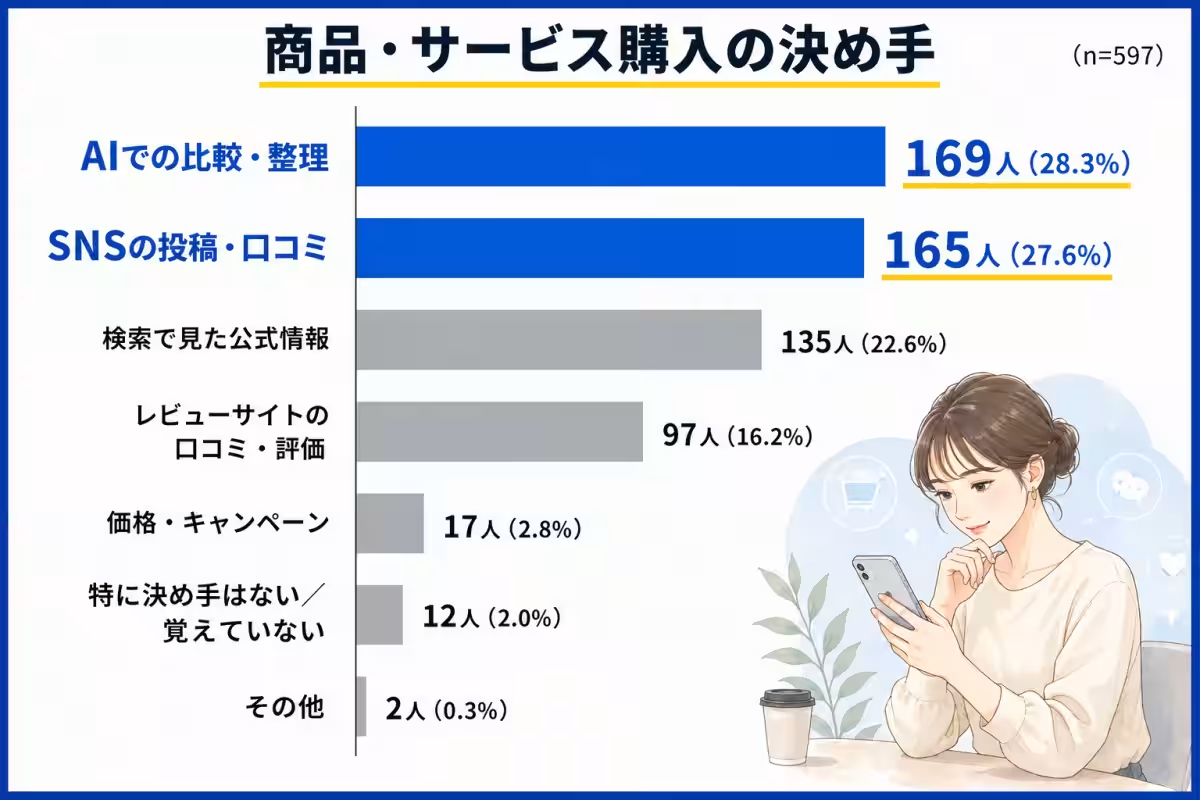
When determining what influenced their final purchase decision, 28.3% credited AI comparisons, while 27.6% pointed to social media reviews. Interestingly, even though AI was often considered less trustworthy in the reliability category, its role as a comparison tool is actively gaining traction amongst users.
High-frequency AI Usage with Caution
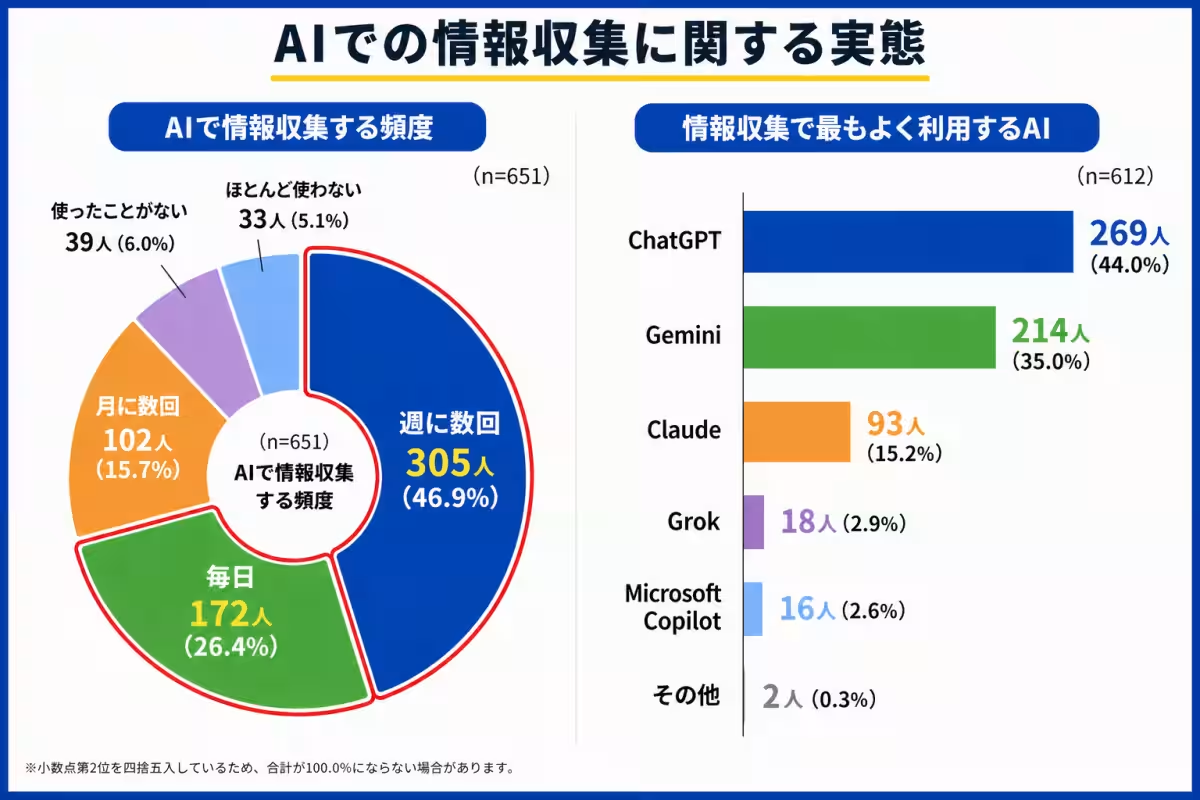
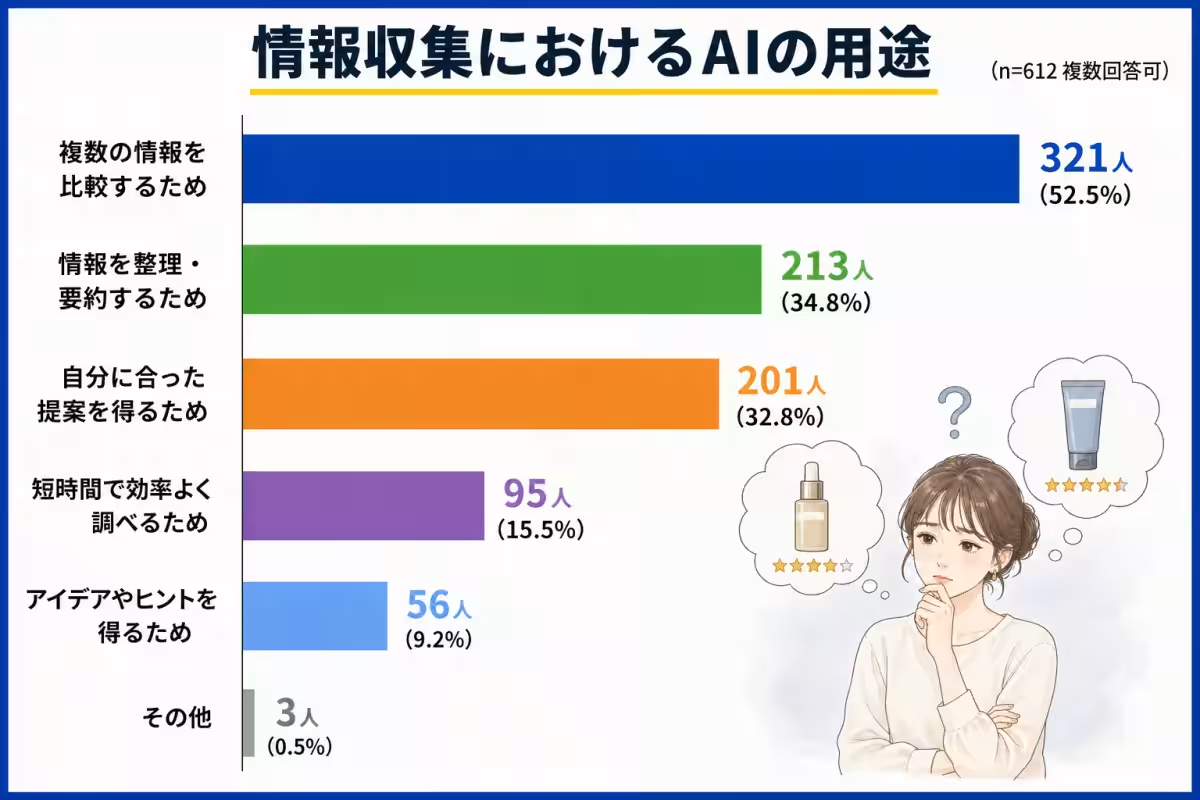
The survey showed that around 73.3% of users engaged with AI tools on a weekly basis. The most popular AI systems included ChatGPT (44%) and Gemini (35%). Key uses for AI included:
- - Comparison of multiple sources (52.5%)
- - Summarization and Organization (34.8%)
- - Personalized suggestions (32.8%)
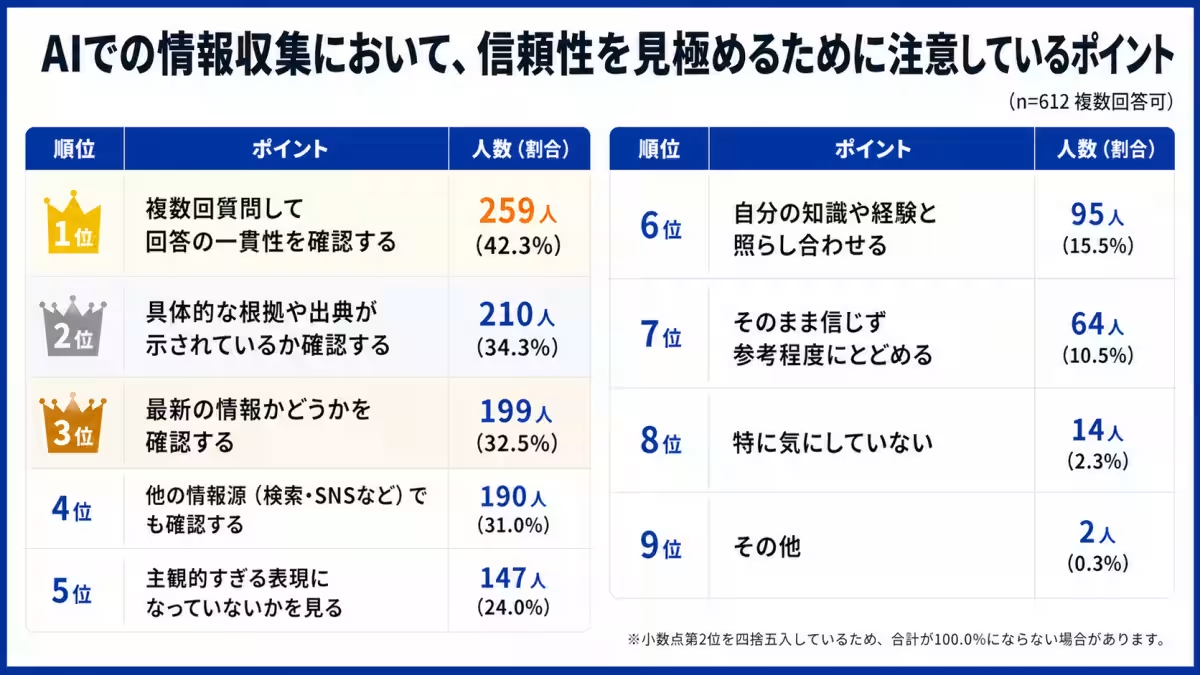
A significant concern noted was the need for consistent responses, as evidenced by 42.3% of participants who cross-verified information by asking multiple questions.
Moving Forward
The research concluded that while social media maintains a critical influence over brand recognition and purchasing decisions, AI is firmly establishing itself within consumer behavior, particularly in comparative and organizational tasks. As a result, companies are urged to broaden their strategies to include not only social media outreach but also the integration of AI tools for enhanced decision-making processes.
Conclusion
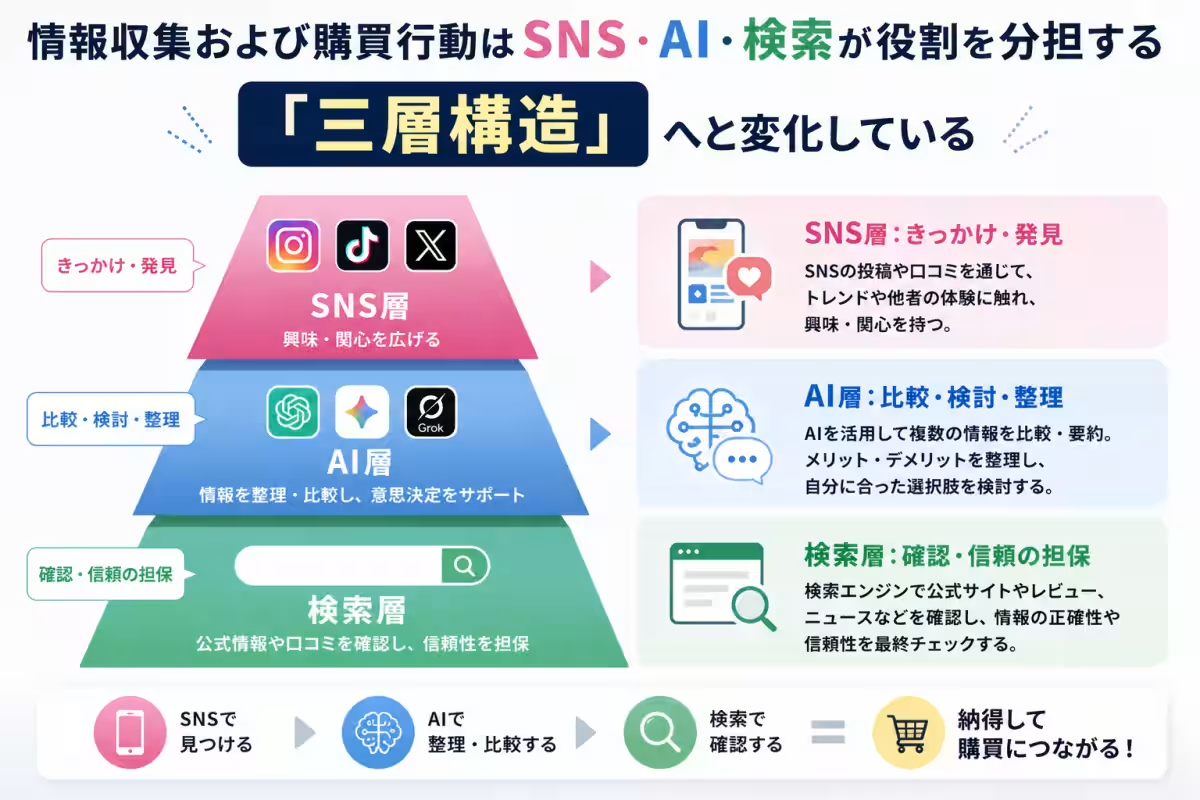
In summary, the study indicates a trifurcation of roles among social media, AI, and search platforms that defines modern information gathering and purchasing behavior. The anticipated expansion of AI's role promises to change the landscape of decision-making in consumer behavior, reinforcing the need for brands to adapt and embrace these platforms for a comprehensive marketing strategy.
About Dashboard Inc.
Dashboard Inc. is committed to delivering integrated solutions for customer engagement through web marketing, focusing on building brand awareness and driving sales via social media and AI tools. Interested parties are encouraged to reach out for tailored support in defining an effective communication strategy.


Topics Consumer Products & Retail)
【About Using Articles】
You can freely use the title and article content by linking to the page where the article is posted.
※ Images cannot be used.
【About Links】
Links are free to use.