



Exploring Loneliness Among Young Adults Living Alone in Tokyo
Discovering Loneliness: The Reality of Living Alone in Tokyo
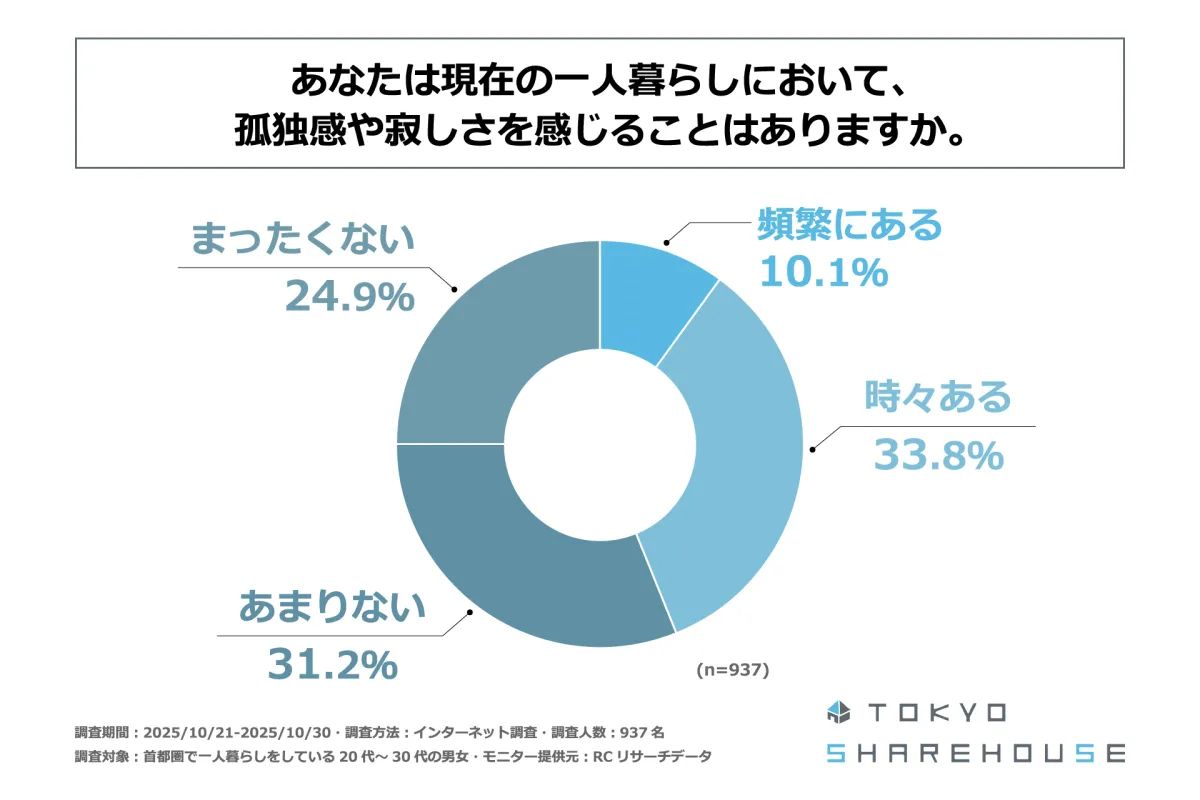
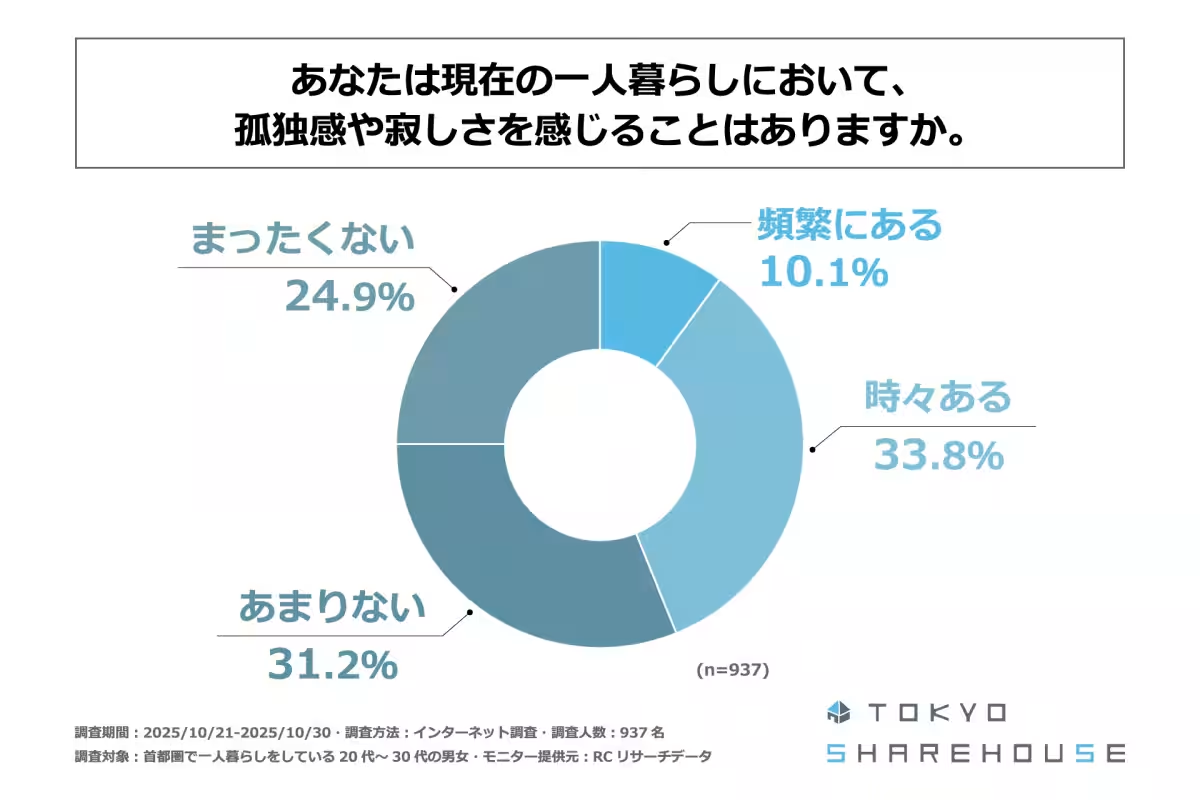
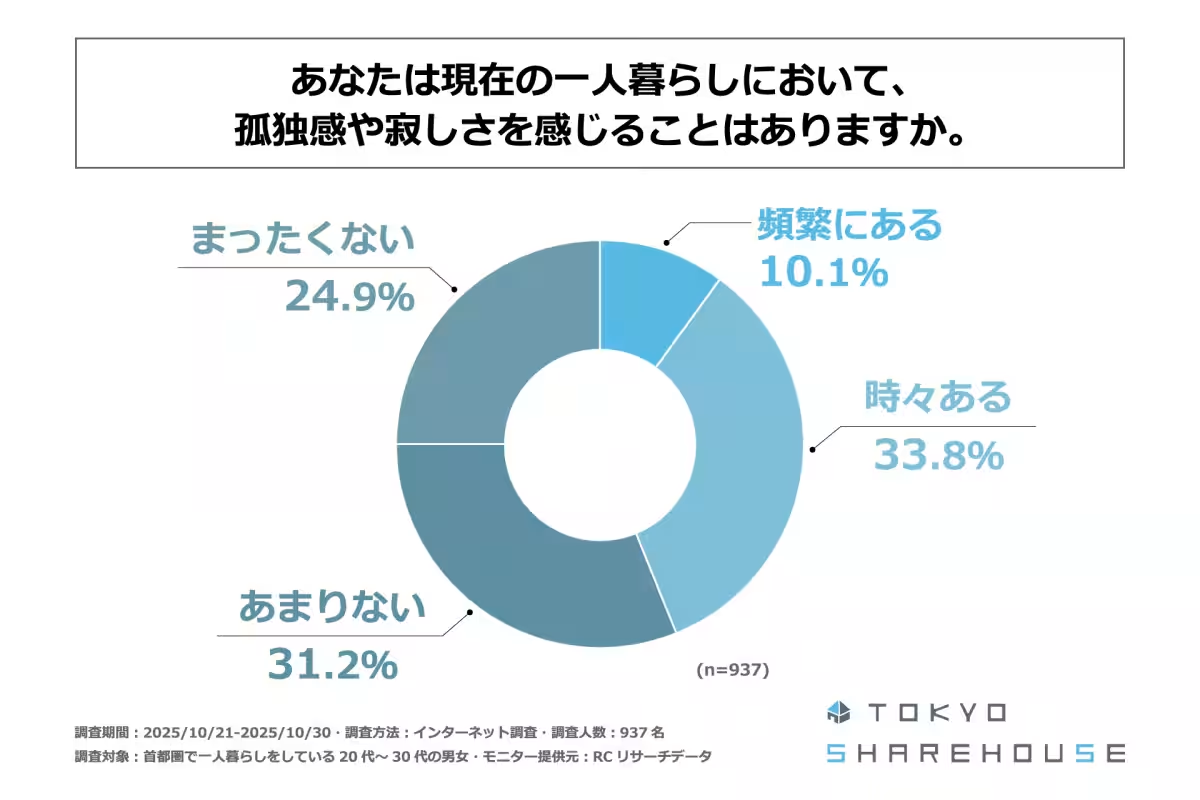
In a recent survey conducted by TokyoSharehouse, a notable finding emerged: over 40% of young adults aged 20 to 30 living alone in the Tokyo metropolitan area often experience feelings of loneliness and isolation. This article delves into the reasons behind these sentiments, the frequency of social interactions, and potential avenues for enhancing social connections among this demographic.
Background
The rise of remote work and diverse lifestyle choices has significantly shifted how we live and interact. For many in the densely populated Tokyo area, opportunities for physical interaction with others have unexpectedly dwindled, leading to an increased likelihood of feeling lonely. Despite being constantly connected digitally through social media, there remains a daunting gap between online interactions and the “real loneliness” felt during daily routines such as meals and commuting. To investigate this phenomenon further, TokyoSharehouse focused on understanding the specific triggers of loneliness and how young adults cope with it, along with their social needs and desires for future interactions.
Survey Summary
The survey revealed several key insights:
- - Loneliness Prevalence: More than 40% of young adults living alone reported experiencing loneliness or isolation.
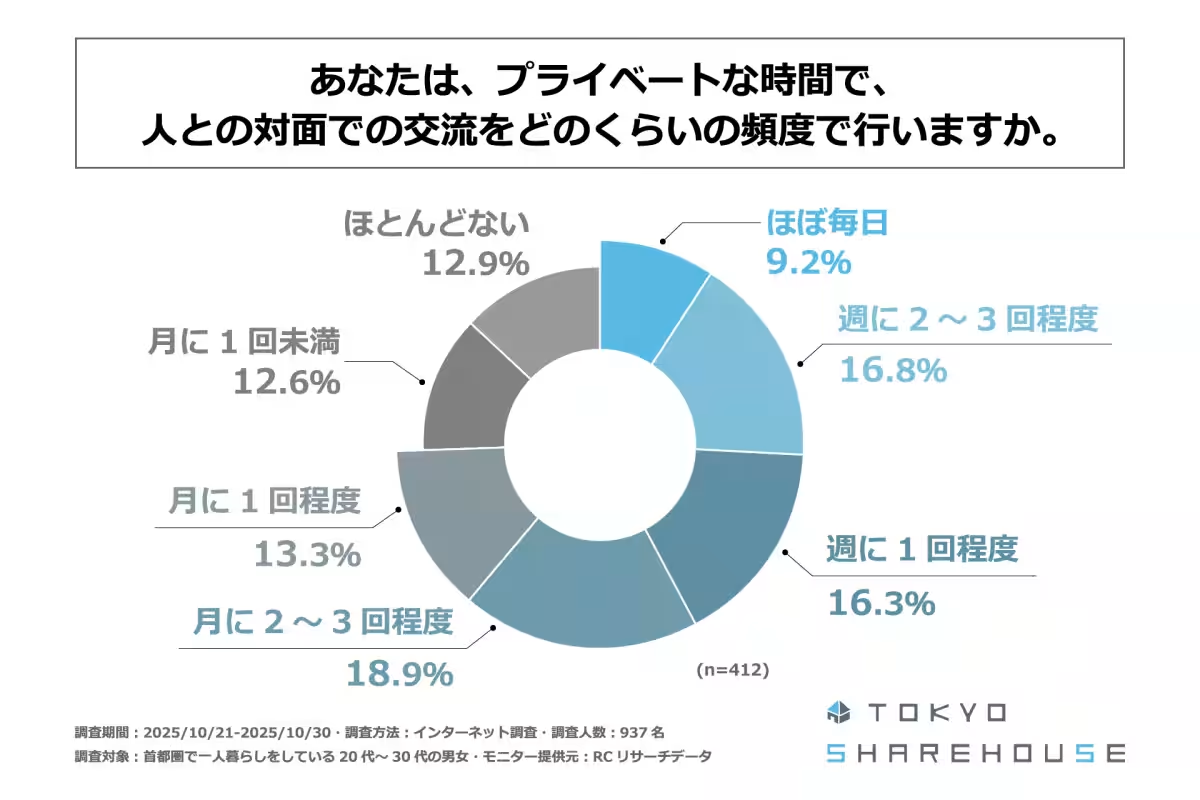
- - Frequency of Social Interactions: Over 45% of those who felt lonely had face-to-face interactions with others less than once a week during their private time.
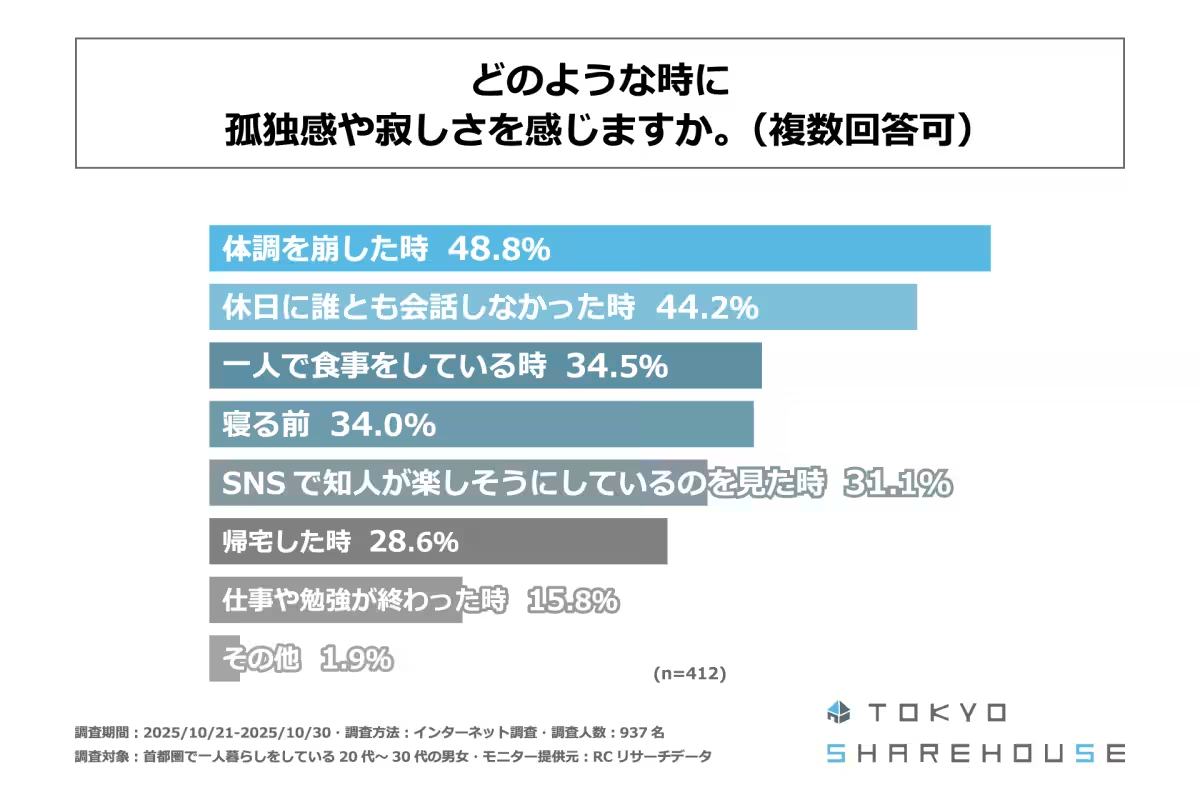
- - Causes of Loneliness: Common scenarios triggering feelings of loneliness included being unwell or experiencing weekends without any conversations.
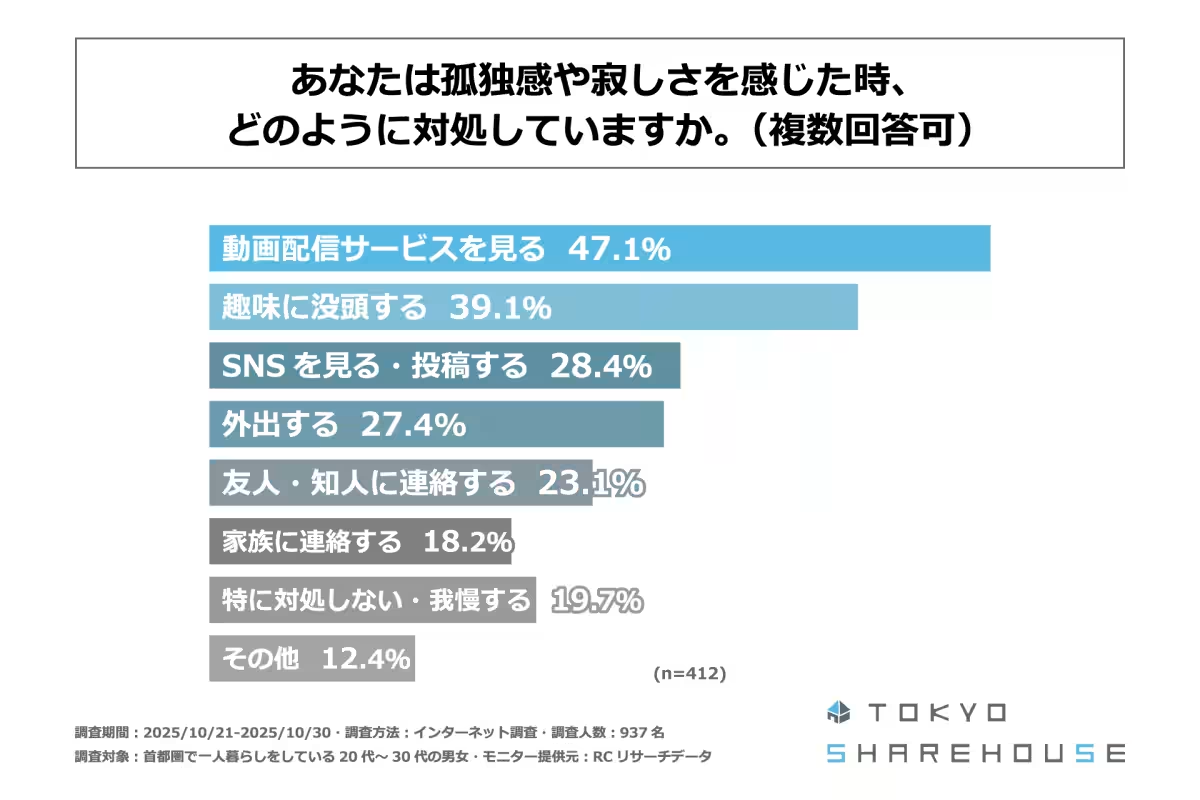
- - Coping Mechanisms: The top three methods to cope included watching streaming services, immersing in hobbies, and browsing social media.
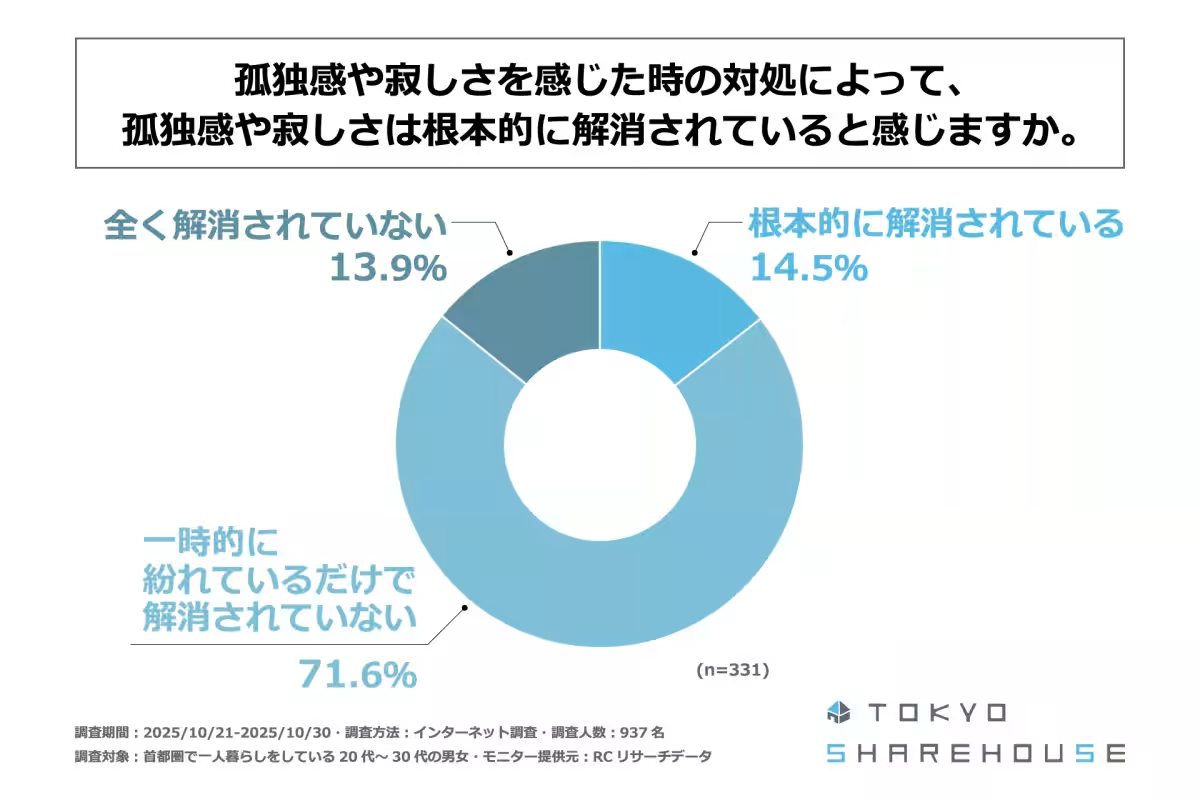
- - Prolonged Feelings: Over 85% felt their coping strategies did not fundamentally resolve their feelings of loneliness.
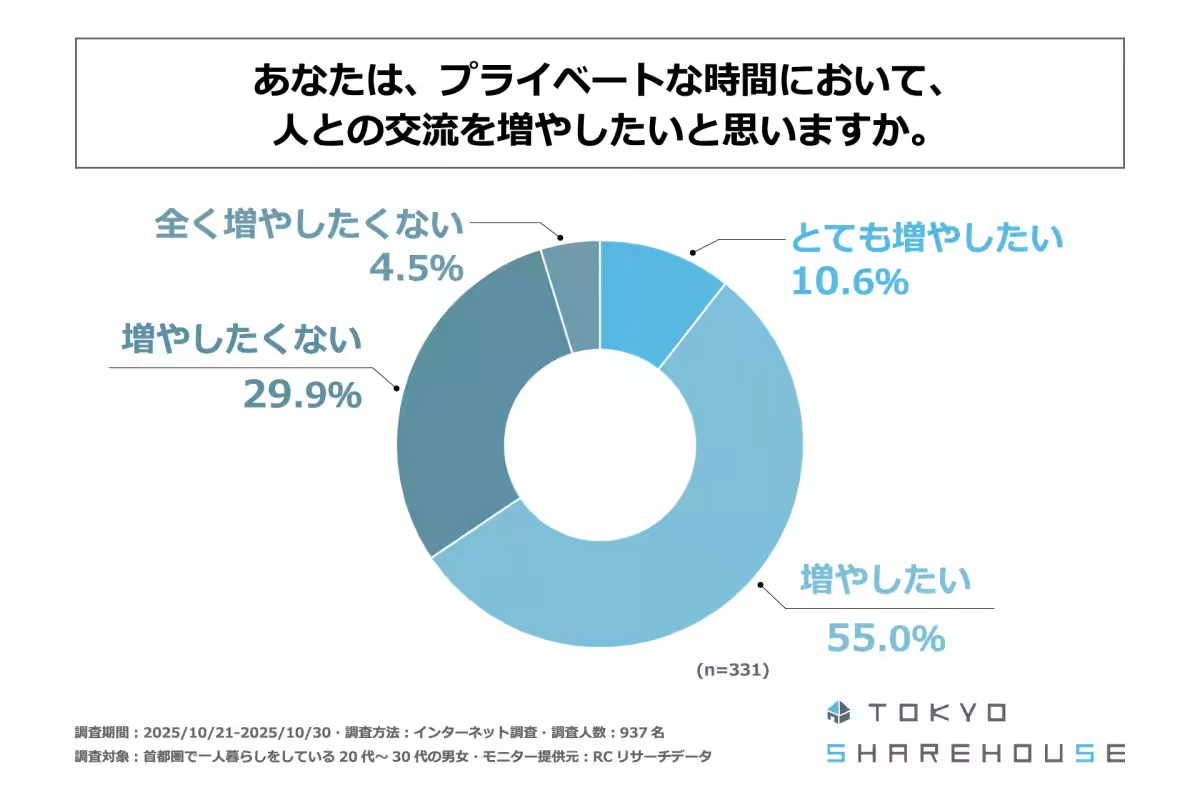
- - Desire for Interaction: More than 65% expressed a desire to increase personal interactions.
Key Findings
Nature of Loneliness
When asked about their experiences of loneliness, those who reported such feelings indicated that they often felt lonely when they were physically unwell or when weekends passed without interaction. Specifically, 48.8% cited feeling lonely during illness, and 44.2% reported weekends void of conversations as significant sources of their loneliness.
Social Interaction Frequency
Among respondents who indicated they felt lonely, the survey revealed that 45% had social interactions fewer than once a week. Many indicated that their engagement with others primarily happened a few times a month, reflecting a concerning trend in social isolation among young adults in the region.
Coping Strategies and Their Effectiveness
Interestingly, the survey found that the most common strategies employed to cope with loneliness include:
1. Watching Streaming Services (47.1%)
2. Engaging in Hobbies (39.1%)
3. Browsing and Posting on Social Media (28.4%)
However, 85% of respondents noted that these strategies only provided temporary relief, indicating a significant gap in effectively addressing their deeper feelings of loneliness.
Future Aspirations for Connection
The desire for more social interaction was apparent, with over 65% of respondents wanting to increase social engagements. This highlights an urgent need for initiatives that foster community and interpersonal connections among young singles in urban settings.
Conclusion
The findings from this study shed light on the experience of young adults living alone in Tokyo, emphasizing a troubling trend of loneliness amidst the urban hustle. While many cope through passive activities like streaming or social media, the underlying issues remain unresolved. It’s crucial for individuals and organizations, particularly those like TokyoSharehouse that provide shared living opportunities, to engage with this demographic in meaningful ways, helping them foster relationships and alleviate their loneliness.
Among the potential solutions is the promotion of shared living environments that encourage socialization and collaboration among residents. Such living situations not only provide individuals with a place to live but also create ecosystems where relationships can thrive. By addressing the root causes of loneliness, we can help make shared spaces a refuge from the isolation often felt in big cities.
For more information on nurturing a connected living experience, visit Tokyo Sharehouse.

Topics People & Culture)

【About Using Articles】
You can freely use the title and article content by linking to the page where the article is posted.
※ Images cannot be used.
【About Links】
Links are free to use.