



Understanding Companies' Reluctance Towards BPO Usage Despite Management Challenges
Exploring BPO Usage: A Comprehensive Survey Analysis
In the world of business operations, outsourcing has become a focal point for companies looking to optimize their processes. A recent survey conducted by Invoice Corporation aimed to delve into how businesses perceive and utilize Business Process Outsourcing (BPO). With the insights from 331 respondents, mainly back-office personnel, the report sheds light on the current state of BPO utilization amidst rising talent shortages.
The Current State of BPO Adoption
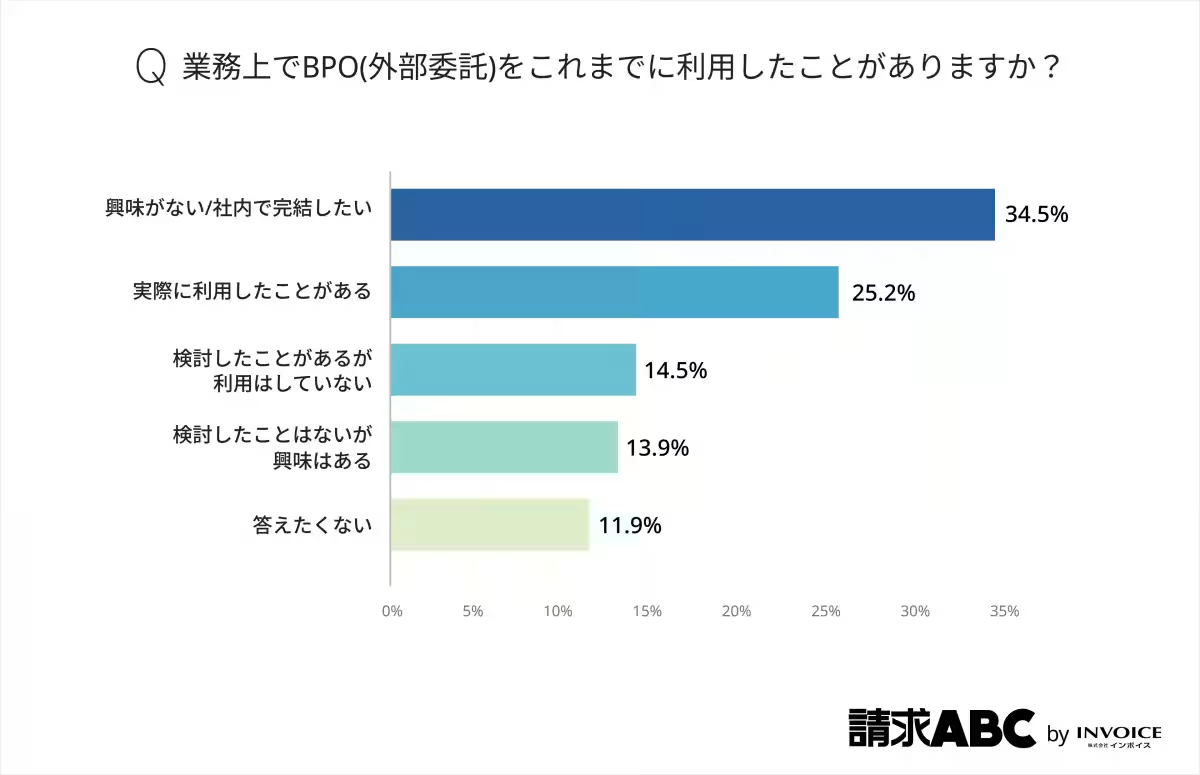
The survey revealed that only 25.2% of companies have experience using BPO services, while a significant 34.5% expressed disinterest, preferring to handle tasks internally. This cautious stance indicates a dire need for companies to weigh their options carefully. Notably, many businesses are exploring a range of strategies for optimization—not solely BPO but also the implementation of tools or revising their operations.
Key Findings from the Survey
BPO Usage and Consideration
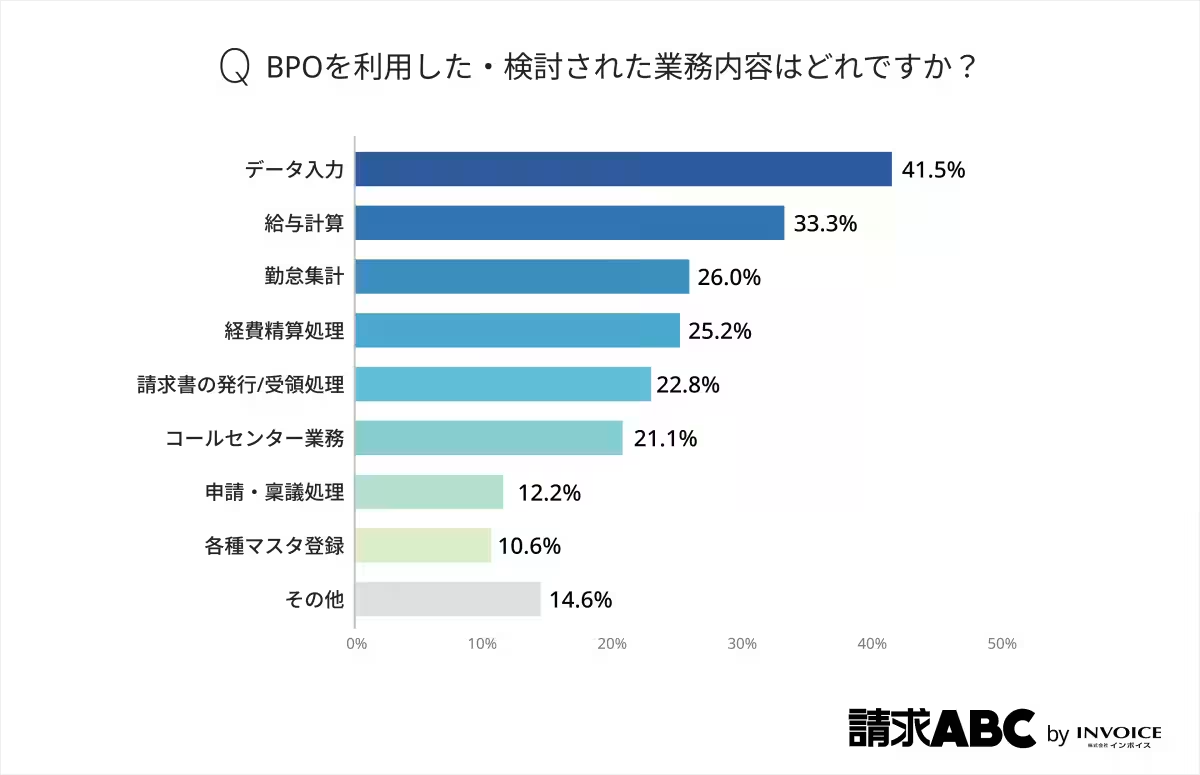
When examining the reasons behind the limited adoption of BPO, several insights came to light regarding tasks handled through outsourcing. The prevalent areas for BPO consideration included:
- - Data Entry: 41.5%
- - Payroll Calculation: 33.3%
- - Attendance Management: 26.0%
These functions denote typical administrative tasks where outsourcing can alleviate pressure on internal resources. Others like invoice issuance (22.8%) and call center operations (21.1%) were also notable, indicating that BPO is mainly contemplated for high-volume and repetitive functions.
Reasons for Choosing BPO
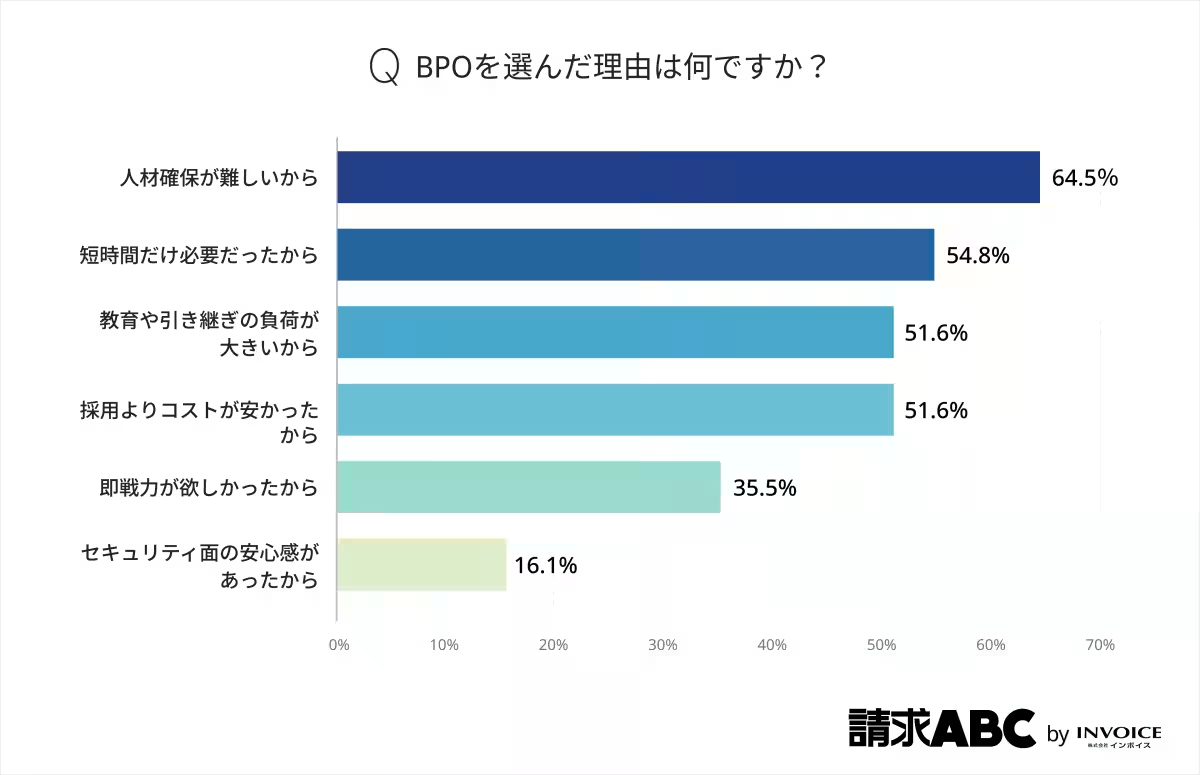
Among organizations considering BPO, the reasons frequently cited included:
- - Difficulty in securing talent (64.5%)
- - Temporary needs for staffing (54.8%)
- - High training and transition burdens (51.6%)
- - Cost-effectiveness compared to hiring (51.6%)
Here, the challenge of sourcing skilled individuals stands as a critical barrier, driving organizations to explore BPO as a viable solution. Additionally, the demand for immediate skilled labor (35.5%) suggests companies are seeking quick, specialized services to stay competitive.
Alternatives to BPO
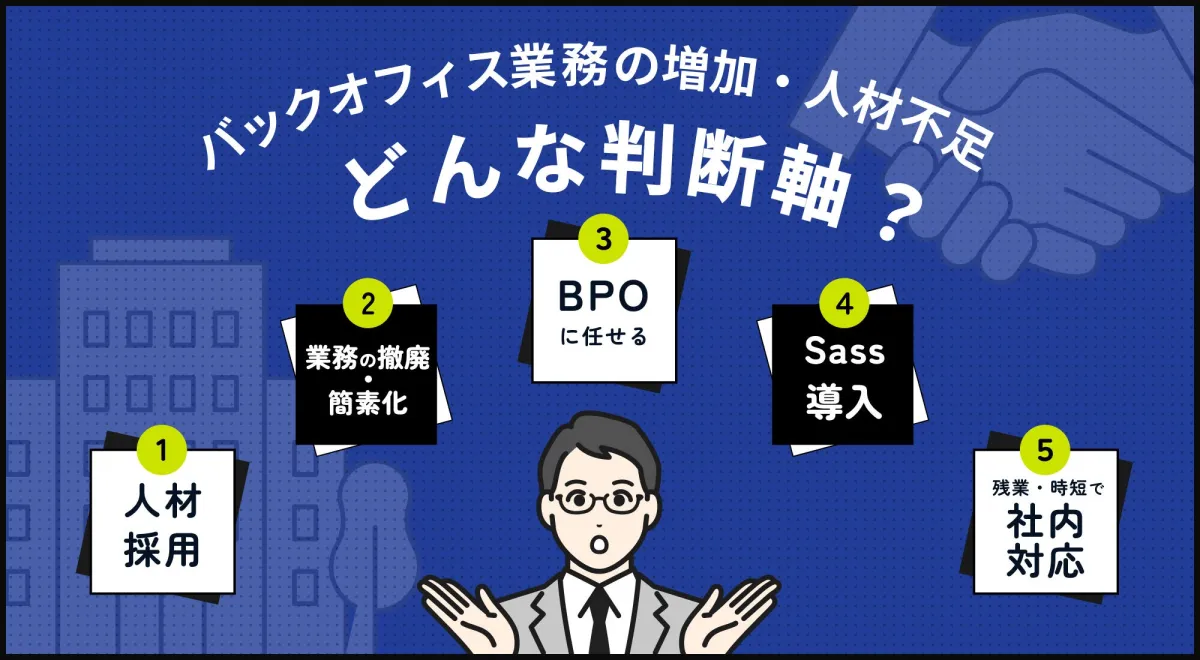
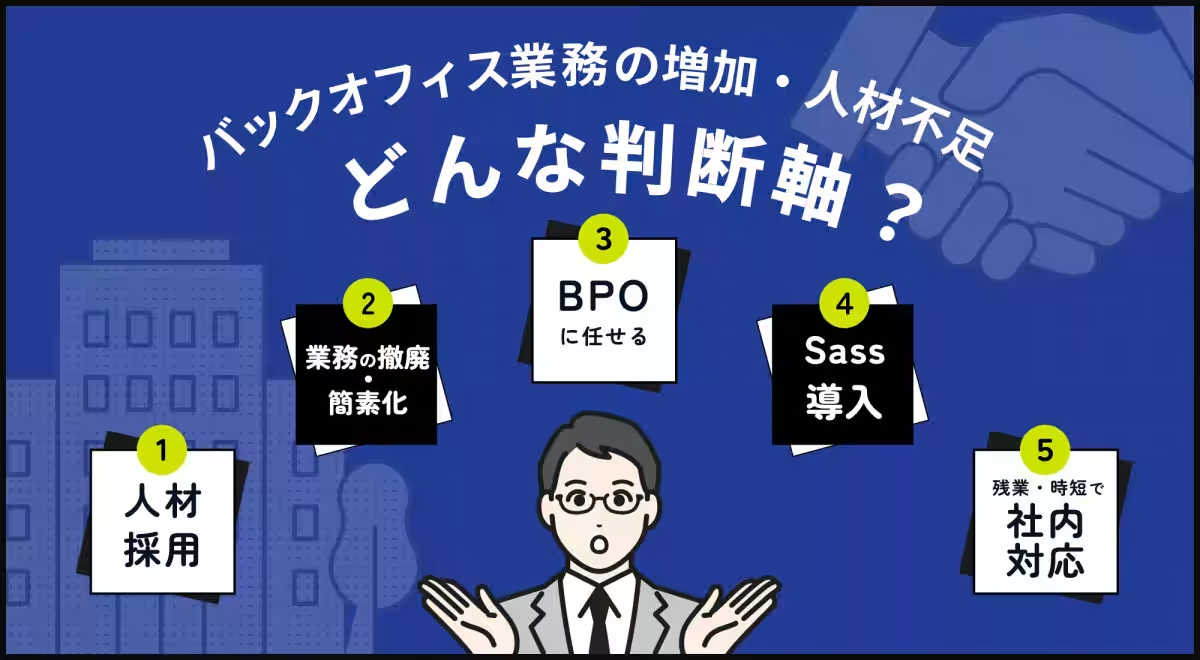
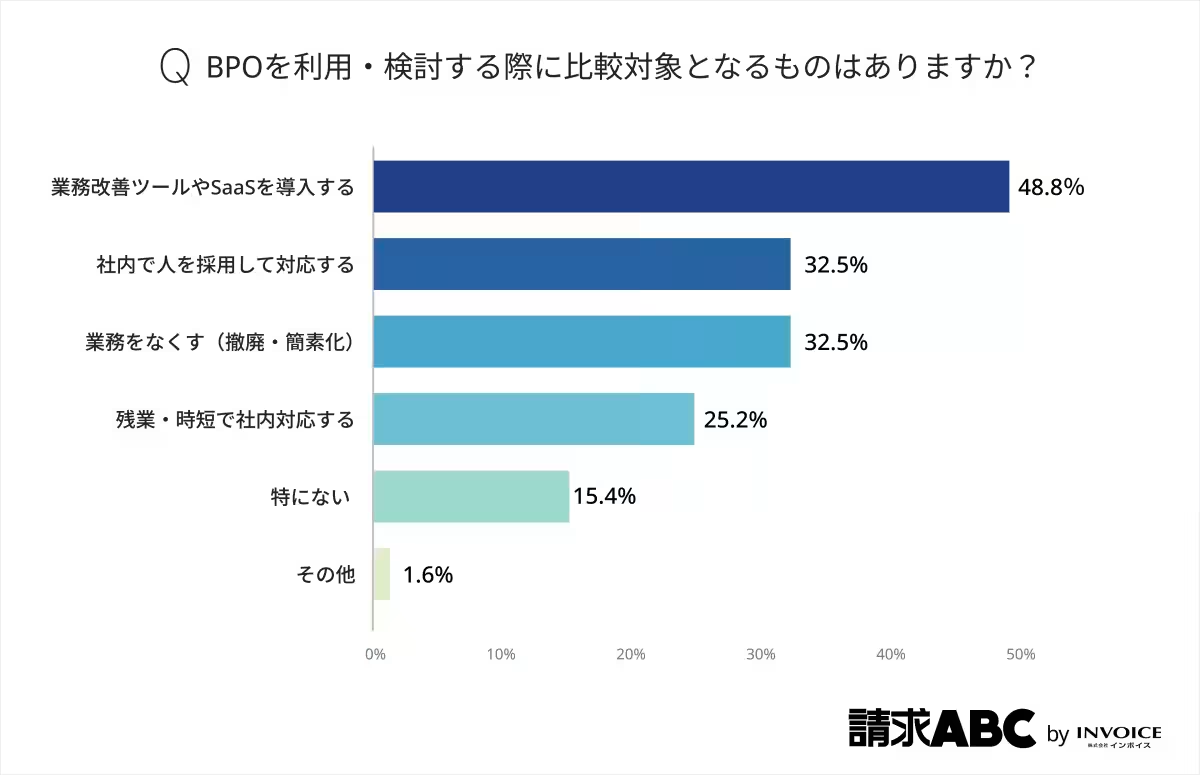
The survey also encouraged respondents to consider alternatives to outsourcing. Interestingly, 48.8% of firms view the introduction of operational improvement tools and SaaS solutions as a viable replacement for BPO. Furthermore, other internal strategies such as hiring more personnel (32.5%) or simplifying tasks (32.5%) were also mentioned, underscoring a comprehensive approach to operational enhancement.
The Need for Reflective Solutions
Based on these insights, companies shouldn't merely focus on whether to adopt BPO services. Instead, they should consider how well their operational processes can be standardized and identify areas that can be streamlined internally. This reflective examination can help organizations determine where external aid is genuinely needed and where internal capacity can effectively meet demands.
Looking Ahead
As businesses strive to refine their operations through various means, the report highlights that BPO isn't a singular solution but rather one potential avenue among many that companies are exploring. The spotlight must be on long-term strategies, balancing the interplay between outsourcing and internal adjustments.
In conclusion, while BPO presents various opportunities for efficiency, companies should proceed with caution. Understanding the internal dynamics, alongside the challenges of sourcing talent, will empower firms to make informed decisions that best serve their operational needs. This survey by Invoice Corporation reminds us that operational optimization is multifaceted and requires thoughtful consideration of all available options.
For complete survey findings, refer to the full report here.
Topics Business Technology)
【About Using Articles】
You can freely use the title and article content by linking to the page where the article is posted.
※ Images cannot be used.
【About Links】
Links are free to use.