



Recent Survey Reveals Seniors' Preference for Meaningful Learning Time Over Skill Enhancement
New Trends in Senior Learning Preferences
A recent survey conducted by Cosmo Health Co., Ltd. has brought to light the intricacies of what seniors are seeking in their learning experiences. Focusing on correspondence courses, the survey illustrates a growing trend among seniors, where the desire for enriching and meaningful learning has overtaken traditional skill enhancement. Through this report, we examine various facets of seniors' learning behaviors, preferences, and challenges they face in their educational journeys.
Key Findings of the Survey
1. Challenges in Self-Management
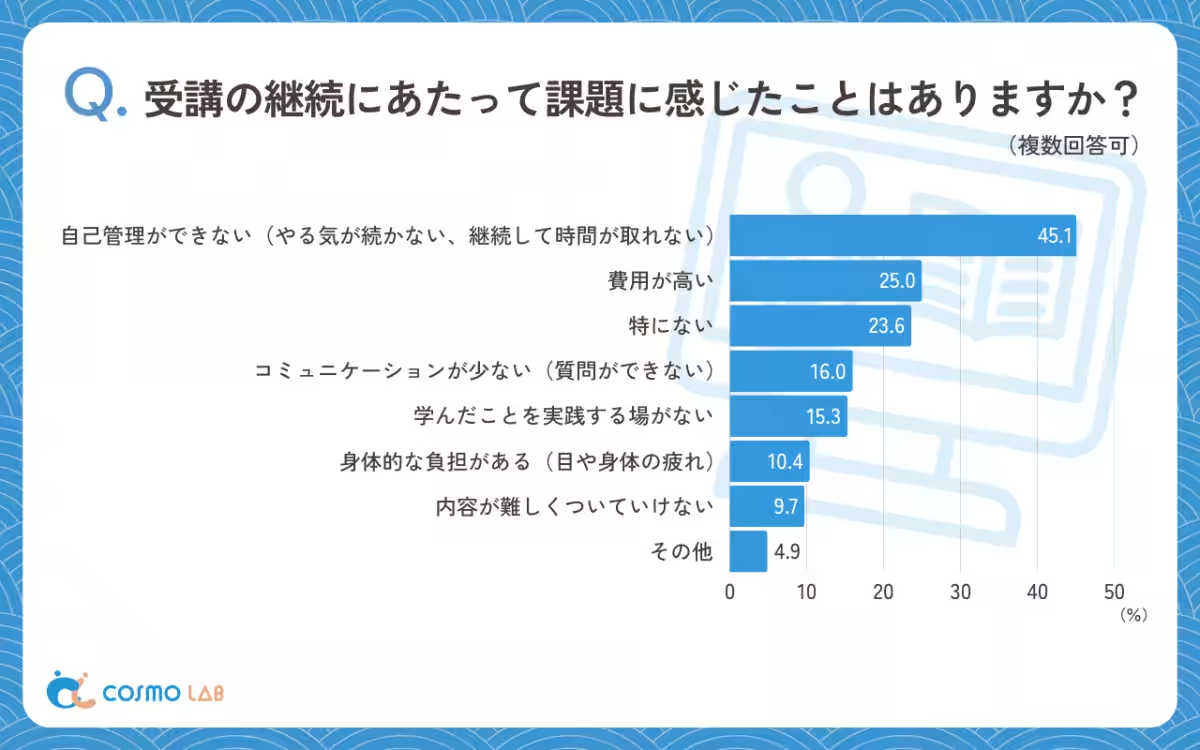
The survey indicated that self-management presents a major obstacle to continuous learning for seniors. A significant 45.1% of respondents reported difficulties in maintaining motivation and dedicating time to their studies. This highlights the urgent need for effective structures to support seniors in sustaining their online learning journeys.
2. Interest in Fulfilling Hobbies
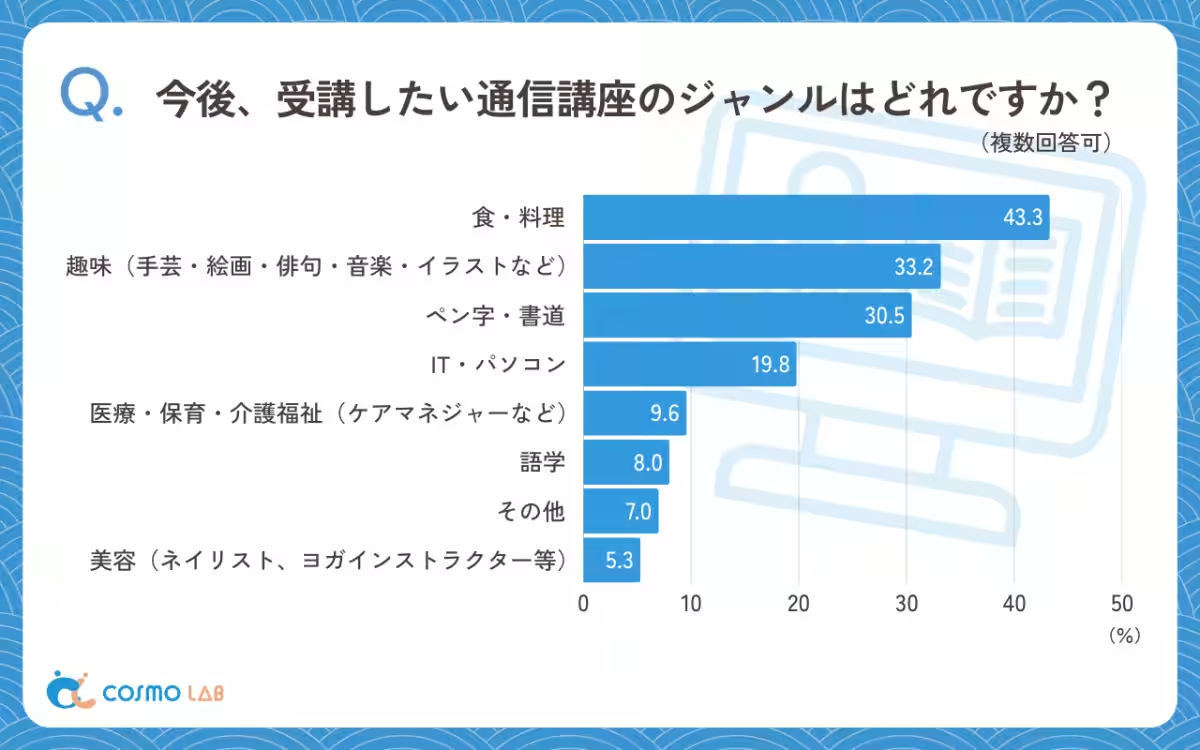
When asked about their preferred course topics, respondents expressed a keen interest in enriching hobbies. The most sought-after categories included cooking (43.3%), followed by various hobbies such as crafts, painting, poetry, music, and illustration (33.2%), along with penmanship and calligraphy (30.5%). These findings underline the seniors' desire to foster creativity and self-expression, seeking learning experiences that add color and fulfillment to their daily lives.
3. Support Systems to Combat Isolation
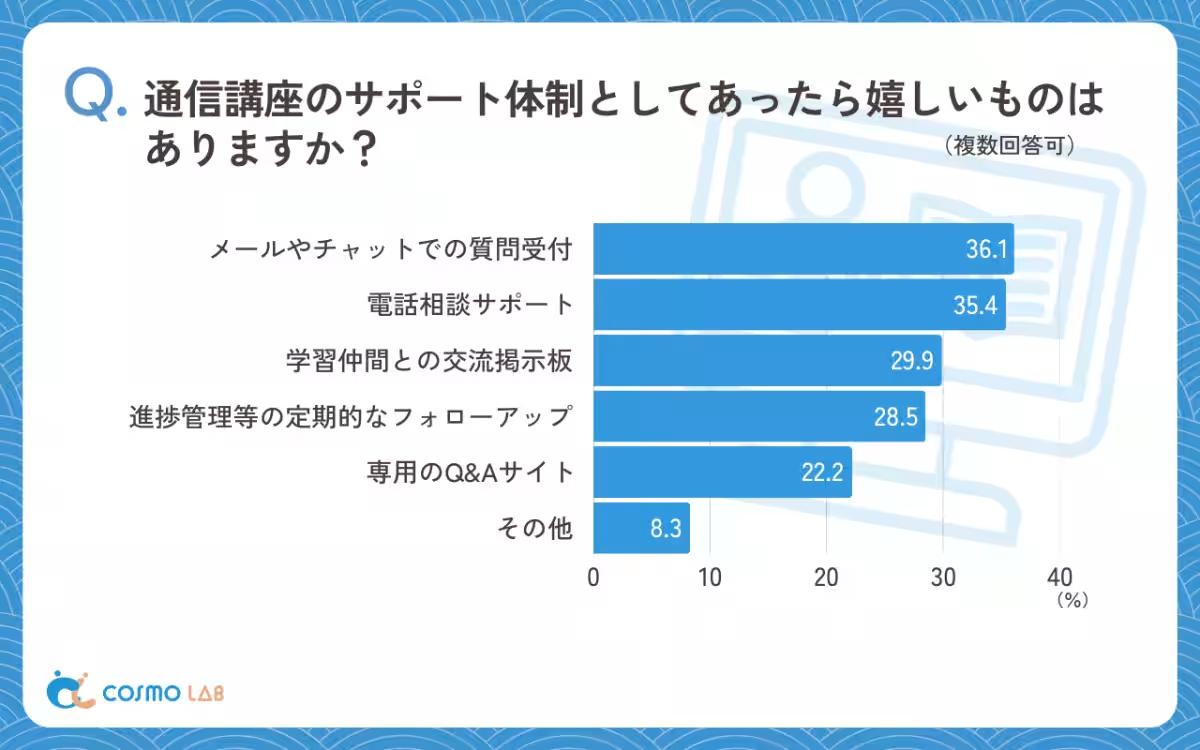
The need for community and connection was paramount, as evidenced by the high demand for support structures. Options such as email or chat question services (36.1%), telephone consultation support (35.4%), and study group message boards (29.9%) were highly favored. This indicates a strong desire among seniors to avoid isolation through accessible support frameworks in their learning environments. The social aspect of learning remains a crucial element, impacting both the quality and sustainability of their educational experiences.
4. Potential for Increased Participation
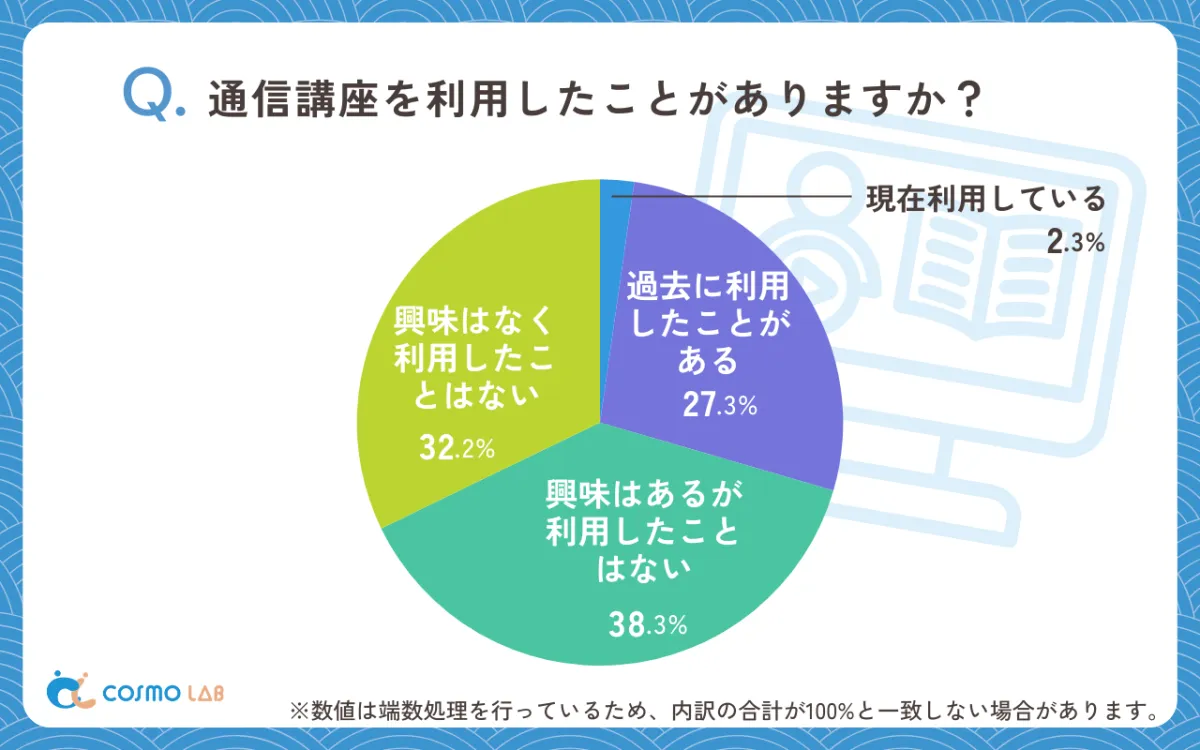
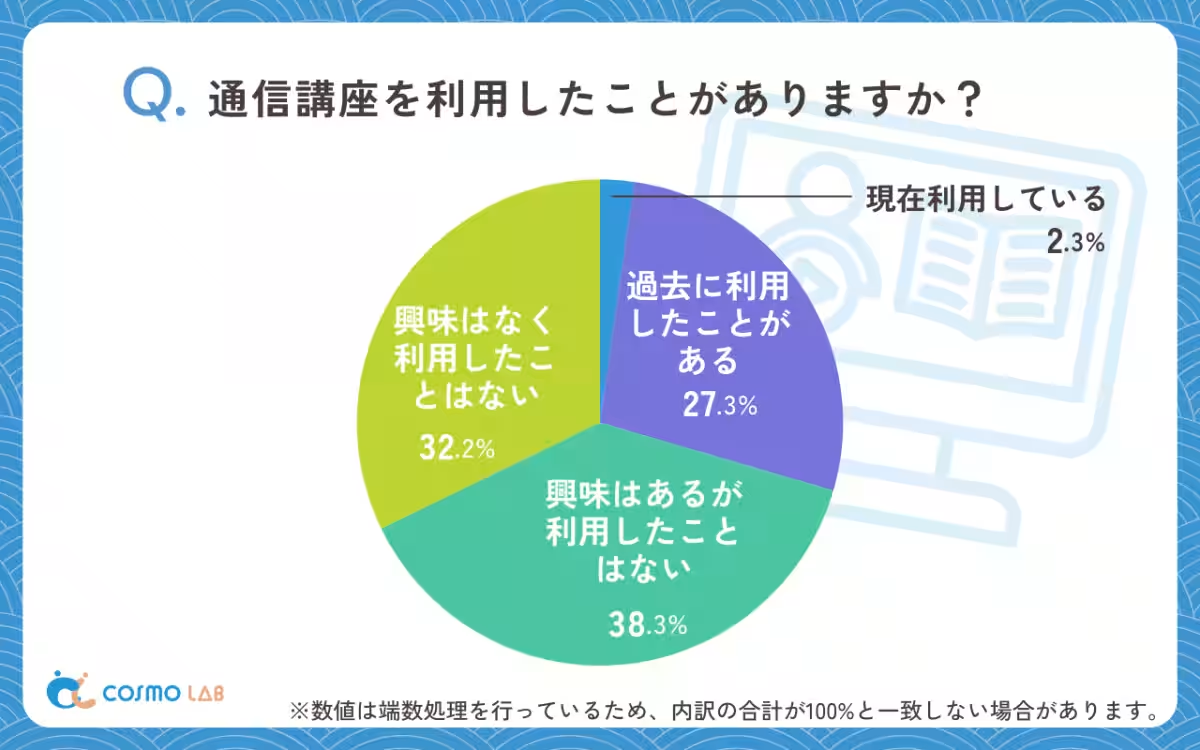
Out of the 488 participants, about 30% reported having previously taken correspondence courses. Encouragingly, nearly 40% expressed a latent interest in online courses, indicating significant potential for growth. Most of the respondents (38.3%) were intrigued but had yet to try any courses, emphasizing the need for innovative strategies to entice this demographic into action.
5. Practical Skills and Qualifications
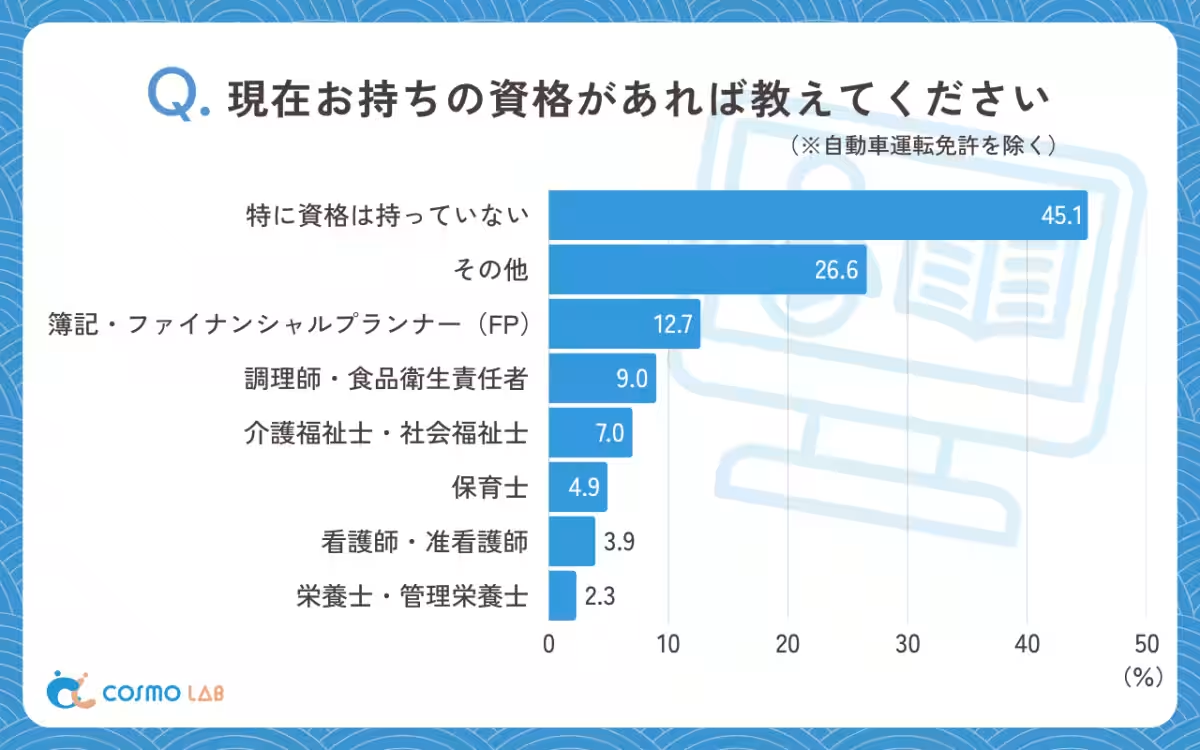
Respondents also highlighted their current qualifications, with many holding certifications that directly relate to practical skills in daily life, such as bookkeeping or financial planning (12.7%), cooking (9.0%), and elder care (7.0%). This reflects the seniors’ desire for knowledge that enhances both their professional and personal lives.
6. Learning Objectives
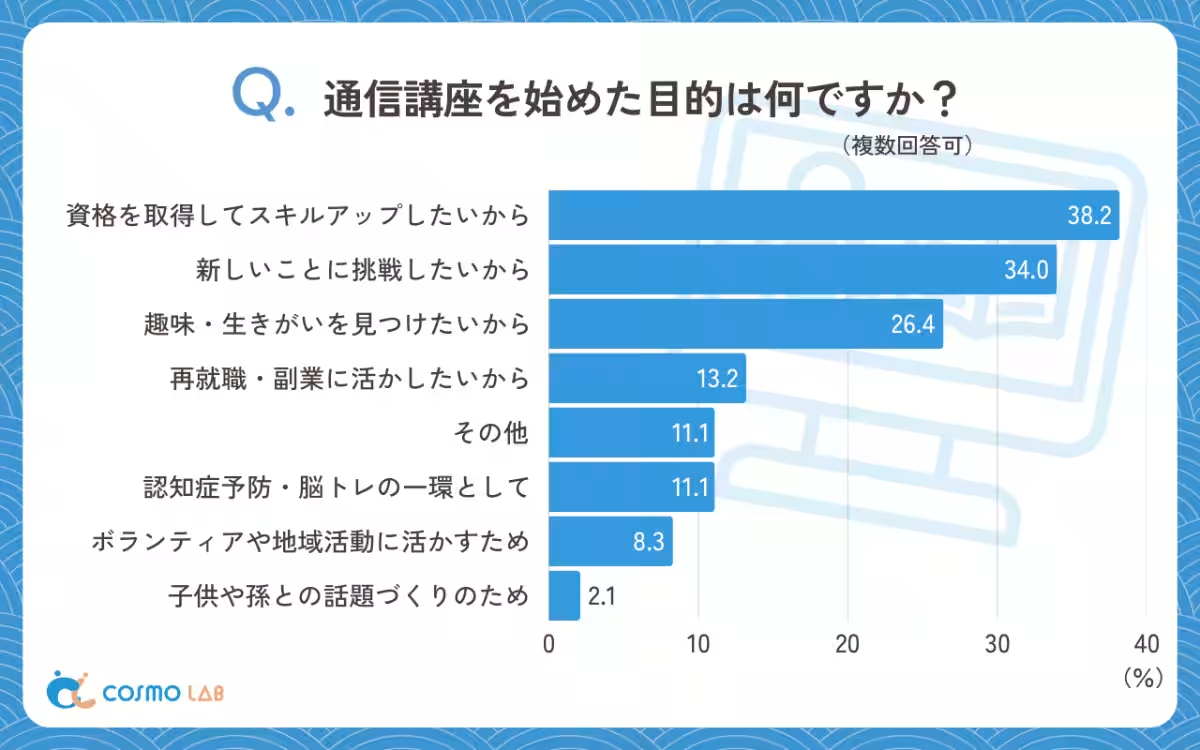
Among the key motivations for engaging in correspondence courses, acquiring new skills (38.2%) topped the list, followed by the desire to explore new interests (34.0%) and find hobbies (26.4%). This demonstrates that seniors are focusing on personal growth and increased social engagement rather than just passing time.
7. Topics of Interest in Communication Courses
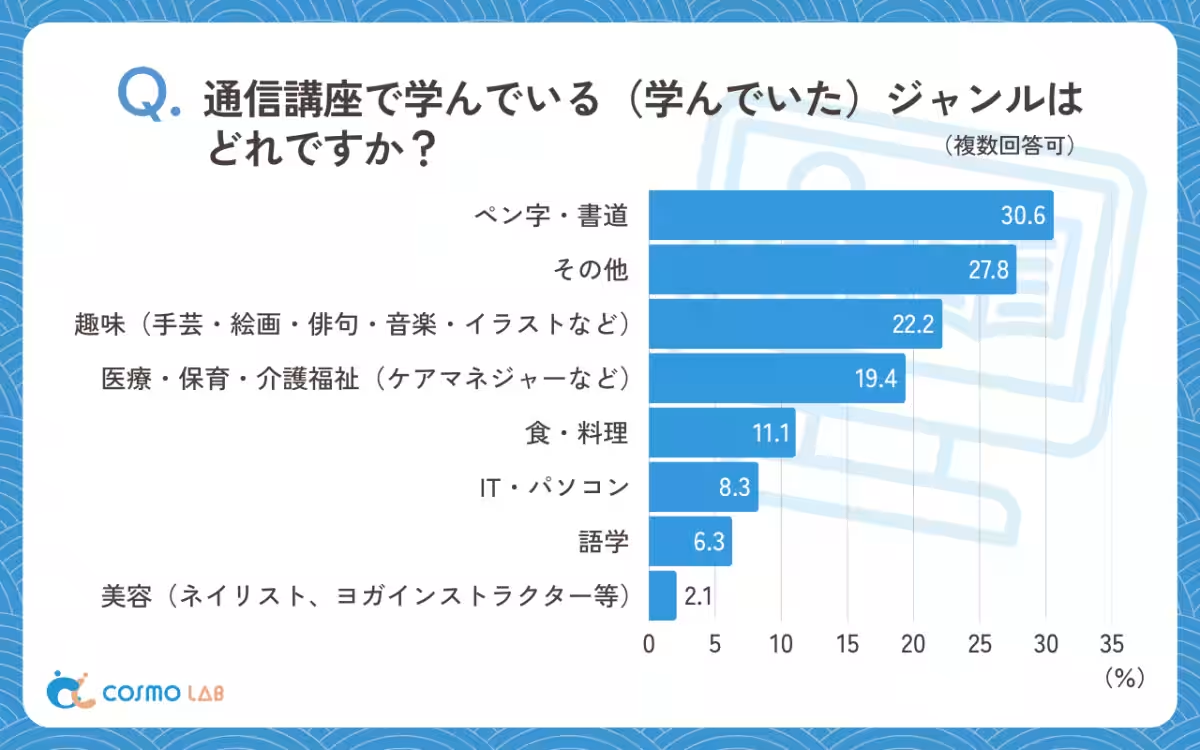
Participants were asked which subjects they had studied or were studying; penmanship and calligraphy emerged as the most popular, alongside hobbies and skills relevant to healthcare and caregiving. This signifies a balanced interest between creative endeavors and applicable skills.
8. Important Selection Criteria
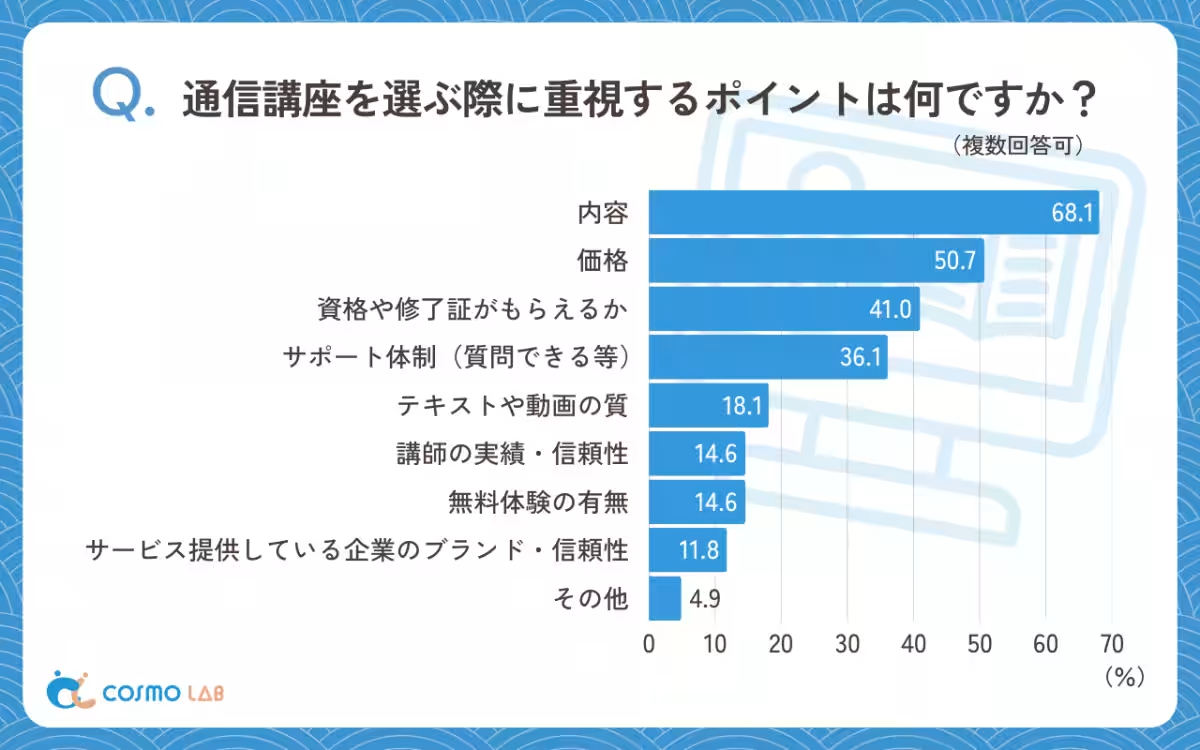
When selecting courses, the content quality (68.1%) was the most important factor, followed by pricing (50.7%), certification opportunities (41.0%), and support systems (36.1%). Notably, seniors prioritize the quality of learning, necessitating a fusion of affordability, quality, and reassurance to instill confidence in their choices.
9. Financial Considerations
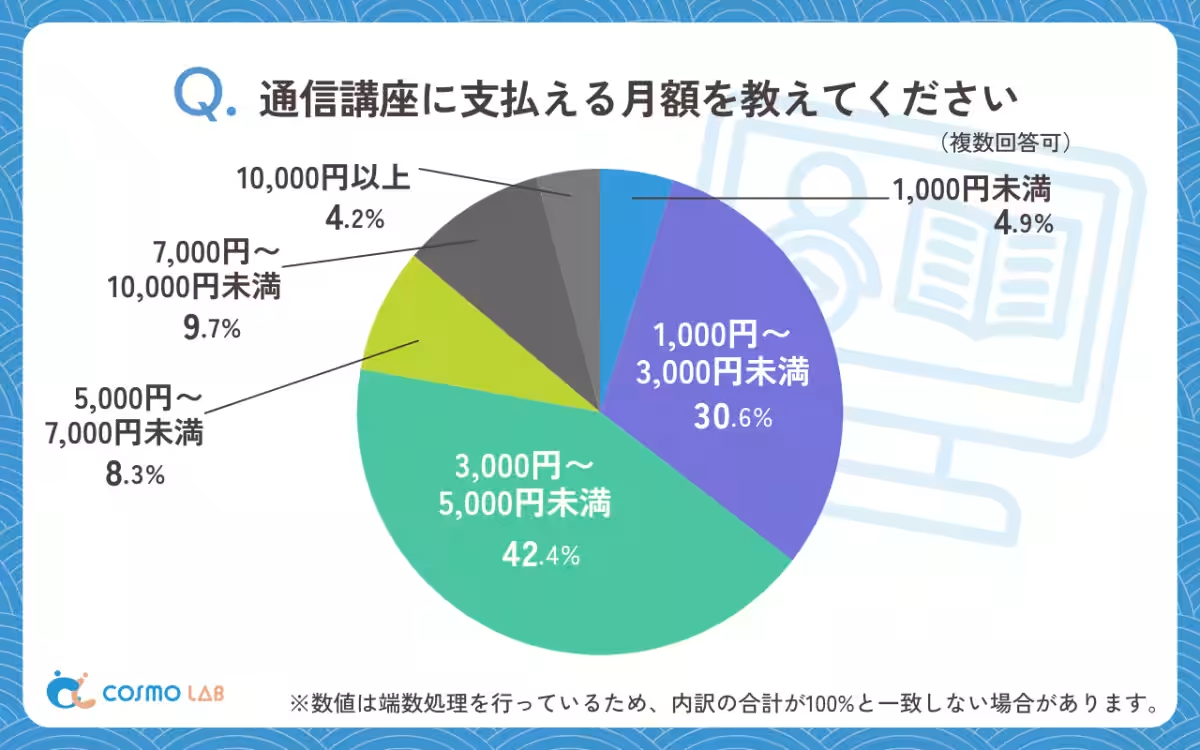
On the financial side, 42.4% of the respondents indicated that they were comfortable spending between 3,000 to 5,000 yen per month on courses. This showcases the importance of offering affordable yet high-value educational options to sustain engagement among seniors.
10. Information Sources
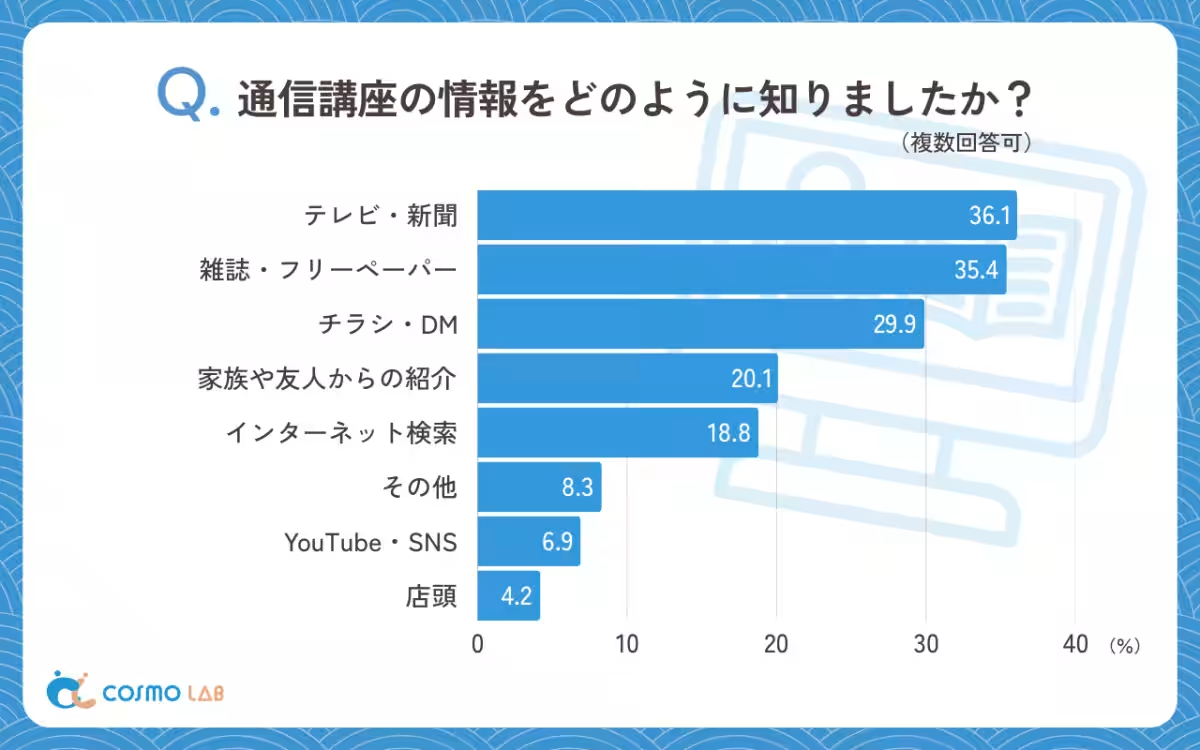
Interestingly, traditional media still plays an essential role in disseminating information regarding courses. Sources such as television, newspapers (36.1%), and magazines (35.4%) remain significant despite the digital proliferation, underscoring the importance of trust and familiarity in choosing educational resources.
Conclusion
This survey sheds light on the disparity between seniors' eagerness to learn and the barriers preventing them from pursuing it. The primary hurdles identified were self-management and financial considerations, highlighting the need for supportive structures to maintain motivation. The inclination towards enriching hobbies rather than merely enhancing skills also emerged as a clear trend. To effectively engage seniors, online learning platforms must prioritize high-quality content that fosters community and artistic expression, recognizing the potential for personal fulfillment that transcends conventional educational goals. As digital learning evolves, the opportunity to bridge social connections and support self-actualization through educational courses for seniors has never been more promising. Cosmo Lab remains committed to exploring various dimensions of senior engagement through further research and marketing initiatives. For additional insights and related research, please visit here.
Topics People & Culture)
【About Using Articles】
You can freely use the title and article content by linking to the page where the article is posted.
※ Images cannot be used.
【About Links】
Links are free to use.