



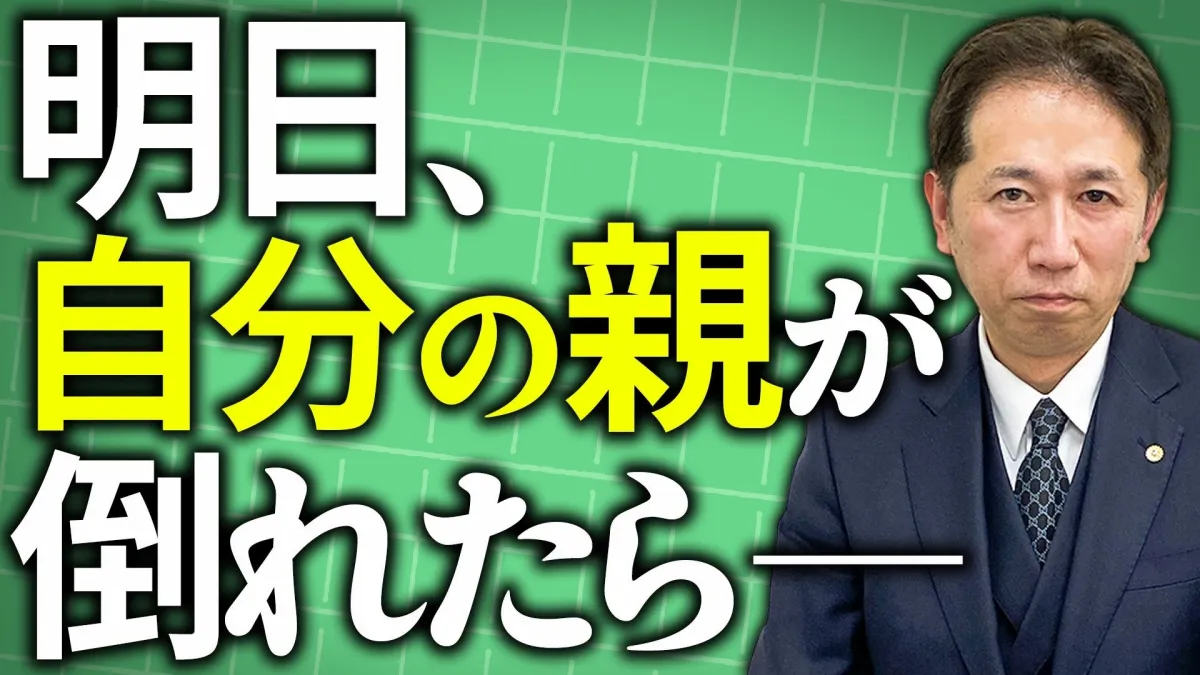
Understanding Elder Care: Free Seminar on Employee Rights and Responsibilities
Preparing for Unexpected Elder Care
Elder care can arise unexpectedly, often leaving individuals with the sudden responsibility of providing care for their parents. Understanding your rights and options is crucial in navigating this challenging situation. In Japan, employees may avail up to 93 days of caregiving leave for eligible family members, but it's essential to follow the correct procedures to ensure you receive your benefits.
Key Features of Caregiving Leave
Employees need to submit applications for caregiving leave at least two weeks before the intended start date. This involves providing necessary documentation to prove the eligibility of the family member in need of care. During this leave, employees can receive 67% of their daily wage through employment insurance, but mistakes in the application process could prevent payment, emphasizing the importance of understanding the regulations.
Employer Responsibilities
Companies have various obligations concerning this leave. They are required to verify eligibility and caregiving reasons, provide information about the system, and could set parameters that might exclude certain cases based on specific conditions. It highlights the need for clear communication between employees and employers about caregiving responsibilities.
Upcoming Seminar
To assist employees and employers in grasping these essential aspects, the Clare Human Resource Development Association, based in Chiyoda, Tokyo, will hold a free seminar on September 10th, 2025. The seminar will provide attendees with valuable insights into caregiving leave laws and practical steps to take.
Seminar Details
- - Date and Time: September 10, 2025, from 12:00 PM to 1:00 PM
- - Organizer: Clare Human Resource Development Association
- - Location: Headquarters in Kioicho, Chiyoda-ku, Tokyo
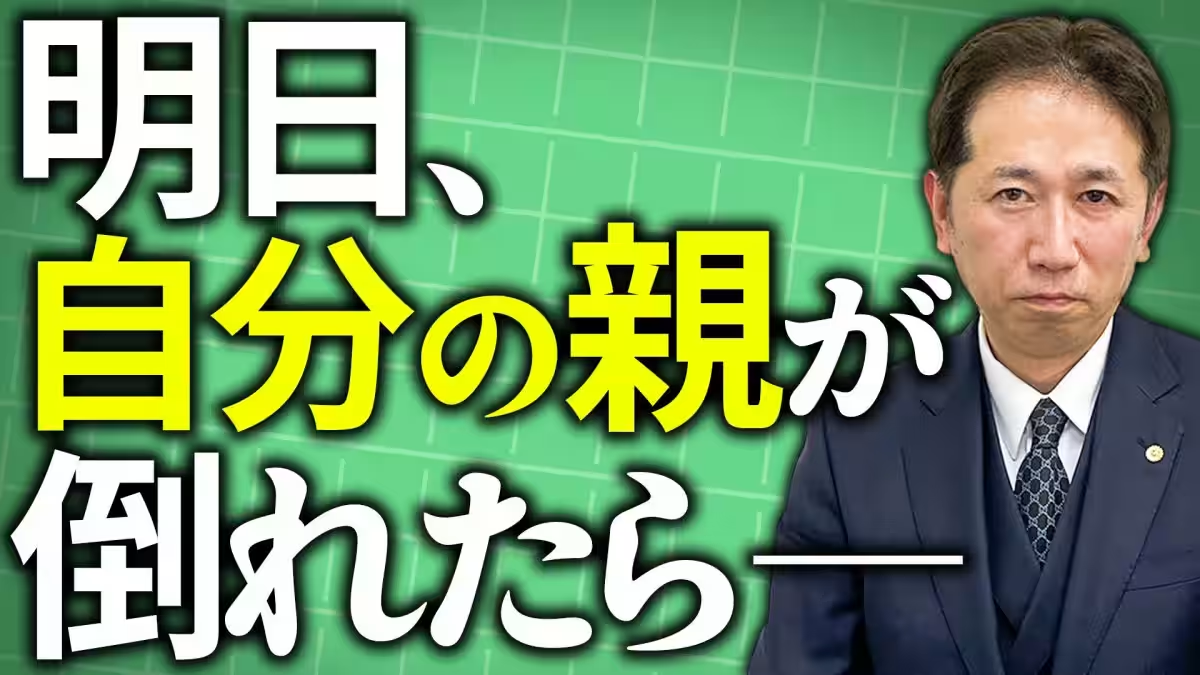
- - Speaker: Jun Ono, a certified social insurance labor consultant with a wealth of experience in labor and harassment training.
Topics Covered
The seminar will address various critical questions regarding caregiving leave:
- - What is "planned granting" and why is it recognized by law?
- - What days are eligible, and what are the conditions for application?
- - Key points of labor-management agreements for implementing planned granting.
- - Benefits and cautionary measures for planned granting.
- - How to effectively disseminate information about the regulations without misunderstandings.
About the Speaker
Jun Ono, a certified social insurance labor consultant, has an extensive background in delivering over 400 training sessions on harassment and labor-related topics. He specializes in effectively translating legal matters into actionable solutions for workplaces, a skill that has earned him recognition in his field. He also serves as a supervisor and instructor for the Employment Clean Planner qualification program.
Employment Clean Planner Program
The Employment Clean Planner qualification is tailored for professionals focusing on harassment prevention and response, ensuring that practical, real-world skills can be learned. The training lasts for 20 hours and equips participants with essential tools for handling workplace issues effectively, proving beneficial for corporate training and seminars. Currently, more than 650 individuals hold this qualification, actively contributing to various sectors, including corporations, local governments, and educational institutions. For more details, visit Employment Clean Planner Qualification.
Media Involvement
For media representatives interested in interviews or expert commentary relating to the seminar topics, including elder care regulations or harassment, please reach out flexibly according to your publication needs.
Contact Information
For inquiries regarding this seminar, contact the Clare Human Resource Development Association office at:
- - Phone: 03-6380-8095
- - Email: [email protected]
- - Website: Clare Association
Topics People & Culture)
【About Using Articles】
You can freely use the title and article content by linking to the page where the article is posted.
※ Images cannot be used.
【About Links】
Links are free to use.