



An Insightful Collaboration: LEGIKA and Twin Engine Event at Japan Polytechnic
On October 24, 2025, Japan Polytechnic, Kamata Campus, served as the venue for a significant collaborative event hosted by the NPO LEGIKA and Twin Engine. This special venture aimed at students enrolled in the final years of the Manga and Animation departments, highlighted the evolving landscape of the manga and anime industry.
The event was structured into two engaging parts: the first segment focused on industry insights including advancements like AI, and the second part facilitated one-on-one consultations with experienced editors to discuss students' works and career aspirations. Through this initiative, students had the chance to better understand current industry trends and future opportunities.
Date: October 24, 2025
Time: 13:00 - 16:30
Venue: Japan Polytechnic, Kamata Campus
Target Audience: Students in their final years of Manga and Animation departments
Organizers: NPO LEGIKA, Twin Engine
Support: Japan Polytechnic
Part One:
Industry Presentation: "Learning from the Frontlines of the Manga and Anime Industry"
Presenter: Kazutaka Ozaki (COO, NPO LEGIKA)
Part Two:
Mobile Editorial Department: Reviews by Twin Engine's and LEGIKA's editorial teams on students’ manuscripts, names, illustrations, and portfolios.
Consultation on Housing and Careers: Insights from the Tokiwa-so Project office staff regarding living and career choices.
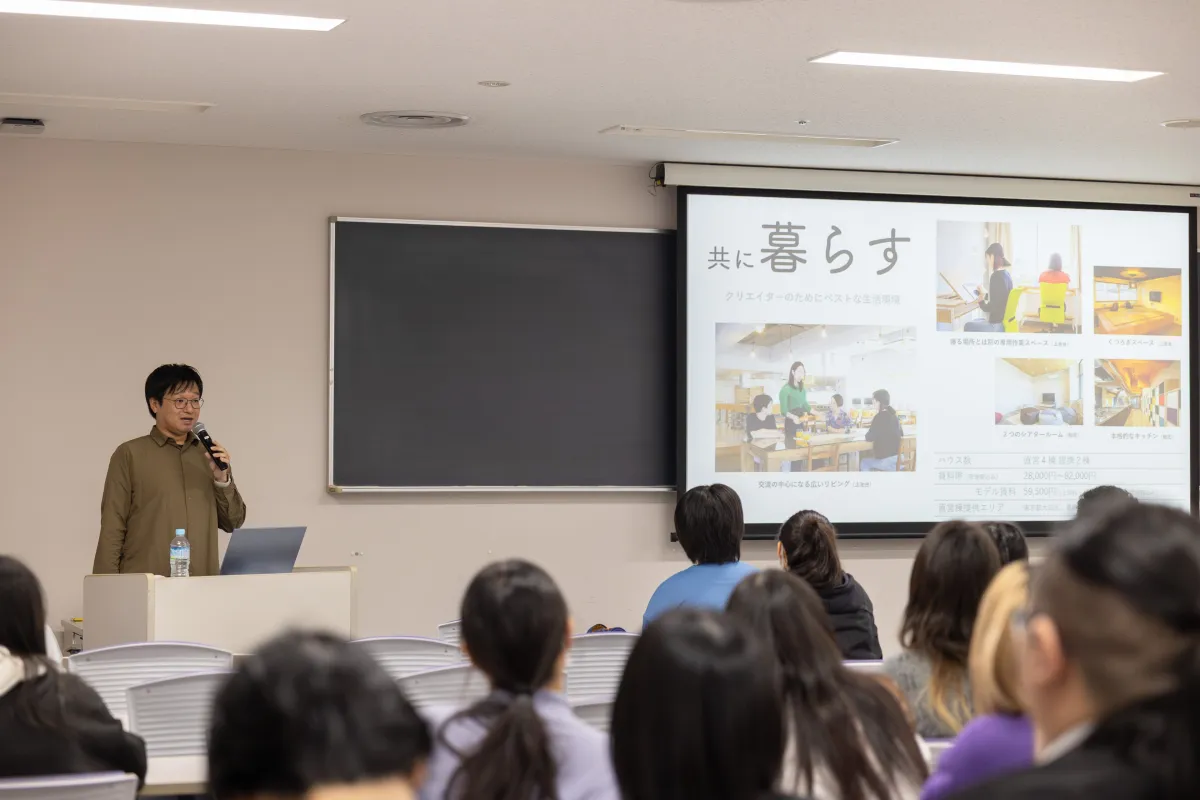
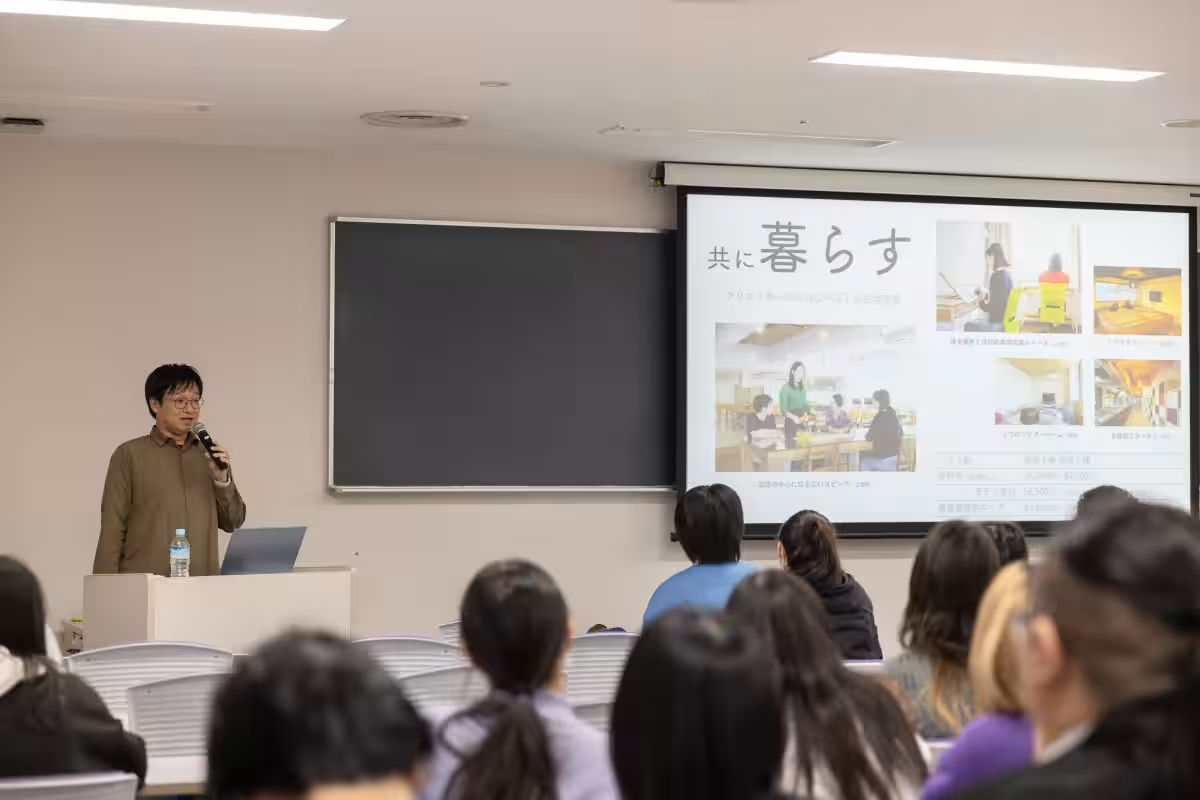
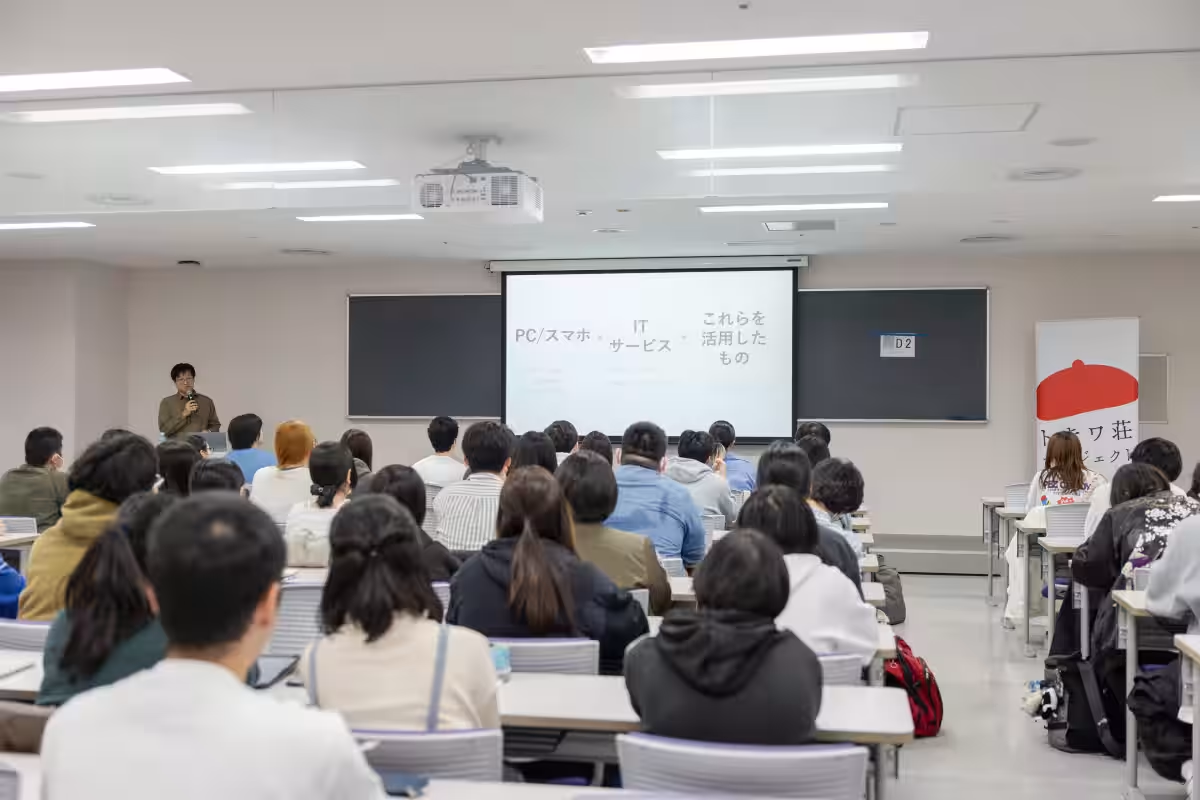
During the industry presentation, COO Kazutaka Ozaki presented the latest updates and challenges facing the manga and anime sectors, from massive investments in gaming by Saudi government funds to the rise of AI-generated content. The shifts in work style were vividly discussed, capturing the attention of attending students.
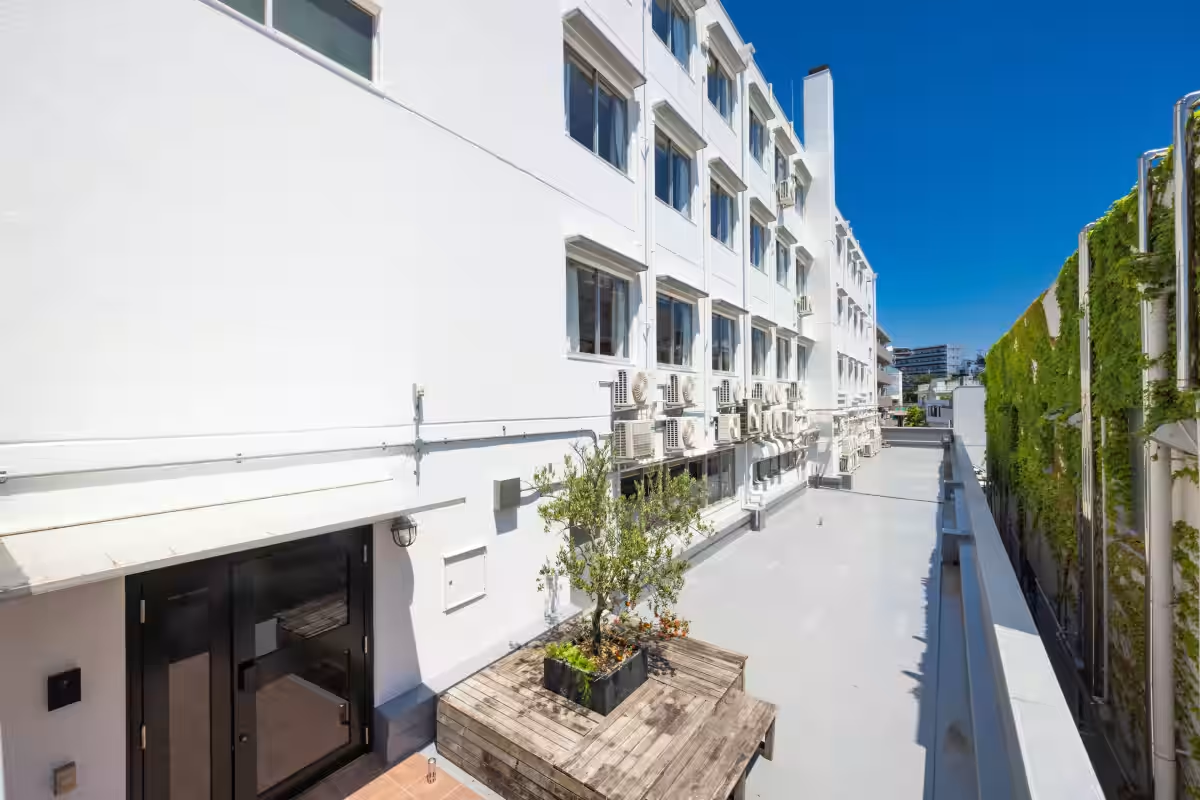
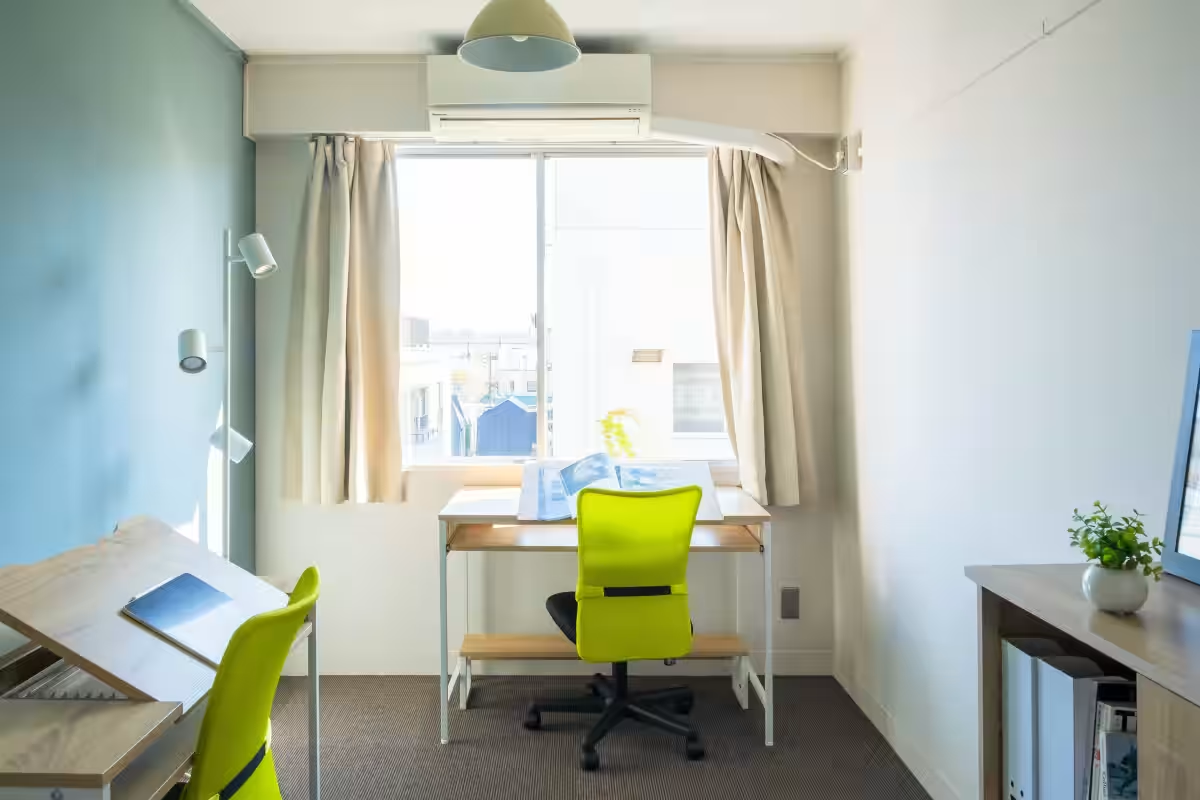
As the presentation progressed, students learned about the Tokiwa-so Project, which emphasizes creative collaboration alongside a supportive living environment. The concept of merging creativity with daily life resonated deeply, prompting many students to take notes. Additionally, the newly opened Kami Ikedai Tokiwa Soul Room, conveniently located for students, generated significant interest.
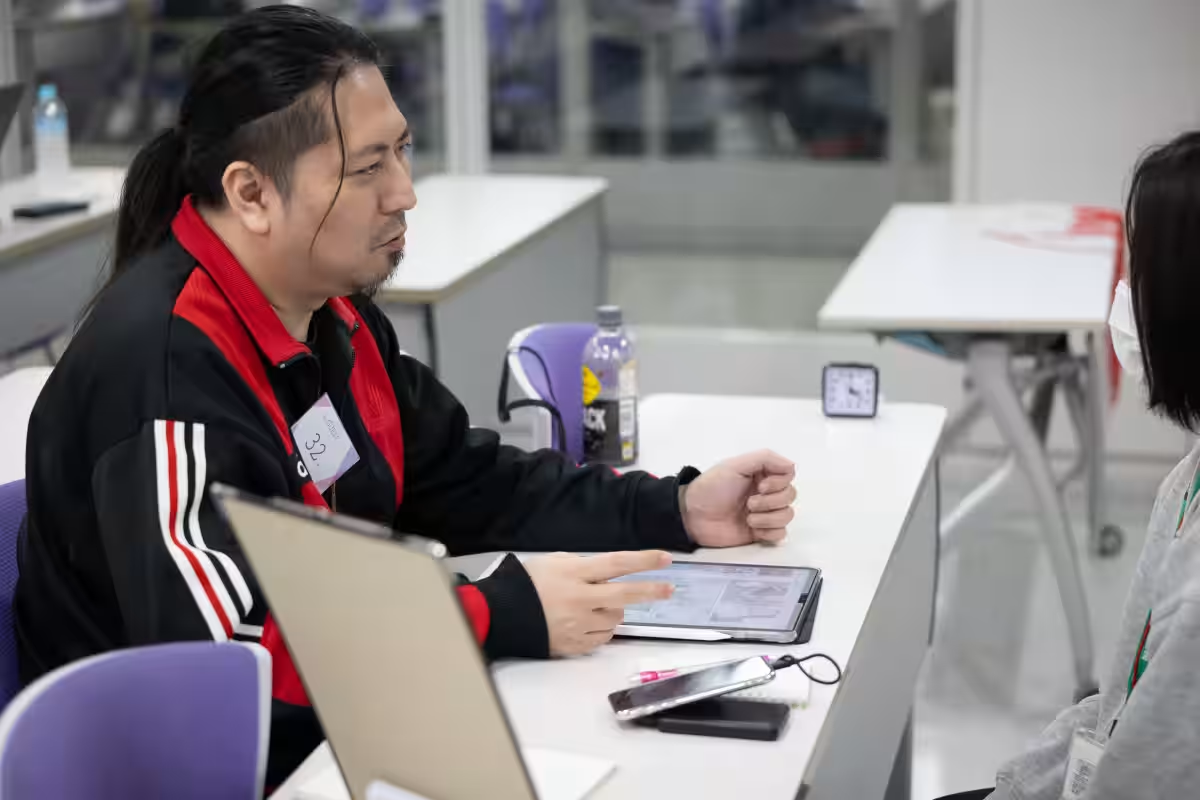
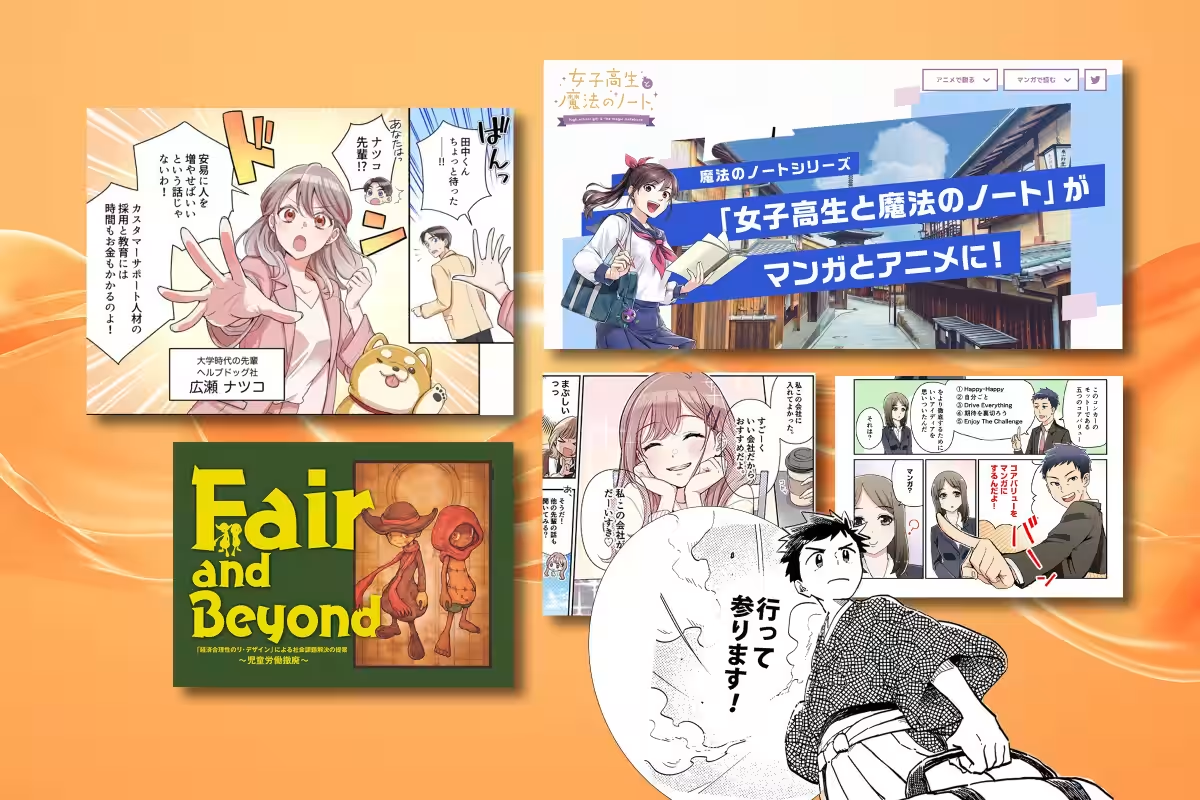
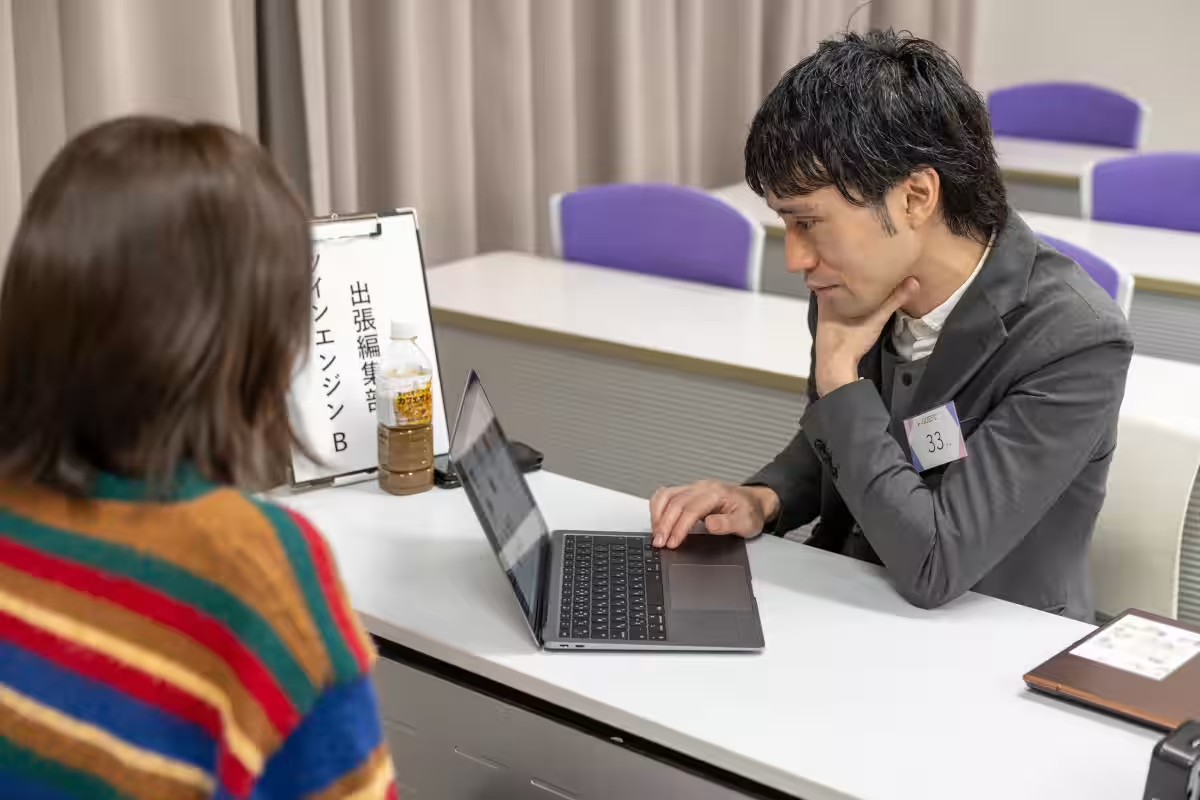
The second part of the event featured a mobile editorial department where current editors from LEGIKA's Reji Studio and Twin Engine engaged with students individually. They provided constructive feedback on various artworks, illustrating strengths and areas for improvement in the students' submissions. Many animation students seized the opportunity to showcase their works, leading to fruitful discussions about future submission strategies. Feedback from participants included sentiments like, "This was my first time receiving professional critiques," highlighting the event's stimulating atmosphere.
Furthermore, the consultation session on housing and careers equipped students with practical advice on balancing creative pursuits with living arrangements. Staff from the Tokiwa-so Project elaborated on how to establish safe, collaborative environments for creativity. Participants expressed appreciation for strategies that emphasize both housing and productive work environments, with comments regarding the practicality of the insights shared by professionals in attendance.
The intersection of educational settings and creative support systems in this initiative aimed to provide students a clearer perspective on their career trajectories. LEGIKA aspires to foster environments conducive to the growth of aspiring creators, extending ample opportunities for those dedicated to their craft.
Founded in 1947 in Kamata, Tokyo, Japan Polytechnic has become one of the largest comprehensive vocational schools in Japan, specializing in fields such as broadcasting technology, computer science, and entertainment. With campuses in Kamata, Hachioji, and Noboribetsu, the school accommodates around 9,500 students across diverse specialized programs, including game design, animation, music, and technology. Tokyo University of Technology, with about 8,000 students, is also part of the institution.
The Tokiwa-so Project endeavors to nurture aspiring manga creators by fostering a community-centered approach that combines living, competition, and collaborative creation. It emphasizes a psychologically safe community where members grow collectively.
Housing Details:
This collaborative event showcased the dynamic potential thriving within the manga and anime sectors while supporting students' aspirations and career development. LEGIKA remains committed to nurturing the next generation of creative talent by providing essential growth opportunities and a supportive environment.
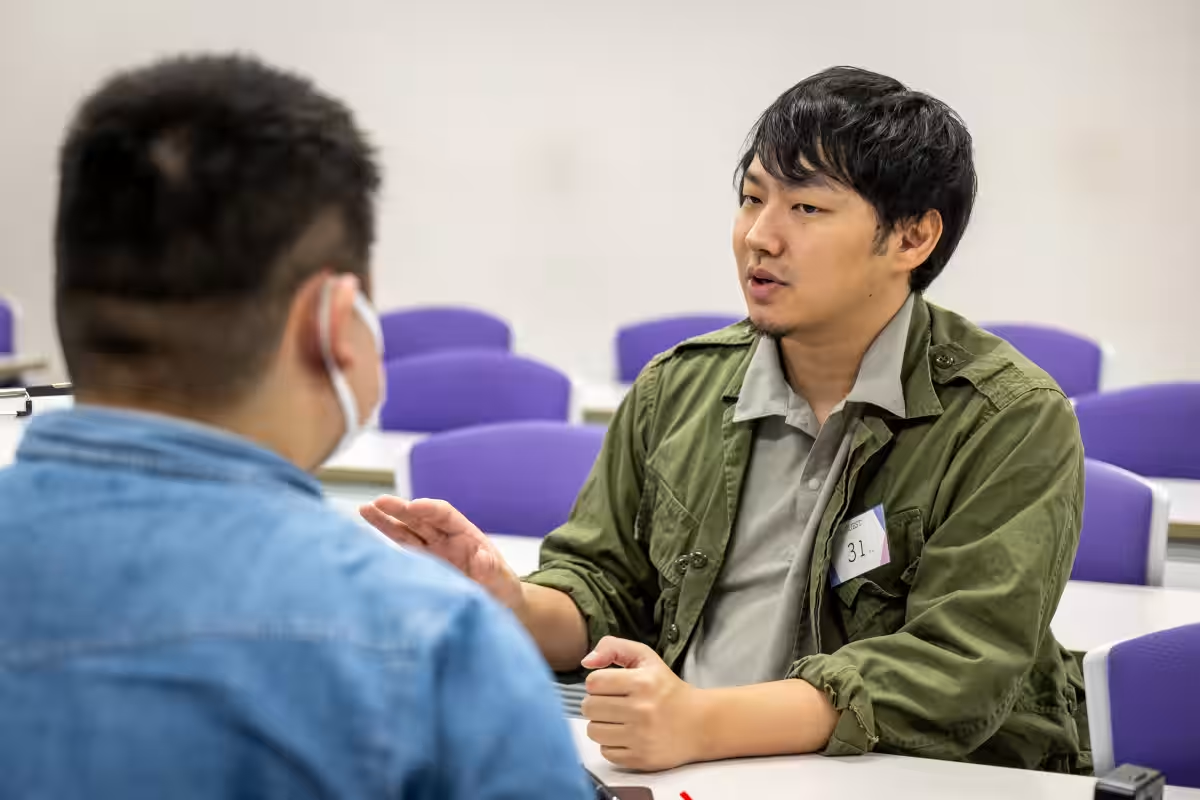
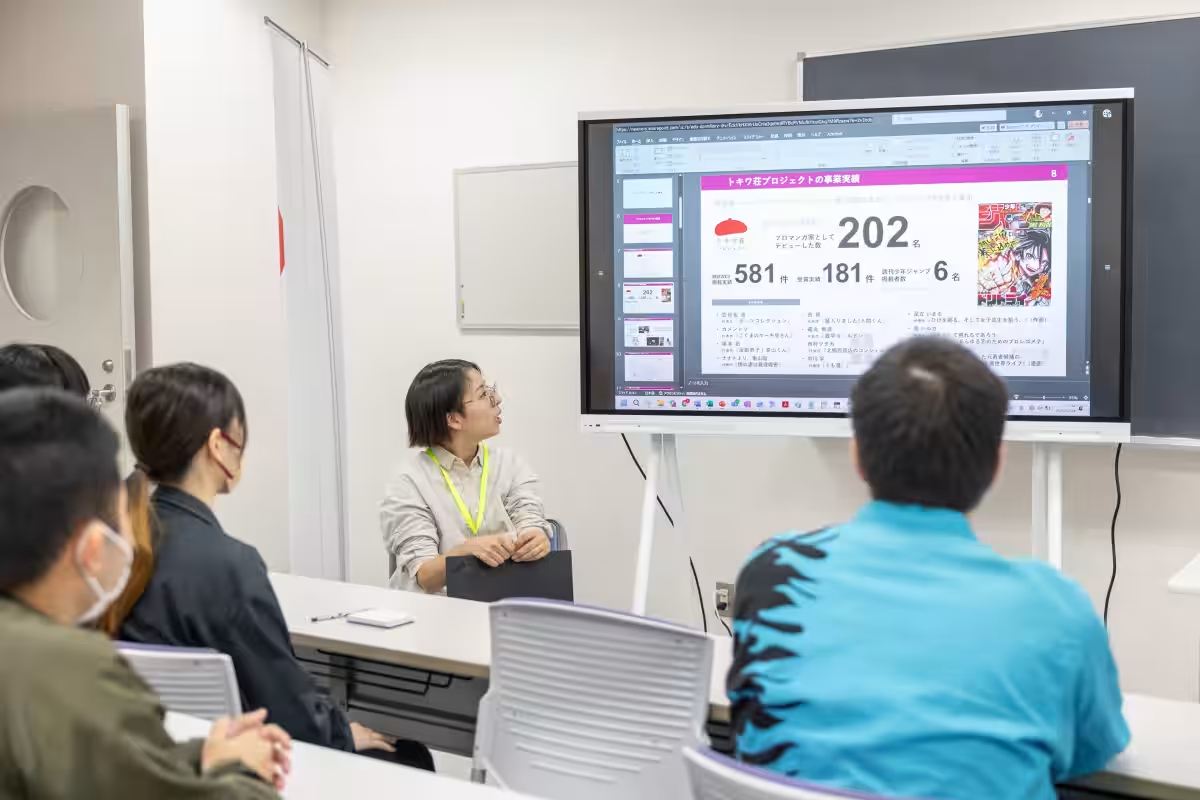
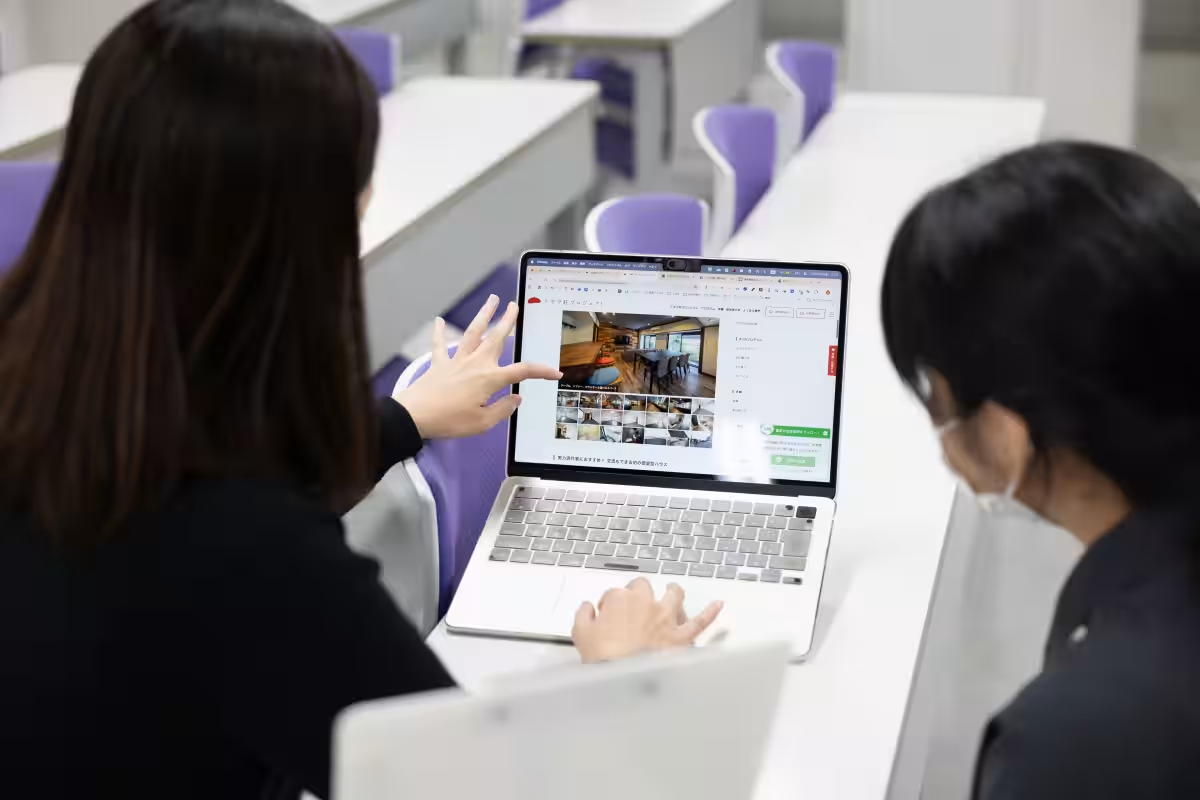
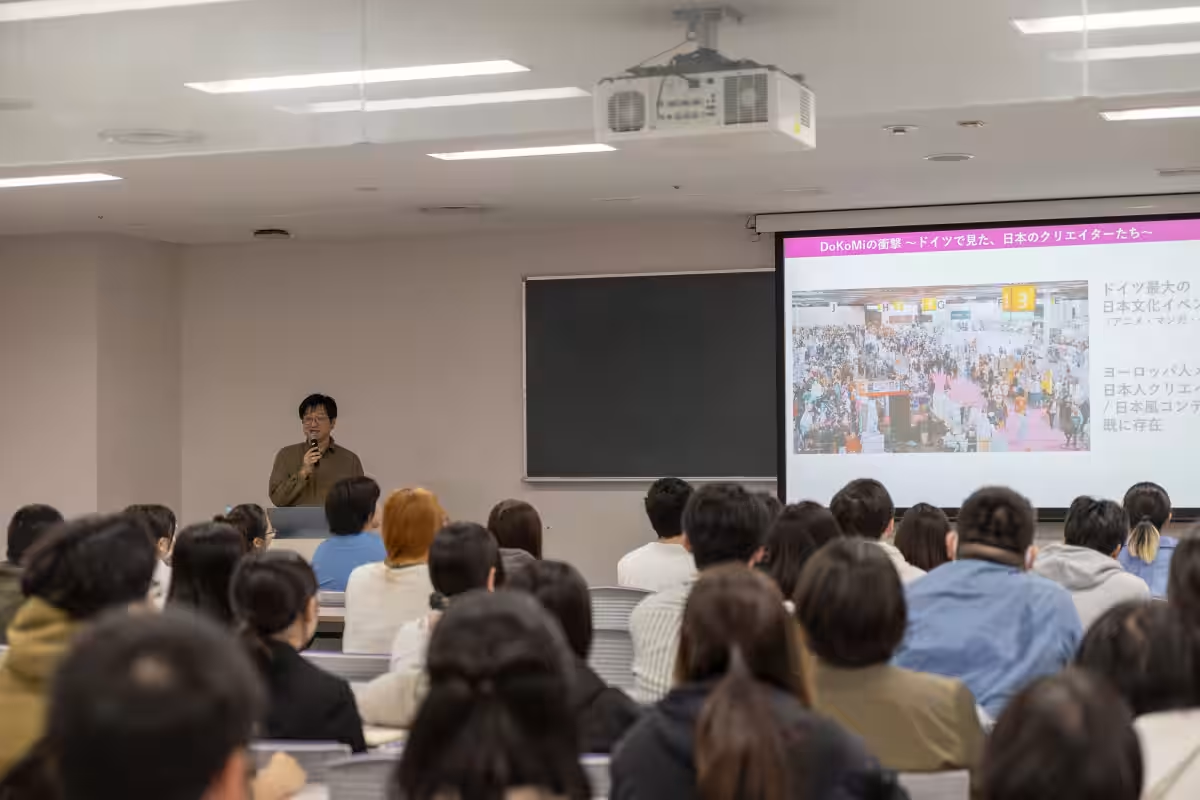
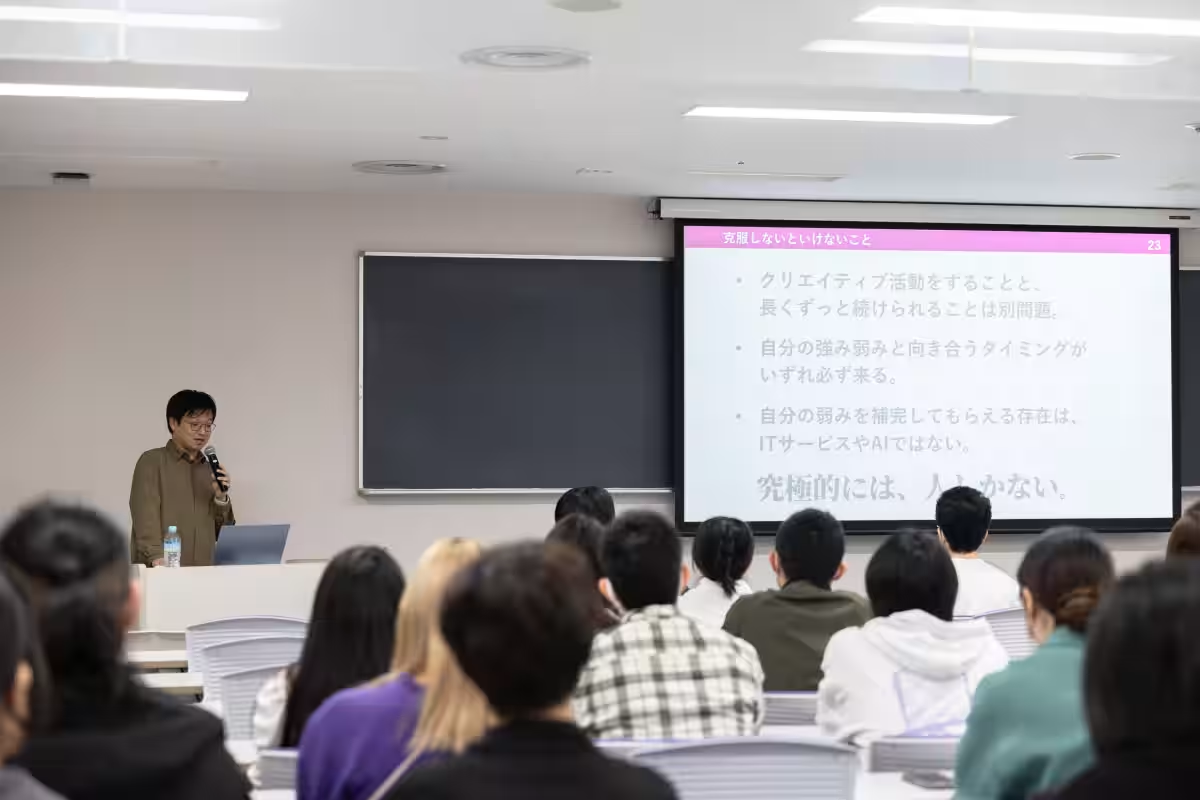
The event was structured into two engaging parts: the first segment focused on industry insights including advancements like AI, and the second part facilitated one-on-one consultations with experienced editors to discuss students' works and career aspirations. Through this initiative, students had the chance to better understand current industry trends and future opportunities.
Event Overview
Date: October 24, 2025
Time: 13:00 - 16:30
Venue: Japan Polytechnic, Kamata Campus
Target Audience: Students in their final years of Manga and Animation departments
Organizers: NPO LEGIKA, Twin Engine
Support: Japan Polytechnic
Program Content
Part One:
Industry Presentation: "Learning from the Frontlines of the Manga and Anime Industry"
Presenter: Kazutaka Ozaki (COO, NPO LEGIKA)
Part Two:
Mobile Editorial Department: Reviews by Twin Engine's and LEGIKA's editorial teams on students’ manuscripts, names, illustrations, and portfolios.
Consultation on Housing and Careers: Insights from the Tokiwa-so Project office staff regarding living and career choices.
During the industry presentation, COO Kazutaka Ozaki presented the latest updates and challenges facing the manga and anime sectors, from massive investments in gaming by Saudi government funds to the rise of AI-generated content. The shifts in work style were vividly discussed, capturing the attention of attending students.
As the presentation progressed, students learned about the Tokiwa-so Project, which emphasizes creative collaboration alongside a supportive living environment. The concept of merging creativity with daily life resonated deeply, prompting many students to take notes. Additionally, the newly opened Kami Ikedai Tokiwa Soul Room, conveniently located for students, generated significant interest.
The second part of the event featured a mobile editorial department where current editors from LEGIKA's Reji Studio and Twin Engine engaged with students individually. They provided constructive feedback on various artworks, illustrating strengths and areas for improvement in the students' submissions. Many animation students seized the opportunity to showcase their works, leading to fruitful discussions about future submission strategies. Feedback from participants included sentiments like, "This was my first time receiving professional critiques," highlighting the event's stimulating atmosphere.
Furthermore, the consultation session on housing and careers equipped students with practical advice on balancing creative pursuits with living arrangements. Staff from the Tokiwa-so Project elaborated on how to establish safe, collaborative environments for creativity. Participants expressed appreciation for strategies that emphasize both housing and productive work environments, with comments regarding the practicality of the insights shared by professionals in attendance.
The intersection of educational settings and creative support systems in this initiative aimed to provide students a clearer perspective on their career trajectories. LEGIKA aspires to foster environments conducive to the growth of aspiring creators, extending ample opportunities for those dedicated to their craft.
About Japan Polytechnic
Founded in 1947 in Kamata, Tokyo, Japan Polytechnic has become one of the largest comprehensive vocational schools in Japan, specializing in fields such as broadcasting technology, computer science, and entertainment. With campuses in Kamata, Hachioji, and Noboribetsu, the school accommodates around 9,500 students across diverse specialized programs, including game design, animation, music, and technology. Tokyo University of Technology, with about 8,000 students, is also part of the institution.
Tokiwa-so Project Overview
The Tokiwa-so Project endeavors to nurture aspiring manga creators by fostering a community-centered approach that combines living, competition, and collaborative creation. It emphasizes a psychologically safe community where members grow collectively.
Housing Details:
- - Number of Houses: 4 Directly Managed, 2 Partnered (as of October 31, 2025)
- - Total Participants: 712 (as of November 5, 2025)
Conclusion
This collaborative event showcased the dynamic potential thriving within the manga and anime sectors while supporting students' aspirations and career development. LEGIKA remains committed to nurturing the next generation of creative talent by providing essential growth opportunities and a supportive environment.
Topics People & Culture)

【About Using Articles】
You can freely use the title and article content by linking to the page where the article is posted.
※ Images cannot be used.
【About Links】
Links are free to use.