



Over 90% of Working Adults Struggle to Sleep Well: A Detailed Analysis
Understanding Sleep Difficulties Among Workers
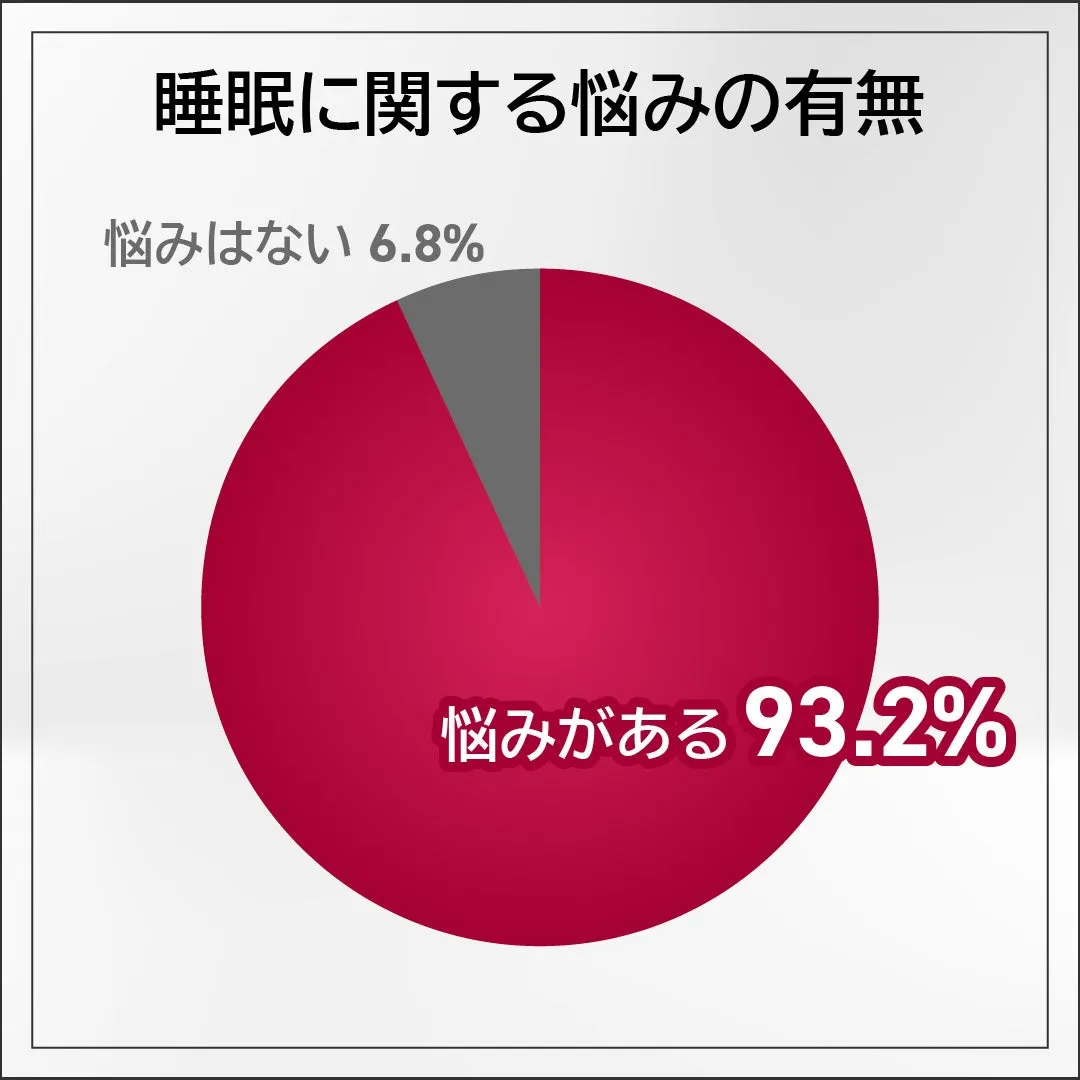
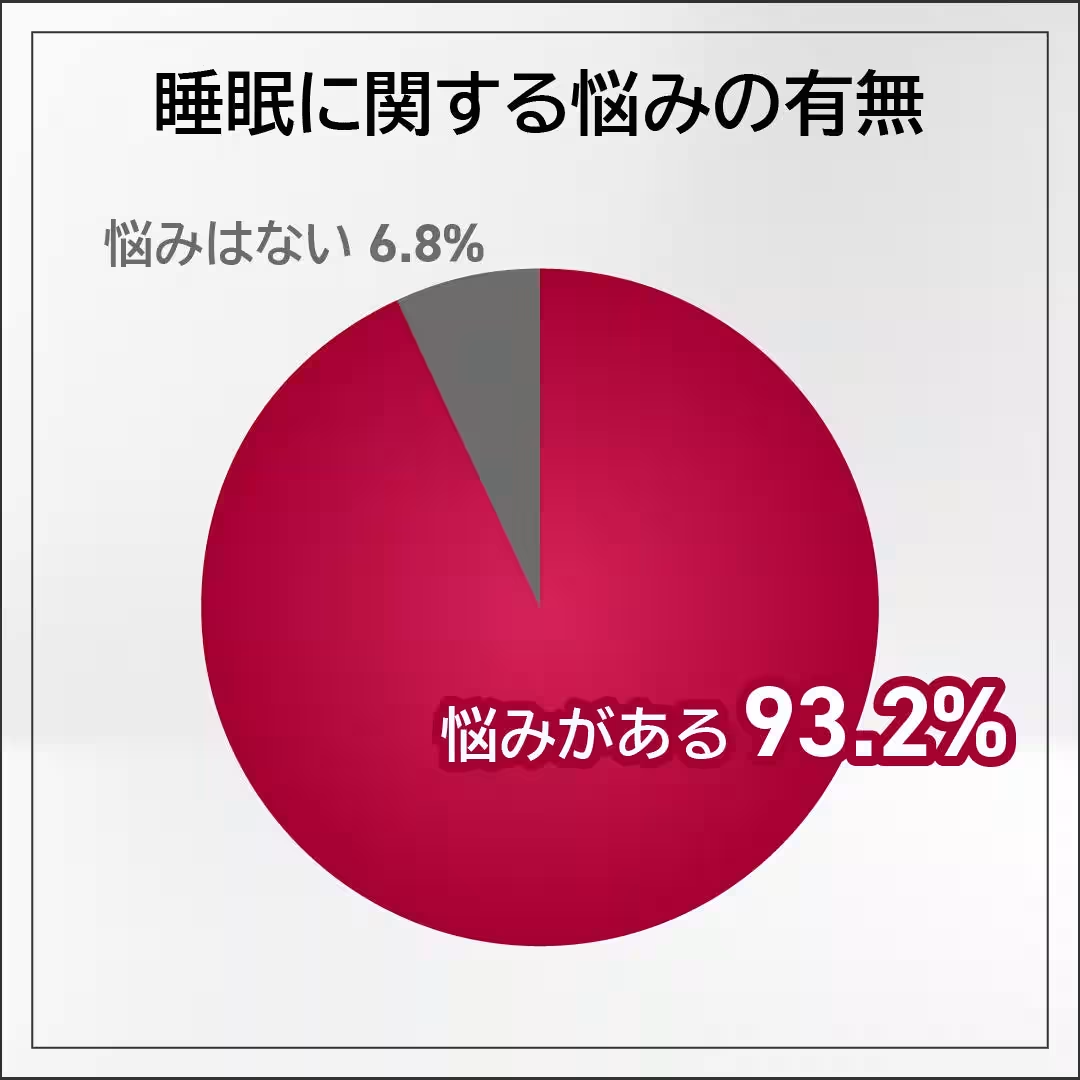
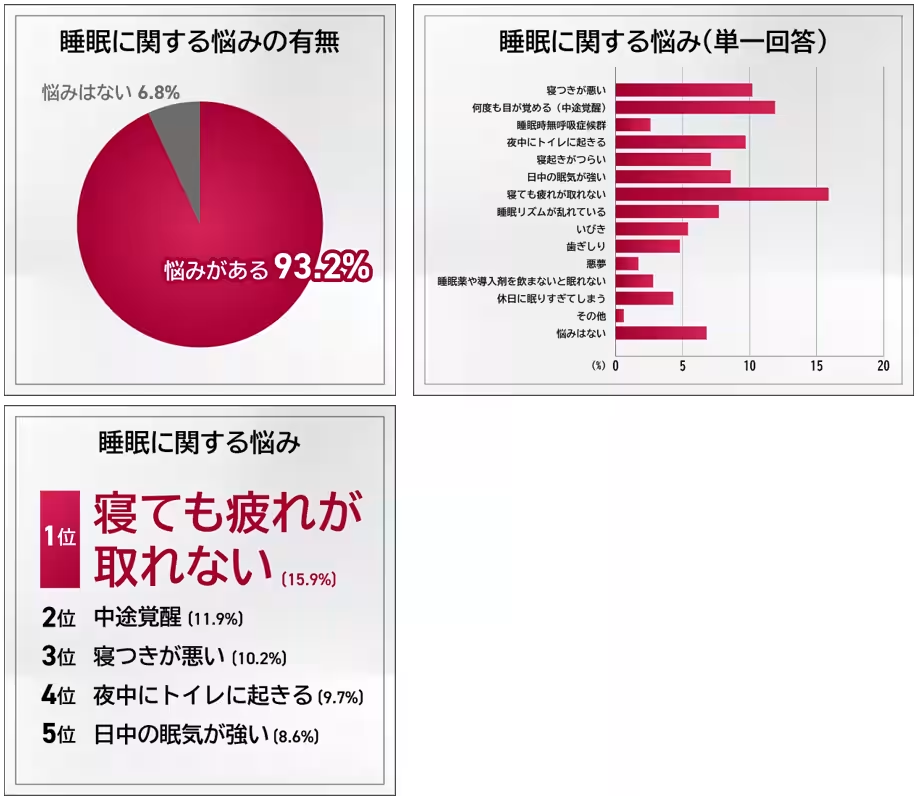
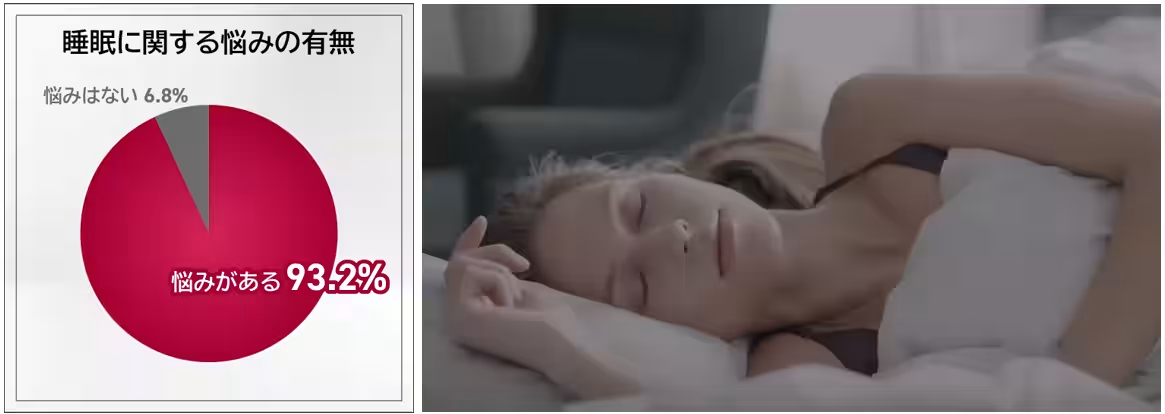
In a recent survey conducted by LG Display Co., Ltd., it was revealed that a staggering 93.2% of working adults in their 20s to 50s report having sleep issues. This extensive study involved 649 respondents across the nation and shed light on various aspects of sleep, including average sleep duration, concerns regarding blue light, and common experiences of sleep deprivation.
Major Findings from the Survey
1. Common Sleep Issues
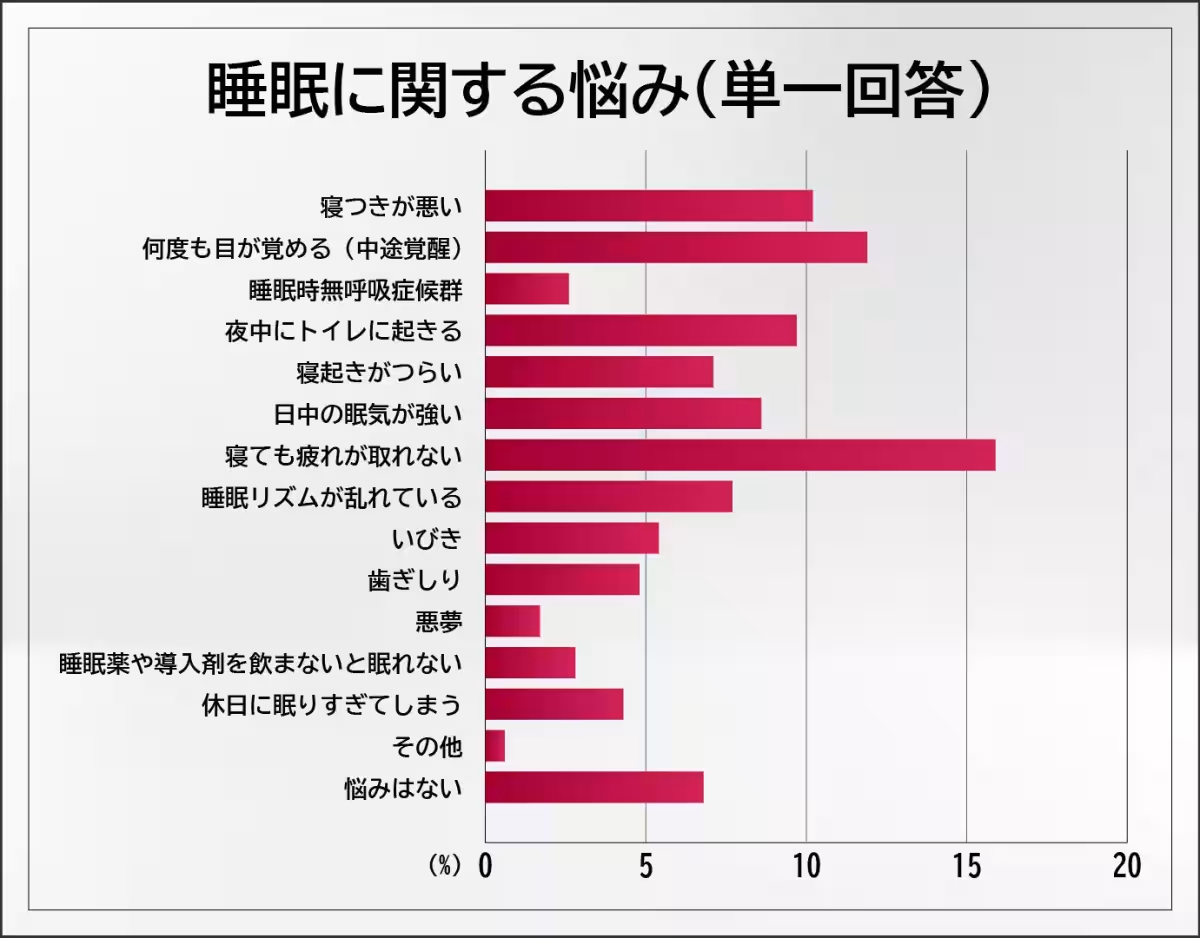
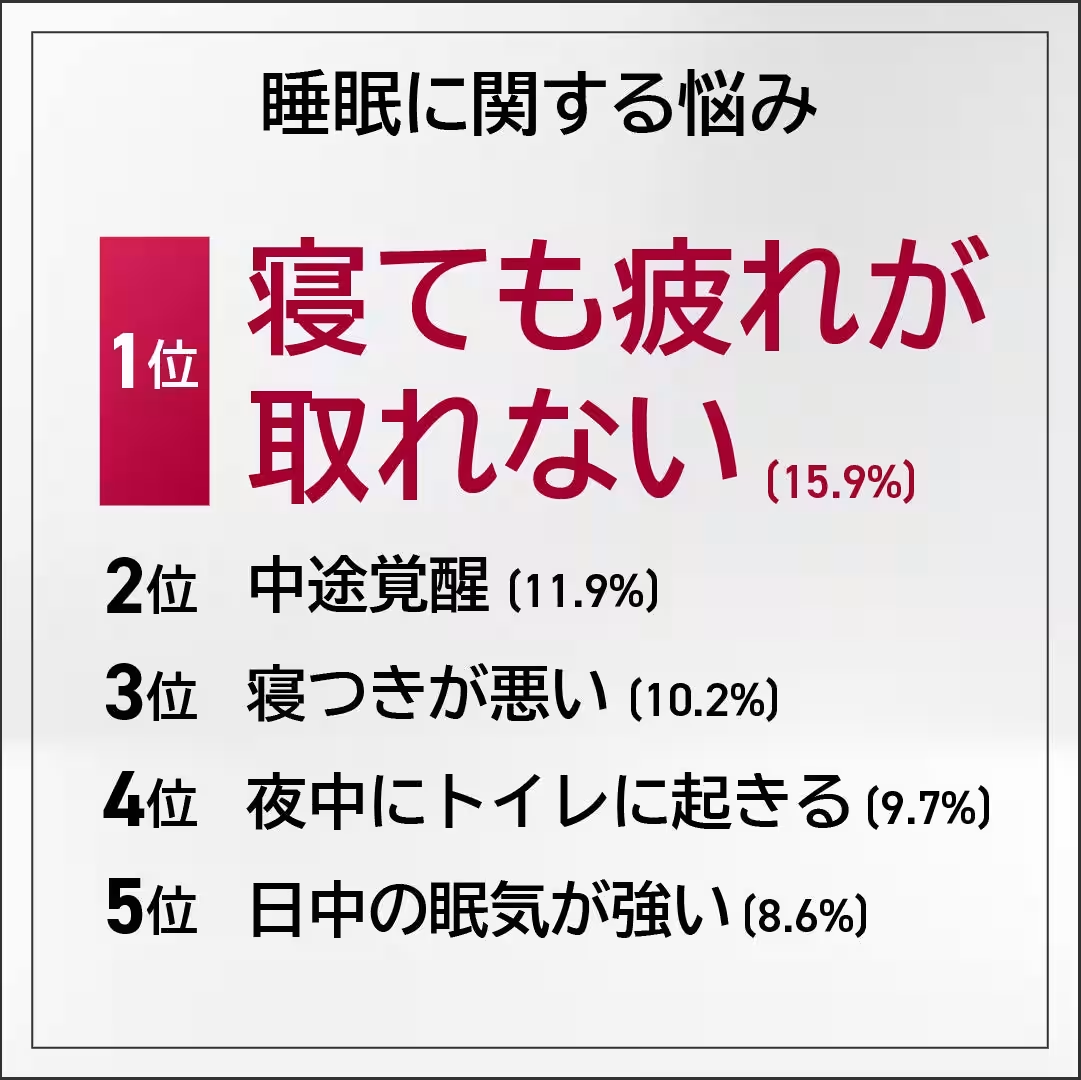
The most frequent complaint among respondents was that "sleeping does not recharge energy (15.6%)," followed by "waking up during the night (11.9%)" and "difficulty falling asleep (10.2%)." Others mentioned frequent nighttime trips to the bathroom (9.7%) and excessive daytime sleepiness (8.6%).
The overwhelming majority realizing the significance of quality sleep for maintaining both mental and physical health highlights a growing concern in today’s fast-paced, technology-driven society. Particularly with the increasing use of digital devices such as smartphones and computers, achieving restful sleep is becoming more challenging.
2. Awareness of Blue Light Effects
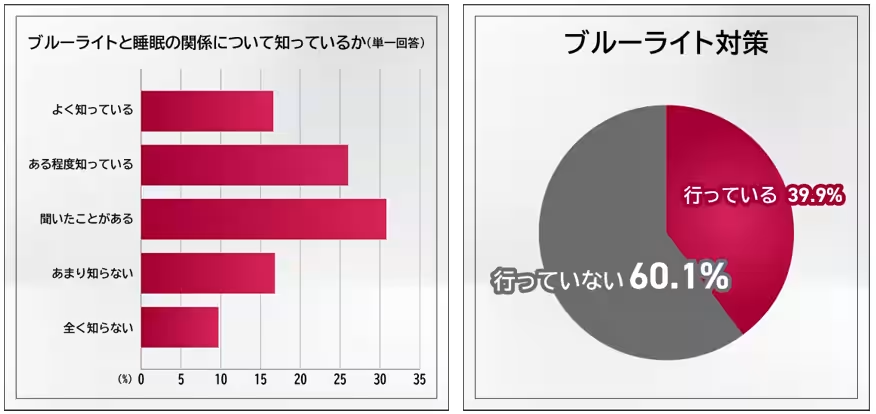
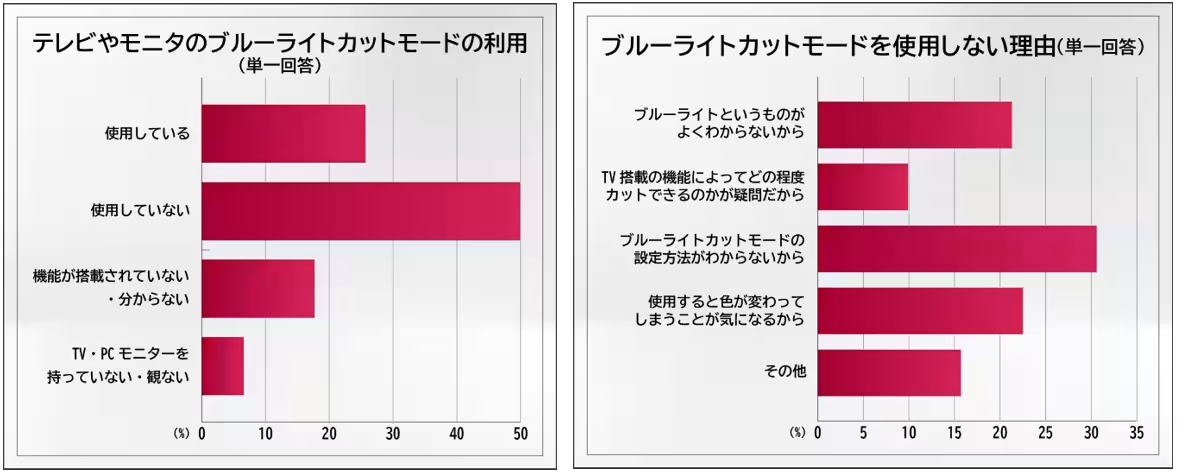
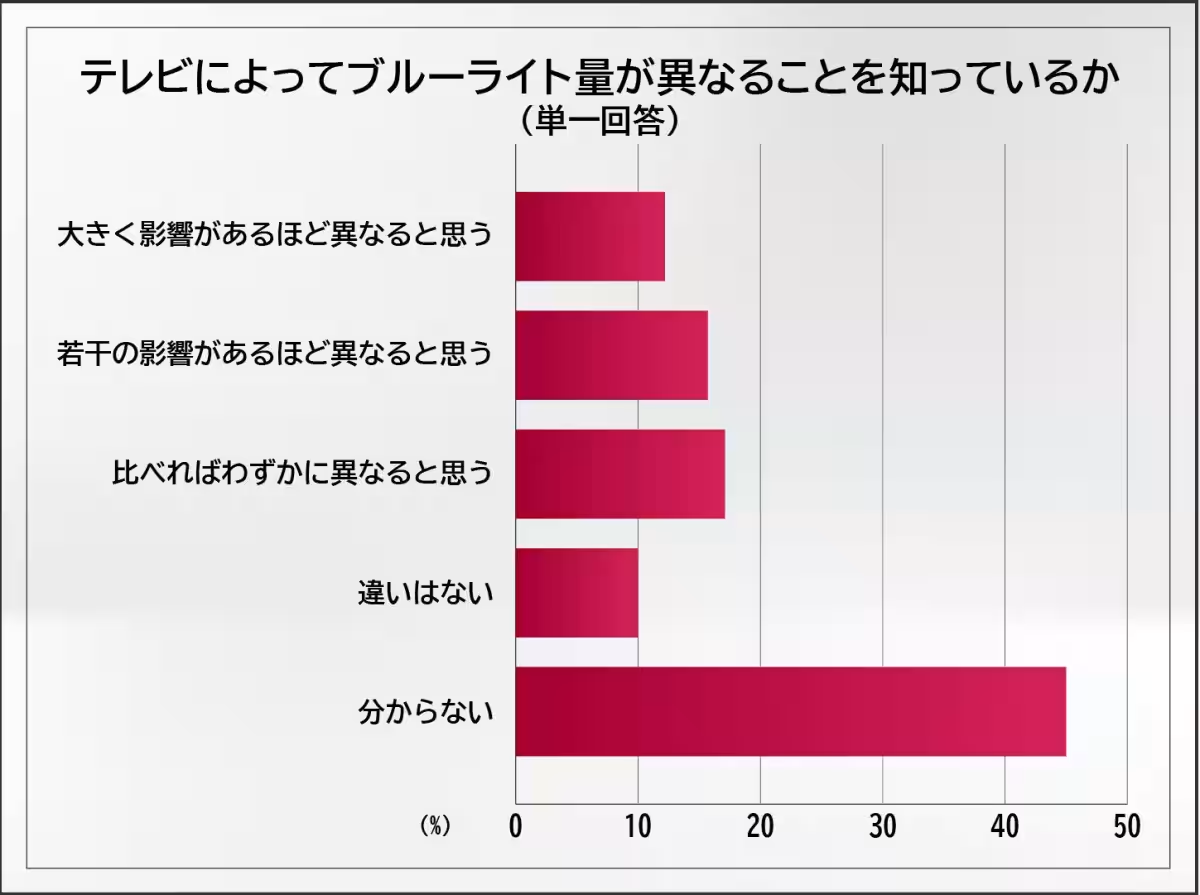
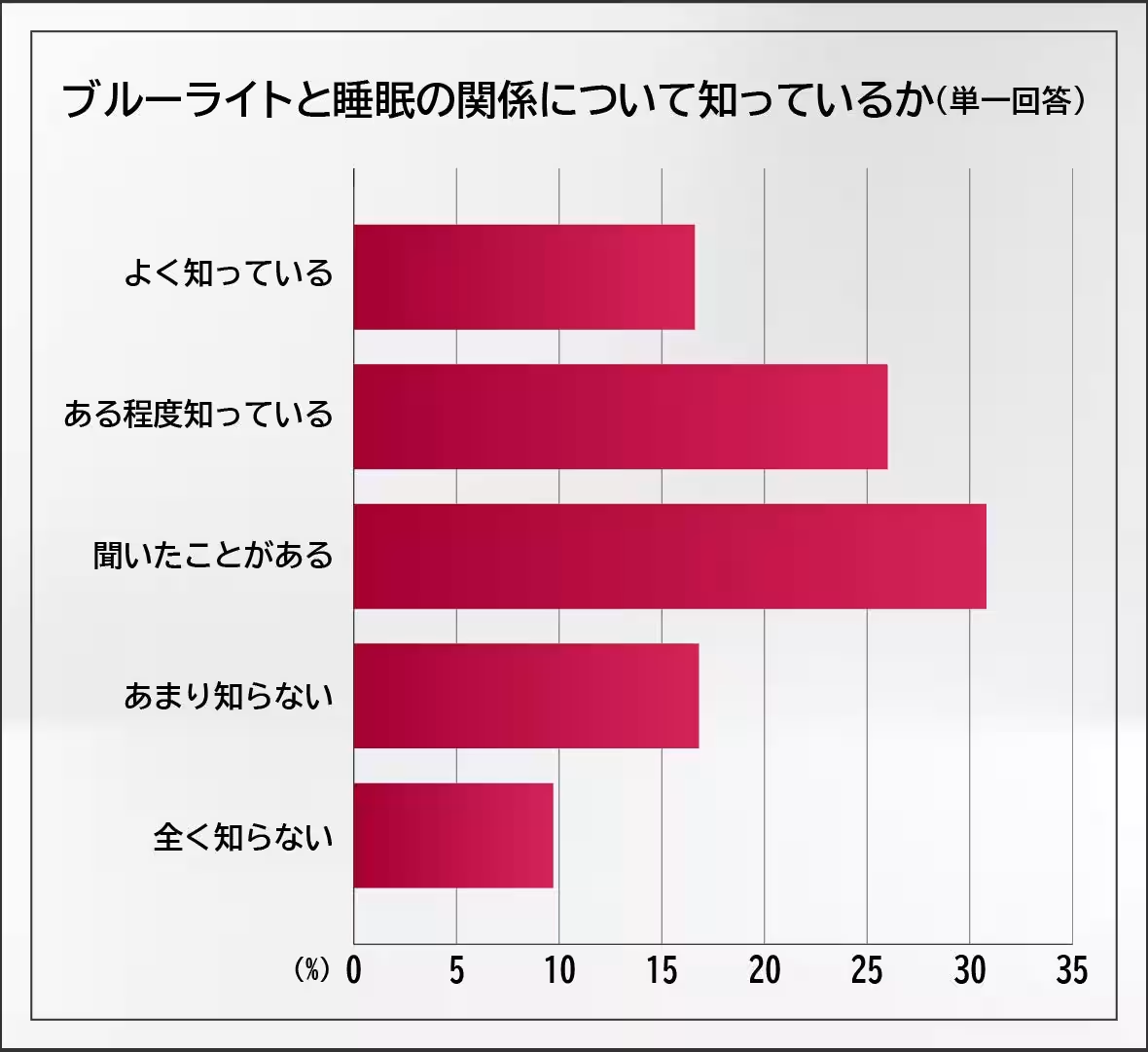
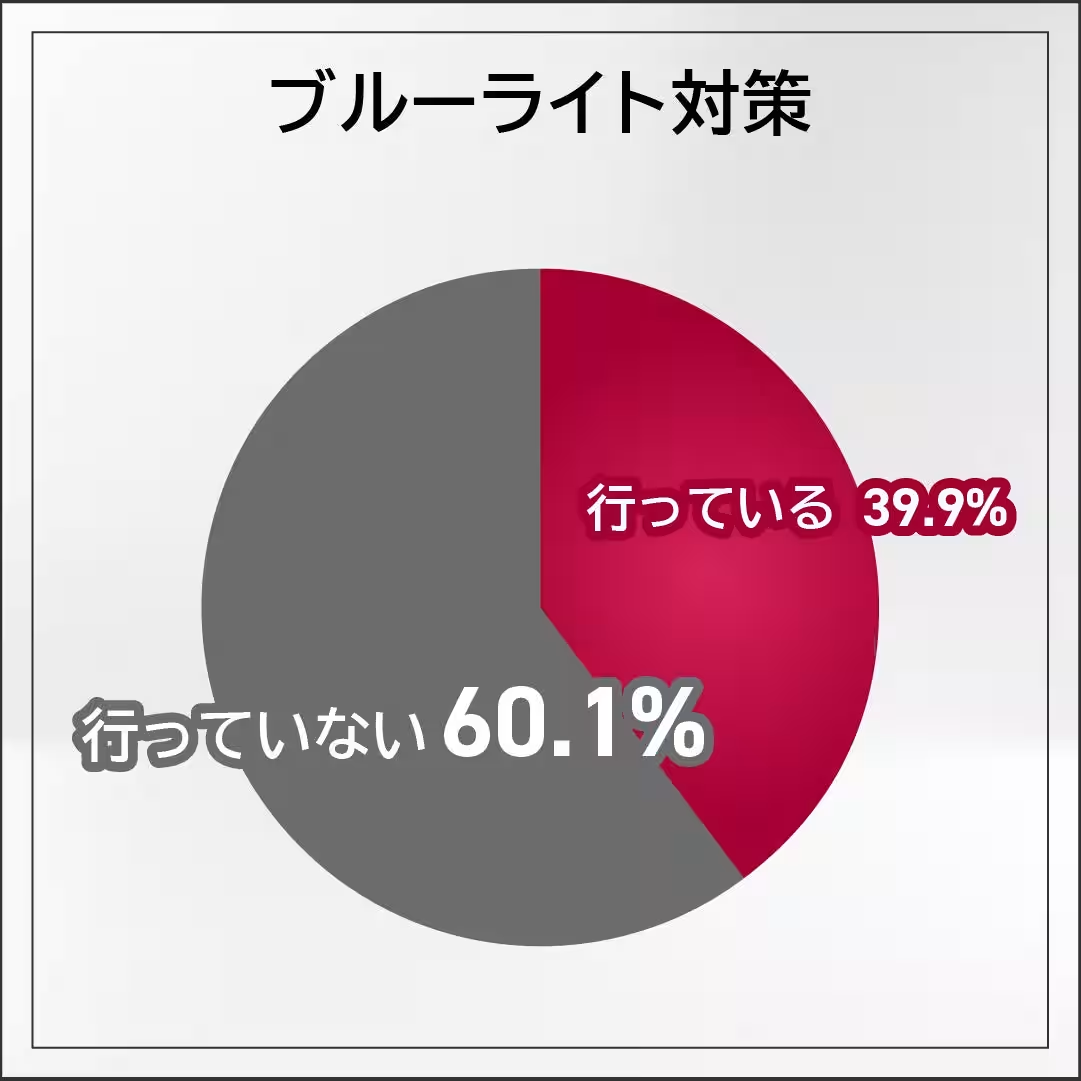
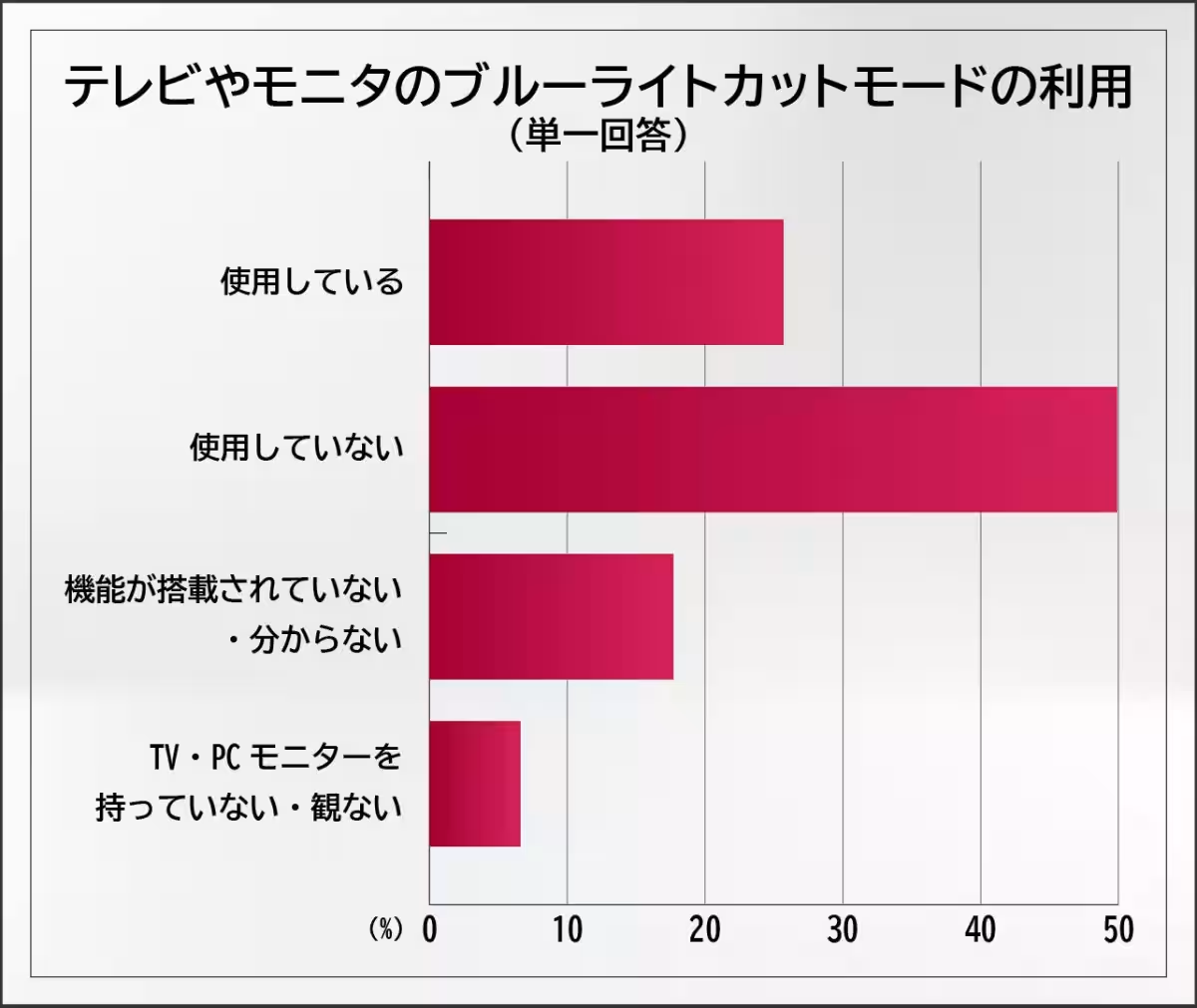
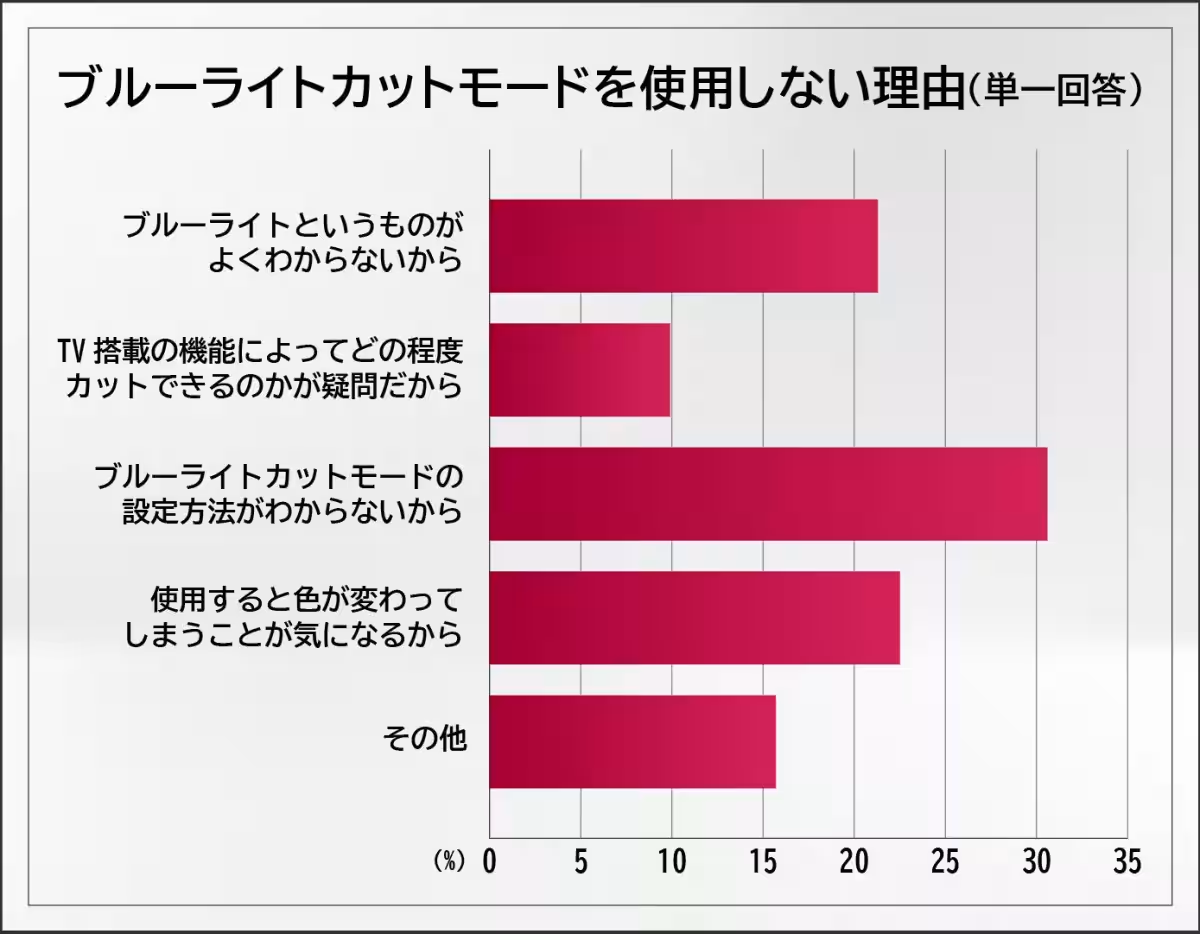
Interestingly, around 25% of participants were either not aware of the connection between blue light and sleep or lacked sufficient knowledge about it. Nearly half of the respondents reported not using blue light filtering settings on their devices. Common reasons for this include uncertainty around how to adjust settings or the notion that filtering blue light might alter color quality. Reflection on their habits shows that television viewing time averages 2 hours and 33 minutes, which indicates significant exposure to potential blue light interference.
3. Efforts Made Towards Better Sleep
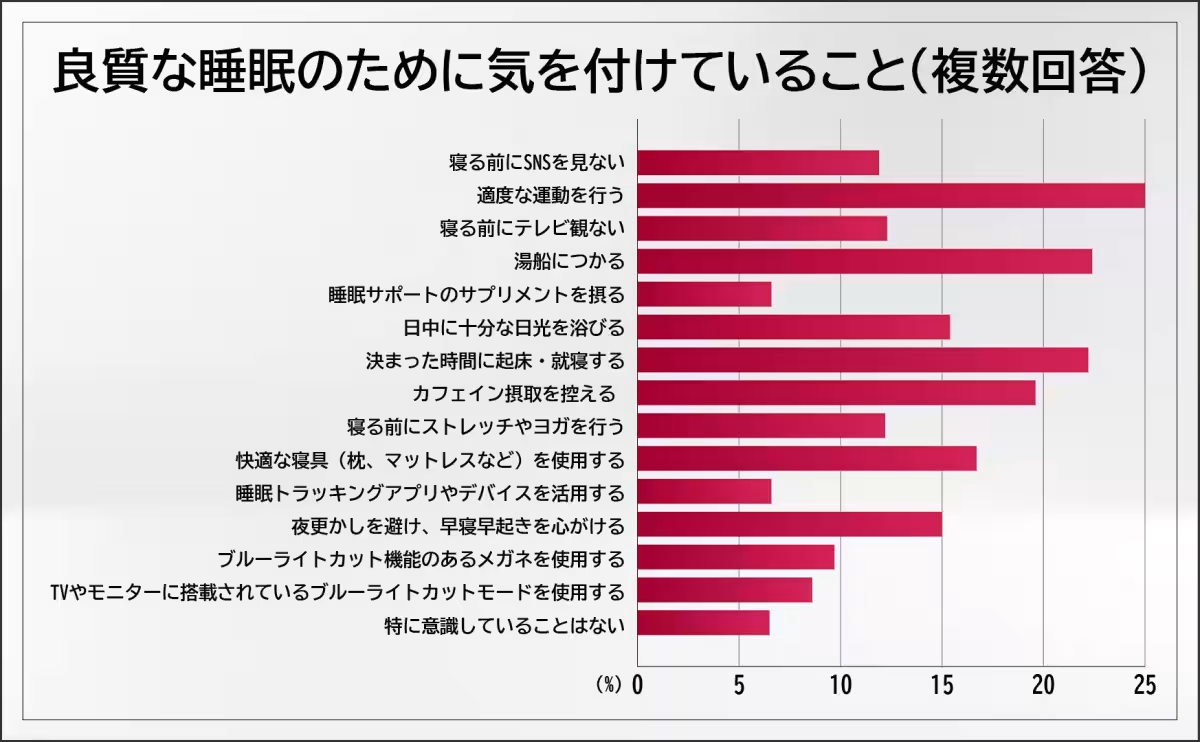
To enhance sleep quality, many respondents try to adopt healthier lifestyles. About 25% engage in moderate exercise, while approximately 22% practice regular bathing, go to bed, and wake up at scheduled times, and reduce caffeine intake. Meanwhile, the average sleep duration reported was just 6 hours and 19 minutes, shorter than the recommended 7 to 8 hours for optimal health. It’s evident that while many individuals are practicing good habits, more awareness and conscious efforts are necessary to improve overall sleep health.
4. Negative Impacts of Sleep Deprivation
The survey also included personal anecdotes detailing the consequences of poor sleep, with respondents sharing various mishaps ranging from falling asleep during meetings to nearly causing accidents on the road due to fatigue. The implications highlight a serious pattern of risks and productivity loss prompted by insufficient rest.
Understanding the Role of Technology
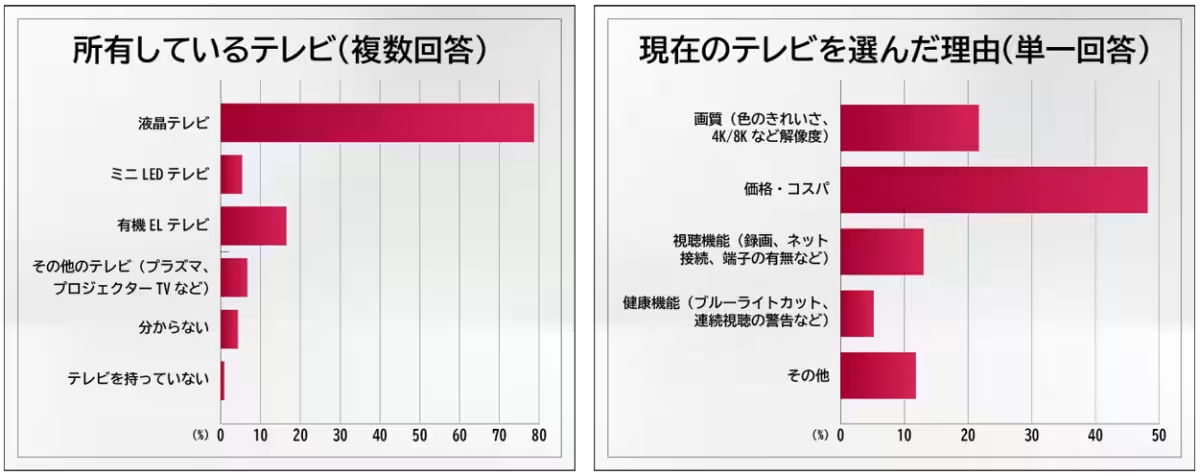
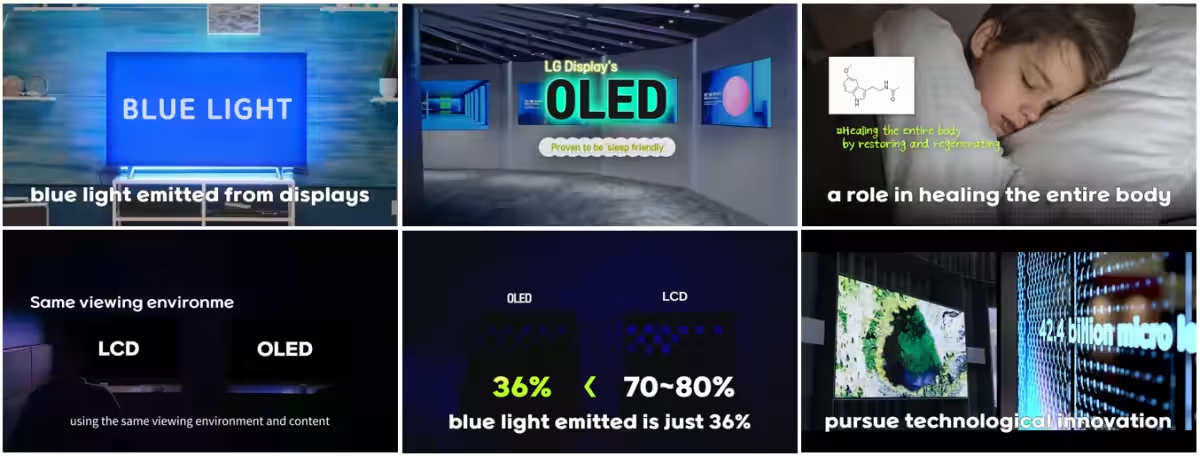
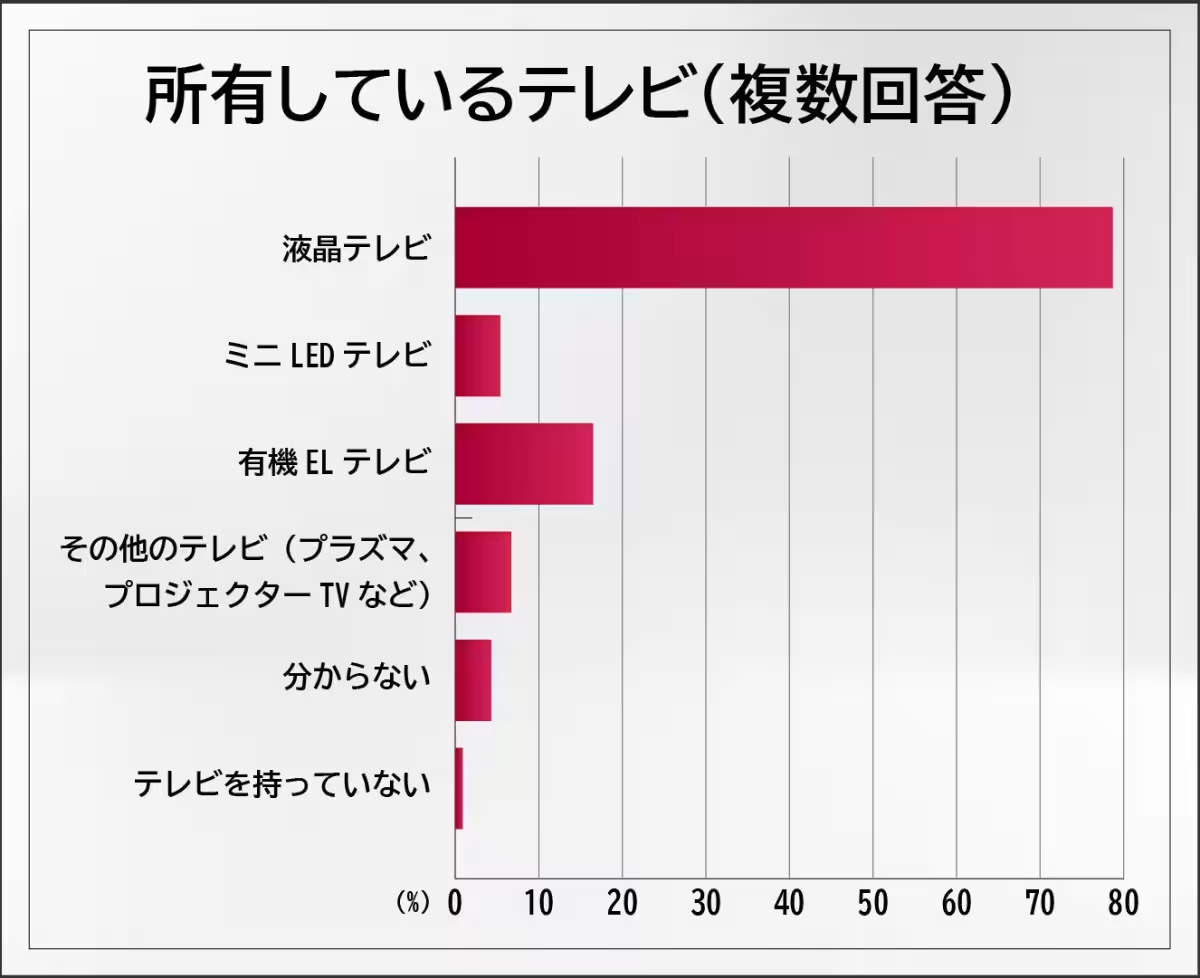
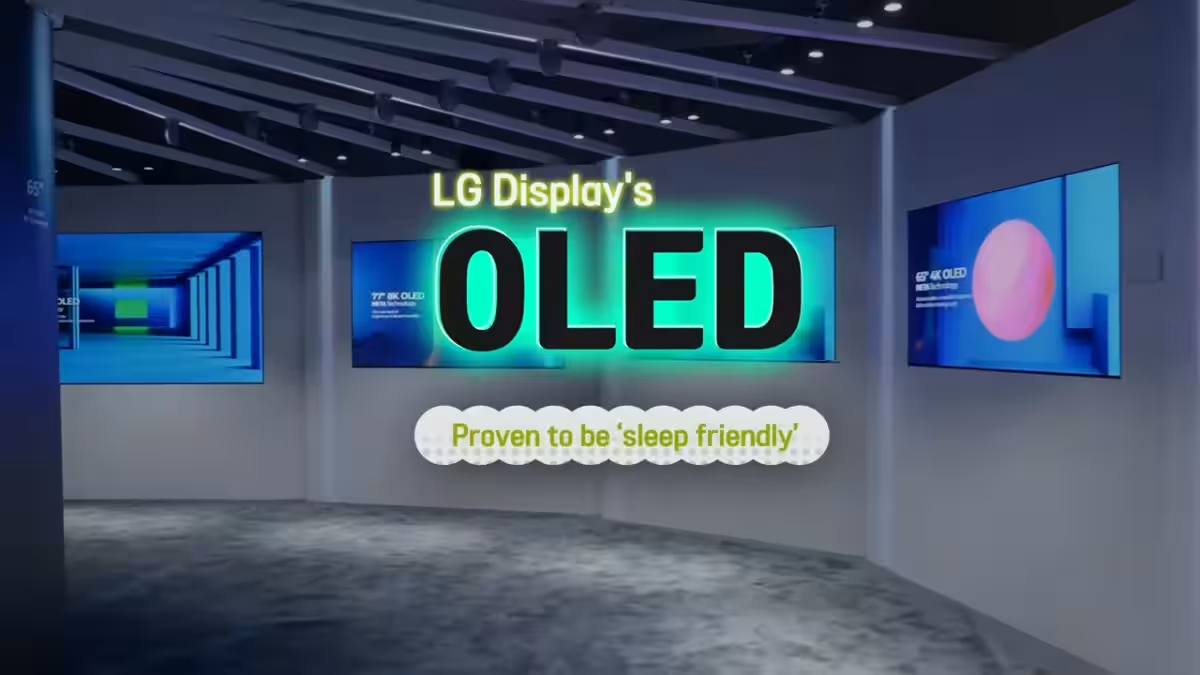
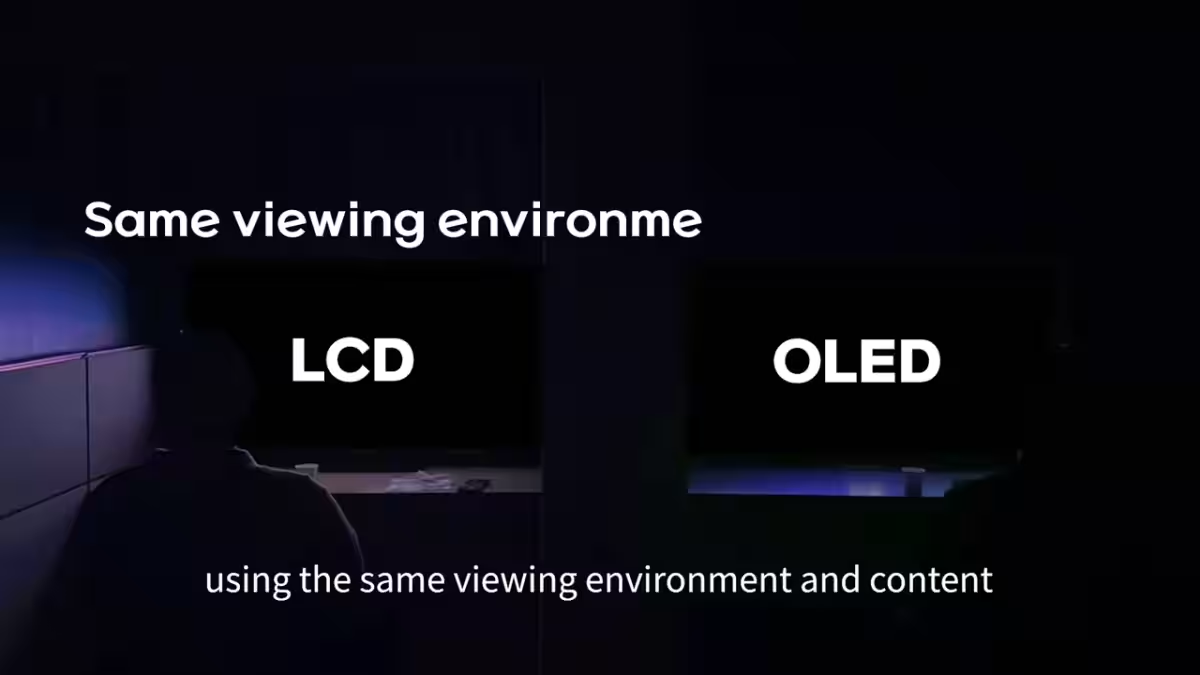
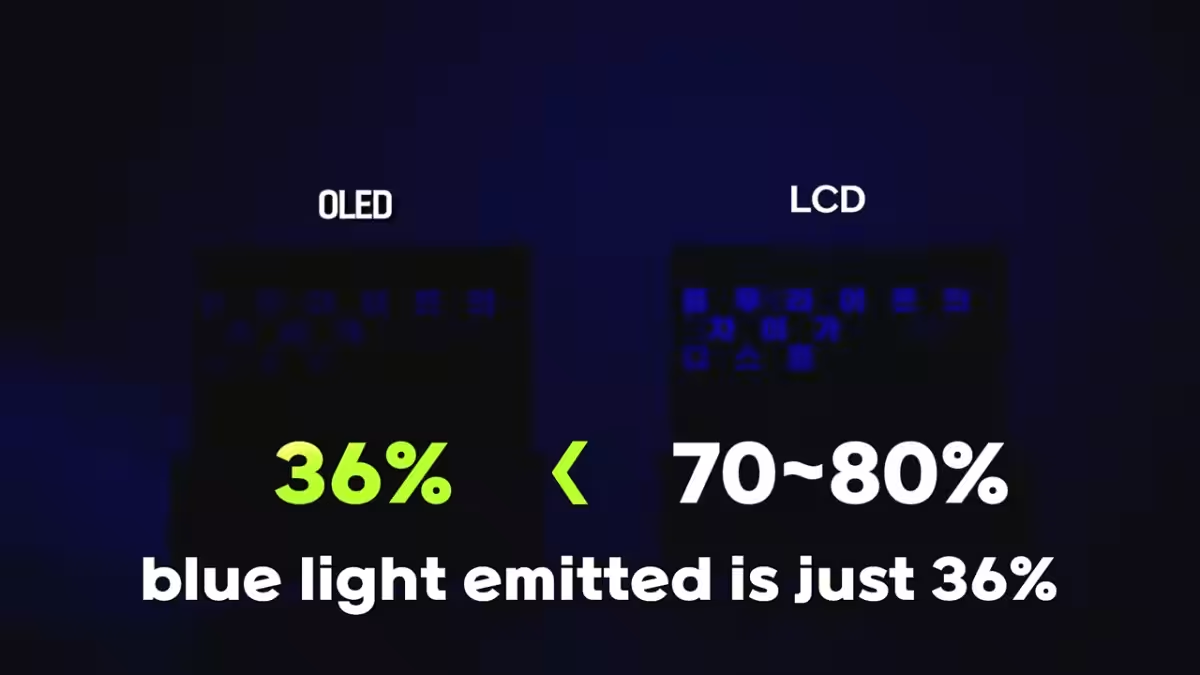
Given the substantial contention of blue light in our digital lives, many are turning a critical eye towards their devices, questioning the amount of exposure and potential harm to sleep quality. With the prevalence of televisions, smartphones, and tablets present in everyday life, deciphering the differences in blue light emission from various types of screens becomes critical. Liquid Crystal Displays (LCDs) dominate in use, with nearly 79% of participants owning them, whereas only 16.5% utilize organic light-emitting diode (OLED) televisions, which have been shown to emit significantly lower levels of blue light.
Conclusion
The alarming rate of sleep issues among working adults emphasizes the urgent need for awareness regarding the effects of technology, particularly blue light. More education on managing screen time, utilizing appropriate device settings, and changing sleep habits might aid individuals in overcoming these challenges. As technology continues to evolve, prioritizing sleeping health alongside digital consumption will be pivotal for maintaining well-being.
For additional information on how OLED technology contributes positively to sleep health, visit LG Display’s official press release.
About LG Display
LG Display is committed to providing sustainable technology that promotes user wellness, backed by research that reveals the sleep-friendly nature of their OLED products. As we move forward, distinguishing between various screen types and their impact on health should be a priority, along with embracing innovative solutions designed to support better sleep patterns.



Topics People & Culture)


【About Using Articles】
You can freely use the title and article content by linking to the page where the article is posted.
※ Images cannot be used.
【About Links】
Links are free to use.