



The 2026 Job Resignation Awareness Survey Shows Decreasing Mental Barriers Across All Generations
Job Resignation Trends: Insights from Job HQ's 2026 Survey
In an era marked by evolving career perspectives, the 2026 Job Resignation Awareness Survey, conducted by Job HQ of Persol Career, has revealed striking insights into employees’ attitudes towards resignation. This comprehensive survey involved 257 working men and women aged between their 20s and 50s, focusing on various aspects of resignation, including psychological barriers, impressions of resigning employees, and the circumstances surrounding potential resignations.
A Shifting Mindset on Resignation
As the month of March approaches, many employees are starting new chapters in their careers through resignations and relocations. Amongst these, an increasing number of younger employees are turning to resignation services as a viable option. According to data from Job HQ in 2025, a significant decrease in resistance to resigning was particularly observed among staff in their 20s, indicating a shift in the perception of early career departures as increasingly acceptable. The latest findings from 2026 further highlight this downward trend in reluctance across all generations.
The Survey Specifications
- - Target Audience: Assignments were done on Job Q Town members who are currently employed.
- - Demographics: Across various regions of Japan, both genders in their 20s to 50s.
- - Survey Dates: Conducted online from February 18 to February 24, 2026.
- - Valid Responses: A total of 257.
Key Findings and Topics
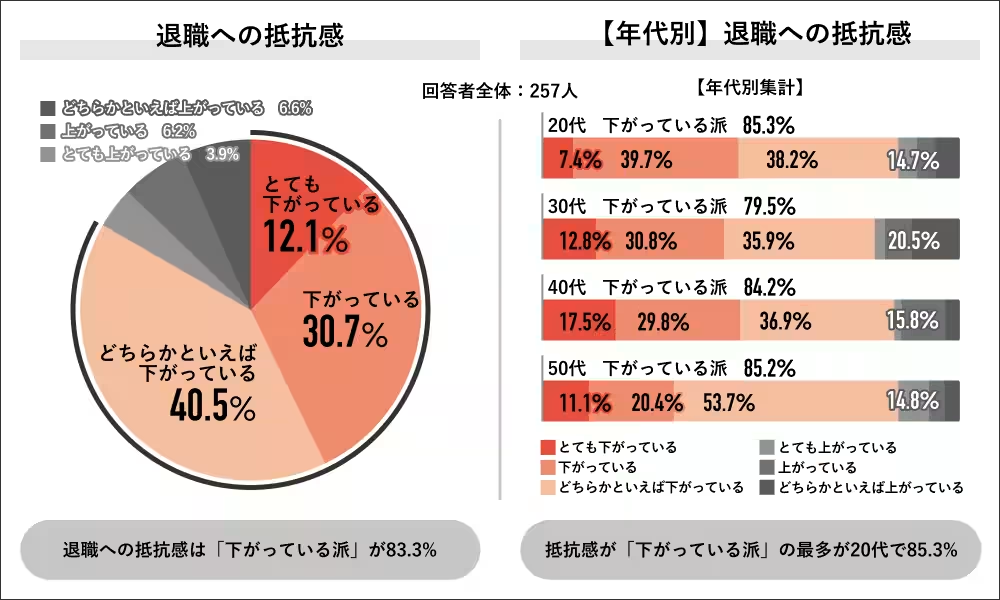
1. Decreasing Resistance: A significant 83.3% of respondents reported that their reluctance to resign has diminished. The youth, particularly those in their 20s, indicated the highest level of reduced resistance at 85.3%.
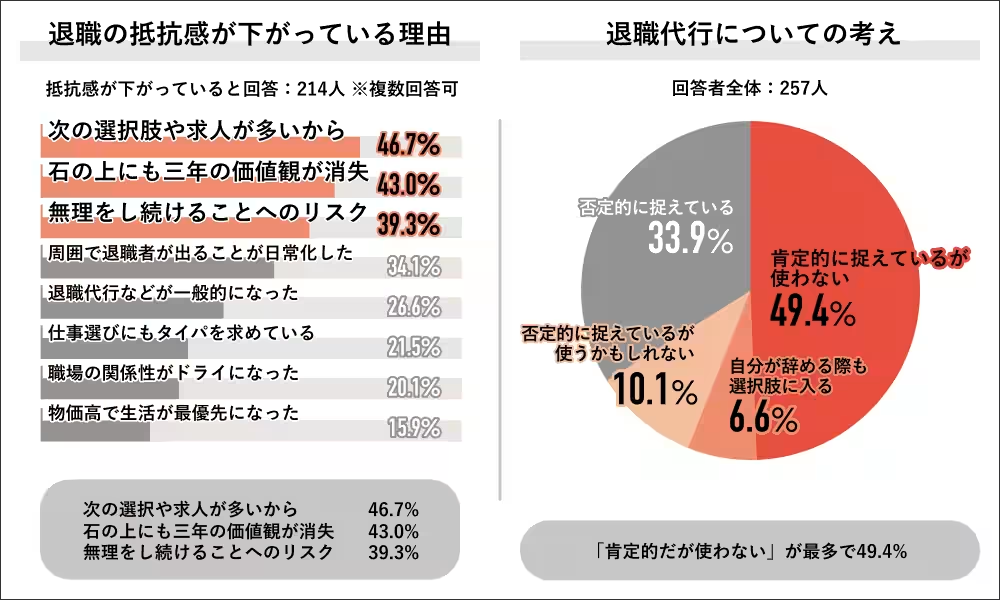
2. Support for Resignation Services: Nearly half (49.4%) of respondents express a positive view towards using resignation services, even if they have not yet utilized them.
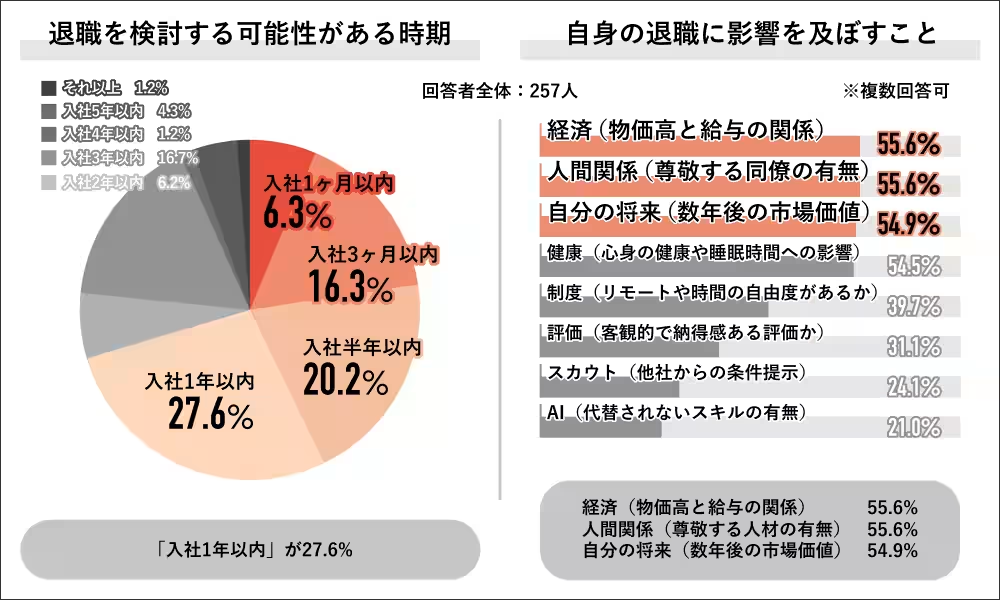
3. Career Transitions: A notable 27.6% expressed potential willingness to consider resignation within their first year of employment, with economic factors and workplace relationships cited as influential.
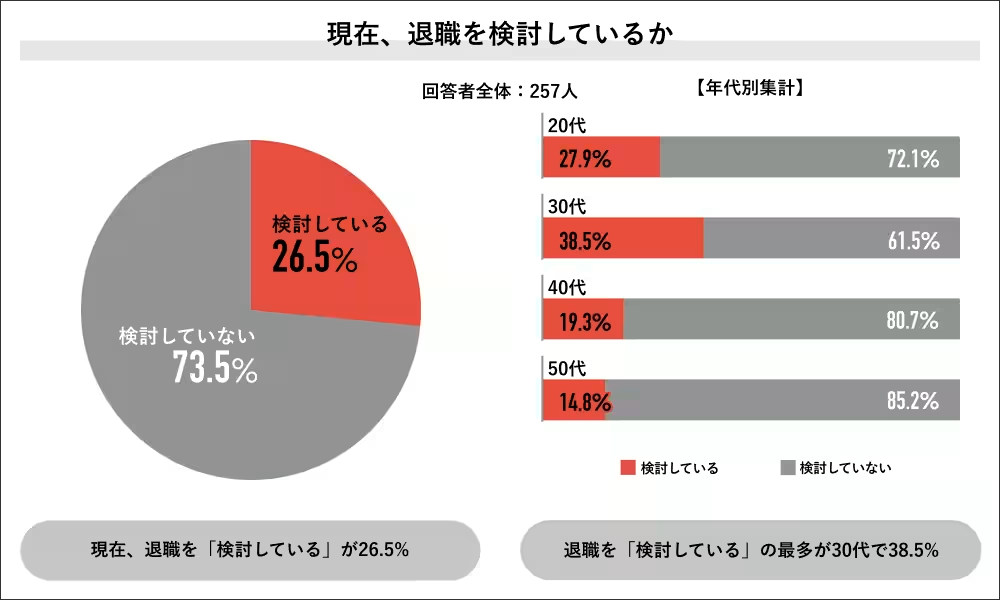
4. Current Resignation Consideration: About 26.5% are currently contemplating resignation, with a significant number being in their 30s.
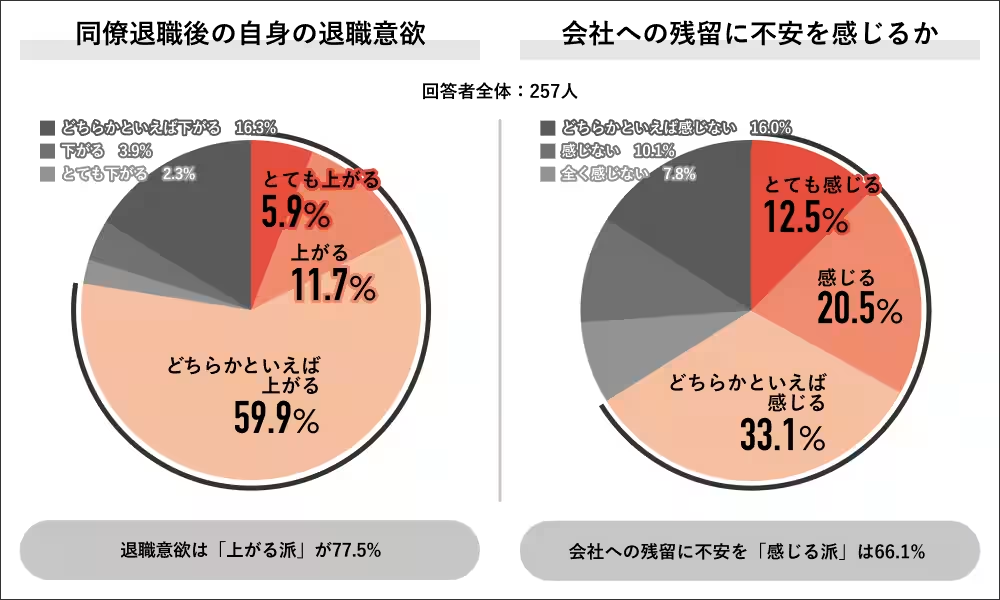
5. Impact from Colleagues’ Departures: Around 77.5% reported feeling an increased inclination to resign following the departure of a colleague.
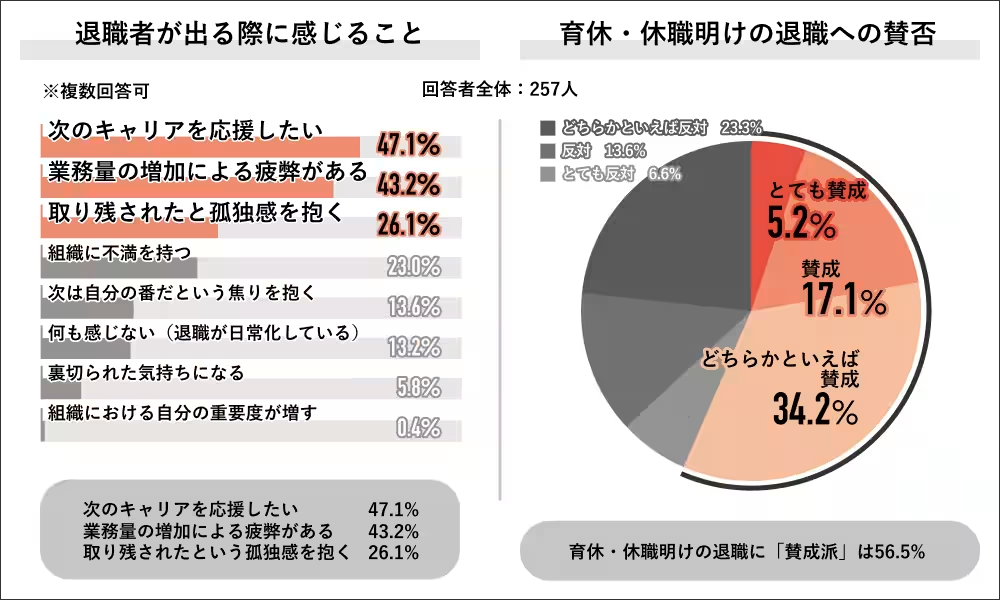
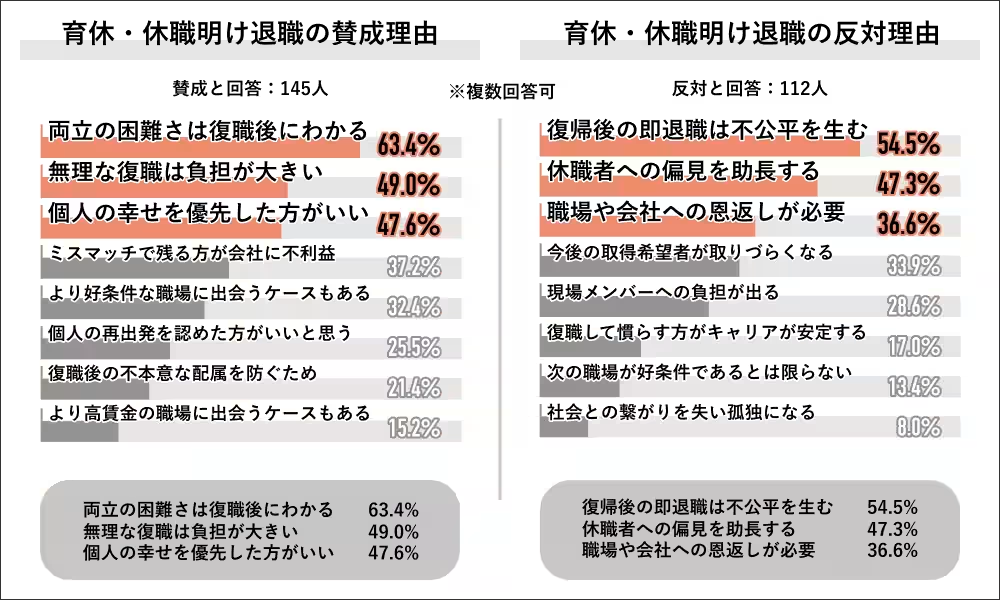
6. Parental Leave Concerns: Over half (56.4%) showed support for employees resigning after coming back from leave, recognizing the complexities of reintegration into work after such breaks.
Psychological Barriers to Resignation
The survey revealed that the most cited reasons for decreased resistance to resignation included the abundance of new opportunities and job options available (46.7%). Other contributing factors were the fading belief in the necessity to stay at a job long-term (43.0%) and the growing awareness of the risks associated with remaining in unsatisfying roles (39.3%).
Future Career Considerations
When asked about when they might consider resigning, the majority indicated that they would likely contemplate this within their first year. The figures suggest a significant societal shift where job transitions are more commonplace, driven by both economic realities and personal growth aspirations. The impacts of external factors, including rising living costs, further underscore the evolving attitudes toward job security and career progression.
The Changing Perception of Resignation
As employees navigate their career paths, a substantial number find the prospect of resignation less daunting. Many respondents expressed a desire to support resigning colleagues, viewing their transitions as steps towards new opportunities rather than failures. This indicates a broader cultural shift where resignations are perceived as proactive career moves rather than negative actions.
Supportive and Adverse Views of Departures
While many embrace the notion of supporting departing employees, some voiced concerns about the related workload increases and the isolation felt by those left behind. The survey emphasizes the need for organizations to foster psychological safety and reconsider workload distributions.
Conclusion
The 2026 Job Resignation Awareness Survey highlights a pivotal change in societal attitudes towards work and career changes. With a remarkable percentage of individuals feeling less resistance to resignation, organizations must adapt to these shifting perspectives by recognizing the reasons motivating employees to seek out new opportunities. The continuing trend of resignation as a legitimate choice reflects a future where individual career satisfaction takes precedence over outdated norms of job permanence. As Job HQ continues its mission of reshaping work culture, we can anticipate further research yielding insights relevant to today's working world.
- ---


Topics People & Culture)









【About Using Articles】
You can freely use the title and article content by linking to the page where the article is posted.
※ Images cannot be used.
【About Links】
Links are free to use.