


Exploring the Fascinating Era of Showa Through Vivid Illustrations and Stories
Remembering the Showa Era
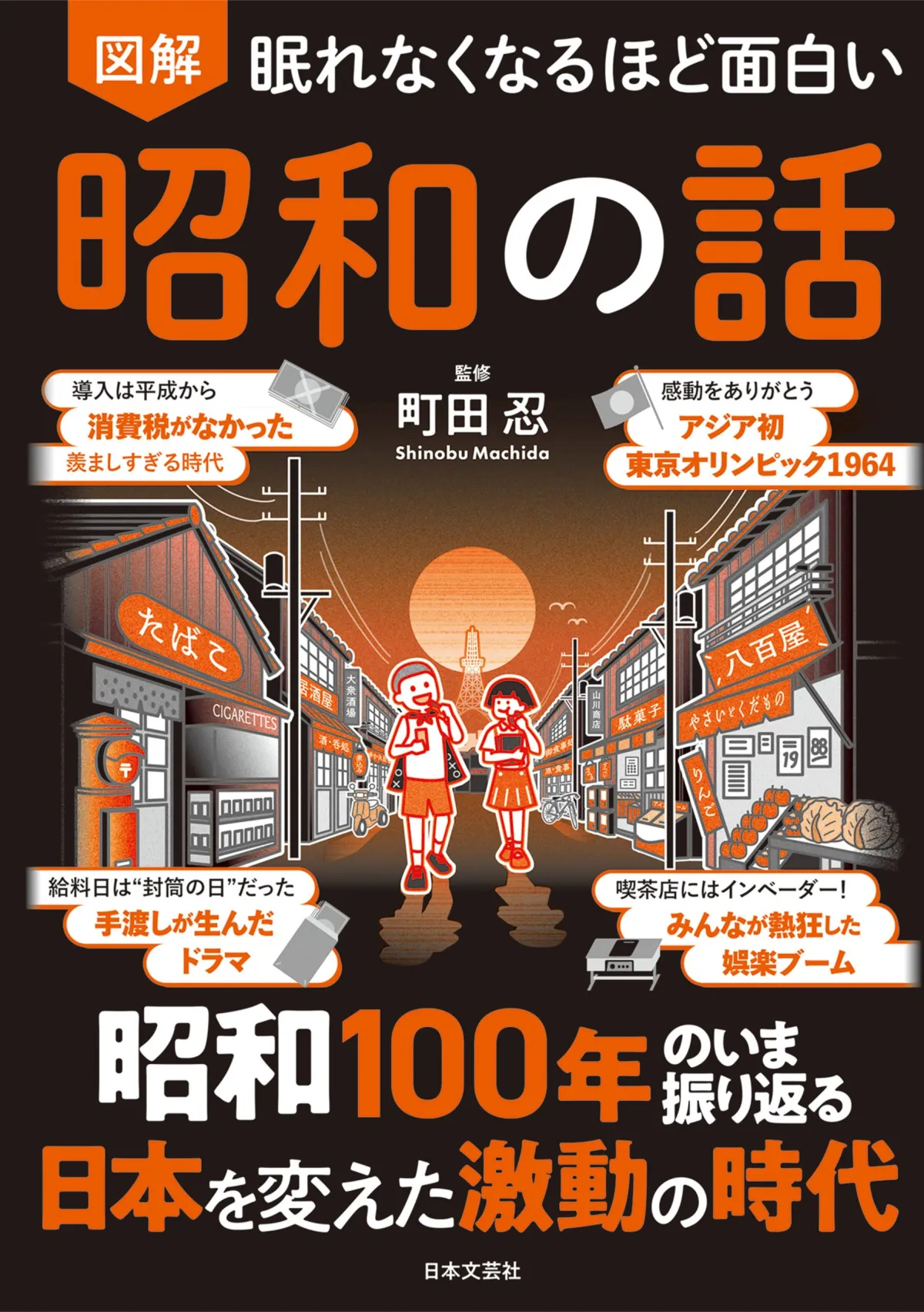
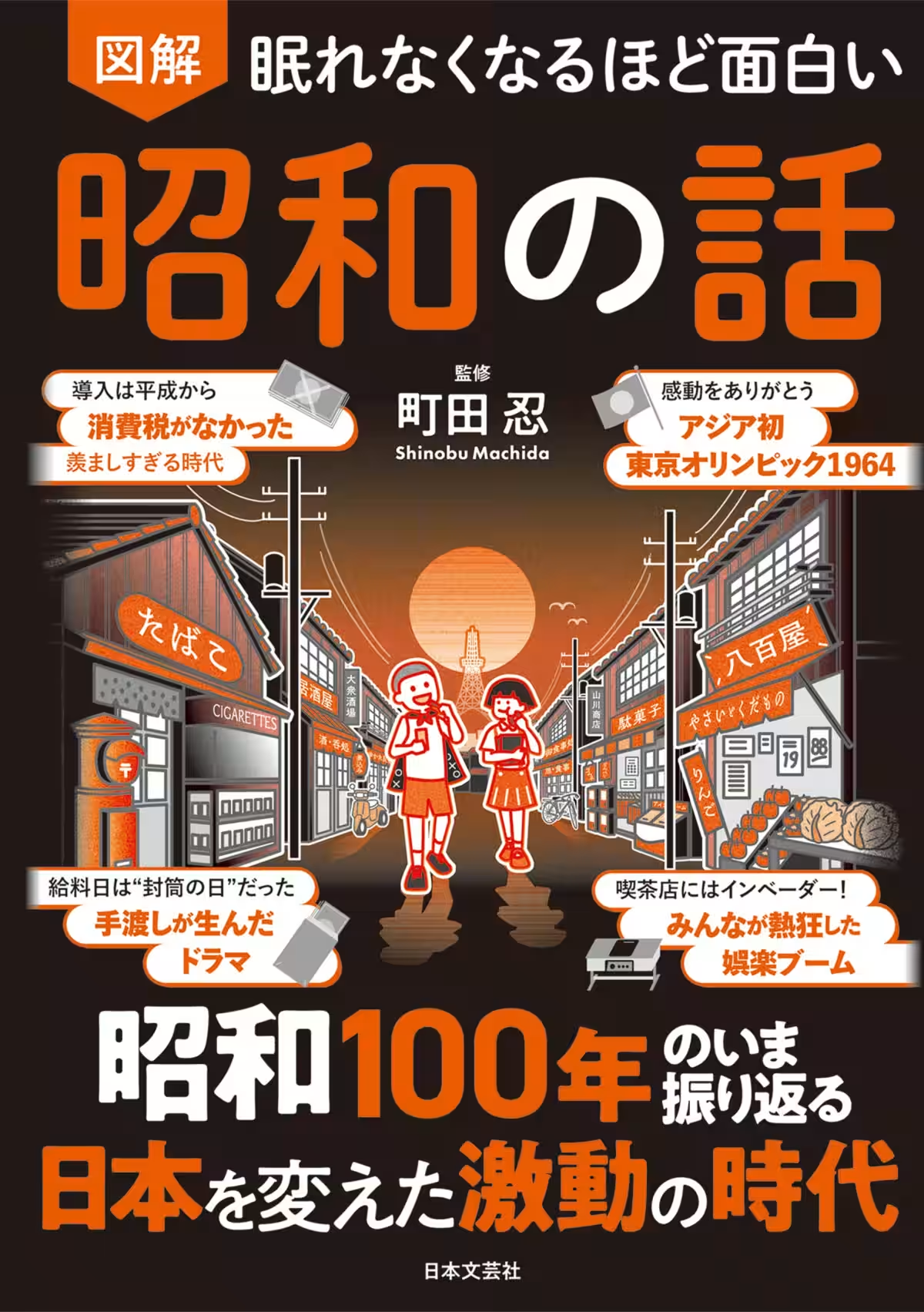
As we approach the centenary of the Showa Era in 2025, interest in this remarkable time period is surging. Spanning from 1926 to 1989, Showa encapsulates a transformative era in Japanese history, where many would fondly recall its unique culture and shared experiences. The upcoming book, "眠れなくなるほど面白い 図解 昭和の話" (translated as "So Interesting You Can't Sleep: Illustrated Stories from Showa"), is set to hit the shelves on November 27, 2025, offering both nostalgic memories for those who lived through it and surprising revelations for younger generations.
A Dive into the Showa Era
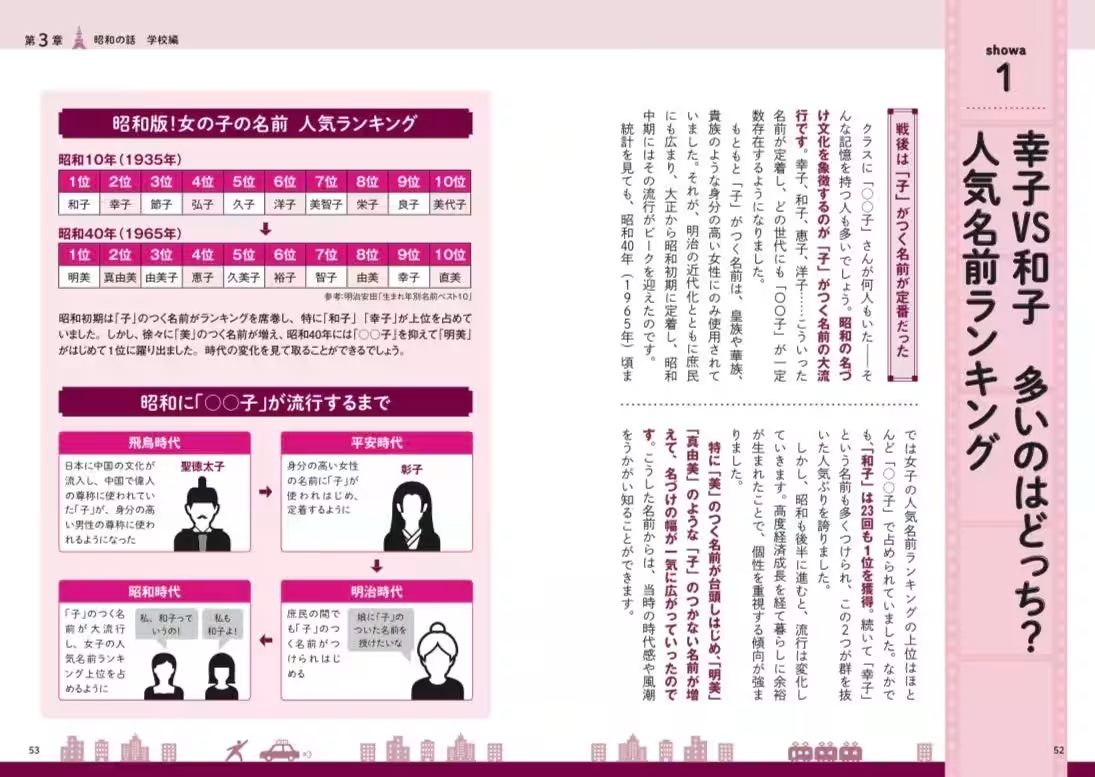
This captivating work is curated by Shinobu Machida, a leading authority in the study of popular culture. It presents an array of delightful anecdotes, some so far removed from modern sensibilities that they might seem unbelievable today. The book employs engaging illustrations alongside a wealth of archival photographs that breathe life into the stories, making them accessible and enjoyable for readers of all ages.
Here, readers will find a collection of topics carefully selected to reflect the essence of the Showa period. From the unusual smoking norms where hospitals and cinemas remained smoke-filled, to the explosive idol craze that saw every girl copying the same hairstyle, this book illuminates the quirks and marvels of a bygone era.
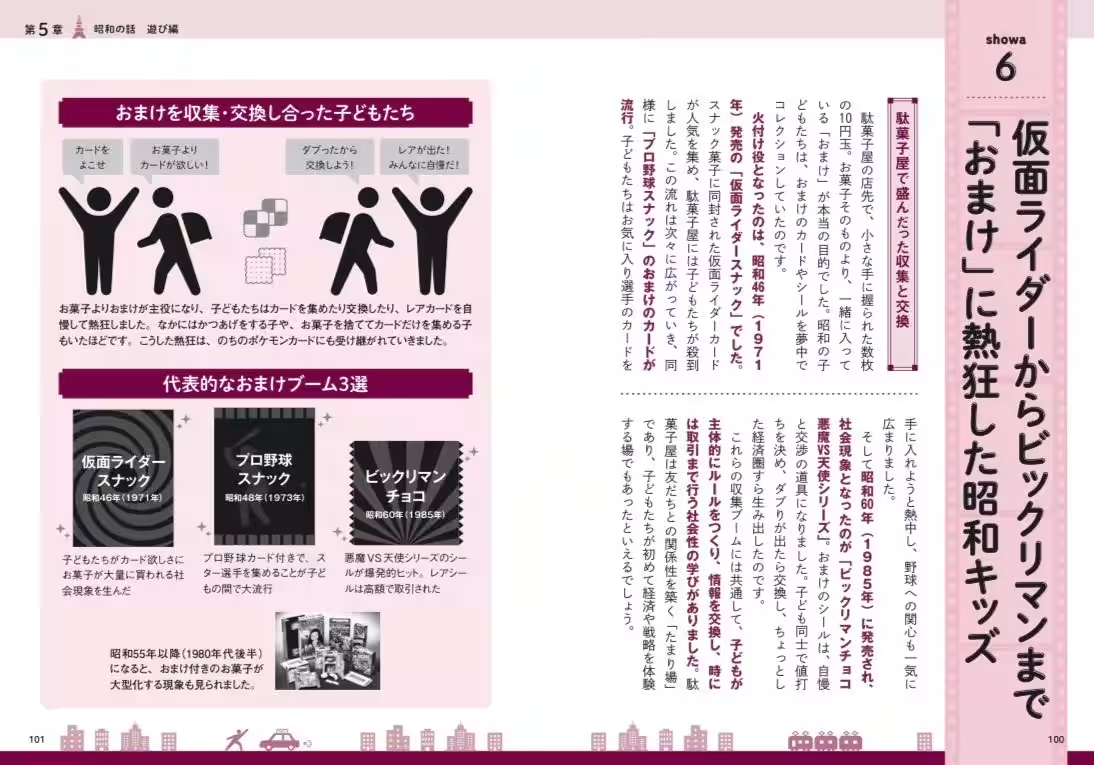
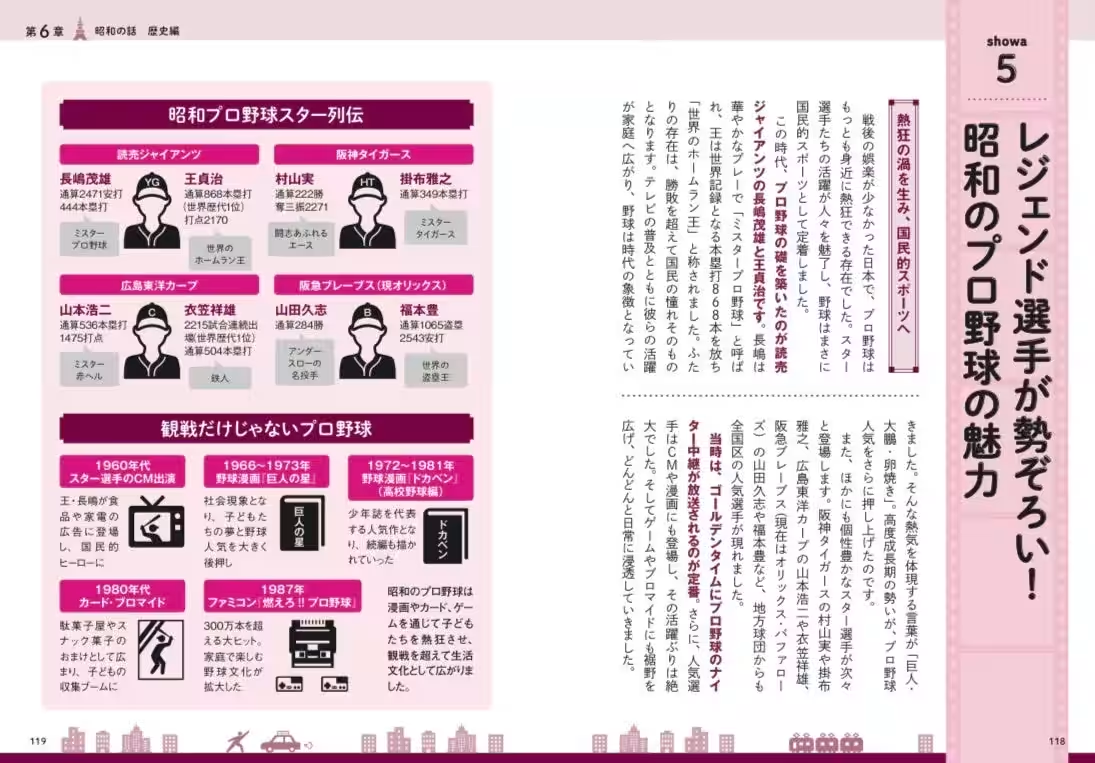
In a time before consumption tax was introduced, one can reflect on the day-to-day experiences that are unthinkable in today's society—like buying candy and a manga magazine for just 200 yen. Boys would dominate conversations with sports, idolizing figures like Bash, Kakefu, and Okada of the professional baseball scene.
A Unique Cultural Lens
The book presents peculiar practices of the time, such as the belief that household appliances could be fixed by simply hitting them, a practice endearingly known as 'household appliance abuse.' Broadcast standards were also remarkably lenient, with content that might raise eyebrows now—but still formed a cherished part of the entertainment landscape.
Managing the nostalgia, the book also features whimsical activities from the time, like the 'height measurement' that would unveil unfortunate truths about one’s physique. No childhood was complete without the thrilling swings and excruciatingly dangerous playground equipment that was the norm.
Among the standout events captured in the narratives is the Tokyo Olympics of 1964—the first ever in Asia—that inspired a sense of pride and togetherness across the nation. The book serves as a conversation starter, connecting generations and reminding us of the cultural evolution that has occurred since.
Profile of the Curator
Shinobu Machida, born in 1950 in Tokyo's Meguro district, developed a fascination for popular culture while pursuing studies in the humanities at Wako University. With a diverse career that transitioned through law enforcement to cultural research, Machida’s expertise is evident in the meticulous research presented in this book. His collection of packaging labels includes over 2000 items, illustrating his passion for everyday objects and their cultural significance. Readers can look forward to his various notable works, showcasing the essence of Japanese culture.
About the Publisher
Published by Nihon Bungeisha, this book is part of an ongoing exploration of cultural narratives. Established in 1959, the company has earned a reputation for producing engaging content that resonates with the public. The book, which features 128 pages of rich content, will retail for 1,089 yen, bringing the historical and cultural gems of the Showa period to contemporary audiences.
The combination of engaging narrative and visual artistry makes this book an essential read for anyone interested in Japan's rich past, whether you're a lifelong admirer of the Showa era or discovering it anew.
Topics People & Culture)




【About Using Articles】
You can freely use the title and article content by linking to the page where the article is posted.
※ Images cannot be used.
【About Links】
Links are free to use.