



The Changing Landscape of Work: What Remote Work Has Brought Us in 2025
The Changing Landscape of Work
In recent years, the way we work has undergone a significant transformation, and the COVID-19 pandemic has accelerated this change. Remote work, once considered a rare privilege, has now become a common practice embraced by many companies and employees. A recent survey conducted by LASSIC, a company promoting ‘location-independent work,’ sheds light on how remote work has not only altered our working patterns but also reshaped our everyday lives.
The Impact of Remote Work on Daily Life
LASSIC's web media, the Telework and Remote Work Comprehensive Research Institute, surveyed 1,005 individuals aged 20 to 65 nationwide to understand the changes brought about by remote work. The results indicated a notable shift in various aspects of daily life. Most importantly, respondents highlighted an increase in ‘free time’ as the number one positive change due to remote work.
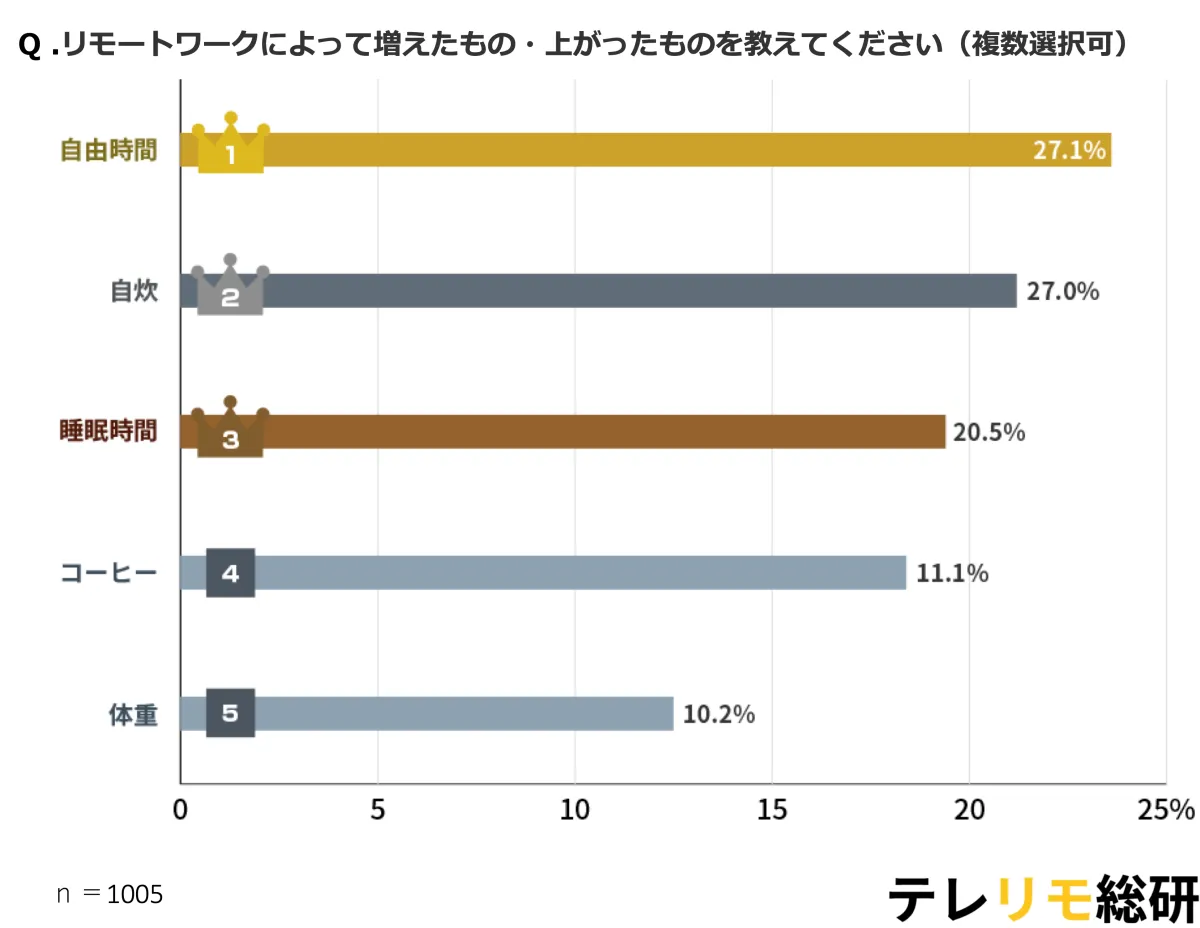
Here are the results from the survey question, “What has increased or improved due to remote work?”:
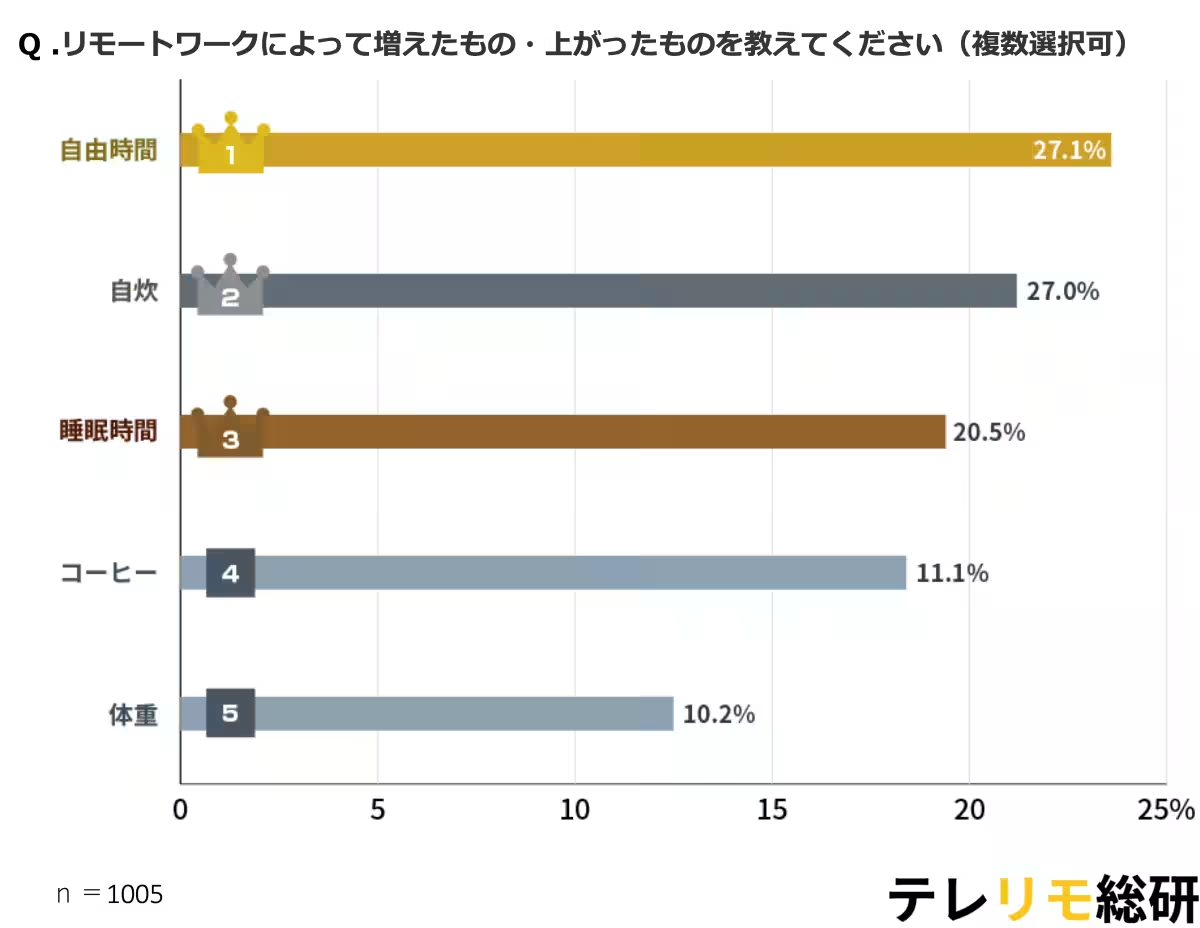
1. Free Time: 27.1%
2. Home Cooking: 27.0%
3. Sleep Time: 20.5%
4. Coffee Consumption: 11.1%
5. Weight Gain: 10.2%
The substantial increase in free time suggests that eliminating the daily commute allows individuals to allocate more time for hobbies, personal development, socializing with family, and other enriching activities. Work-from-home settings often provide a conducive environment for personal interests, making it easier to indulge in leisure activities.
The rise in home cooking is likely attributed to reduced dining out, particularly in residential areas where fewer lunch options are available compared to business districts. Additionally, without the pressures of commuting, many have reported gaining more sleep, creating opportunities to take short naps during breaks at home. These lifestyle adjustments suggest that remote work fosters healthier daily habits and routines.
Differences in Responses: Men vs. Women
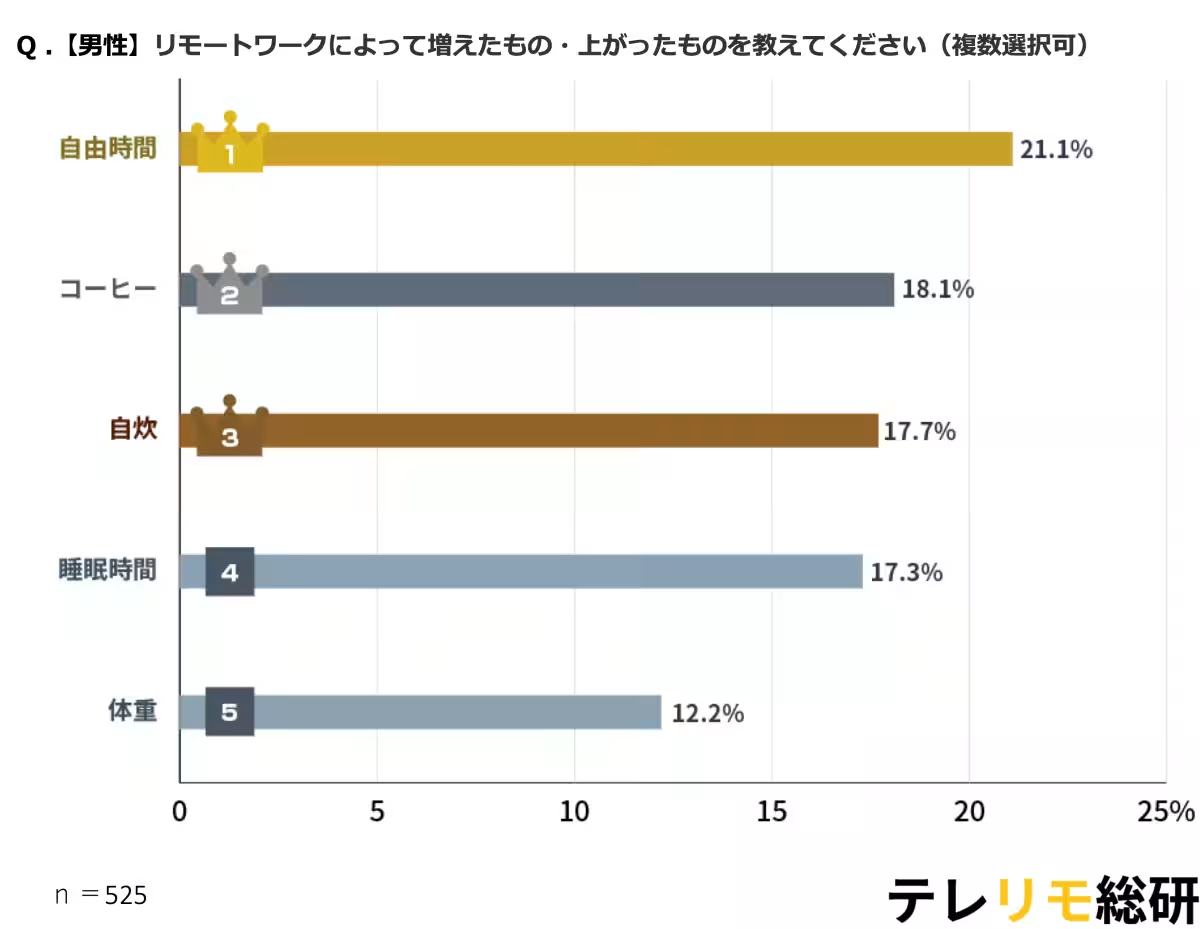
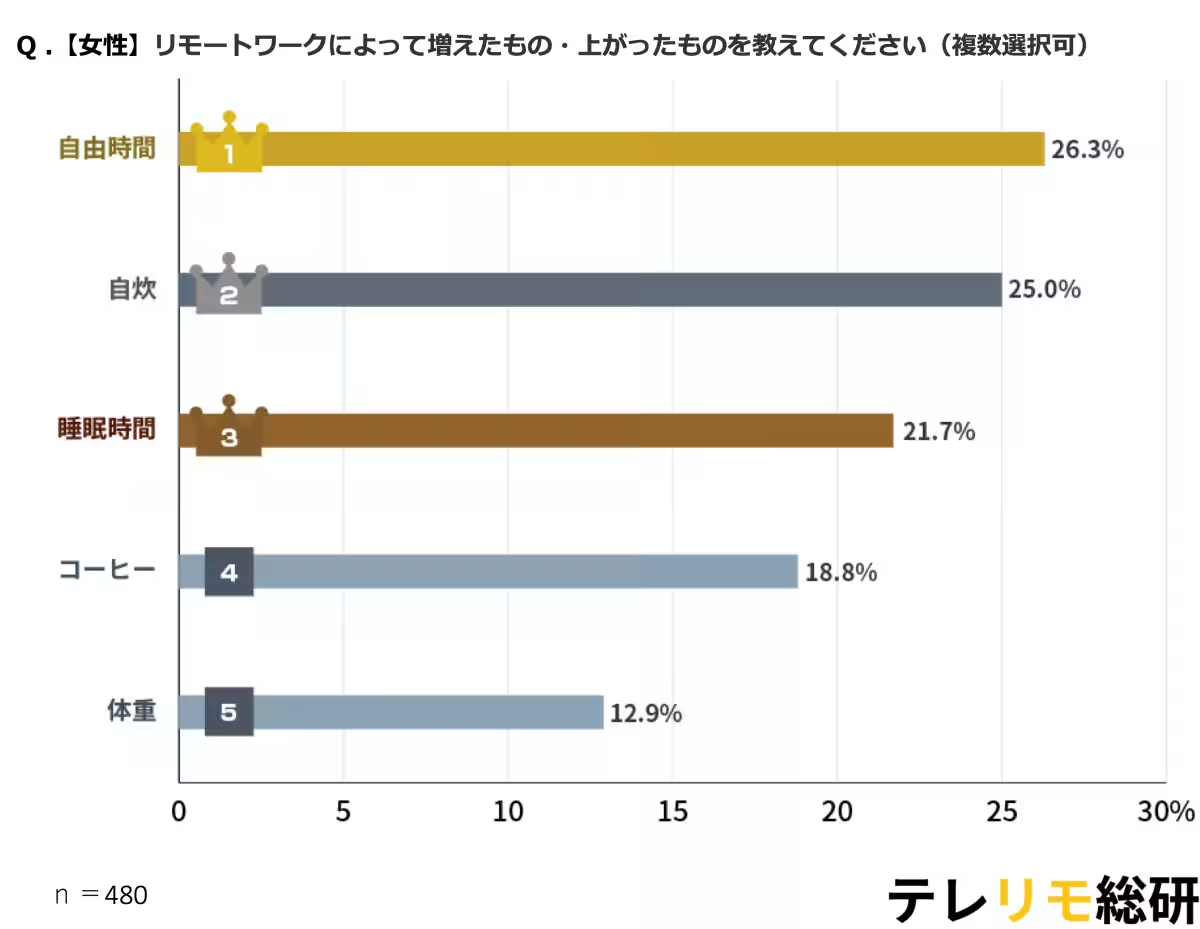
The survey also revealed interesting distinctions between men and women regarding what has increased in their lives due to remote work. While both genders noted an increase in free time, women reported a higher percentage enjoying this newfound freedom. This may reflect the struggles many women face, particularly those balancing work and home responsibilities, leading to a positive shift in work-life balance.
Conversely, coffee consumption ranked higher among men, indicating a greater need for mental breaks and maintaining focus. This pattern might illustrate different coping mechanisms and preferences in self-care during remote working hours.
Interestingly, both genders observed an increase in weight due to sedentary lifestyles associated with working from home. As the study indicates, a growing concern exists regarding the health implications of remote work; many individuals desire a hybrid work model to maintain physical activity and health.
The Broader Implications of Remote Work
The results from this survey emphasize that remote work is not only reshaping job structures but also significantly influencing our overall lifestyle and health situations. The increase in free time encourages engagement in hobbies, learning opportunities, and family bonding, fostering a healthier and more balanced lifestyle.
On the flip side, the concern of weight gain highlights the importance of addressing health challenges that accompany working from home. A holistic approach to remote work should encompass strategies for promoting physical activity and healthy eating to ensure that the benefits do not taper off into negative health outcomes.
In conclusion, LASSIC’s Telework Research Institute offers valuable insights into the changes brought about by remote work. By recognizing these transformations, we can aim for a future where remote work not only enhances our professional options but also enriches our personal lives. The findings serve as a reminder to prioritize health and well-being in our evolving work environment.
For more details on our ongoing research and insights into remote work, visit the Telework Research Institute.


Topics People & Culture)


【About Using Articles】
You can freely use the title and article content by linking to the page where the article is posted.
※ Images cannot be used.
【About Links】
Links are free to use.