



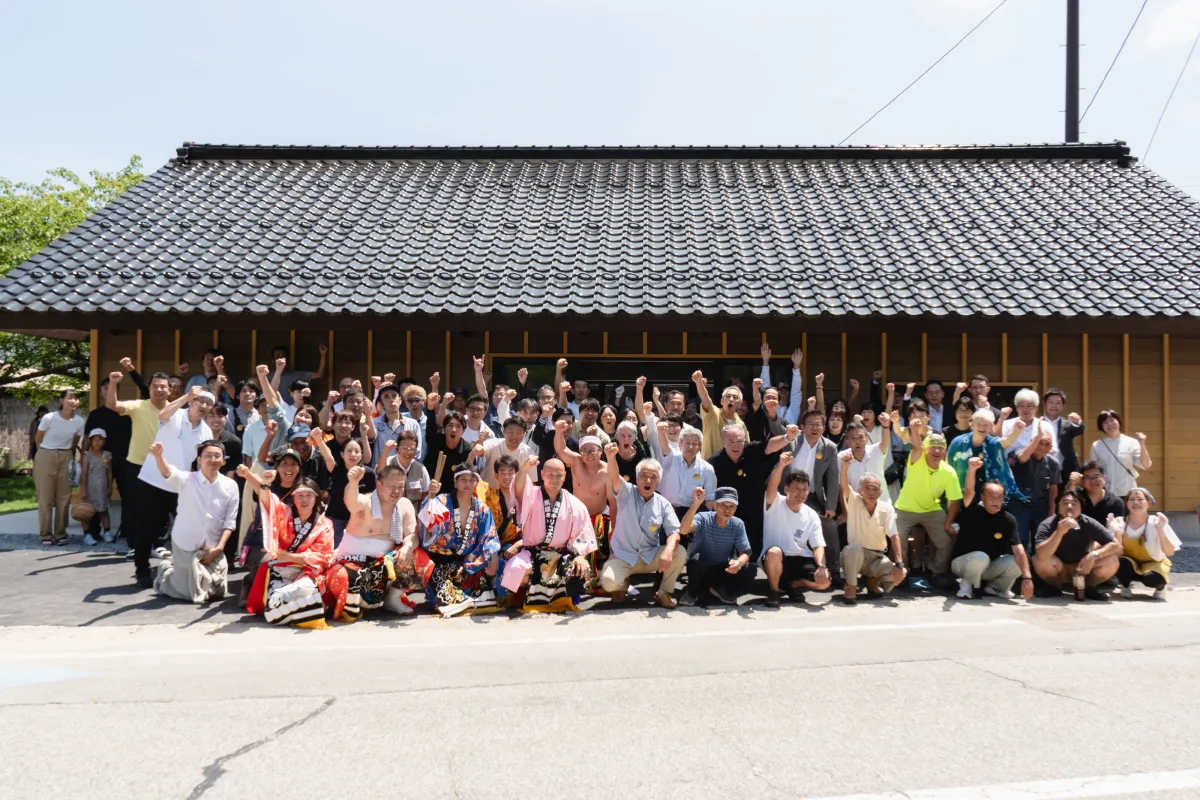
The First Community Center 'Noto's Minna no Ie' Opens in Noto Peninsula
The First Community Center 'Noto's Minna no Ie' Opens in Noto Peninsula
In a remarkable development for the Noto Peninsula, the inaugural community center known as 'Minna no Ie' has officially opened in the coastal town of Norokoshi, Suzu City. Surrounded by the historical Rokko Lighthouse, this small town, with its history of welcoming new residents, has undergone significant transformation after various natural disasters, especially in the aftermath of the earthquakes.
Since the earthquake in 2021, local community members have actively engaged in discussions about their future, emphasizing the importance of nurturing local culture and community spirit. The opening of 'Norokoshi Minna no Ie' on July 2025 has marked a pivotal moment in community development in the region. Spearheaded by the NPO 'Oku-Noto Hioki Rai', and designed by the architectural firm Klein Daisam Architects, the project has gained substantial support from numerous businesses, combining modern architecture with local traditions. The center aims to serve as a venue for communal meals, events, and traditional festivals, fostering interaction and rebuilding efforts across the town.
What is 'Minna no Ie'?
This initiative, 'Minna no Ie', was born in response to the Great East Japan Earthquake in 2011, with the mission of creating spaces that promote community well-being in disaster-affected areas. 'HOME-FOR-ALL', led by the architect Toyo Ito, has launched a comprehensive plan to build six community centers in the Oku-Noto region, particularly in Suzu and Wajima, where ongoing collaborations with local operation groups and design offices are laying the groundwork for construction and management. Out of the six proposed centers, five have been selected for funding through the Japan Foundation's 'Rest Area' project, receiving assistance from various companies regarding equipment and furniture.
Features of 'Norokoshi Minna no Ie'
The 'Norokoshi Minna no Ie' embodies several integral features that highlight local culture and community resilience:
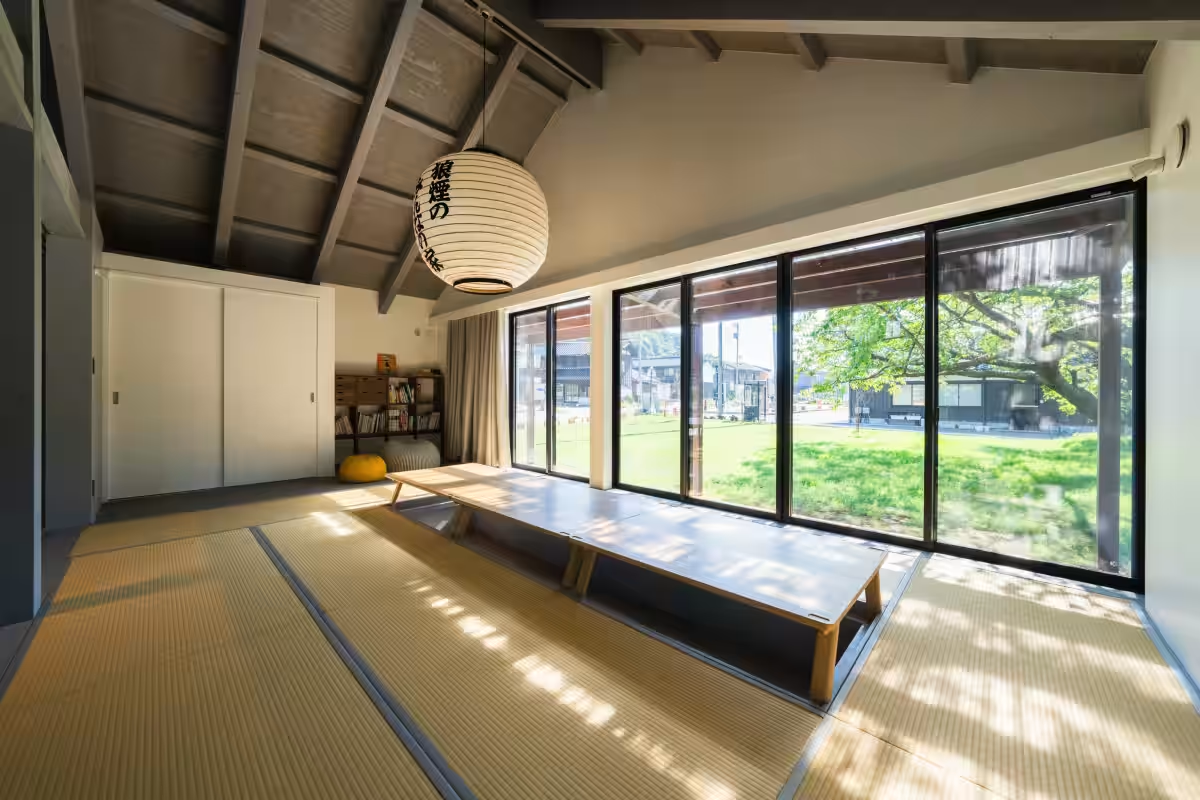
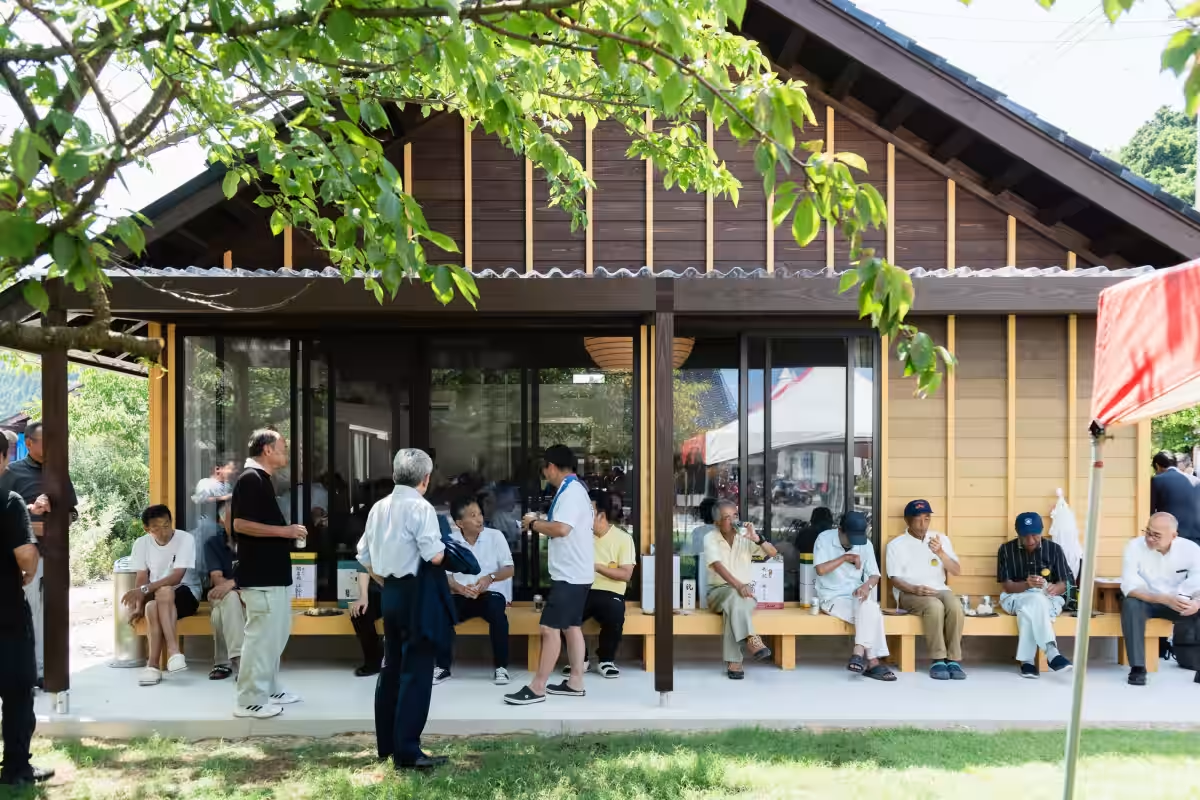
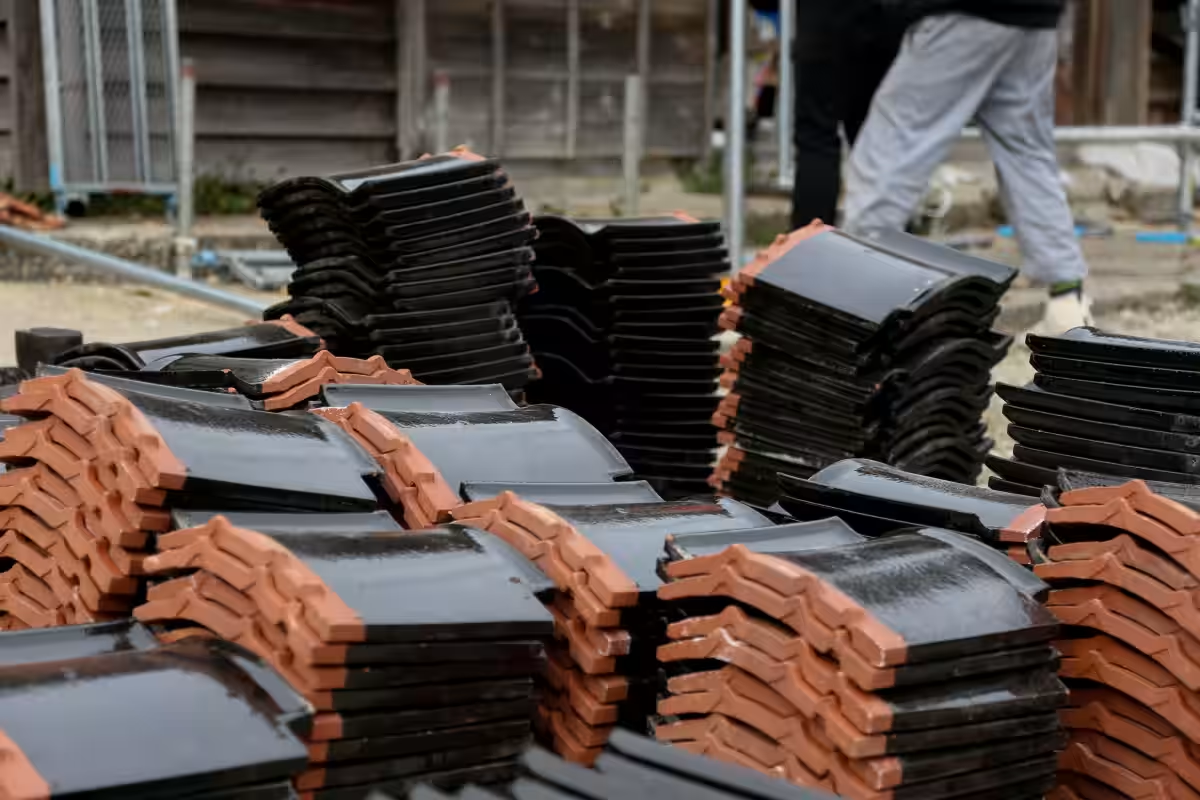
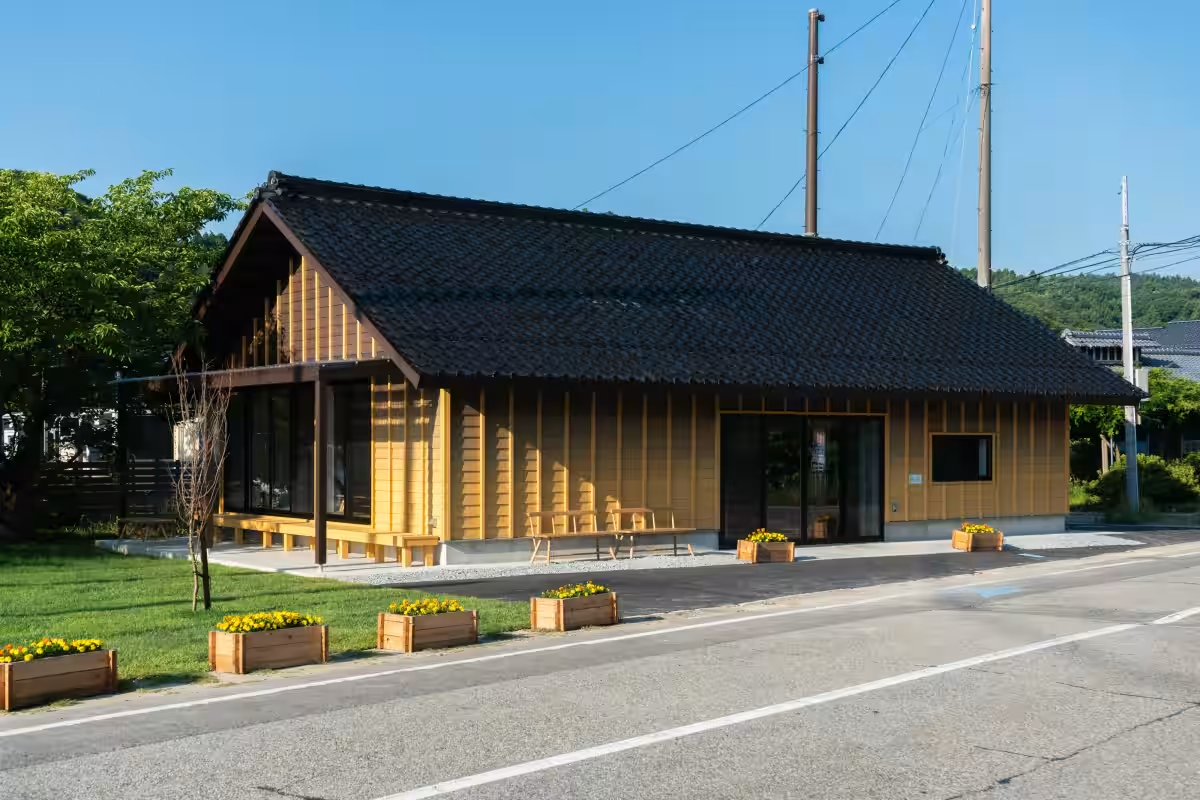
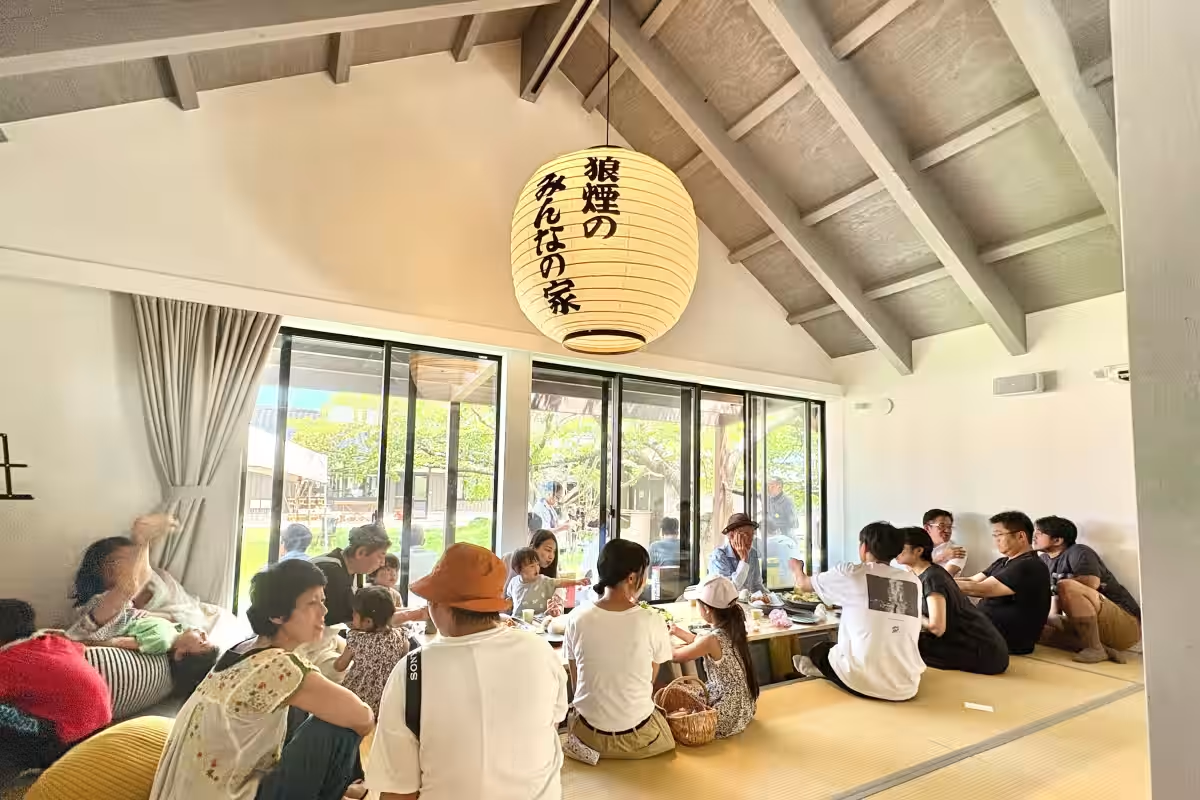
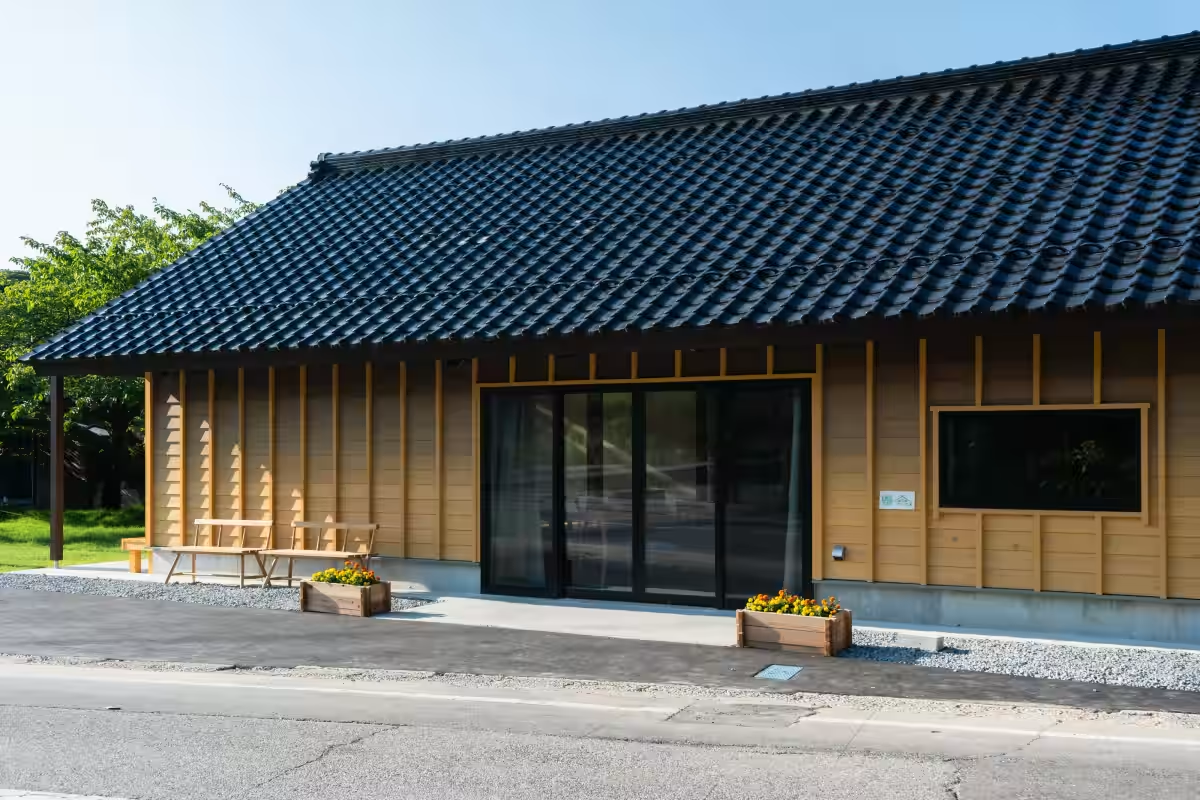
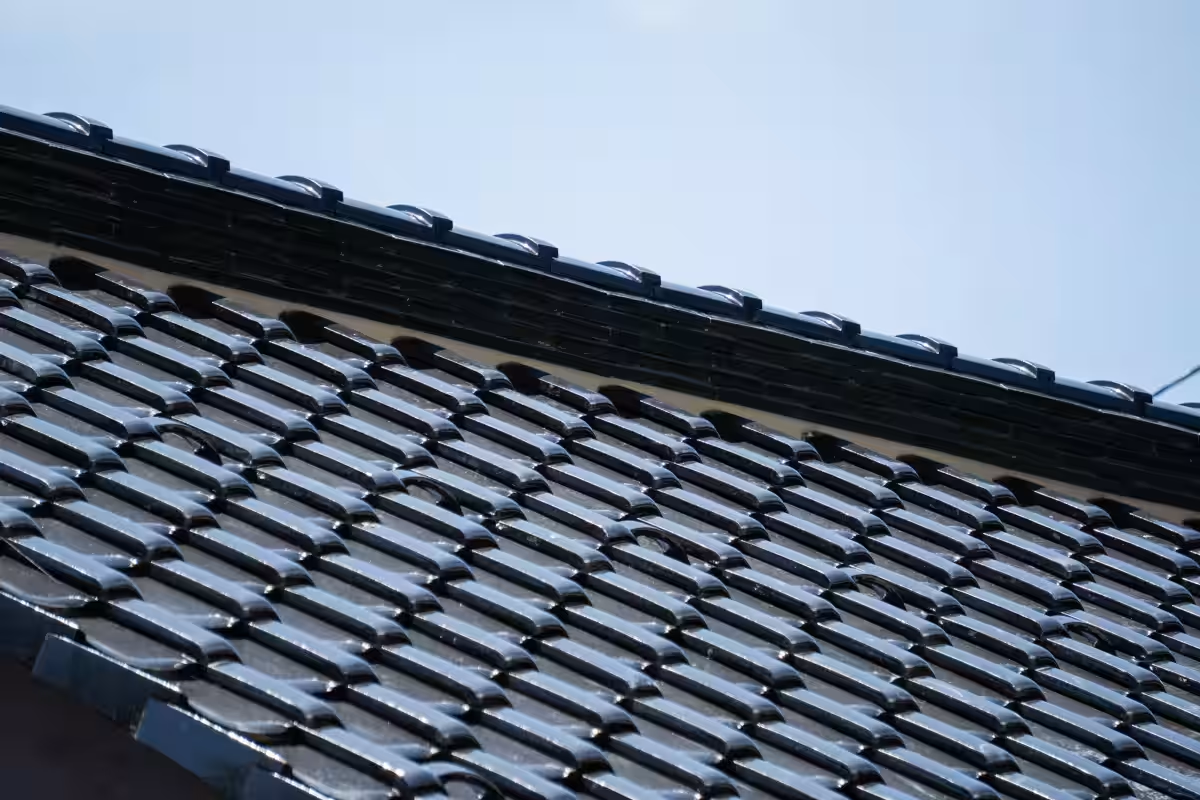
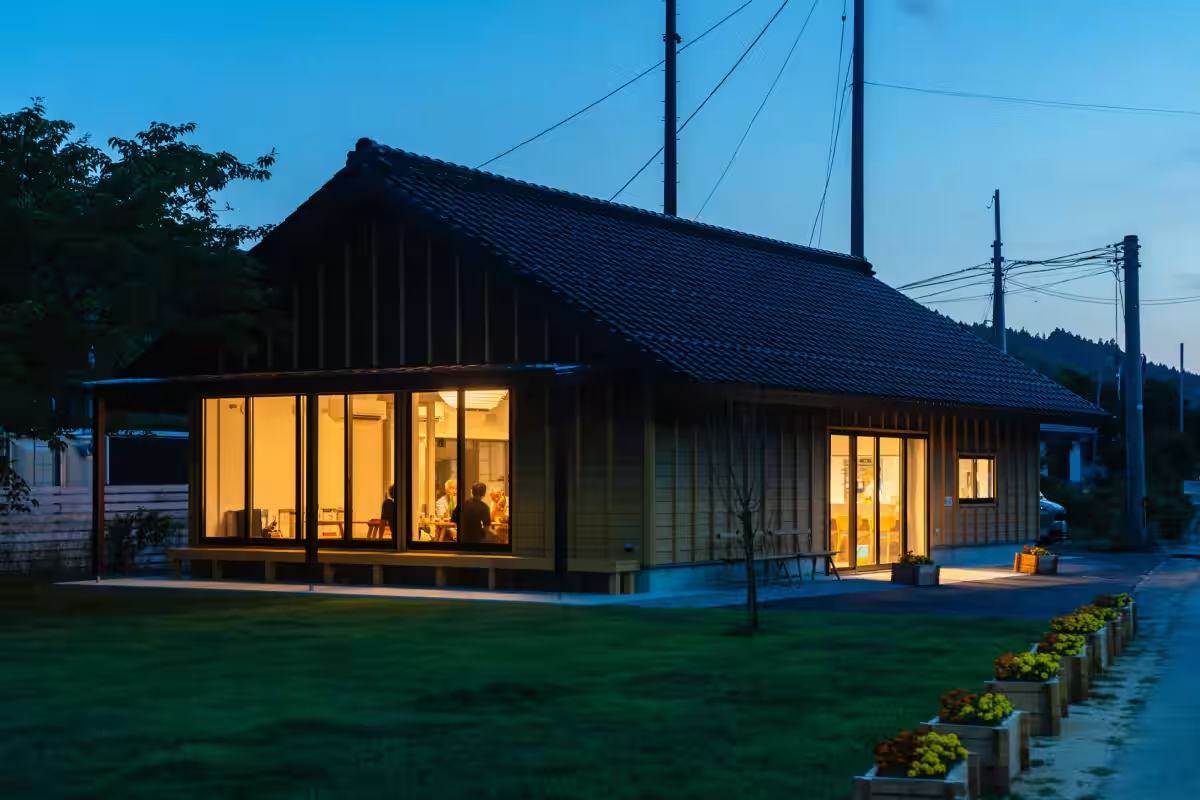
1. Cultural Preservation: The center reuses traditional black tiles and features a wooden facade to maintain the character of Noto, along with traditional Noto lanterns.
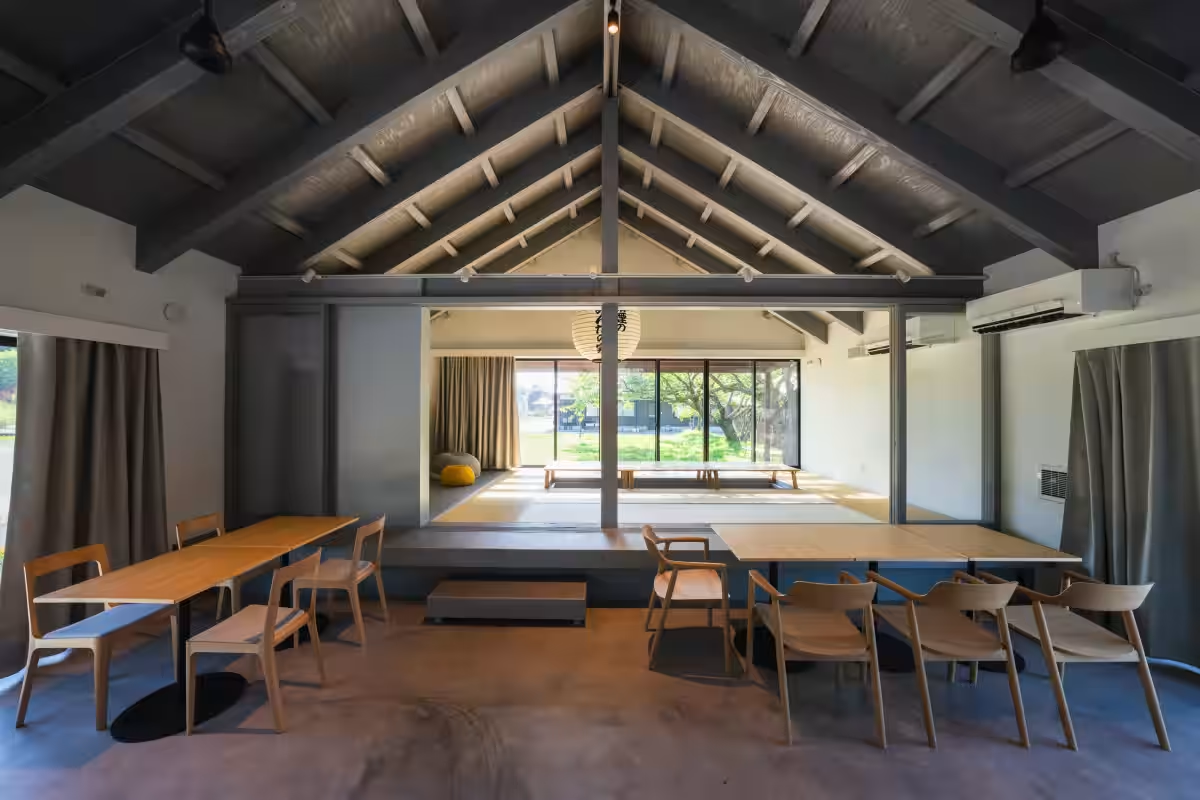
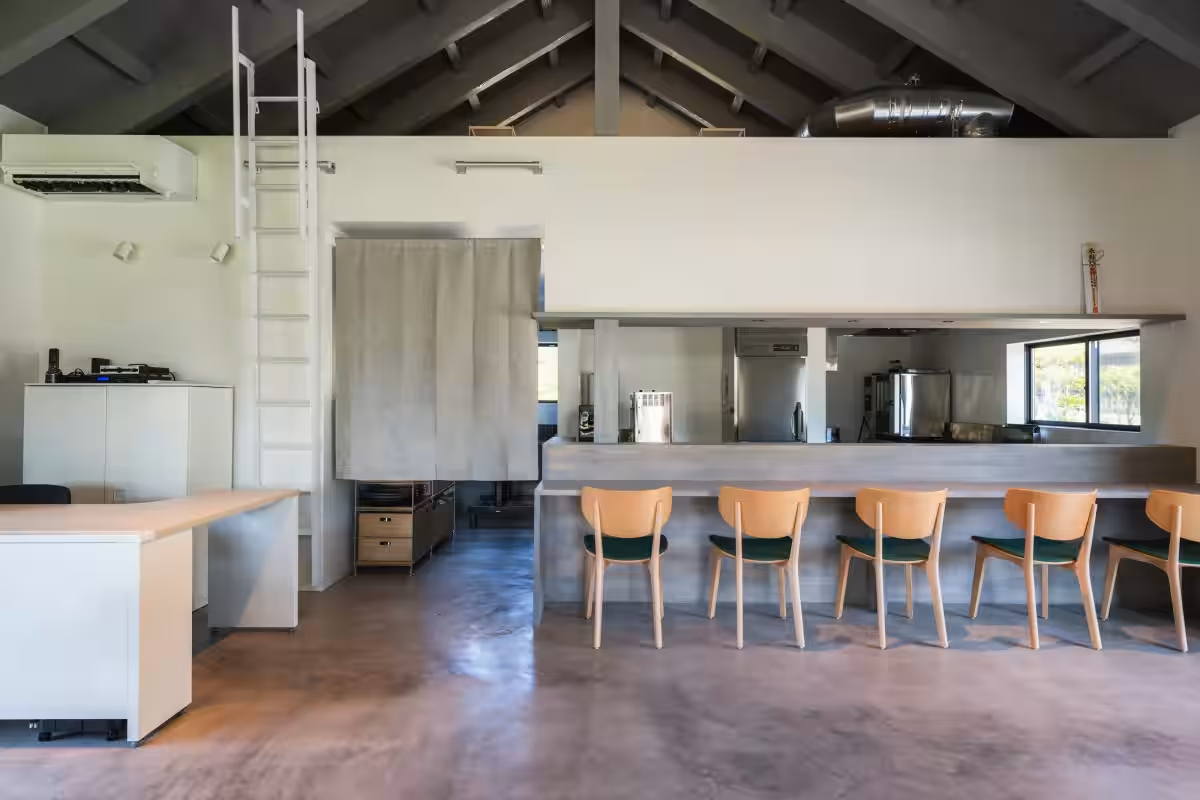
2. Community Gathering Space: Equipped with a kitchen for dining and an izakaya, as well as a kid-friendly space, it aims to serve as a hub for community interaction.
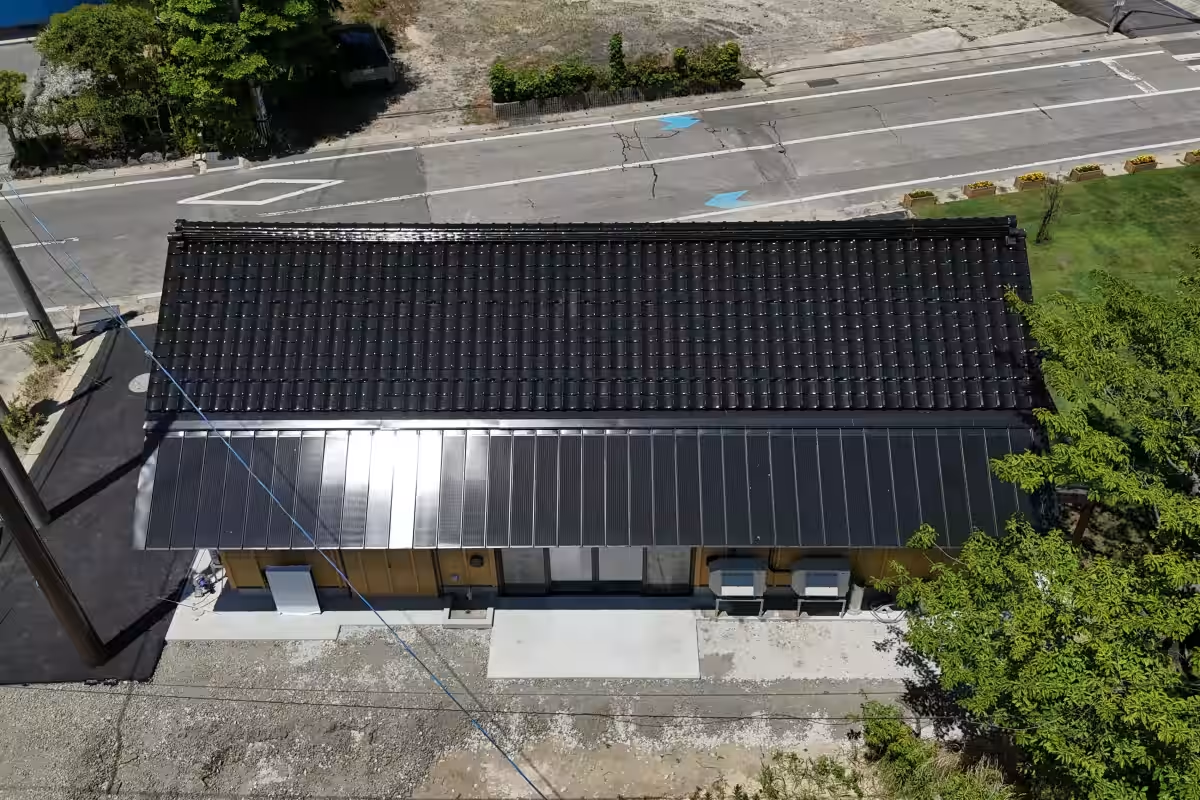
3. Disaster Resilience: With solar panels, water purification systems, and a storage area for disaster supplies, the center doubles as an emergency preparedness hub.
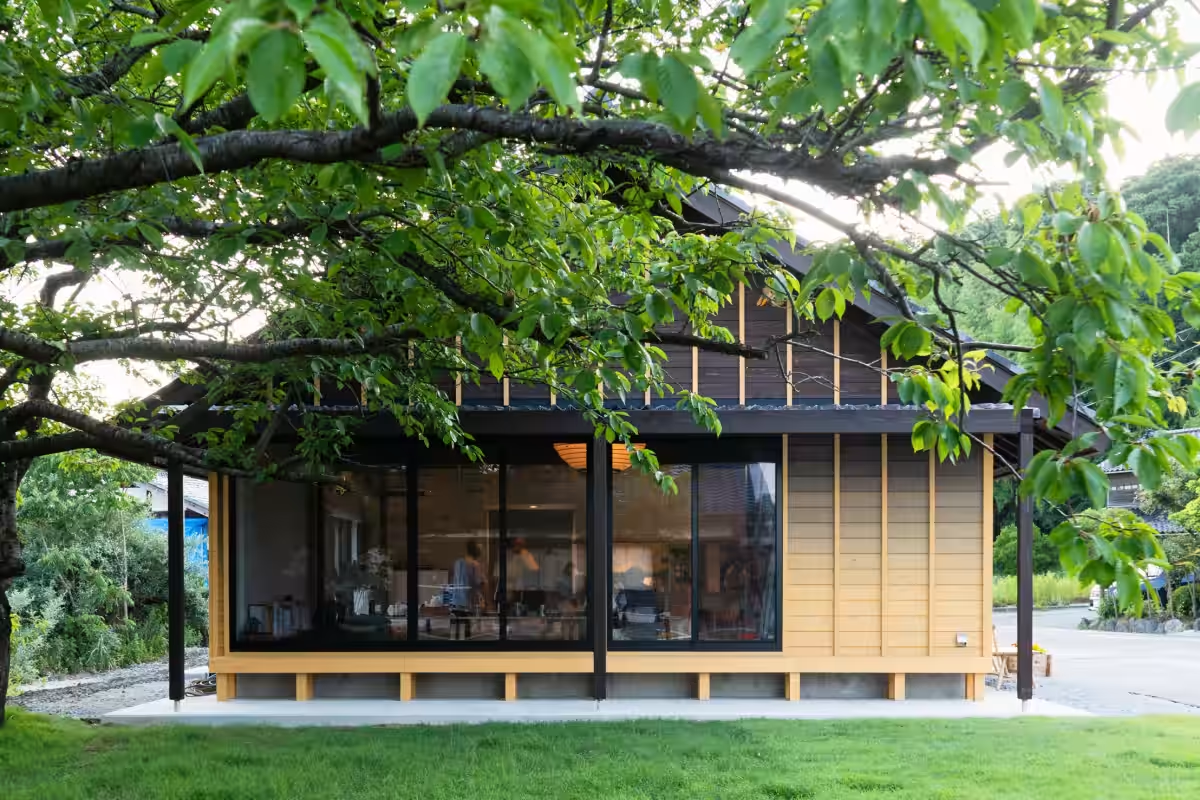
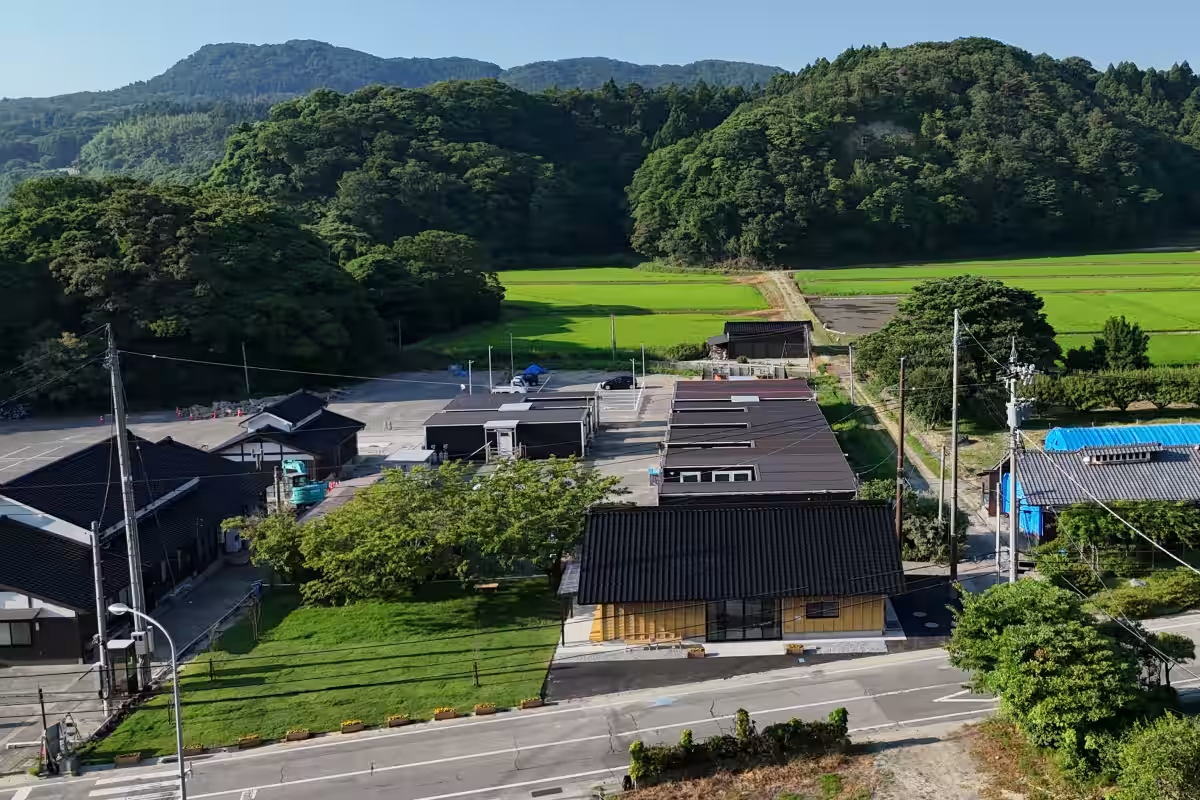
The exterior showcases a wooden cladding that resonates with the region's architectural style. A serene entrance opens up to a garden adorned with cherry blossom trees, creating a space for relaxation and interaction among visitors. Inside, traditional tatami mats line rooms where donated furniture enhances a homely atmosphere, and the unique rooftop integrates monochrome solar panels, complementing the local aesthetics.
Grand Opening Ceremony Highlights
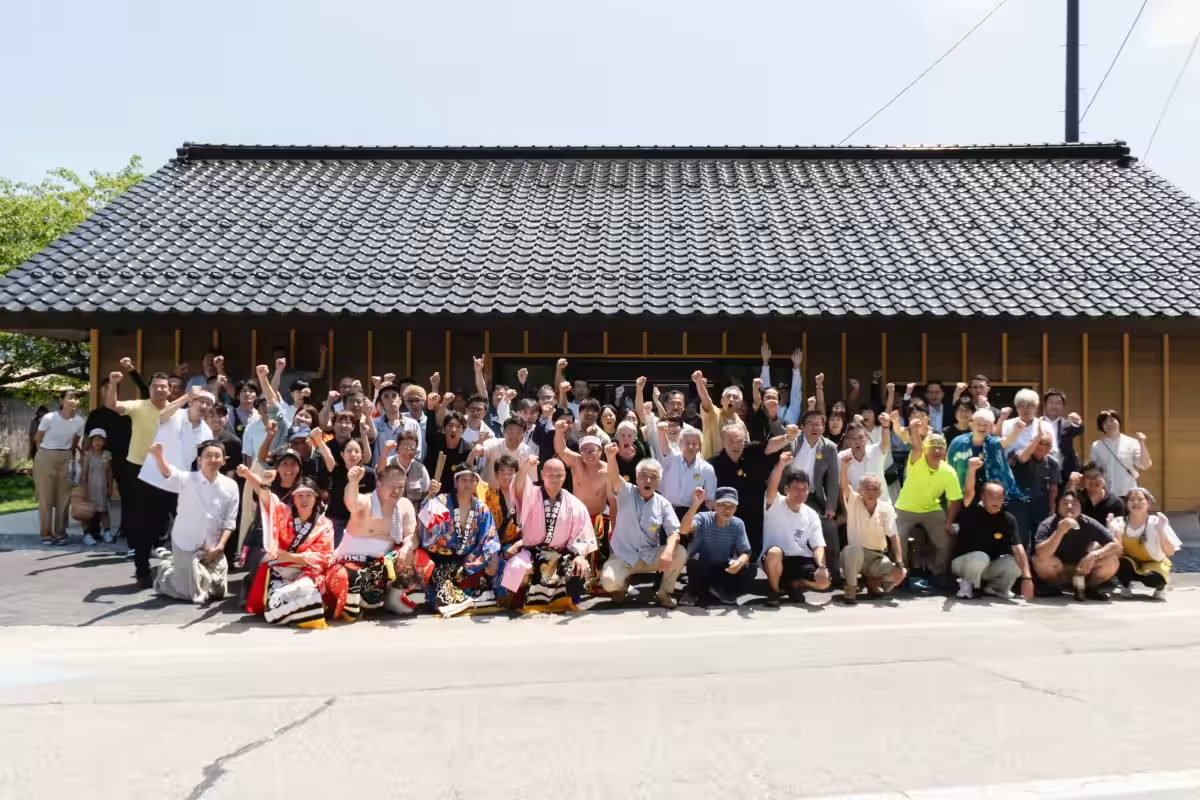
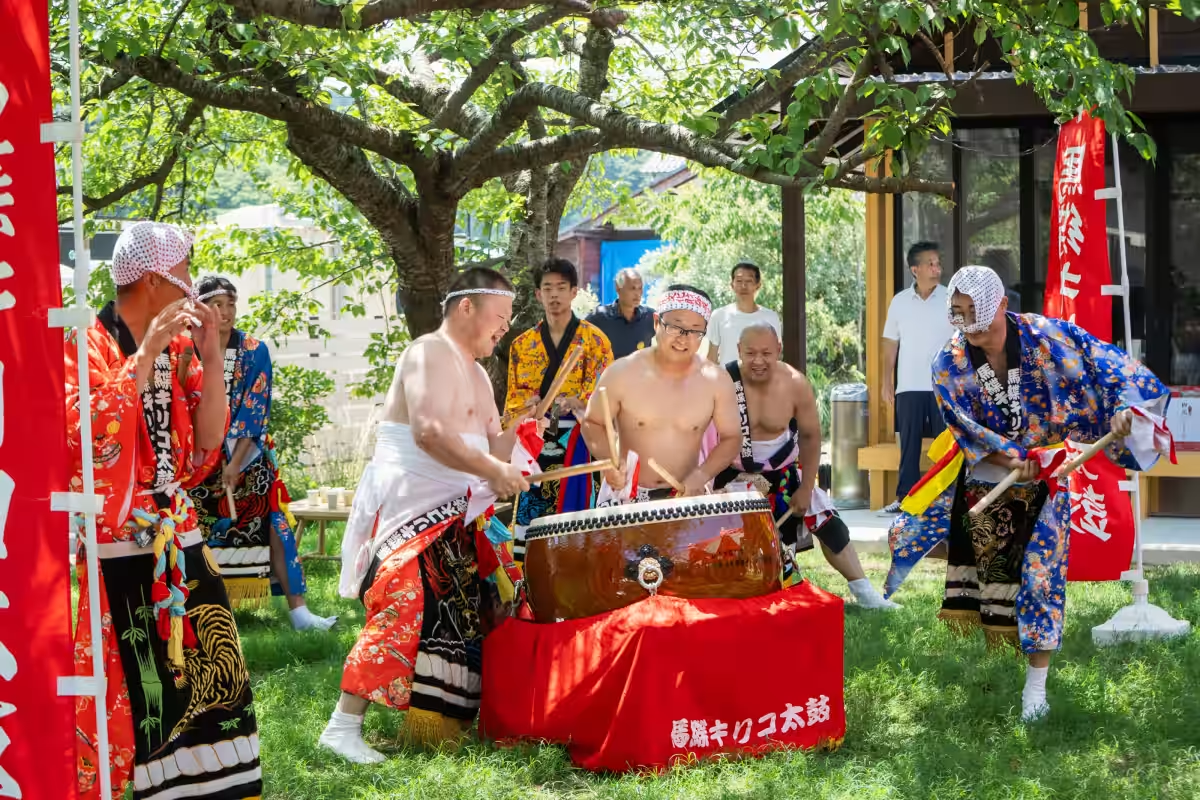
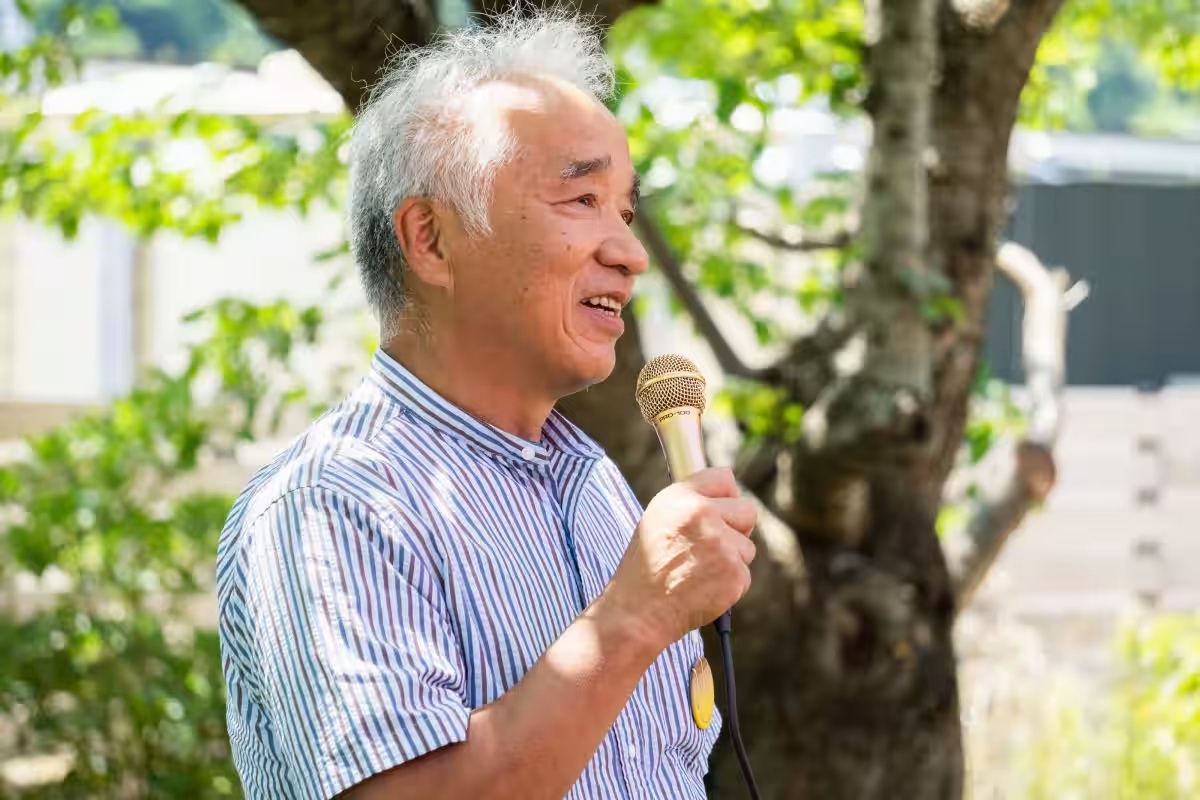
On July 13, 2025, the grand opening ceremony brought together community members, stakeholders, and designers to celebrate this new chapter for Norokoshi. The event featured speeches from local dignitaries, including the Vice Governor of Ishikawa Prefecture and the Mayor of Suzu City. A traditional performance by the 'Baku Kiriko Taiko' followed, which delighted guests and participants alike. In addition, the 'First Community Meal' was shared, showcasing local culinary delights prepared by the residents themselves.
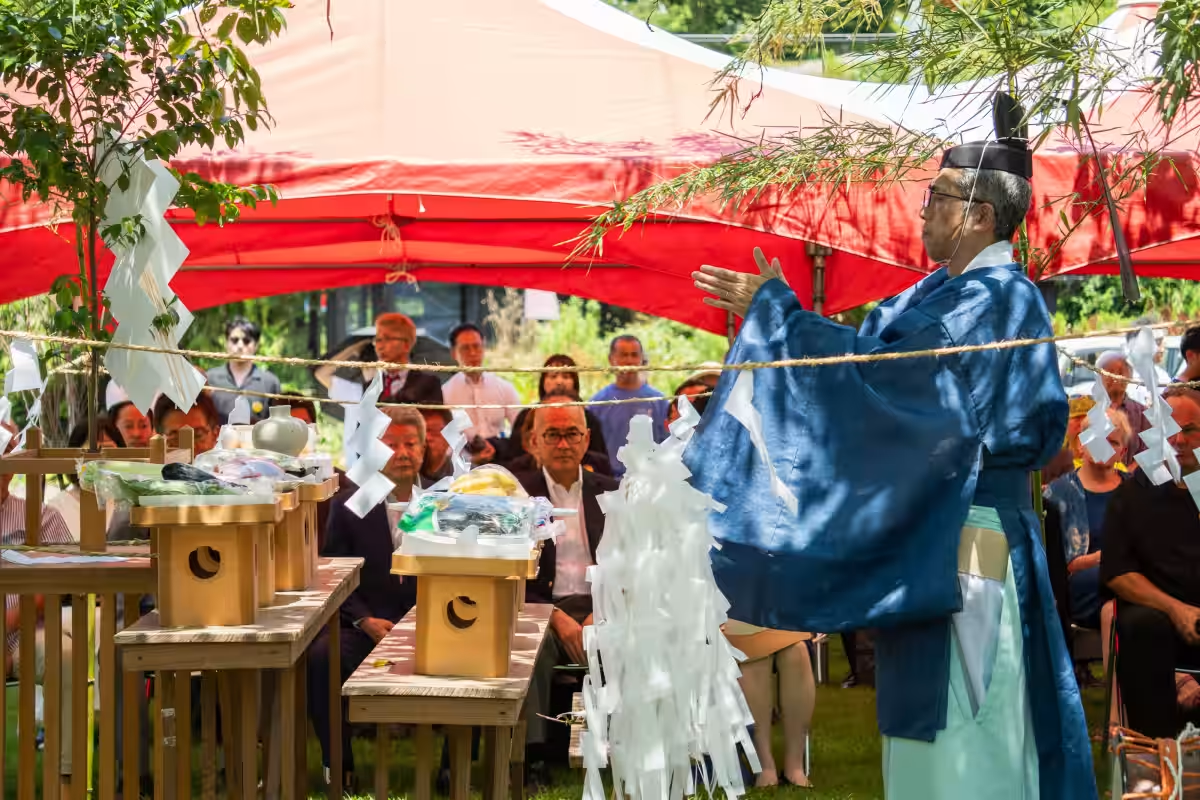
The ceremony was marked by a spiritual blessing conducted by the representative of the NPO 'Oku-Noto Hioki Rai', Toshiro Itoya, signifying the community's commitment to fostering resilience and hope for the future.
Tile Rescue Initiatives
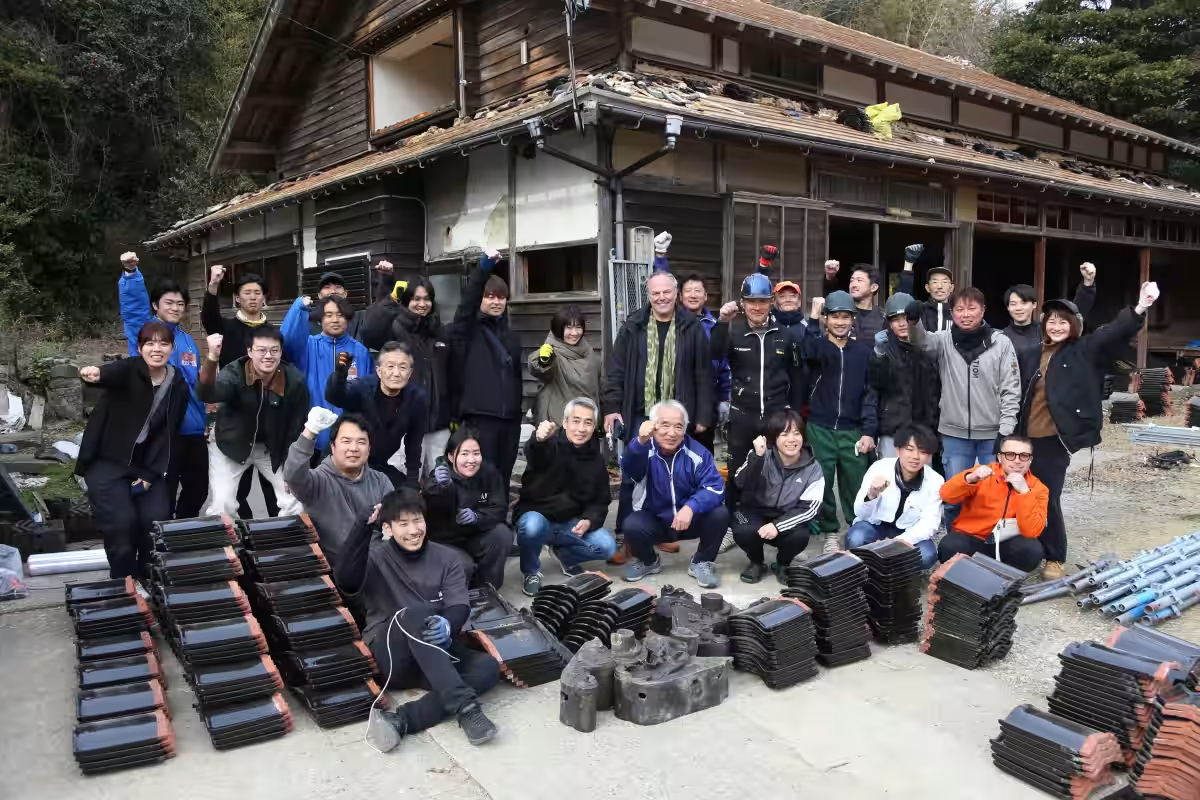
In a proactive effort to practice sustainability, the 'Tile Bank', a local organization, collaborated with the community to rescue approximately 7,000 tiles from damaged structures in Noto. Out of these, around 3,000 tiles have found new life as a key material in constructing the 'Norokoshi Minna no Ie', integrating a piece of history into this new community space.
The community came together to collect and repurpose these tiles, reinforcing local identity and collaboration.
Basic Information
'Norokoshi Minna no Ie' Address: Te 13-1, Norokoshi Town, Suzu City, Ishikawa Prefecture (adjacent to 'Michi no Eki Norokoshi')
Structure: Single-story wooden building
Floor Area: 119.25 m²
Credits and Support List
Planning: HOME-FOR-ALL
Operating Entity: Oku-Noto Hioki Rai
Financial Support: Japan Foundation
Design: Klein Daisam Architects
Construction: Iemoto
Sponsors: Ishikawa Prefecture Satoyama Promotion Office, Ishikawa Plastic Industry, Interoffice, Okamura, Karimoku Furniture, Kawashima Textile Co. Ltd, Kyowa Road, Green Coop, Children's Future Support Foundation, Daiko Electric
Collaborators: Kamei Lanterns, Tile Bank, Senko Group Holdings, NTT DoCoMo Business, Hori Tile Industry, Monochrome, Ryohin Keikaku, VAN (Voluntary Architects Network)
Photography: Saka Matsuda (excluding parts)
For inquiries regarding this project, please contact the NPO 'HOME-FOR-ALL' (Contact: Yoshikawa, Nishio) at [email protected], located at 3-10-1 Nihonbashi Hamacho, Chuo, Tokyo.

Topics People & Culture)


【About Using Articles】
You can freely use the title and article content by linking to the page where the article is posted.
※ Images cannot be used.
【About Links】
Links are free to use.