



Enhancing Cultural Experience: Matsuno Taisha's New Digital Signage Installation
Matsuno Taisha: Bridging Tradition and Technology
Matsuno Taisha, known as Kyoto's oldest shrine, has recently introduced a new digital signage system called "Jinja Nabita". Managed by Setsudo Co., headquartered in Nagoya, Aichi, this installation aims to enhance the shrine's cultural offerings and provide valuable information to a diverse group of visitors. This initiative aligns with the shrine's long-standing purpose of spreading knowledge about Japanese culture and shrine customs, thereby enriching the visitor experience.
Matsuno Taisha boasts a rich history, dating back over 1300 years to its founding in 701 AD. After the relocation of the capital to Heian-kyo, the shrine became known as the guardian of the imperial city, celebrated for its connection to sake brewing and revered by many brewers across the nation. Numerous symbols, such as the "Lucky Tortoise" and "Lucky Twin Koi" associated with the Matsuno Festival, add to the shrine's charm and make it a beloved spot for pilgrims.
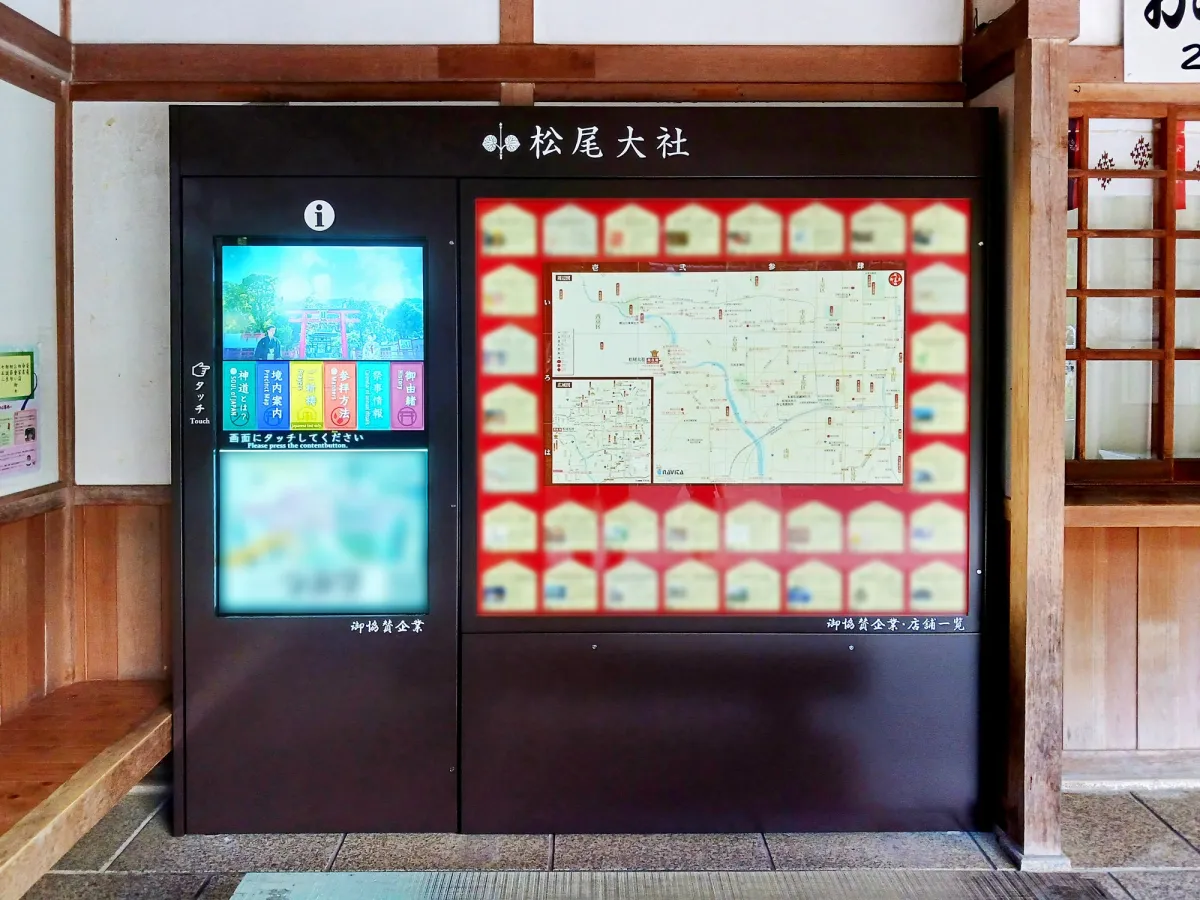
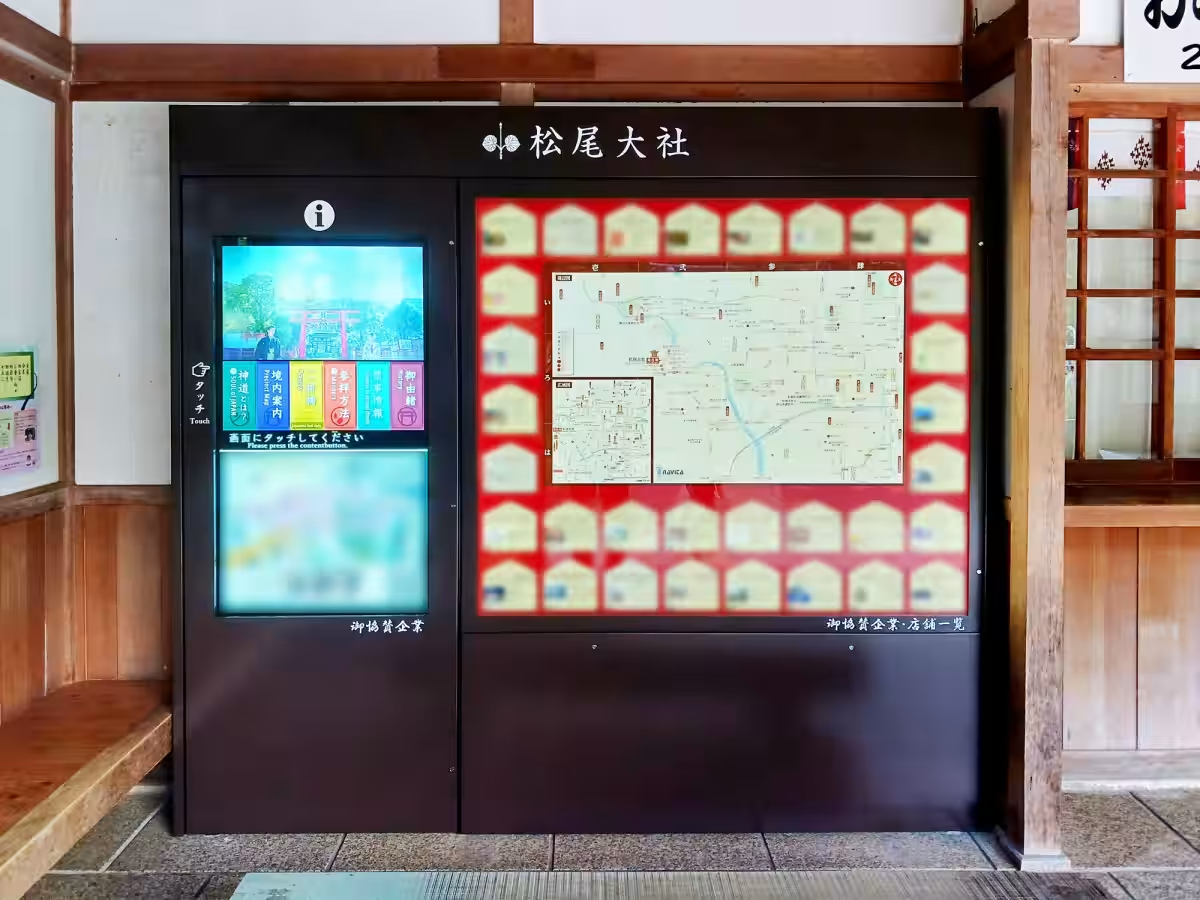
The newly installed Jinja Nabita measures approximately 2,100mm tall, 2,400mm wide, and 275mm deep. It features an illuminated historical map of the surrounding area on the right side and an interactive touch-screen digital signage on the left. Surrounding the map are ema-shaped advertisements displaying information about sponsoring companies and local shops.
The digital signage offers information in multiple languages, including Japanese, English, Traditional Chinese, and Korean. Not only can visitors learn about the shrine's history, upcoming events, and visitor guidelines, but they can also view 15-second promotional videos from select sponsors. This multimedia tool operates daily from 5:00 AM to 6:00 PM, helping visitors navigate the sacred site with ease.
Voices from the Shrine
Matsuno Taisha's head priest, Ikushima Tsunekazu, has expressed delight over the installation. He emphasized that the digital signage features are user-friendly, with appropriate brightness and font size. The presence of the signage allows visitors to comfortably rest and absorb information about various ceremonies and services provided by the shrine. He believes these modern conveniences can enhance the visitors' sense of security and engagement when visiting the shrine.
In terms of integration, Ikushima highlighted the importance of blending modern elements into the traditional atmosphere without compromising the shrine's aesthetic. Thanks to careful consideration in both design and placement, he feels the digital signage harmonizes well with the surroundings, providing a new dimension to the shrine’s charm.
As more international visitors frequent the shrine, the multilingual capabilities of Jinja Nabita present an excellent opportunity to welcome them and introduce Japanese culture and shrine traditions. Ikushima anticipates that this new digital guide will not only provide immediate event information but also evolve to share important community updates, disaster preparedness messages, and more.
About Jinja Nabita
The "Jinja Nabita" initiative symbolizes the fusion of advanced digital media with Japan’s historical and cultural heritage. Setsudo Co. is dedicated to driving community engagement and cultural awareness through innovative technologies. By sharing information relevant to visitors and local residents alike, the company aims to strengthen the bond between the community and its rich traditions while contributing positively to society both locally and internationally.
In conclusion, the integration of the Jinja Nabita at Matsuno Taisha is a significant step toward modernizing the visitor experience while preserving the shrine's deep-rooted heritage. This initiative not only promotes traditional Japanese culture but also ensures the shrine’s relevance in an increasingly digital world.
Topics People & Culture)

【About Using Articles】
You can freely use the title and article content by linking to the page where the article is posted.
※ Images cannot be used.
【About Links】
Links are free to use.