


Rising Electricity Costs and Air Conditioning Usage Among Families: Insights from SUMIKA's Survey
Understanding the Impact of Rising Electricity Costs on Families
As we continue to experience unprecedented heat waves across the nation, rising electricity bills have become a common concern for families. A recent study conducted by SUMIKA, a Tokyo-based company, sheds light on the struggles faced by families while attempting to maintain their comfort and health amid soaring electricity costs. The survey, which involved over 1,000 participants aged in their 20s to 60s, focused on how parents are managing air conditioning use and coping with the financial burden that accompanies it.
The Current State of Air Conditioning Use
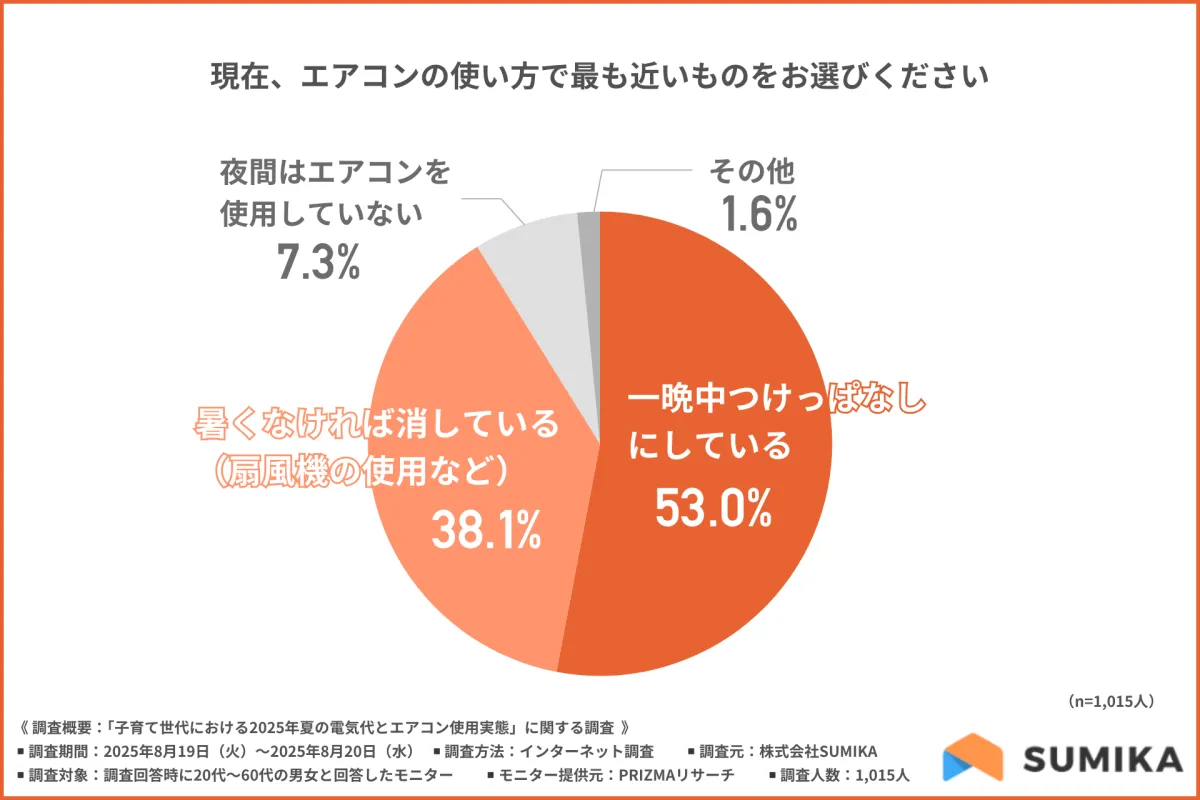
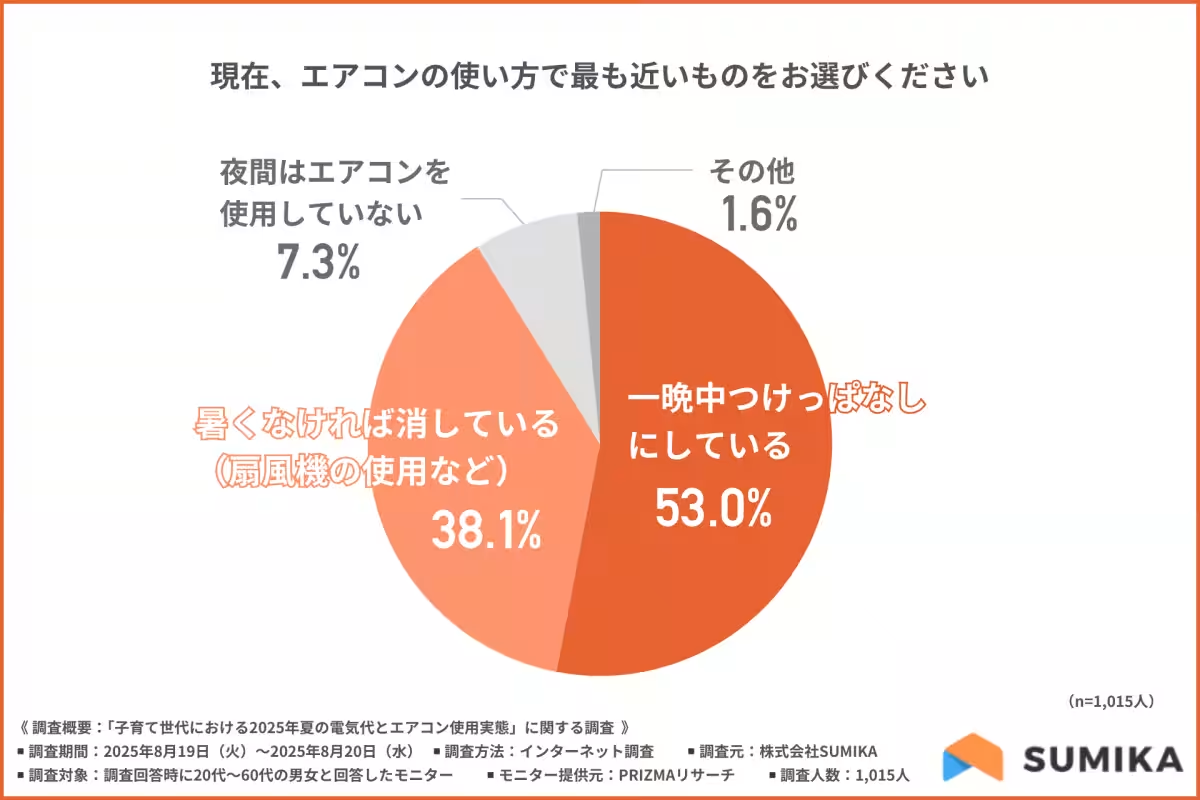
The survey revealed that more than half of the respondents are keeping their air conditioning units running throughout the night—53.0% stated they leave their AC on all night, while only 7.3% do not use it at night at all. The vast majority of families are prioritizing health and comfort, opting to bear the financial strain to ensure their family members are safe during the extreme heat. This data illustrates the growing importance of air conditioning in households, especially as tonight's temperatures remain uncomfortably high.
Rising Electricity Bills: A Weight on Family Budgets
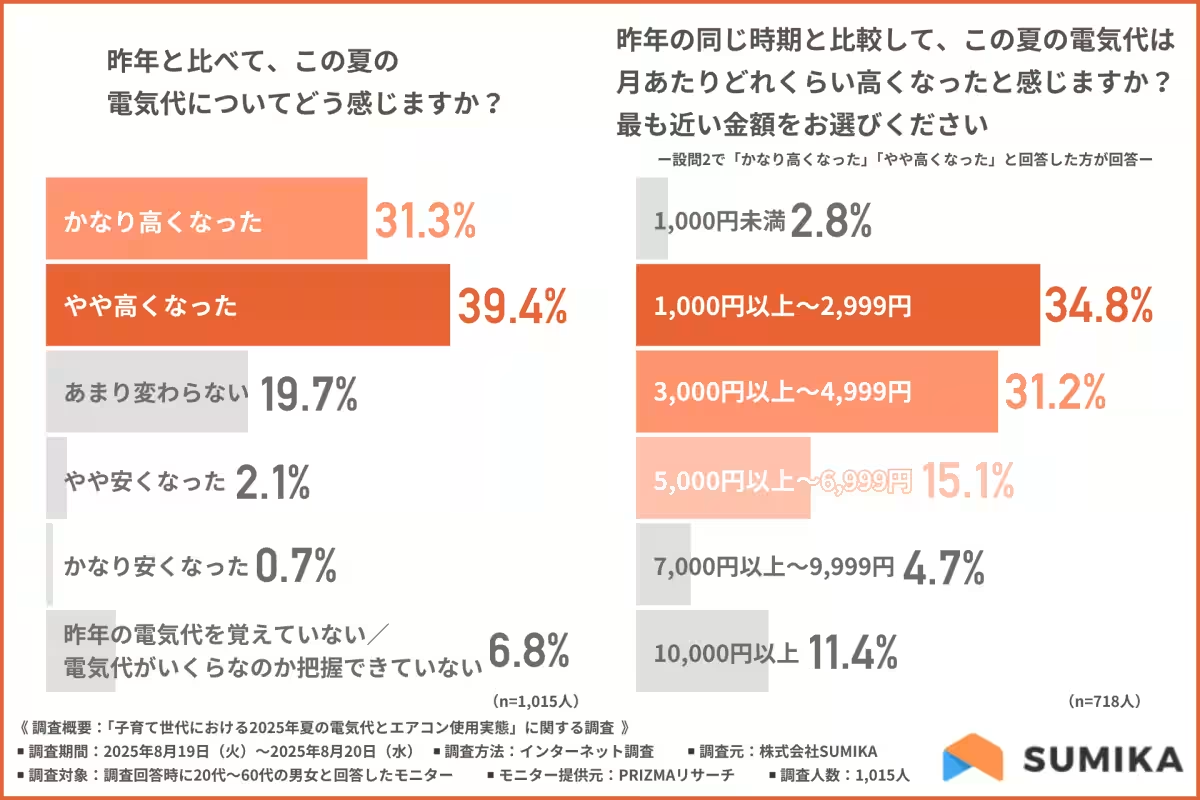
When asked about their feelings regarding this summer's electricity costs compared to the previous year, around 70% of respondents noted an increase, with 31.3% claiming it had risen significantly. Factors such as changes in pricing structures, the end of government subsidies, and rising renewable energy costs are cited as contributing factors to this surge. This increase puts pressure on family budgets, making it clear that energy expenses are a significant concern.
The survey also inquired about the approximate increase in monthly electricity bills. The majority expressed that they felt the increase was between 1,000 to 2,999 yen, with about 10% reporting an increase of over 10,000 yen. These figures reveal that for many households, rising costs are not just burdensome but could potentially lead to severe financial anxiety as families grapple with other rising costs in daily life.
Strategies for Reducing Electricity Bills
In light of rising costs, families are adopting various strategies to manage their electricity bills. The most common approach, with 41.0% of respondents, involves raising the thermostat setting on their air conditioning units. Other strategies include using fans to circulate air (34.4%) and switching the AC on and off more frequently (15.8%).
About 40% of respondents see raising the thermostat by just one degree as a viable means to reduce power consumption, as it can lead to approximately 10% savings in energy use. The integration of fans also suggests that families are cognizant of maximizing cooling efficiency while remaining aware of their energy consumption.
Future Preparations for High Electricity Costs
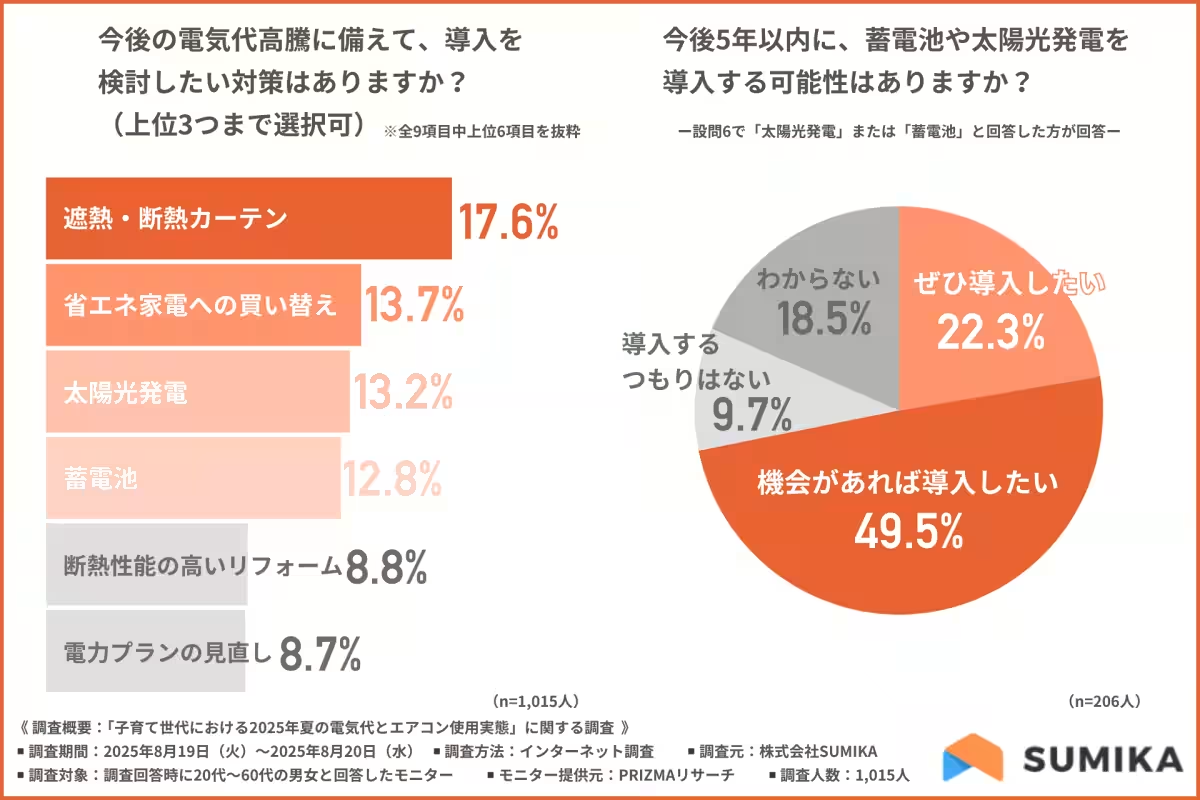
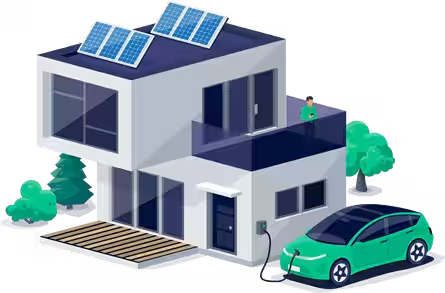
Looking ahead, many participants voiced uncertainty about future energy cost management strategies. Over half (52.1%) claimed they had no specific plans for addressing rising electricity costs. However, a smaller portion expressed interest in energy-efficient measures such as installing heat-blocking curtains (17.6%), investing in energy-efficient appliances (13.7%), solar panels (13.2%), and battery storage solutions (12.8%).
This indicates that while a significant number of families are not actively considering changes, there is still a cohort showing awareness and willingness to invest in strategies that could mitigate the financial impact. The potential for adopting technologies like solar energy and battery storage has started to pique interest as families seek ways to balance economic constraints with their energy needs.
The Role of Solar Power and Battery Storage
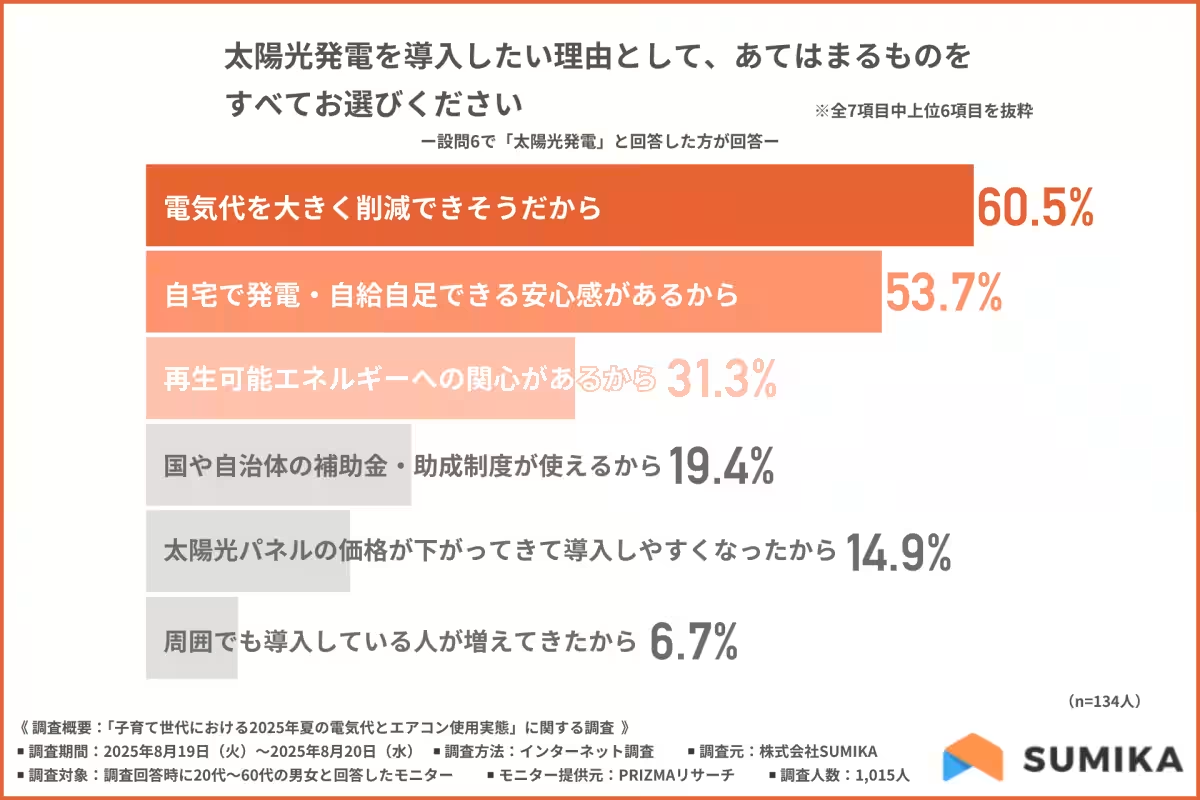
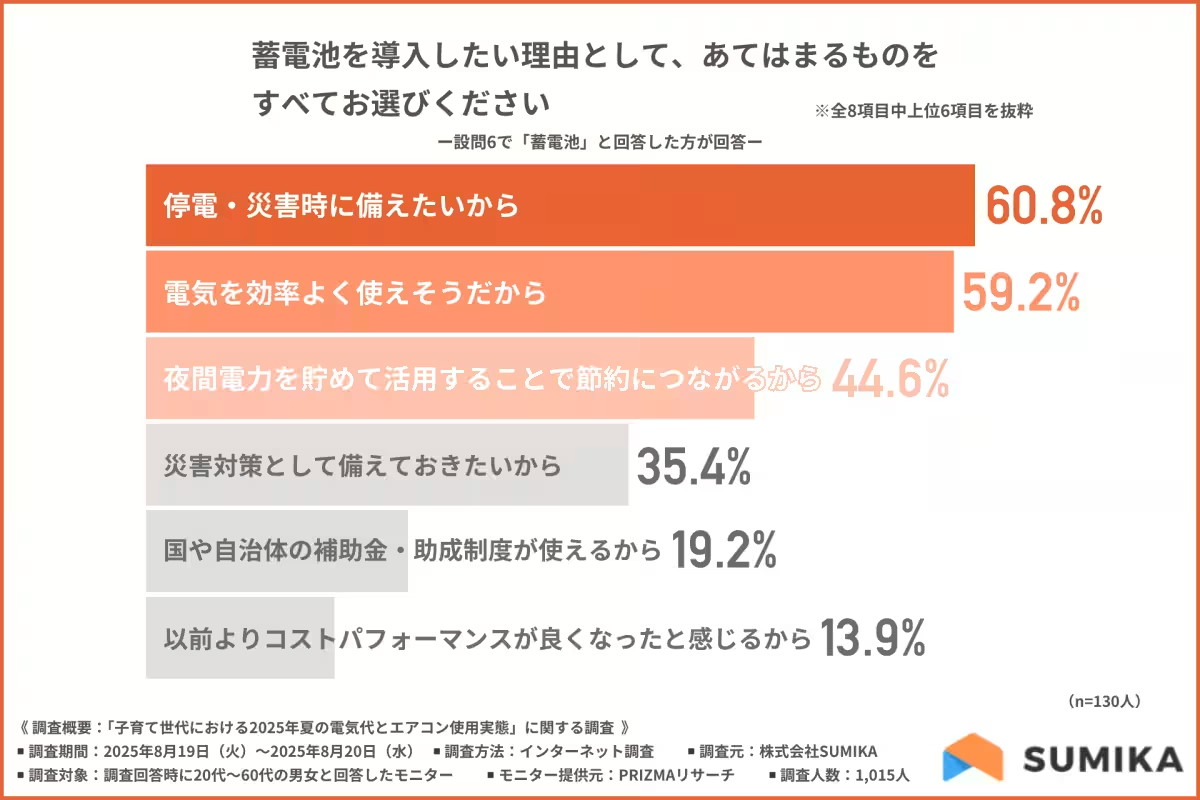
Further inquiries into families' attitudes toward energy efficiency revealed growing interest in solar energy and battery systems. Many respondents who showed interest stated that they aim to either invest or consider these solutions to ensure long-term financial stability and energy self-sufficiency. These technologies are viewed as solutions for both economic and safety reasons – providing families with peace of mind against rising costs and potential energy shortages during disasters.
As environmental conditions continue to deteriorate and electricity prices rise, the impulse to invest in home energy solutions could become increasingly common. SUNIKA, through its commitment to making renewable energy accessible, is at the forefront of this movement, positioning itself as a valuable partner for families seeking to make informed energy choices.
Conclusion: A Shift in Household Energy Management
This survey conducted by SUMIKA underscores the real financial pressures felt by families this summer as they navigate increasing electricity costs. The shift in how families perceive and use air conditioning is evident, suggesting a potential re-evaluation of long-standing habits. As we move forward, the demand for energy-efficient solutions and a commitment to sustainability will likely shape the energy landscape for families, driving a change in how they manage their energy use for both personal comfort and financial health.
For more information on solar energy and battery integration, families are encouraged to visit the SUMIKA website for support in adopting these solutions.
About SUMIKA
SUMIKA is dedicated to providing easy access to renewable energy solutions. By offering assistance in solar power and battery installation, we enable families to achieve both energy efficiency and peace of mind. For consultations or further inquiries, please visit our website.

Topics Consumer Products & Retail)



【About Using Articles】
You can freely use the title and article content by linking to the page where the article is posted.
※ Images cannot be used.
【About Links】
Links are free to use.