



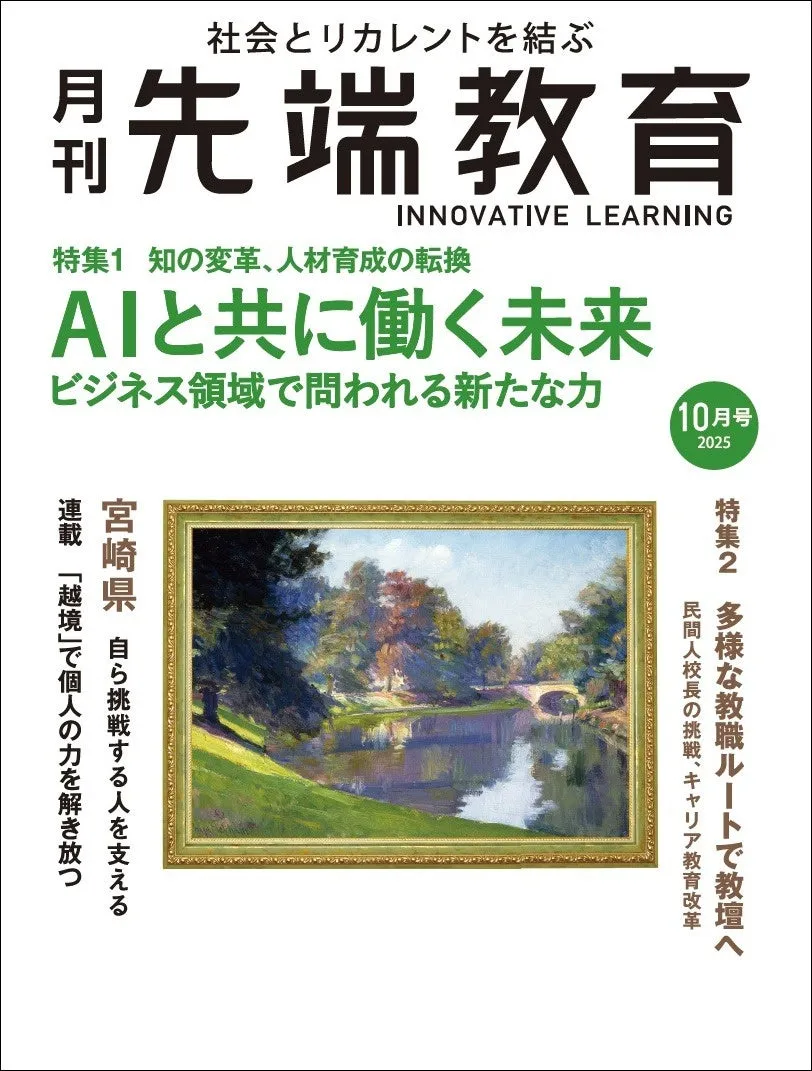
The Future of Work with AI: New Skills Required in Business
The Future of Work with AI: New Skills Required in Business
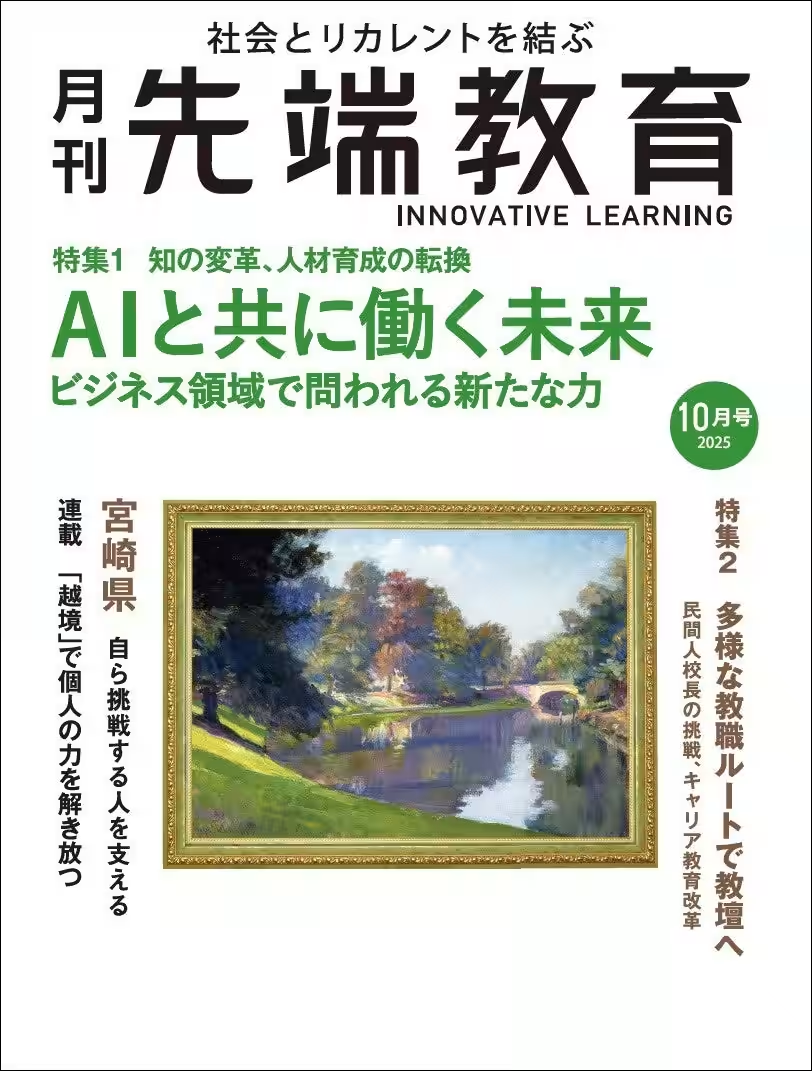
The rapid advancements in generative AI are reshaping the business landscape, altering how knowledge is perceived and utilized in employment. As we transition into an era where human and AI collaboration becomes the norm, it is crucial to consider the skills and capabilities that business professionals must adopt to thrive. This article examines the competencies that will shape the workforce in the era of AI, explores the strategies companies must implement, and emphasizes the importance of employee development in adapting to these changes. Additionally, we will discuss the practical aspects of creatively leveraging generative AI and developing a career that can withstand future challenges.
Understanding the Human Element: The Three Essential Powers
The integration of advanced solutions like AI agents into organizations requires a comprehensive approach. Kenji Ozawa, COO of Cinematorico and CEO of AICX, emphasizes the need for not just superficial adoption of AI but a fundamental overhaul of organizational design. This requires a visionary human resources strategy that can cultivate an adaptive and innovative organizational culture. Ozawa highlights the importance of changing traditional roles within HR departments to become key players in shaping future talent strategies.
Workforce Evolution and Skill Acquisition in AI-driven Tasks
The displacement of various tasks by generative AI raises a significant question: what will remain for humans? Water Mitsutani, a visiting professor from the Business Concept Research Institute and business development officer at Tenzu Trent Japan, posits that the core of what makes us human—our philosophy, thoughts, and passions—will endure. This challenge prompts workers to identify and enhance distinctly human skills, such as creativity, critical thinking, and emotional intelligence, which AI cannot replicate.
Innovative Idea Generation through AI
The potential of generative AI in fostering idea generation is illustrated through the insights of Rikiie Ishii, CEO of Idea Plant. He advocates for accessible technology that sparks innovative thinking among teams. By leveraging AI's analytical capabilities, businesses can transform raw data into actionable insights, allowing for a more dynamic approach to problem-solving. Harnessing AI as a collaborative tool can unlock unprecedented levels of creativity and ideation.
The Need for 'AI Educators' and Addressing Skills Gaps
The rapidly changing landscape of AI proficiency highlights a concerning shortage of qualified individuals capable of educating others in this field. Nobuyuki Kamabayashi, a representative from the AI Education Promotion Organization, calls attention to the urgent need for a fundamental reexamination of educational frameworks. By developing programs that effectively prepare educators to teach AI skills, we can foster a workforce equipped for the future.
Supporting Female Talent in the AI Space
Initiatives supporting women's skill acquisition in AI, led by Kenichiro Okamura and Hidetoshi Miyaji from the nonprofit SuFIA, demonstrate the effort to create a society where diverse working styles are embraced. These efforts aim to break down barriers, encouraging equal representation of women in the tech and AI sectors.
The Challenge of Diversifying Educational Pathways
The second feature of the magazine addresses the pressing need for diverse pathways into teaching and the role of entrepreneurship education in this shift. As societal demands grow more complex, it becomes imperative to cultivate a teaching workforce that reflects varied expertise and backgrounds. Discussions within the Central Council for Education highlight the need for a framework that allows professionals from diverse sectors to enter teaching roles.
Regional Innovations in Education: A Case Study from Miyazaki
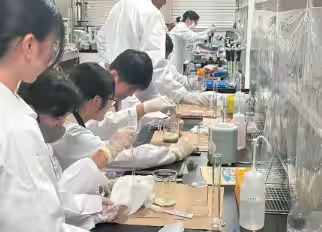
Miyazaki Prefecture's educational initiatives emphasize supporting individuals willing to take on challenges. Various programs, driven by a desire to nurture future scientists through exposure to cutting-edge science and technology, are paving the way for localized innovation. Universities and educational institutions are collaborating to provide practical learning experiences that foster entrepreneurial spirit and instill a sense of community engagement.
Conclusion: A Collaborative Future
The articles in this issue of "Monthly Advanced Education" disseminate vital information and innovative ideas that all stakeholders in education can use to adapt to ongoing changes. By investing in human capital and redefining roles within organizations, society will be better positioned to navigate the challenges posed by the evolving world of work influenced by AI. The journey toward a more integrated and collaborative future starts with education, organizational change, and cultural evolution.





Topics People & Culture)
【About Using Articles】
You can freely use the title and article content by linking to the page where the article is posted.
※ Images cannot be used.
【About Links】
Links are free to use.