



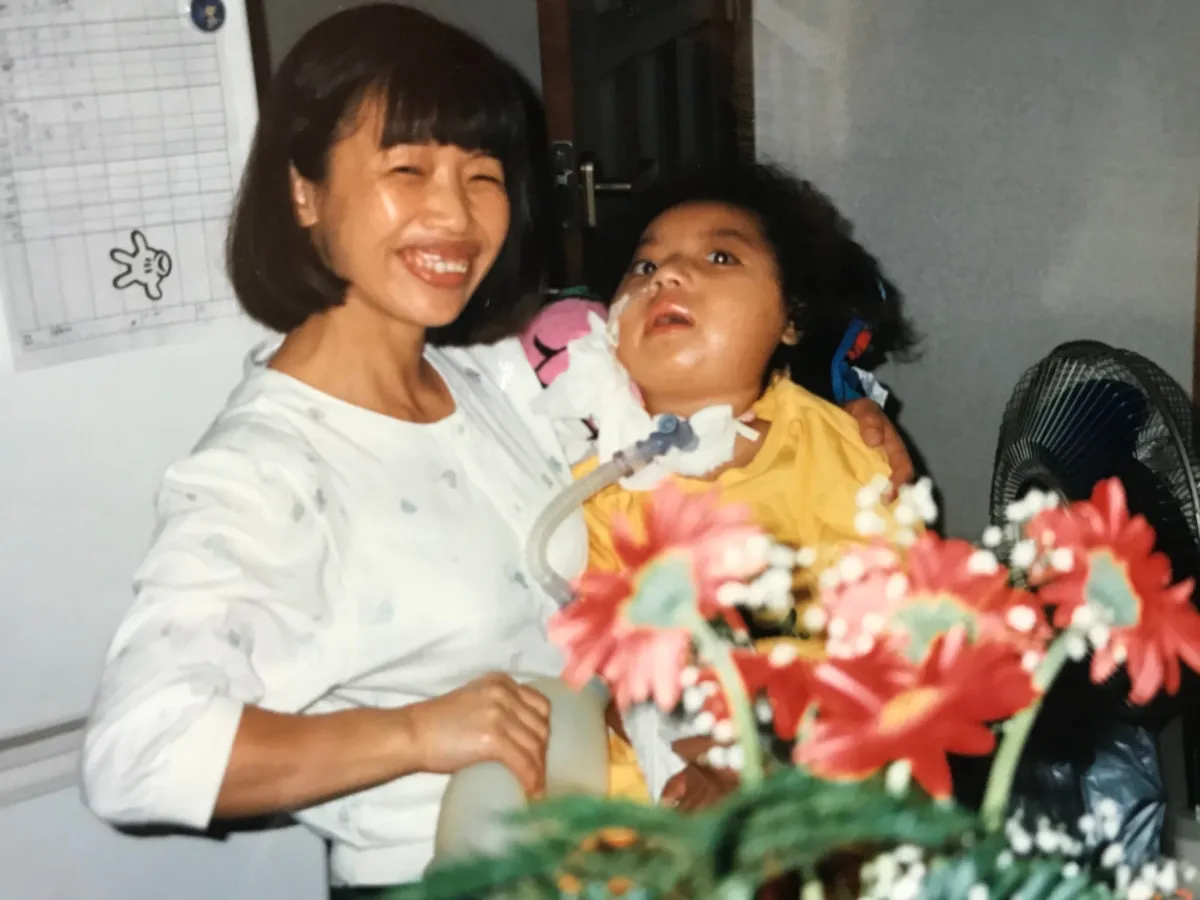
Egao Sansan: Building Smiles in the Community through Home Care Services for 30 Years
Filling the Gaps in Health Care: Egao Sansan's Journey
Egao Sansan, a non-profit organization based in Shinjuku, Tokyo, has dedicated itself to supporting medically fragile children for over 30 years. Founded in response to mothers' wishes to care for their children at home, the organization started as a volunteer initiative when options for home-based care were virtually nonexistent. Today, as they celebrate their 20th anniversary as a formal non-profit entity, they look back on a mission that began in a time when the term 'medically fragile children' was not even recognized in society.
A Recognition of Dedication
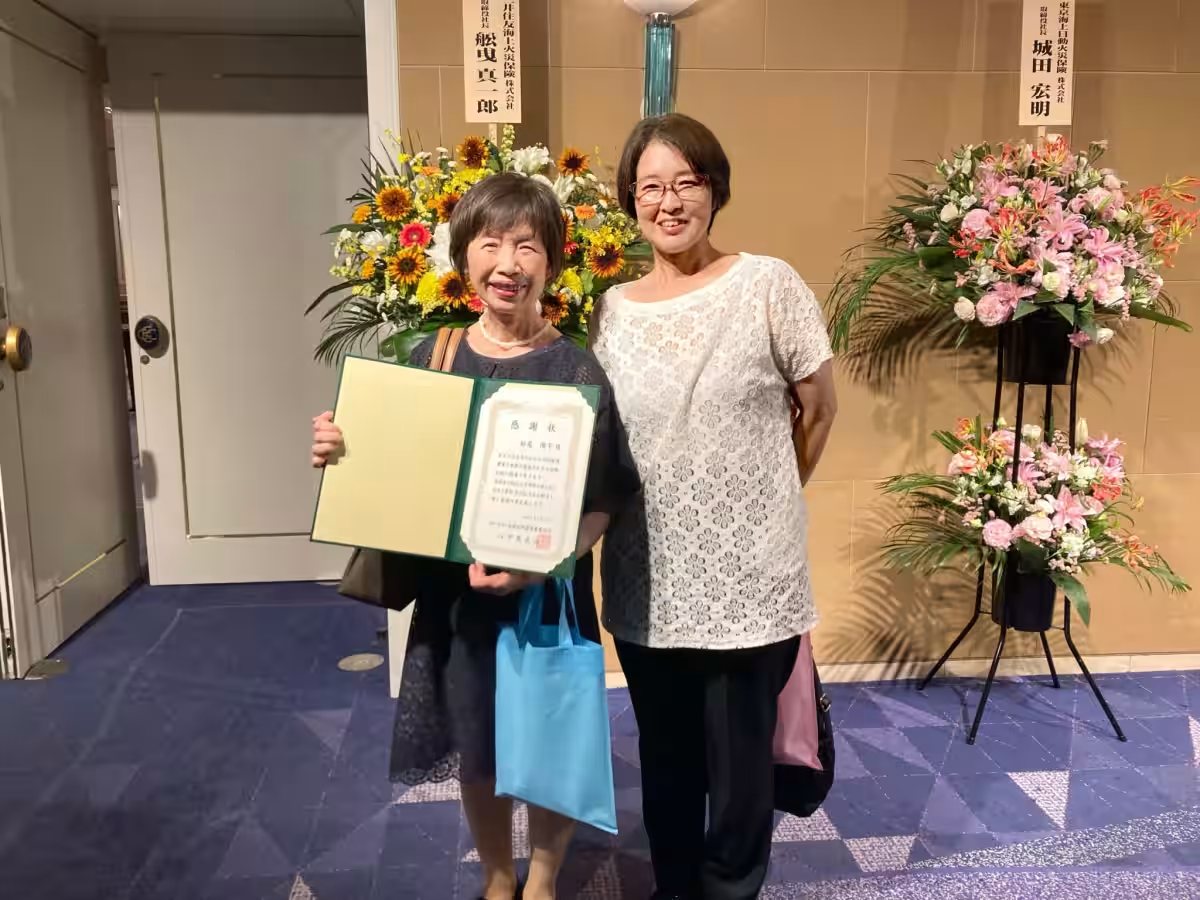
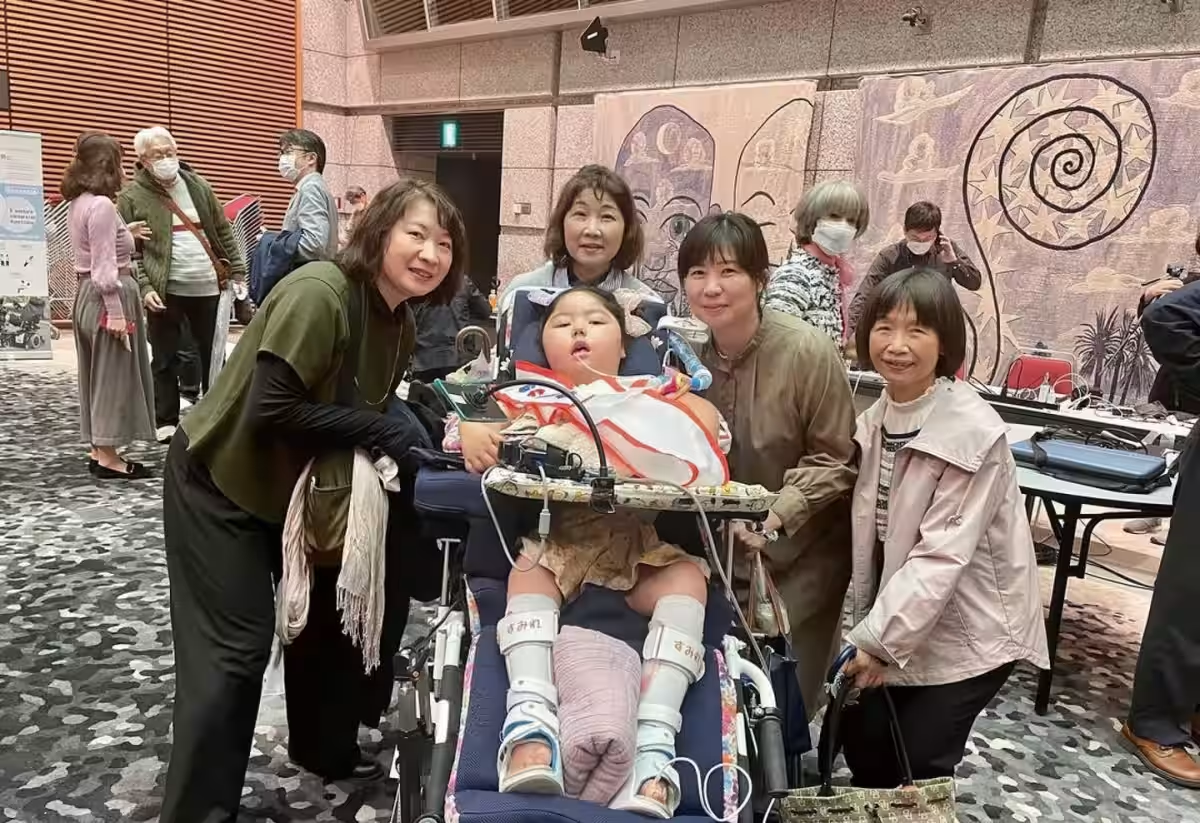
This milestone year also saw Egao Sansan recognized at the National Association of Home Health Care’s 30th anniversary ceremony, where former director Yoko Matsuo received an award for her significant contributions to pediatric home nursing. Reflecting on their journey, Matsuo emphasized the vital role of nursing—not just in medical care but also in supporting holistic living.
Bridging Gaps in Care
In the 1990s, it was challenging for children with severe disabilities to live at home due to a lack of comprehensive support systems. Egao Sansan emerged with a clear intention: to allow children to spend time at home with their families. At that time, they established what we now call 'home care services,' prioritizing the daily lives of children and families over rigid healthcare systems.
A New Concept in Home Care
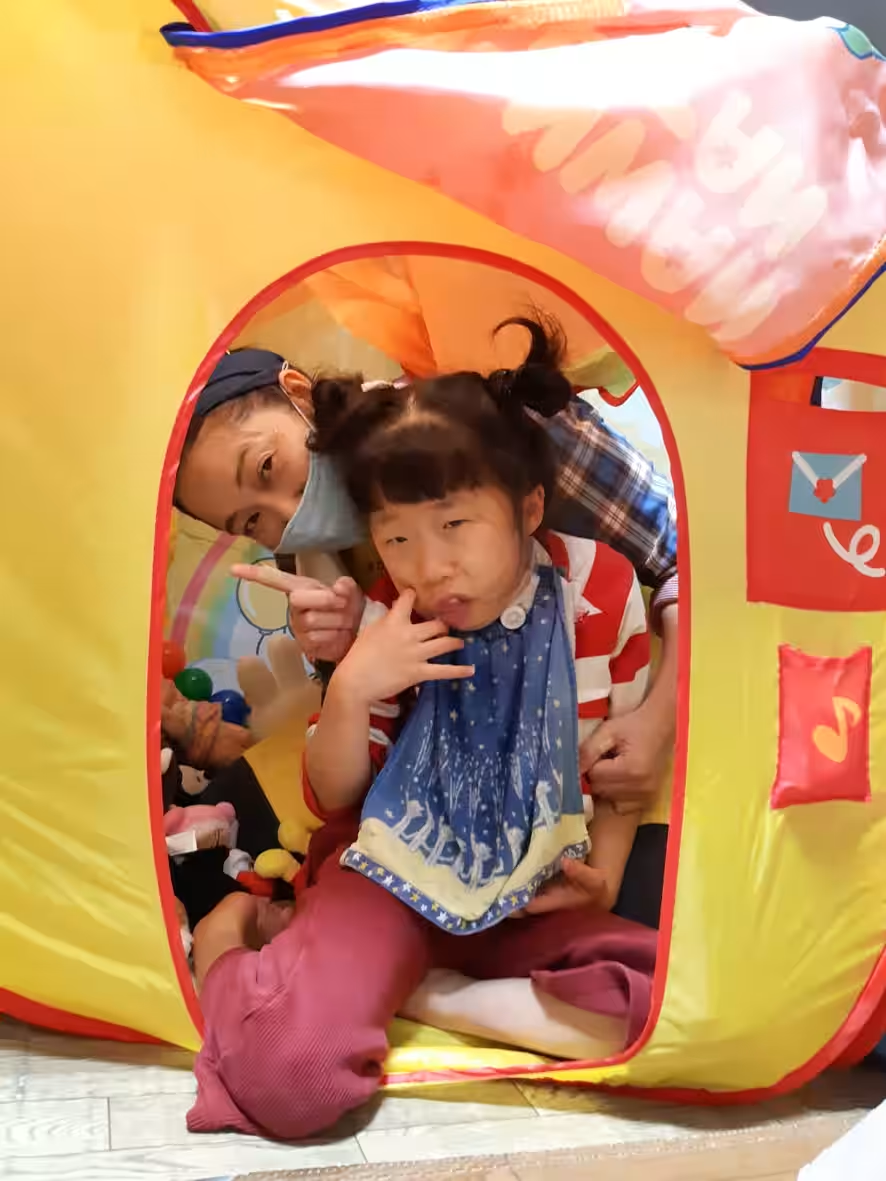
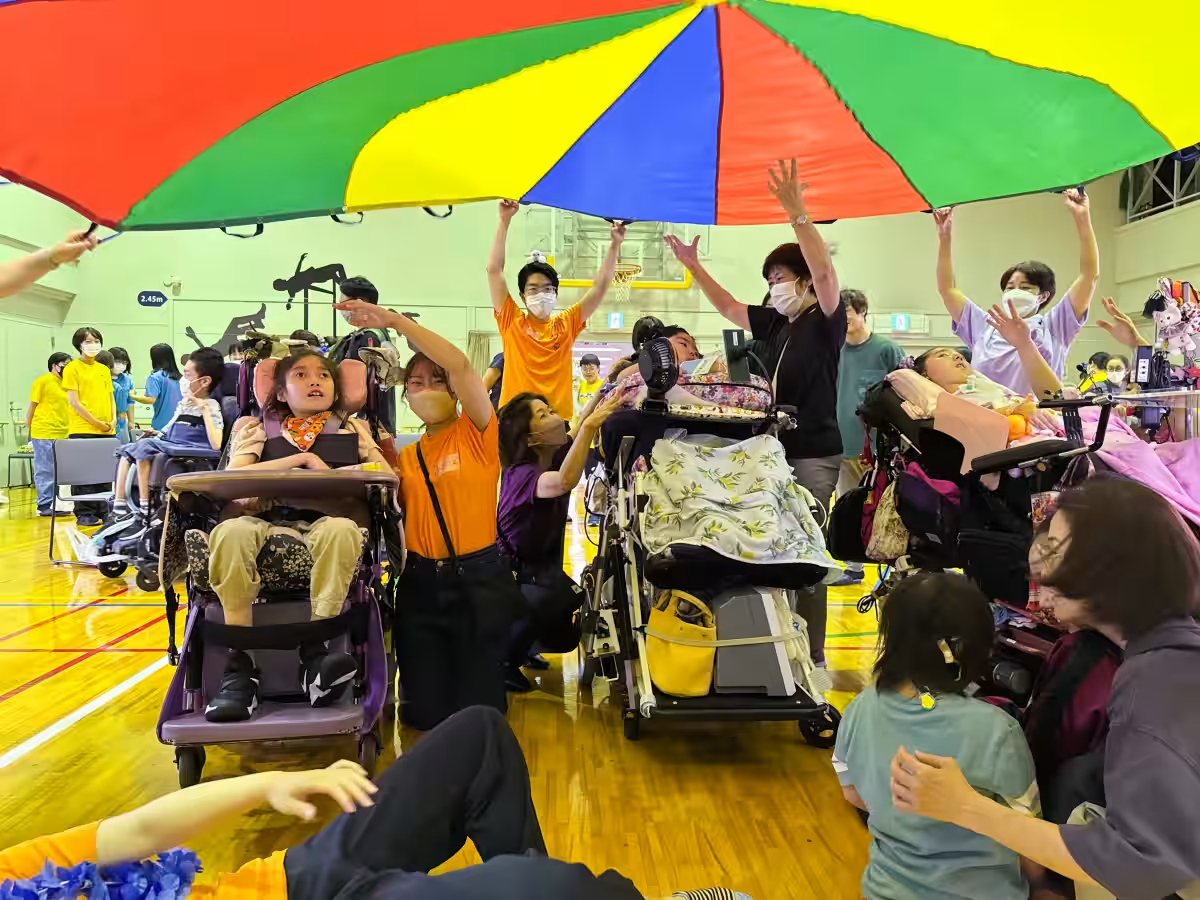
Egao Sansan operates under the understanding that care for medically fragile children encompasses far more than just medical procedures. Elements such as nursing, childcare, recreation, and education are interconnected and essential for a fulfilling life. They refer to their integrated approach as 'home care services,' combining home nursing, personal care, developmental support, after-school programs, and volunteer work to provide comprehensive support.
The organization aims to ensure that care for each child and family is tailored to their unique needs, focusing on how to enable a happy life regardless of bureaucratic constraints. This often includes providing long hours of support for those with severe conditions, allowing families respite to recharge.
Embracing a Holistic Support Model
In the late 1990s, home nursing services typically focused only on medical tasks, limiting support time to one to one-and-a-half hours, which often proved inadequate. To address this, Egao Sansan expanded nurses’ roles to also include caregiving responsibilities, creating a flexible support system that incorporates both nursing and welfare services.
They termed this integrative approach 'nurse welfare,' emphasizing the importance of being actively involved in the community and in the lives of families. This model not only supports children in their homes but also encourages them to venture out into the world for educational and social experiences, which are just as important to their development.
Celebrating Lifelong Connections
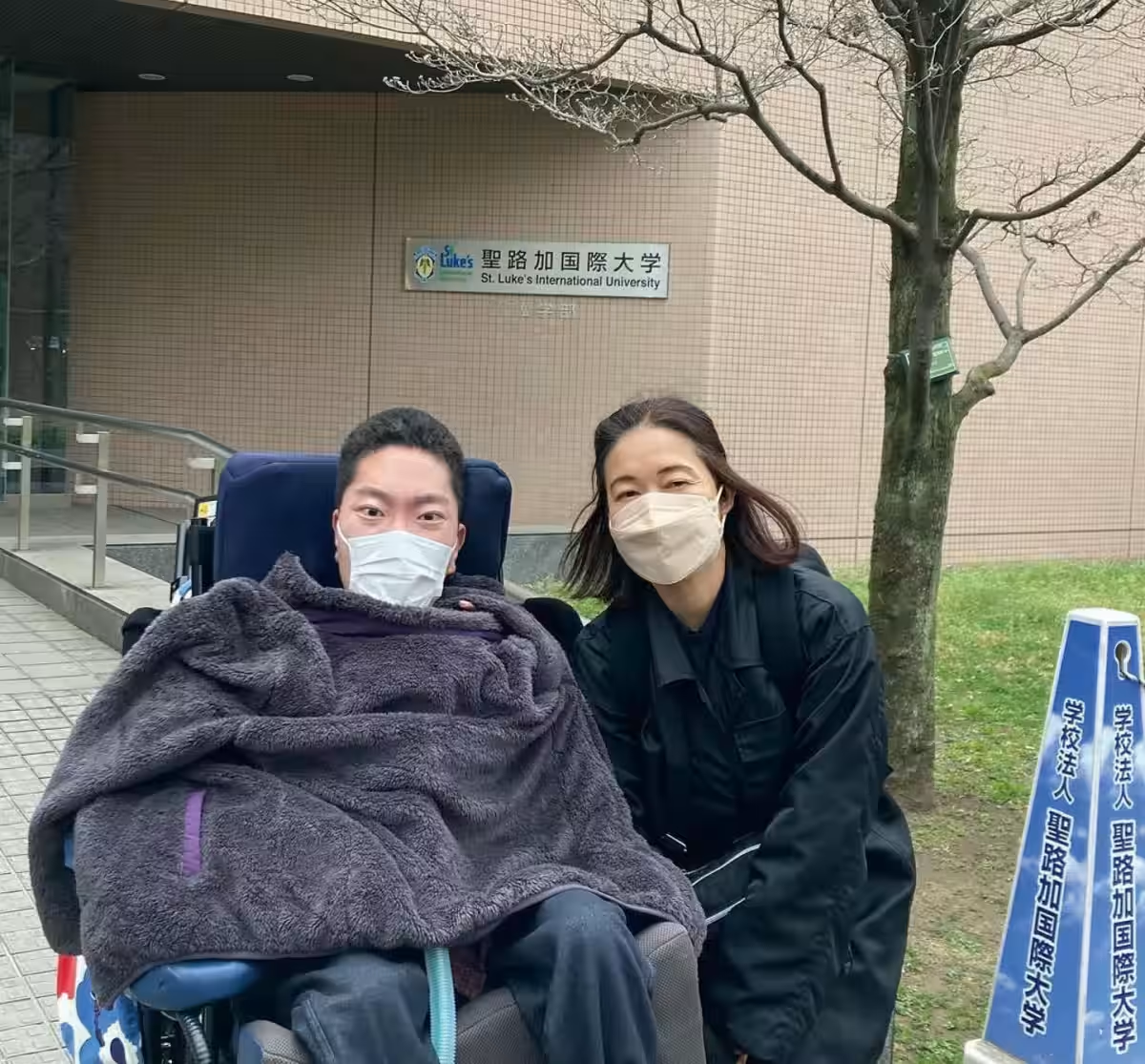
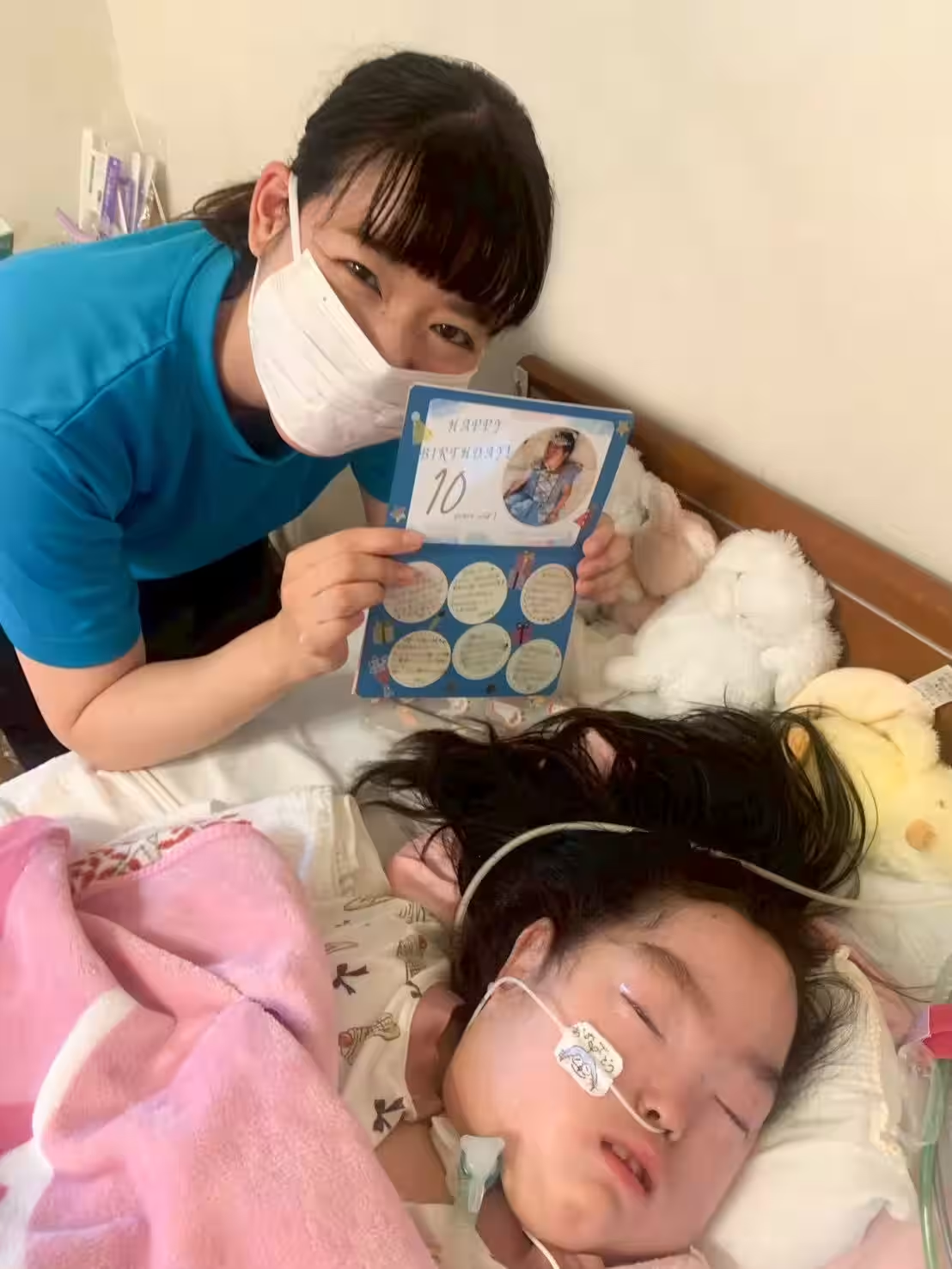
Currently, Egao Sansan supports around 150 clients, ranging from newborns to adults, with the oldest client being 38 years old. Their philosophy is to be a lifelong support system, playing a behind-the-scenes role in families’ lives. Some families have received support for over 15 years, witnessing the growth and milestones of their children. This journey alongside families brings immense joy to the staff, who often refer to themselves as “fan clubs” of the children they serve.
Looking to the Future
The organization's goal remains to be a source of positivity and support, reassuring families that they can indeed live smiles every day by trusting Egao Sansan. Over the last three decades, while improvements have been made in the healthcare system, many challenges still exist, and the emergence of new societal needs calls for continual advocacy and adjustment.
Egao Sansan is committed to addressing these 'gaps' in care while training the next generation of caregivers and fostering a supportive community for children with disabilities.
About Egao Sansan
Egao Sansan operates under the motto of making social smiles through the happiness of children, offering home nursing, personal care, developmental support, and volunteer services to empower families living with disabilities. They have become pioneers in serving medically fragile children in Shinjuku and the wider community, transitioning from volunteer efforts to formal services.
For more information:
- - Website: Egao Sansan
- - Contact: 3-25-36-30C Takadanobaba, Shinjuku, Tokyo 〒169-0075
- - Phone: 03-3209-8668
- - Email: [email protected]
Topics Health)

【About Using Articles】
You can freely use the title and article content by linking to the page where the article is posted.
※ Images cannot be used.
【About Links】
Links are free to use.