



Spring Skincare Insights: Key Findings from Recent Study Shift Attention to Humidity and UV Exposure
Spring Skincare Insights: Understanding Seasonal Transitions
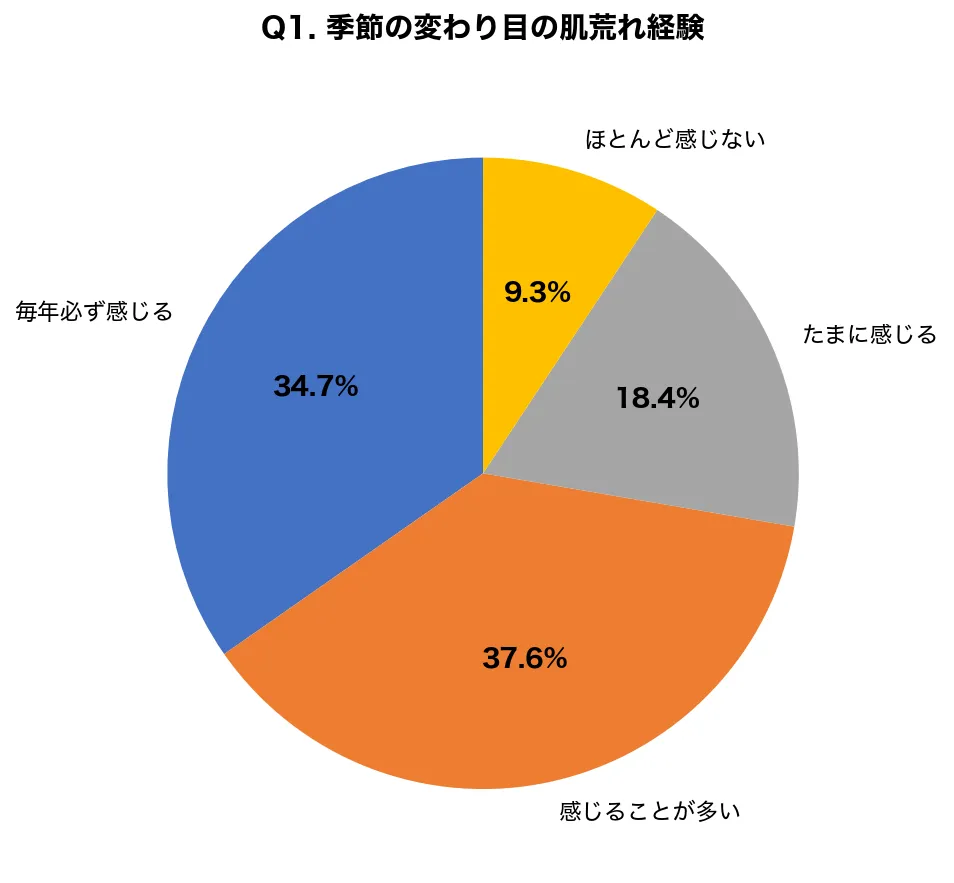
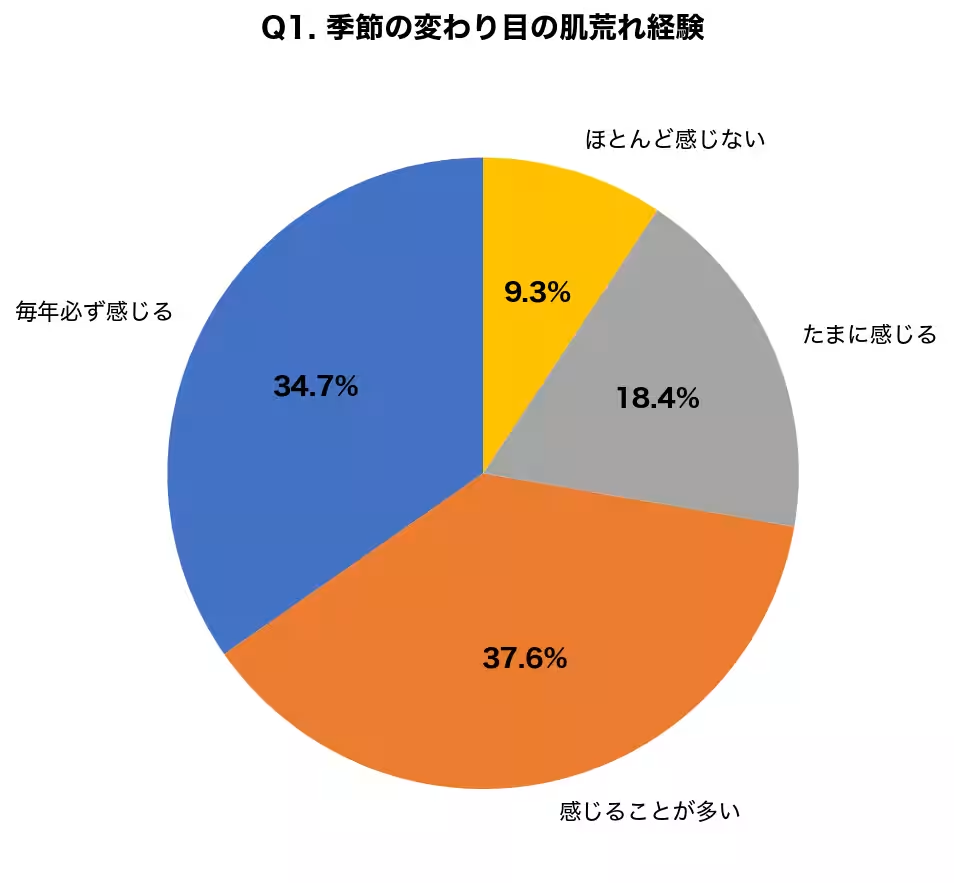
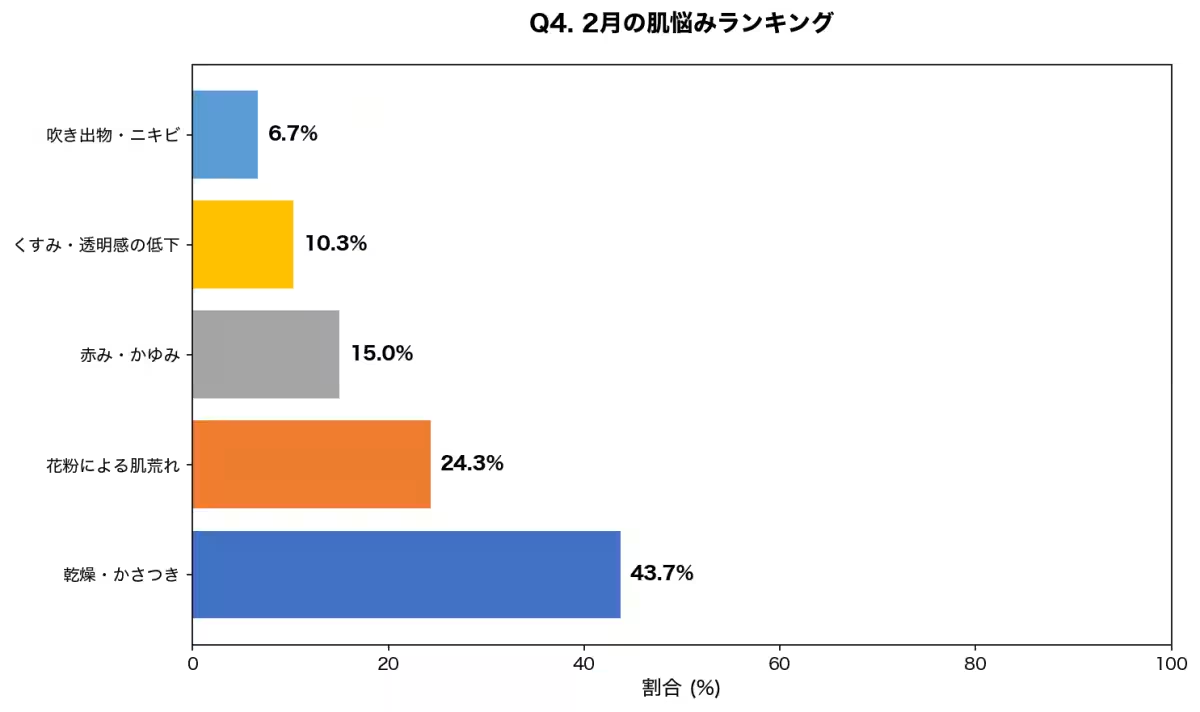
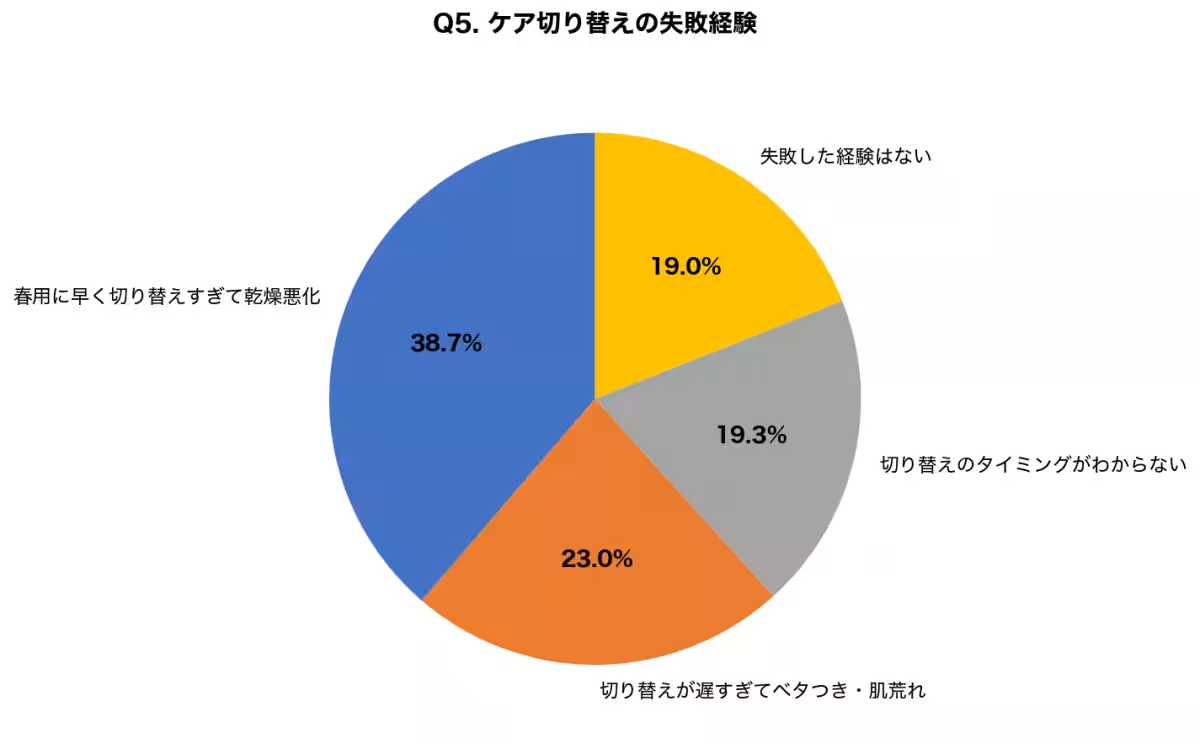
As the seasons shift from winter to spring, many individuals experience skin troubles, with a recent survey revealing that approximately 72.3% of people report skin irritation during this transition period. However, a striking finding from the survey is that most people misunderstand when to change their skincare routines. The study highlights that skincare adjustments should be based more on changes in humidity and ultraviolet (UV) levels rather than just temperature fluctuations.
Key Findings
The survey, conducted by the IC Clinic, which specializes in dermatology and plastic surgery, focused on understanding the skincare challenges that arise during the transition from winter (December to February) to spring (February to April). The survey's respondents, aged between 20 and 50, indicated significant misunderstandings regarding effective skincare practices for this period. Notably:
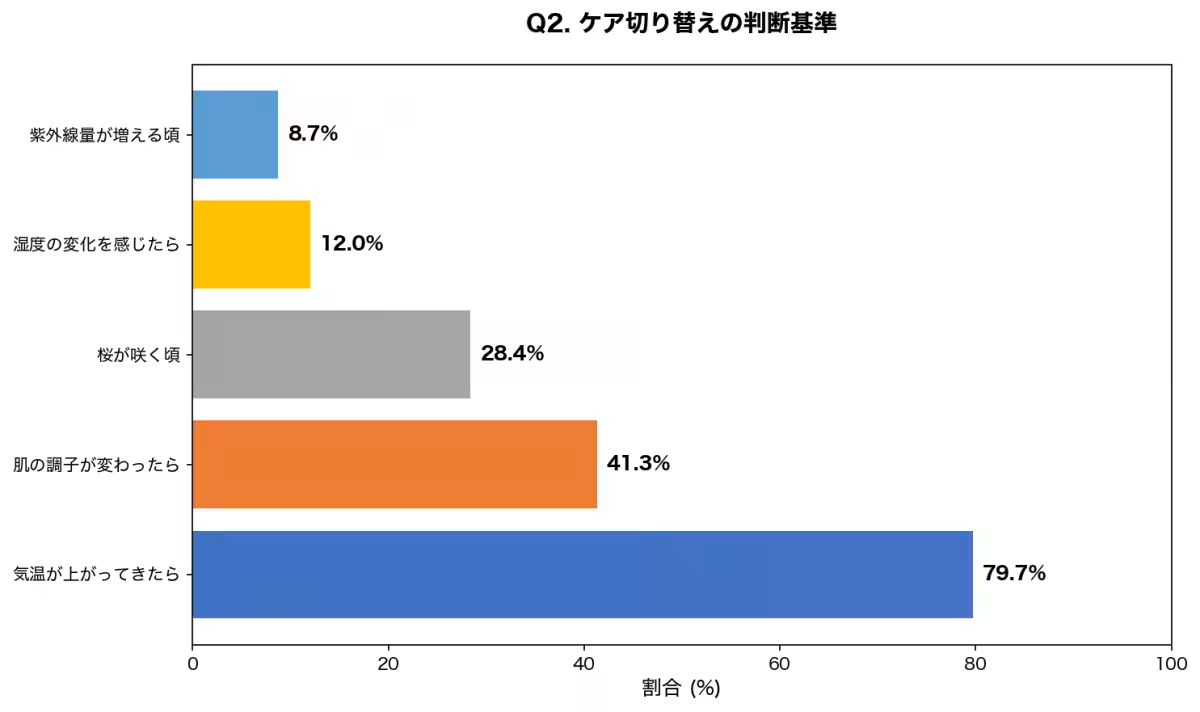
- - Misinterpretation of Timing: Approximately 79.7% of respondents believed that rising temperatures should dictate when to shift their skincare routines.
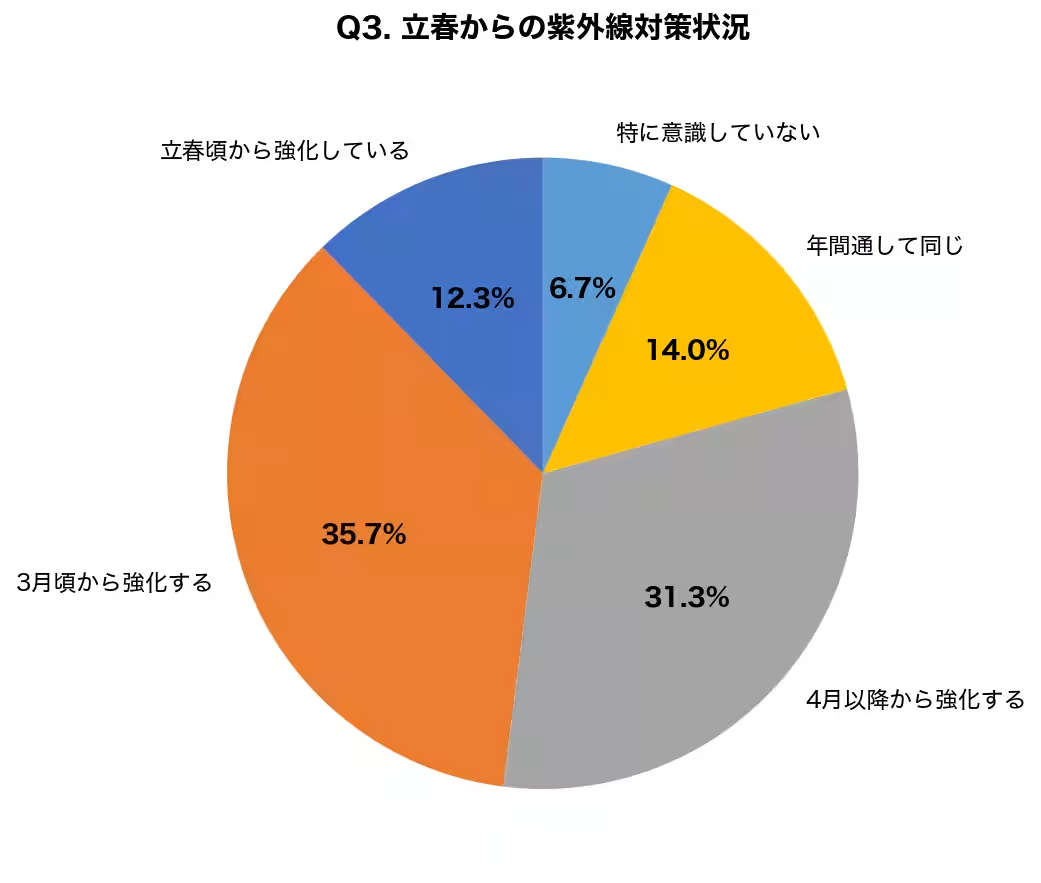
- - Lack of Awareness about UV Exposure: Only about 12.3% of individuals had begun UV protection strategies at the onset of spring, despite the survey indicating that UV exposure significantly increases as the season changes.
- - Focus on Humidity and UV Levels: The report suggests that skincare routines should be adjusted based on the rise in humidity levels above 50% and increasing UV index readings.
Seasonal Changes and Skin Health
What is Seasonal Skin Irritation?
Seasonal skin irritation refers to dermatological issues that arise during transitions between seasons, primarily triggered by drastic changes in temperature, humidity, and UV radiation. Symptoms can include dryness, redness, itchiness, and breakouts. These issues are particularly prevalent during the transition from winter to spring (typically between February and April).
The Importance of Humidity and UV Exposure
The skin barrier function plays a vital role in protecting the skin from external stimuli and preventing moisture loss. It is composed of elements like ceramides, natural moisturizing factors (NMF), and sebum. A disruption in this balance can lead to skin problems, especially during seasonal changes. Notably, the skin can be more susceptible to damage from UV rays, which begin to rise sharply in February, increasing approximately 1.5 times the levels seen in January.
Switching Skincare for Spring
Comparison of Winter and Spring Skincare
| Item | Winter Care (Dec-Feb early) | Spring Care (Late Feb-Apr) |
|---|---|---|
| ------ | ------ | ---------- |
| Moisturizer Texture | Creams/Balms (High Oil) | Lotions/Gels (Lighter Oil) |
| UV Protection | SPF 20-30 | SPF 30-50 + PA+++ |
| Cleansing | Warm Water Only in the AM | Proper cleansing Morning and Night |
| Focus Care | Oil Supplementation | UV Defense & Pollen Protection |
| Toner Application | Generous Layering | Appropriate Absorption |
| Optimal Switch Period | Around Winter Solstice (Nov) | Around Early Spring (Feb) |
These guidelines highlight how skincare products and routines should reflect the changes in climate throughout the year.
Conclusion
The results from the study reveal a significant gap in understanding how to properly manage skincare during seasonal changes. Many individuals overlook essential factors like humidity and UV exposure, relying too heavily on temperature. As spring approaches, the importance of UV protection becomes clear, yet less than 13% of respondents were actively implementing these changes at the crucial start of the season. In addition, with the onset of pollen season in February, comprehensive skincare strategies that address both humidity and external irritants like pollen are pivotal in maintaining skin health.
Expert Advice
Dr. Kouta Takakuwa from IC Clinic emphasizes that skincare transitions should lean on humidity and UV index rather than mere temperature increases. He advocates for a balanced approach, where moisturizing continues while incorporating sun protection as needed.
For those experiencing prolonged skin issues during seasonal changes, it’s advisable to consult with a dermatologist for tailored skincare solutions. By understanding these essential factors in skincare, individuals can better navigate the challenges of seasonal transitions and keep their skin healthy and resilient year-round.
Topics Health)
【About Using Articles】
You can freely use the title and article content by linking to the page where the article is posted.
※ Images cannot be used.
【About Links】
Links are free to use.