



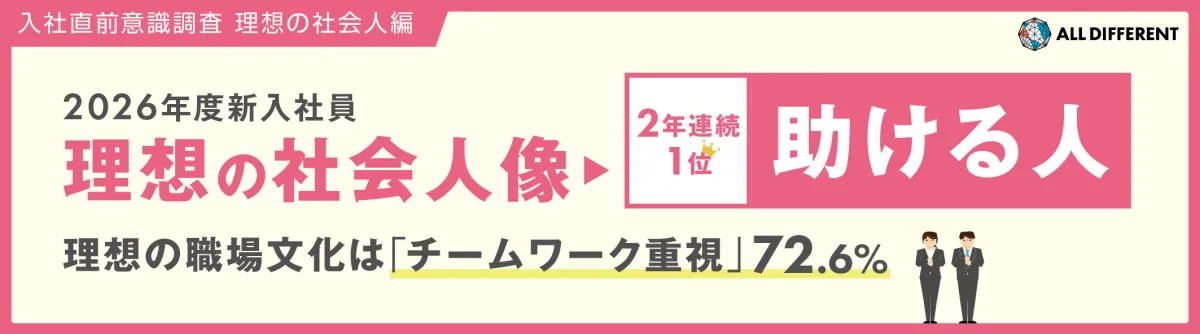
Recent Survey Reveals New Graduates' Ideal Workplace Culture and Values for 2026
Understanding the Aspirations and Concerns of New Graduates in 2026
As the new fiscal year begins for many companies, a notable survey conducted by ALL DIFFERENT Corporation in collaboration with the Learning Innovation Research Institute has shed light on the psyche of the entering workforce in 2026. With a historical context shaped by global instability and economic fluctuations, these incoming employees are filled with anxiety as they take their first steps into the corporate landscape.
Survey Overview
Executed between January 20 and March 4, 2026, the survey reveals what new employees expect as they transition into their roles. Having gathered data from 266 individuals across various industries, it provides insights into their feelings, ideals, and the conditions they hope to find in their workplaces.
Anxiety and Ambivalence
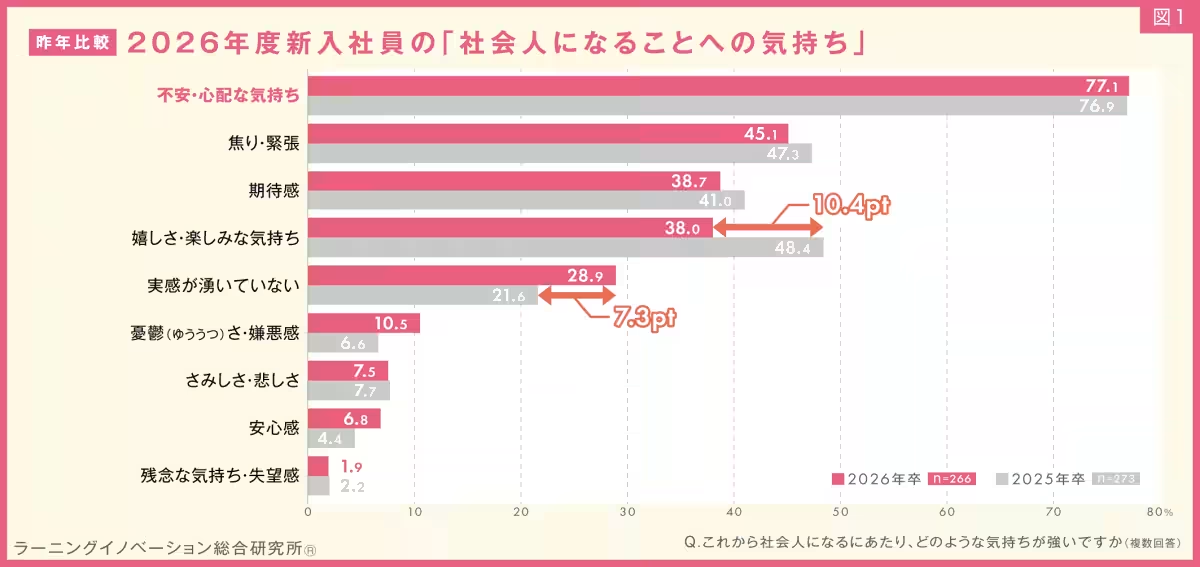
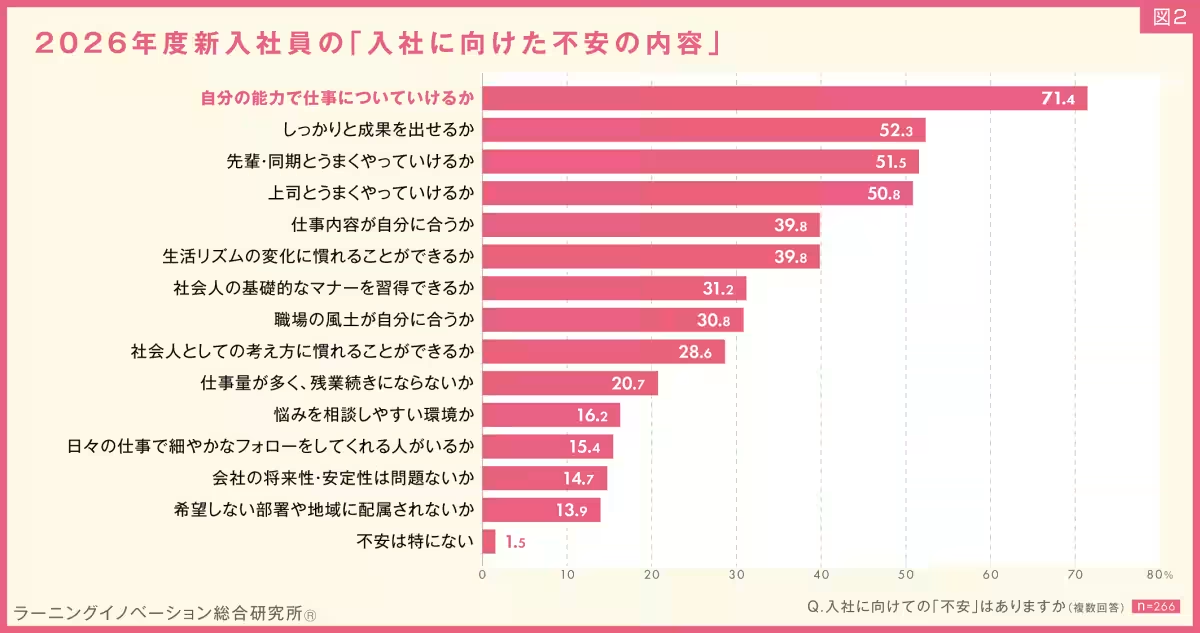
The findings highlight a concerning trend: approximately 77.1% of respondents expressed feelings of anxiety and doubt about their upcoming transition into the workforce. This is notable, especially since the sense of excitement and anticipation has dropped by 10.4 percentage points from the previous year. An overwhelming 71.4% are particularly worried about their ability to keep up with job demands, reflecting a substantial practitioner-based anxiety that is concerning for employers aiming for a confident and competent workforce.
Ideal Work Values
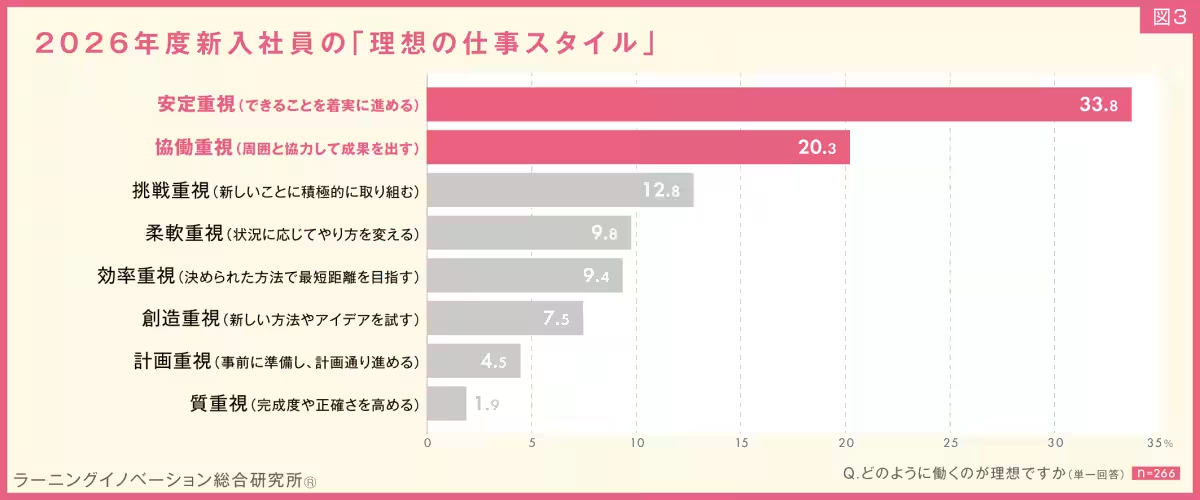
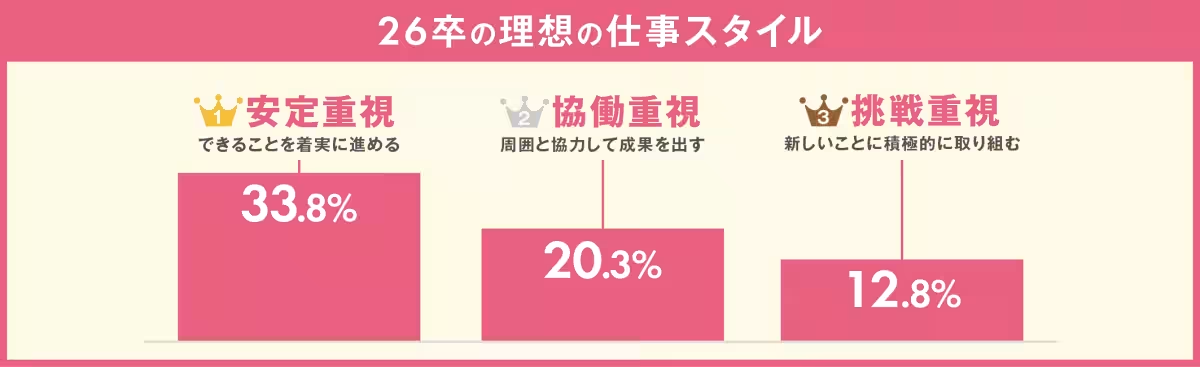
As part of the survey, respondents were asked to articulate their ideal work style. The dominant preference, at 33.8%, was for a stable work environment where they could progress steadily rather than tackle aggressive challenges. This stabilizing goal appears to stem from the same anxieties driving their overall apprehension about workplace expectations.
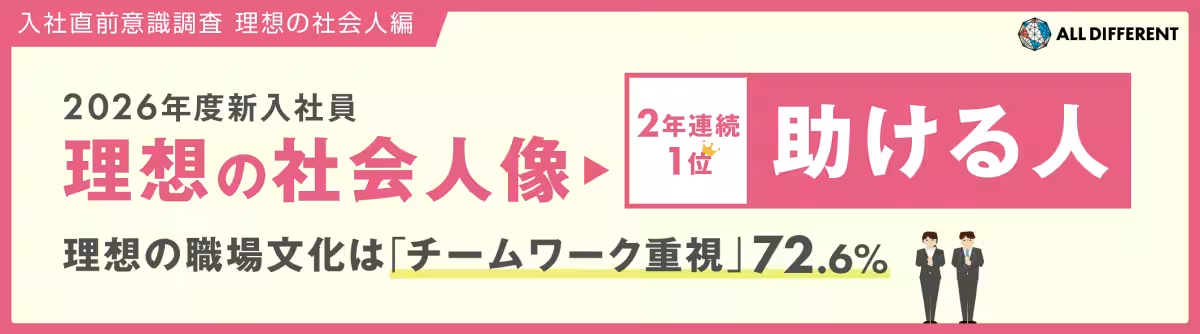
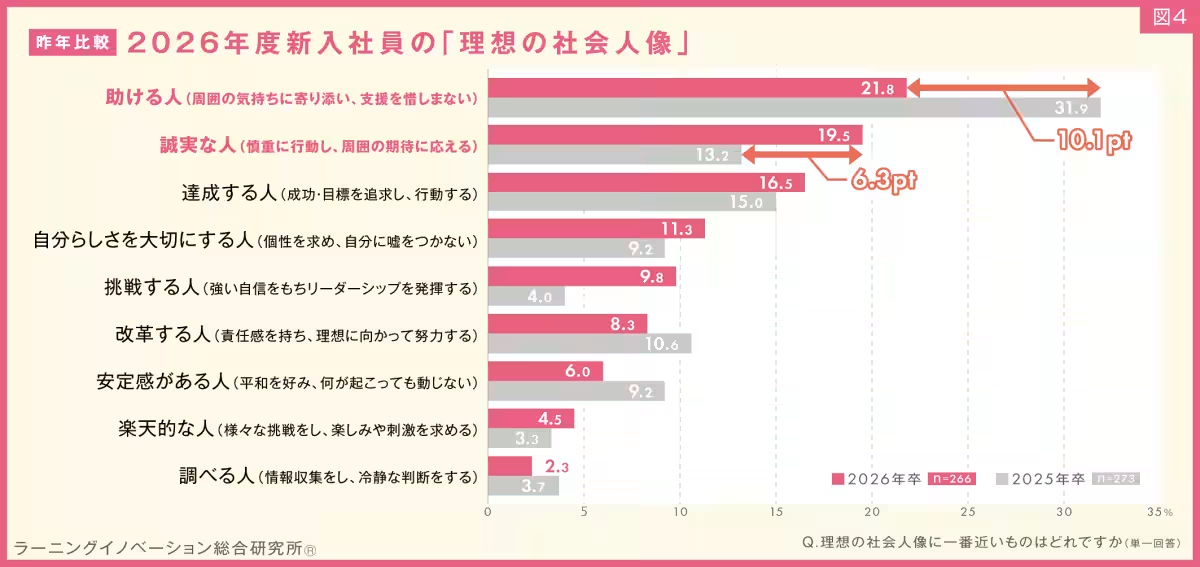
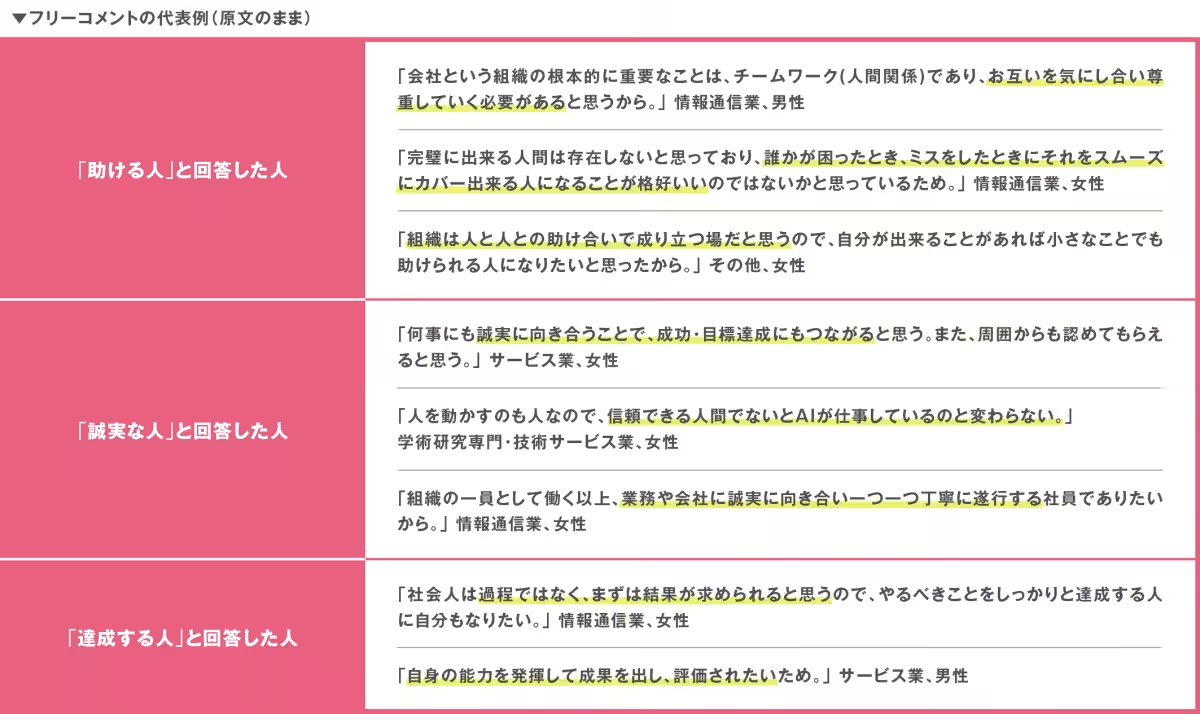
Interestingly, for the second consecutive year, the top-rated ideal employee persona is described as a "helper", reflecting a collective desire for a culture of mutual support and collaboration. Following this ideal, "honest individuals" ranked second, rising markedly from the previous year, while the pursuit of personal achievement fell slightly. This indicates a potential shift in values as the new generation seeks to prioritize relational over personal achievement.
Workplace Culture Preferences
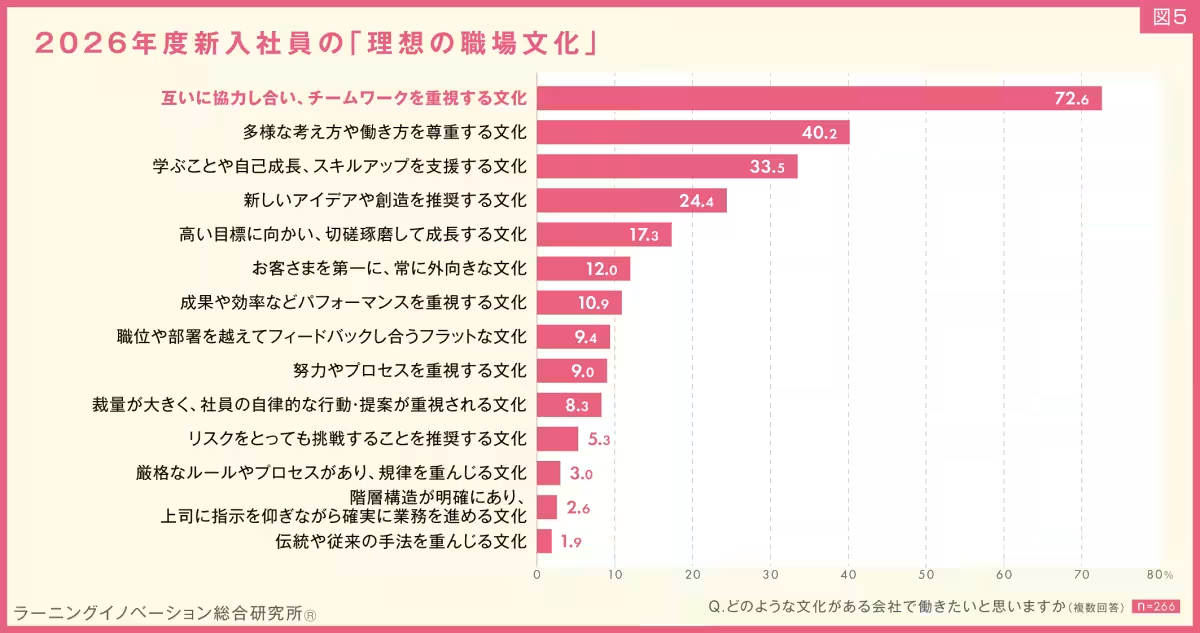
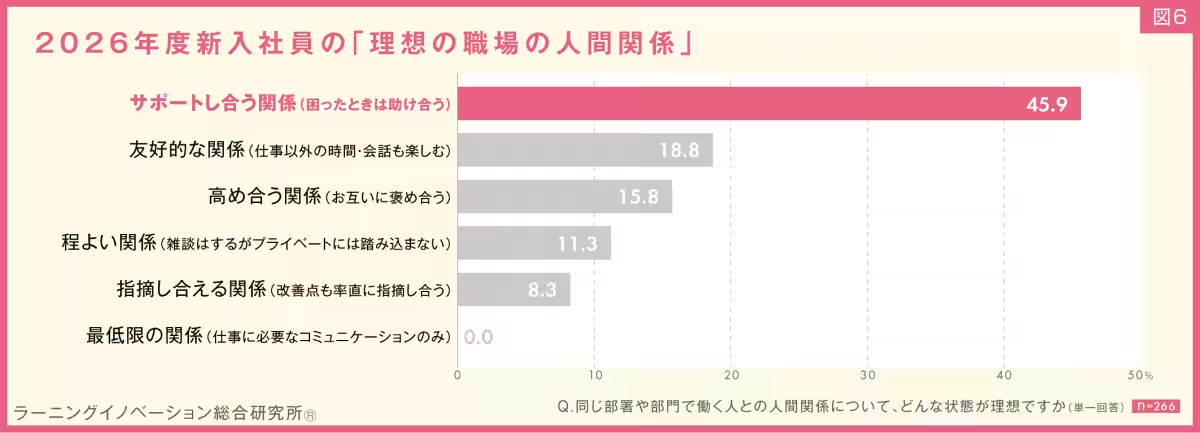
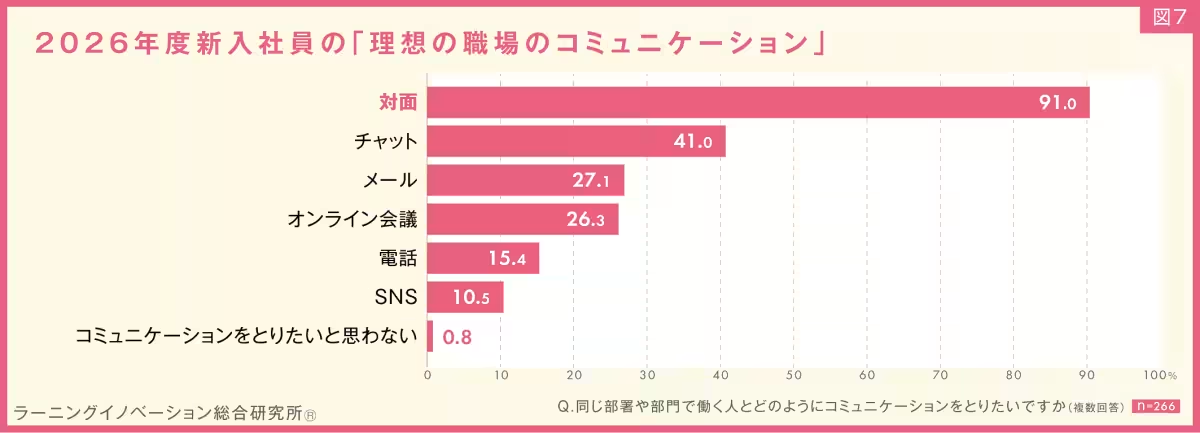
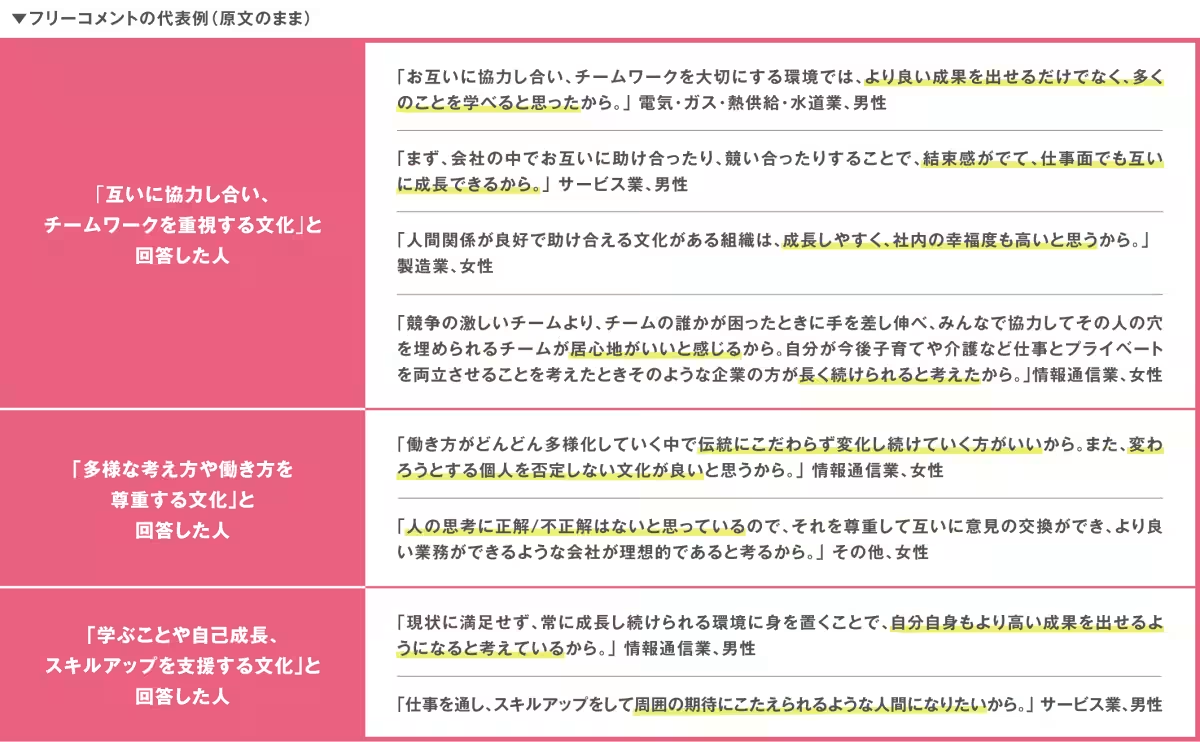
When it comes to workplace culture, 72.6% of respondents desire an environment that emphasizes teamwork and cooperation. Additionally, a strong preference for supportive interpersonal relationships was noted, with 45.9% indicating a desire for team members who ‘support each other’. The survey also illustrated a stark preference for humane communication styles, with 91% favoring face-to-face conversations over digital options such as chat or email, emphasizing a yearning for direct interaction and community.
Implications for Organizations
This research highlights a critical direction for companies looking to engage the upcoming workforce: the emphasis on stability and collaboration calls for organizational changes. New graduates are seeking spaces where they can feel secure and supported, and where cooperation is the norm rather than the exception. As companies adapt, they should consider fostering environments that promote these values while also encouraging development and fostering a culture of healthy challenge and growth.
Conclusion
The data from this survey offers valuable insights into the mindset of 2026's new employees. Their focus on cooperation, stability, and honesty presents both challenges and opportunities for businesses. Companies should aim to create supportive work environments, capitalizing on these insights to cultivate robust, competent, and confident future leaders.

Topics People & Culture)
【About Using Articles】
You can freely use the title and article content by linking to the page where the article is posted.
※ Images cannot be used.
【About Links】
Links are free to use.