



Understanding 'Money Harassment': Insights from a Recent Workplace Survey
Understanding 'Money Harassment': Insights from a Recent Workplace Survey
In a recent survey conducted by Tokyo Marine Nichido Fire Insurance Co. under its insurance portal site, HOKENO, a concerning trend has been uncovered regarding money harassment, or 'money hara' as termed in Japanese. The survey involved 1,032 employed individuals aged between 20 to 50 from across Japan, shedding light on the prevalence and recognition of such harassment in workplace environments.
Awareness Levels
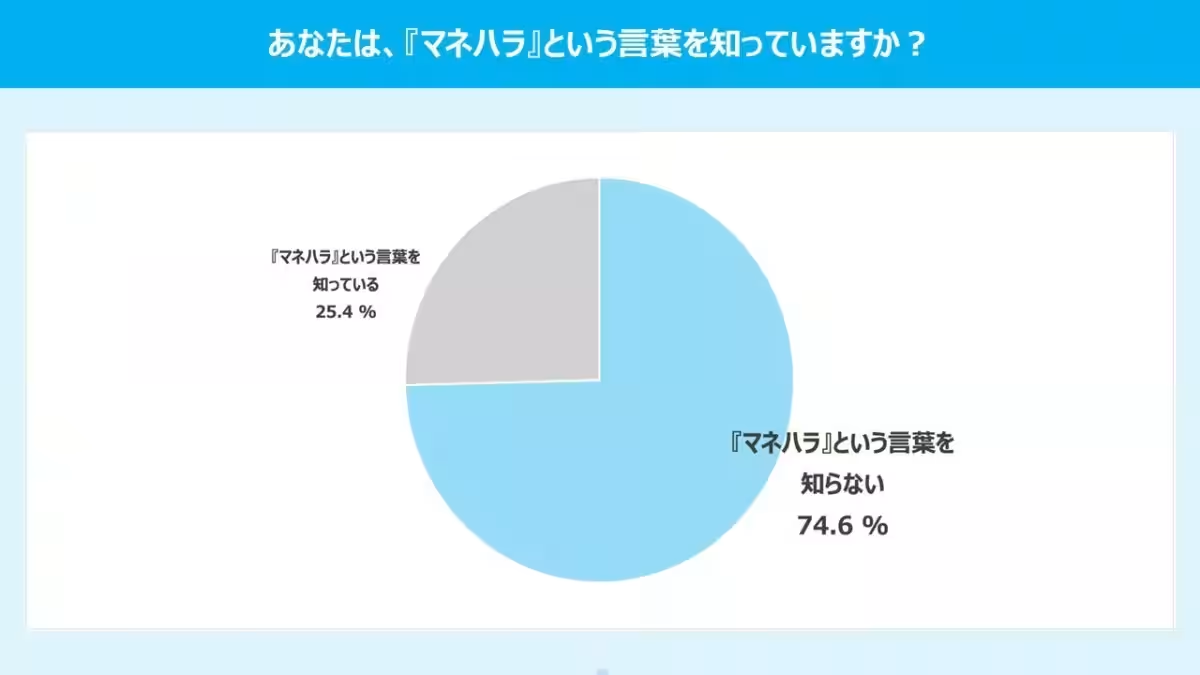
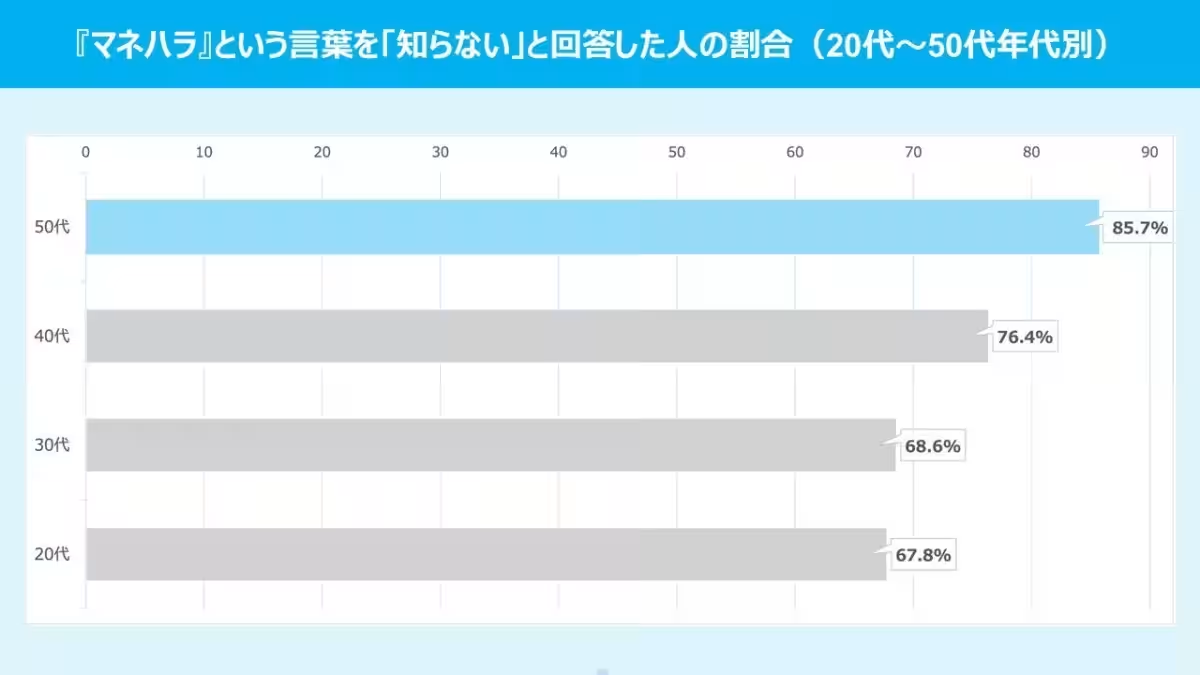
One of the most striking findings from the survey indicates that a staggering 74.6% of respondents reported that they were unaware of the concept of money harassment. This lack of awareness was particularly pronounced among individuals in their fifties, where 85.7% claimed to have no knowledge of the term. Such statistics underline the need for greater education and discourse surrounding workplace harassment related to financial matters.
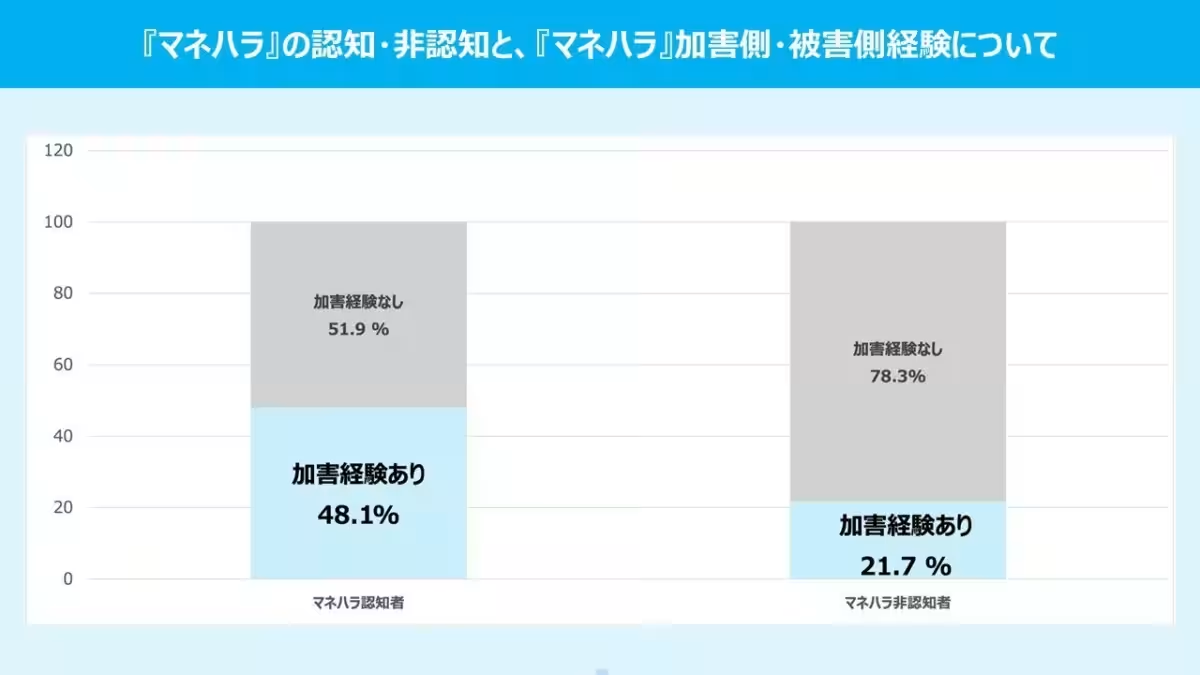
Conversely, the analysis revealed that 48.1% of those familiar with money harassment admitted to having experienced or perpetrated this behavior. This paradox highlights a troubling reality where individuals can be both aware of an issue yet still participate in it.
Common Scenarios of 'Money Harassment'
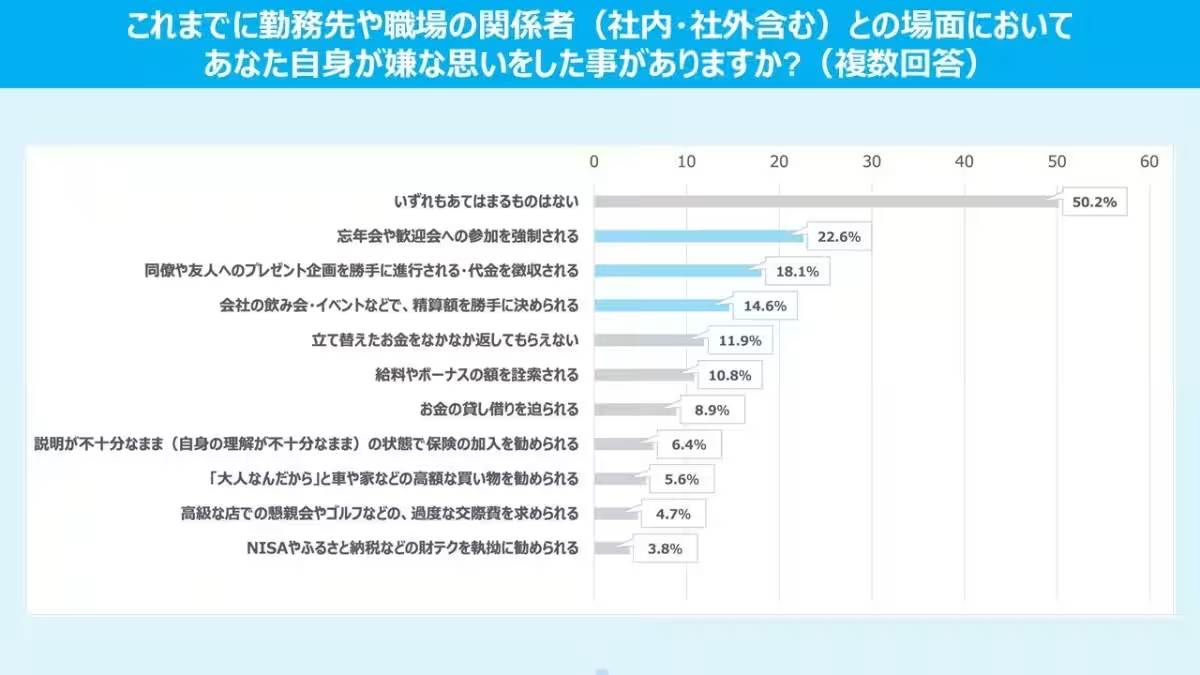
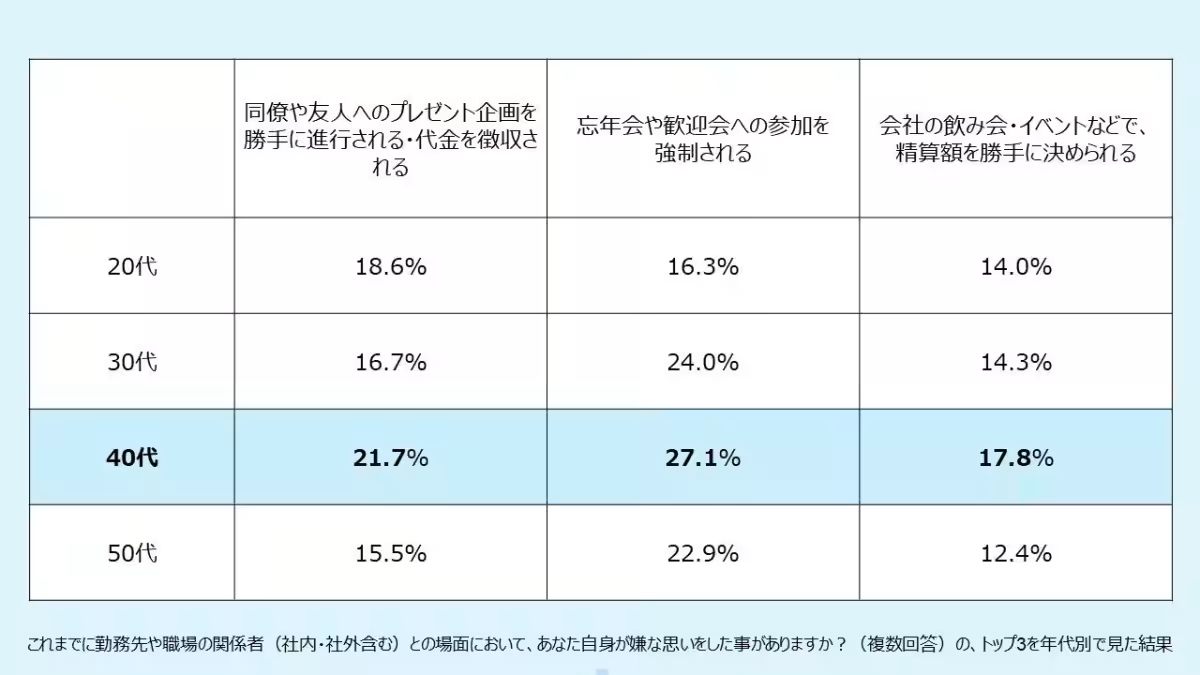
The survey pinpointed several specific situations where money harassment often occurs. A large portion of respondents recounted experiences at workplace social gatherings, particularly during welcome parties or year-end events. Examples cited included coercion to participate in gatherings, unauthorized contributions to group gifts, and arbitrary decisions on expense settlements during company outings.
Particularly alarming was the discovery that 55.0% of individuals in their forties have faced such experiences, indicating an urgent need for awareness and intervention strategies targeted at this age group, who often occupy managerial roles and carry a significant influence over workplace dynamics.
Recognizing Insidious Behaviors
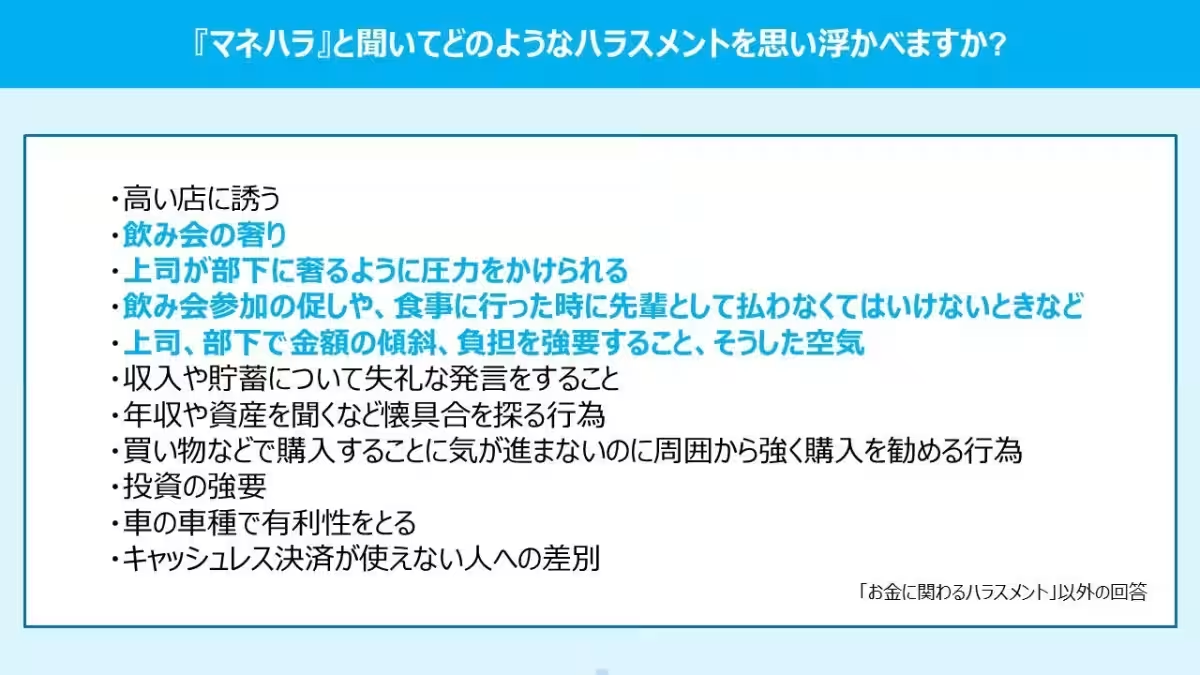
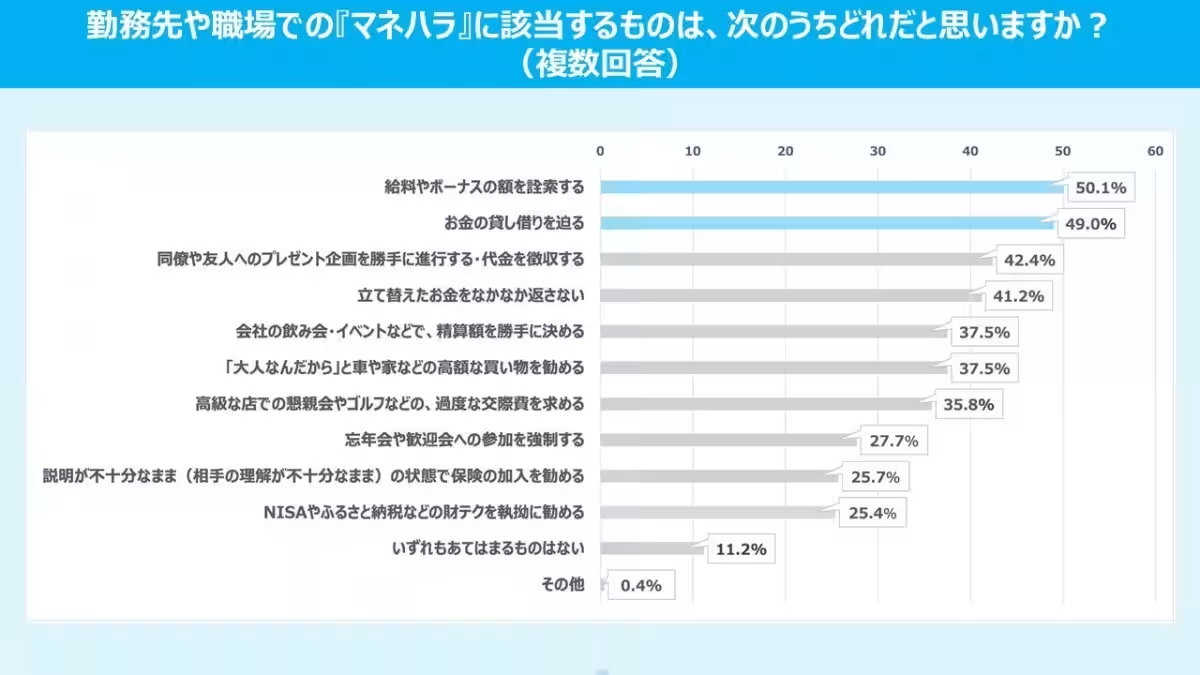
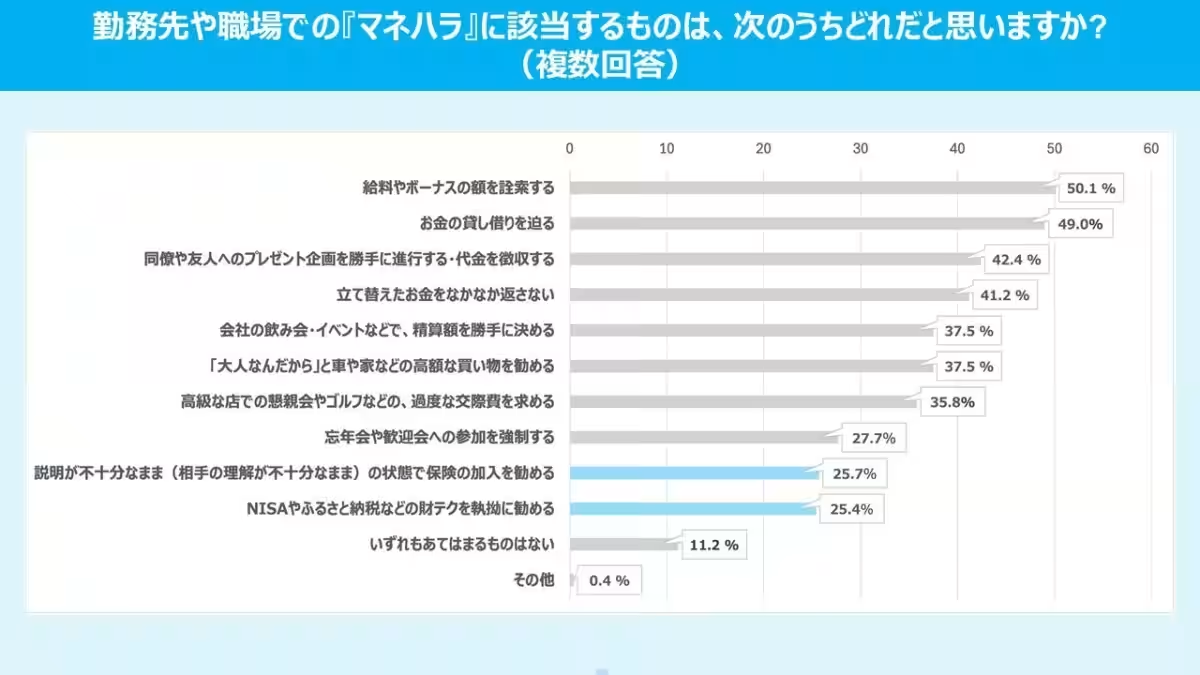
The study further investigated what specific actions are classified as money harassment. A notable 50.1% of respondents identified probing about salaries or bonuses as harassment, while 49.0% noted pressure to lend or borrow money as problematic. Other troubling behaviors included unilateral decisions regarding group gifts and difficulties in retrieving lent money. This encompasses a broad spectrum of actions that many may not consciously associate with harassment.
The Role of Understanding Financial Products
Interestingly, the survey also linked monetary harassment to misunderstandings about financial products like insurance. People who were encouraged to join insurance plans without full comprehension of the terms may inadvertently participate in money harassment. In fact, 48.5% of participants reported they did not fully understand their insurance products when signing up, often driven by social pressure or fear of missing out.
Moving Forward: Education and Awareness
As we transition into a new fiscal year, the reported rise in social gatherings places an emphasis on enhancing understanding of money harassment. Companies and employees alike must engage in discussions that advance understanding and prevention of these insidious behaviors. This includes better education about financial practices and fostering an environment where all employees feel empowered to speak out against coercive practices.
HOKENO aims to provide resources that aid individuals in navigating these difficult conversations and understanding their rights and responsibilities in financial interactions within the workplace. The service has been focused on transforming the complex landscape of insurance into accessible, comprehensible, and trustworthy guidance.
In conclusion, the findings about money harassment illustrate an urgent call to action. Awareness and knowledge are the first steps toward fostering a workplace culture that prioritizes respect and transparency over coercion and guilt. With greater education, we can mitigate such instances and cultivate healthier work environments for all.
Topics People & Culture)

【About Using Articles】
You can freely use the title and article content by linking to the page where the article is posted.
※ Images cannot be used.
【About Links】
Links are free to use.