



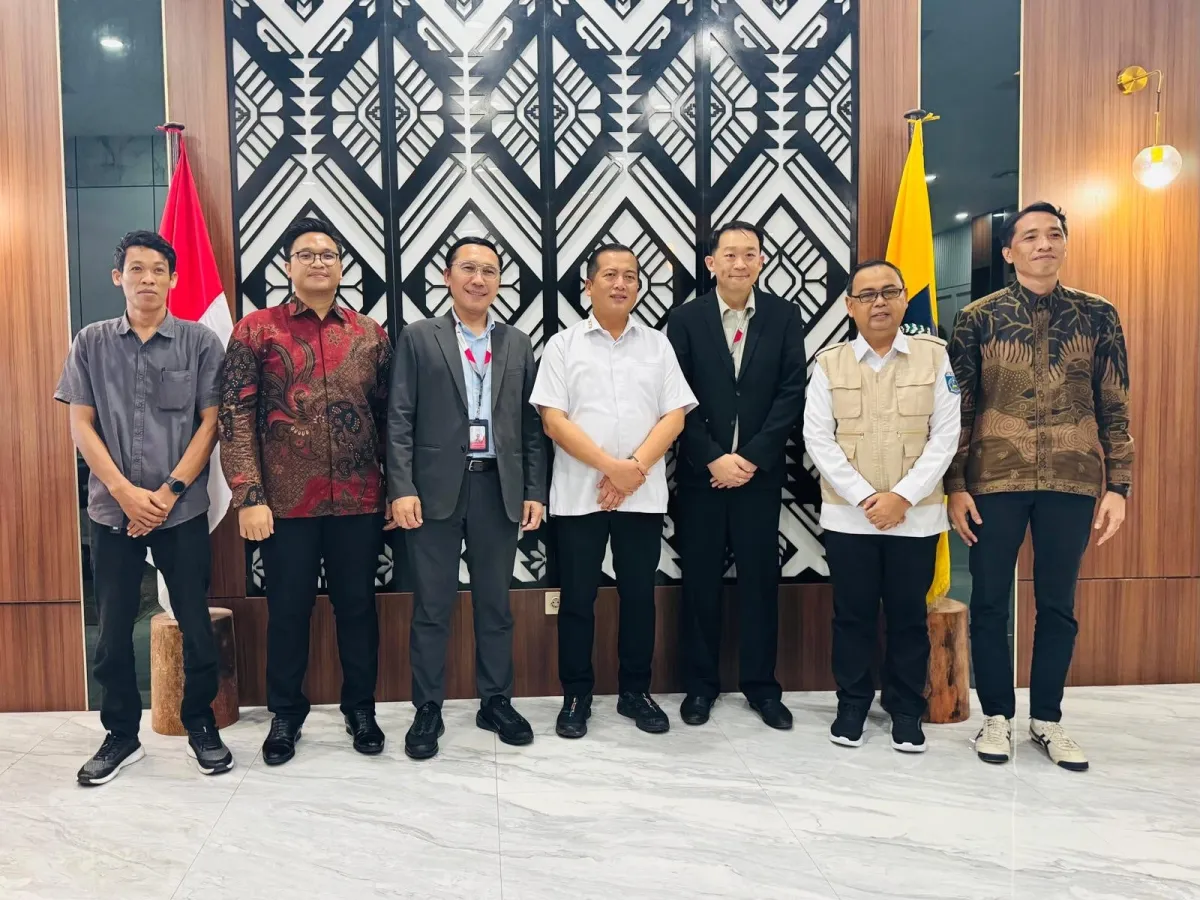
Partnership Initiatives Begin in Indonesia's West Nusa Tenggara Region
Partnership Initiatives in West Nusa Tenggara
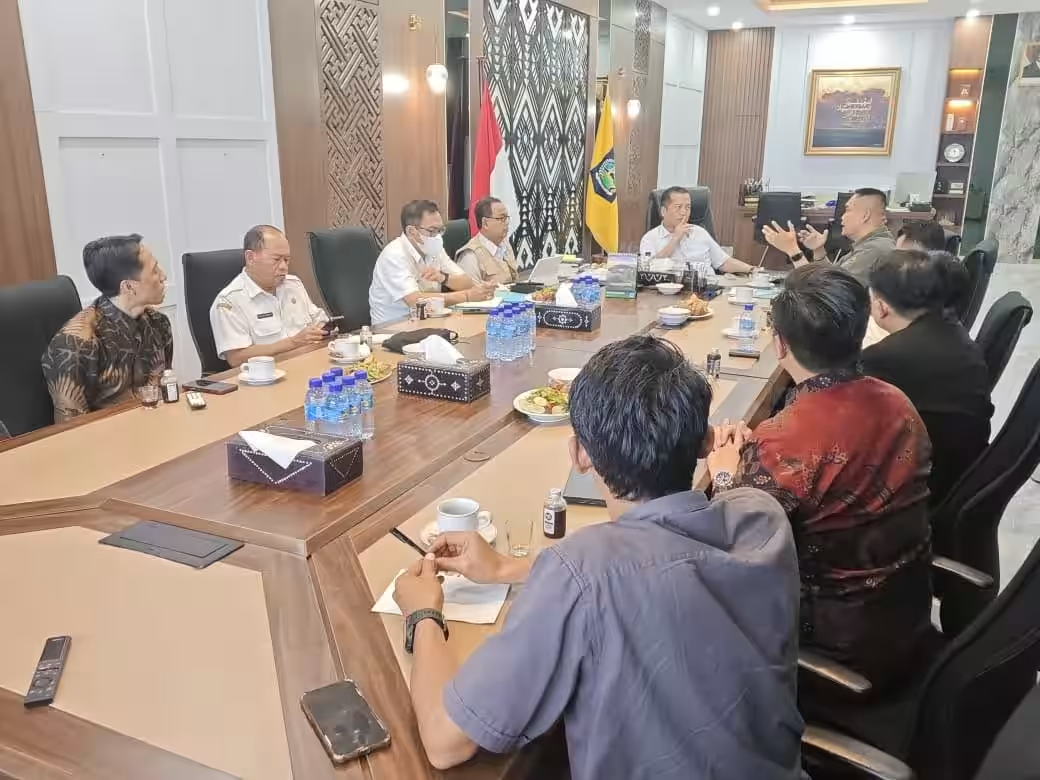
In a significant step towards strengthening economic ties, a conference was held in Lombok, Indonesia, bringing together the Governor of West Nusa Tenggara (NTB) and the Head of the Labor and Migration Office. The meeting, conducted by the Indonesia Comprehensive Research Institute, focused on several key areas: vocational training, language education, business cooperation with Japan, and collaboration between vocational training institutions.
The discussions revolved around fostering a new partnership between Indonesia and Japan, emphasizing the pressing need for effective collaboration in labor migration and skills development. The meeting garnered attention from local media outlets such as Tribun Lombok and Duta Selaparang, showcasing the region's potential for economic growth and international cooperation.
Exploring Lombok Island
Lombok, a stunning island part of NTB, is located east of Bali and is easily accessible from major cities like Jakarta and Bali. With a population of approximately 4.11 million, many residents belong to the indigenous Sasak ethnic group, who speak their own language and maintain a distinct cultural heritage. Unlike the predominantly Hindu Bali, Lombok is known for its Islamic cultural diversity, often referred to as the “Island of a Thousand Mosques” due to the numerous beautiful mosques scattered throughout the island.
The island is also blessed with rich natural resources, attracting tourists to Mount Rinjani, Indonesia’s third-highest peak, and the world-famous Gili Islands. Additionally, Lombok’s culinary scene is highlighted by spicy dishes such as Ayam Taliwang and Plecing Kangkung, which delight visitors with their unique flavors.
The Challenges Facing West Nusa Tenggara
Despite the region’s development, NTB faces significant structural issues. One of the main challenges is the disparity in the benefits of tourism development, which has not sufficiently reached the local population. The poverty rate in NTB is approximately 11%, far exceeding the national average of 8%. Rural areas particularly suffer from limited income opportunities, necessitating urgent job creation.
Moreover, the mismatch between the lack of job opportunities for youth and the lag in language and skills training related to tourism and overseas work presents a serious problem. With the Indonesian government promoting the overseas deployment of workers, there is a pressing need to establish a foundation for talent development in NTB. This meeting aimed to discuss practical solutions through collaboration with Japan.
Insights from the Governor's Office
During the April 2026 meeting, the Governor of NTB, Iqbal, emphasized the importance of providing comprehensive protection for migrant workers and their families based on international obligations, outlining the necessity for a support system at all stages of their employment journey.
He also disclosed that NTB has set a target to send 2,000 workers to Japan this year amidst widespread initiatives directed by the Indonesian government. However, a significant hurdle remains: the lack of Japanese language instructors in NTB, with only three currently available to meet the outgoing labor target.
The Head of the Labor and Migration Office highlighted the urgent need for private sector support in providing instructor training, an initiative that has received formal endorsement from the Governor to develop a skill enhancement program for Japanese language teachers.
The 'Zero Cost' Sending Scheme: KUR PMI
Among the exciting developments emerging from the conference was the introduction of Indonesia's unique
Topics Other)
【About Using Articles】
You can freely use the title and article content by linking to the page where the article is posted.
※ Images cannot be used.
【About Links】
Links are free to use.