



The Struggle for Work-Life Balance in Modern Japan: Homeport's Insights on Domestic Challenges
The Struggle for Work-Life Balance in Modern Japan
As we navigate the era of Reiwa, the concept of achieving a balance between home and work continues to be a pressing issue. Homeport, a company dedicated to fostering supportive family environments, has released the second installment of its "LCS White Paper 2025". Conducted as part of its "Family Power-Up Project", the recent survey examined the link between domestic tasks and professional stress among 1,236 participants, revealing significant insights into the ongoing domestic challenges in Japanese society.
Key Findings from the Survey
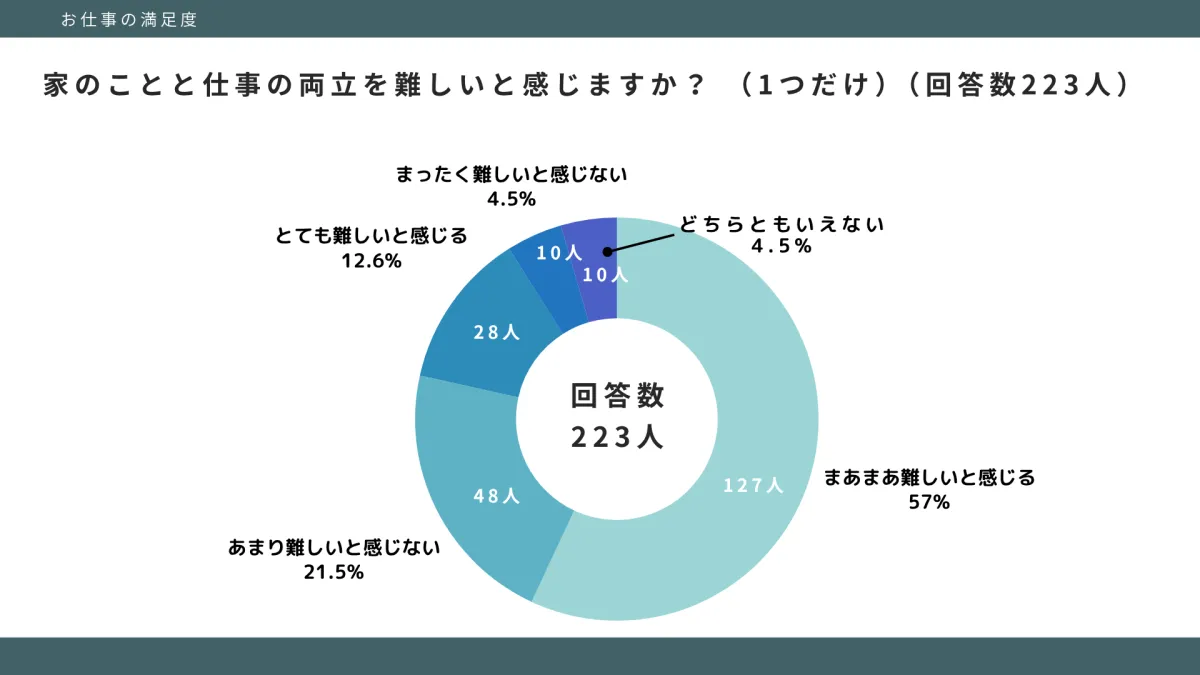
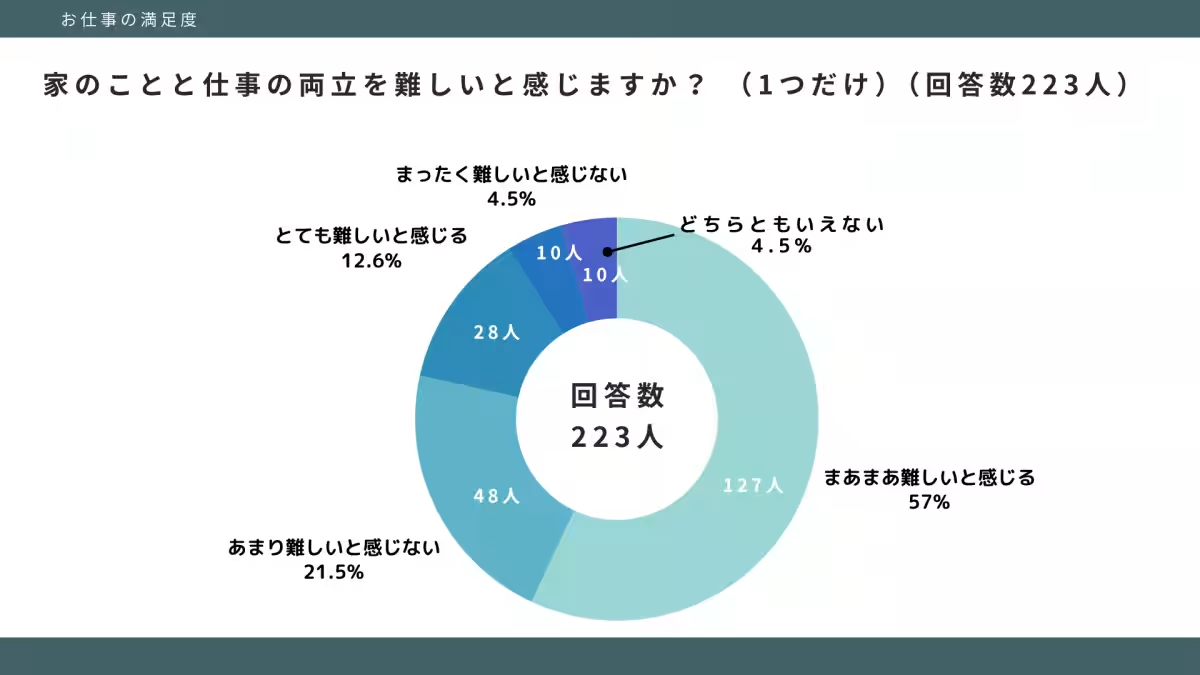
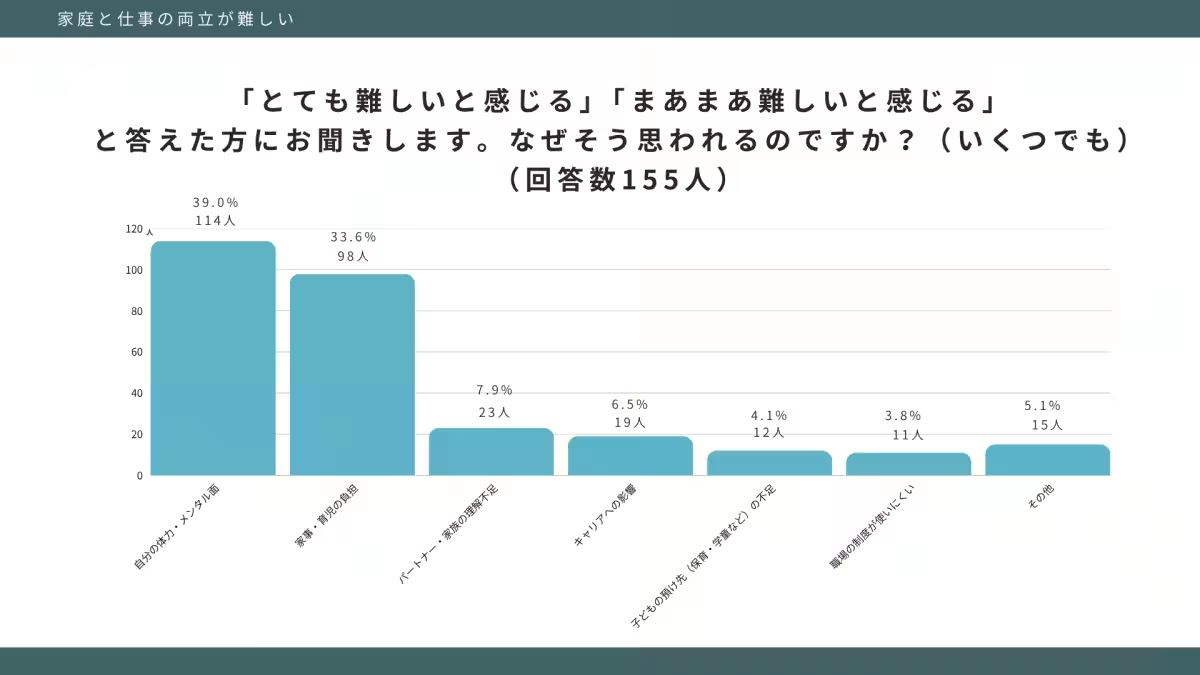
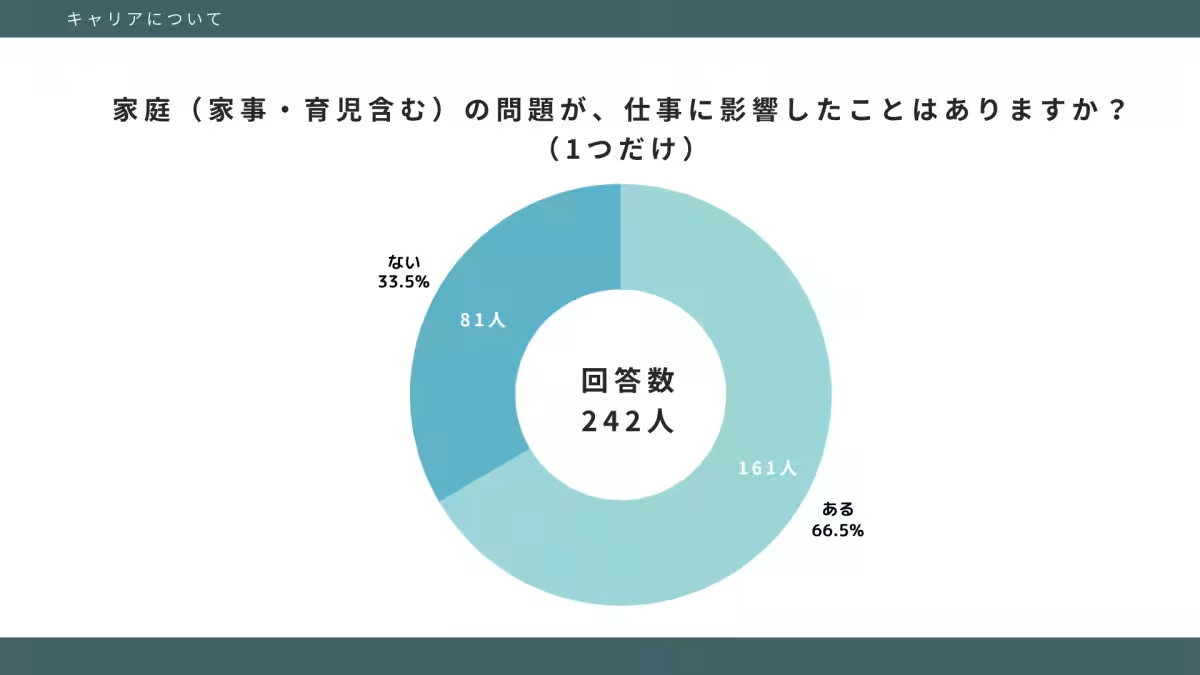
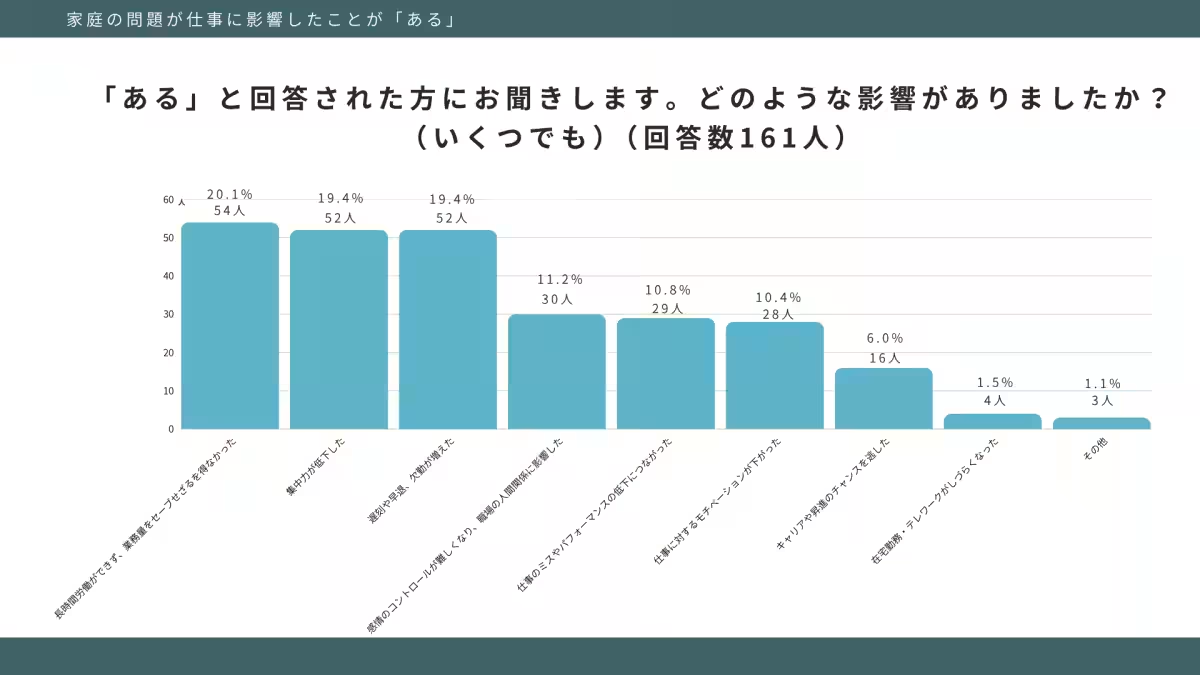
Approximately 70% of the respondents expressed difficulties in balancing home duties with their professional responsibilities. This sentiment was corroborated by a startling 66.5% of participants who acknowledged that home-related issues impacted their work performance.
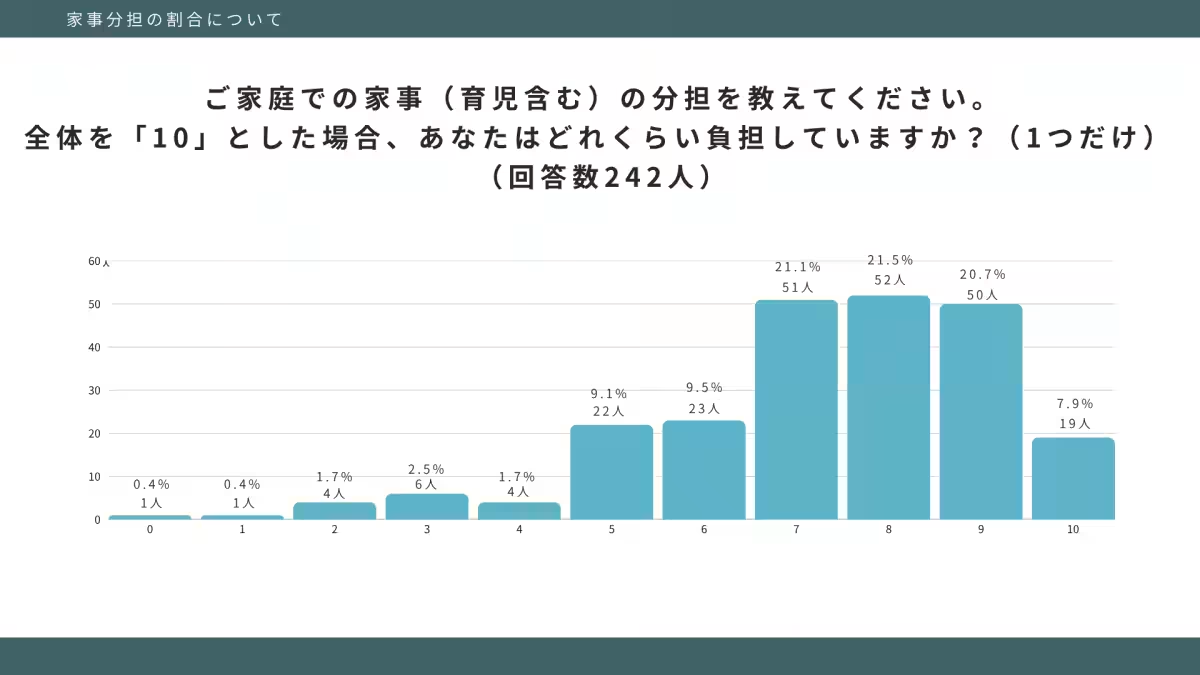
Moreover, the survey highlighted a stark reality: more than half of the respondents rated their household division of labor as a 7 or higher on a scale of 10. It became evident that the burden of household tasks and childcare still disproportionately falls on women.
Career Sacrifices Among Women
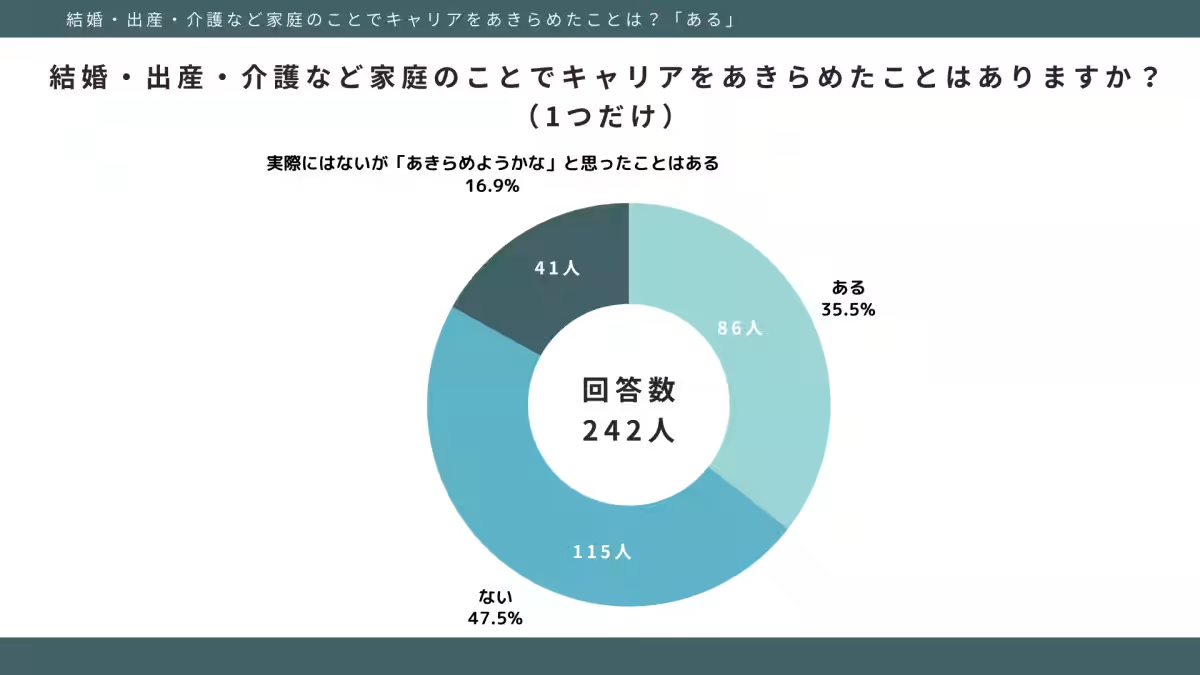
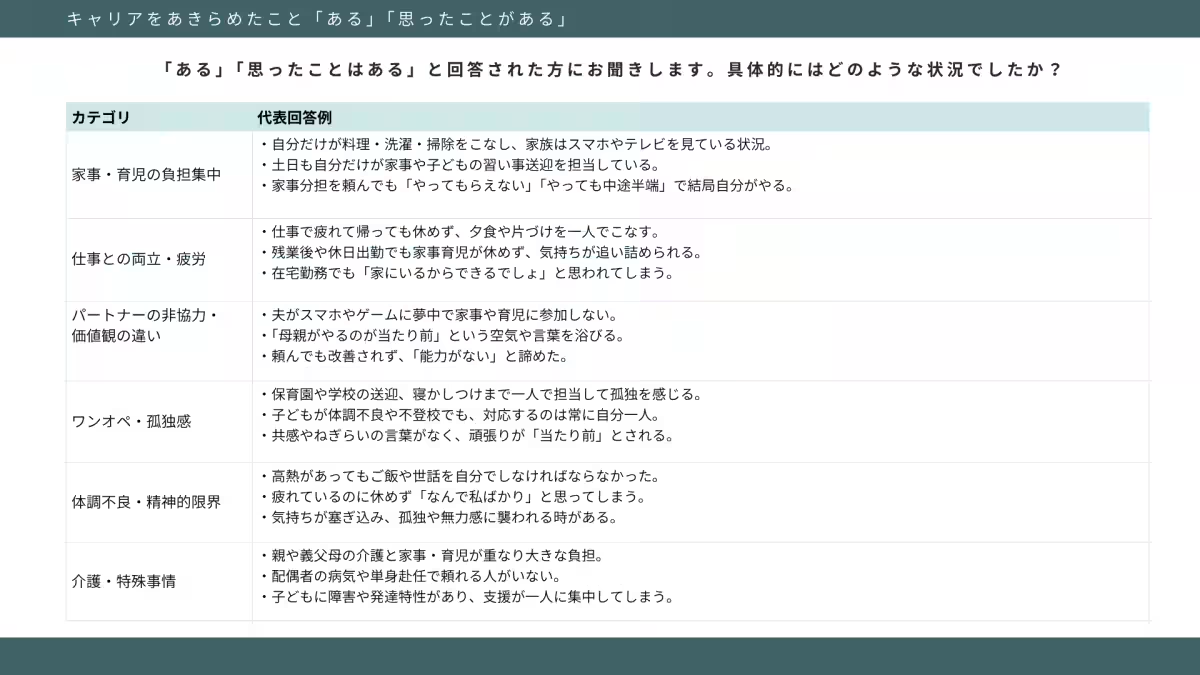
The survey also revealed that 35.5% of women had at some point considered sacrificing their careers due to home-related challenges such as marriage, childbirth, or caregiving. Additionally, 16.9% admitted they had contemplated giving up their careers entirely. The qualitative feedback provided by participants painted a vivid picture of their struggles:
- - "My husband is so engrossed in his smartphone and games that he fails to assist with household tasks."
- - "Even while working from home, I'm often told, 'You're at home, so you should be able to handle this.'"
- - "I single-handedly manage tasks like school drop-offs and nighttime routines, feeling overwhelmed and isolated."
- - "Despite being exhausted, I can't afford to take a break and often feel helpless."
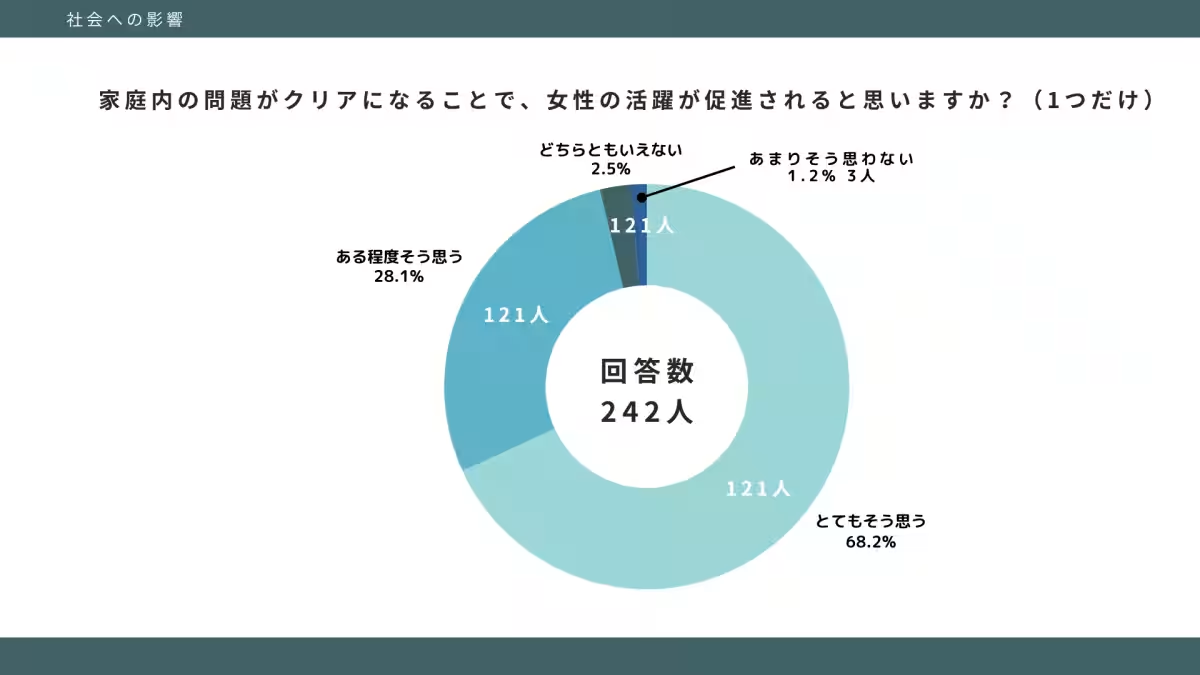
Despite these challenges, an overwhelming 96.3% of respondents believed that resolving domestic issues could significantly enhance women's opportunities in the workplace.
Gap in Workplace Support Systems
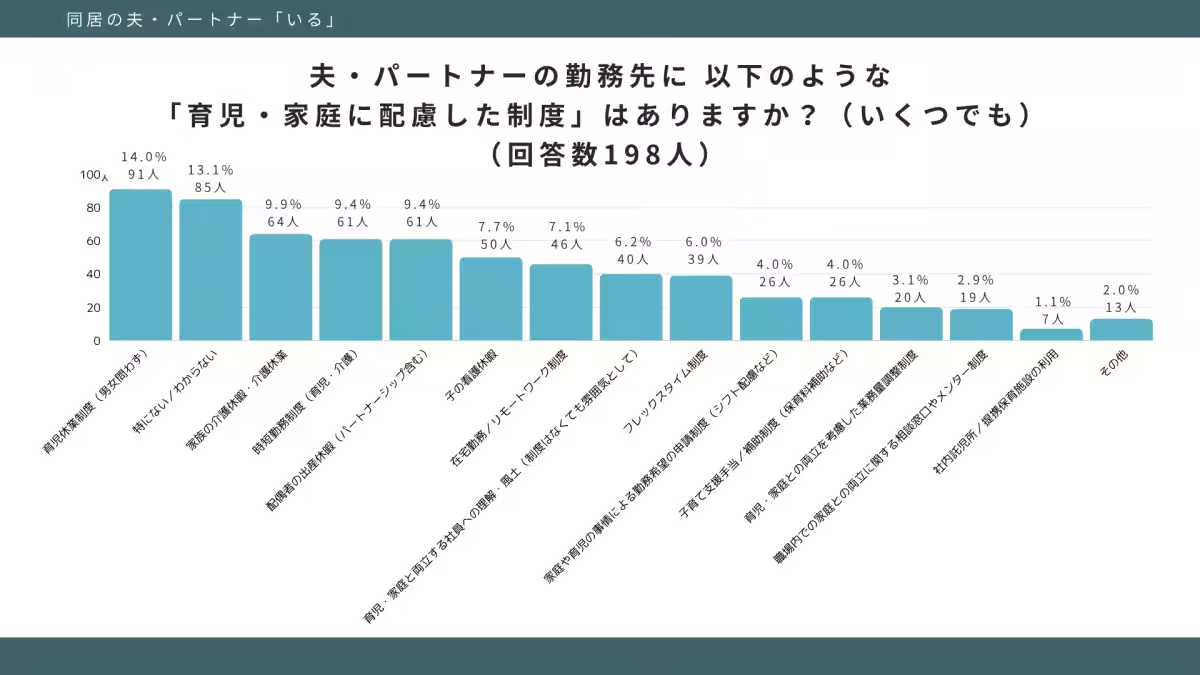
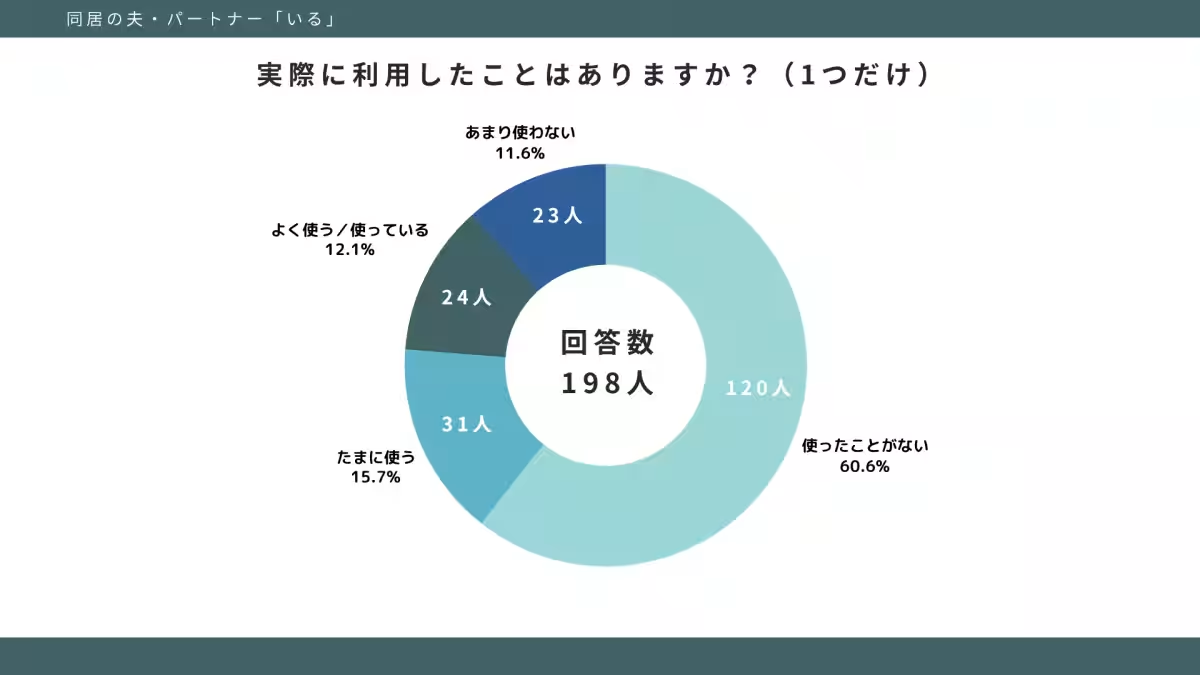
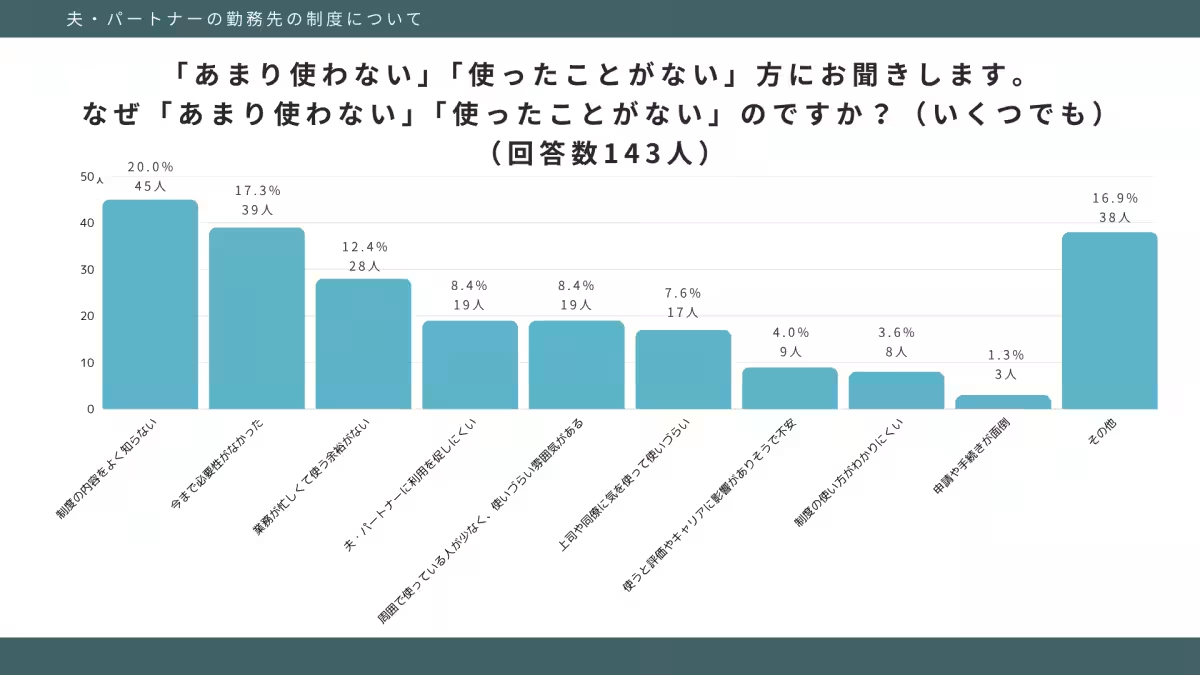
The study also shed light on gaps in workplace support systems that are meant to assist employees in balancing their home and professional lives. Less than one-third of participants reported having utilized available support services. Furthermore, around 20% admitted they were unfamiliar with the specifics of the support systems or had never found it necessary to use them.
Concerns also emerged regarding potential repercussions for using such systems; individuals feared that their career progress or evaluations might be negatively impacted. This disconnect highlights that the existence of support systems does not necessarily equate to their accessibility.
Positive Changes Through Homeport’s Initiatives
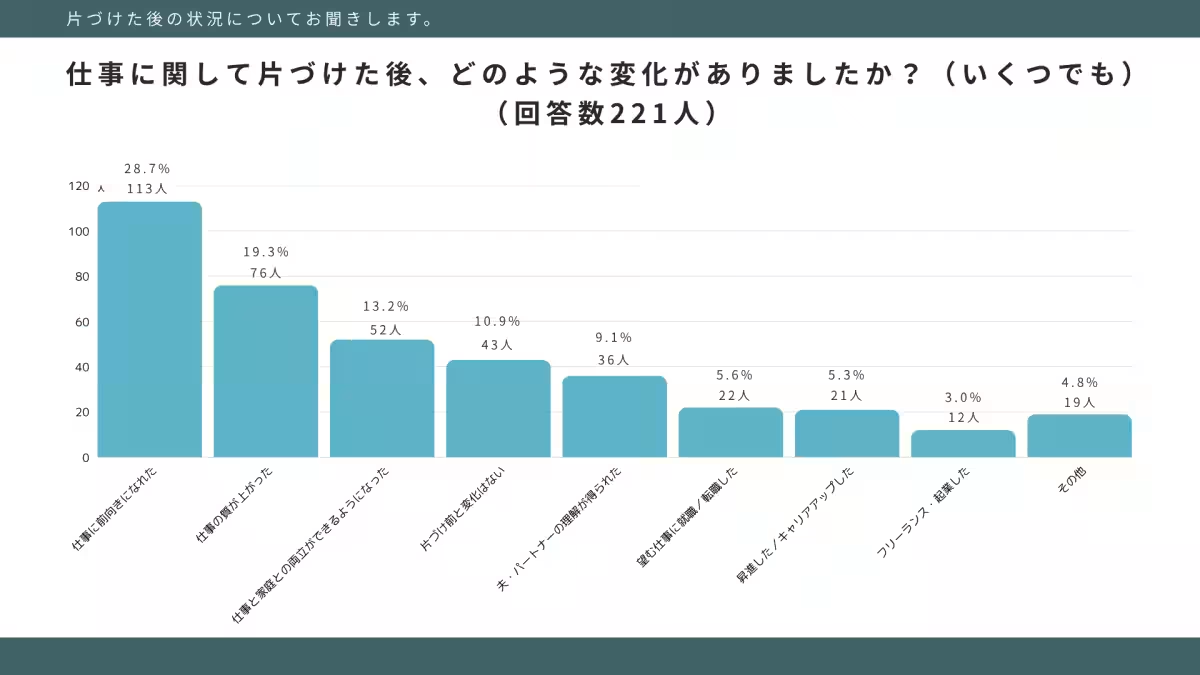
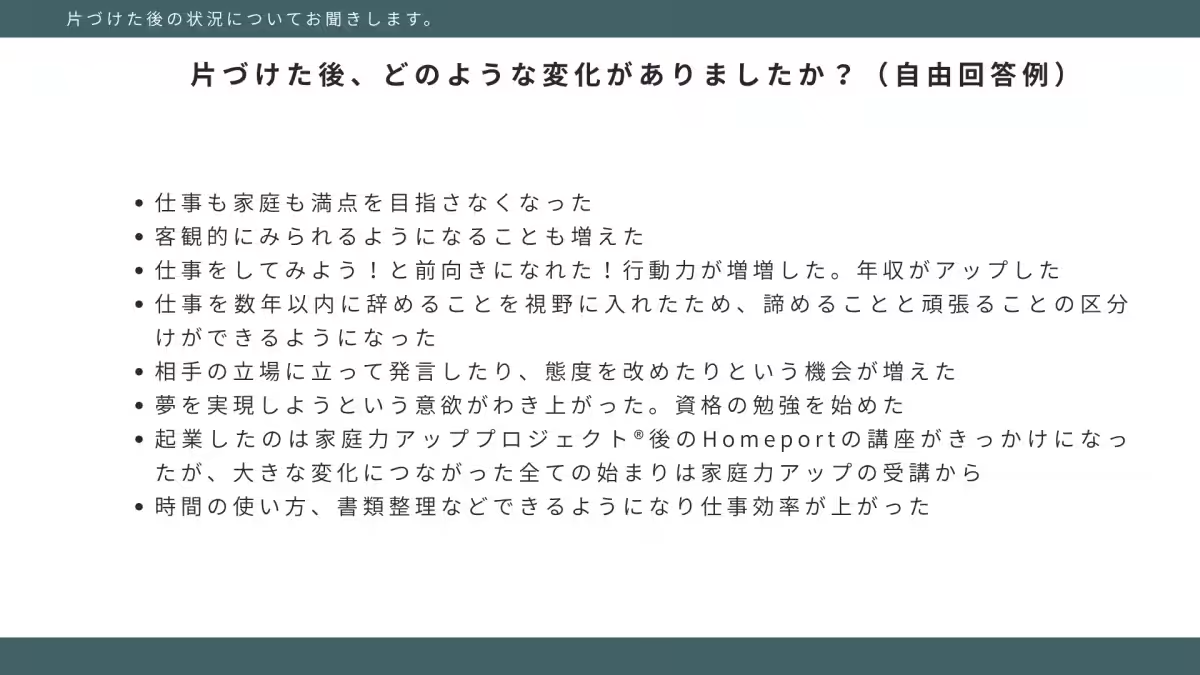
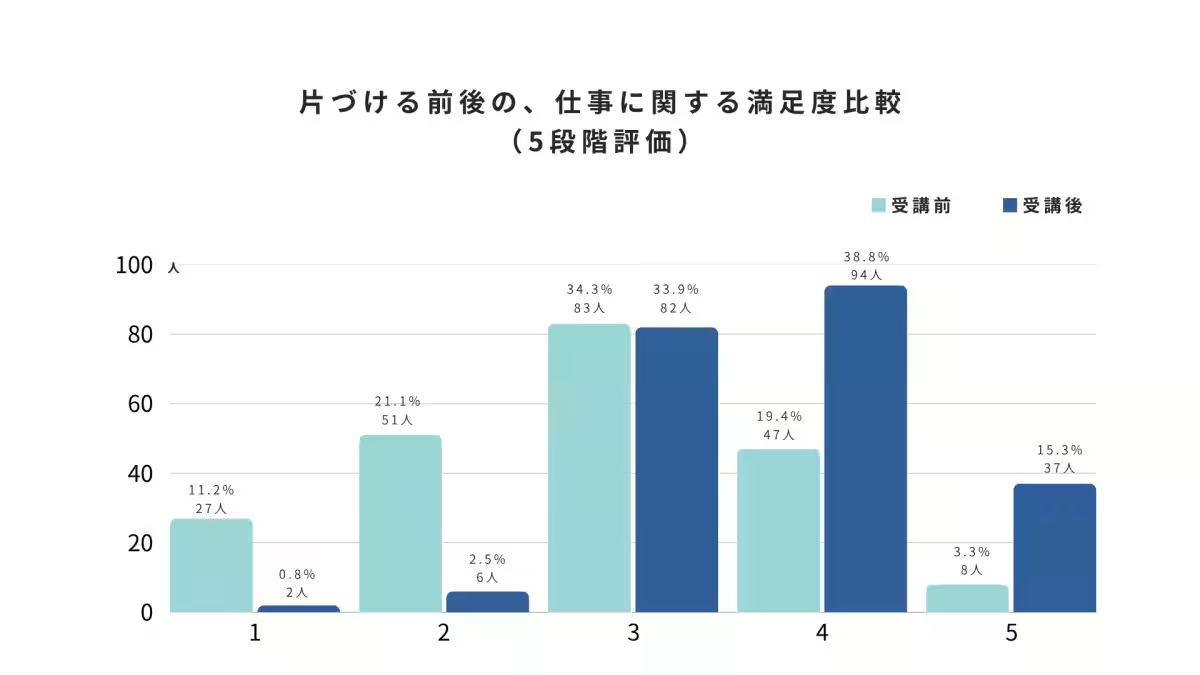
Despite the challenges, many participants of the Family Power-Up Project reported significant personal growth. They noted feelings of newfound motivation toward their work, attempts to pursue new challenges, and even embarking on entrepreneurial journeys fueled by improved home environments and personal empowerment.
These insights underscore the pressing need for 'supportive measures from the perspective of individuals' rather than just relying on policies or systems.
Homeport's Approach to Creating Change
Homeport's initiatives, including the development of the LCS White Paper 2025, aim to demonstrate that a well-structured home environment serves as a foundation that positively impacts individual career journeys while contributing to enhanced productivity in companies and overall societal vitality.
Homeport sees the skills necessary for managing a household—such as self-management, problem-solving, and teamwork—as integral to workplace competencies. Following the Family Power-Up Project, a notable number of women reported feeling happier in both their family life and their professional endeavors, leading to reduced feelings of loneliness and misunderstanding within their families.
Nonetheless, many continue to struggle with balancing work and life, faced with inadequate time resources despite government initiatives promoting reskilling opportunities. Homeport recognizes this disparity and advocates for changes that focus on practical solutions rather than institutional frameworks.
Conclusion
Homeport is at the forefront of addressing these societal challenges by promoting transformative change grounded in everyday realities. The company’s commitment to supporting families not only aims to enhance individual well-being but ultimately seeks to elevate the happiness of society as a whole. As highlighted by the words of Homeport's CEO, Sachi Nishizaki, facilitating small changes within households can serve as powerful catalysts for broader societal transformation.
By leveraging the skills of organizing, connecting, and persisting within homes, Homeport aspires to foster an inclusive environment where everyone can thrive, ensuring a robust connection between family dynamics and societal growth.
Topics People & Culture)


【About Using Articles】
You can freely use the title and article content by linking to the page where the article is posted.
※ Images cannot be used.
【About Links】
Links are free to use.