



June Syndrome: A Growing Concern for Today's Workforce
Understanding the Seriousness of June Syndrome
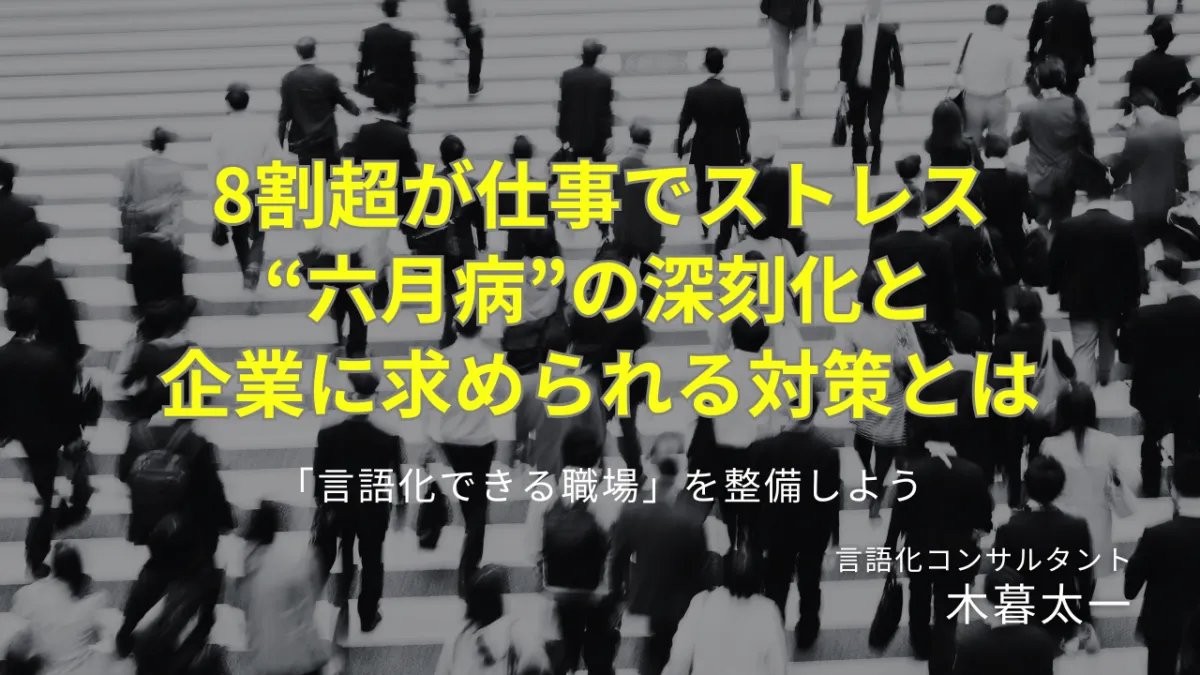
The phenomenon known as "June Syndrome" is alarming. Language consultant Taichi Kogure has brought this issue to light, emphasizing that many employees begin to experience mental health challenges associated with their work environment as they settle into their new lives. As stress remains pervasive, a recent survey by the Ministry of Health, Labour and Welfare found that more than 80% of workers feel stressed in their job roles.
What is June Syndrome?
June Syndrome is characterized by a range of complex factors contributing to emotional struggles, such as the sense of isolation in the workplace, excessive pressure to meet expectations, and a significant gap between reality and ideals. Unlike May Syndrome, which is often perceived as a temporary setback following a vacation, June Syndrome tends to be more deeply rooted and can escalate into serious mental health issues. Studies suggest that if left unaddressed, it may lead to diminished motivation, lack of focus, and even depression.
Why Does It Happen?
June marks a transitional phase for many new employees who have recently commenced their careers or transitioned to new roles. Although it appears to be a calmer period, it can actually increase the risk of mental health challenges. Once the initial excitement fades, accumulated stressors can surface, creating a significant risk of emotional instability.
The study by the Ministry of Health, Labour and Welfare indicates that stress among employees is not a trivial matter and must be approached with urgency.
The Silent Crisis: Untold Stress Causing Early Departures
Kogure highlights that many new graduates struggle to articulate the anxiety and stress they feel, leading to feelings of isolation. Many are unable to express their emotions and, as a result, may choose to leave their jobs prematurely. The research by the Ministry of Health reinforces that deficiencies in communication and relationships at work are significant contributors to mental health issues.
The means of expressing stress or dissatisfaction often eludes employees. This inability adds to their mental burden, which, in severe cases, may force them to resign from their positions. Kogure warns of the adverse effects this can have, stating that the lack of an environment where employees feel safe to communicate their concerns can exacerbate personal stress levels, ultimately jeopardizing the productivity of the entire organization.
Creating a Language-Friendly Workplace
To tackle the issue of June Syndrome fundamentally, it is essential to move beyond individual resilience and adopt a collective approach. Kogure advocates for the establishment of a workplace where every member feels secure in voicing their concerns, no matter how minor. This, he believes, is key to mitigating the risks associated with June Syndrome.
Research underscores the necessity of supportive communication within the workplace, highlighting that open dialogue can significantly improve mental well-being.
Steps Towards a Healthier Work Environment
Organizations should strive to cultivate an atmosphere where:
- - Employees feel free to voice small inquiries, opinions, and suggestions regardless of their hierarchy.
- - Trust exists between supervisors and subordinates, allowing for genuine and constructive dialogues.
- - Individuals can share personal anxieties and past failures without fear of repercussion.
This culturally ingrained psychological safety is pivotal in minimizing the risks linked to June Syndrome and enhancing employee engagement.
Innovative Solutions: Language Programs to Prevent Untold Struggles
To combat communication issues within organizations, Kogure has developed a unique "Language Program" aimed at identifying and improving the quality of communication challenges in the workplace.
Utilizing insights from the Ministry of Health's findings, it is clear that enhancing communication skills is crucial for safeguarding mental health. The program focuses on:
- - Enhancing the quality of one-on-one meetings to identify potential issues early.
- - Training on asking questions that encourage deeper, more genuine conversations.
- - Creating organizational practices that foster a culture where members can comfortably express their emotions and thoughts.
Companies that have adopted this program report significant positive outcomes, including increased participation in meetings and a decrease in turnover rates, implying a healthier workforce.
For more information about the Language Program and how it can benefit your organization, visit: Language Program Contact.
A Message from Taichi Kogure
He warns, "June Syndrome does not happen to a select few; it creeps in during daily operations, manifesting as a hidden mental SOS. To effectively manage this issue, organizations must cultivate an atmosphere where small discomforts can be voiced without hesitation, creating a culture of acceptance and understanding, essential for maximizing talent and enabling the organization to adapt and thrive in changing times."
Contact Information for Interviews with Taichi Kogure
For interviews and collaboration proposals with Taichi Kogure in television, newspapers, and online media, please reach out through the following link: Interview Contact.
Taichi Kogure’s Profile
Taichi Kogure is a distinguished language consultant and bestselling author, recognized for his contributions to improving communication in organizations. With over 65 published works and more than 1.9 million copies sold, he has garnered a wide readership through accessible explanations and unique insights. He is also the founder of the Educational Communication Association, conducting over 200 corporate training sessions annually.
Related Links:
- - Explore the Language Program: Edu Communication
- - Official YouTube Channel: Language Switch
- - Instagram for Communication Tips: Taichi Kogure Instagram
- - Book: "Life Moves When You Verbalize" Available on Amazon

Topics People & Culture)


【About Using Articles】
You can freely use the title and article content by linking to the page where the article is posted.
※ Images cannot be used.
【About Links】
Links are free to use.