



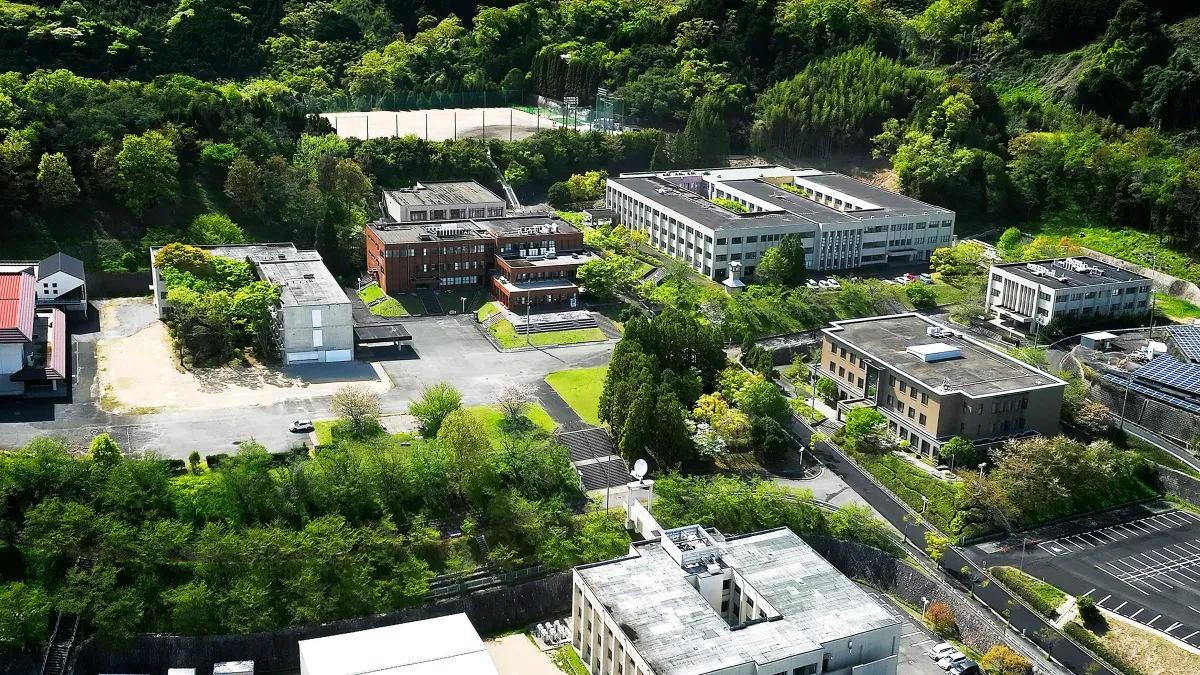
Social Inclusion Village Wins Good Design Award for Innovative Community Efforts
Social Inclusion Village: A Winning Community Initiative
Overview of the Project
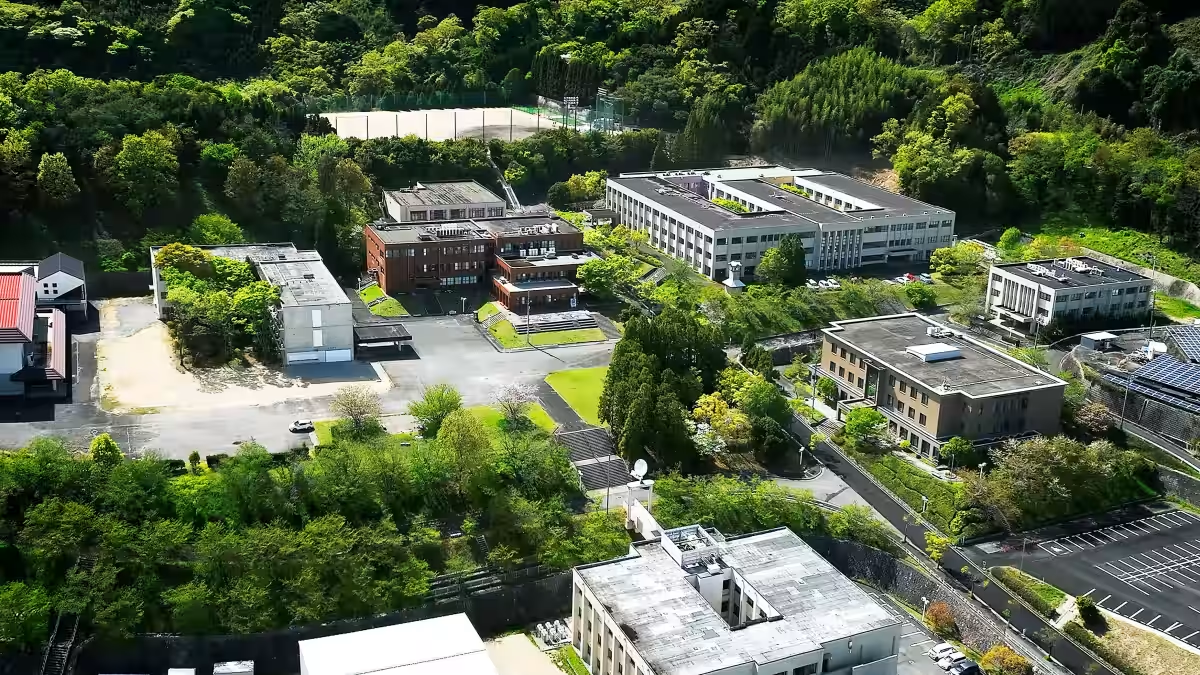
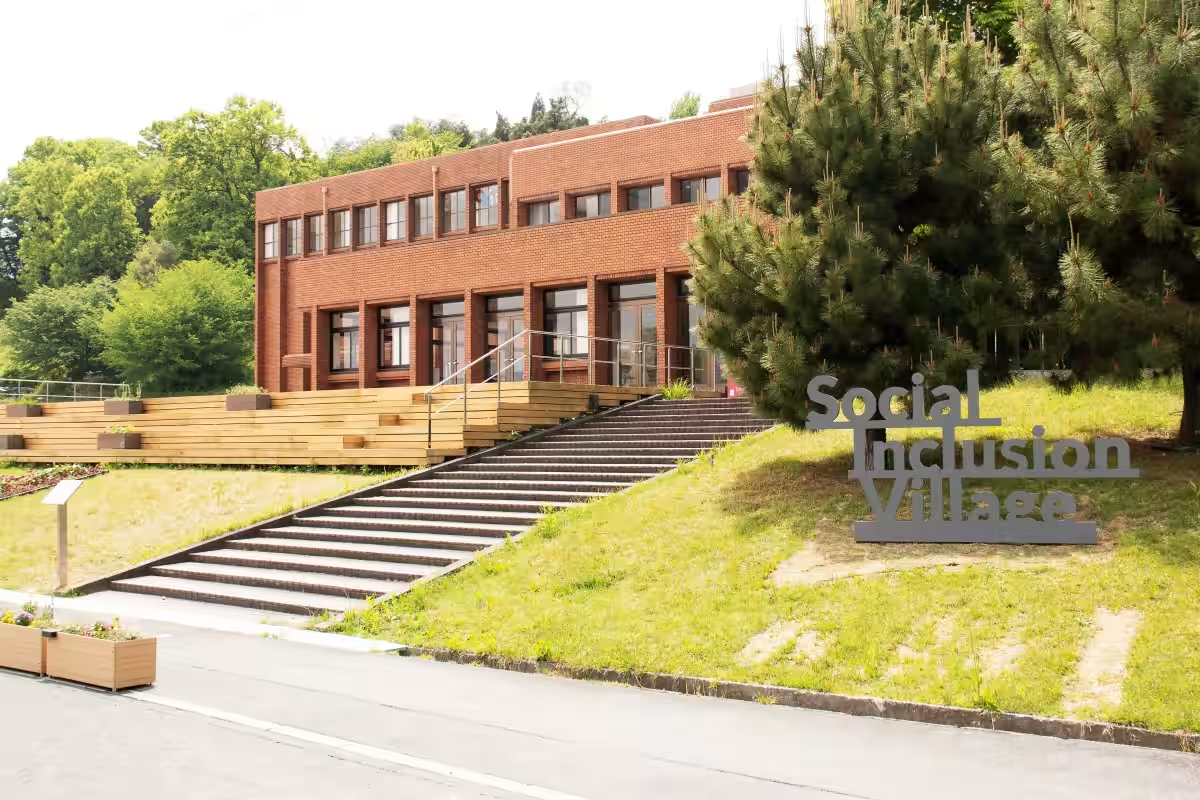
The Social Inclusion Village, an initiative launched by the Lemon Association, has recently been awarded the renowned Good Design Award. With the goal of creating a society where no one is left behind, this innovative project involves the redevelopment of a previously unused university site into a multi-functional community hub that combines education, childcare, and welfare services.
The Lemon Association, established in 2007 and based in Wakayama Prefecture, operates around 90 childcare and disability welfare facilities across Japan. The Social Inclusion Village aims to create a space where everyone can work, learn, play, and live harmoniously together.
Key Design Principles
The design of the Social Inclusion Village rests on three fundamental principles:
1. Preserving History: Utilizing existing buildings that have stood the test of time, maintaining their historical and cultural significance.
2. Creating Comfortable Spaces: Ensuring that the space is welcoming and inclusive for all individuals, allowing for personal expression and empowerment.
3. Promoting Sustainability: Collaborating with local governments, communities, and businesses to ensure the long-term viability of the project.
Addressing Social Issues
The project addresses two major challenges within society:
- - Structural Exclusion: While diversity is increasingly recognized, structural exclusions still impede social integration for various groups based on age, nationality, gender, or disabilities. The Lemon Association aims to provide continuous support and foster diverse interactions, promoting a sense of belonging.
- - Underused Infrastructure: The rise of abandoned large buildings due to declining birth rates poses risks related to community safety and resilience. Instead of demolition, the project revitalizes these spaces, addressing societal challenges while enhancing community strength.
By aligning with the United Nations Sustainable Development Goals (SDGs), the Social Inclusion Village promotes an inclusive urban environment, access to quality education, and enhanced health and welfare services. The aim is to continuously grow and adapt the project in partnership with local stakeholders and businesses.
Community Impact and Developments
The overarching concept of the Social Inclusion Village is to create a community where everyone can thrive through work, learning, play, and social engagement. Within the village, various facilities are operational, including:
- - A communications high school and a Japanese language school.
- - Employment support services for individuals with disabilities.
- - Indoor recreational spaces, dining establishments, and outdoor play gardens.
The village's inclusion of diverse services has led to increased foot traffic, drawing approximately 10,000 visitors monthly to the Nara Toy Museum, which serves as a cultural nexus for the community. This project not only enriches local interactions but also fosters a renewed sense of community life, driven by collaboration with municipal authorities and local businesses that create shared resources.
Summary of Achievements
The success of the Social Inclusion Village stands as a testament to the power of collaborative efforts between public and private sectors to address community challenges. Key statistics reflect the project's scale and reach:
- - Area: FSS35 Campus, 130,000 square meters
- - Structures: 8 buildings
- - Target demographics include families, individuals with disabilities, international students, and high school students primarily within the Kansai region, especially in Nara Prefecture.
Review by the Jury
The jury recognized the Social Inclusion Village as a trailblazing initiative that aims for both community revitalization and social inclusion. The project is commended for transforming historical buildings into spaces where everyone can work, learn, play, and live together. The collaborative approach, involving local businesses and governments, demonstrates a commitment to solving social issues while fostering community resources. The design effectively illustrates a model for integrating welfare and local economy in a sustainable manner while expanding the reach of welfare services nationwide.
About the Good Design Award
The Good Design Award is overseen by the Japan Design Promotion Association, promoting designs that enhance quality of life and sustainability. The award’s origins trace back to the Ministry of International Trade and Industry's initiative to recognize excellent products in 1957.
The Lemon Association
The Lemon Association operates a variety of facilities, focusing on inclusive education for children and adults while addressing societal challenges. It envisions a society where individuals can collaborate and support each other for a better future.
- - Foundation: Lemon Association, established February 2007.
- - Headquarters: Kiso Town, Wakayama Prefecture.
- - Website: Lemon Association
With the dedication of its personnel and passionate approach towards social inclusion, the Lemon Association continues to innovate and address social challenges based on its motto of creating opportunities for growth.

Topics People & Culture)



【About Using Articles】
You can freely use the title and article content by linking to the page where the article is posted.
※ Images cannot be used.
【About Links】
Links are free to use.