



Exploring the Shift in Cooking Preferences Among Baby Boomers: The Rise of Convenience and Seasonings
Understanding Baby Boomers' Shift in Cooking Habits
In recent years, there has been a marked shift in the cooking preferences of the Baby Boomer generation, especially regarding convenience and seasoning choices. Data from analyses spanning from April 2005 to March 2025 highlights that not only has the effort involved in cooking diminished, but the types of seasonings employed have also evolved significantly.
Main Insights from Recent Analyses
Trends in Convenience
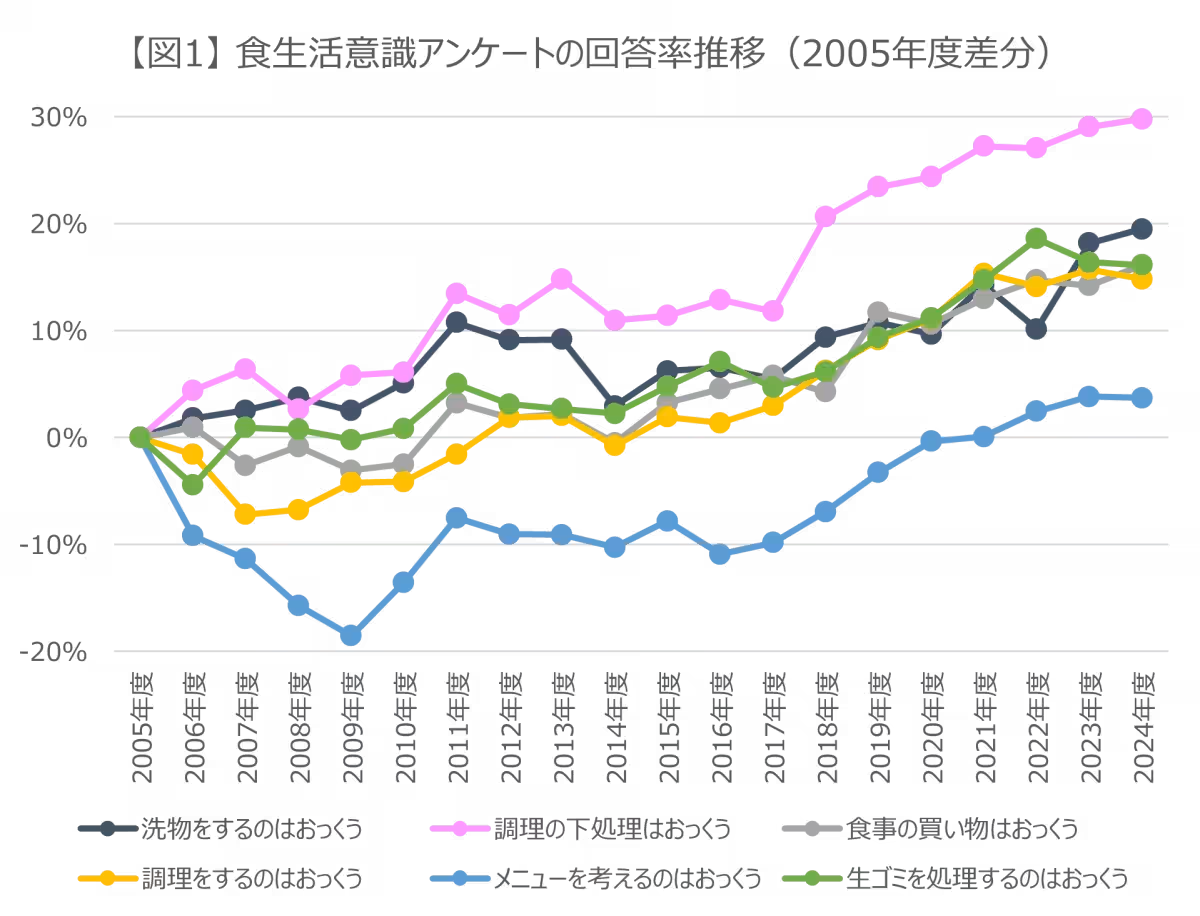
A key finding is the increasing prevalence of convenience foods corresponding to changing consumer attitudes. Over the past two decades, there has been a notable emphasis on “ease of preparation” and “time-saving” methods in cooking. Surveys reveal that many individuals now find various facets of meal preparation to be cumbersome, suggesting a robust trend towards convenience.
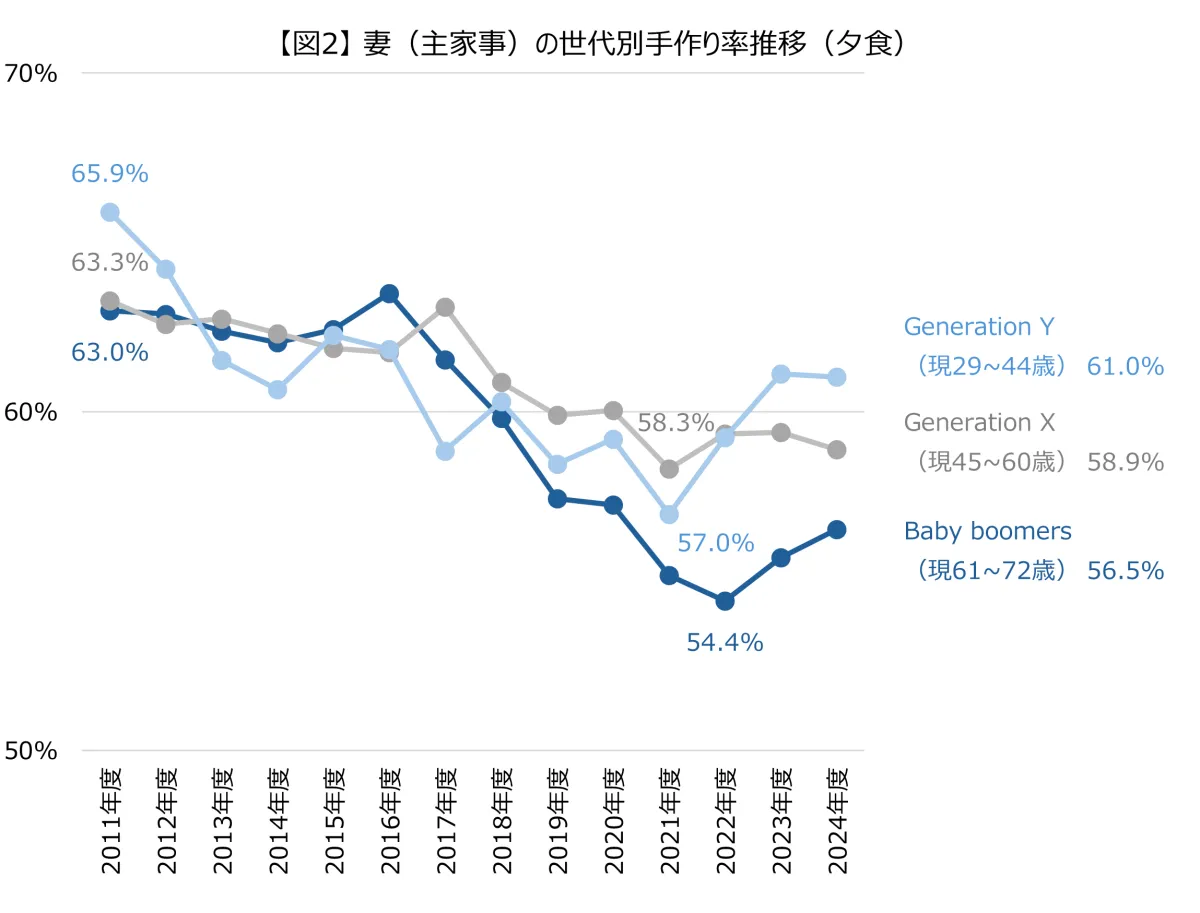
Notably, the Baby Boomer generation—those born between 1946 and 1964—has experienced a decline in home-cooked meals over the last 14 years. Between 2011 and 2024, this group showed a 6.5-point drop in their cooking rates from scratch. This decline is the most pronounced across all generations surveyed, with a stark difference of 8.6 points between the highest cooking rates in 2011 and the lowest in 2022.
Impact of Lifestyle Changes
The changes in cooking behaviors can, in part, be attributed to significant lifestyle transformations, particularly shifts towards smaller households. Traditionally, Baby Boomers emphasized home-cooked meals when raising children. However, as children have moved out and many couples find themselves living alone, there has been a palpable shift towards utilizing pre-prepared and convenience foods, signifying a lower desire to spend extensive time in the kitchen.
Seasoning Preferences Evolve
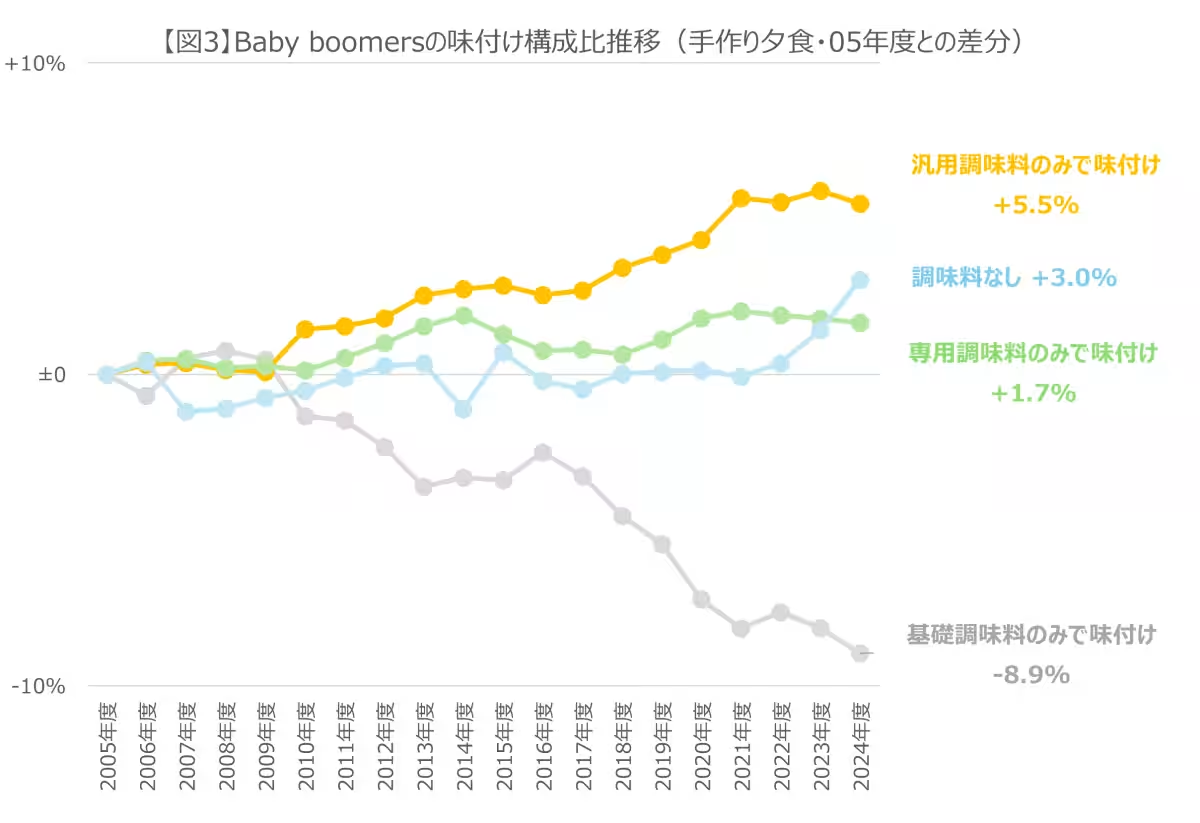
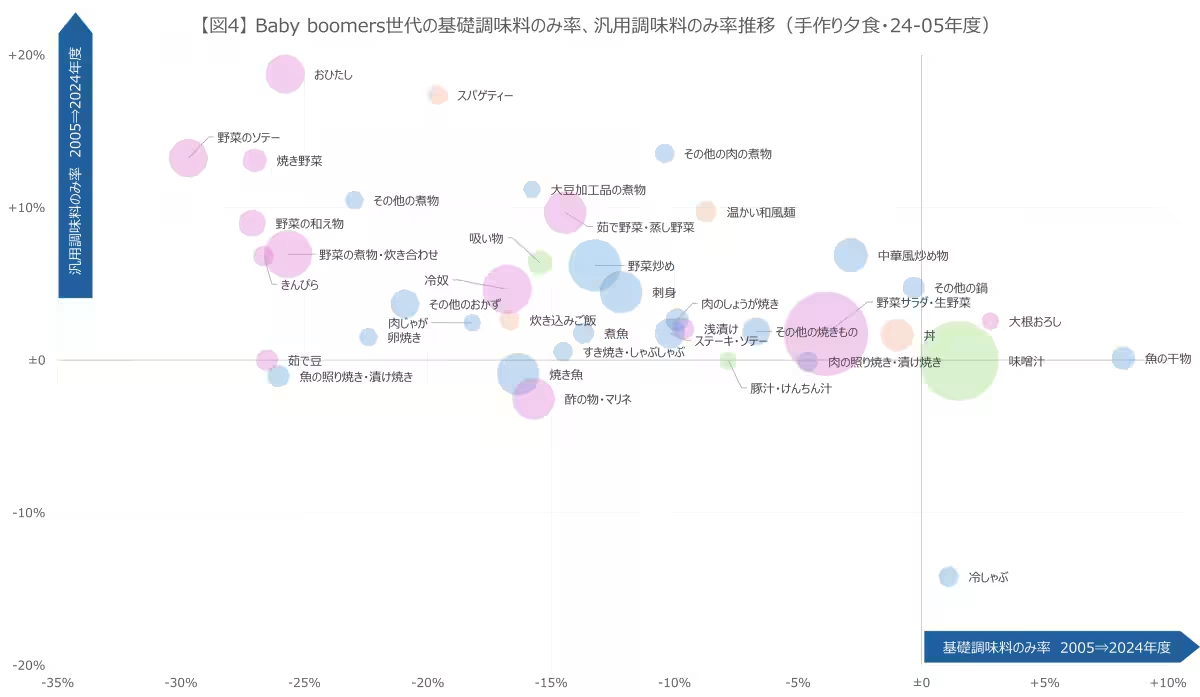
In tandem with these shifts in cooking frequency, there has also been a transition in how meals are seasoned. Over the past two decades, the approach to flavoring foods has seen a significant pivot from using basic seasonings to a growing reliance on versatile and ready-to-use seasonings. This preference mirrors a broader desire among Boomers to minimize cooking efforts while still achieving flavorful meals.
For instance, data shows a significant decrease of 8.9 points in meals flavored solely with basic seasonings, with a corresponding increase in the use of general-purpose seasonings over the same time period. This indicates a need for preparation shortcuts without sacrificing taste.
Notable Menu Changes
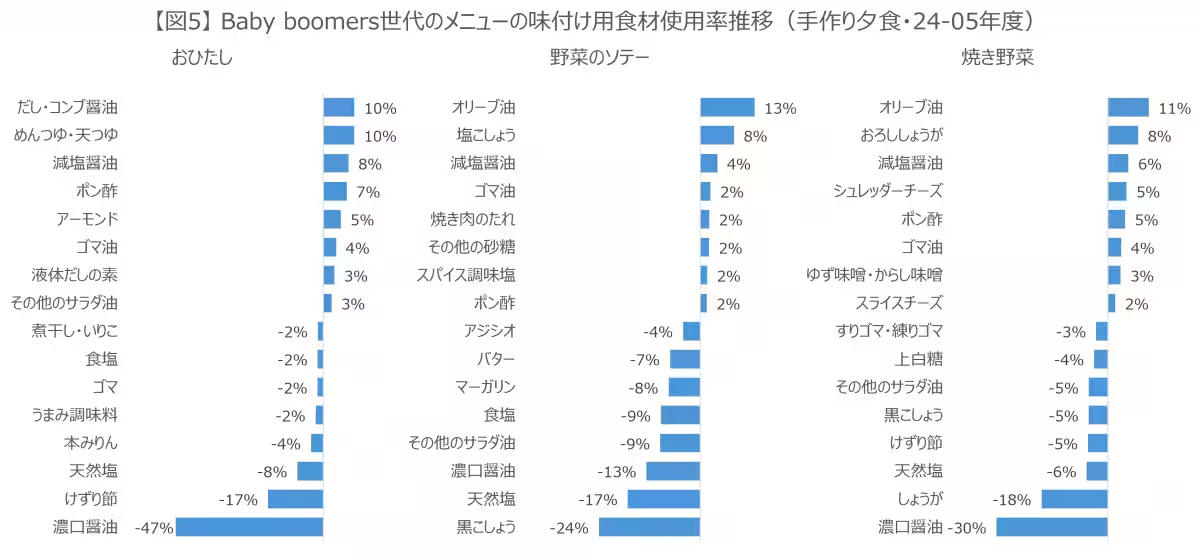
Specific dishes illustrate this shift from basic to versatile seasonings. The data suggests that simple dishes like ohitashi (blanched greens), sautéed vegetables, and baked vegetables have transitioned to using more general-purpose seasonings like ponzu or pre-mixed spice blends, which allow for quicker meal prep and a broader range of flavors.
Health and Convenience
Interestingly, there is a parallel trend towards healthier options among Boomers, evident in the choice of seasonings. The move from regular soy sauce to reduced-salt varieties and from simple oils to olive oil reflects a growing awareness of health considerations as this generation ages.
Reflection on Cultural Shifts
Beyond mere convenience, these changes illustrate a deeper cultural shift. The Baby Boomers, who grew up in an era with strong family meals and home cooking, are reshaping their culinary practices to fit modern lifestyles while still cherishing flavors and traditions. During this transition, while there is a clear trend toward speed and ease, there remains an underlying desire to preserve familiar tastes, highlighting a complex interplay of nostalgia, health consciousness, and contemporary convenience.
Conclusion
As we analyze these shifts in cooking and seasoning preferences, it becomes clear that Baby Boomers are adapting to modern challenges in the kitchen while navigating their rich culinary heritage. This evolution isn't just about uptake of new trends; it’s about balancing the cherished memories of home-cooked meals with the realities of contemporary life. Ultimately, as this generation continues to age, their cooking habits will likely reveal deeper insights into societal changes surrounding food and family.

Topics Consumer Products & Retail)

【About Using Articles】
You can freely use the title and article content by linking to the page where the article is posted.
※ Images cannot be used.
【About Links】
Links are free to use.