




Exploring Social Frailty Among Seniors: How to Foster Connections Online
Understanding Social Frailty Among Seniors
In a recent survey conducted by G-Plan Inc., targeting individuals aged 50 and above, the issue of social frailty within this demographic has come to the forefront. Social frailty—defined as the weakening of connections with society—emerges as a significant health risk, especially amid increasing reports of social isolation. The investigation revealed that more than half of participants expressed a reluctance to engage in social activities, attributing their hesitance to a preference for personal time and an aversion to the burdens of interpersonal relationships. These findings underscore the necessity for innovative approaches that resonate with these attitudes in preventing social frailty.

Purpose and Background of the Survey
The survey aims to delve into the evolving perspectives of individuals over 50 regarding social ties and community involvement. As lifestyles change, traditional methods of participation in community activities are failing to resonate with the current attitudes of this age group. The research intends to identify the underlying reasons preventing older adults from embracing a more active role within their communities.
Summary of Survey Results
Participation in Social Activities: A Passive Stance
The survey indicated that a significant majority, totaling 4,728 responses, reported a lack of desire to participate in social activities. Specifically, 2,449 respondents declared they were not inclined, while 2,279 indicated they were somewhat unwilling. Conversely, 2,107 individuals mentioned their willingness to engage depended on the nature of activities available, suggesting a latent willingness residing among some groups.
In stark contrast, only 2,243 participants claimed to be actively involved in community activities or hobby groups, while a larger cohort of 8,371 respondents indicated that they were not participating.
Reasons for Low Motivation: Relationship Burdens and Time Constraints
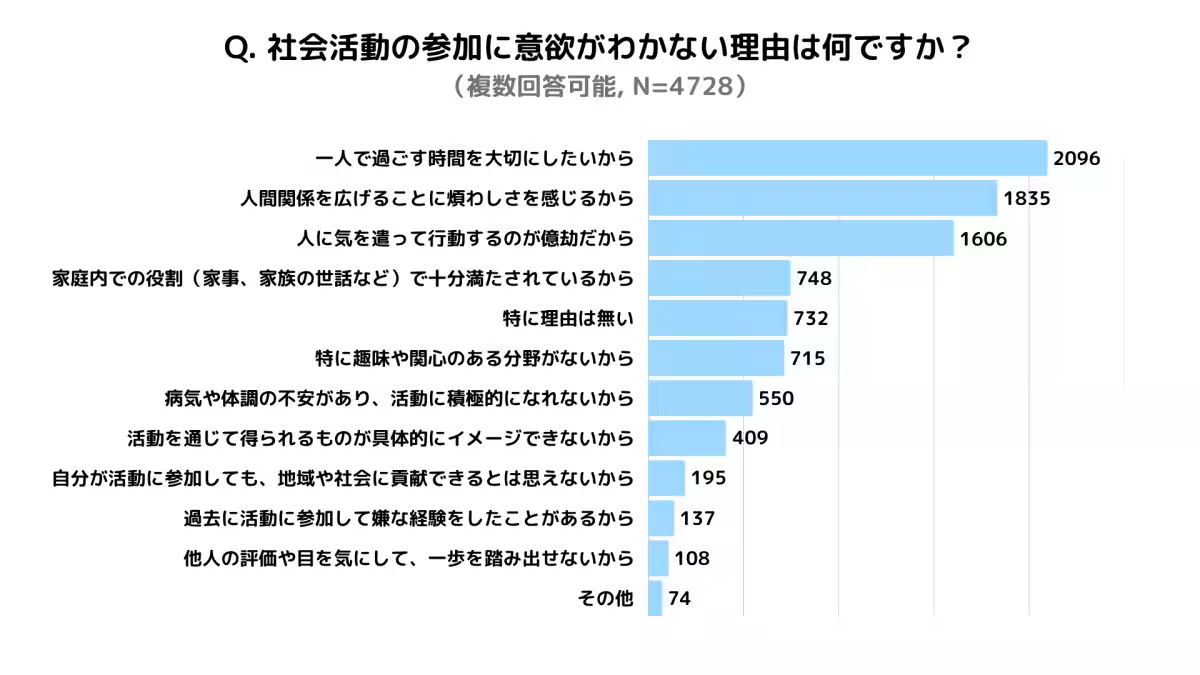
The leading factors hindering participation were twofold: a strong preference for solitary time and the perceived burdens of social relationships. Respondents highlighted the following sentiments:
- - Valuing personal time: 2,096 indications
- - Feeling overwhelmed by expanding relationships: 1,835 hints
- - Hesitation due to feeling compelled to cater to others: 1,606 mentions
A notable emotional barrier was exhibited by those feeling apprehensive about entering new social environments, with 1,260 responses reflecting such sentiments.
Unexplored Online Activities: A Vast Frontier
Online platforms utilizing social media and virtual meeting tools remain largely untapped among seniors. Only 1,503 participants confirmed having engaged in online activities, while 9,111 indicated they had not experienced any online formats for social connection.
However, there exists a glimmer of hope; many expressed uncertainty about their willingness to participate in online initiatives, signaling that enhanced information dissemination might significantly influence their readiness to engage.
Preferences for Online Engagement: Asynchronous Over Real-Time
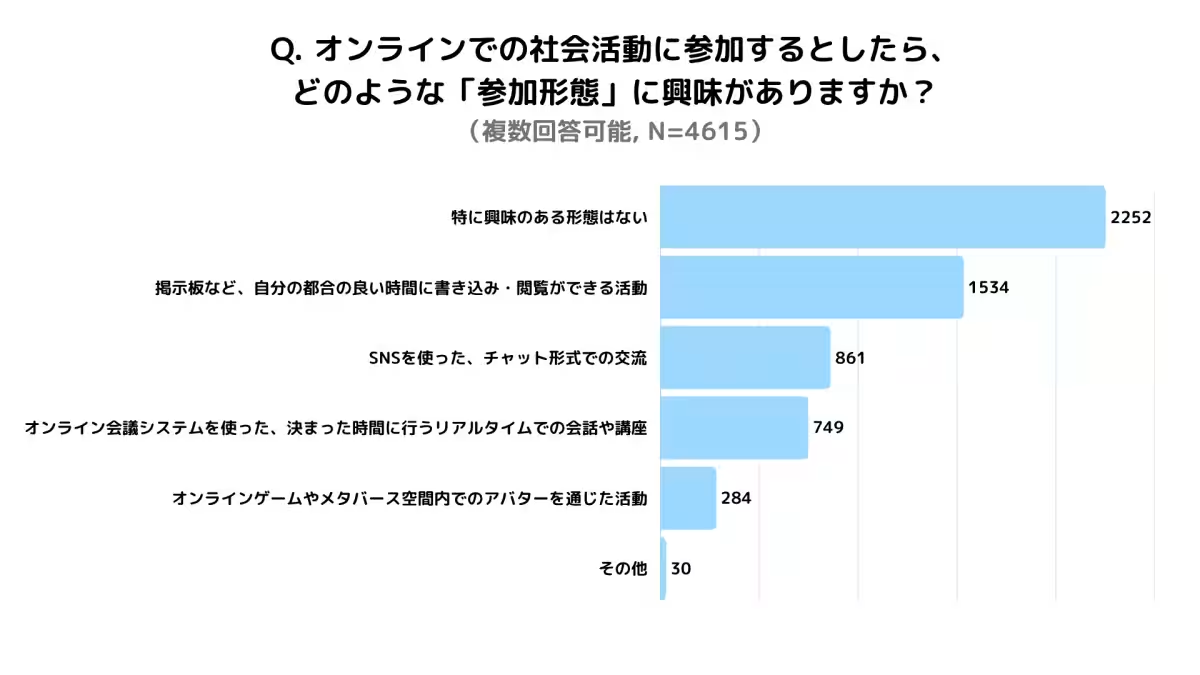
When queried about preferred formats for online participation, responses leaned heavily toward asynchronous interactions:
- - Discussion boards and forums: 1,534 mentions
- - Chat groups via social media platforms: 861 responses
- - Real-time webinars: 749 mentions
- - Lack of interest in specific formats: 2,252 indicators
This indicates a clear preference for settings that lessen temporal and psychological burdens, emphasizing asynchronous communications.
Key Benefits of Online Activities: Freedom and Flexibility
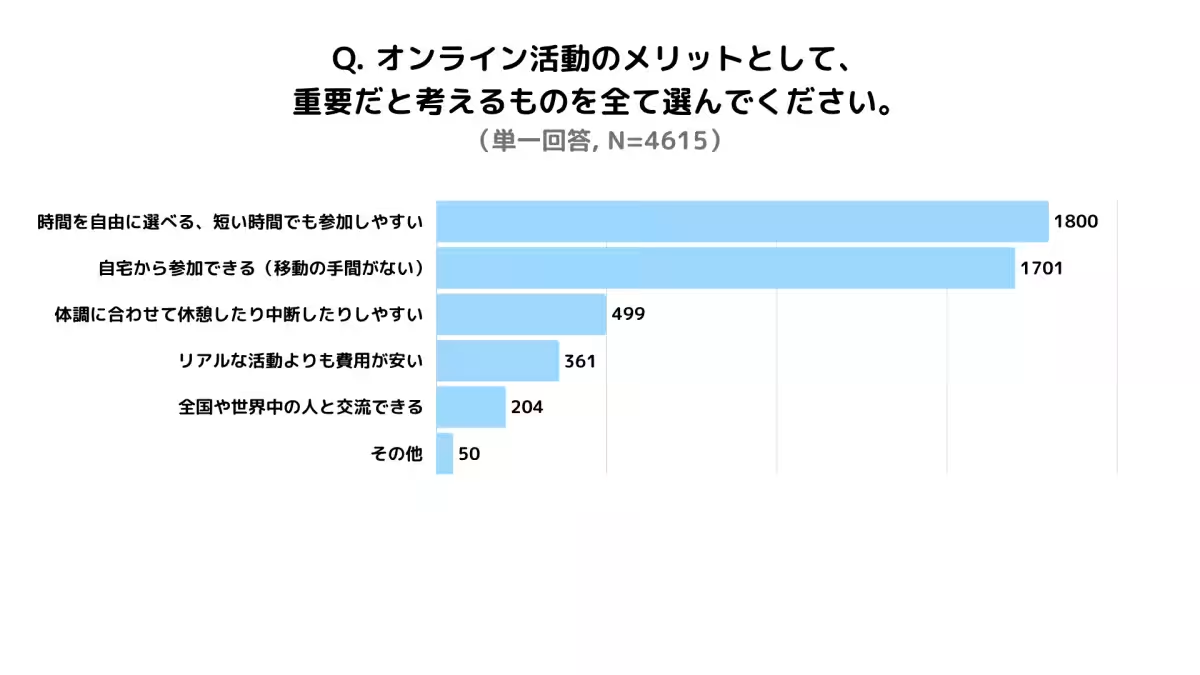
The flexibility of participating without time constraints or travel pressures stands out as a crucial incentive:
- - Freedom to choose participation times: 1,800 mentions
- - Convenient participation from home: 1,701 mentions
Interest in Learning Activities: A Preference for Growth
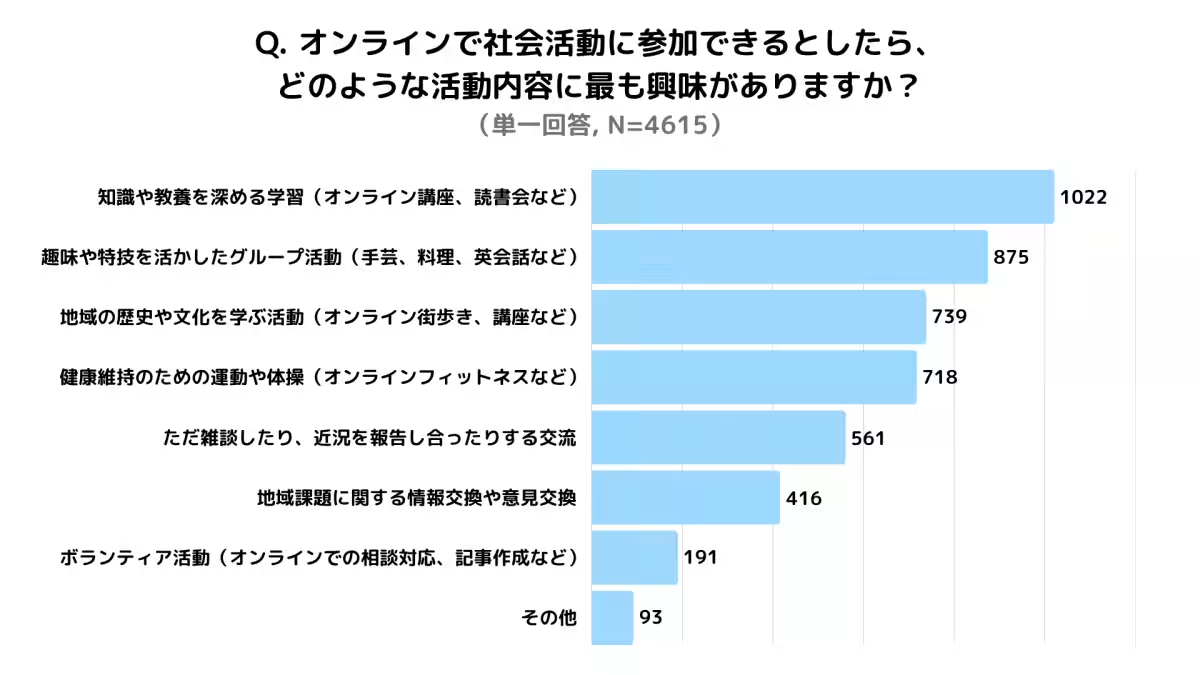
When asked about online activities of interest, the desire for learning emerged as particularly prominent:
- - Pursuing knowledge through courses/reading groups: 1,022 mentions
- - Participatory activities involving personal skills: 875 responses
- - Exploration of local history or culture: 739 mentions
This reveals a strong inclination toward self-growth and education rather than socializing.
Overcoming Barriers: Addressing the Information Gap
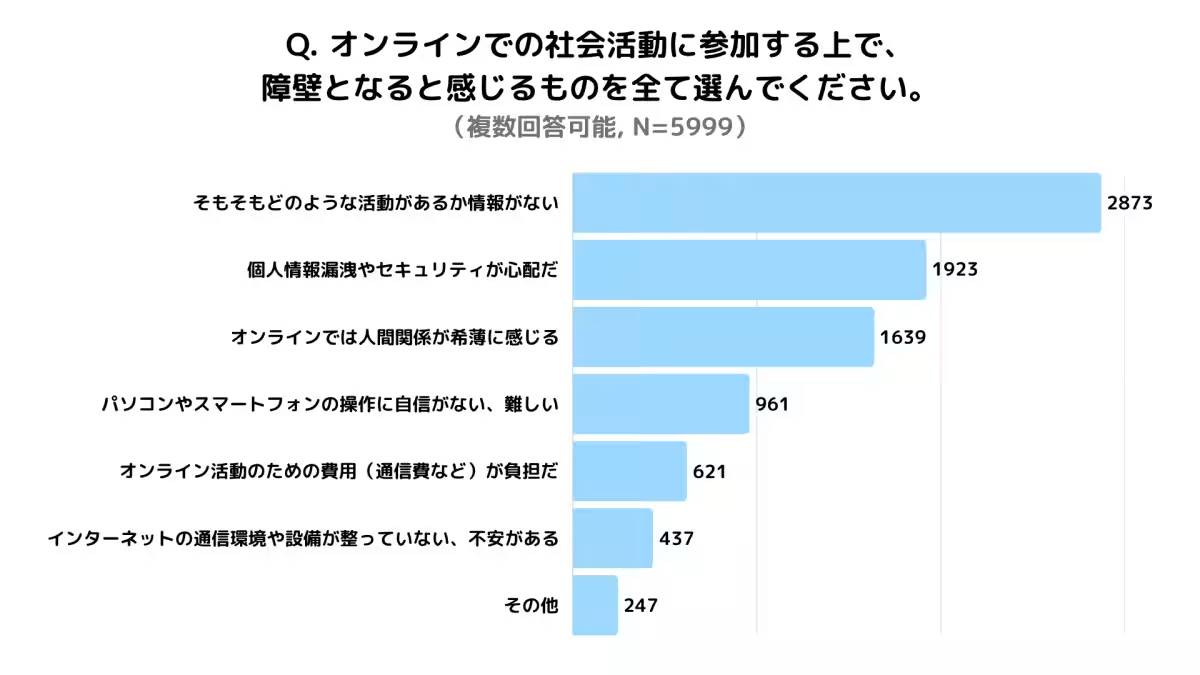
Perhaps the most critical barrier identified was the lack of awareness about available activities, with 2,873 respondents expressing uncertainty about options:
- - Unclear activity details: 2,873 mentions
- - Concerns about security and information leakage: 1,923 mentions
- - Perceptions of reduced relational depth in online interactions: 1,639 mentions
This indicates a complex reality where individuals seek connections yet hesitate to navigate unfamiliar online territories.
Conclusion
The results of this study hint at a crucial understanding of the senior demographic—they are not inherently dismissing social engagements; instead, a mismatch with traditional participation methods exists. Therefore, initiatives must focus on:
1. Enhancing visibility and access to activities to combat information scarcity.
2. Developing flexible and low-burden formats such as discussion boards and forums for less invasive participation.
3. Designing programs centered on learning and personal development, aligning with their preferences for self-growth.
With these insights, G-Plan aims to facilitate meaningful marketing and service innovations targeting this age group, enhancing the quality of engagement for both enterprises and senior citizens alike.
Future Vision: New Services to Harness Senior Perspectives
Looking forward, G-Plan is excited to introduce HajiQto, a new platform engineered to effortlessly ascertain and analyze senior insights, further enriching the dialogue between businesses and older adults. This initiative intends to deliver valuable contributions to product and service development that truly addresses the real needs of the senior population, paving the way for a more accommodating and enriching society for all ages.
Topics People & Culture)


【About Using Articles】
You can freely use the title and article content by linking to the page where the article is posted.
※ Images cannot be used.
【About Links】
Links are free to use.