



The Long-term Impact of Physical Fitness on Income and Well-being Post-Graduation
The Long-term Impact of Physical Fitness on Income and Well-being Post-Graduation
In a groundbreaking study conducted at the University of Tokyo over the past 60 years, researchers have established a clear connection between physical fitness in students and their subsequent income and mental health post-graduation. This extensive research, known as the University of Tokyo Fitness Study (UTFS), has consistently shown that students who maintain a high level of physical fitness tend to have higher income levels, greater activity levels, and lower instances of mental health issues after they enter the workforce.
As part of the university's curriculum, students undergo fitness assessments that measure vertical jumps, shuttle runs, push-ups, step-ups, height, and weight both at enrollment in April and at the end of their first academic year in December. The follow-up investigations reveal a trend where graduates with greater physical fitness during their university years not only engage more in physical activities but also report fewer mental health problems. They also generally earn higher salaries compared to their less fit peers.
Decline in Physical Fitness Over Decades
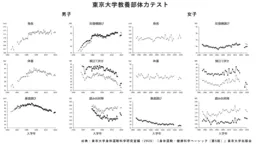
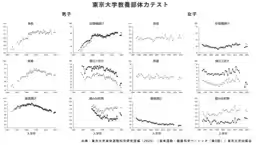
However, the findings from nearly six decades of data also reveal a concerning decline in fundamental physical abilities, such as jumping power, strength, and endurance among both male and female students. Since the late 1980s, male students, in particular, have shown a decrease in vertical jump performance and push-up ability. Female students are following a similar trend, especially in push-ups, which are projected to drop significantly by 2025. Intriguingly, these results appear despite no significant changes in body composition or improvements in dietary habits. Factors contributing to this decline include increased convenience in daily life, reduced opportunities for outdoor activity, and the adverse impact of the COVID-19 pandemic, which has weakened overall physical function.
A survey by Taisho Pharmaceutical Company in April 2026 involving 1,000 individuals aged 18 to 29 across the nation found that a staggering 44.6% of young adults reported not engaging in any physical exercise. This alarming statistic indicates that the majority of young people are not prioritizing physical activity in their lives, further emphasizing the need for greater awareness of exercise's importance.
The Importance of Exercise and Nutrition
In discussing the essential nature of exercise, many of us often focus on intellect and cognitive abilities, particularly when tackling challenges such as exams or job hunting. However, maintaining a sound body and good physical fitness is crucial for sustained high performance in academic and professional endeavors. Exercise not only promotes increased blood flow to the brain but also has favorable effects on mental resilience, concentration, and stress reduction. By balancing the autonomic nervous system, moderate physical activity contributes to better sleep quality and lower stress levels, ultimately leading to enhanced learning efficiency and workplace performance.
Many students and industry professionals tend to postpone fitness in favor of studying or working, unaware that physical health forms the very foundation upon which cognitive abilities rest. Thus, nurturing exercise habits is equally vital.
Building Sustainable Exercise Habits
It is a common misconception that enhancing physical fitness requires lengthy or high-intensity workouts. The effectiveness of exercise is influenced not merely by the quantity but rather a balance of intensity and rest. In earlier times, it was a common belief that pushing oneself to the limits illustrated determination; however, current perspectives advocate a more balanced approach. Excessive strain or chronic fatigue can adversely affect both physical and mental health, making it more challenging to maintain a consistent exercise routine. Therefore, adopting a sustainable exercise habit requires consideration of how to use one's body while also prioritizing recovery.
For individuals who are new to fitness routines, engaging in physical activity just once a week can significantly impact their health. Simple changes, such as increasing walking time, opting for stairs over elevators, or avoiding prolonged sitting, can contribute meaningfully to fitness development. Initiating small changes within an individual's comfort zone is key to insomnia recovery and effective habit formation.
Nutrition: Essential for Supporting Exercise
Achieving optimal results from exercise and maintaining consistency necessitates proper attention to diet and nutrition. Physical activity expends energy and places stress on muscles; therefore, a lack of supporting nutrition can lead to fatigue and a decline in overall condition.
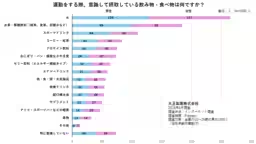
In conjunction with its survey on exercise frequency, Taisho Pharmaceutical conducted an online questionnaire asking participants about the foods and drinks they prioritize during exercise. The top five responses included water, tea or unsweetened beverages, sports drinks, coffee or tea, and protein shakes. This data indicates a strong awareness of hydration, caffeine, and protein intake; however, it also reveals a potential gap in understanding and knowledge about other essential nutrients.
To enhance exercise effectiveness and sustainability, it is crucial to prioritize balanced meals consisting of staples, main dishes, and side dishes. Additionally, adjusting nutrient intake based on exercise intensity and goals contributes positively to maintaining daily vitality and establishing sustainable routines. Key nutrients to consider when exercising include:
- - Taurine: Enhances endurance and boosts exercise performance, particularly beneficial for both seasoned athletes and newcomers alike.
- - Carbohydrates: Serve as a vital energy source for physical activity.
- - Protein: Essential for muscle recovery after workouts, forming a fundamental nutrient for daily physical activity.
- - Iron: Transfers oxygen to cells, supporting stamina and energy, crucial for active individuals.
- - B Vitamins: Play a critical role in energy metabolism, vital for combatting fatigue and sustaining energy levels during physical activity.
Physical Fitness and Future Prospects
The compelling link between physical fitness in youth and future well-being, including mental health and financial stability, cannot be overlooked. The University of Tokyo's fitness study highlights that graduates with higher fitness levels during their academic years exhibit greater activity levels in adulthood and have fewer mental health issues requiring professional treatment. They tend to engage more positively in social activities, leading to higher income levels. This suggests that physical fitness serves as a foundational strength that supports daily life and work efficiency. Those who are fit are likely to maintain their motivation and focus even in demanding situations.
While exercise experience during student years is undoubtedly beneficial, fostering a lifelong habit of physical activity is far more crucial. Engaging in regular exercise during adulthood adds significant value, and it's never too late to start making healthier choices. Continuously integrating physical activity into our lives, regardless of past fitness endeavors, is pivotal for overall well-being.


Topics Health)
【About Using Articles】
You can freely use the title and article content by linking to the page where the article is posted.
※ Images cannot be used.
【About Links】
Links are free to use.