



#Japan
#Bunkyo, Tokyo
#Evidence-Based Medicine
#Dementia Care Guidelines
#Japan Society of Neurology
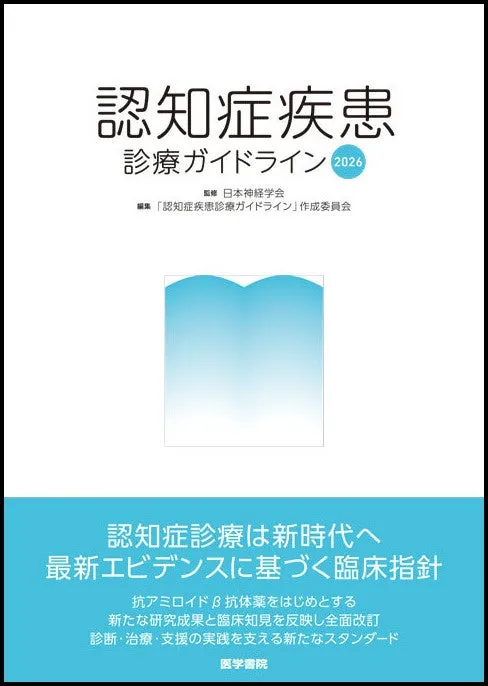
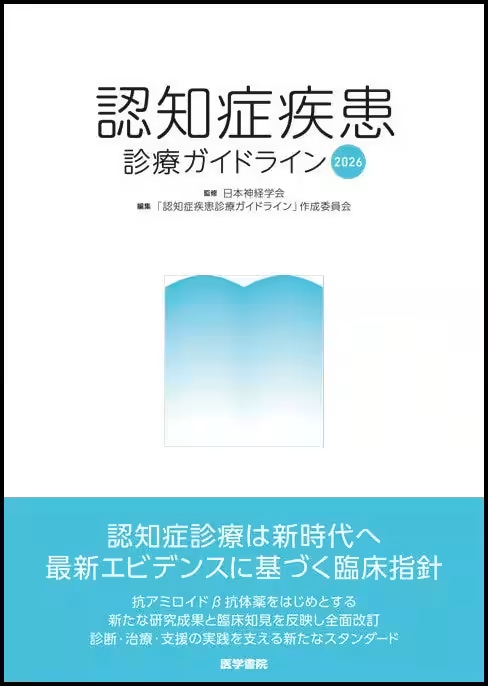
The Updated Guidelines for Dementia Care: What to Expect from 2026
Introduction
The Japan Society of Neurology has announced a much-anticipated update to the guidelines for dementia care, set to be released on May 18, 2026. Titled "Dementia Care Guidelines 2026," this publication marks the first major revision since 2017. The guidelines aim to provide a comprehensive framework for healthcare professionals involved in the diagnosis and treatment of dementia.
Significance of the Revised Guidelines
These new guidelines have been developed with the collaboration of various related societies, including the Japanese Society of Neurology, the Japanese Society of Neurorehabilitation, and others. The intention behind this collaborative effort is to create a guideline that truly reflects the needs and challenges faced by healthcare providers.
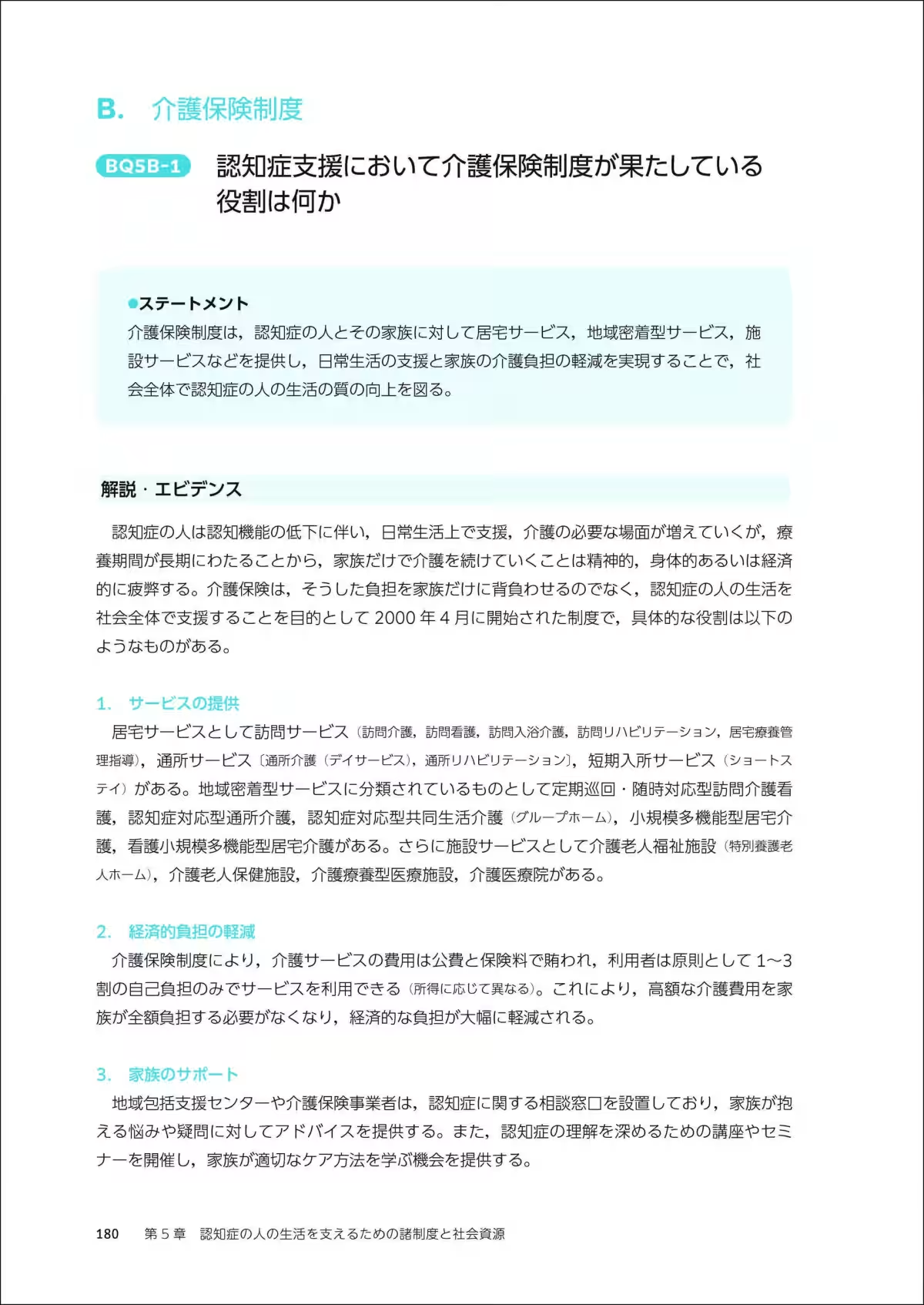
The guidelines emphasize the principles of evidence-based medicine (EBM) and feature a Q&A format, allowing for clearer understanding and practical application in clinical settings. By considering the interconnected nature of healthcare, caregiving, and welfare, these guidelines serve as a vital reference point for all medical professionals.
Comprehensive Coverage
The 2026 guidelines address various dementia disorders, including Alzheimer’s disease, Lewy body dementia, frontotemporal degeneration, and vascular dementia. It also tackles mild cognitive impairment and behavioral and psychological symptoms of dementia (BPSD). This wide-ranging approach ensures that healthcare professionals are equipped to manage the complete spectrum of dementia-related challenges.
Furthermore, the guidelines delve into recent topics of interest such as amyloid beta antibody therapies (e.g., lecanemab, donanemab) and consider the implications of COVID-19 on dementia care, ensuring that the latest developments are included in the discussion.
Person-Centered Care Philosophy
A significant aspect of these new guidelines is the emphasis on person-centered care, which respects the values, intentions, and life circumstances of individuals living with dementia and their families. This approach not only promotes informed decision-making but also highlights the importance of supporting patients in a manner that aligns with their preferences.
The guidelines extend beyond pharmacological therapies, advocating for a holistic perspective that includes rehabilitation, caregiving, and environmental adjustments. This acknowledgment of non-pharmacological interventions underscores the social and lifestyle impact of dementia.
Structure of the Guidelines
The "Dementia Care Guidelines 2026" is structured as follows:
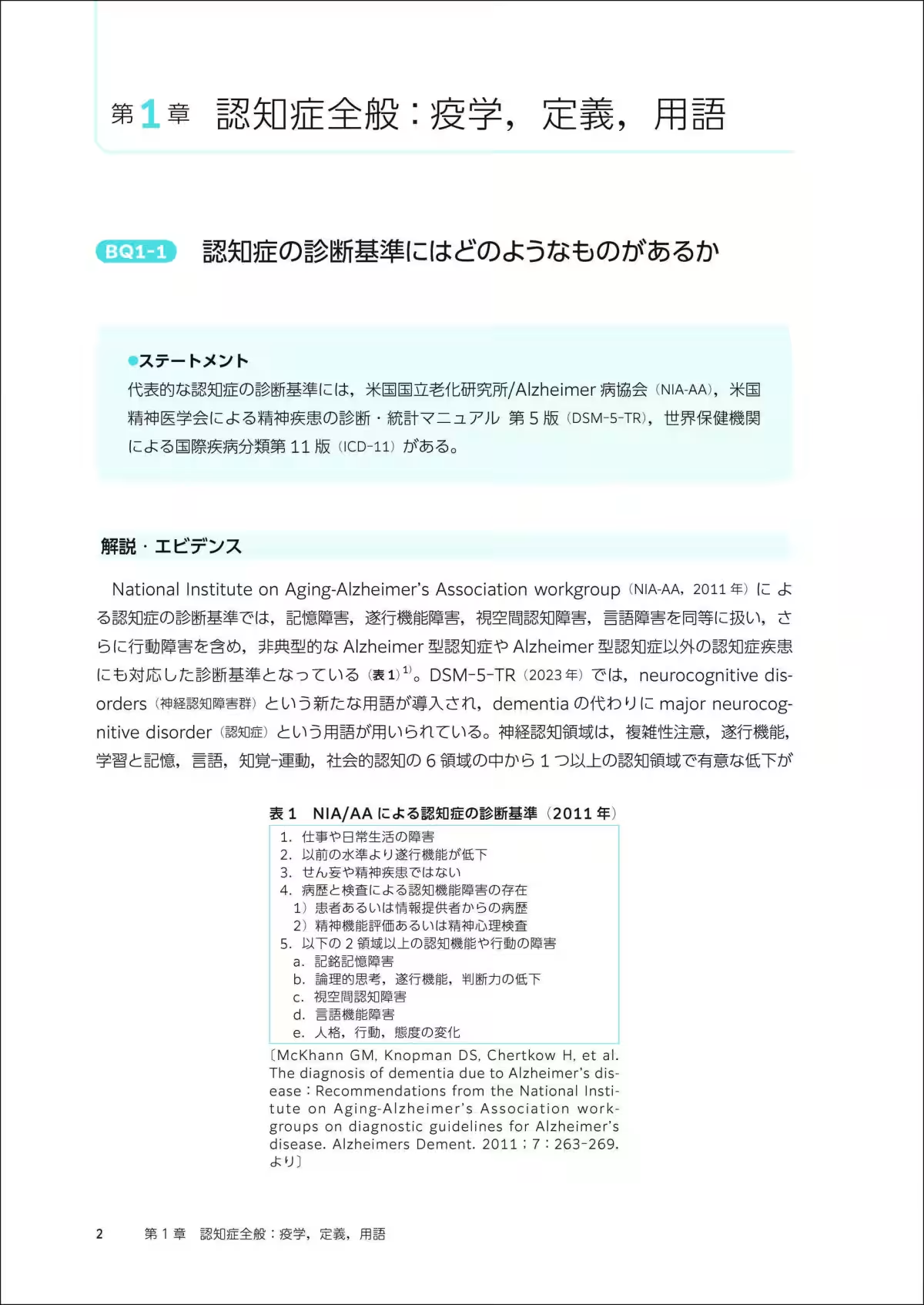
1. General overview of dementia: Explores epidemiology, definitions, and terminology.
2. Symptoms, assessment tools, diagnosis, and testing.
3. Treatment strategies and methodologies.
4. Management of disease progression and associated responses.
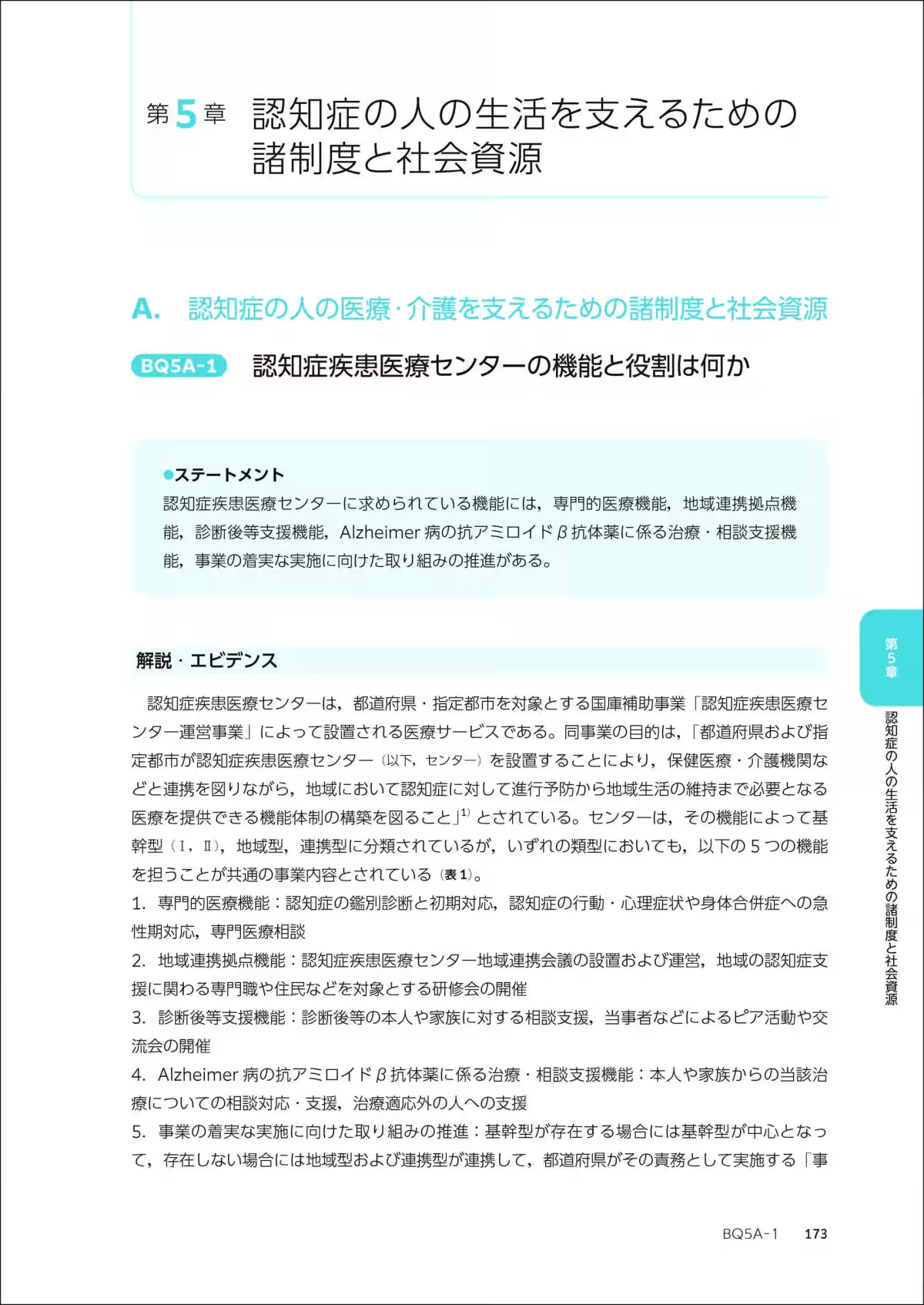
5. Supporting systems and social resources for individuals living with dementia.
6. Specific chapters dedicated to different types of dementia:
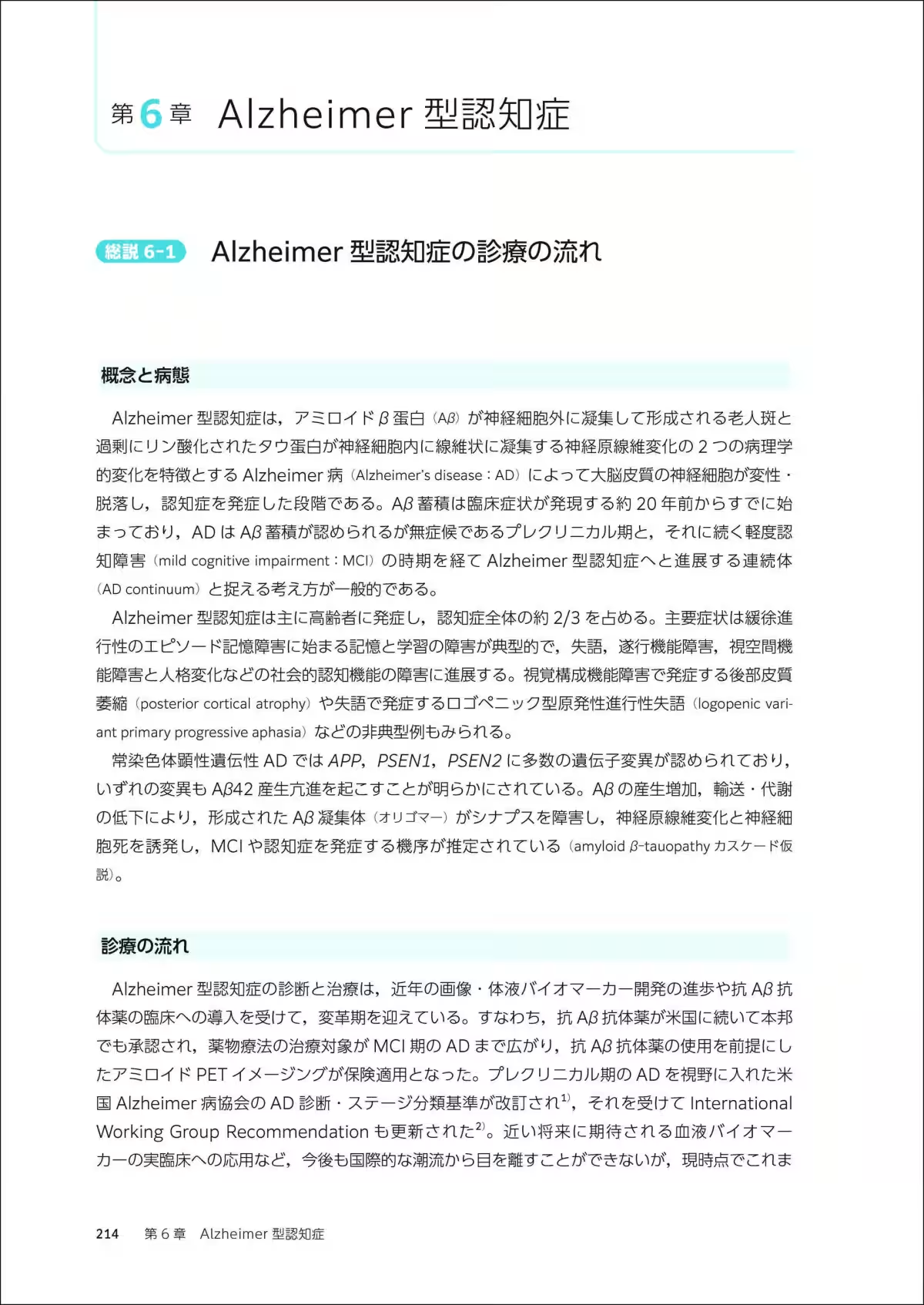
- Alzheimer’s Disease
- Lewy Body Dementia
- Frontotemporal Degeneration
- Other Neurodegenerative Diseases
- Vascular Dementia
- Prion Diseases
- Idiopathic Normal Pressure Hydrocephalus
- Medical Conditions Related to Dementia
6. Appendices with additional resources.
Conclusion
For healthcare professionals across all domains involved in dementia care, the 2026 guidelines will provide invaluable insights and serve as a pivotal resource in improving patient care and outcomes. As we await the release, it is essential to prepare for the incorporation of these updated standards into our practices, ensuring a higher quality of care for individuals affected by dementia and their families.
For more detailed information, visit Igaku Shoin.
Topics Health)

【About Using Articles】
You can freely use the title and article content by linking to the page where the article is posted.
※ Images cannot be used.
【About Links】
Links are free to use.