



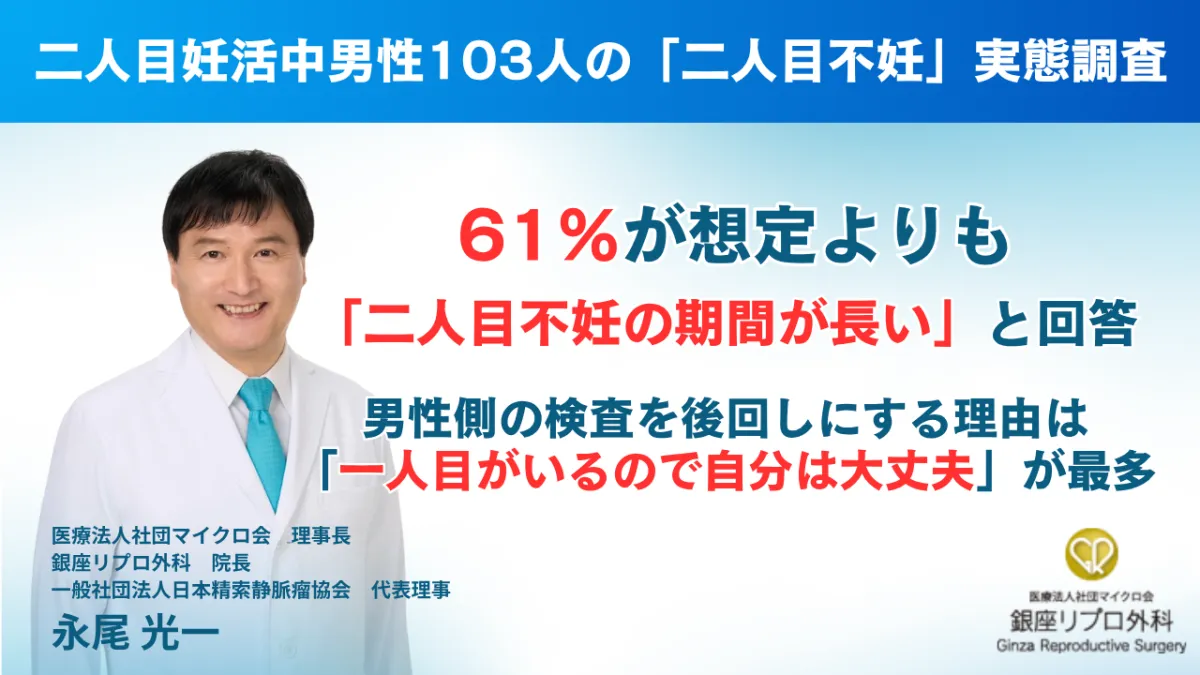
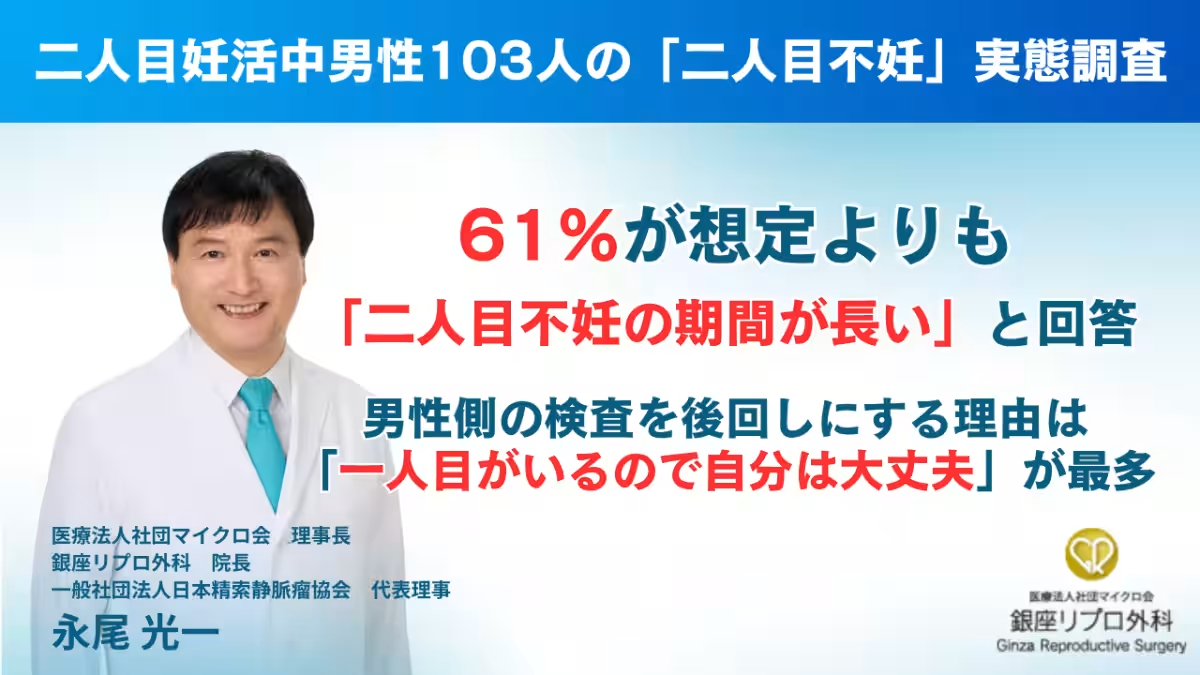
Understanding the Struggles of Secondary Infertility in Men: A Comprehensive Study
Insights into the Reality of Secondary Infertility in Men
A new survey conducted by the Ginza Repro Clinic has shed light on the often-overlooked issue of secondary infertility among men. Targeting a sample of 103 males aged 20 to 40 across Japan, the study reveals concerning statistics about male reproductive health when seeking to conceive a second child.
Duration of Secondary Infertility
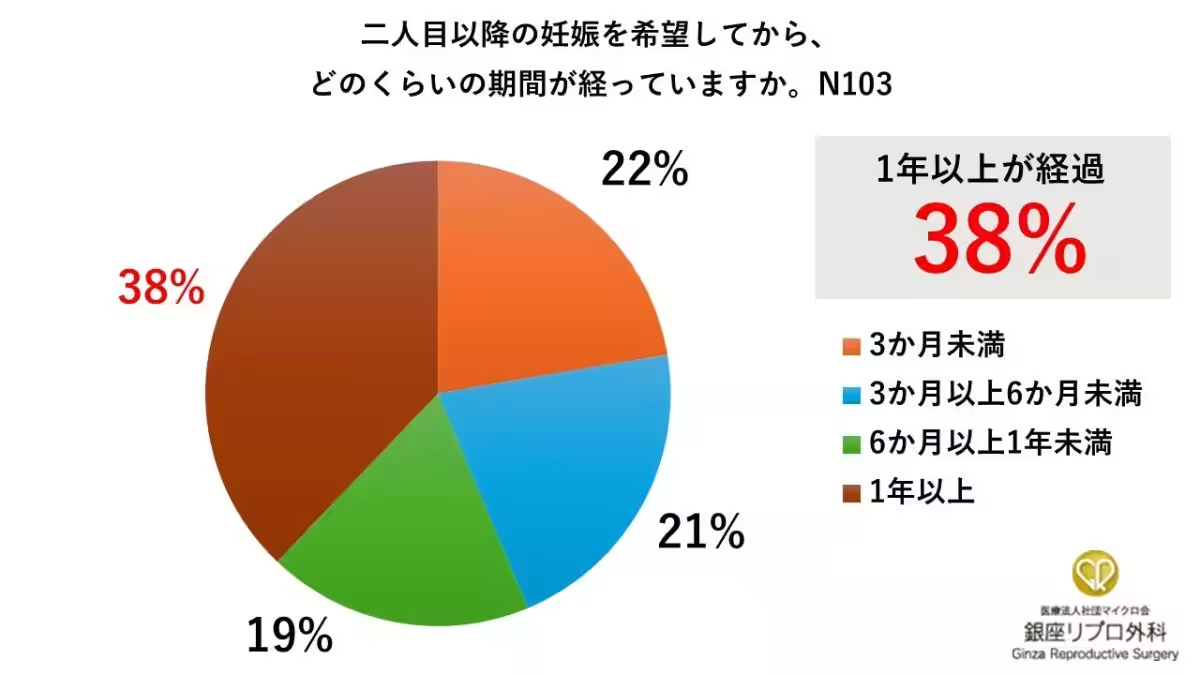
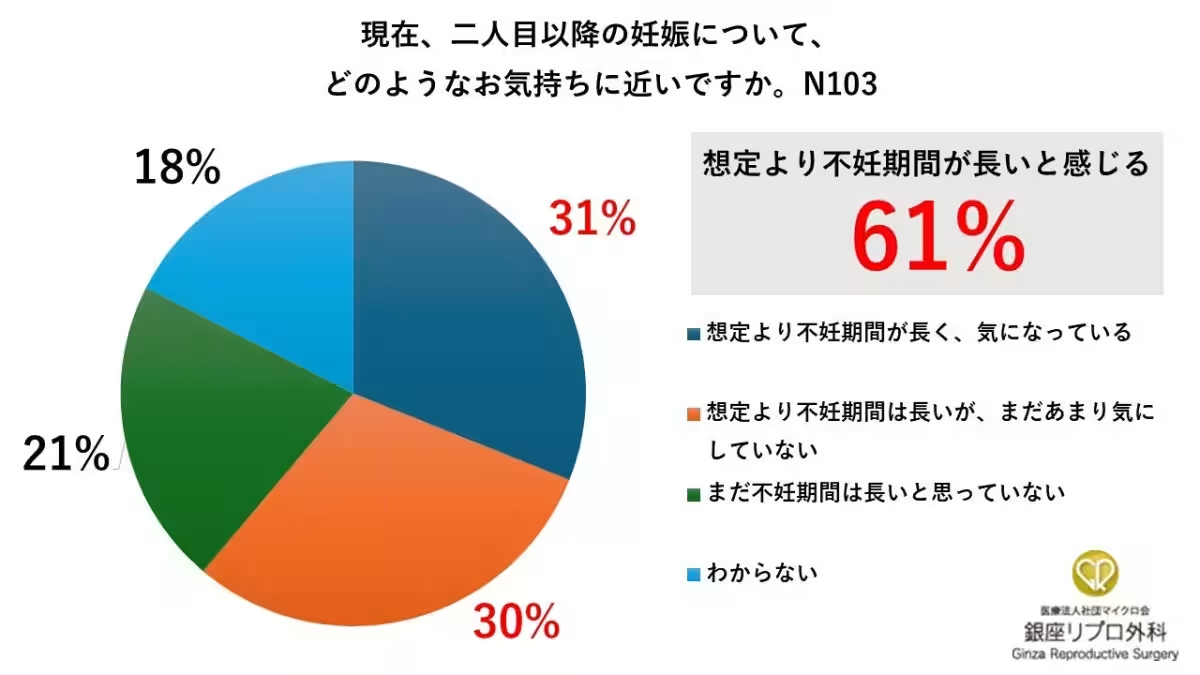
Out of the respondents, an alarming 38% have been trying to conceive for over a year. Among these, 61% expressed that the duration has taken longer than they initially expected. This highlights a prevalent misconception—many men believe that because they successfully fathered their first child, a second pregnancy should occur without complications.
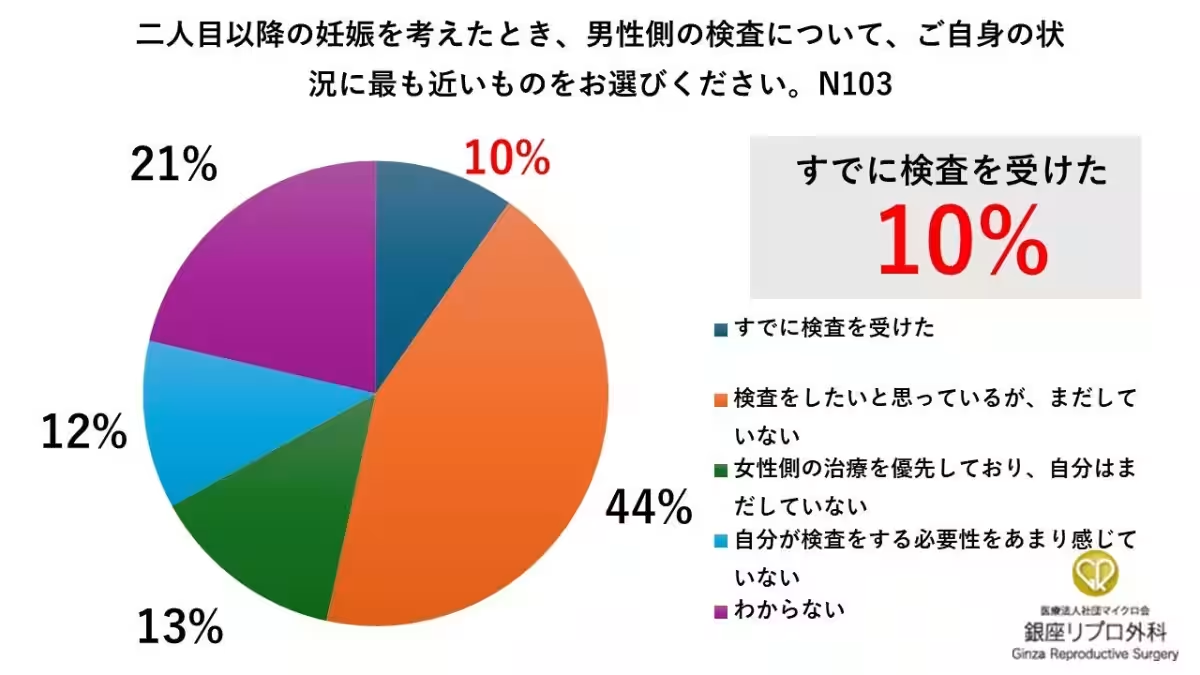
Yet, the reality can be starkly different. A notable 10% of respondents had already undergone testing related to male infertility, underscoring a dramatic disconnect between knowledge and action. Many men still postpone their evaluations, often believing they are not at risk due to their prior successful conception.
Importance of Timely Male Assessments
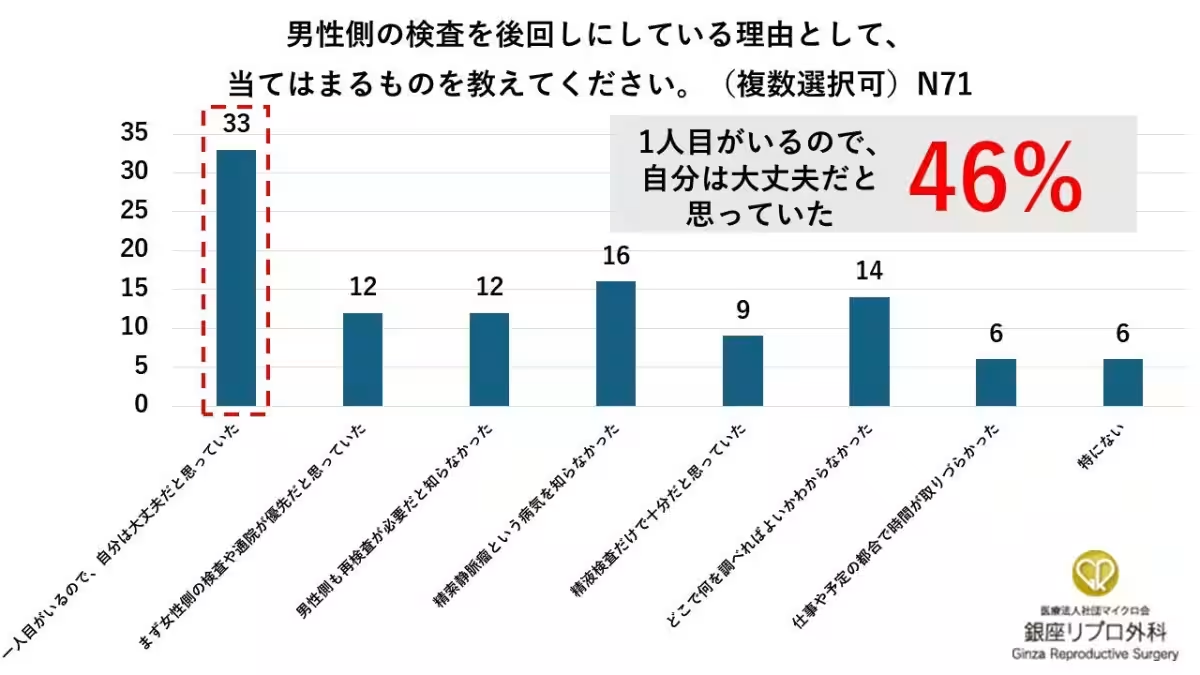
The survey underlines the necessity for both partners to undergo testing when facing challenges with fertility. Men's assessments often fall behind, with the leading reasons being the misconception that having a first child assures reproductive wellness. Notably, 46% of those who hadn’t tested cited this as their belief.
Delaying important assessments can be detrimental as prolonged attempts to conceive can impact the female partner as well, especially in terms of age and available treatment options. The Ginza Repro Clinic promotes early testing for men to inform future decisions regarding family planning and treatment options.
Attitudes Towards Testing
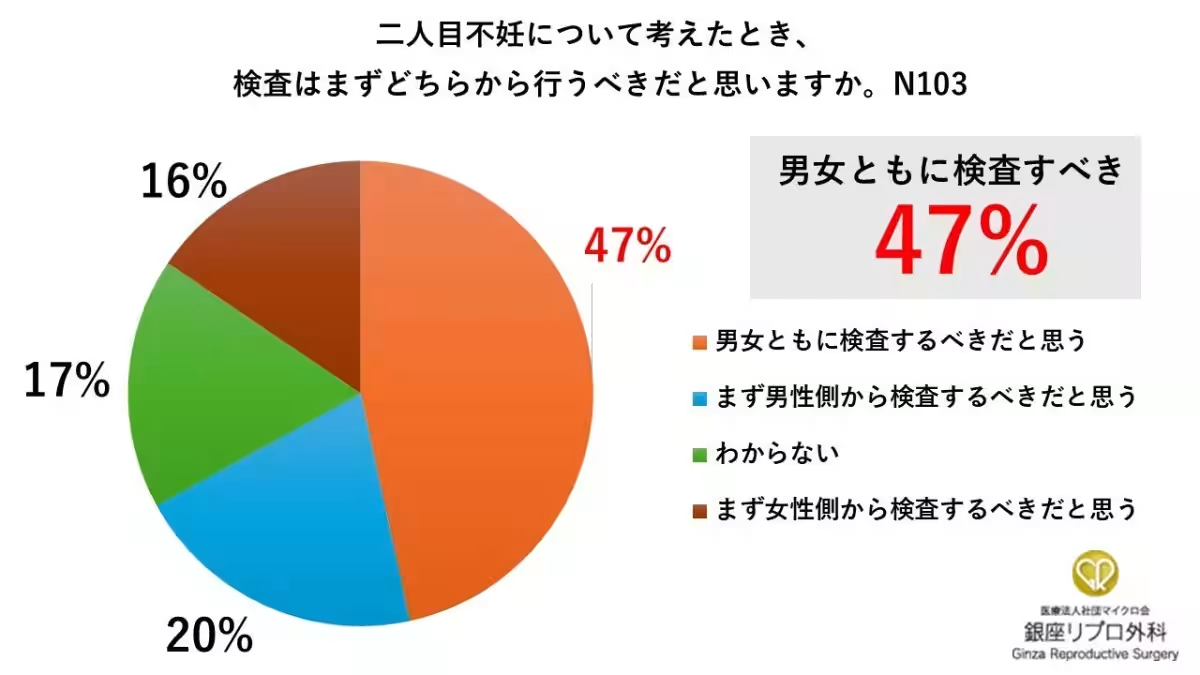
Interestingly, when asked who should undergo testing first, 47% believed both genders should be tested concurrently. However, there was a significant gap in actual behavior; while many recognize the need for testing, only a fraction of men have taken that step.
Among those still considering testing, 44% expressed a desire to pursue it but had not yet done so, and another 14% prioritized their partner's evaluations over their own. This hesitation reflects a broader cultural viewpoint regarding male reproductive health as less critical in comparison to women's health.
Awareness of Medical Conditions
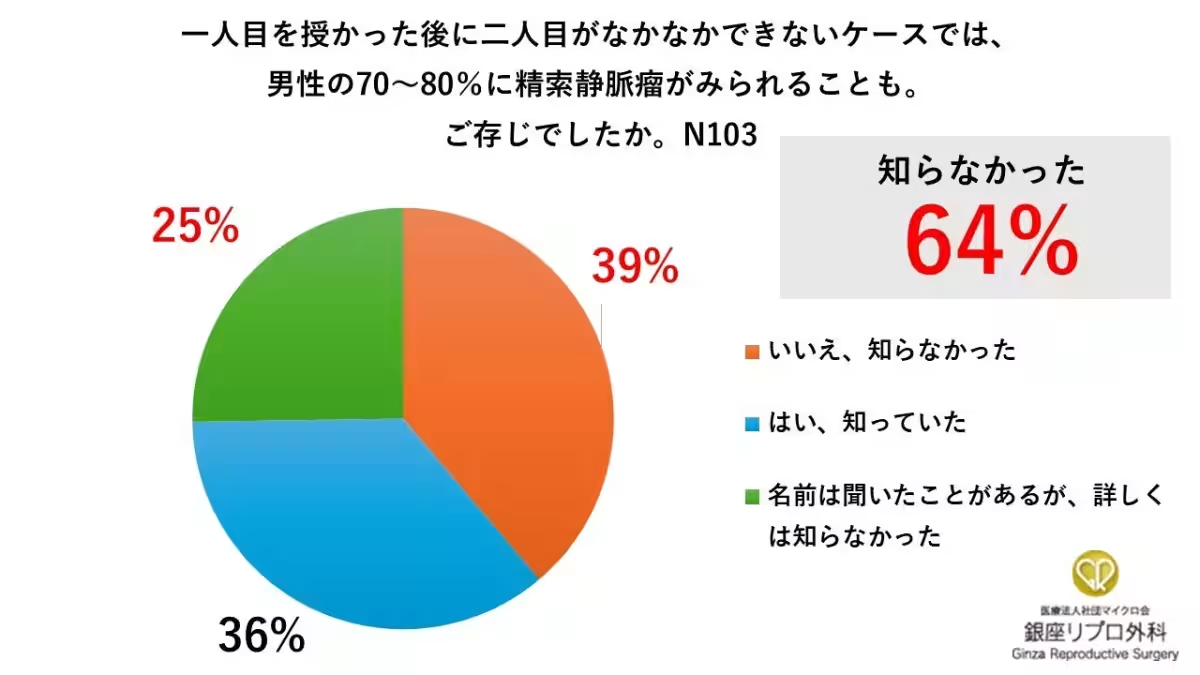
The survey also highlighted a troubling lack of awareness regarding medical conditions that contribute to male infertility. For instance, the vast majority of respondents (64%) did not connect varicocele—a factor affecting sperm quality and fertility—to secondary infertility. Varicocele is often a significant contributor to infertility, known to cause issues in sperm quality affecting up to 40% of cases.
The Ginza Repro Clinic stresses the importance of education and awareness surrounding these issues, advocating for men to seek evaluations early to avoid complicating their partner’s odds of successful conception.
Potential Solutions and Patient Insights
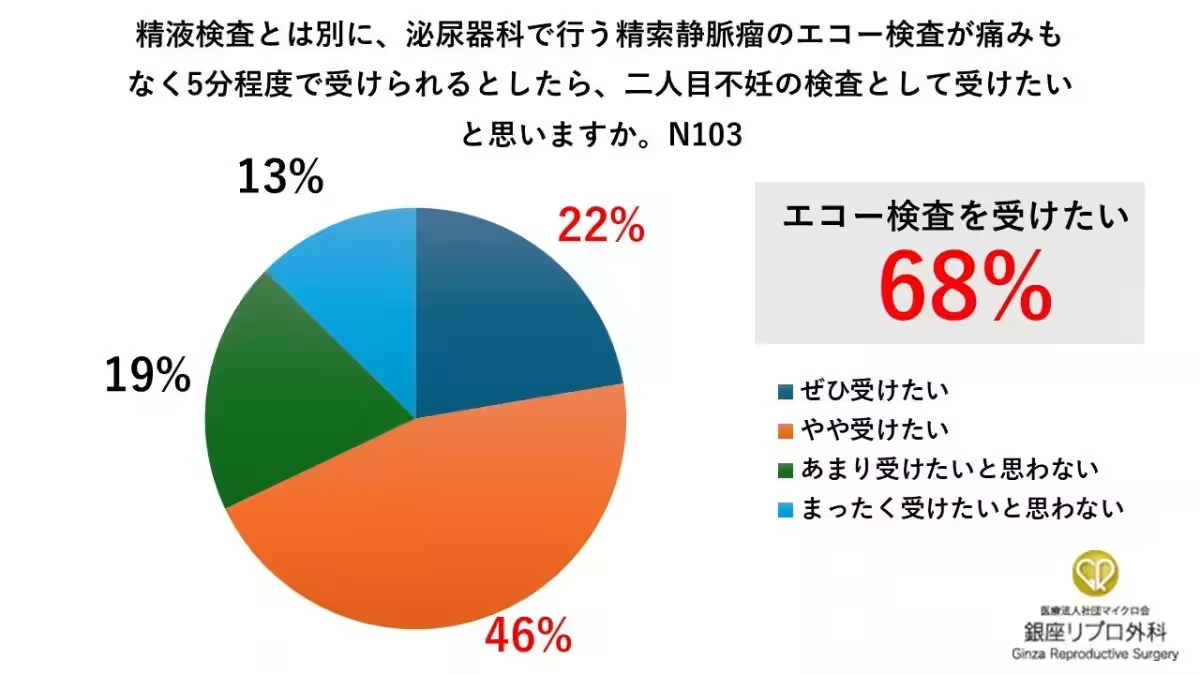
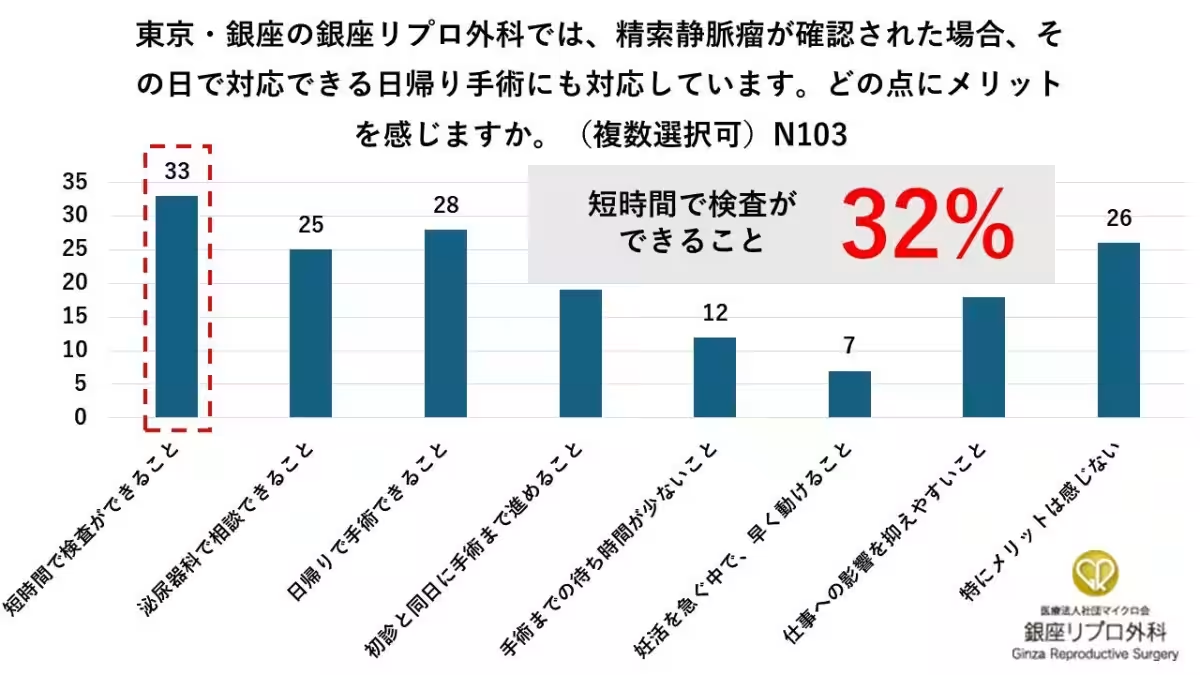
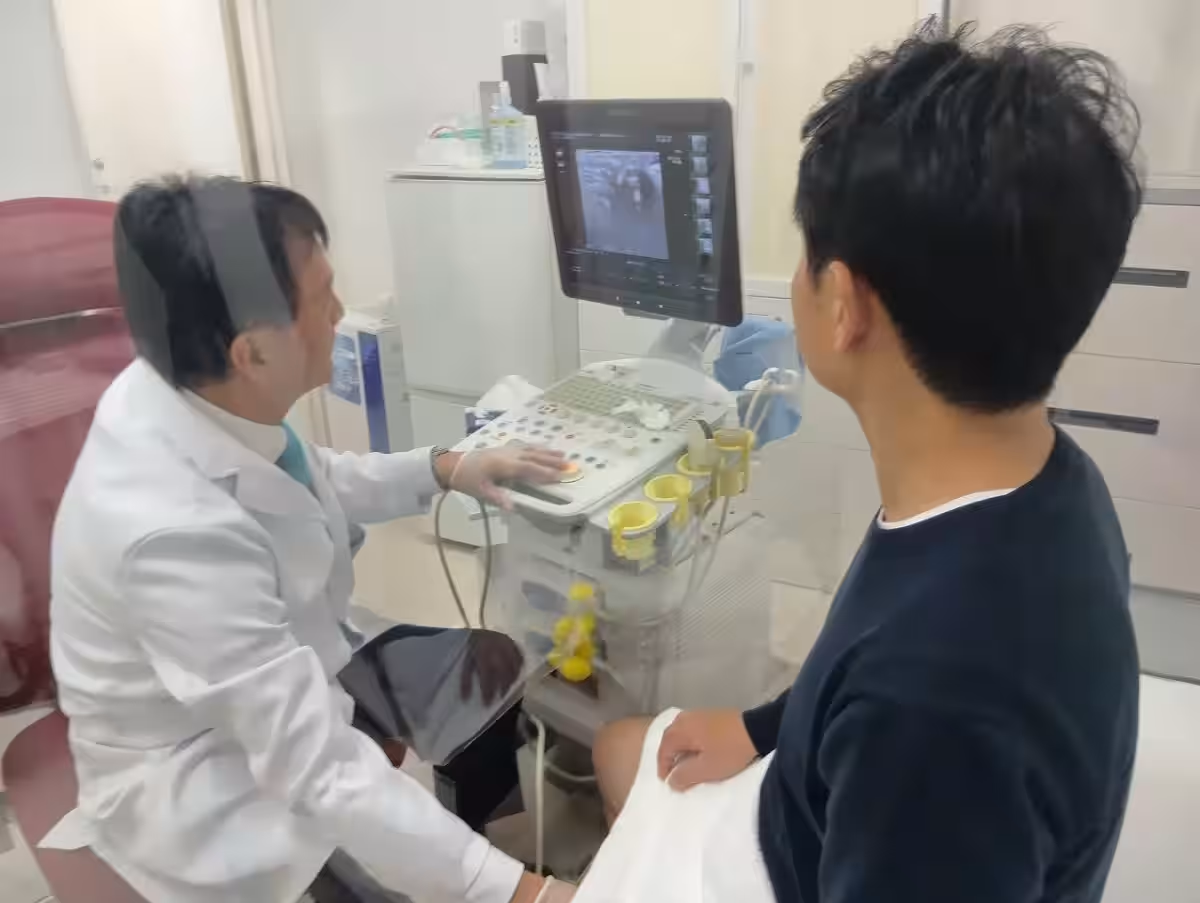
An overwhelming 68% of male respondents indicated a willingness to undergo a test for varicocele, highlighting a demand for accessible and efficient testing options. The Ginza Repro Clinic offers rapid testing procedures, noting that evaluations can occur quickly and with minimal discomfort, making it a viable option for those hesitant to seek help.
Dr. Koichi Nagao, director of the clinic, commented on the study's findings, particularly the need for men to proactively engage with their health. He emphasized how changes in age, lifestyle, and overall health can impact male fertility, suggesting that a proactive approach to reproductive health for men can create significant differences in outcomes.
Conclusion
The Ginza Repro Clinic not only offers diagnostic services but also emphasizes the importance of quickly addressing male health issues as part of the family planning process. Recognizing and acting on infertility concerns as a couple is essential, and early intervention can lead to healthier outcomes for families hoping to welcome more children. Educating men about their health, particularly concerning infertility, is crucial as they navigate the challenges of family growth. By fostering a culture of early medical engagement, the chances of successful conception can markedly improve for couples facing secondary infertility.


Topics Health)
【About Using Articles】
You can freely use the title and article content by linking to the page where the article is posted.
※ Images cannot be used.
【About Links】
Links are free to use.