



Understanding Remote Work Management: Insights from Age and Gender Differences
Insights into Remote Work Management
Remote work has significantly transformed how management operates in organizations. A recent survey conducted by LASSIC, a company dedicated to promoting flexible work arrangements, sheds light on how managers aged 20 to 65 adjust their management styles in a remote working environment.
Key Findings from the Survey
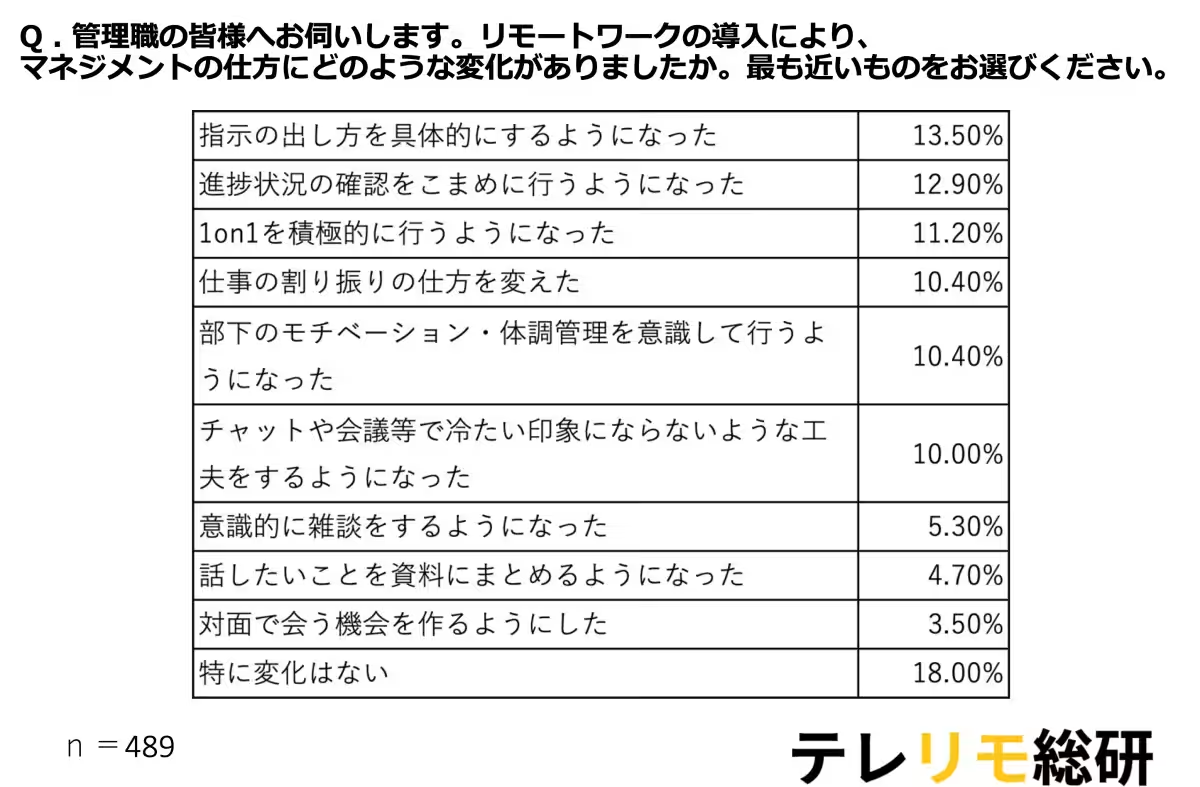
The survey interviewed 489 remote-working managers across Japan, uncovering the challenges they face in effectively managing teams while working from home. A primary finding is that with remote work, visibility into employees’ daily activities is reduced, making it essential for managers to adapt their communication and management approaches.
Tailoring Management Techniques
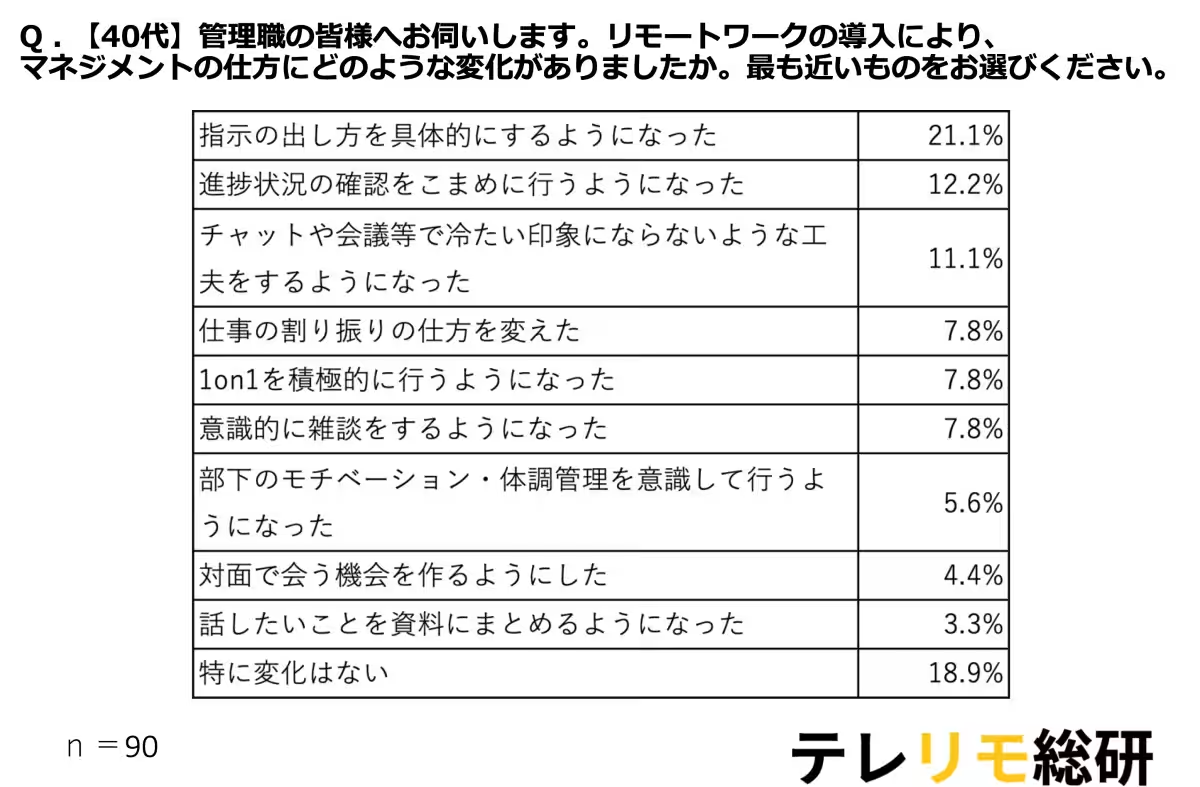
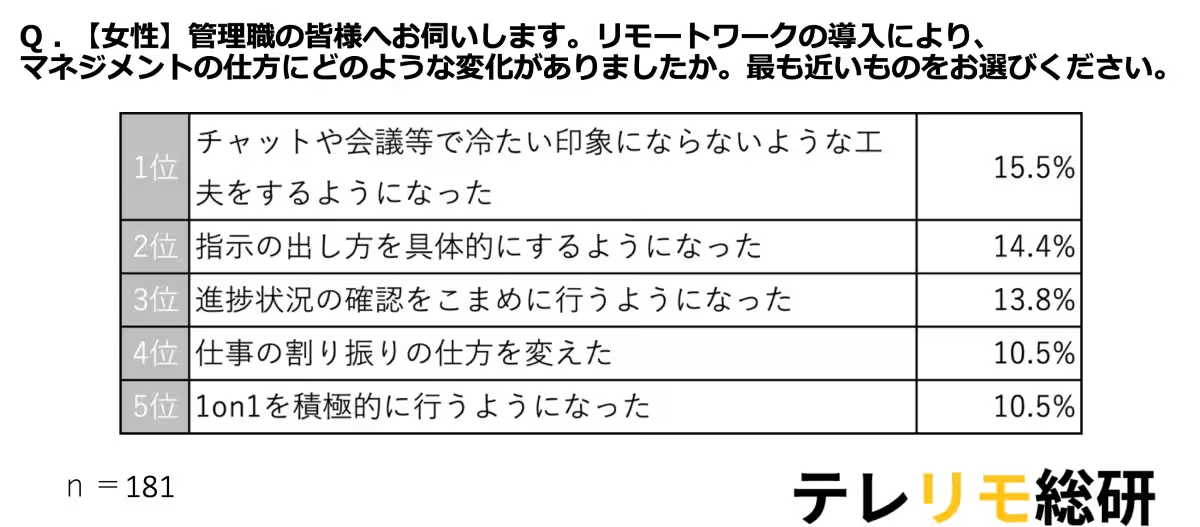
When asked what changes they made in their management styles due to the introduction of remote work, many managers indicated they had to be more specific in their directives and conduct regular check-ins to monitor progress more closely. This shift highlights the need for clear communication and consistent engagement with team members. The use of one-on-one meetings has also become a popular strategy to strengthen relationships and ensure that all employees feel supported.
Age-Based Insights
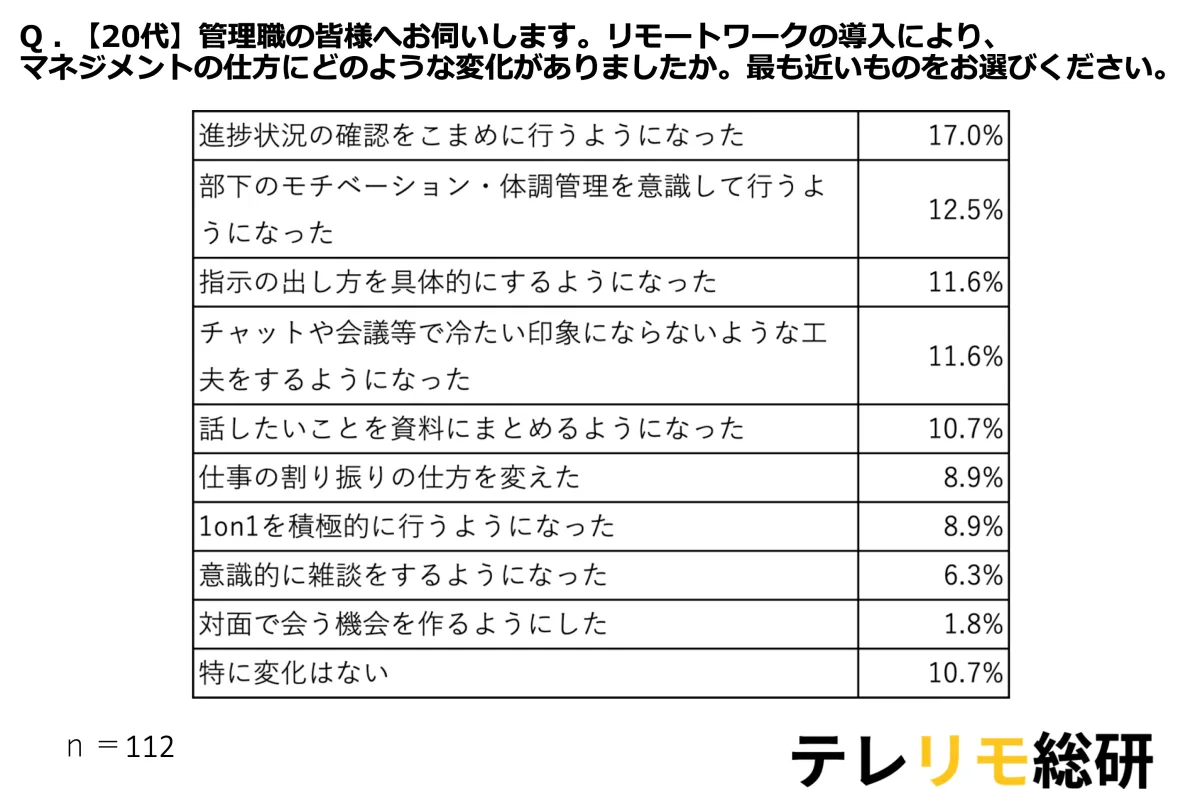
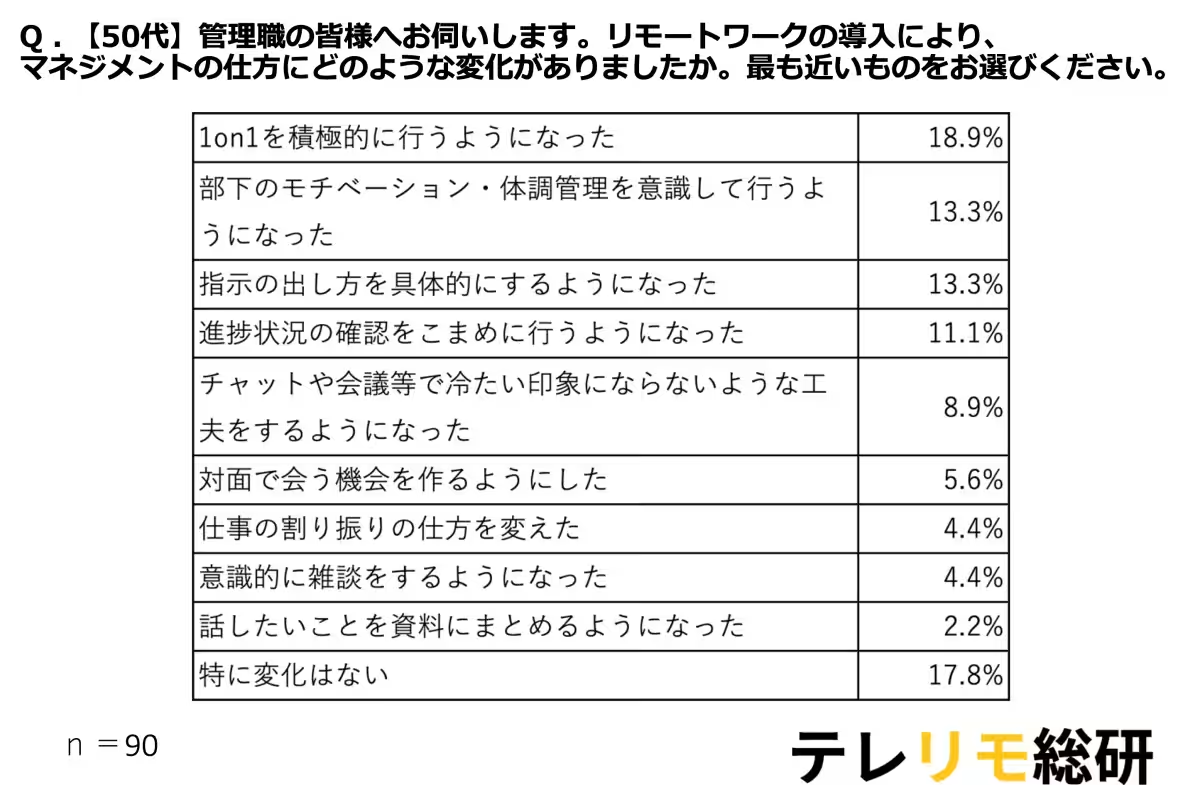
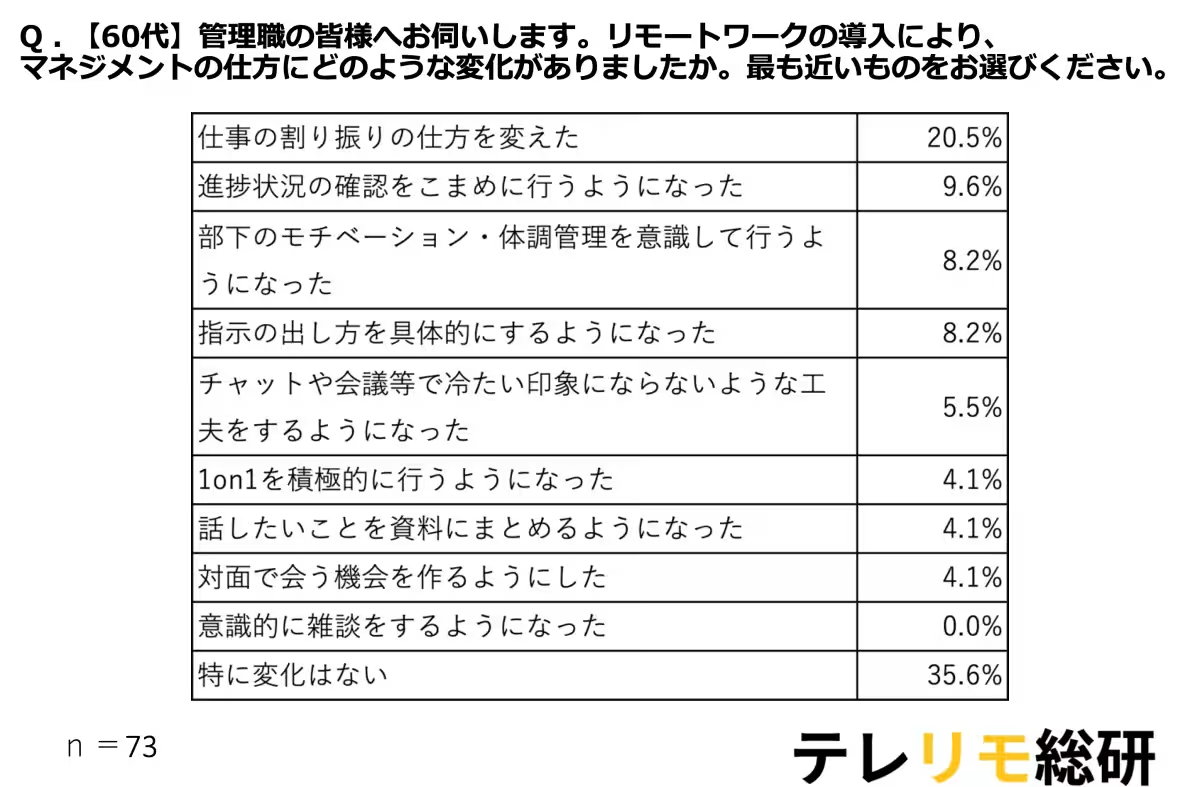
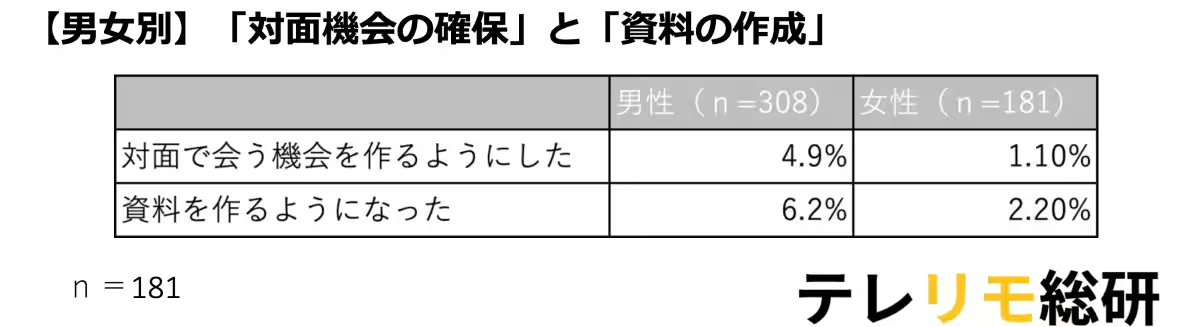
Interestingly, the responses varied significantly across different age groups. Younger managers in their 20s emphasized the importance of organizing their communication through detailed documents, with 10.7% reporting that they now prioritize compiling their thoughts into visuals or written materials. In contrast, only 2.2% of managers in their 50s utilize this approach. This suggests a strong inclination among younger leaders towards rational and efficient management, as opposed to their older counterparts.
Among the 50-somethings, the data reveals a preference for fostering relationships rather than solely focusing on task completion. With 13.3% focusing on monitoring motivation and well-being, it’s clear that they prioritize interpersonal connections, seeking to ensure their team feels valued.
Gender-Based Perspectives
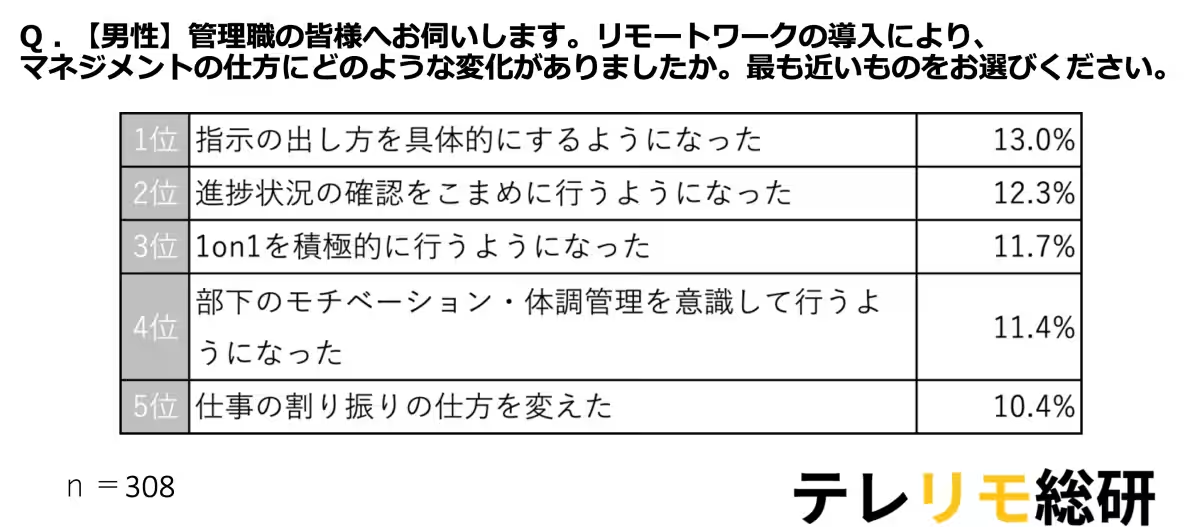
The survey also examined how gender influences remote work management strategies. Male managers tended to follow the general trend of emphasizing precise instructions and progress tracking. Meanwhile, female managers highlighted a significant focus on maintaining a positive tone in communication through tools like chat or video conferencing, aiming to avoid coming off as distant or cold.
The findings highlighted that while men prioritize operational efficiency by using diverse techniques, women tend to adopt fewer methods aimed at nurturing relationships and addressing emotional aspects within the team dynamics.
Conclusion: The Importance of Adaptability
Conclusively, the research from LASSIC indicates that the effectiveness of remote work management hinges on tailored communication strategies that cater to the specific needs of team members. Managers must explore various methods that fit their team's makeup, whether using detailed instructions for younger employees or fostering deeper connections with seasoned professionals.
As remote work continues to become a standard practice, LASSIC will actively pursue ongoing surveys to refine our understanding of remote management techniques. By leveraging these insights, organizations can create a more effective and inclusive remote working environment that enhances productivity and morale.
For further details and insights from this survey, please visit the Telework & Remote Work Research Institute.


Topics People & Culture)


【About Using Articles】
You can freely use the title and article content by linking to the page where the article is posted.
※ Images cannot be used.
【About Links】
Links are free to use.