



The Global Conversation Surrounding the 'Runri' Phenomenon: Insights from Japan
Rising Global Interest in the 'Runri' Phenomenon
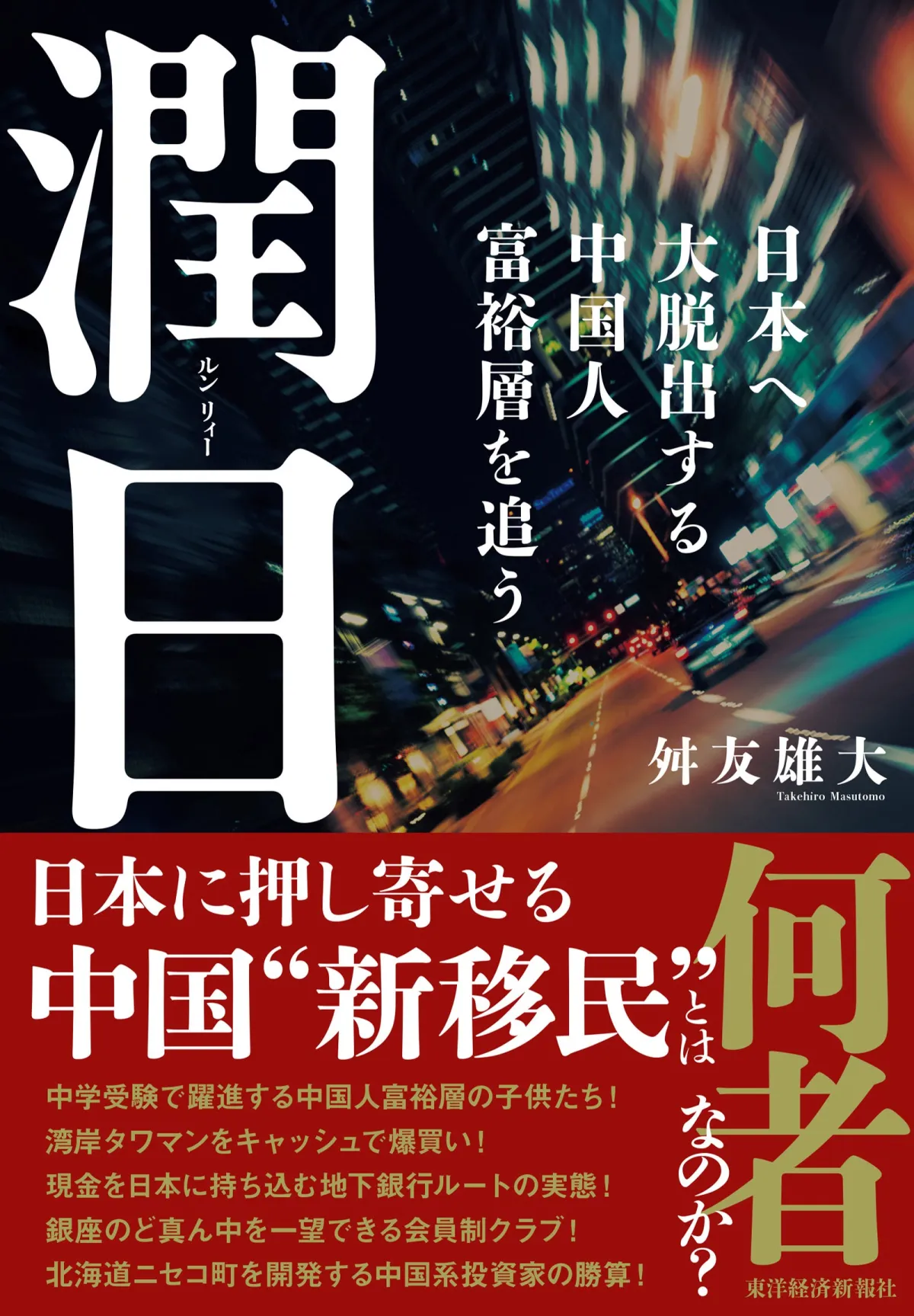
The non-fiction work "Runri," published on January 22, 2025, by Toyo Keizai, has ignited a worldwide discussion. Featured prominently in the Financial Times, South Korea's JoongAng Ilbo, and Taiwan's Wind Media, the book has become a topic of considerable interest beyond Japan.
Financial Times Coverage
The September 7 weekend edition of the Financial Times dedicated three pages to the 'Runri' phenomenon, generating substantial reactions across various media platforms. Following the FT piece, major publications in South Korea and Taiwan have echoed the sentiment, dubbing it a 'Runri boom.' This global attention highlights a growing curiosity about the phenomenon that extends far beyond Japanese borders.
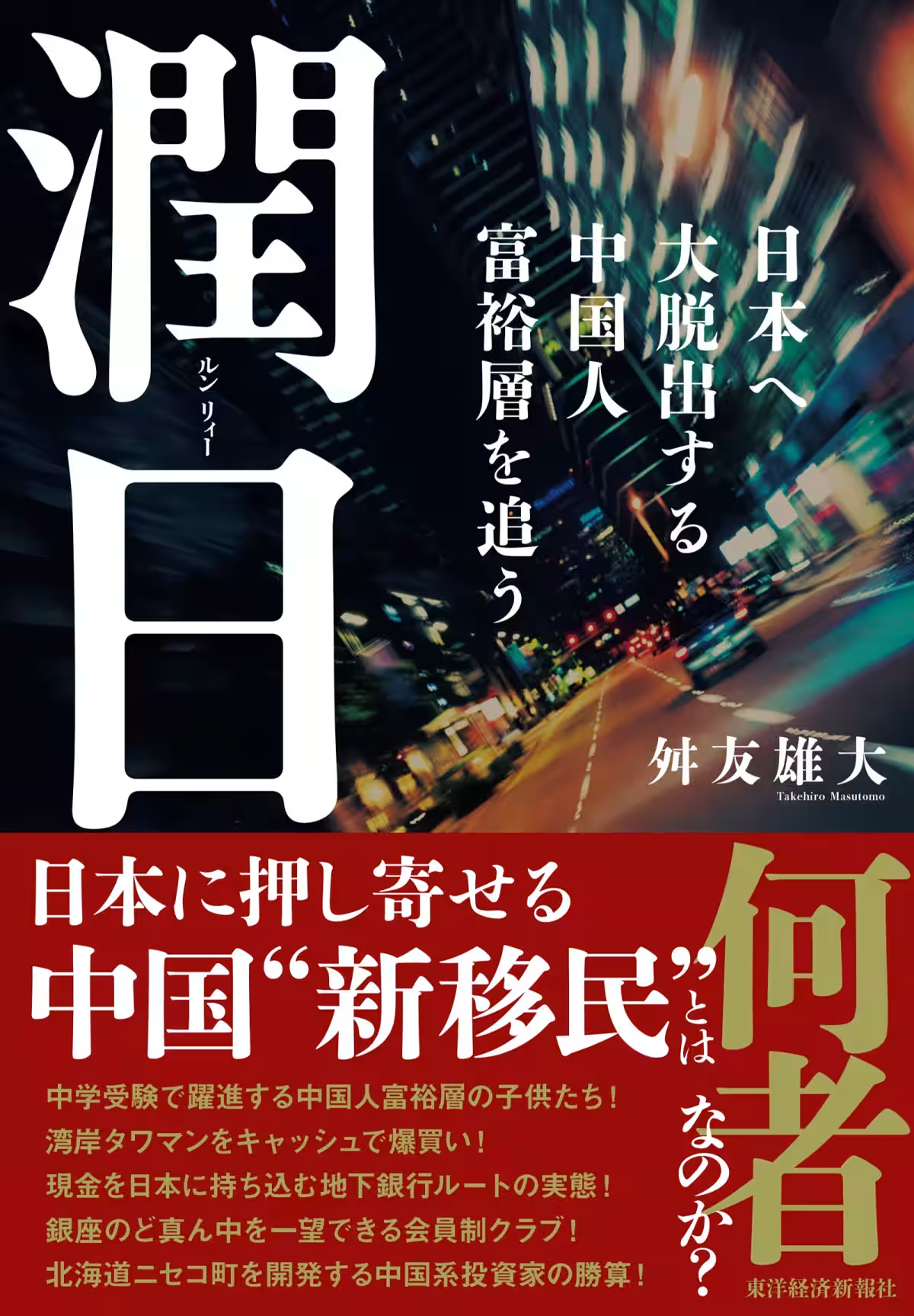
In its feature article, the Financial Times described “Runri” as a groundbreaking work that efficiently investigates the phenomenon in a socio-economic context. It is noteworthy that the book was presented with its cover image in an overseas publication, a rare occurrence for an untranslated work. Numerous excerpts from the text received quotations, further establishing the book's significance.
Diverse Reactions
The response from the public has been equally vigorous, resulting in a plethora of comments that reveal the multifaceted nature of ‘Runri.’ Some of the remarks include:
- - "A brilliant article portraying a crucial but less-known flow of migration"
- - "This article captures the dynamics of East Asia beautifully; the migration appears mutually beneficial for both Japan and China."
- - "This article provides essential insights to understand the influx of Chinese individuals in Tokyo," among many others.
Several Japanese newspapers and magazines have published reviews and analyses, including articles in Weekly Gendai, Yomiuri Shimbun, Sankei Shimbun, Nishinihon Shimbun, and Weekly Economist.
In addition, the book has been nominated for the 'Non-Fiction Award 2025', a recognition for works selected by booksellers for their immense potential and appeal.
Understanding the 'Runri' Concept
In Chinese, 'Run' refers to the growing trend of individuals seeking better living conditions outside of China. Originally meaning 'profit,' the term also takes on the connotation of 'running away,' particularly when transliterated into pinyin. An estimated 8 million people embody this 'Run' transformation globally, significantly contributing to China’s upper-middle-class intellectual demographic. In particular, many affluent and educated individuals have been arriving in Japan during the COVID-19 pandemic, marking a distinct departure from traditional migration patterns.
The 'Runri' trend is gradually becoming more noticeable in various sectors within Japan, not only in real estate but also in education and business. This modern wave of Chinese immigrants has demonstrated a significant impact that can't be ignored, influencing Japan’s social landscape.
Impact on Society
By closely examining these newcomers, their nuanced motivations and challenges become clearer. Each chapter of the book delves into themes that highlight the complexity of this migration phenomenon:
1. The global significance of 'Run'
2. Residents of tower apartments
3. The emerging education competition
4. Safe havens for retired entrepreneurs
5. Unique ecosystems of influencers
6. Local communities as new frontiers
7. The anxieties of the middle class
8. The unification of liberal intellectuals
9. Notable activists and movements
About the Author
Yudai Mastumo, born in 1985 in Fukuoka Prefecture, is a journalist and visiting researcher at Waseda University. He holds a master's degree in international relations from the University of California. Since beginning his career in 2010 in economic media in China, he has focused on international reporting related to Japan. He has contributed to various platforms, such as Nikkei Asia, The Japan Times, and many more. This publication marks his debut book.
Book Information
Title: Runri: The Great Escape of China's Wealthy Class to Japan
Price: ¥1,980 (including tax)
Publication Date: January 22, 2025
Format: Octavo, paperback, 336 pages
Publisher: Toyo Keizai Inc.
Store Links:
Toyo Keizai Store
Amazon

Topics People & Culture)

【About Using Articles】
You can freely use the title and article content by linking to the page where the article is posted.
※ Images cannot be used.
【About Links】
Links are free to use.