



Discovering Tomorrow's Innovators: The 2025 Edition of the MITO Junior Program
Introducing the MITO Junior Program
The MITO Junior Program, initiated by the MITO Association, has been a pivotal support system for young creators aged 17 and under since its inception in 2016. This initiative aims to foster innovation by providing guidance and resources to children and teenagers with exceptional ideas and technical skills in the field of IT. Over the years, MITO Junior has established itself as a reputable platform for nurturing future talents in technology, offering them opportunities to explore and develop their projects.
Announcing the 2025 Super Creators
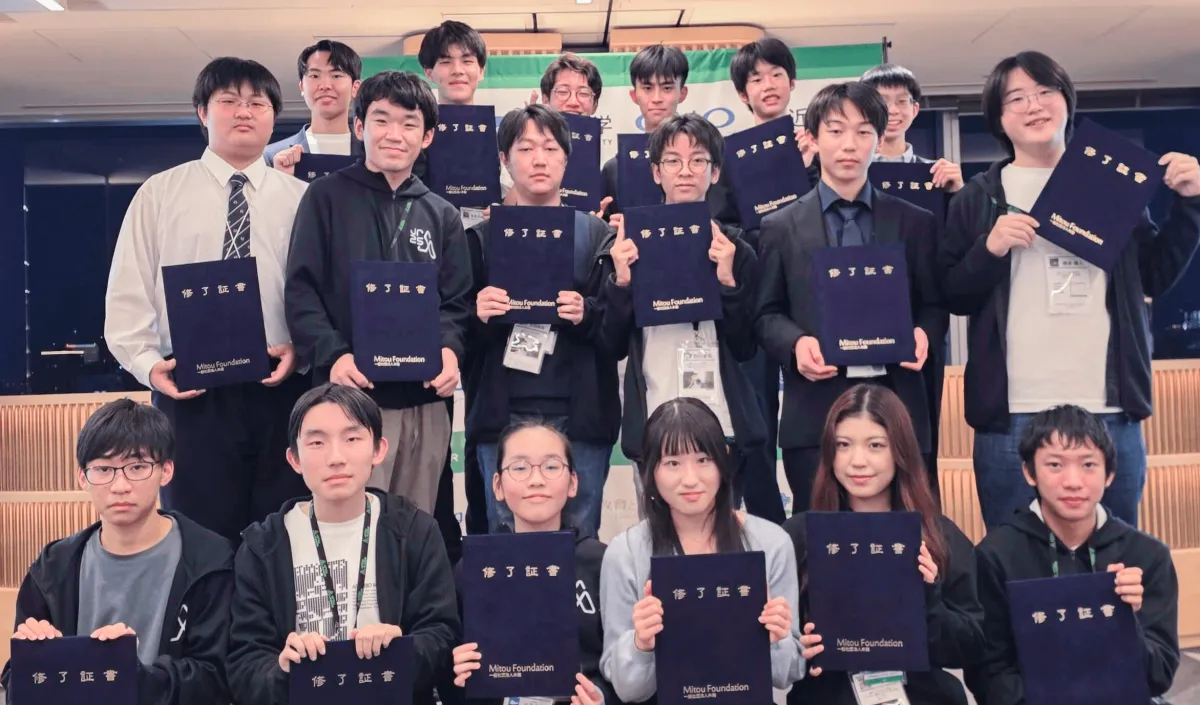
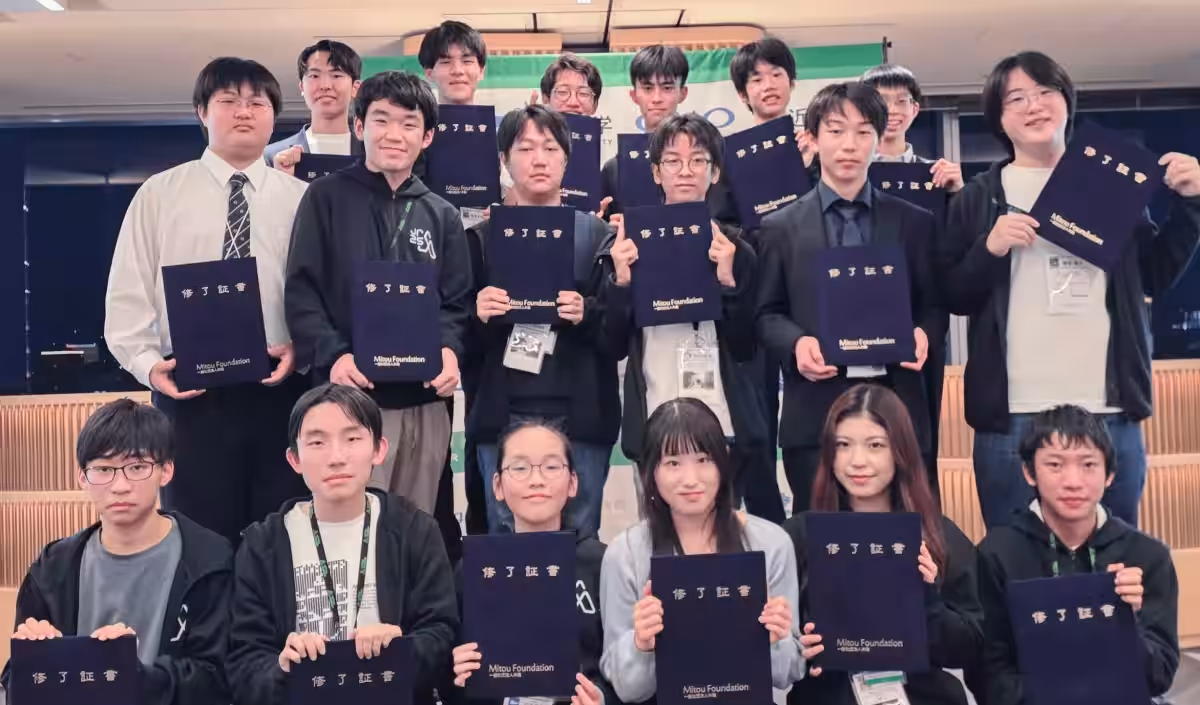
On November 3, 2025, the program celebrated its latest achievements at the Achievement Report Meeting held at GMO Yours, Fukurasu. A total of 15 standout projects were recognized among 143 applications, showcasing the creativity and ingenuity of the young participants. Those who demonstrated remarkable results were honored as Super Creators and have now been officially announced on the MITO Junior website.
Background of Development
With the rise of programming education and a growing interest in IT among young people, the need for initiatives that support these budding creators has never been more crucial. Despite the impressive resources available to university students, many young creators in junior high and high school struggle to access similar support. To address this gap, the MITO Association established MITO Junior, allowing young creators to submit their innovative ideas for support.
Since launching, MITO Junior has received an overwhelming response, with over 100 submissions annually and a total of 120 projects and 150 creators supported so far, reflecting the program's success in engaging young minds.
Project Selection for 2025
The 2025 MITO Junior program received 143 project submissions, showcasing a variety of creative solutions. After a rigorous selection process with a 9.53-to-1 acceptance ratio, the following projects were chosen for support:
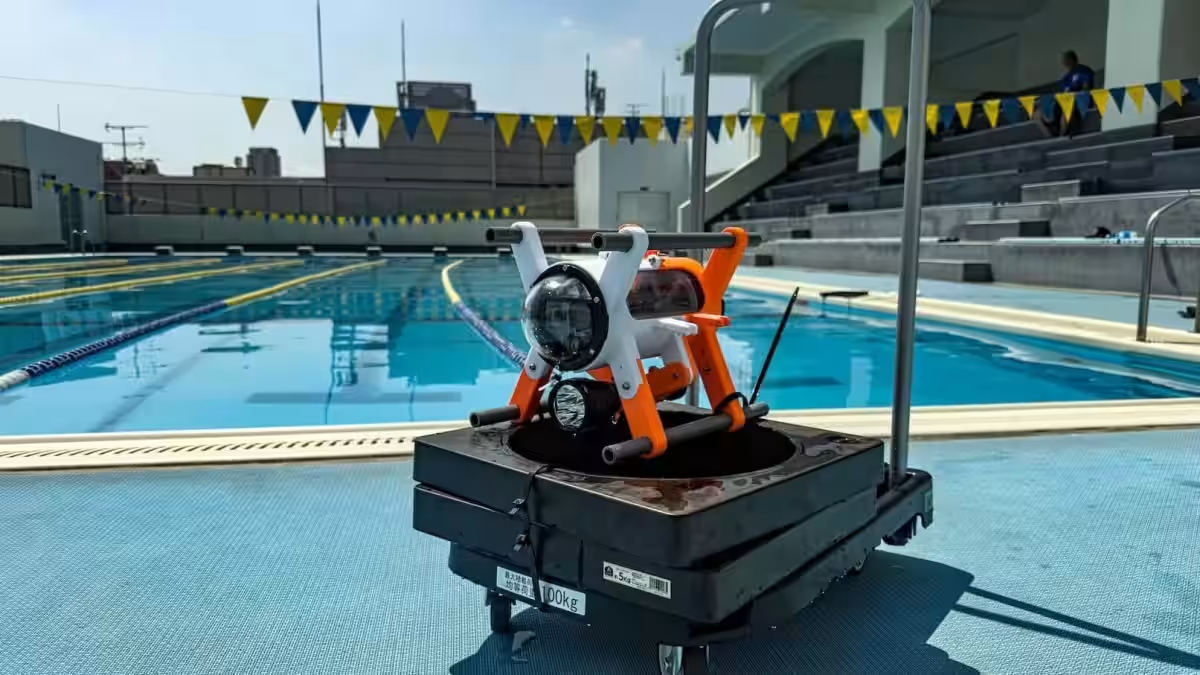
- - UmiNavi — A self-positioning system for underwater drones designed for individual developers by Shintaro Matsumoto.
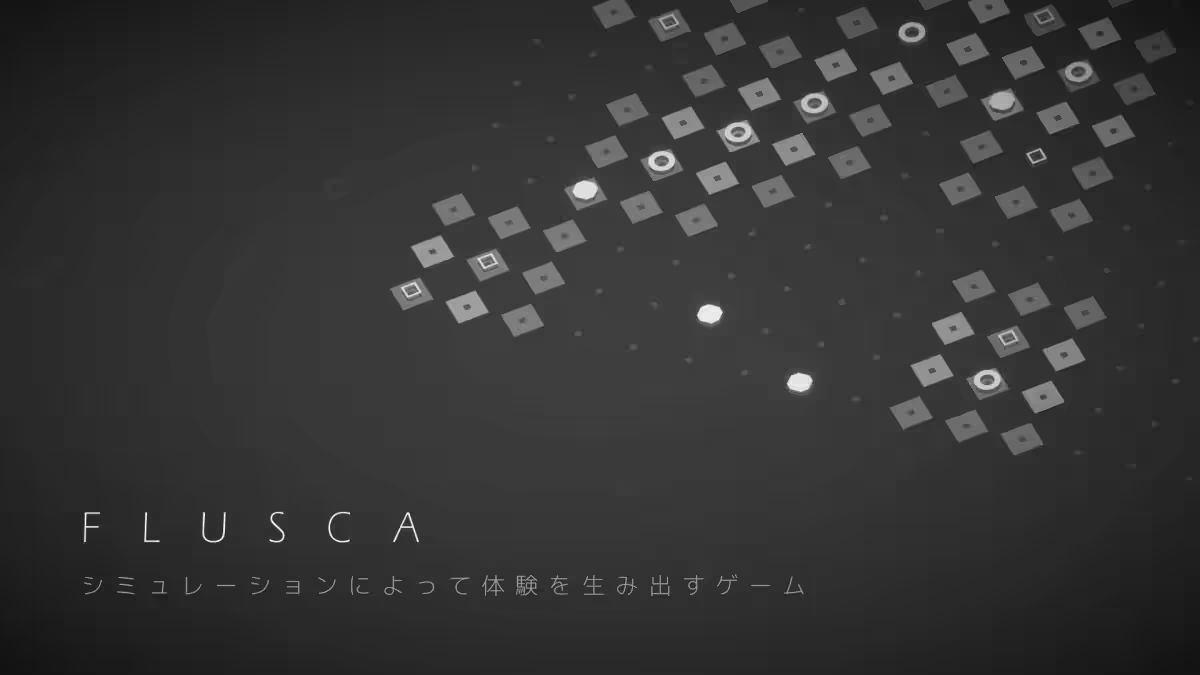
- - Flusca — A game that simulates experiences by Takehiro Kano.
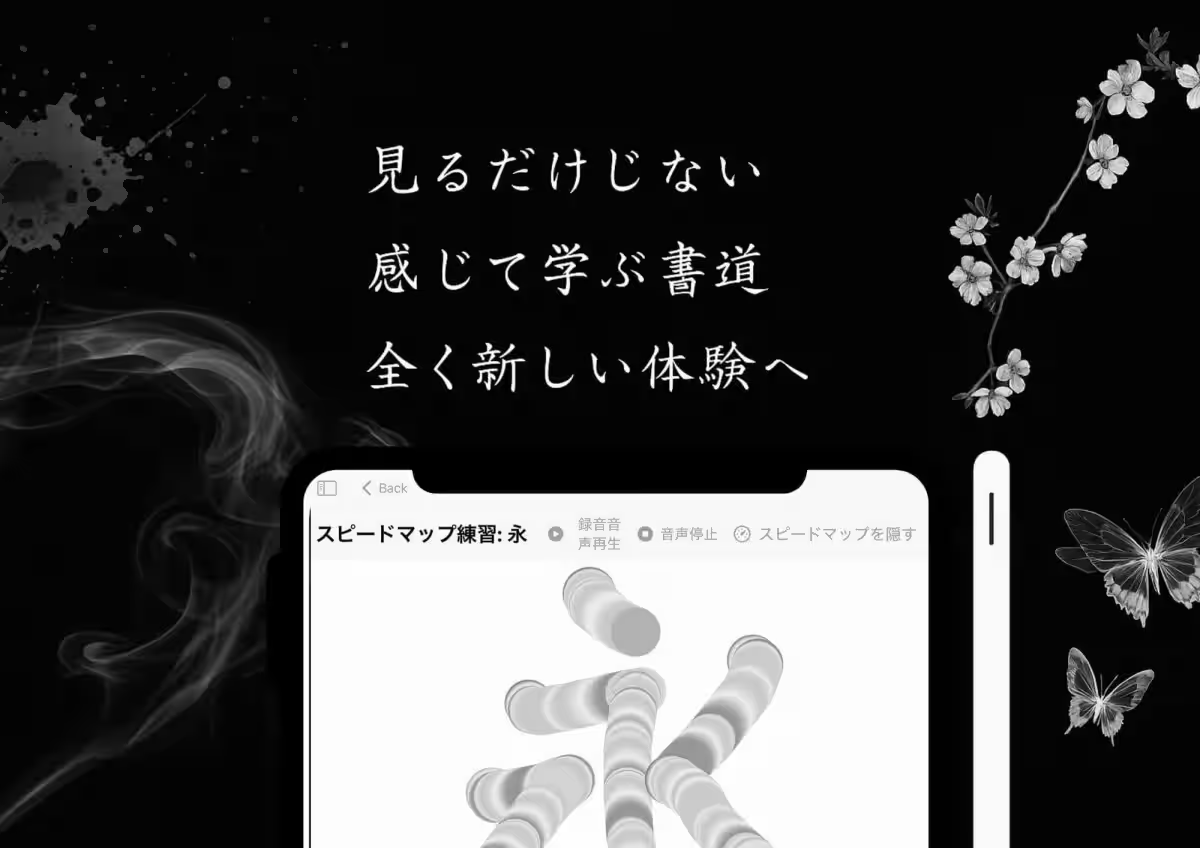
- - Fudey — A sensory calligraphy project by Mio Mitamura.
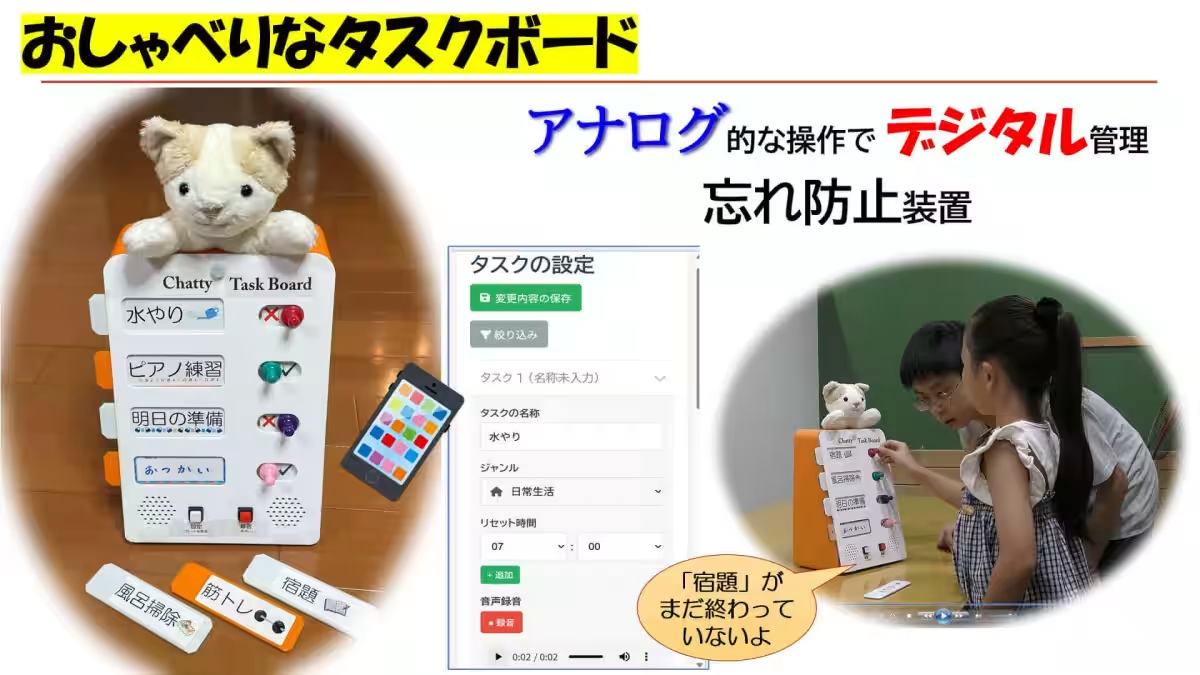
- - Talking Task Board — A device aiding children’s self-management to prevent forgetfulness by Koichi Kubo.
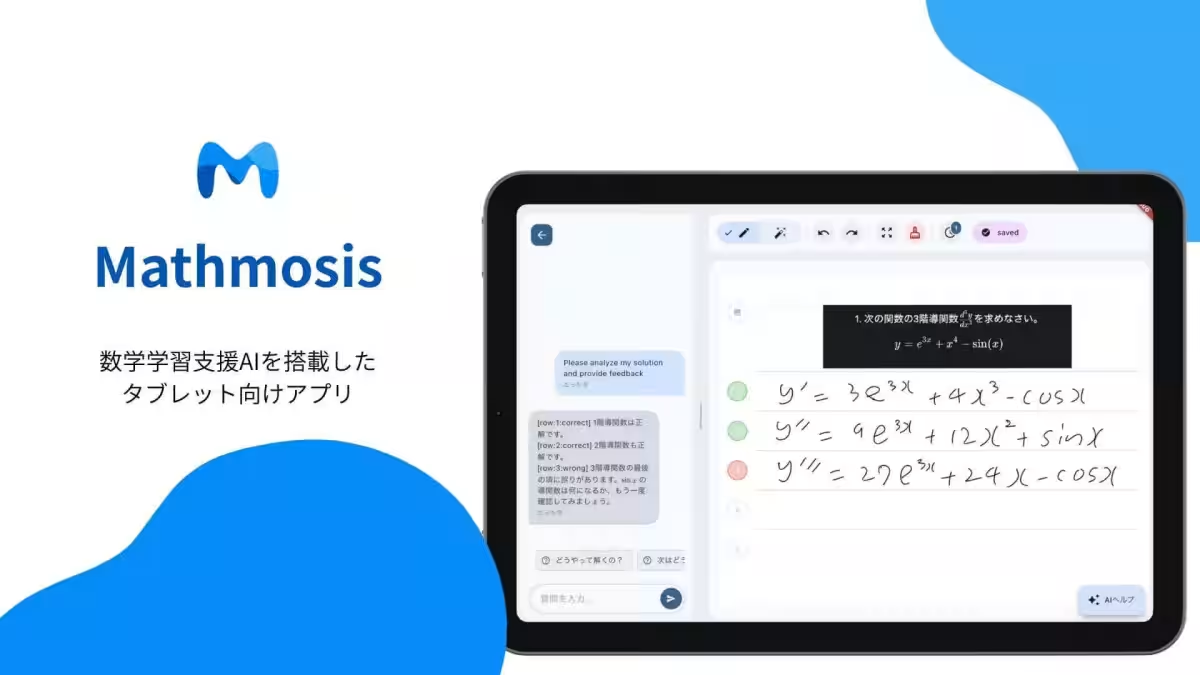
- - Mathmosis — An educational AI app for mathematics support by Daichi Minami.
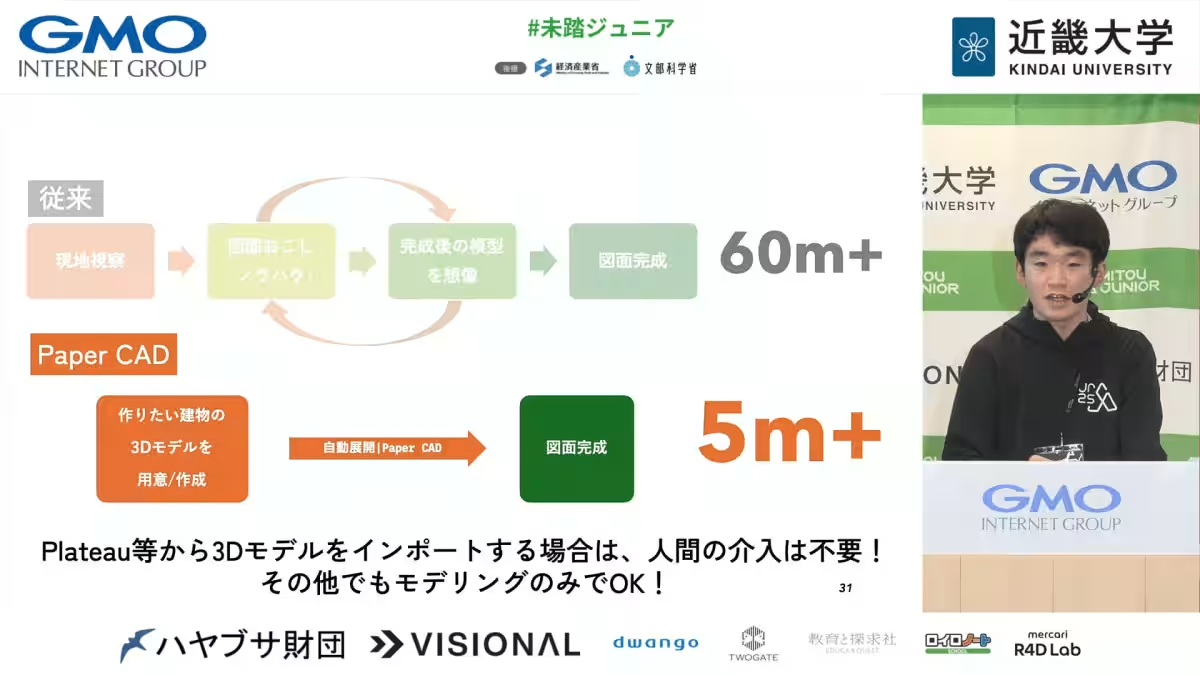
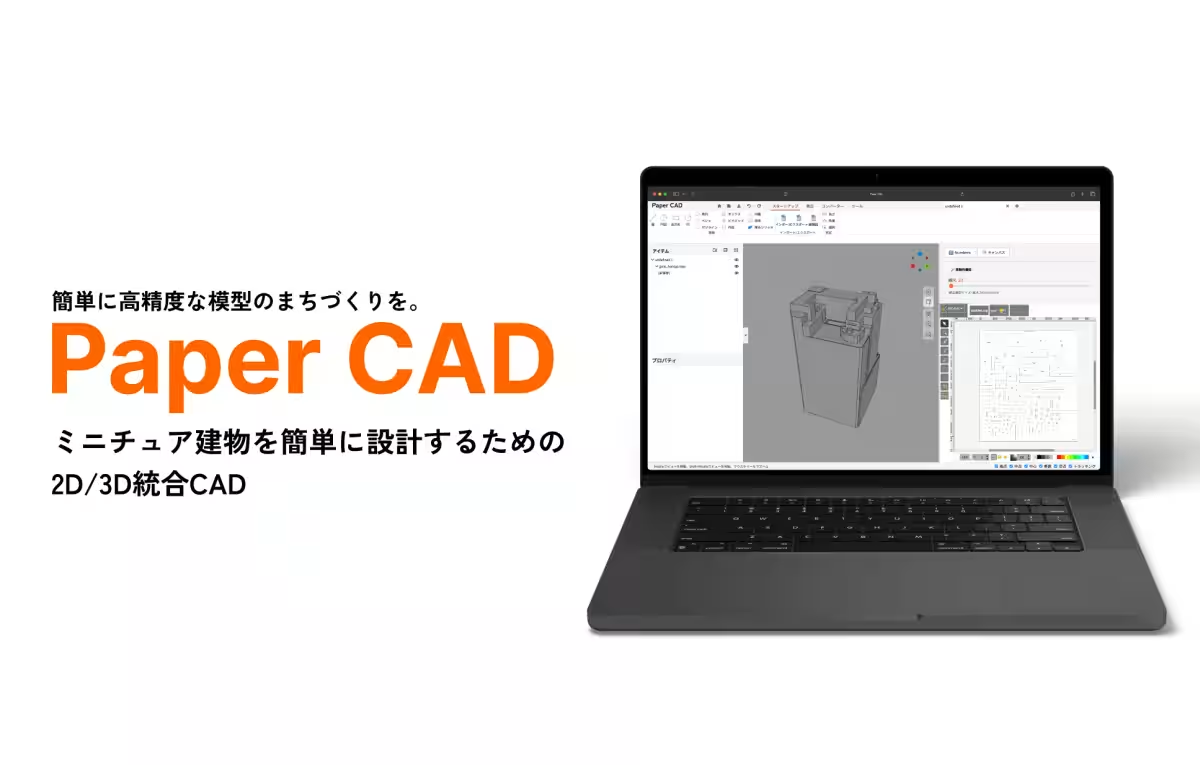
- - Paper CAD — A 2D/3D integrated CAD for mini building design by Kodai Miyazaki.
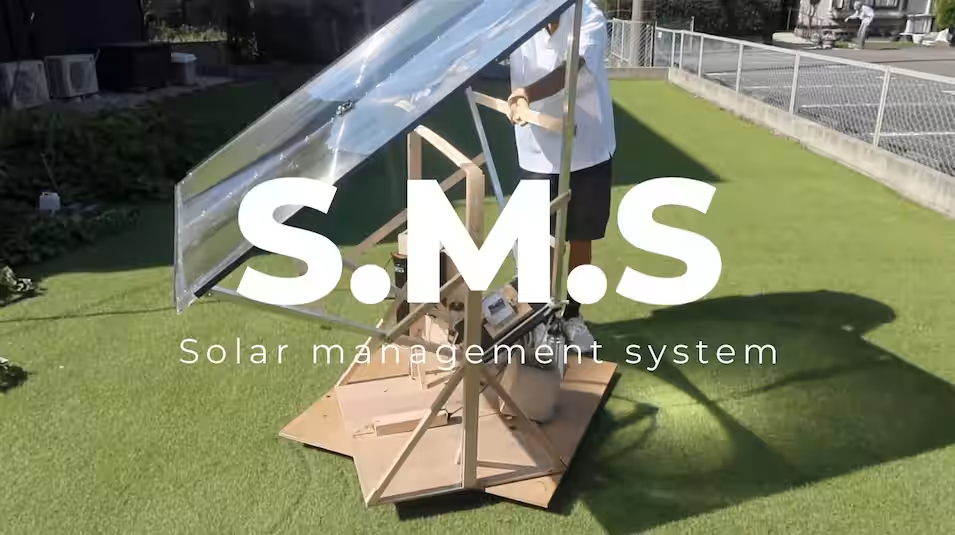
- - S.M.S. — An indoor transmission system for power, heat, and light by Masamune Kato.
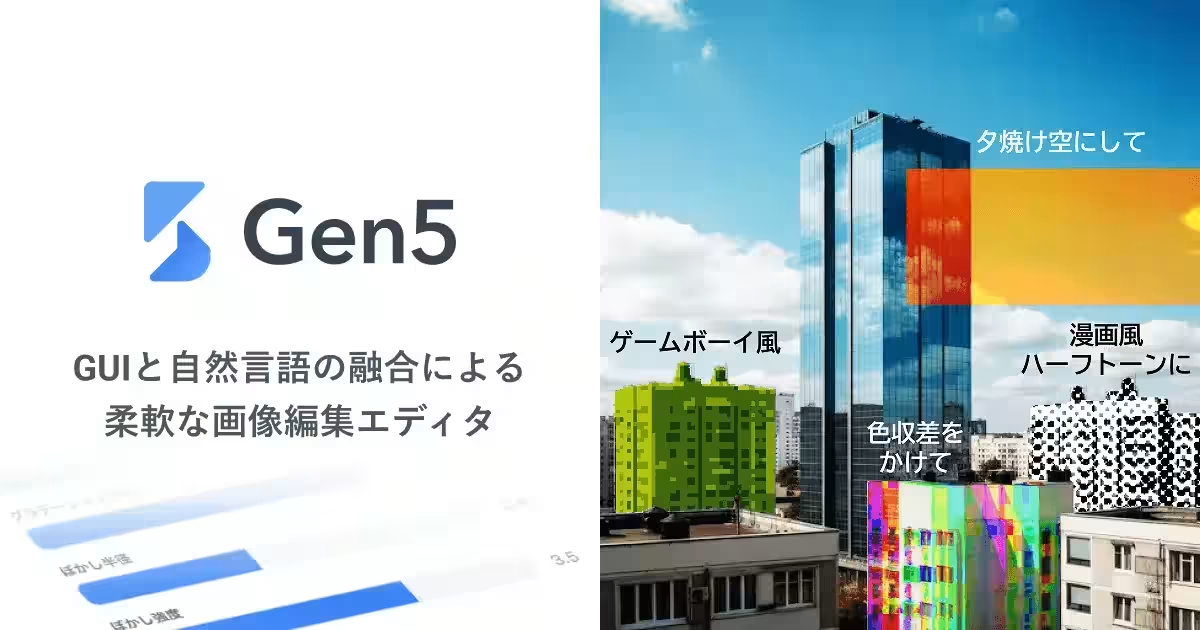
- - Gen5 — A flexible image editing editor merging natural language and GUI by Isita Funabashi, Shota Nakamura, and Yuna Matsunaga.
- - Development of a Synchronous Reluctance Motor for artificial hearts by Kesu Zhang.
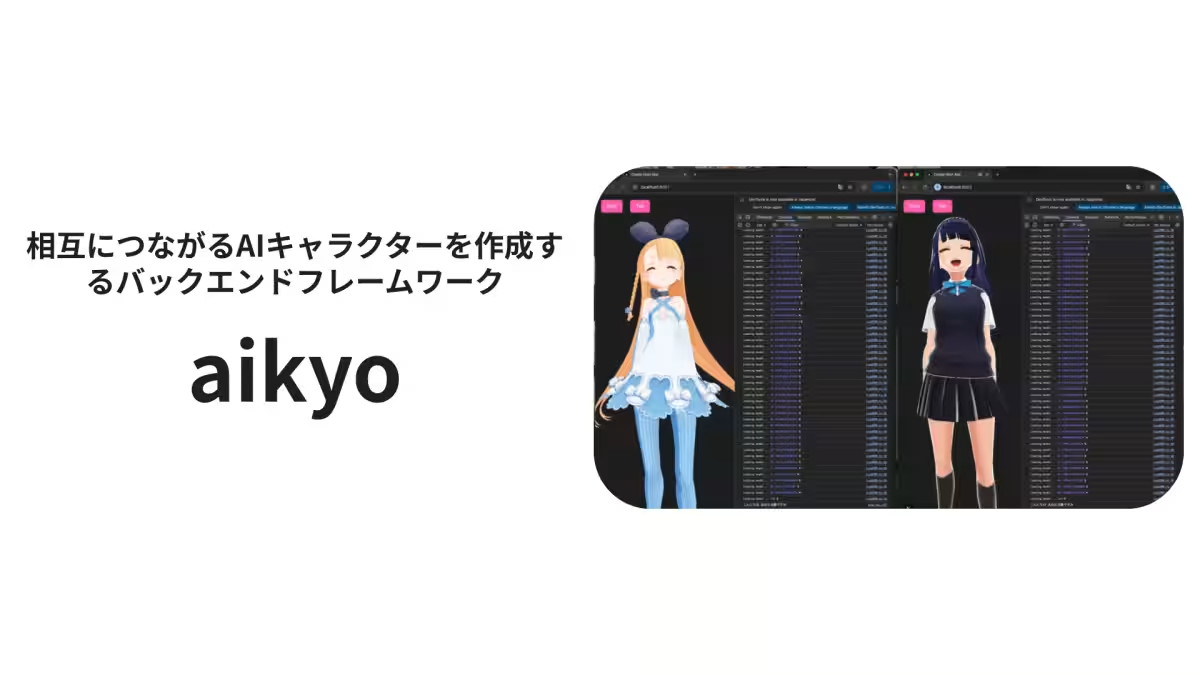
- - Aikyo — A backend framework for creating interconnected AI characters by Soma Noda and Yoma Yasuda.
- - NextRouter — A router using multiple best-effort optical lines for fast communication by Shohei Nagashima.
- - TalkBoost — An app promoting speech spontaneity for stutterers by Junki Goto.
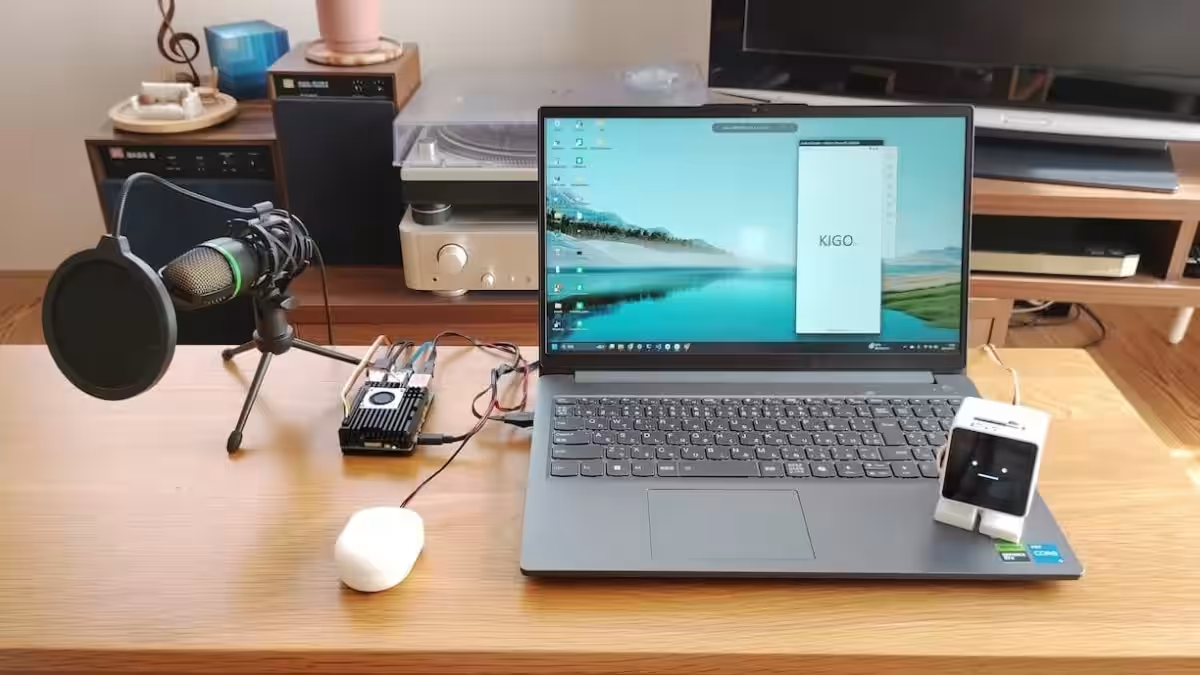
- - KIGO — A device breaking psychological barriers between the hearing and the deaf by Momoko Yamashita.
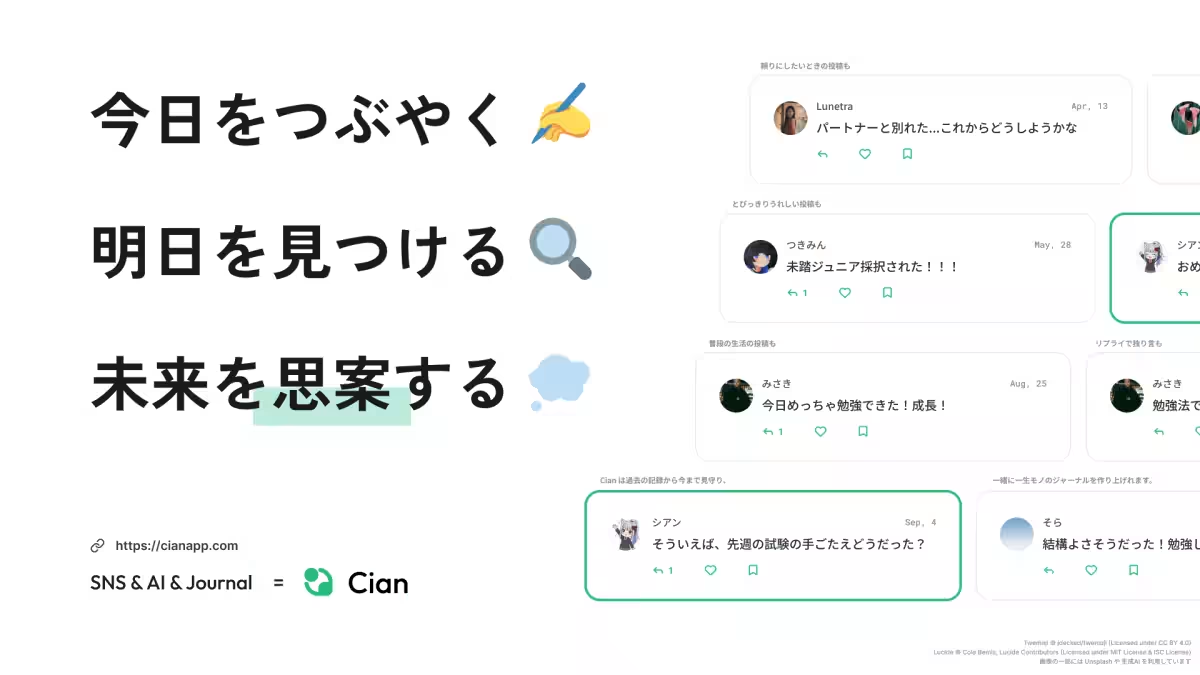
- - Cian — A journal app for reflecting on today and contemplating tomorrow by Yuto Tokunaga.
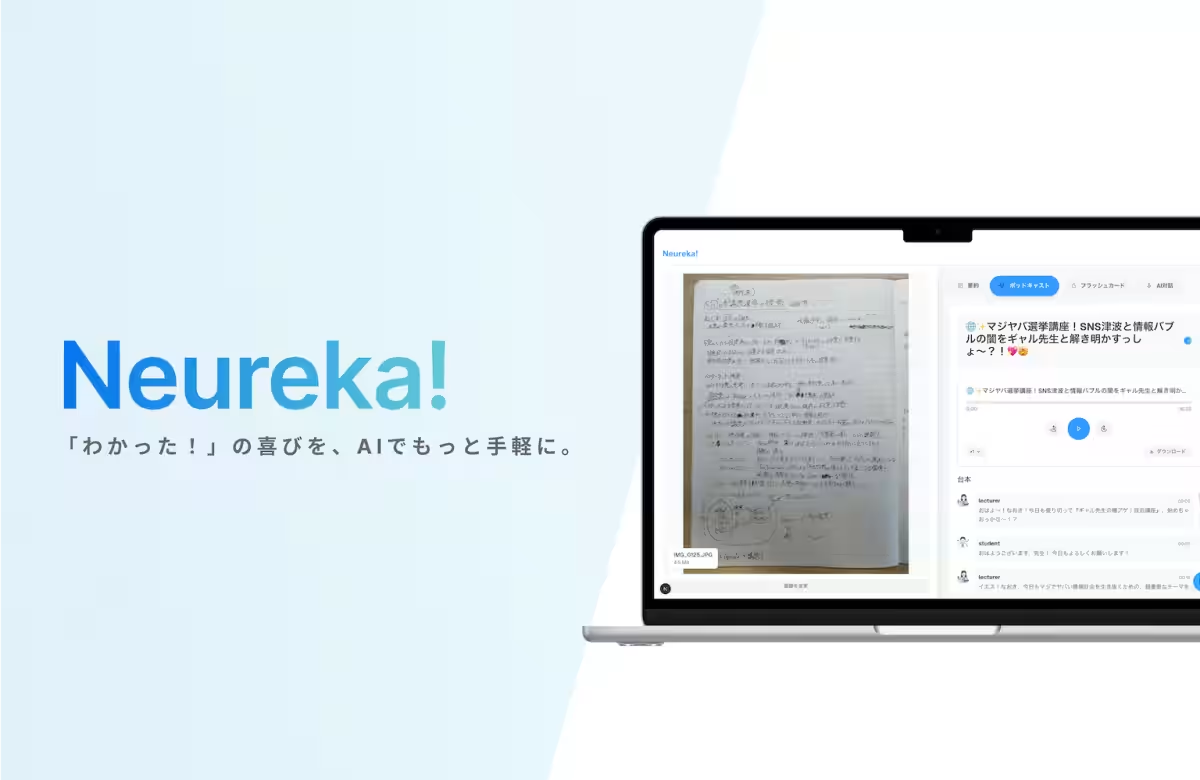
- - Neureka! — A service combining AI learning partners with educational material generation by Naoki Ohira.
Support and Recognition
The success of these projects is attributed to the dedicated support from mentors and sponsors, ensuring that the young creators had the resources and guidance needed for their development. The outcomes of their hard work were keenly presented at the Achievement Report Meeting, further shared via the official MITO Junior YouTube channel.
The program acknowledged the efforts of 14 creators who were recognized as Super Creators for their outstanding contributions, demonstrating the quality of talent fostered by the initiative.
Conclusion and Future Outlook
Looking ahead, the 2026 MITO Junior Program is set to open applications around March 10, 2026, coinciding with MITO Day. Prospective participants are encouraged to check the guidelines available on the website for detailed information on application procedures and support resources.
About MITO Association
The MITO Association, based in Shibuya, Tokyo, is dedicated to promoting innovation focused on IT by creating diverse support networks for creative human resources, primarily composed of graduates from the MITO Project, which is overseen by the Ministry of Economy, Trade, and Industry (METI). The association continues to champion projects that lead to impactful advancements in technology and society.


Topics People & Culture)
【About Using Articles】
You can freely use the title and article content by linking to the page where the article is posted.
※ Images cannot be used.
【About Links】
Links are free to use.