



Check Point Research Releases the 2025 Cyber Threat Landscape Report for Financial Industry
Overview of the 2025 Cyber Threat Landscape in Finance
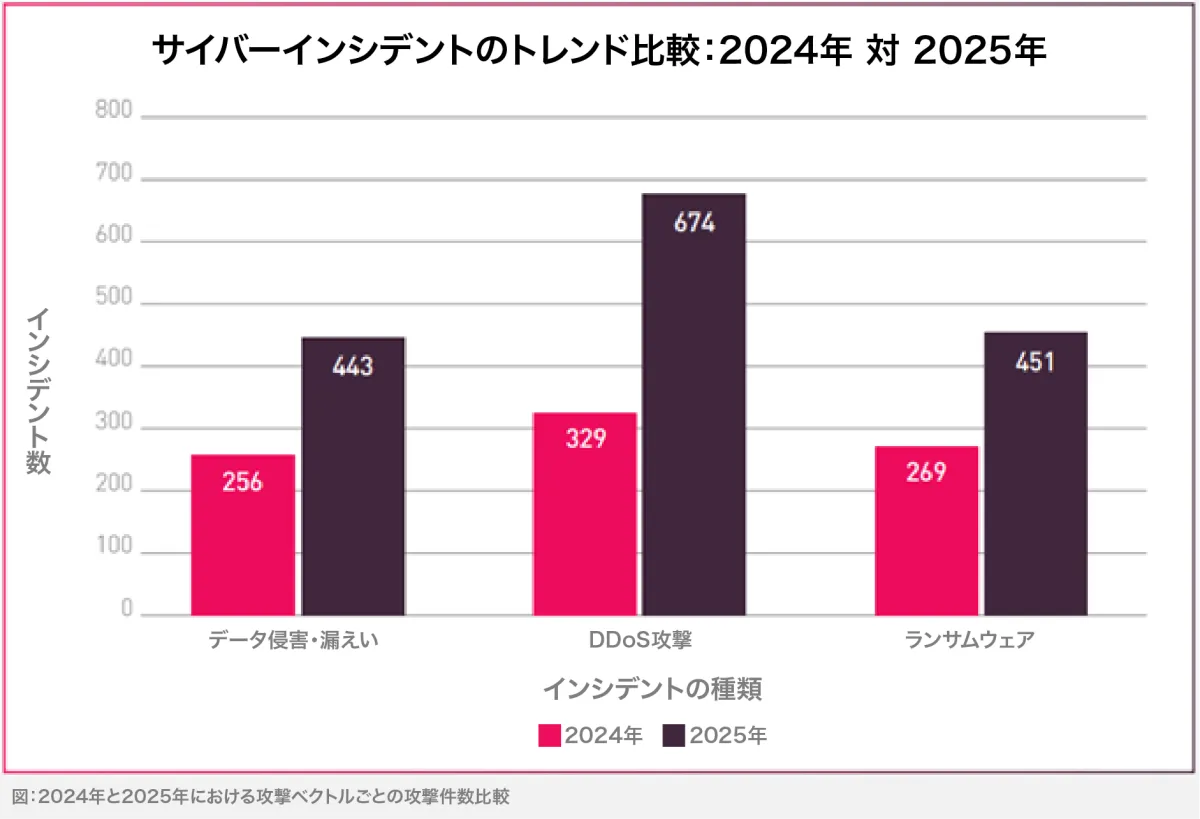
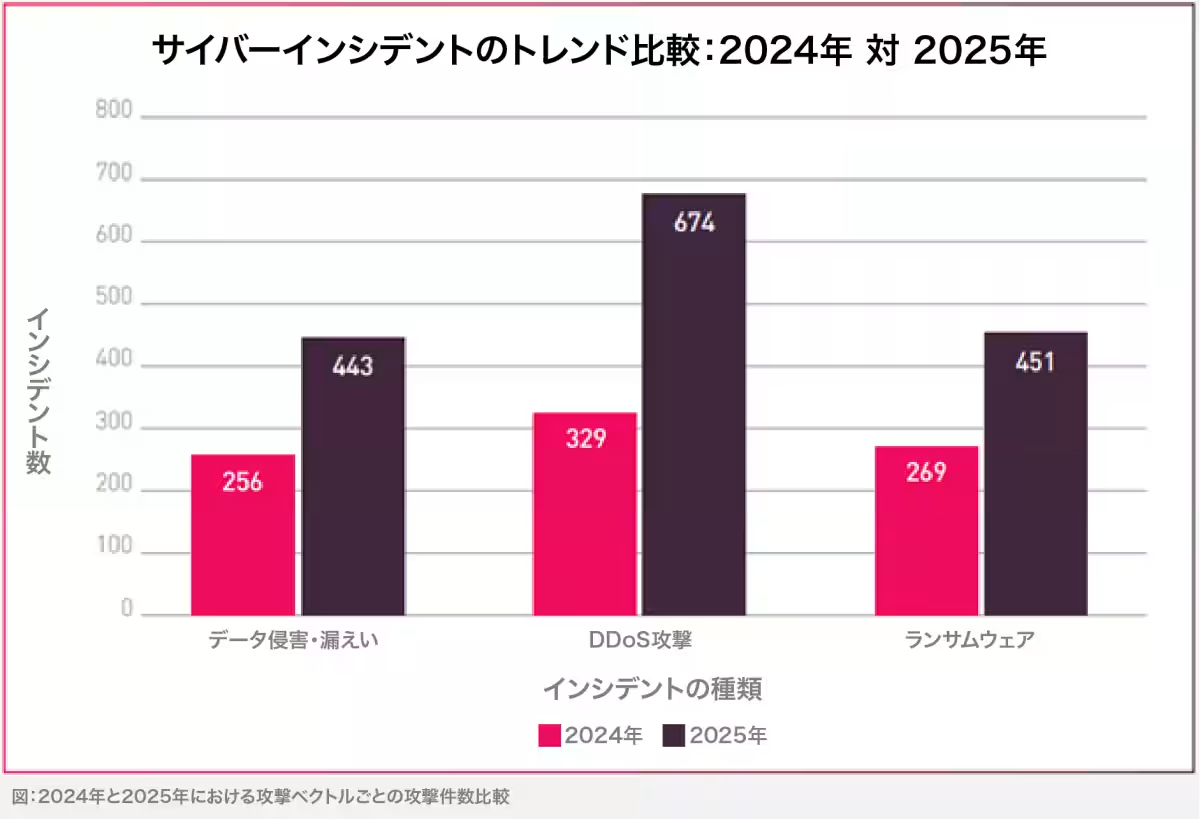
Check Point Research, the threat intelligence division of Check Point Software Technologies, has published the 2025 edition of its Finance Threat Landscape Report. This report presents a glaring picture of how the financial sector is increasingly vulnerable to various cyber threats. In 2025, incidents of cyber attacks in the financial sector surged to 1,858, a staggering increase from 864 in 2024. This rise can be attributed to the evolving nature of cyber threat actors, blending ideologically motivated disruptions with service-oriented commercial cybercrime.
Major Trends Identified in the Report
1. DDoS Attacks Have Increased by 105%: There has been a noteworthy escalation in organized hacktivist activities targeting high-profile financial platforms and services.
2. Data Breaches and Leaks Surge by 73%: Persistent vulnerabilities in cloud security, identity governance, and third-party environments have been significantly exposed.
3. Ransomware Incidents Reach 451: A matured Ransomware-as-a-Service (RaaS) ecosystem coupled with advanced extortion techniques has dramatically intensified the severity of such incidents.
DDoS Attacks Amplified by Geopolitical Factors
DDoS attacks have emerged as the most prominent threat for the financial sector in 2025, exhibiting a dramatic increase from 329 incidents in 2024 to 674 in 2025, marking a 105% rise. Unlike the previous year, many of these incidents were not financially motivated but were linked to organized hacktivist movements driven by geopolitical motives. Banks and financial service providers became prime targets as attackers aimed to disrupt access rather than steal funds. The distribution of these attacks was concentrated in geopolitically tense regions such as Israel, the US, and Ukraine, where the symbolic role of financial institutions represents national resilience and international influence.
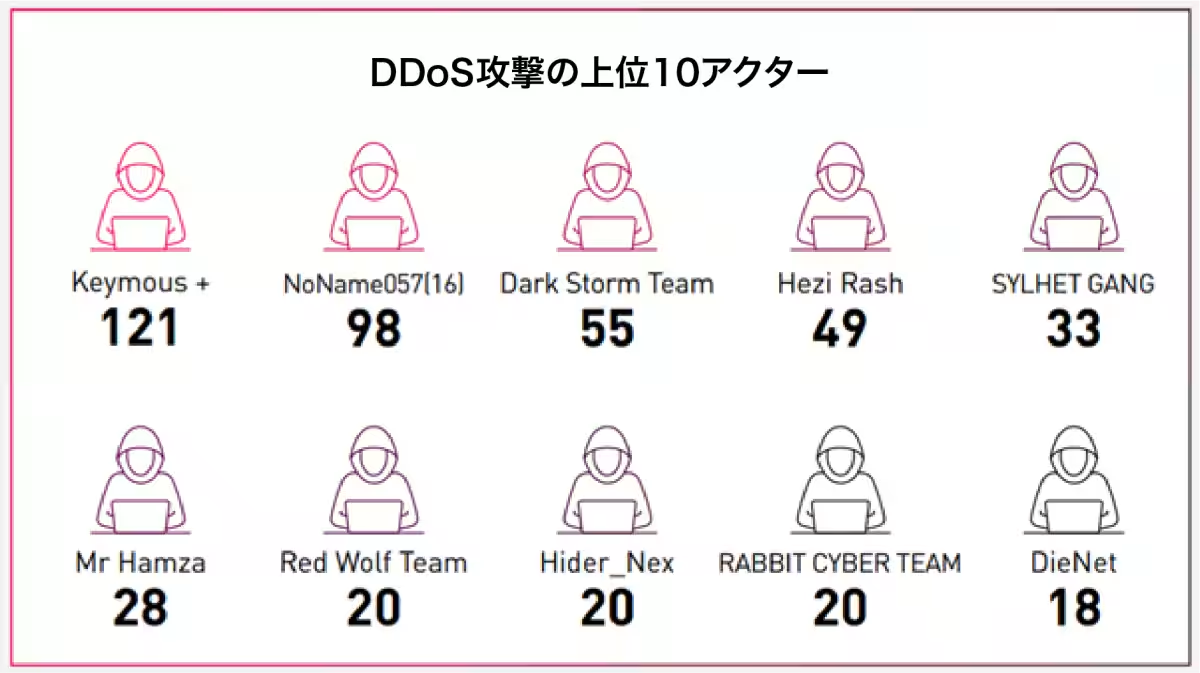
Additionally, the concentration of these threat actors has been noted; a small and highly active number of hacktivist groups were responsible for most DDoS incidents, which have shifted from sporadic acts of chaos to sustained pressure on operations. The need for continuous detection, multi-CDN routing, and layered defense strategies is increasingly critical in combating this ongoing threat.
Vulnerabilities in Identity Management Undermining Financial Systems
Data breaches and leaks rose sharply from 256 incidents in 2024 to 443 in 2025, highlighting structural weaknesses in identity governance, cloud environments, and third-party collaborations. Unlike DDoS attacks, many of the breaches involved stealthy infiltration campaigns resulting in long-term unauthorized access and delayed information disclosures.
Notably, the highest number of incidents occurred in the United States, accounting for 40% of total breaches, but emerging hotspots like India and Indonesia have begun to attract attention due to their rapidly expanding financial ecosystems. Here, the massive volume of digital transactions represents both scale and high-value data, making these markets appealing targets for cybercriminals.
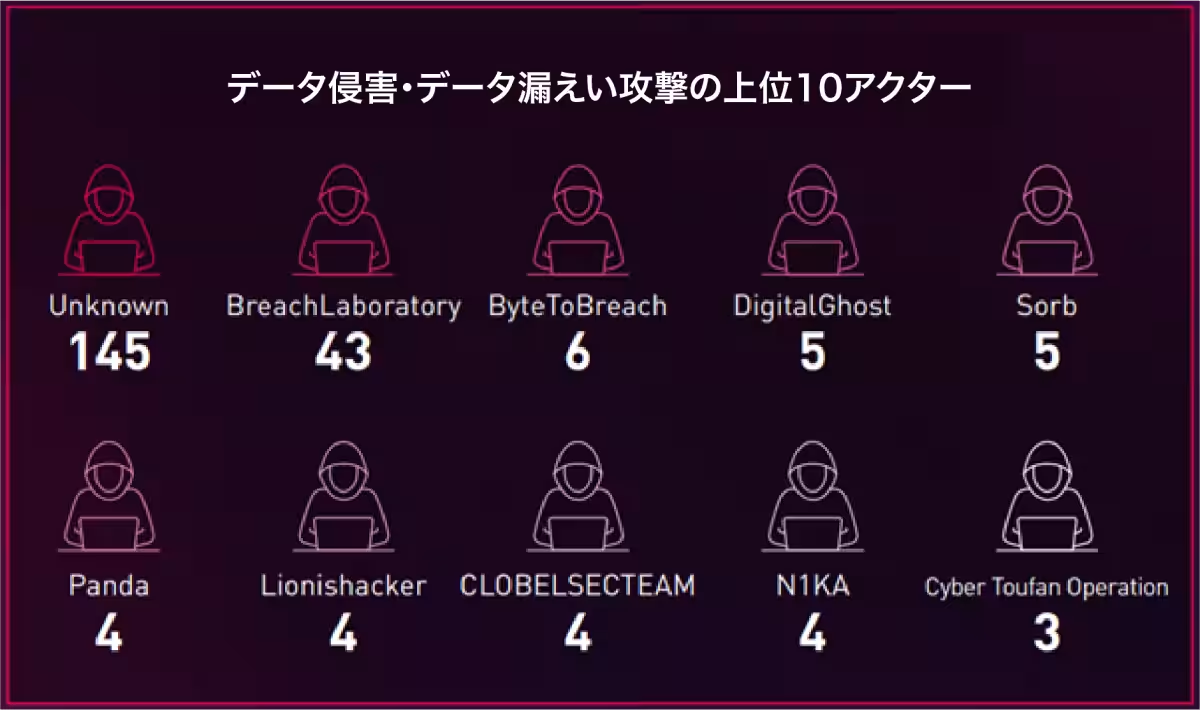
Alarmingly, around 33% of breaches were conducted by unknown attackers, indicating a sophisticated level of operational security employed by the perpetrators, who have developed the ability to obscure their tracks across the deep and dark web. Persistent weaknesses such as publicly exposed storage buckets and overly lenient access controls are considerably concerning. Coupled with substantial industry investment in security, these vulnerabilities signal a pressing need for identity-centric security models, automated cloud scanning, and stringent access governance.
Ransomware's Ecosystem, Multi-layered Extortion, and Sustainable Targeted Attacks
Ransomware remains one of the most significant threats to the financial industry, with incidents rising from 269 in 2024 to 451 in 2025. This rise reflects the maturity of RaaS operations and enhanced extortion tactics. Attackers have normalized combining data encryption with information theft, public disclosure threats, and direct pressure tactics on executives and clients. Financial institutions, being unable to afford operational downtime and heavily reliant on interconnected systems, present attractive targets for these cybercriminals.
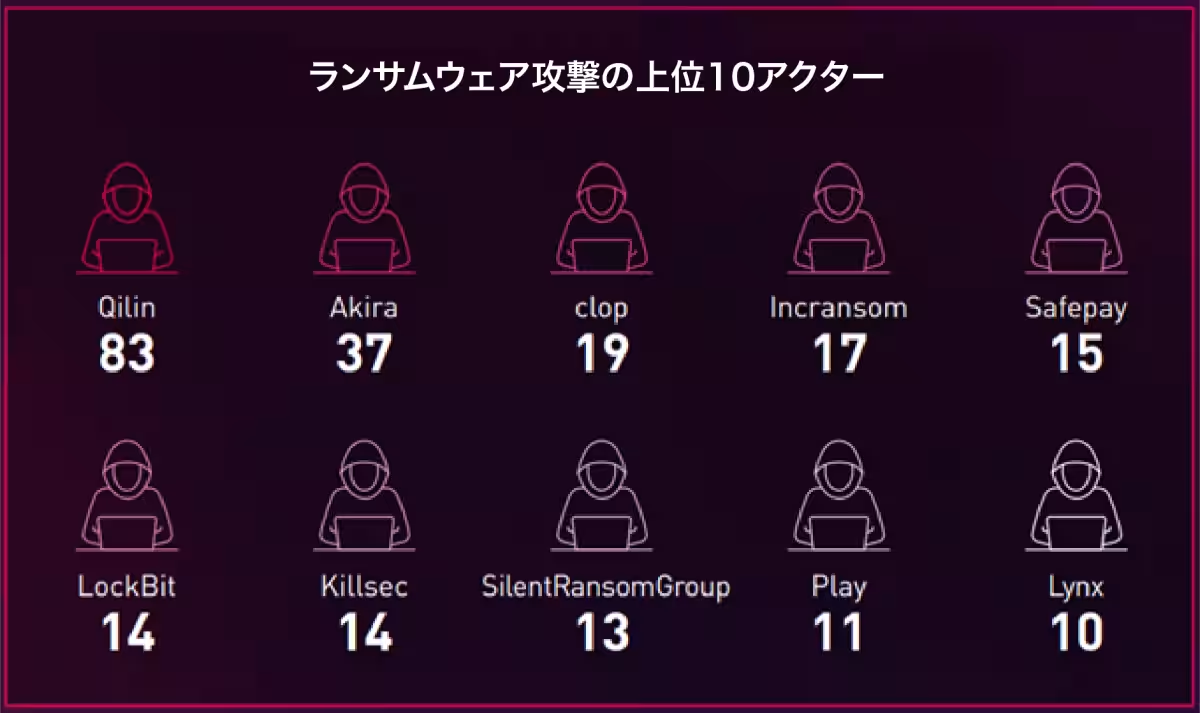
The ransomware threat landscape is dominated by a few attacking groups, with Qilin leading at 83 incidents, followed by Akira and Clop. These groups effectively utilize shared tools, modular malware, and organized affiliate networks to rapidly and efficiently escalate their attacks. The escalation of multi-layered extortion means that the repercussions of an attack extend far beyond mere encryption of critical systems; they impact regulatory compliance, customer notifications, reputational integrity, and pressure on upper management. This compounded pressure affects both financial and reputational aspects, rendering traditional strategies of backup and recovery insufficient against these evolving threats.
Navigating New Cyber Threats in the Financial Sector
The financial industry now finds itself in an era defined by campaign-driven DDoS attacks, sophisticated data breaches, and a severe ransomware ecosystem. The report indicates significant increases across all major attack vectors for 2025, revealing that threat actors are increasingly complex, automated, and globally connected. To effectively combat these threats, financial institutions must rapidly transition to intelligence-driven, ID-first, and always-on security models. For a comprehensive look at the findings and insights of the 2025 Finance Threat Landscape Report, download the full report from Check Point Research and leverage them to bolster your organization's cybersecurity measures for 2026 and beyond.
For additional information about Check Point Research, please visit their blog or follow their updates on social media platforms.
Topics Consumer Products & Retail)
【About Using Articles】
You can freely use the title and article content by linking to the page where the article is posted.
※ Images cannot be used.
【About Links】
Links are free to use.