



Embracing Entrepreneurship: The Rise of Post-Retirement Careers in Japan
Embracing Entrepreneurship: The Rise of Post-Retirement Careers in Japan
October 1st marks the International Day of Older Persons, established by the United Nations to acknowledge the dignity of older individuals and to raise awareness about the challenges they face. As Japan experiences a unique demographic shift towards an aging society, traditional notions of retirement are evolving. The concept of “post-retirement entrepreneurship” has gained attention as a new way for seniors to contribute to society.
Changing Perspectives on Retirement
According to a report from Japan's Ministry of Internal Affairs and Communications published in 2023, employment rates for people aged 65-74 have reached record levels. Furthermore, the Teikoku Databank's research highlights an increasing trend of entrepreneurship among those over 60, showcasing that starting a business is now becoming a viable option for retirees. This shift allows experienced individuals to remain active, leveraging their knowledge for community engagement and economic revitalization.
Pioneers of Second Careers
We spoke with several remarkable individuals who embody this transformative trend, each carving out their own path to entrepreneurship after retirement:
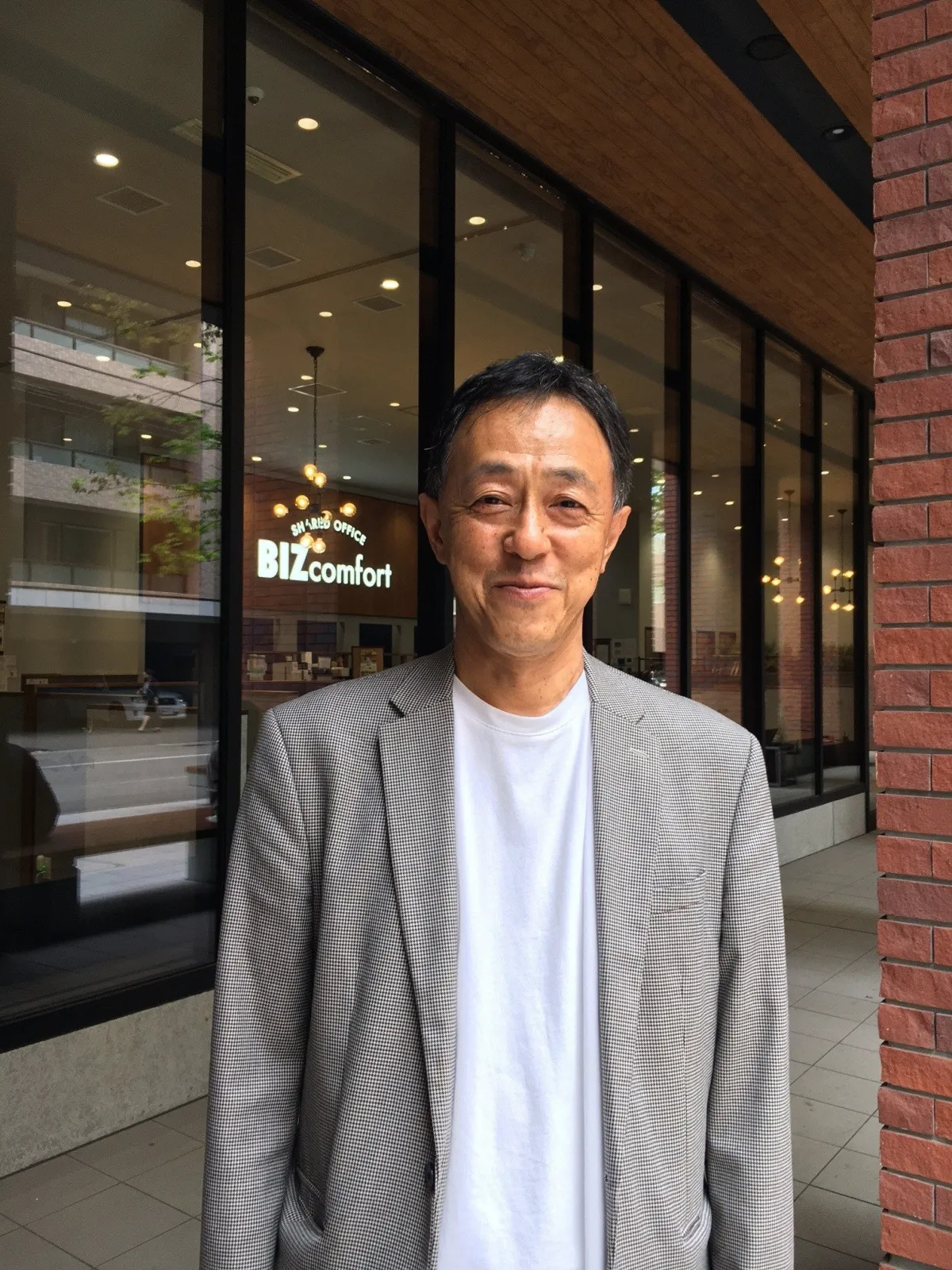
O-san (61, Sapporo)
From Banker to Management Consultant
- - Reason for Entrepreneurship: After 35 years in the banking industry, O-san felt constrained by corporate limitations, preventing him from fully supporting business owners. Approaching 60, he realized that this stage of his life could be the most fulfilling, prompting him to pursue independence as a management consultant.
- - Second Career Details: He launched a consulting firm focusing on executive strategy, M&A assistance, and IPO preparations. His goal is to foster the growth of publicly traded companies originating from Hokkaido, connecting with major urban centers nationwide.
- - Why a Co-Working Space: Seeking to minimize initial investments, he found a co-working space that provided essential office functionalities while allowing privacy and focus—factors crucial for establishing his business.
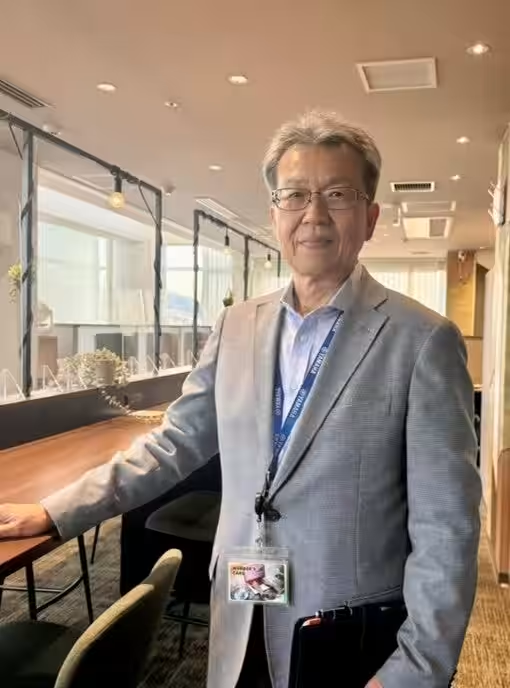
K-san (64, Kyoto)
From Civil Servant to Trainer/Consultant
- - Reason for Entrepreneurship: K-san worked with the Kyoto prefectural government, observing a rising demand for human resource development from businesses. In the two years leading up to his retirement, he grew increasingly interested in supporting workforce development, catalyzed by his encounter with anger management training.
- - Second Career Details: He founded a consulting company specializing in anger management workshops and training for prevention of workplace harassment, catering to companies across Japan while giving back to his local community.
- - Why a Co-Working Space: He required a professional address distinct from his home to facilitate a mental transition into work. The facilities offered in the co-working space, along with the networking opportunities with peers, made it an appealing choice.
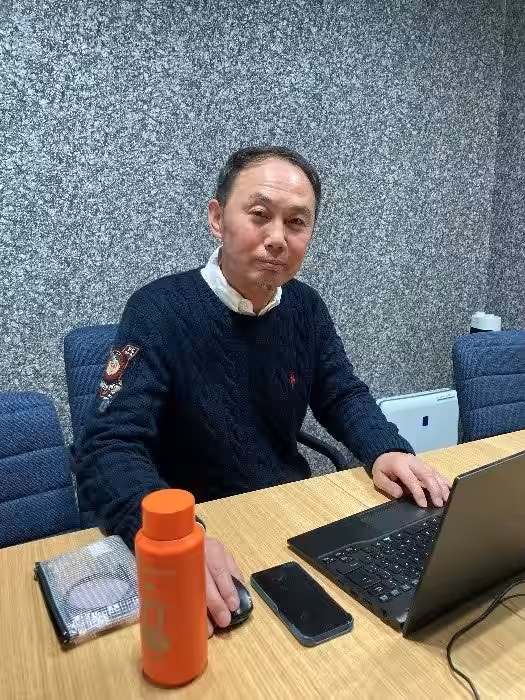
A Special Case - K-san (64, Tokyo Area)
Expanding Career Post-Retirement
- - Reason for Career Expansion: With extensive experience in management roles within manufacturing, K-san couldn’t fathom a life devoid of work. The desire to contribute to society and assist those in need motivated him to balance his new role in a small company alongside multiple careers.
- - Second Career Details: His main role involves developing and selling assistive technology for the hearing-impaired while also teaching at an art university and organizing events for NGOs—fulfilling his drive for multifaceted social contributions.
- - Why a Co-Working Space: Utilizing multiple locations made client interactions more efficient while maintaining cost-effectiveness for his consulting ventures, ultimately allowing him to sustain his unconventional career path.
Common to these inspiring journeys is not merely financial motivation, but a strong desire for fulfilment and the application of life experiences. Their ongoing challenges and achievements echo significant social contributions amidst Japan’s concerns over low birthrates and labor shortages. By operating from co-working spaces, these entrepreneurs benefit from reduced overhead costs and collaborative communities, pivotal for redefining work in retirement.
Conclusion
These interviews with O-san, K-san, and others encapsulate a narrative of resilience and adaptation in the face of demographic changes. With the right support systems, such as those provided by co-working spaces, the vision of a dignified, engaged post-retirement life becomes increasingly attainable for many.
For further insights, detailed interviews with the pioneers are available upon request.
Sources:
- - Japan's Ministry of Internal Affairs and Communications: Link
- - Teikoku Databank “New Corporations” Survey (2023): Link
About BIZcomfort
As work styles continue to diversify, with more individuals embracing freelance and startup opportunities, companies are also adapting by offering co-working spaces to accommodate remote work.
BIZcomfort's mission,


Topics People & Culture)


【About Using Articles】
You can freely use the title and article content by linking to the page where the article is posted.
※ Images cannot be used.
【About Links】
Links are free to use.