



Overcoming Interview Anxiety: Insights from 200 People Who Conquered Their Fears
Overcoming Interview Anxiety: Insights from 200 People Who Conquered Their Fears
In the competitive world of job hunting, many individuals find themselves struggling with interview anxiety. A recent campaign by the innovative service "Engineer Job Transition: Skip Interviews" has shed light on this issue, revealing valuable insights from a survey of 200 candidates who overcame their fears. Let’s delve into the strategies they employed to boost their confidence and secure their dream jobs.
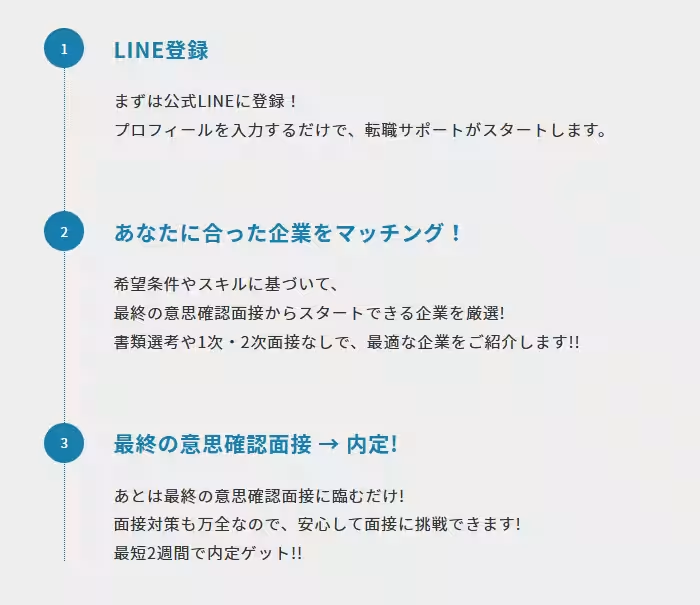
The concept of the service revolves around skipping preliminary interviews altogether, allowing candidates to only attend the final confirmation interview. This approach not only appeals to those overwhelmed by traditional interview processes but also offers a workaround for individuals currently balancing other commitments—especially those in demanding jobs.
Survey Insights: What Makes Interviews So Challenging?
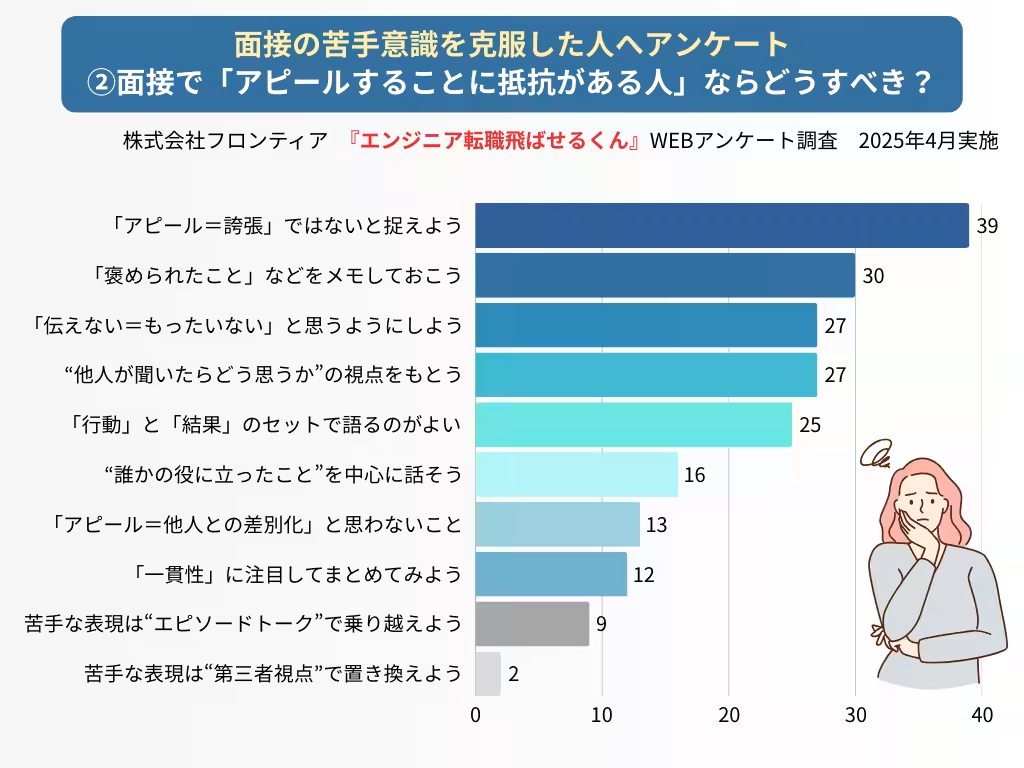
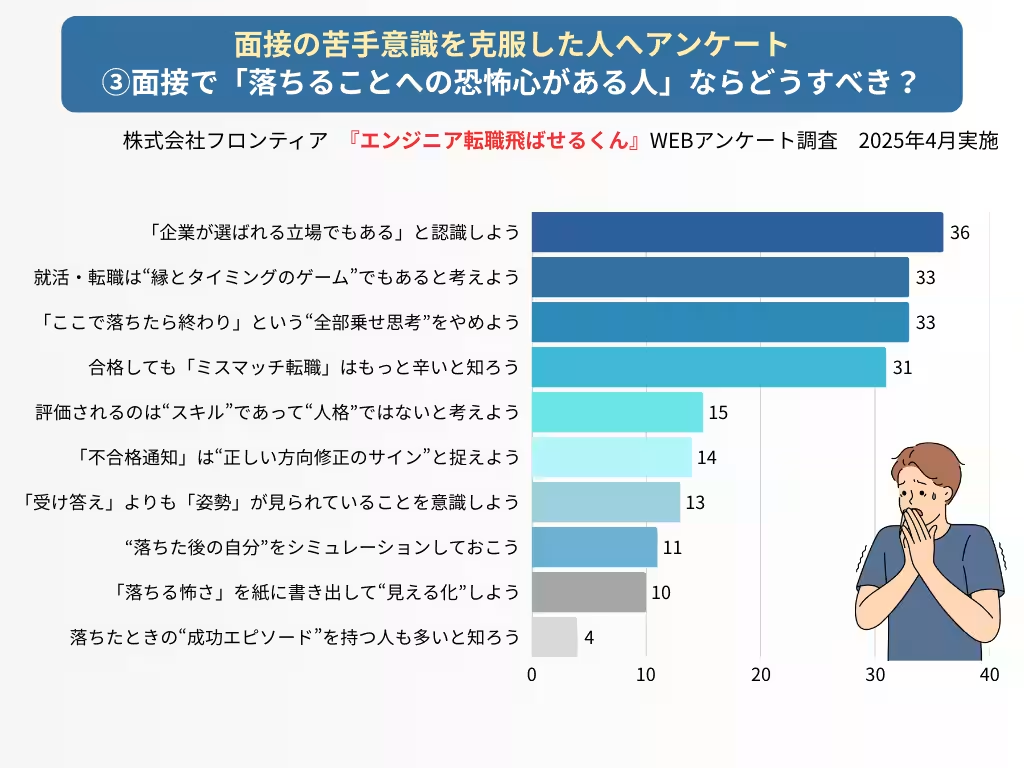
To better understand the fears surrounding interviews, researchers conducted an extensive survey asking respondents about their experiences. The findings underscore common themes of anxiety, self-doubt, and the stigma associated with appearing overly self-promotional. Many participants reported that the actual fear of rejection contributed heavily to their interview anxiety.
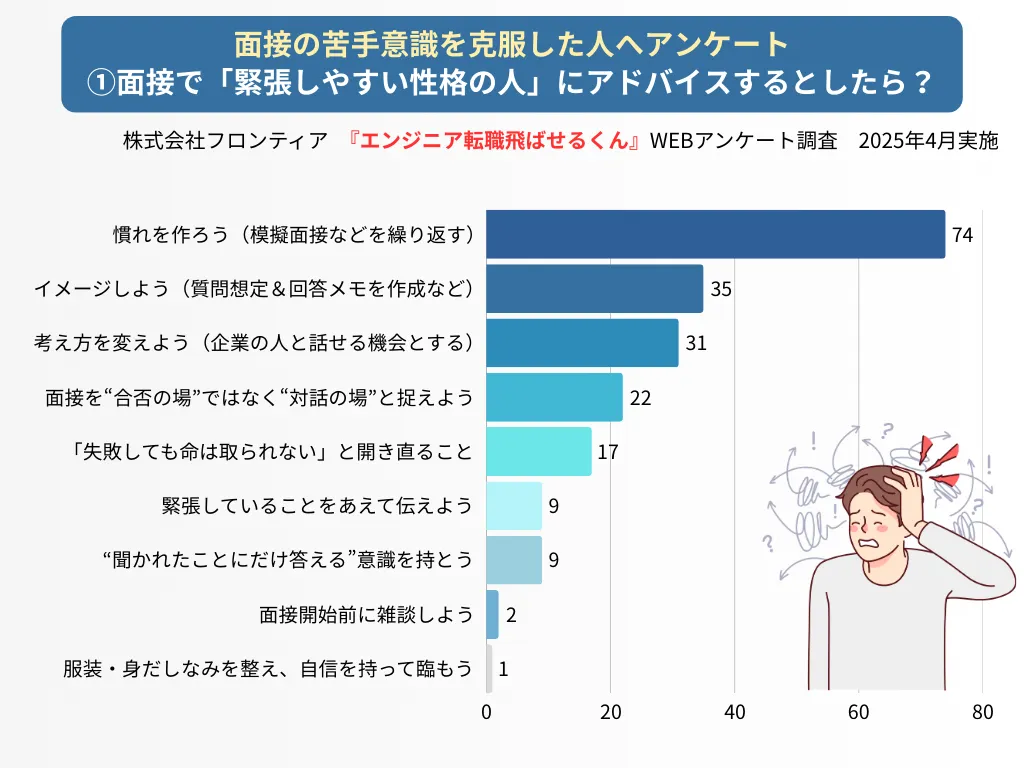
Interestingly, a substantial number of successful candidates credited their eventual triumph over interview anxiety to increased practice. The survey results showed that almost 75% found exposure to mock interviews instrumental in familiarizing themselves with the interview environment, thereby reducing their nervousness during actual interviews. Techniques like visualization and engaging in conversations that felt more like dialogues than interviews were also highlighted.
Building Confidence Through Reality
One key takeaway from the survey was that it’s essential to reframe the perception of what an interview entails. Candidates reported that viewing interviews as opportunities to share their unique stories rather than as a performance enhanced their confidence. This shift in mindset—coupling factual self-presentation with authenticity—enabled many to convey their skills and strengths more effectively, alleviating the pressure to deliver a flawless performance.
Surprisingly, it wasn’t just practice that fostered improvement. Participants shared that learning to accept the possibility of failure was liberating. "The idea that 'the company is also interviewing me' helped balance the dynamic," noted one respondent. By shifting the perspective, candidates felt more at ease, transforming fear into a shared experience between themselves and potential employers.
Practical Strategies for Improvement
Here are some practical strategies derived from the insights of survey participants:
1. Mock Interviews: Engage in multiple mock interviews to build familiarity. This not only enhances your conversational skills but also grants you greater control over the interview process.
2. Prepare Realistic Narratives: Craft genuine stories about your experiences, emphasizing facts rather than embellishments. Narratives focusing on challenges faced and lessons learned resonate more profoundly with interviewers.
3. Change Your Perspective: Approach the interview from the standpoint of mutual selection—understanding that both parties are assessing each other's fit can diffuse tension significantly.
4. Embrace Failure: Accept that not every interview will lead to success. Viewing rejections as opportunities to refine skills can reduce the emotional burden associated with them.
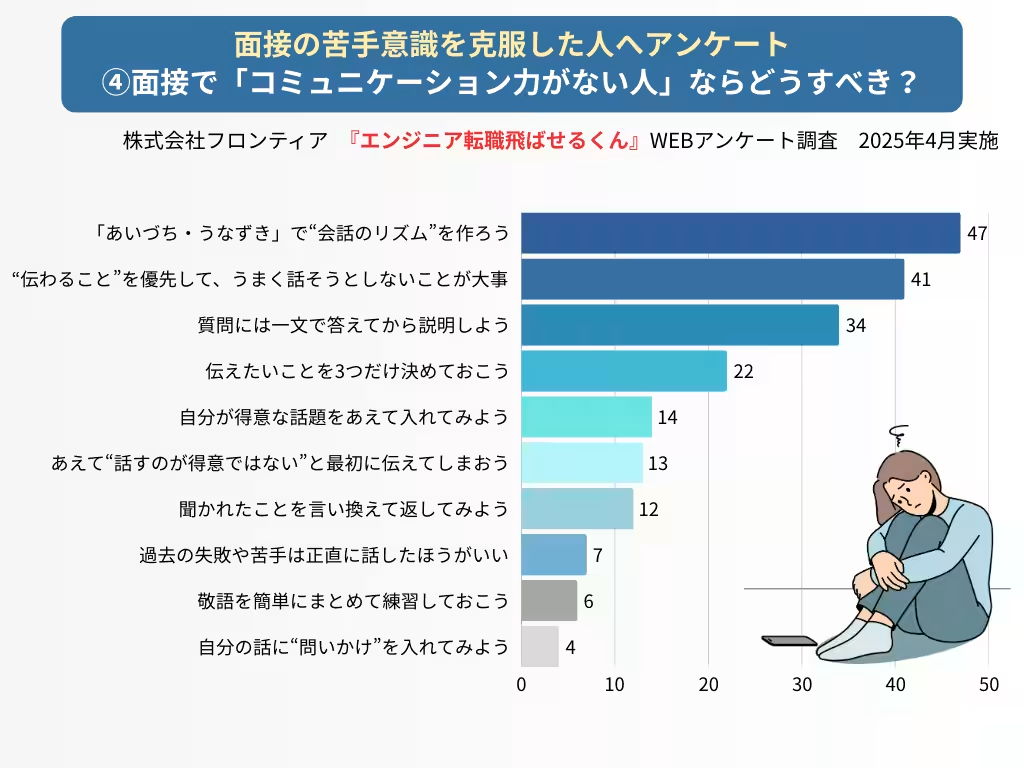
5. Focus on Genuine Communication: Rather than striving for perfection in speech, prioritize clear and honest communication. Simplifying your speech patterns can make conversations feel more natural and less rehearsed.
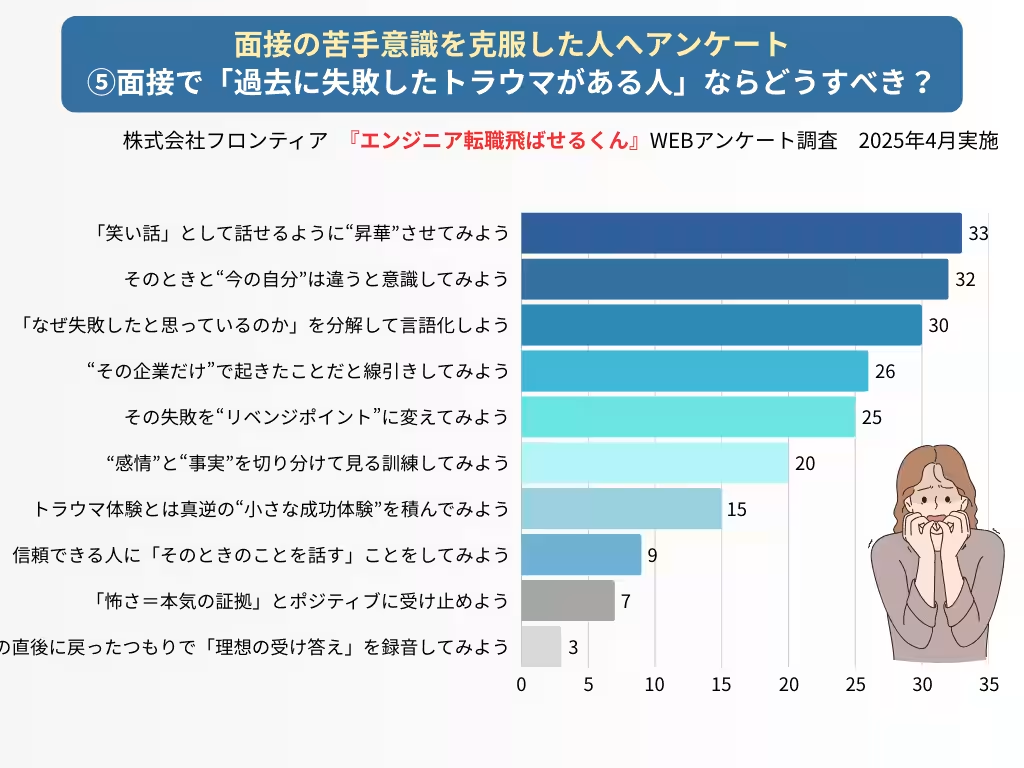
6. Transform Anxiety into Humor: Share past awkward interview moments with friends. This can lighten the emotional load and help you reconnect with the present without letting past failures dictate your self-worth.
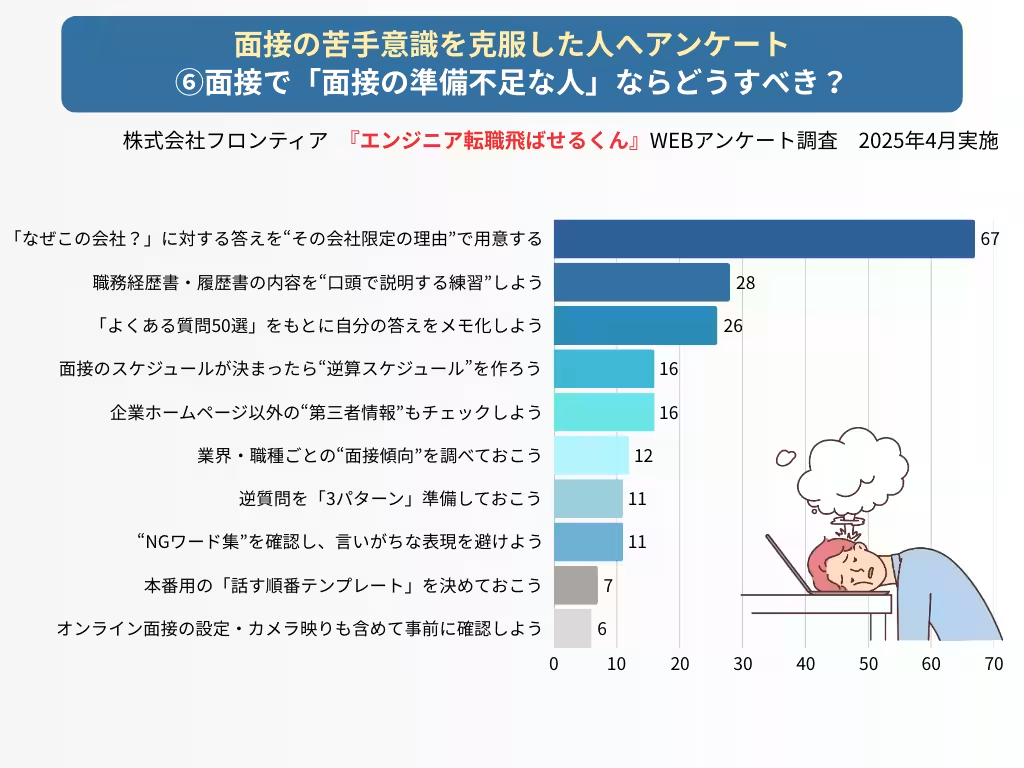
7. Thorough Preparation: Take time to meticulously prepare for interviews by crafting tailored answers to common questions based on the specific company’s context. Using tools like reverse scheduling for preparation can enhance efficiency and readiness.
Conclusion
The revelations from the survey of 200 individuals who successfully overcame interview anxiety highlight the shared struggles many face in today’s job market. While it’s natural to have apprehensions about interviews, understanding that you’re not alone and learning from others' experiences can pave the way to success.
Additionally, the service "Engineer Job Transition: Skip Interviews" offers an alternative that significantly reduces the traditional pressures of job applications. By focusing on building stronger matches between candidates and companies, it not only boosts confidence but empowers applicants to approach the job search with renewed vigor.
For those still navigating interview anxiety, it is essential to remember that preparation and mindset adjustments can transform daunting interviews into manageable discussions.
For free consultation and more insights, check out:


Topics People & Culture)
【About Using Articles】
You can freely use the title and article content by linking to the page where the article is posted.
※ Images cannot be used.
【About Links】
Links are free to use.