



Skin Care Challenges After Coming of Age Ceremony: Study Reveals Common Issues and Solutions
Understanding the Impact of Heavy Makeup on Skin After Coming of Age Ceremony
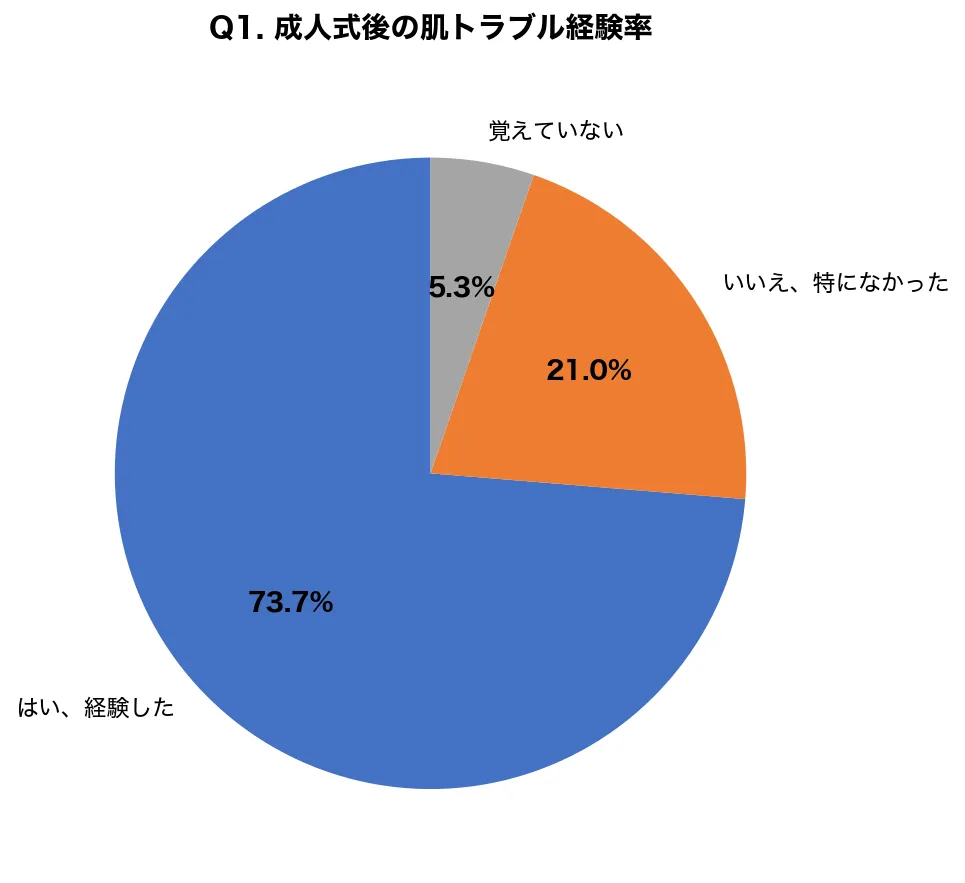
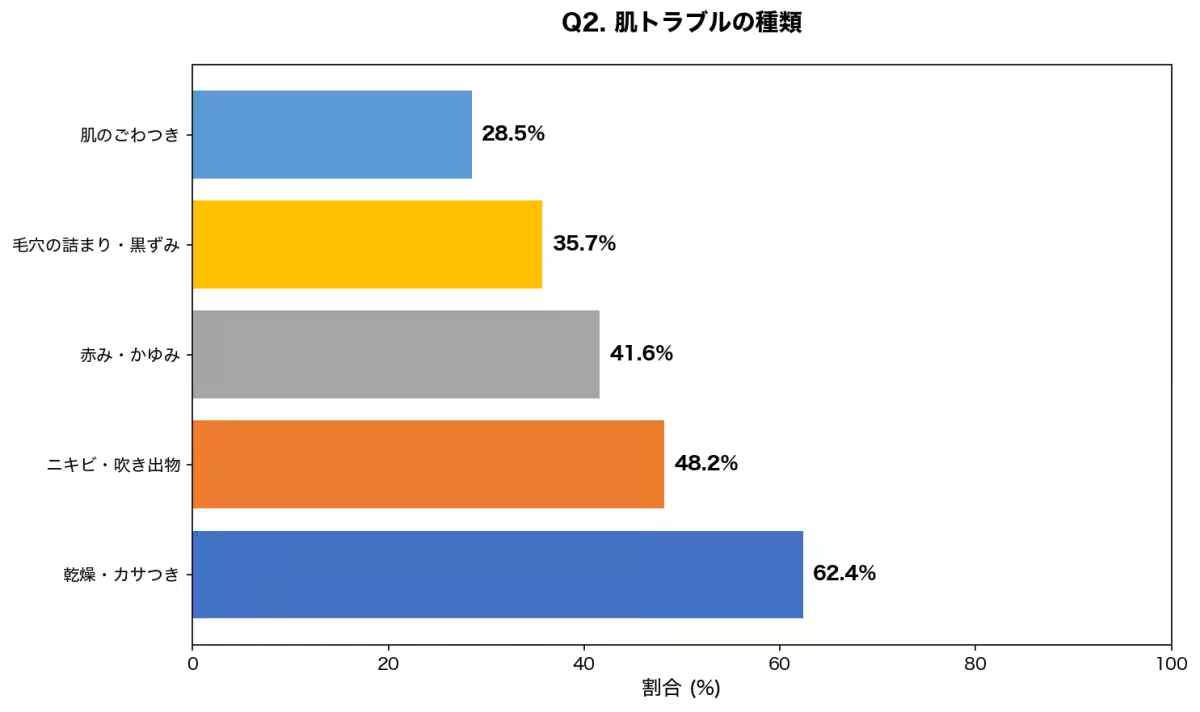
The Coming of Age ceremony is a significant milestone in Japan, celebrated with elaborate kimono and makeup. However, recent research conducted by ICI Clinic highlights the adverse effects this celebratory makeup can have on skin health, revealing that over 70% of participants experienced skin troubles such as dryness, acne, and redness post-ceremony.
Key Findings of the Study
This investigation focused on 300 women aged 20 to 30 who had undergone a Coming of Age ceremony within the last five years. The data collected showed several alarming trends:
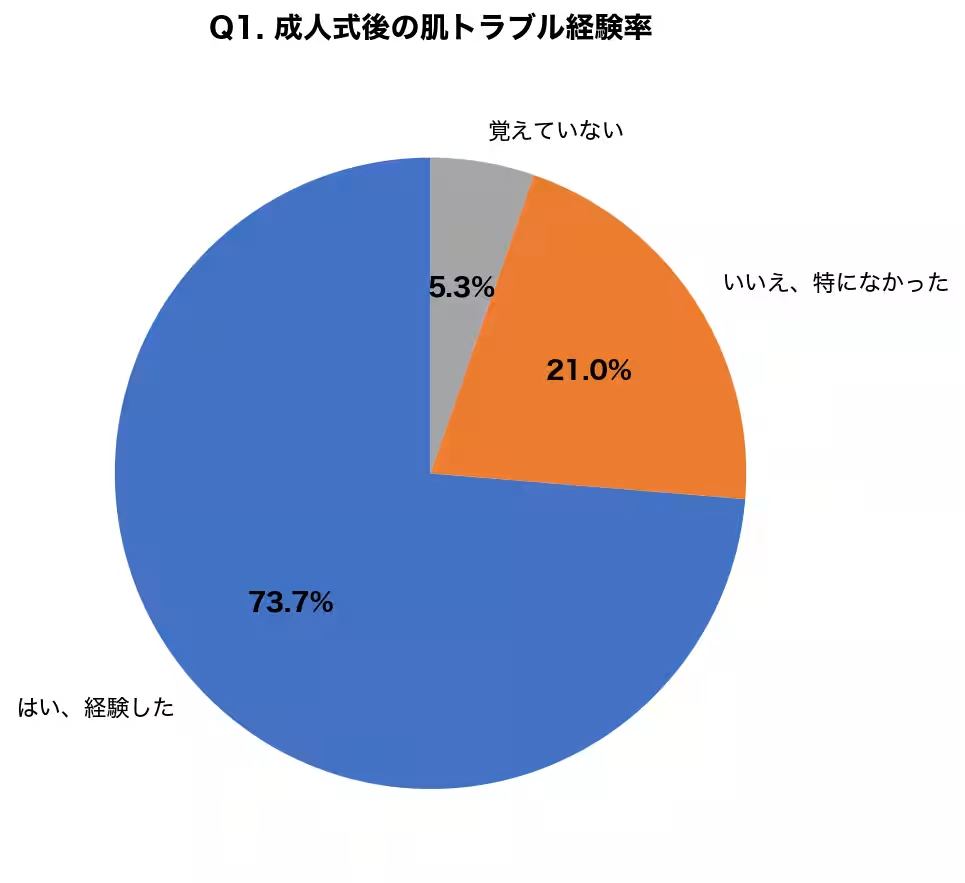
- - 73.7% of respondents reported experiencing skin issues after the ceremony.
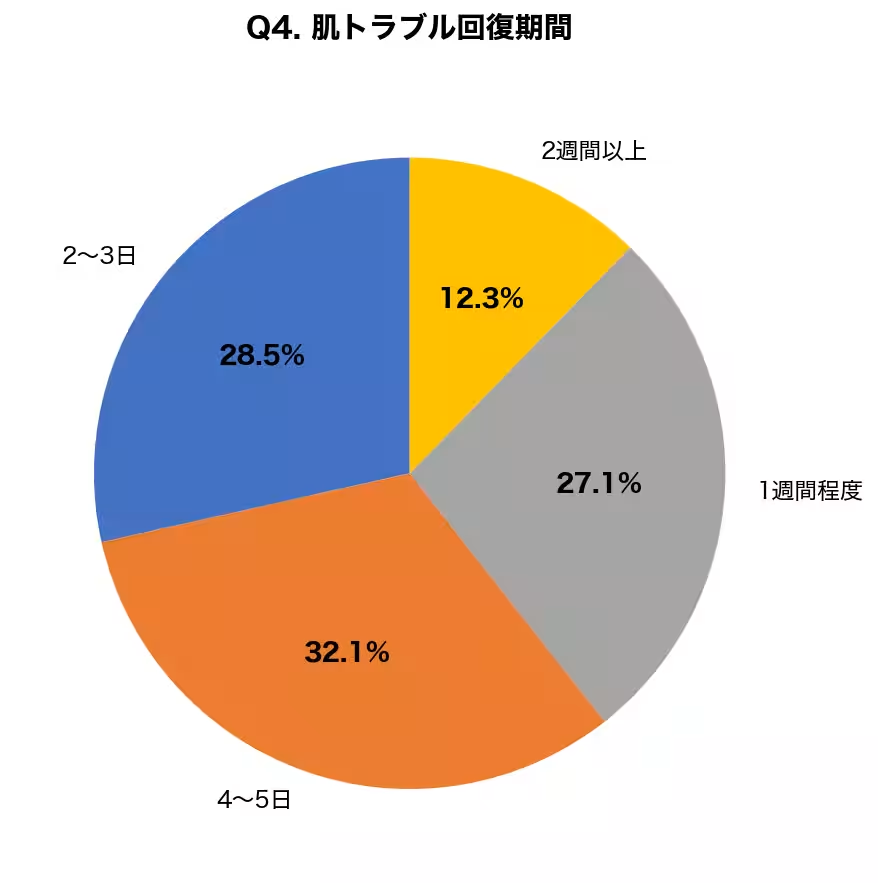
- - The average recovery time from these issues is approximately 5.2 days, with 12.3% of participants taking over two weeks to recover.
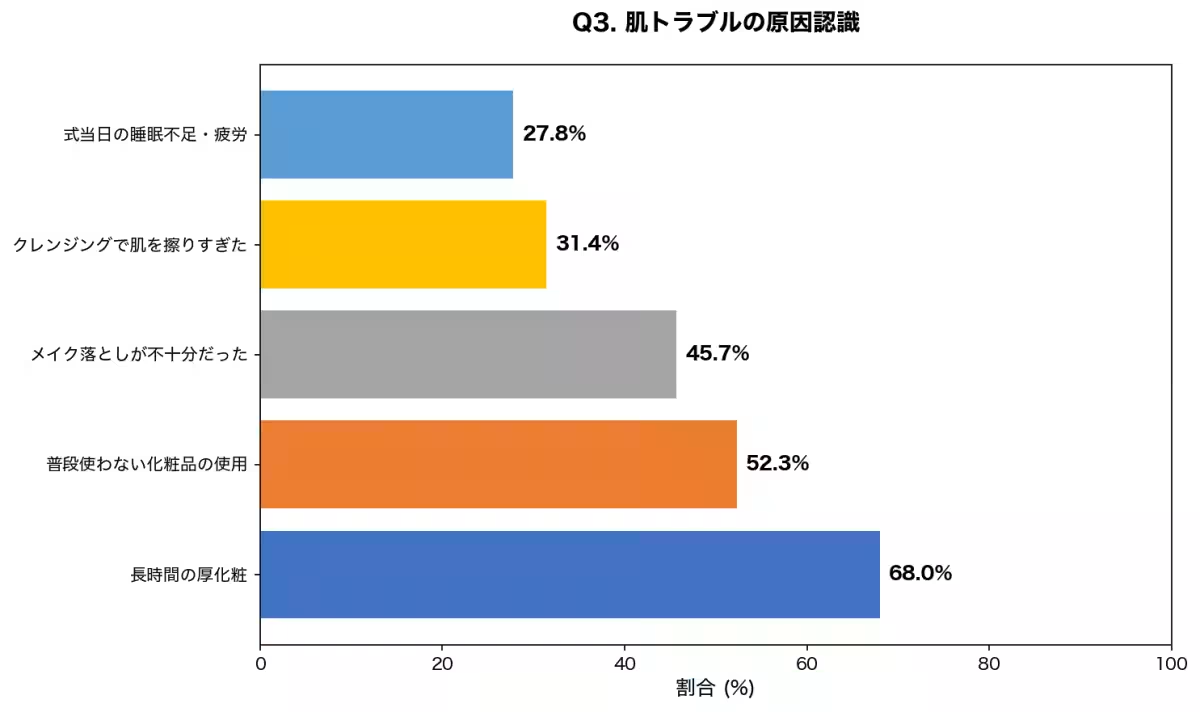
- - The primary cause identified for these skin troubles was prolonged heavy makeup, reported by 68.0% of participants.
Understanding the Causes of Skin Issues
Contact Dermatitis
Contact dermatitis is an inflammatory skin condition triggered by external irritants, such as cosmetics. Symptoms can include itching, redness, swelling, and blisters, typically minimizing once the offending substances are removed. The use of unfamiliar makeup products and the duration of their application during the ceremony can increase the risk of developing this condition.
Impaired Barrier Function
The skin's outer layer—or stratum corneum—serves as a barrier to protect against environmental insults and prevent moisture loss. Excessive makeup and harsh cleansing routines can damage this layer, leading to dryness and inflammation. When the barrier function is compromised, skin becomes more susceptible to irritation and breakouts.
Skin Cell Turnover
Skin turnover refers to the process by which skin cells are produced at the basal layer and ascend to the surface, falling off as dead skin. A normal turnover cycle takes about 28 days. Recovery from skin troubles largely depends on the skin’s ability to renew itself, which can be affected by how you care for your skin post-ceremony.
Effective Aftercare Methods
To help mitigate skin issues, participants were encouraged to adopt appropriate aftercare strategies. Here’s a comparison between effective routines and common mistakes:
| Comparative Items | Approximately Correct Aftercare | Common Mistakes |
|---|---|---|
| ----- | ------------ | -------- |
| Cleansing | Use a gentle milk-type cleanser | Scrubbing aggressively |
| Washing Frequency | Up to twice a day | Over-washing |
| Moisturizing | Apply a moisturizing agent rich in ceramides | Using only toner for hydration |
| Skin Care Components | Prioritize low-irritation and high-moisturizing ingredients | Using whitening or peeling products |
| Recovery Time | 3-5 days | 1-2 weeks or more |
| Makeup Resumption | Wait until redness subsides | Restarting full makeup the next day |
Importance of Seeking Professional Advice
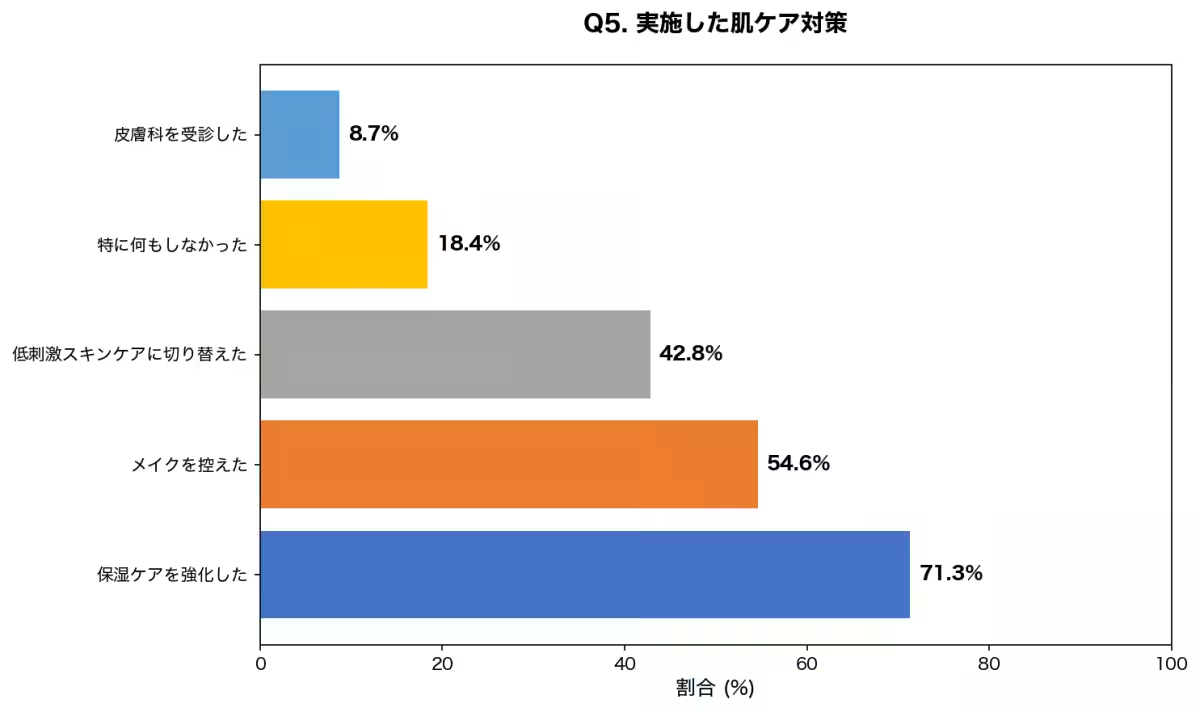
Although many women initiated self-care routines post-ceremony, the study noted that only 8.7% sought dermatological care, despite symptoms often necessitating professional treatment. Recognizing when to consult a dermatologist can expedite recovery and help maintain skin health long-term.
Conclusion
The study underscores the prevalence of skin troubles post-Coming of Age ceremony, emphasizing the need for appropriate aftercare. With the majority of women reporting skin issues primarily due to heavy makeup, applying the right skincare regimen immediately following the event can significantly reduce recovery time and improve skin health. Implementing gentle cleansing techniques and ensuring adequate hydration is vital. For enduring symptoms, seeking professional help can make a difference in attaining optimal skin health.
ICI Clinic remains committed to raising awareness about the importance of skin health, especially among younger generations. By educating women on how to care for their skin after significant life events, we can help reduce the risk of skin issues resulting from beloved traditions.
Topics Health)
【About Using Articles】
You can freely use the title and article content by linking to the page where the article is posted.
※ Images cannot be used.
【About Links】
Links are free to use.