



January 2026 Japan Employment Statistics Reveal Job Market Trends
Overview of January 2026 Employment Statistics in Japan
In January 2026, the Tsunagu Work Style Research Institute, a branch of Tsunagu Group Holdings, released its latest report detailing Japan's employment landscape. The report reveals crucial insights into job availability and unemployment metrics, following the analysis of labor market data presented by government agencies.
Key Findings
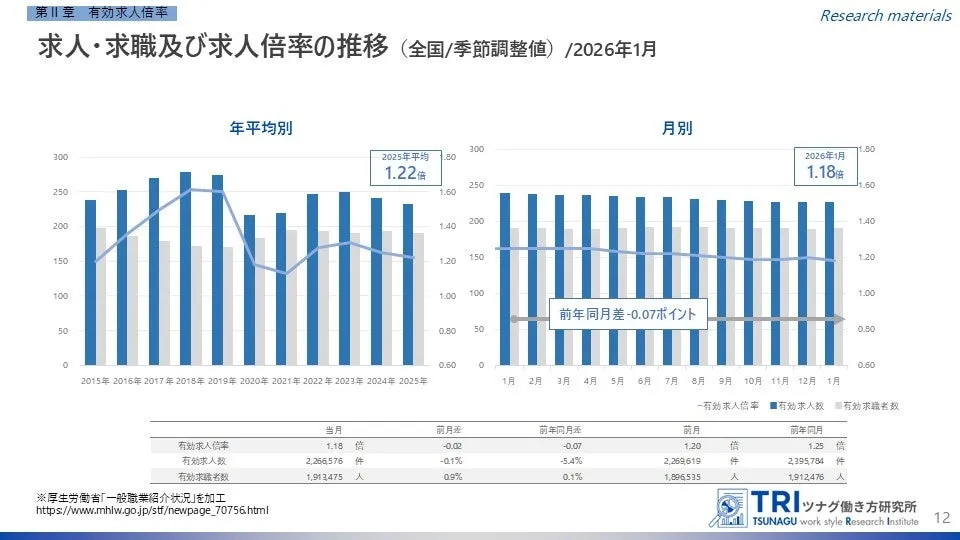
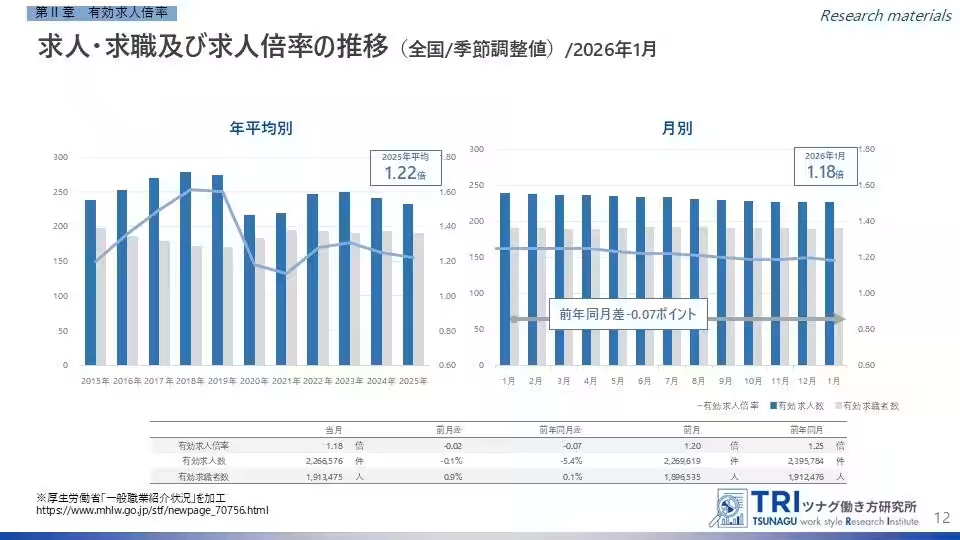
1. Job Availability Ratio: The effective job-to-applicant ratio for January stands at 1.18, a slight decline of 0.02 points from the previous month. This marks a trend of shrinking job opportunities, with a comparison reflecting a decrease of 0.07 points from the same month in the previous year. The ratio for part-time positions is lower at 1.11, while full-time job availability has dropped to 0.99, falling below 1 for the fourth consecutive month.
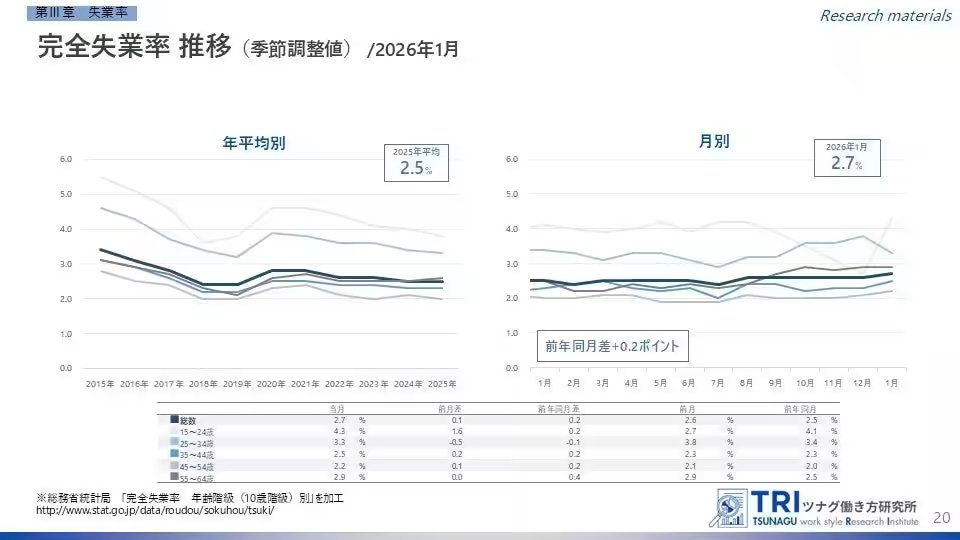
2. Unemployment Rate: The overall unemployment rate for January 2026 is recorded at 2.7%, marking a 0.1-point increase from the previous month and a 0.2-point rise from the same month last year. The total number of unemployed is approximately 1.79 million, an increase of 160,000 individuals year-on-year.
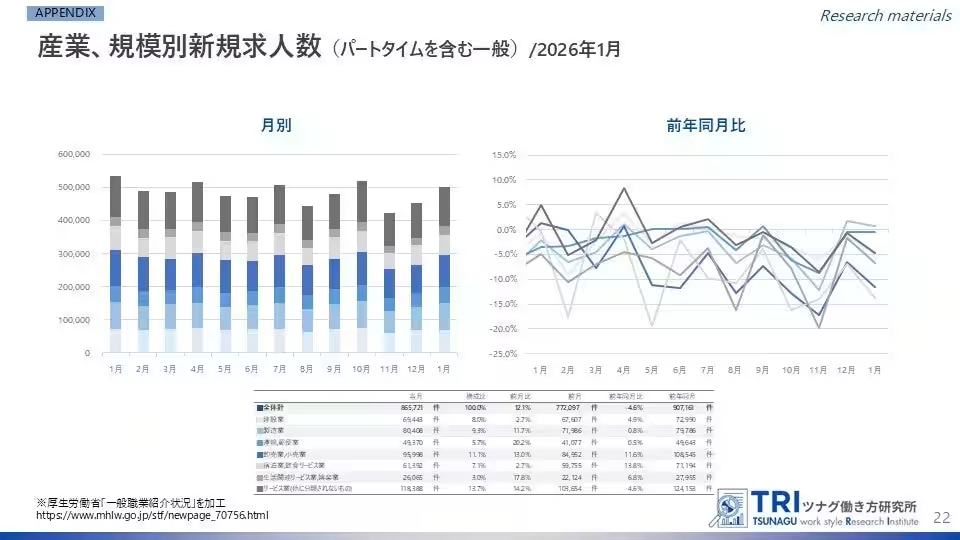
3. New Job Openings: New job listings have decreased by 4.6% compared to January of the previous year, now reflecting nine months of consecutive decline. However, certain industries have shown growth, including education and learning support (up 4.3%), manufacturing (up 0.8%), and scientific research and technical services (up 0.3%). In contrast, the hospitality and food service sector faced a significant downturn, down by 13.8%, with wholesale and retail also experiencing sharp decreases.
Deeper Insights
The slight decrease in the job-to-applicant ratio is concerning, indicating fewer opportunities for jobseekers in a market that is expected to remain competitive. The continuous rise in unemployment figures, particularly among youth aged 25 to 34, suggests challenges in job retention and creation during this period. The 1.18 job availability ratio indicates a stagnation, and the 0.99 ratio for full-time positions raises alarms about the stability of secure jobs within the economy.
The drop in new job postings reflects broader economic trends that are also visible in other major industries. Particularly affected sectors, such as hospitality and retail, may need focused interventions to recover from ongoing declines. Conversely, areas showing growth could lead to shifts in workforce development and training initiatives to bolster these sectors further.
About Tsunagu Work Style Research Institute
Established in 2015 under Tsunagu Group Holdings, the Tsunagu Work Style Research Institute focuses on research related to diverse work styles in today's economy. With leadership from Hiroshi Ohno, the institute collaborates with experts in human resources and labor legislation to provide insights into labor law developments and their implications for the future of work.
By thoroughly analyzing trends and data, the institute aims to propose a vision for optimal labor conditions that address the evolving needs of the workforce.
Conclusion
The January 2026 employment report underscores the complexities of Japan's labor market, revealing both challenges and opportunities that lie ahead. Companies, policymakers, and job seekers must navigate this evolving landscape to foster a robust economy that can adapt to changing demands and workforce dynamics.
For further details on the full report and ongoing research from the Tsunagu Work Style Research Institute, visit their official website.

Topics Business Technology)
【About Using Articles】
You can freely use the title and article content by linking to the page where the article is posted.
※ Images cannot be used.
【About Links】
Links are free to use.