



Awareness Survey of Workplace Dignity Reveals Alarming Trends in Japan
Introduction
A recent analysis conducted by Recruit Management Solutions has unveiled significant insights regarding workplace dignity among Japanese employees in their 20s to 50s. The survey aimed to understand the current state of dignity in workplaces, focusing on the respect employees receive as individuals and how this impacts their overall work experience.
Key Findings
High Levels of Dignity and Insult
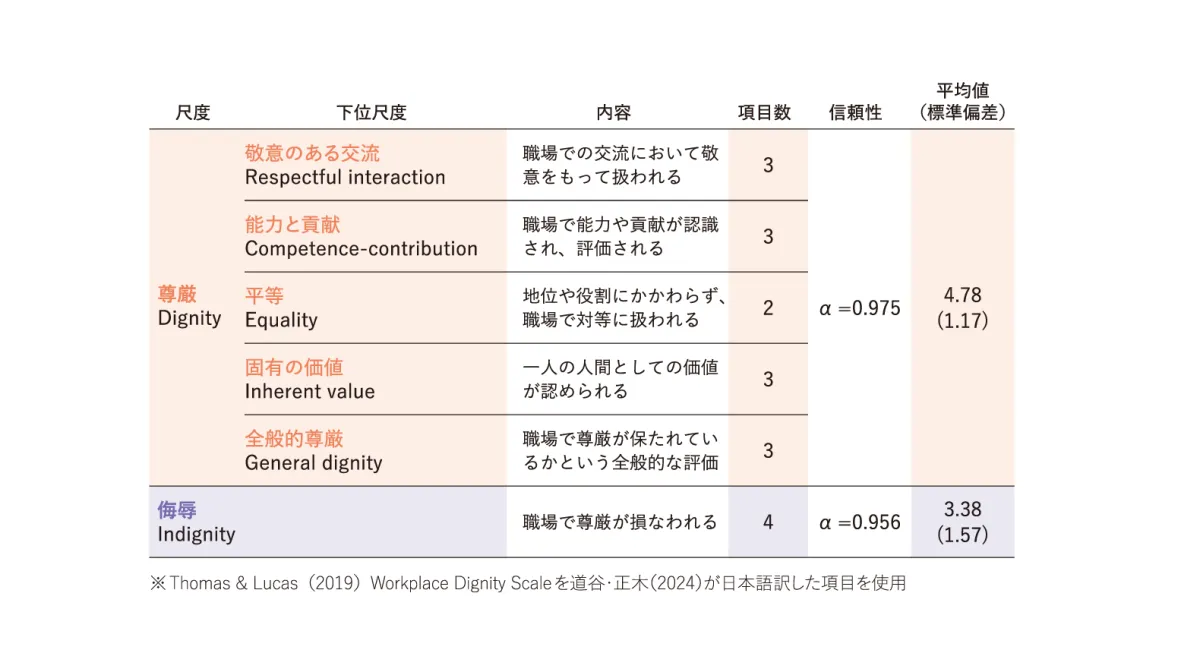
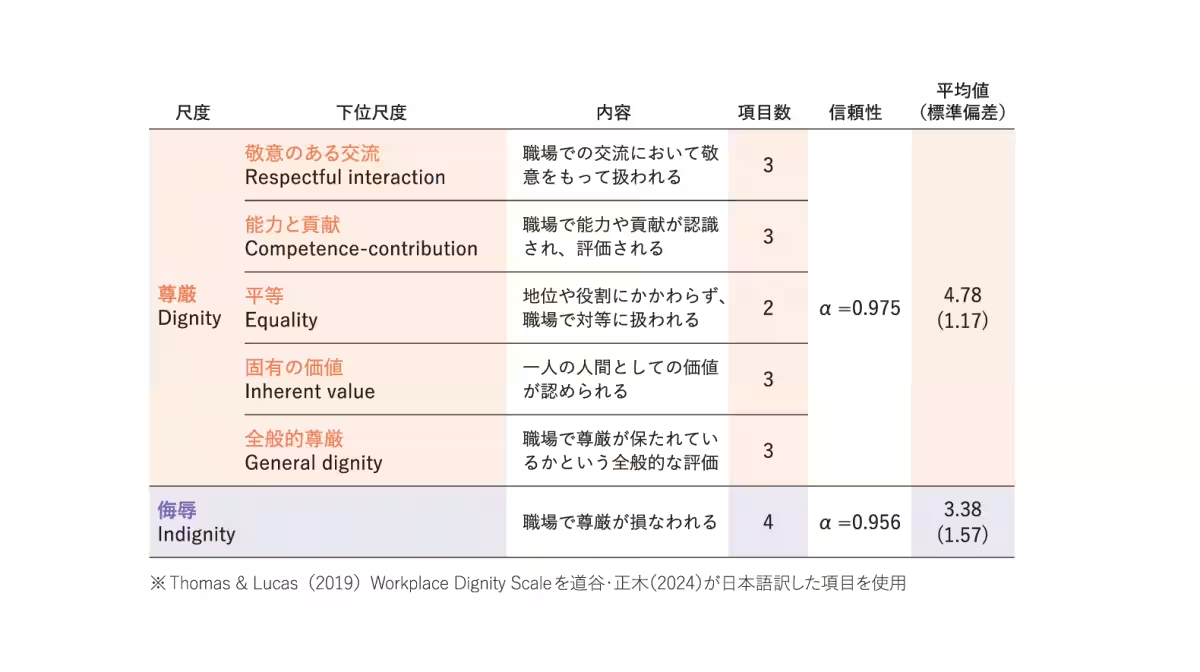
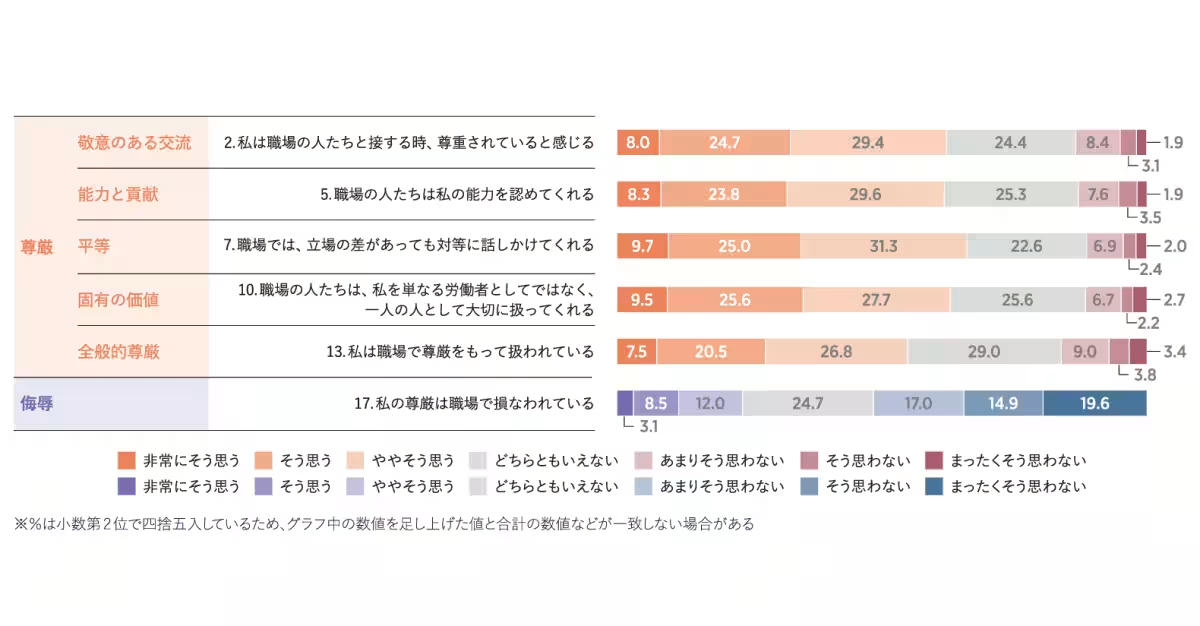
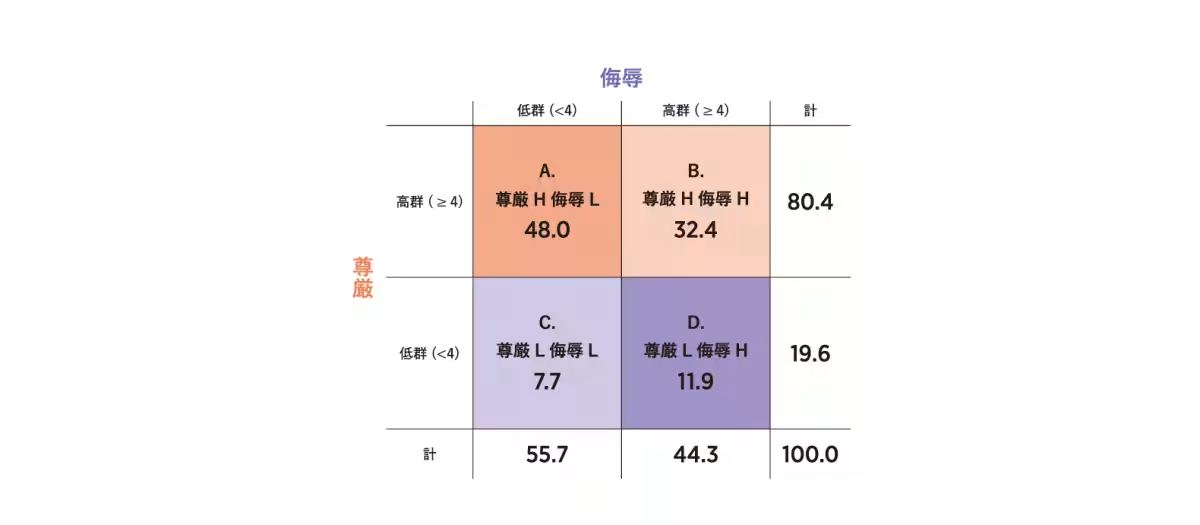
The survey utilized five dimensions to measure perceptions of dignity and insult in the workplace. Approximately 60% of respondents indicated feeling respected, while over 20% reported experiences of diminished dignity at work. This dichotomy underscores the need for organizations to recognize and address areas that affect employee dignity effectively.
Bystander Effect on Harassment
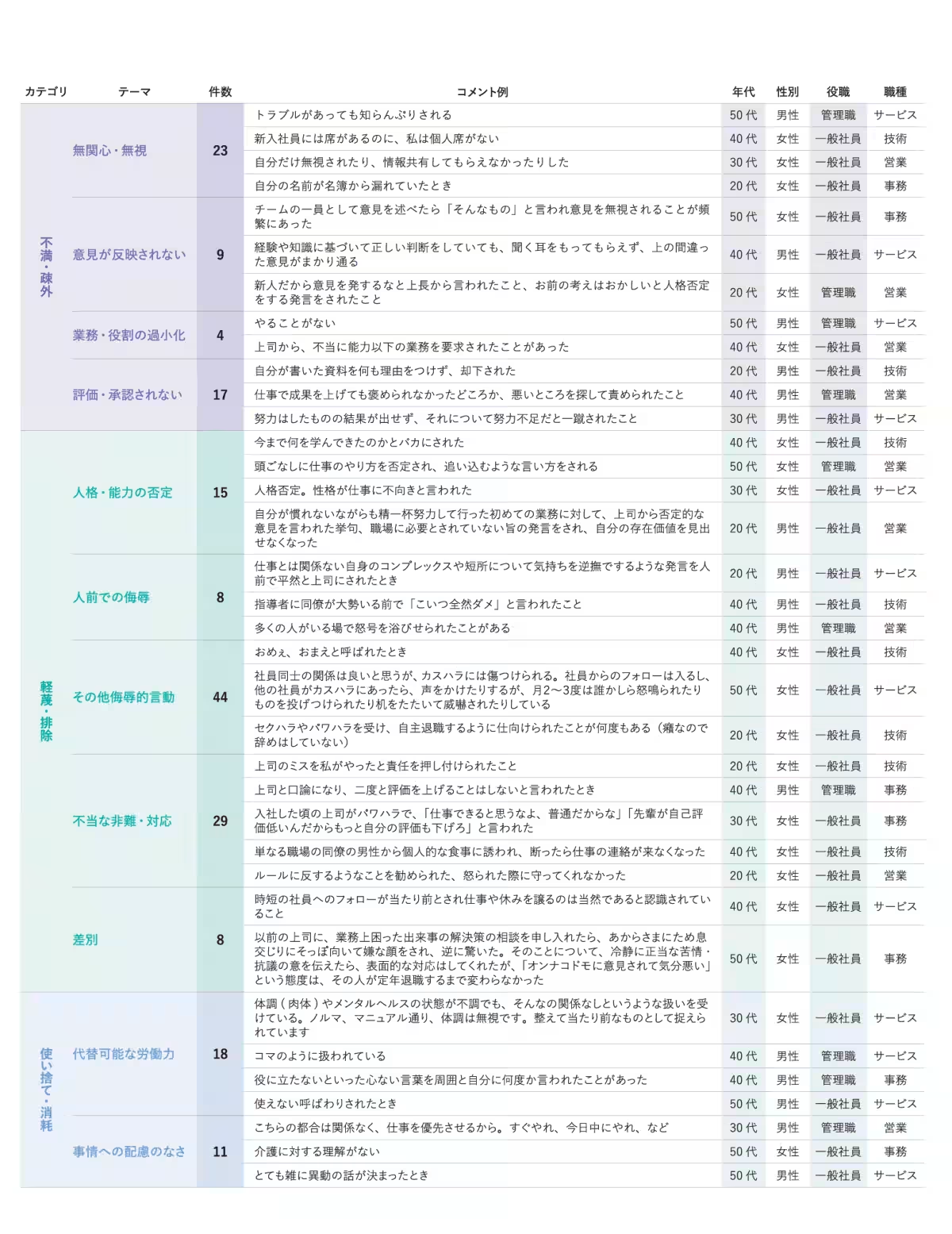
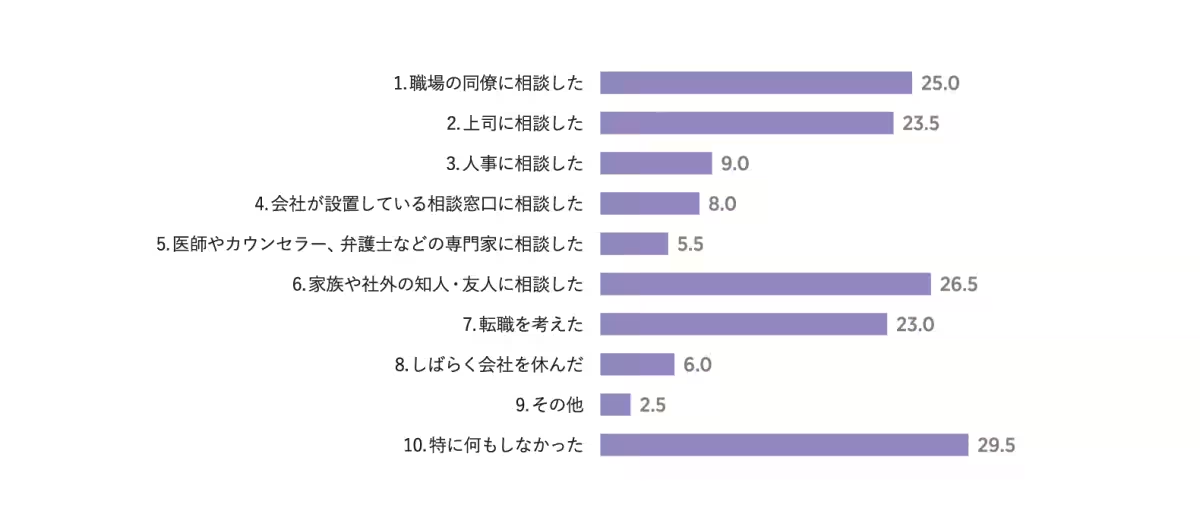
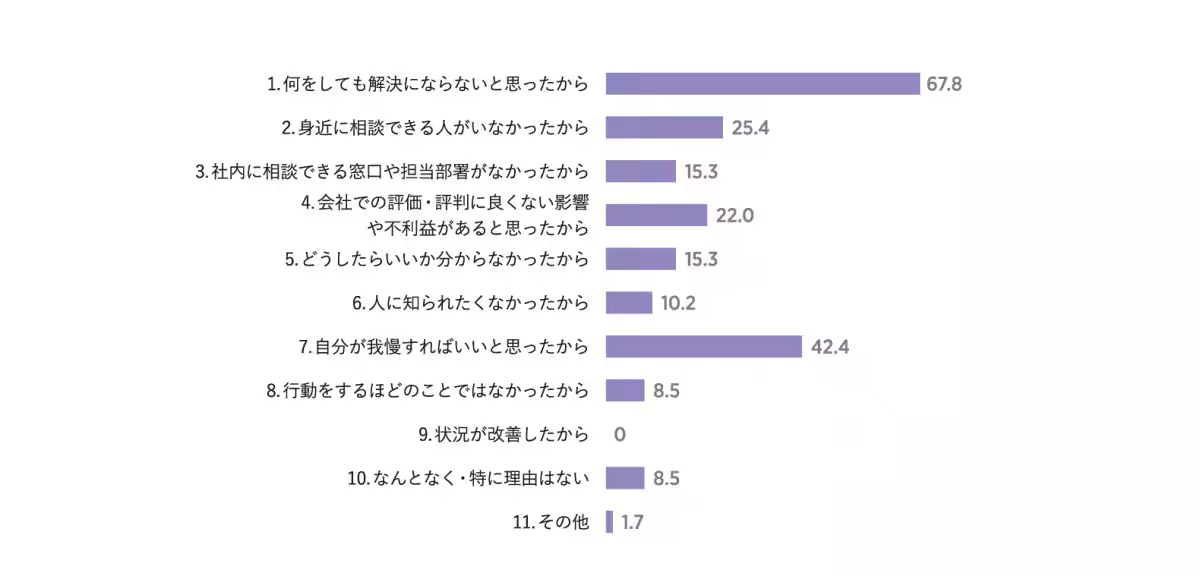
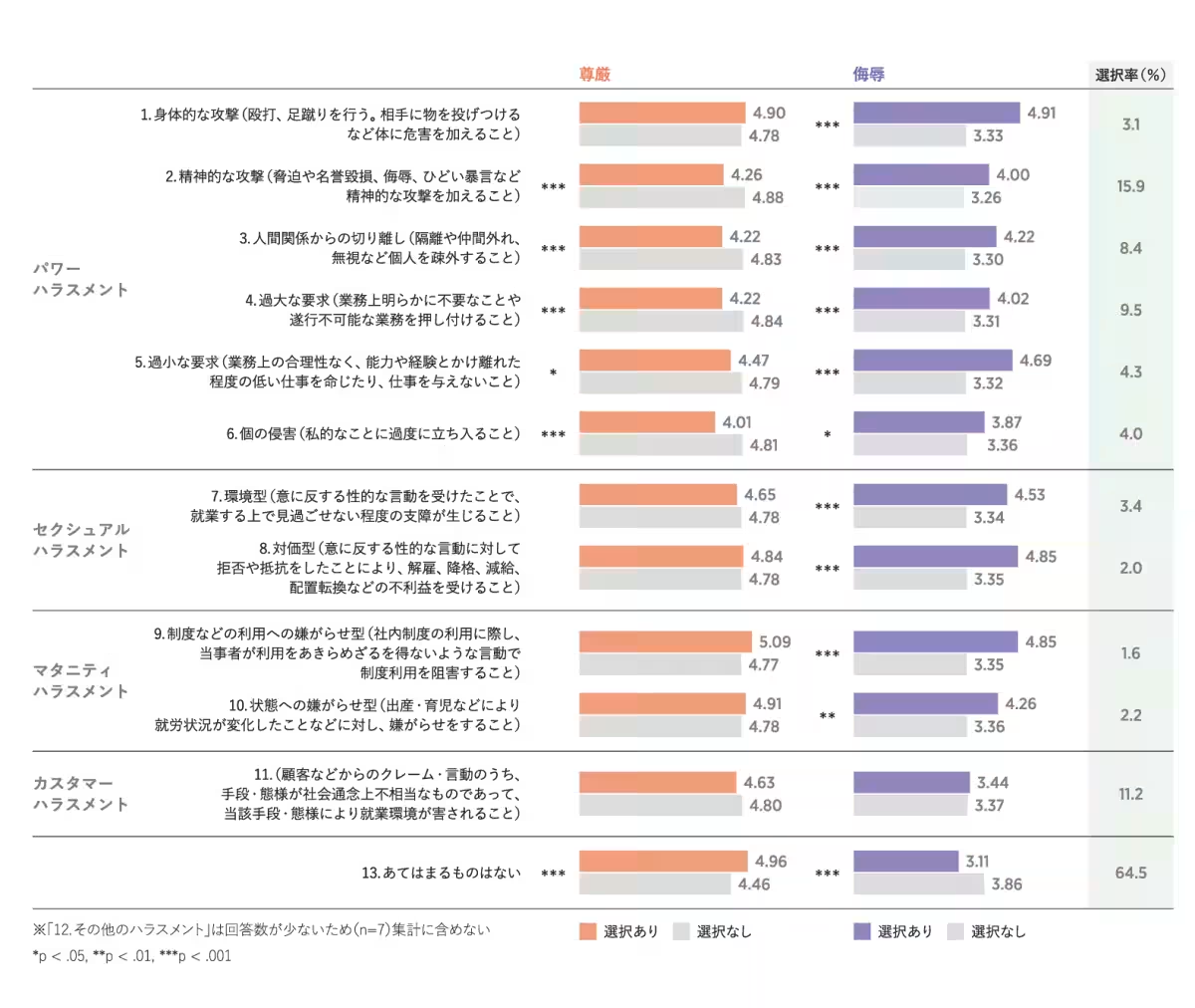
Interestingly, 30% of those who felt their dignity was compromised chose not to take any action. The majority of these individuals believed that efforts to address their concerns would not lead to any meaningful resolution. It was noted that experiences of harassment can directly undermine an individual’s sense of dignity, further emphasizing the importance of a supportive work environment where employees feel empowered to speak up.
Importance of Individual Choice Systems
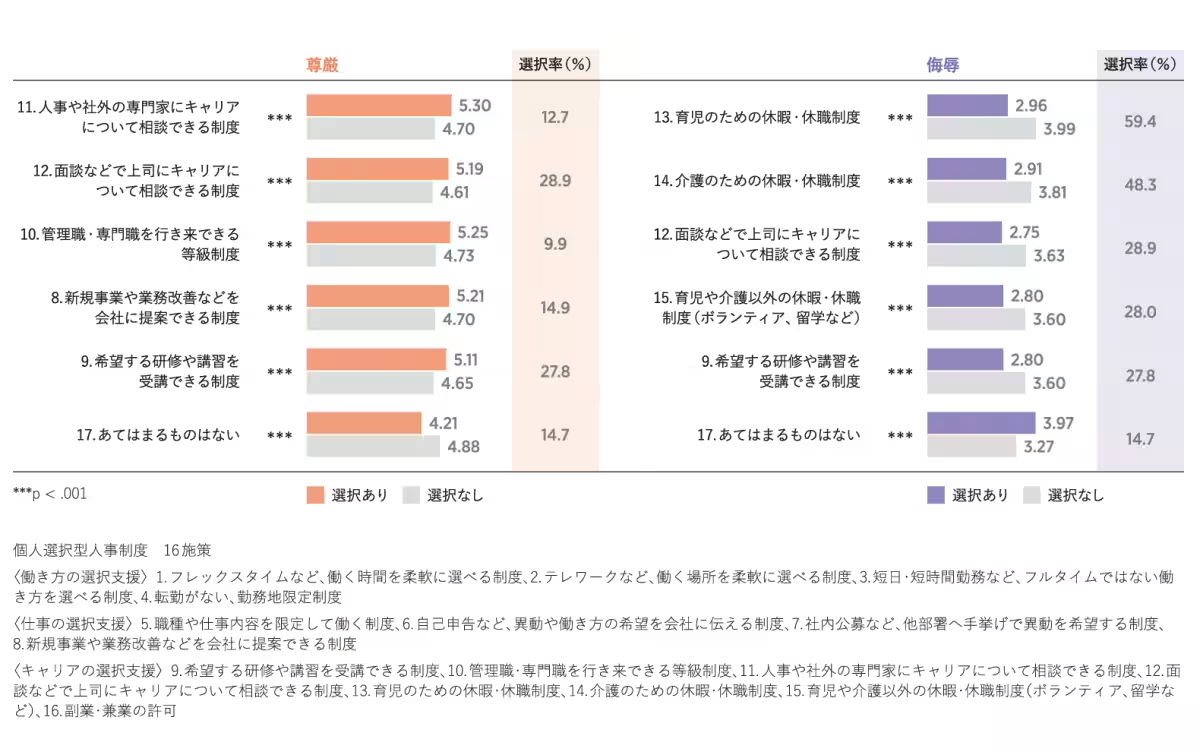
The findings suggest a correlation between workplace dignity and the existence of personnel systems that empower employees to make their own choices regarding work conditions and careers. Employees who are aware of such systems tend to feel a higher sense of dignity, indicating that autonomy in decision-making can bolster employee satisfaction and dignity levels.
Impact of Leadership and Support
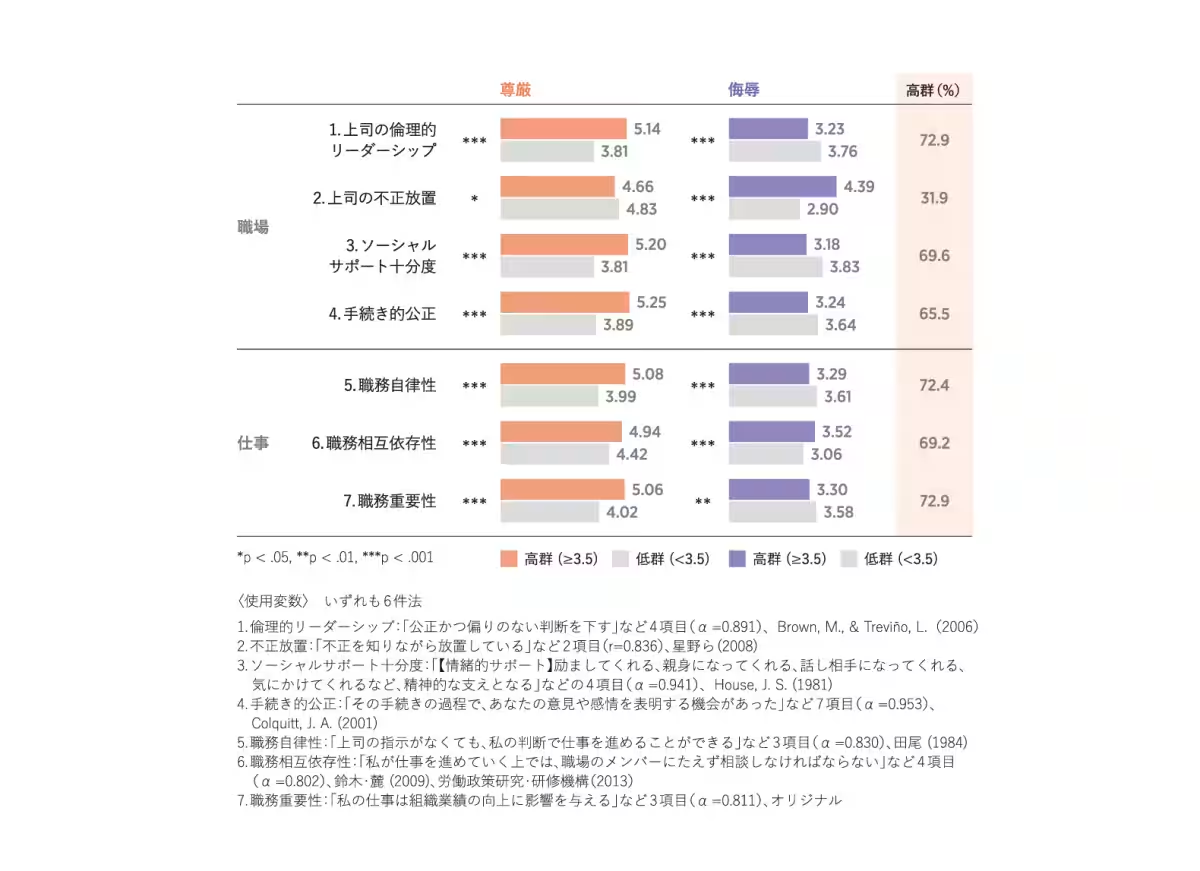
The survey highlighted that the ethical attitudes of supervisors, the level of support from colleagues, and the fairness of evaluative processes significantly relate to both dignity and insult at work. Workplaces characterized by supportive and fair leaders generally foster a more respectful environment.
Emotional Exhaustion and Intent to Leave
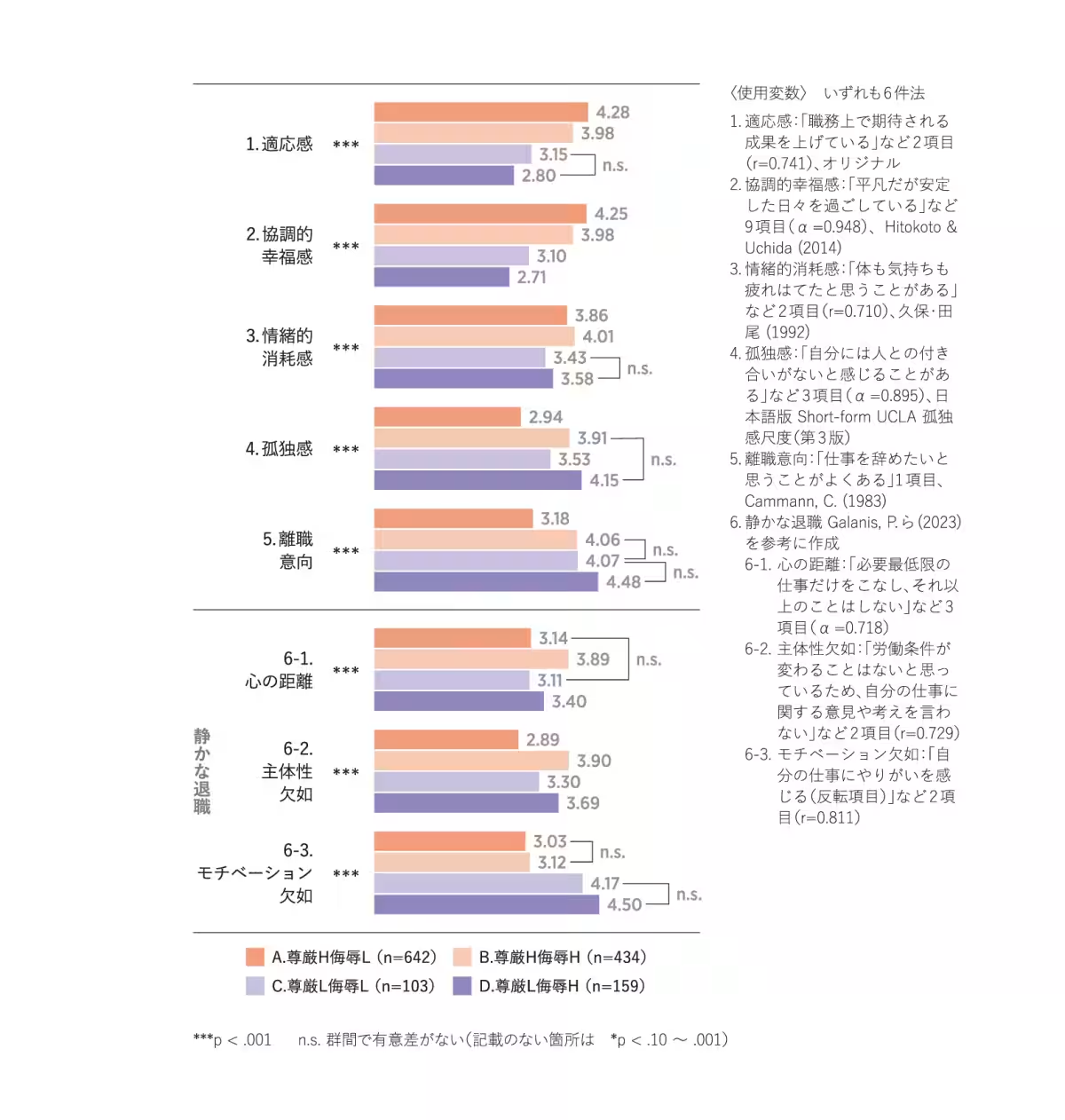
Another important finding of the survey showed that even when employees experience high levels of dignity alongside high levels of insult, they report heightened feelings of emotional exhaustion and isolation, and a greater intent to leave their jobs. This finding illustrates a complex psychological landscape where respect and insult coexist, leading to potential retention challenges for organizations.
Comments from the Research Director
Naoko Fujimura, Senior Researcher at Recruit Management Solutions, emphasized the necessity for organizations to cultivate an environment where every employee feels valued and respected. The study served as a wake-up call to identify and mitigate factors that can lead to diminished dignity in the workplace.
Conclusion
The results of this survey advocate for a proactive approach to fostering workplace dignity. To maintain an environment where employees feel valued, organizations must prevent harassment, improve the attitudes of leadership, and create transparent systems that allow employees to feel an active part of their work environment. This commitment to dignity will not only enhance employee satisfaction but also contribute to the overall success and health of the organization.
By focusing on the elimination of elements that undermine dignity, companies can foster a more productive, satisfying workplace culture. The survey emphasizes the vital importance of a supportive organizational atmosphere that encourages open dialogue and prompt attention to dignity-related issues.

Topics People & Culture)

【About Using Articles】
You can freely use the title and article content by linking to the page where the article is posted.
※ Images cannot be used.
【About Links】
Links are free to use.