



National Caravan in Niigata Spreads Understanding of Hikikomori
Understanding Hikikomori: A National Caravan in Niigata
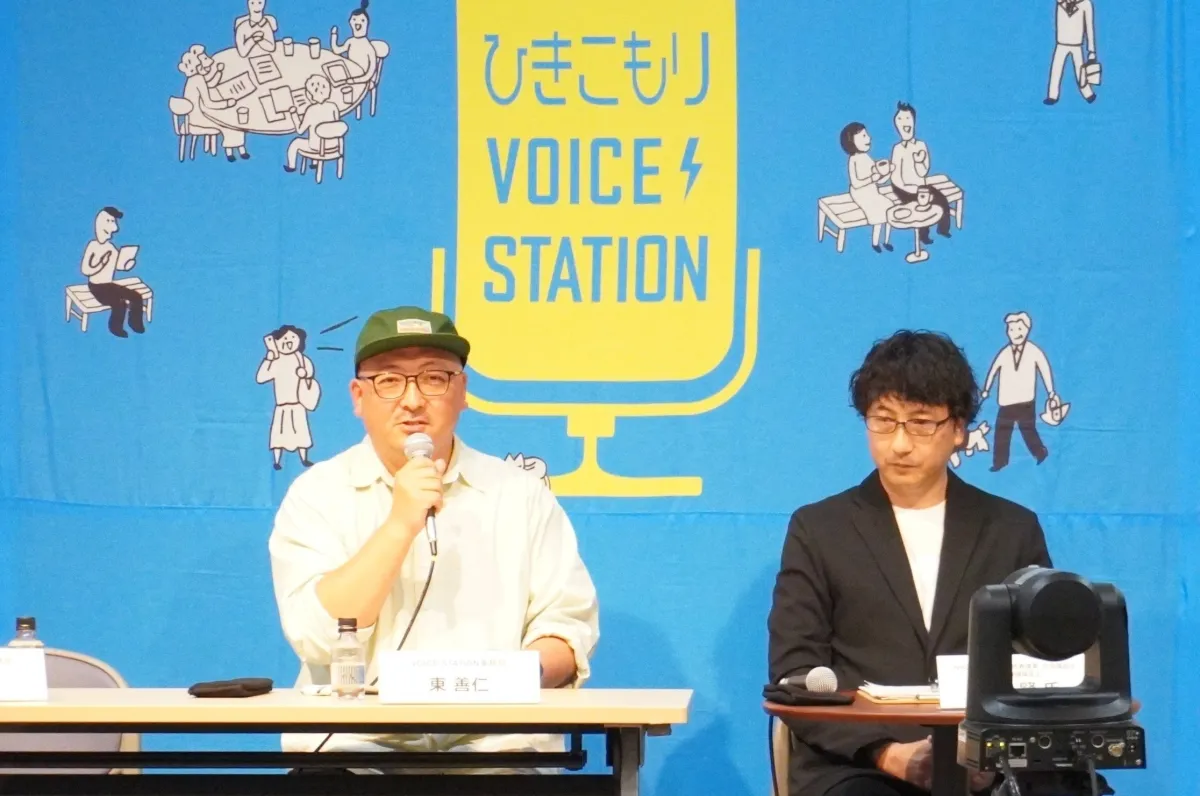
The Hikikomori Voice Station nationwide caravan, organized as part of the Japanese Ministry of Health, Labour and Welfare's initiative, was held on October 11 at NOC Plaza in Niigata City. This event attracted 133 participants both in-person and online, including individuals with experiences of hikikomori, their families, and support providers, who shared their thoughts in panel discussions.
Breaking the Silence on Hikikomori
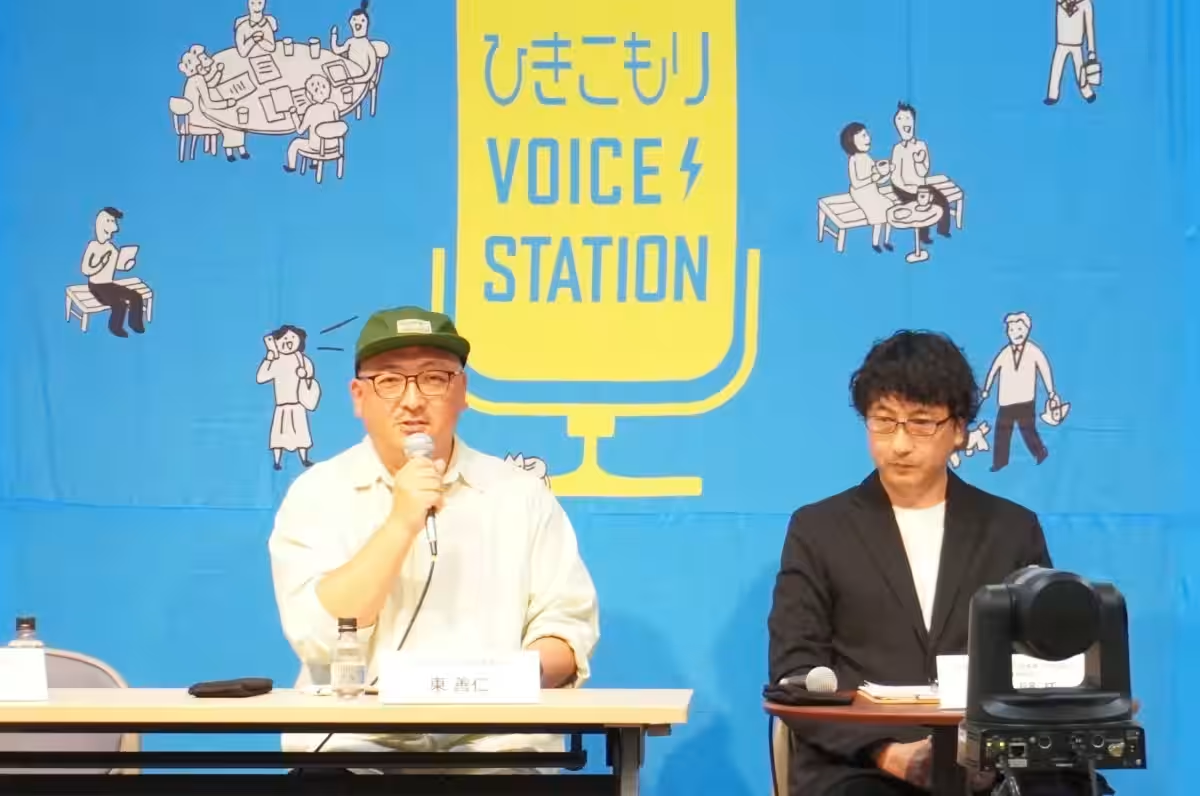
This caravan spans six prefectures from Kanagawa to Oita, running from August 23 to November 8 and aims to promote awareness of social withdrawal and the importance of understanding diverse societal issues. The fourth event took place in Niigata, where Katsuaki Murayama, representative director of the Niigata Net NPO, served as the ambassador. The discussions were moderated by Yoshihito Higashi from Tokyo's Greens NPO, where they explored the transition from being a 'hikkikomori' to becoming a supporter.
Voices from the Panel
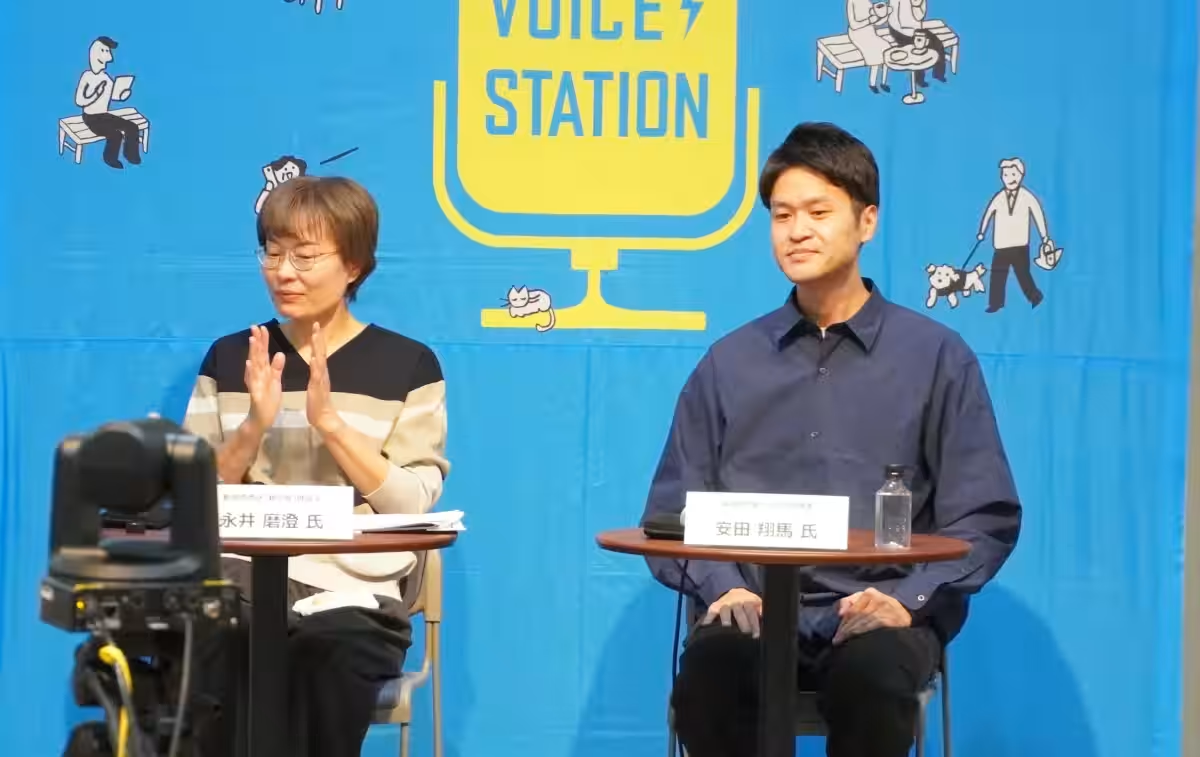
The guest speakers included Masumi Nagai, a facilitator from the Parent's Association in Niigata City, and Shoma Yasuda, a welfare professional with personal experience of hikikomori. Masumi shared her story of joining the parent's association after her son's school refusal during his high school and vocational school years. As support from the school diminished, she became connected with the Niigata Net NPO, eventually establishing a youth-oriented parent group.
Shoma recounted his experience of feeling inferior after failing his job hunt in college, leading him to a decade of self-blame and despair. He believed he was responsible for his situation and found it hard to seek help from others, despite knowing that it wasn't entirely his fault. His family offered a stable home environment; they didn't press him too hard about work while ensuring meals were shared.
Creating Safe Spaces
Nagai noted the challenges in supporting her son’s mental health and the initial hesitance to seek help given that others faced greater struggles. However, she recognized the importance of early intervention, much like a Stage I cancer patient seeking treatment despite knowing that there are people in worse conditions. She expressed the need for families to reach out to external support systems that can provide valuable insights and assistance. Now a certified social worker, she aims to give back to the community by helping others in similar circumstances.
Yasuda found solace in online gaming communities during his isolation, where he began taking on roles that facilitated fun and connection among members. This experience ignited a desire to engage further with society positively. As he began to seek employment and professional support, he discovered capabilities he had undervalued in himself and learned to define his worth beyond his previous struggles.
A Call for Connection
Both speakers emphasized the difficulties of expressing the pain associated with hikikomori and the hesitance to reach out for help. They encouraged individuals to seek assistance, whether from counseling services or friends, as support exists in many forms. The pair concluded their discussion with an optimistic message: "There are people willing to lend a helping hand. Don’t give up on taking that step forward."
Workshop Session: Ideas for Connection
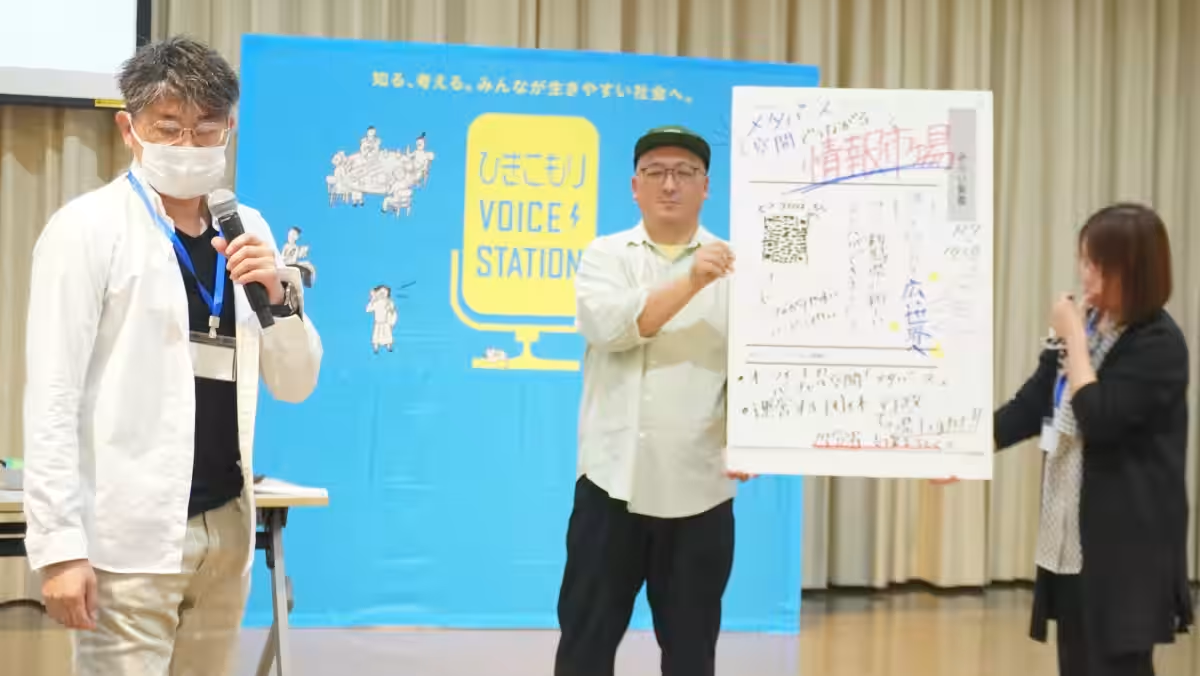
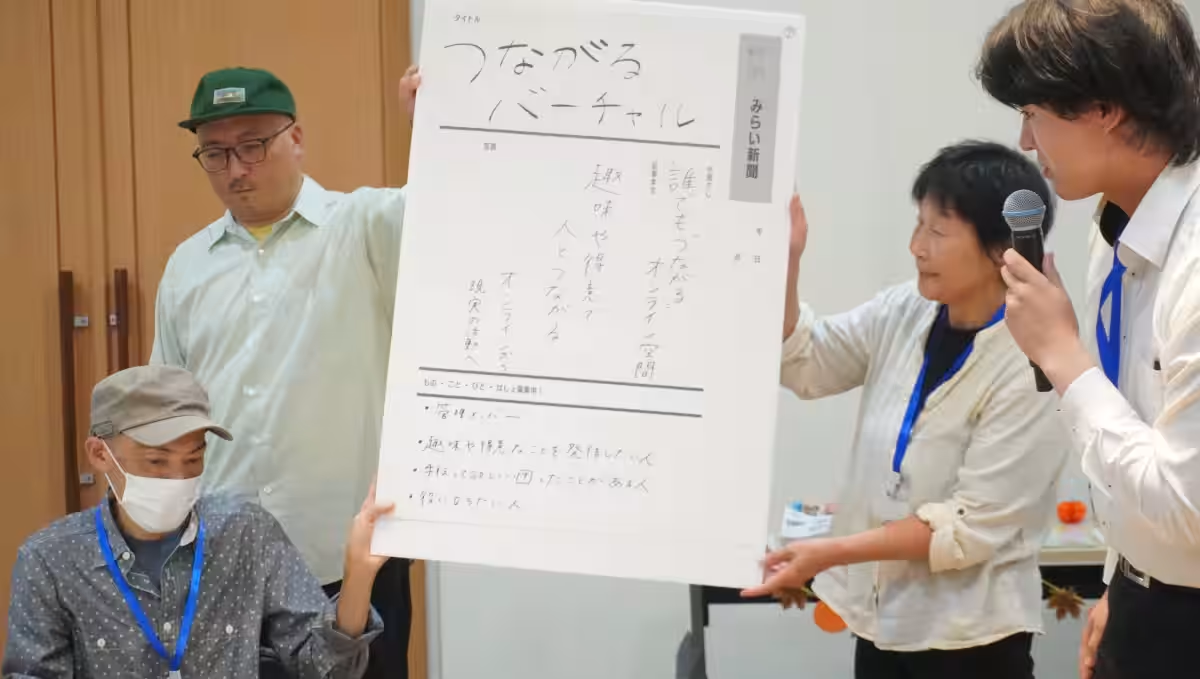
In the second part of the event, around 60 participants engaged in workshops where they explored ways to create connections within the community that could support a diverse range of individuals, including those experiencing hikikomori. Various ideas emerged, such as a virtual space to share skills for remuneration inspired by Yasuda's online gaming experiences.By leveraging Niigata's agricultural strengths, participants proposed systems to connect with local farmers in need of help, fostering not only employment but social interaction through shared meals as well.
Future of the Caravan Initiative
The Hikikomori Voice Station caravan, supported and planned by knowledgeable members from affected families and supportive organizations, continues to thrive under the auspices of community cooperation. As we approach the International Cooperative Year in 2025, the Pal System intends to amplify awareness and understanding of hikikomori among the consumer base, utilizing cooperation to demonstrate the power of community ties.
Daisuke Igarashi from Pal System Niigata expressed his emotional connection to the stories shared, marking them as a pivotal moment in the co-op's journey toward enhancing support mechanisms. As this initiative progresses, it remains committed to fostering environments where all individuals can thrive and connect with one another.

Topics People & Culture)

【About Using Articles】
You can freely use the title and article content by linking to the page where the article is posted.
※ Images cannot be used.
【About Links】
Links are free to use.