



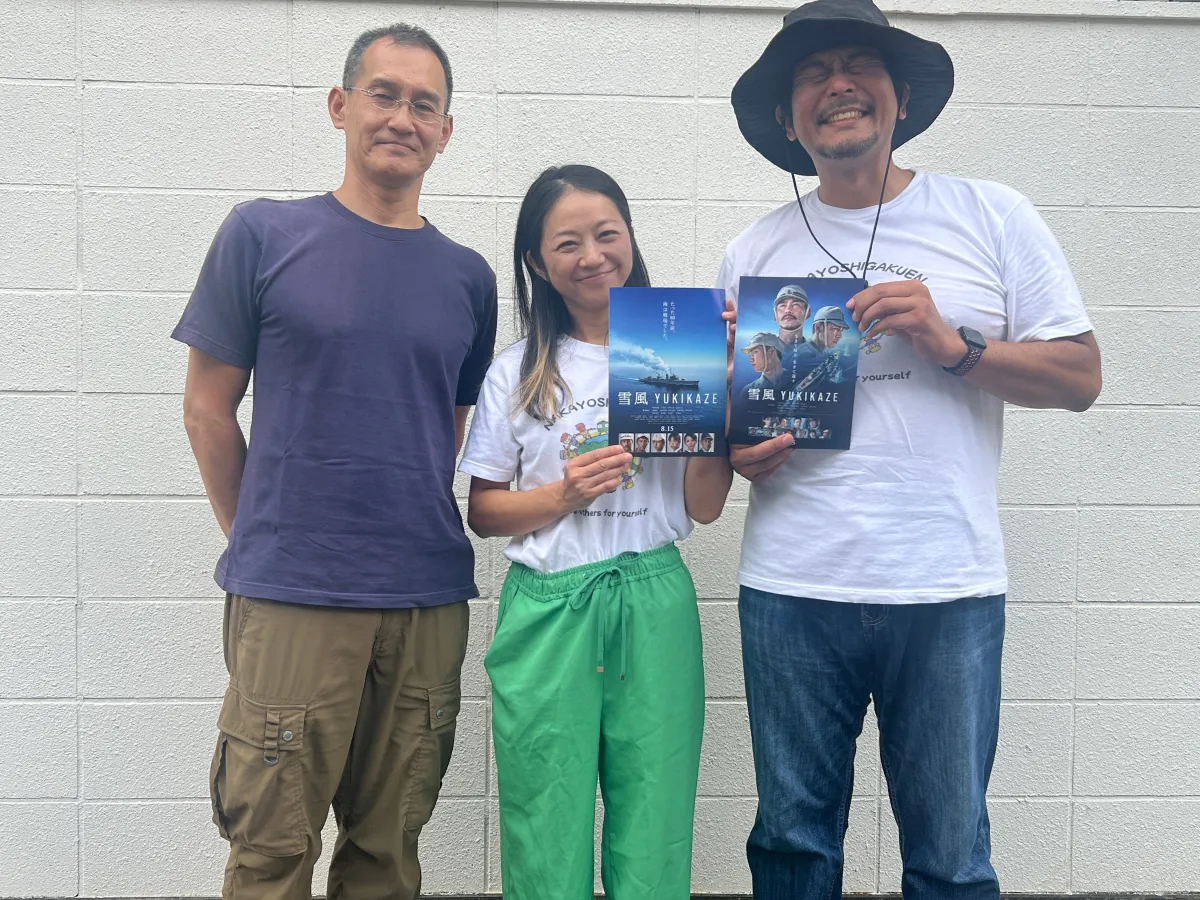
Special Dialogue Between Director Toshihisa Yamada and Yuichi Nakamura on Peace and Film Yukikaze
Special Dialogue on Film Yukikaze
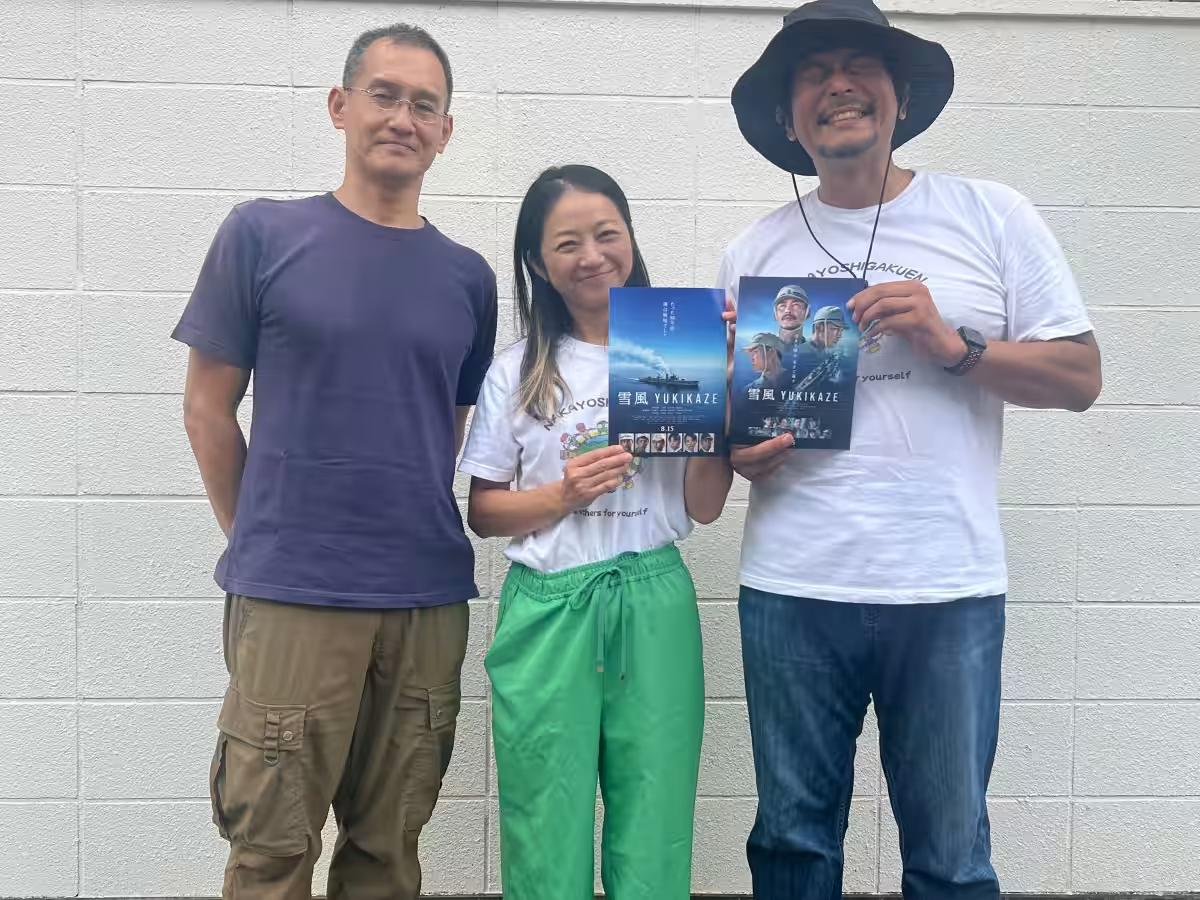
The release of the film Yukikaze was celebrated with a special dialogue featuring Director Toshihisa Yamada and Yuichi Nakamura, the representative of Nakayoshi Gakuen, an NGO active in peace education. This engaging discussion highlighted both the film's narrative and the broader themes of peace and the responsibilities of the current generation.
The meeting marked a reunion of sorts; Yamada and Nakamura previously collaborated on educational projects during the drama series Boku no Yatta Taisaku, where Yamada served as the assistant director, and Nakamura contributed as an educational consultant. The two exchanged insights about creating a safer world through cinema and education.
Yamada’s film, Yukikaze, is his first feature as a director, and it goes beyond merely depicting the horrors of war. The film encapsulates a critical message about the generational burden of those who suffered in wars, asking how today's society can inherit the dreams of their forebears. It serves not just as a portrayal of the past but prompts pressing questions about Japan's future in a world increasingly fraught with conflict and division.
In the dialogue, Yamada and Nakamura engaged in an intense discussion that revolved around two main questions:
- - What kind of country should Japan aspire to be, considering what previous generations fought to protect?
- - In light of renewed global tensions, what path ought the Japanese people to choose, and what values should they defend?
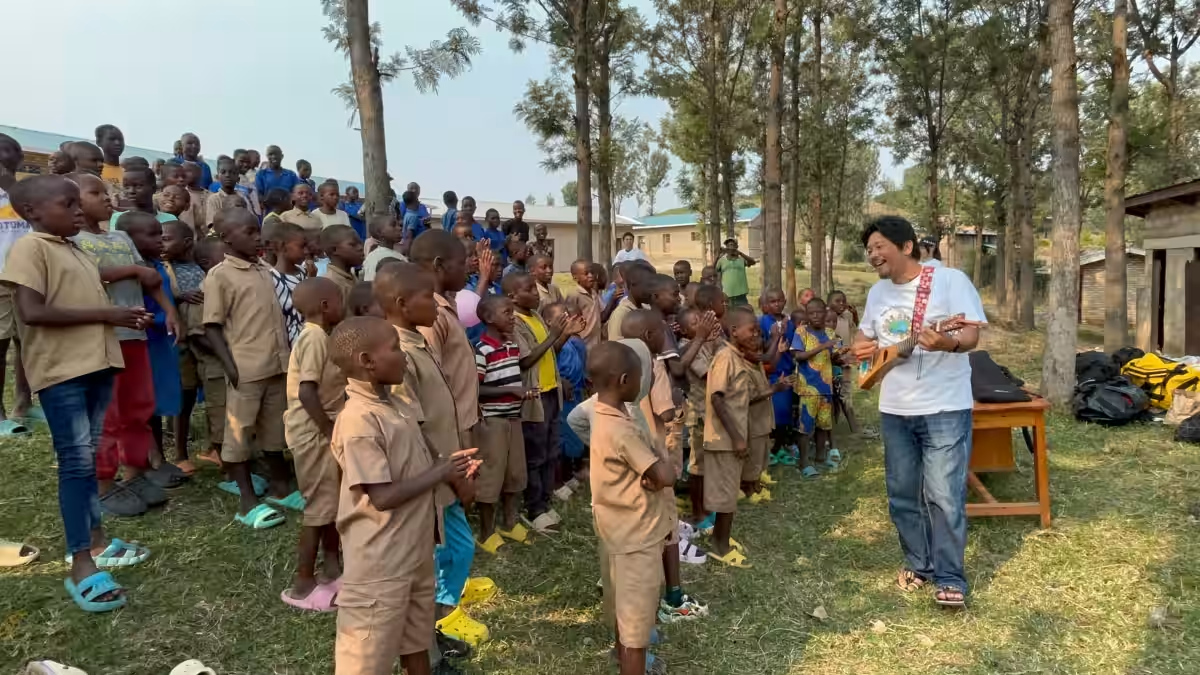
Nakamura, with his extensive experience in peace-building activities in ten Asian and African countries, praised Yukikaze for its emphasis on proactive peace creation rather than mere conflict prevention. He asserted, “This film challenges us not just to prevent wars, but to understand how to continuously cultivate peace.” He also expressed his hopes for utilizing the film in educational settings, ensuring that future generations understand that peace is not a given; rather, it must be chosen daily.
Yamada resonated deeply with Nakamura’s sentiments, emphasizing that Yukikaze is not merely about looking back. “It should serve as a reminder that we, those living today, are the custodians of peace,” he remarked. Furthermore, he offered strong support for Nakayoshi Gakuen's “Learning Project Connecting with the World,” emphasizing the importance of educating children about Japan's 80 years of post-war history and fostering dialogue with regions still in conflict.
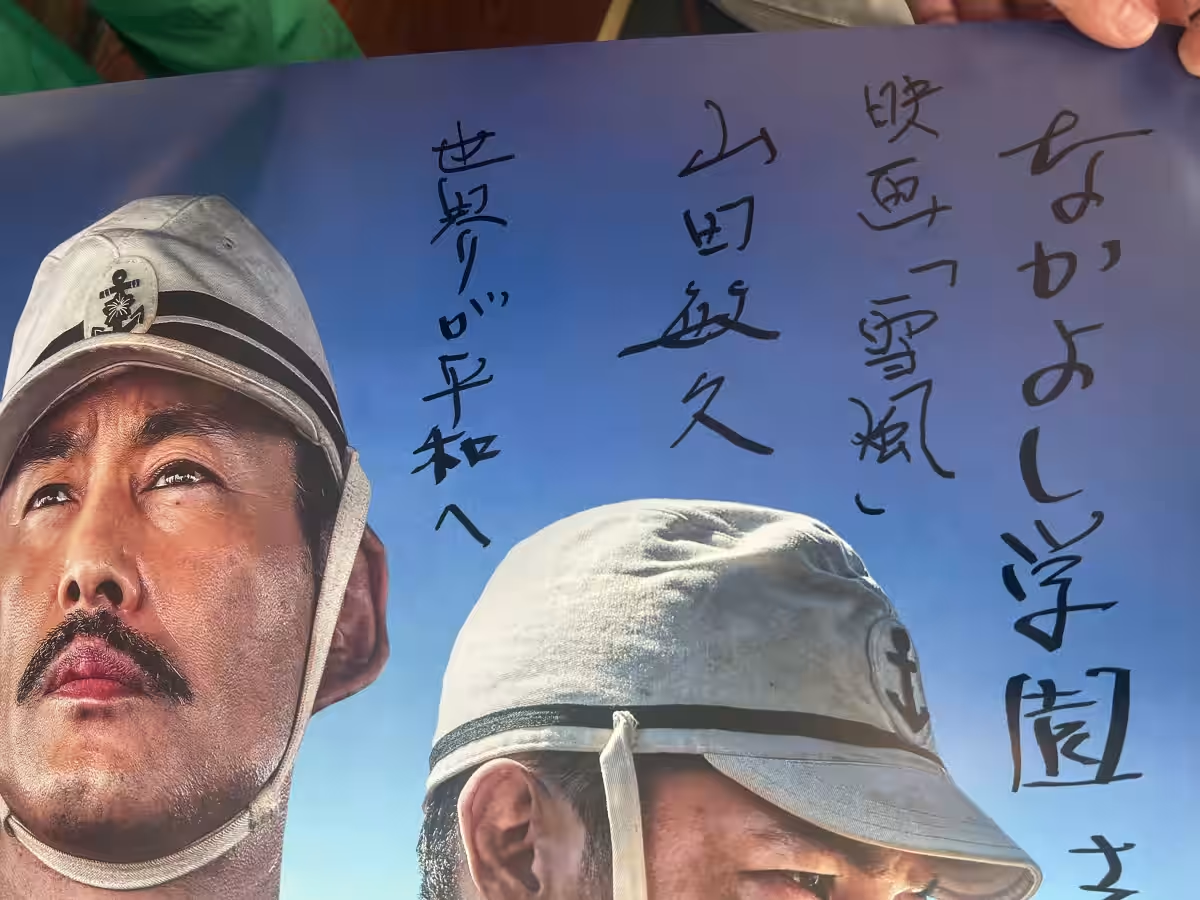
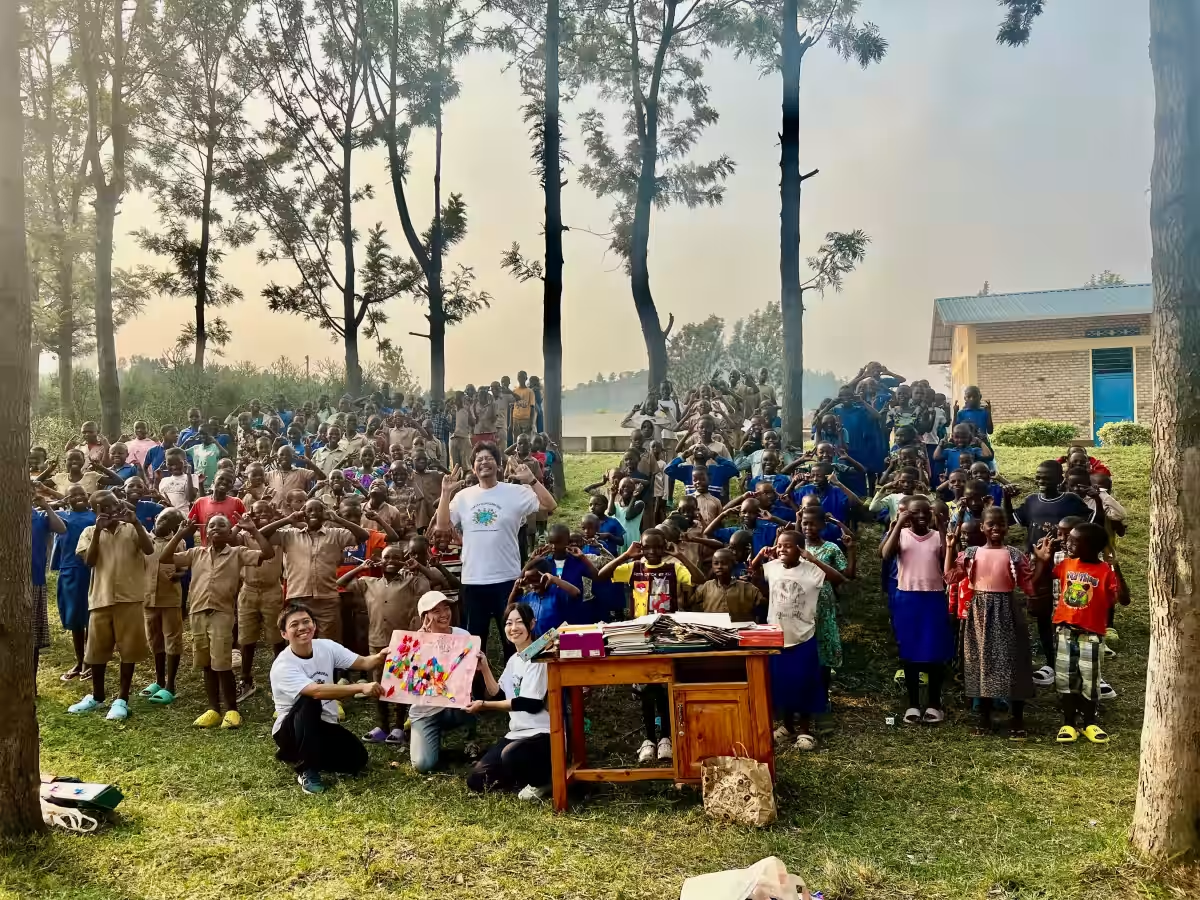
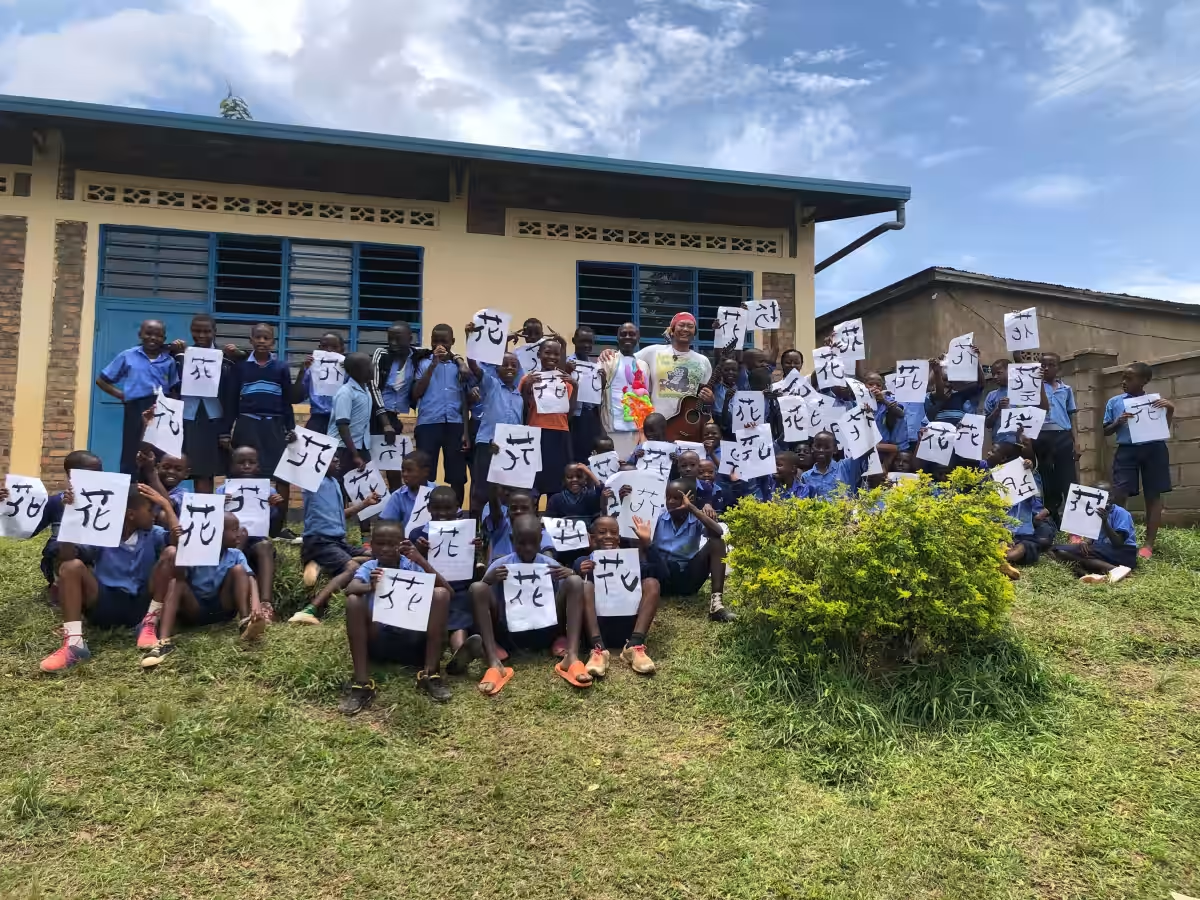
As their dialogue concluded, Yamada presented a signed poster with a hopeful message for world peace to Nakayoshi Gakuen. Nakamura passionately proposed future collaborations, envisioning classes that teach filmmaking to children living in conflict zones like Syria, Rwanda, and Congo. He stated, “Just as Japan has documented its past through film, it is crucial for conflict zones to narrate their journey from war to peace, serving as a vital lesson for the future.” Yamada agreed enthusiastically with this vision.
This dialogue highlighted how, despite their different fields, both Yamada and Nakamura share a powerful commitment to peace. Their collaborative efforts promise to send a robust message on peacebuilding not only throughout Japan but across the globe. Should their envisioned collaboration succeed, it could weave together the strengths of film and education into a unified message that emphasizes that peace is birthed from the choices of every individual.
Nakayoshi Gakuen strongly recommends Yukikaze to future generations, educational institutions, and all individuals who wish for peace. The organization anticipates that this film will encourage a new step toward contemplating and acting for peace.
About the Film Yukikaze
Eighty years ago, our seas were battlegrounds. Following the surprise attack on Pearl Harbor, Japan and America entered a fierce conflict that rattled through Michiko, Guadalcanal, Solomon Islands, and Mariana. Among those enduring trials was a single destroyer, named Yukikaze, which faced perilous battles and saved many comrades thrown into the sea, ensuring they all returned to Japan. The ship eventually became known as the “lucky ship” because of its captain’s remarkable command skills and the swift judgment of his senior sailor, earning the crew’s trust.
Yukikaze would then find itself heading towards the decisive Battle of Leyte Gulf, showcasing not only the valor of its crew but highlighting the human cost of conflict and the essence of resilience.
Conclusion
The dialogue between Yamada and Nakamura has laid the groundwork for a powerful collaboration that aims to harness the narrative strength of film with the pedagogical potential of education, spurring a discourse on a global scale centered on peace. Through Nakayoshi Gakuen's ongoing efforts in peace education and the poignant storytelling of Yukikaze, we look forward to seeing how future projects unfold, nurturing a culture of awareness and proactive engagement in peace-building worldwide.





Topics Entertainment & Media)
【About Using Articles】
You can freely use the title and article content by linking to the page where the article is posted.
※ Images cannot be used.
【About Links】
Links are free to use.