



Stress-Induced Skin Problems in New Professionals: An In-Depth Analysis
Tackling Stress-Induced Skin Problems in New Professionals
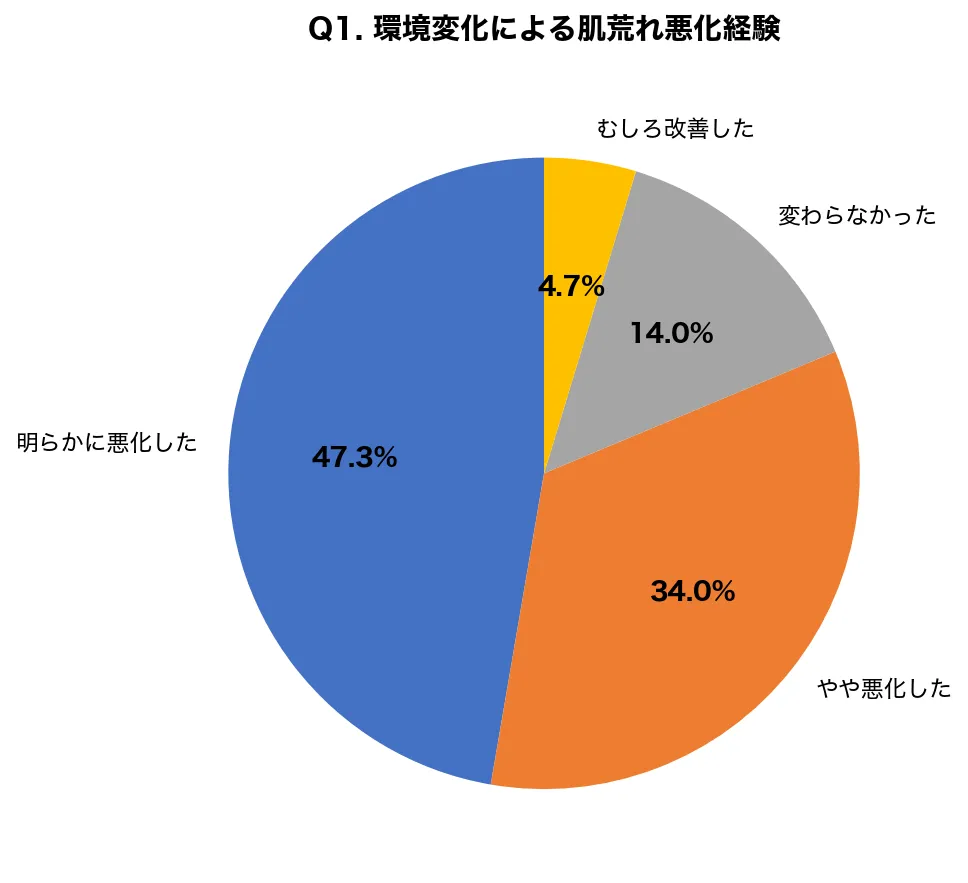
As new professionals enter the workforce, they often face significant stressors that can lead to various skin issues. A recent survey conducted by the IC Clinic revealed alarming data: over 81.3% of new employees reported worsening skin conditions due to environmental changes. This article delves into the findings of this research, elaborating on the relationship between stress and skin health, primarily focusing on adult acne, a troubling condition affecting 67% of surveyed individuals.
Understanding Stress-Induced Skin Problems
Stress-induced skin issues arise from the disruption of the autonomic nervous system (ANS) and hormonal imbalances, which are common during times of change. When faced with stressful situations, the body releases hormones such as cortisol and androgens, leading to increased sebum production and skin barrier dysfunction. This contributes to conditions like adult acne, which can cause significant distress for individuals, particularly new professionals trying to make a good first impression in their careers.
Key Findings from the Survey
The survey encompassed 300 respondents aged 20 to 30 who have entered the workforce within the last five years. The results highlighted several critical points:
- - Worsening Skin Condition: A staggering 81.3% reported that their skin problems worsened due to stress from new environments. Almost half of these individuals (47.3%) indicated a noticeable decline in skin quality owing to the stresses of adapting to a new job and lifestyle.
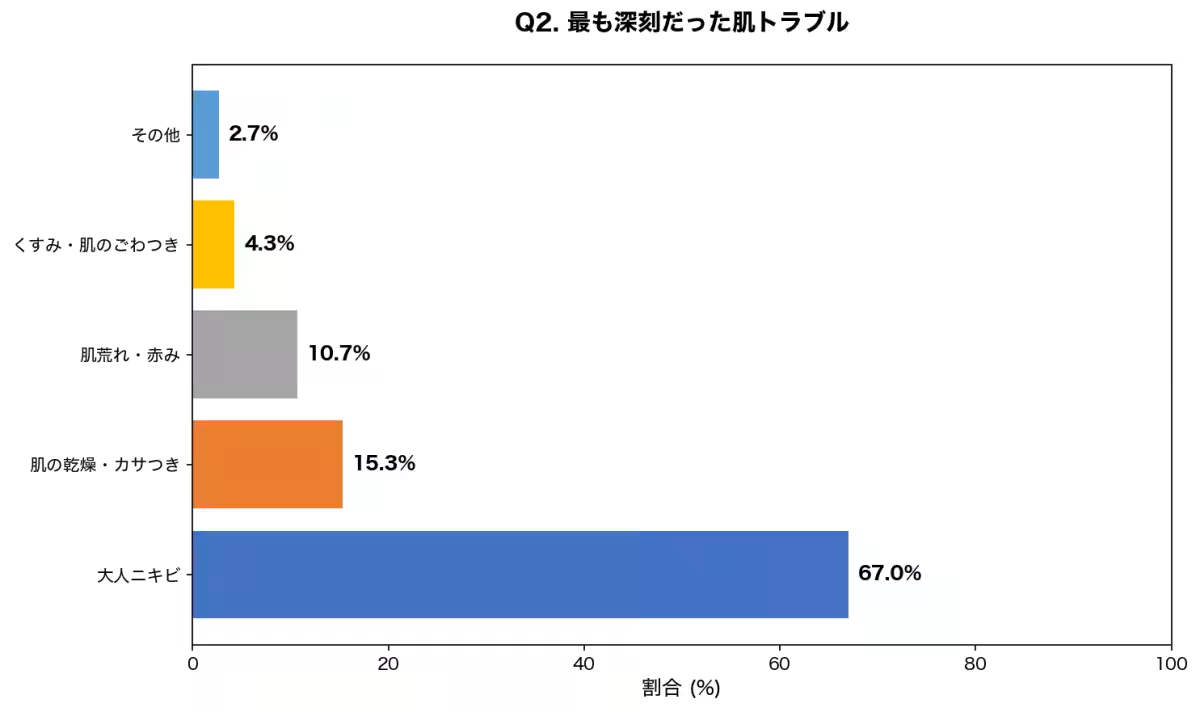
- - Prevalence of Adult Acne: Among the skin troubles experienced, adult acne was the most frequently reported issue, with 67% of participants identifying it as their primary concern. This type of acne typically appears around the chin and jawline, primarily linked to stress, hormonal fluctuations, and ultimately, dehydration of the skin.
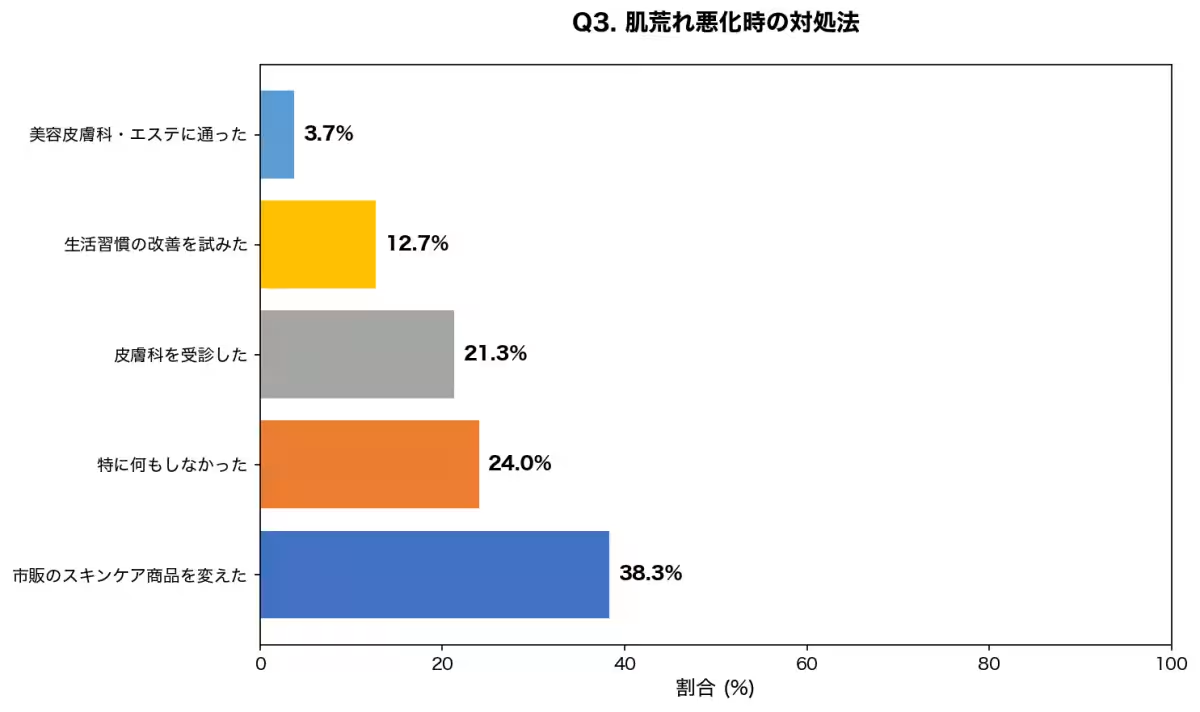
- - Underutilization of Dermatological Help: Alarmingly, 58.7% of respondents reported not seeking professional help from dermatologists despite experiencing significant skin problems, instead opting for self-care practices that may have exacerbated their conditions.
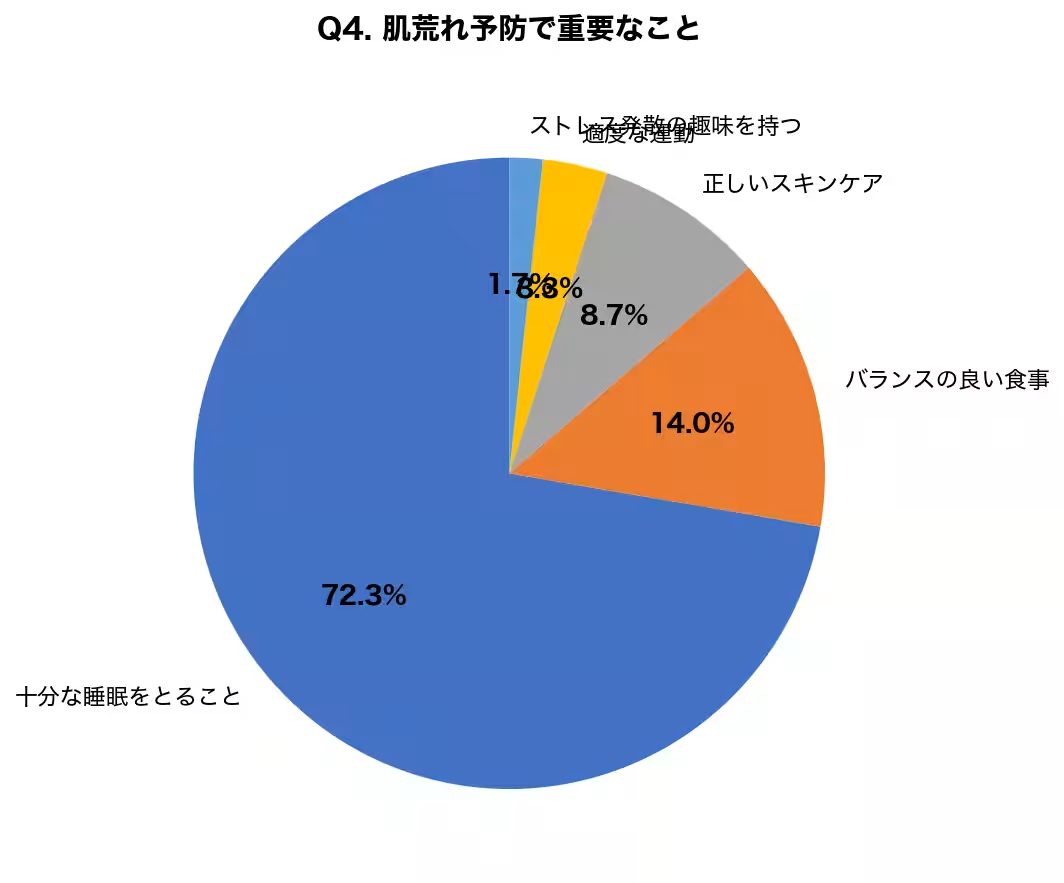
- - Importance of Sleep: When asked about preventive measures, 72.3% recognized sufficient sleep as the most crucial element in preventing stress-related skin issues. However, despite this awareness, many struggle to achieve adequate sleep in their busy lives.
Comparative Analysis: Adult Acne vs. Teenage Acne
It is essential to note that adult acne differs significantly from teenage acne:
- - Age of Onset: Adult acne typically emerges after the age of 20, while teenage acne usually affects individuals during their adolescent years.
- - Common Areas: Post-adolescent breakouts frequently appear on the chin and jawline, whereas teenage acne is commonly found on the forehead and nose (T-zone).
- - Triggering Factors: Stress and hormonal imbalances primarily contribute to adult acne, while excessive oil production drives teenage acne.
- - Treatment Efficacy: Adult acne is often harder to treat and more likely to leave scars compared to its teenage counterpart.
Strategies for Prevention and Care
To counteract the effects of stress on the skin, individuals can adopt several strategies:
- - Prioritize Sleep: Aim for 6-7 hours of quality sleep each night, maintaining a consistent sleep-wake schedule.
- - Simplify Skincare: During stressful periods, simplify skincare routines and avoid trying new products that may irritate the skin. Stick to gentle, soothing formulas.
- - Seek Professional Help When Necessary: If symptoms persist despite over-the-counter care for longer than two weeks, or if recurrent breakouts occur, consulting a dermatologist is crucial.
Expert Comments
According to Dr. Kota Takakuwa from IC Clinic, understanding the correlation between stress and skin health is vital. New professionals must not dismiss stress-related skin changes as temporary but instead initiate appropriate care swiftly to prevent long-term issues.
Conclusion
Recognizing the effects of stress on skin health is crucial for new professionals. The IC Clinic's findings underscore the high prevalence of stress-induced skin problems and highlight the need for effective preventive measures, including proper skin care and seeking dermatological advice when needed. By prioritizing sleep and simplifying their skincare routines, individuals can better manage their skin health during transitional periods, ultimately leading to healthier skin and increased confidence in their professional lives. As you embark on your new career, remember that taking care of your skin starts from within, and seeking help is a vital part of maintaining your overall health.
Topics Health)
【About Using Articles】
You can freely use the title and article content by linking to the page where the article is posted.
※ Images cannot be used.
【About Links】
Links are free to use.