



Understanding the Impact of Health Insurance Revisions on OTC Medication Costs and Patients' Burdens
Health Insurance Revisions and Their Impact on OTC Medication Burdens
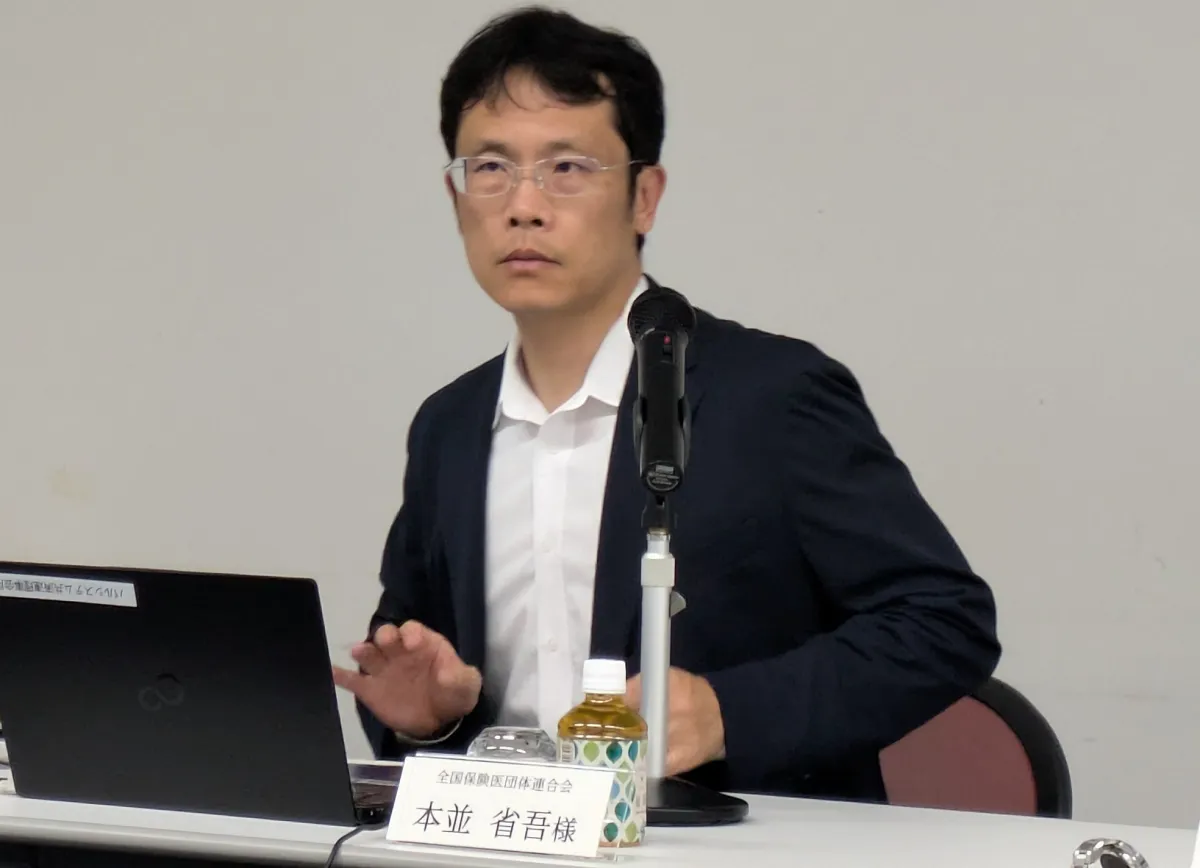
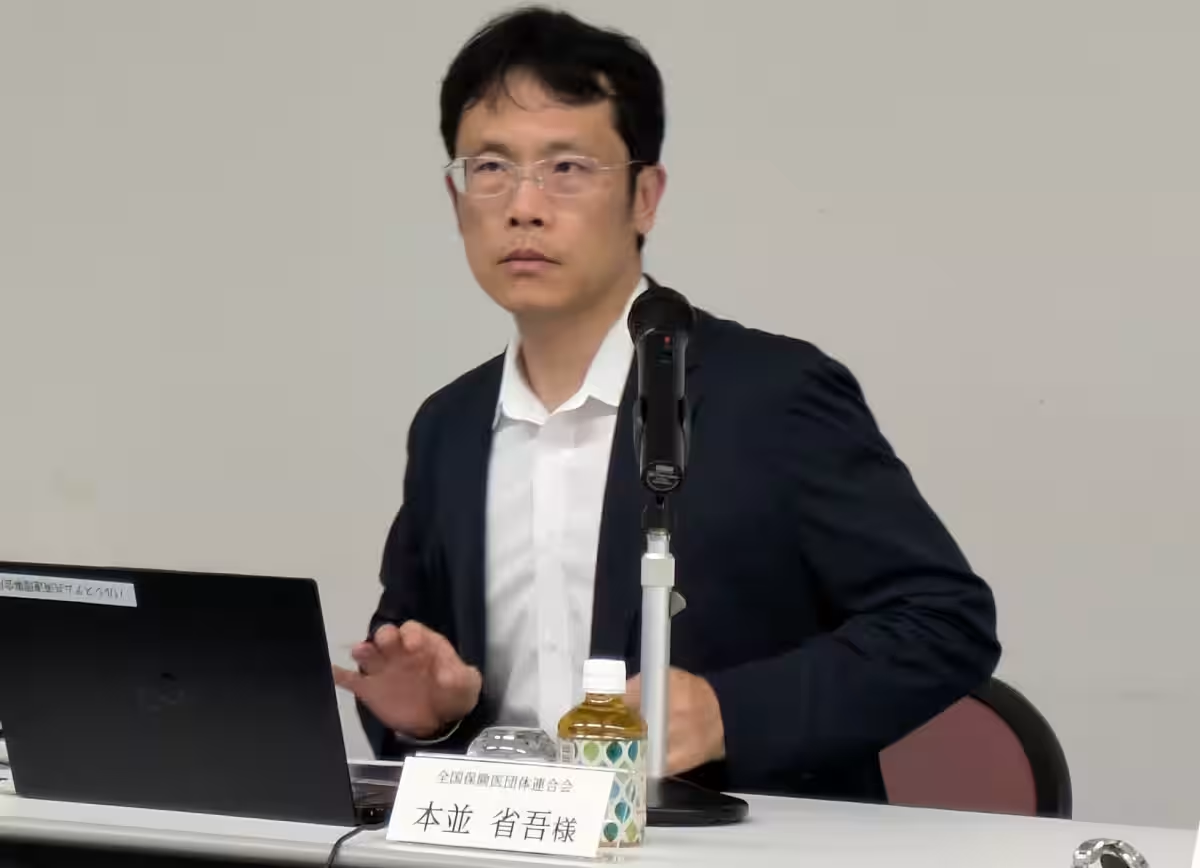
On May 7, 2023, the Palsystem Cooperative Union held its second workshop titled 'Medical and Health Disparities' at its headquarters in Higashi-Shinjuku, Tokyo. The event included online participation, gathering a total of 29 attendees. The workshop featured a guest speaker from the Japan Federation of Medical Associations, who presented insights into the implications of the health insurance reforms expected to be enacted this parliamentary session, especially concerning additional costs for OTC (over-the-counter) equivalent medications.
Overview of OTC Equivalent Medications and Increased Costs
During the workshop, Shogo Honnami, the Deputy Secretary General of the Japan Federation of Medical Associations, provided clarity on the expected impacts of additional burdens related to OTC equivalents set to begin in March 2027. These OTC equivalents are prescription medications that have similar components and efficacy to commonly used over-the-counter drugs.
More than 1,100 pharmaceutical products, including popular pain relievers such as 'Loxonin' and allergy medications like 'Allegra,' will now incur an additional fee amounting to 25% of the drug's price alongside the existing out-of-pocket costs for insured medical care. This change aims to address the escalating national healthcare expenses while ideally reducing premiums for individuals. However, the projected cost savings of 900 million yen against a staggering national medical expenditure of 48 trillion yen only translates to a mere 0.18% reduction, or about 400 yen annually and 33 yen monthly per person.
The target medications are widely used in daily life, including pain relief plasters and anti-allergy drugs essential for chronic conditions like atopic dermatitis. Many members of the working population rely on these medications for effective day-to-day functioning, as conditions like pollen allergies impact productivity significantly.
Potential Consequences of Policy Change
Honnami emphasized concerns over increasing healthcare expenses, warning that the proposed cost-sharing might deter individuals from seeking timely medical attention. He highlighted that the current messaging by the government, focusing on fairness and promoting OTC medications, could lead to a dangerous cycle of poor health management driven by self-diagnosis. Relying on OTC medications without professional evaluation could potentially result in the advancement of severe diseases or the spread of infectious diseases, all while undermining public health.
He pointed out alarming scenarios where individuals might overlook critical health indicators, such as frequent use of medications for stomach pain leading to missed diagnoses of more serious conditions like gastric cancer. This trend of self-managing symptoms could jeopardize communal health and safety, leading to broader public health concerns.
Voices from Affected Patients
The discussions also reflected the worries of various patient demographics, particularly young adults with chronic conditions like atopic dermatitis. Many expressed intense anxiety over the financial burden of increased medication costs amidst a rising cost of living, fearing they might have to choose between basic necessities and necessary treatments.
Testimonies from those suffering chronic ailments reveal that large quantities of moisturizing agents and steroids are vital to managing their conditions effectively. For instance, physical laborers and teachers, who often face persistent physical discomfort, also shared how OTC equivalents significantly affect their ability to maintain productivity and safety at work.
Workers in essential roles that require physical strength are particularly worried about the increased burden that may come with these reforms, with many fearing job losses due to health challenges. Such potential fallout stands in stark contrast to the government’s aim to support these essential workers.
The Broader Implications for National Healthcare
Honnami articulated a critical stance against the reform proposal, asserting that such changes could threaten the integrity of the national public healthcare system. He highlighted concerns that the legislation, once passed, would expand the scope of out-of-pocket expenses at the government's discretion, effectively dismantling the universal healthcare coverage that citizens depend upon.
The workshop concluded with Honnami urging participants to advocate for healthcare rights and clarify the implications of self-management policies on public health. As states and organizations like the Palsystem Cooperative Union continue to address healthcare challenges collectively, the emphasis remains on building a society where everyone can lead healthier lives.
Moving Forward
In light of these discussions, the Palsystem Group is committed to collaborating with diverse organizations to address the challenges facing our communities. Advocating for a system that allows everyone to thrive healthily is more critical now than ever, especially as we navigate the complexities of healthcare policies.
Topics Health)
【About Using Articles】
You can freely use the title and article content by linking to the page where the article is posted.
※ Images cannot be used.
【About Links】
Links are free to use.