



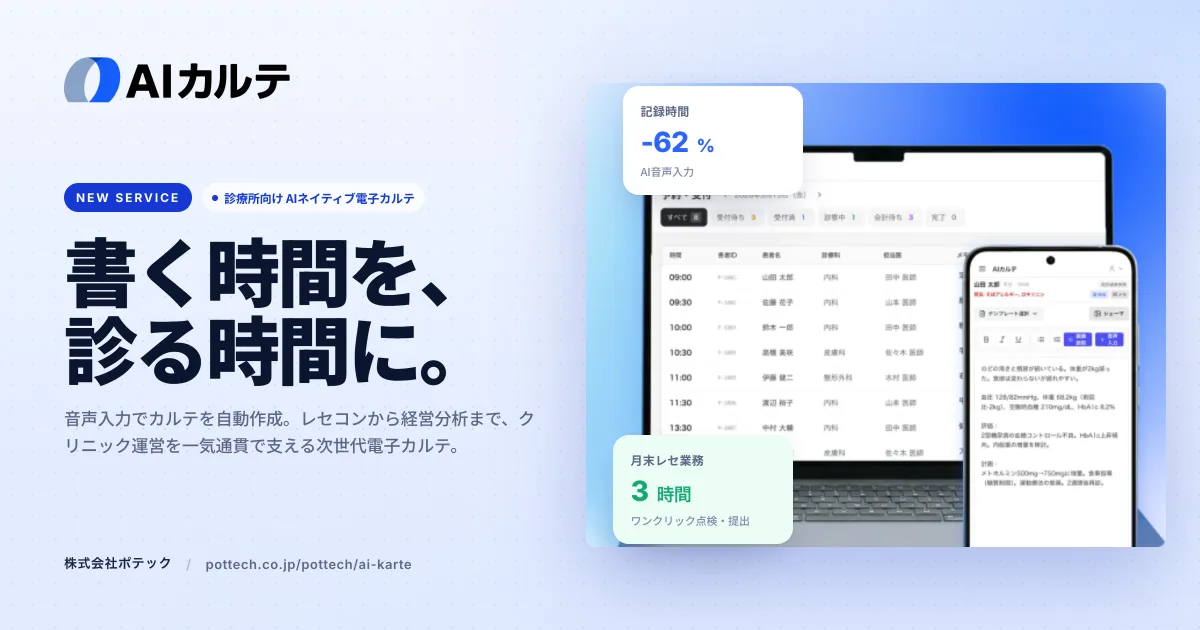
Introducing AI-Native Integrated Medical Records: The Innovative AI Medical Chart
The Dawn of AI in Medical Record Keeping
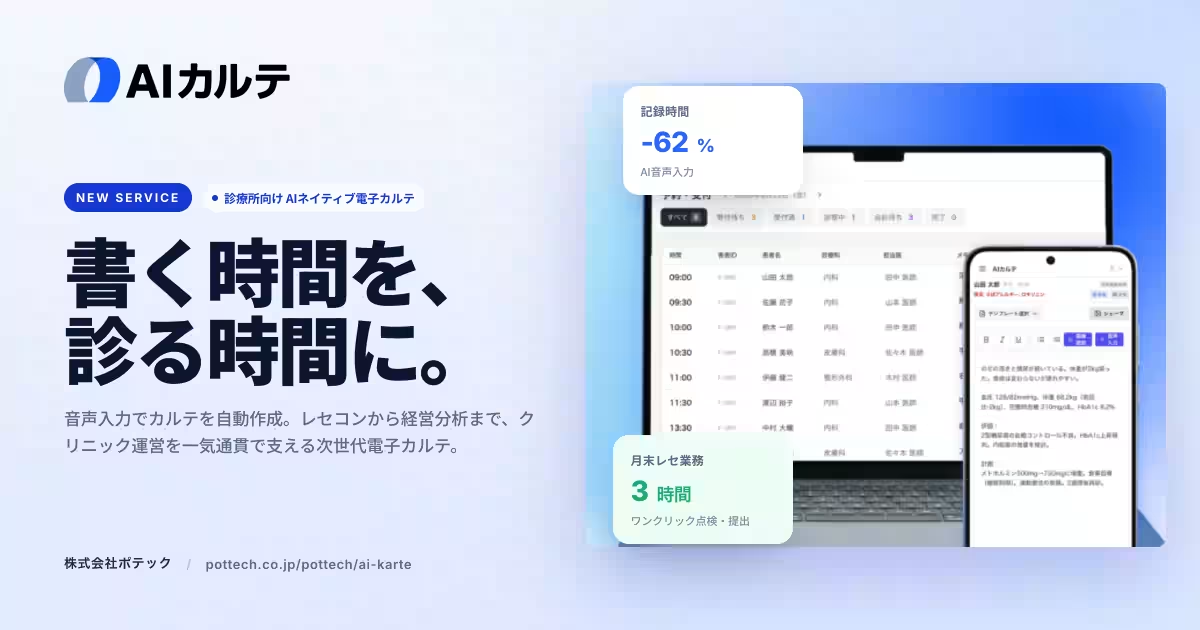
In an era where technology continuously reshapes industries, Potech Corporation, based in Chiyoda, Tokyo, has made a remarkable debut with its AI-native integrated medical record system, the AI Medical Chart. This revolutionary product combines invoicing systems and electronic health records into a single, cohesive system, challenging traditional medical record management approaches.
Understanding the AI Medical Chart
The AI Medical Chart is designed explicitly for clinics and medical institutions, aiming to harness the full potential of AI in the healthcare sector. Unlike conventional electronic medical records that merely overlay AI functionalities onto existing systems, Potech has taken a more innovative approach by building the framework of the AI Medical Chart from the ground up with AI at its core.
Key Features of the AI Medical Chart
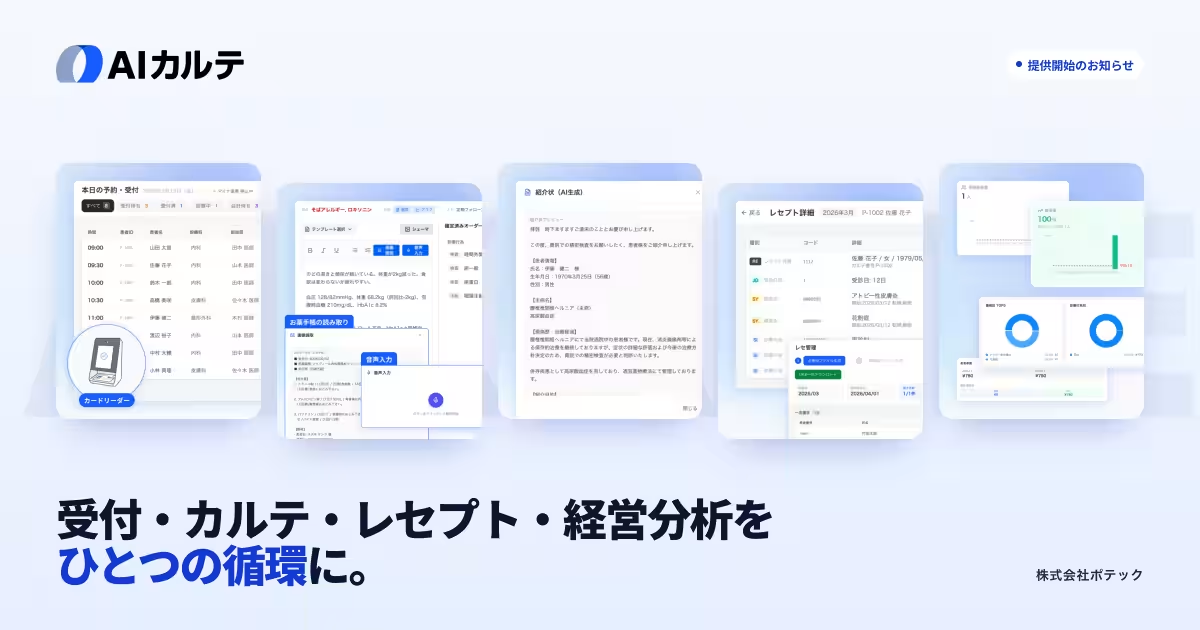
1. AI-Native Architecture: The AI Medical Chart is built to accommodate AI at every stage of patient care — from documentation to billing. This fundamentally different architecture ensures seamless integration of AI processes, enhancing efficiency in data handling and usability.
2. Unified Invoicing and Medical Records: Traditionally, invoicing (often referred to as receipt computer or レセコン) and electronic health records were offered separately, leading to inconsistencies and double data entry. The AI Medical Chart eliminates these issues by merging both functionalities into one system, ensuring that patient records and billing information are consistently aligned and easily accessible.
3. Open Design for Flexible Integration: Unlike many existing systems that operate in isolation, the AI Medical Chart is designed to actively connect with external AI services and internal systems. This flexibility allows medical institutions to integrate the AI solutions and operational frameworks that best fit their specific needs, ensuring a tailored approach to healthcare management. The system supports standard APIs and complies with the Model Context Protocol (MCP), enabling compatibility with generative AI agents.
As the technology continues to evolve, individualized AI functions, specialist modules, and pricing plans will be incrementally introduced, fostering a progressive enhancement of capabilities aligned with user feedback.
Call for Initial Collaborating Medical Institutions
To refine the functionalities and operations of the AI Medical Chart, Potech is inviting initial collaborating medical institutions to participate in a unique opportunity. This collaboration aims to develop the product directly within real clinical settings, refining its practicality and user experience.
Eligibility for Participation
Potech is seeking participation from a range of healthcare providers, including but not limited to:
- - Clinics and healthcare facilities
- - Mid-sized healthcare organizations (any specialty)
Limited Availability
Only three spots are available, and they will be filled on a first-come, first-served basis.
Collaborating Responsibilities
Those who participate will be expected to:
- - Engage in real-world testing of the AI Medical Chart
- - Provide regular feedback for continuous improvement
- - Share operational challenges encountered during usage
Conditions for Participation
- - Usage Fee: Free for six months
- - Initial Costs: No upfront fees for the main system
- - Any additional data integration costs can be discussed separately
Registration Period
The recruitment phase will remain open until June 30, 2026, or until all slots are filled.
How to Apply
Interested institutions can fill out the inquiry form available on Potech's corporate website.
This initiative combines direct collaboration with healthcare providers, driving forward a product that resonates with the needs of modern medical practices. Potech awaits applications from those medical institutions eager to pioneer advanced healthcare management.
Upcoming Schedule
Potech plans to officially launch the AI Medical Chart in September 2026. In the interim, they will release various updates on functionalities, integration architectures, specialty support, and operational assistance, progressively enhancing the offering as user input is gathered.

Topics Health)


【About Using Articles】
You can freely use the title and article content by linking to the page where the article is posted.
※ Images cannot be used.
【About Links】
Links are free to use.